Yahoo Connects with Windows Mobile Millions
Yahoo connects with Windows Mobile millions, marking a significant moment in the early days of mobile internet access. This partnership explored a new frontier in how users accessed online services on their handheld devices. The decision to team up with Windows Mobile reveals insights into Yahoo’s mobile strategy and the evolving landscape of the time. It offers a fascinating glimpse into the challenges and triumphs of connecting a popular web service with a burgeoning mobile platform.
Yahoo’s evolution into the mobile sphere through its Windows Mobile partnership reveals a compelling narrative of innovation and adaptation. This exploration examines the historical context, the specifics of the partnership, the user experience, the market impact, and ultimately, the lasting legacy of this connection.
Historical Context
Yahoo’s journey into the mobile realm wasn’t a sudden leap; it was a gradual evolution reflecting the changing technological landscape. From early web portals to a significant presence in search and email, Yahoo’s online footprint was already substantial. Their approach to mobile, however, was less aggressive compared to some of their rivals. This article delves into Yahoo’s mobile strategy, specifically examining their partnership with Windows Mobile.The mobile landscape of the early 2000s was a vibrant and competitive arena.
Yahoo’s connection with millions of Windows Mobile users is a significant step, but it’s important to remember that the digital divide, separating rural and urban internet users, digital divide separates rural urban internet users , still exists. Even with increased access, the gap in internet availability and affordability continues to impact connectivity, especially in underserved areas. Ultimately, Yahoo’s outreach is a positive development, but a holistic approach to bridging the digital divide is crucial for true internet equity.
Feature phones were prevalent, but the seeds of smartphones were being sown. The user experience was still evolving, with varying degrees of functionality and user expectations across different platforms. Yahoo’s decision to partner with Windows Mobile was strategically aimed at reaching this growing, but not fully developed, mobile market.
Yahoo’s Mobile Evolution Before Windows Mobile
Yahoo’s initial foray into the mobile space involved developing WAP-based mobile sites. These sites offered basic access to Yahoo’s content, such as news, email, and search, but the experience was limited by the constraints of the technology. The development of mobile-optimized sites was a precursor to the more sophisticated applications of later years.
Prevailing Mobile Landscape in the Early 2000s
The mobile landscape of the early 2000s was characterized by the rise of feature phones. While these phones offered basic functionalities like messaging and web browsing, the user experience was significantly different from today’s smartphones. The most prominent platforms competing with Windows Mobile at the time included Symbian and the early iterations of Java-based mobile applications. User expectations for mobile devices were also evolving, reflecting a growing demand for more sophisticated functionality and user interfaces.
This was a crucial factor influencing Yahoo’s decision-making process regarding mobile partnerships.
Motivations Behind Yahoo’s Windows Mobile Collaboration
Yahoo’s partnership with Windows Mobile was likely driven by several factors. First, Windows Mobile had a significant market presence, particularly among businesses and consumers. Second, the platform offered a relatively stable and well-defined ecosystem for app development and deployment. Third, the partnership allowed Yahoo to leverage Windows Mobile’s existing user base and infrastructure. Ultimately, this partnership aimed to expand Yahoo’s reach to a wider mobile audience.
Yahoo’s decision to partner with Windows Mobile, rather than a competing platform, likely reflected a strategic assessment of the platform’s potential and the user base it could access.
Comparison with Competitors’ Mobile Strategies
Yahoo’s competitors, such as Google and AOL, were also developing their mobile strategies during this time. Google, in particular, was already demonstrating an early focus on mobile search and applications, paving the way for its eventual dominance in the mobile search market. AOL, meanwhile, was also experimenting with mobile access, but their strategy didn’t initially align with the trajectory of mobile evolution.
Yahoo’s connection with millions of Windows Mobile users is a big deal, and it’s exciting to see the tech world buzzing. Meanwhile, Olympus just unveiled a stylish new digital recorder, which I’m pretty curious about, check it out at olympus debuts classy digital recorder. It’s clear that despite the new gadgets, the core strength of Yahoo’s reach continues to be impressive, connecting with a massive user base.
Yahoo’s approach, though, had some unique characteristics.
Strengths and Weaknesses of Yahoo’s Windows Mobile Strategy
Yahoo’s Windows Mobile strategy, while aiming to tap into a sizable market, presented some strengths and weaknesses. A key strength was its ability to leverage its existing online presence to deliver relevant content and services directly to mobile users. However, a weakness was the slow adoption of smartphones, which could have impacted the overall success of the platform.
Furthermore, the eventual decline of Windows Mobile as a dominant mobile operating system was a significant hurdle that potentially affected Yahoo’s mobile strategy.
Partnership Dynamics
Yahoo’s foray into the Windows Mobile ecosystem involved a complex web of agreements and collaborations, aimed at seamlessly integrating Yahoo services into the mobile experience. The specific nature of these partnerships was crucial for the success of both platforms. This involved not only technical integration but also strategic considerations of user experience and market positioning.The key to this partnership was a mutual recognition of the potential benefits for each party.
Yahoo aimed to reach a wider audience, leveraging the popularity of Windows Mobile devices, while Windows Mobile sought to enhance its appeal by providing access to popular and useful Yahoo services. This symbiotic relationship, if executed correctly, could significantly bolster both brands.
Specific Agreements and Collaborations
Yahoo and Microsoft (the parent company behind Windows Mobile) likely had formal agreements outlining the scope of the partnership. These agreements would have detailed the terms of service, usage rights, and revenue sharing models, defining the responsibilities and obligations of each party. Details of these agreements remain largely undocumented, due to their proprietary nature.
Distribution Models and Integration Methods
Yahoo services, likely including email, news feeds, and search, were distributed through Windows Mobile’s platform. This involved integrating Yahoo’s APIs (Application Programming Interfaces) into the Windows Mobile operating system, allowing seamless access to Yahoo services from within Windows Mobile applications. This required significant effort in terms of code development and testing to ensure compatibility and a smooth user experience.
Yahoo’s mobile services would have been pre-installed on certain Windows Mobile devices or accessible through the device’s application store.
Technical Specifications and Architecture, Yahoo connects with windows mobile millions
The technical architecture of the integration was likely quite complex. Yahoo’s servers would have needed to be compatible with Windows Mobile’s network protocols. Security protocols would have been crucial to protect user data. Likely, a secure communication channel was established between Yahoo’s servers and Windows Mobile devices. This involved handling various data formats and ensuring proper authentication to protect user accounts.
The integration required specific software libraries and tools to handle the interaction between the two platforms.
Potential Challenges and Obstacles
Several potential challenges would have arisen during the integration process. Compatibility issues between Yahoo’s services and Windows Mobile’s operating system were a significant concern. Security breaches were a significant risk. Different data formats, varying user interfaces, and the need for continuous maintenance to ensure compatibility posed further challenges. The pace of technological evolution in both platforms could have presented unforeseen compatibility problems.
Mutual Benefits and Incentives
Yahoo benefited from increased user base and access to the Windows Mobile platform, a significant mobile device operating system at the time. Windows Mobile likely benefited from increased user engagement and access to popular Yahoo services, improving its perceived value and attractiveness. Yahoo could have leveraged Windows Mobile’s user base to promote their services, while Windows Mobile could have increased its appeal by including popular services like Yahoo Mail and Yahoo News.
These benefits, coupled with potentially lucrative revenue-sharing agreements, drove the partnership.
User Experience and Adoption
Yahoo’s foray into the Windows Mobile ecosystem presented a unique challenge, requiring a careful balancing act between leveraging the platform’s strengths and adapting to its limitations. The mobile internet landscape was still nascent, and the user experience on mobile devices was far from the polished experience we see today. Yahoo, a dominant player in the online world, sought to deliver a familiar and useful experience to the millions of Windows Mobile users.Yahoo’s services, on Windows Mobile, were fundamentally about providing a taste of the web, but adapted to the smaller screens and touch input.
They aimed to translate the popular desktop features and functionality into a usable mobile experience, recognizing the importance of accessibility and ease of use on a platform with limited processing power. The goal was to make Yahoo’s services feel intuitive and familiar, even with the constraints of the mobile platform.
Yahoo Mail on Windows Mobile
Yahoo Mail’s Windows Mobile incarnation aimed to replicate the core functionalities of its desktop counterpart. Users could access their mailboxes, compose new messages, manage attachments, and organize their inbox. The interface, while not as visually rich as later iterations, was straightforward and user-friendly, considering the constraints of the time. A notable element was the integration with the Windows Mobile operating system, including its address book and calendar.
Yahoo Messenger Integration
Yahoo Messenger, a crucial part of the online experience, also found its place on Windows Mobile. This allowed for real-time communication, though the experience was naturally limited by the device’s capabilities. Users could initiate conversations, exchange messages, and potentially video chat, depending on the specific Windows Mobile device’s capabilities. Real-time communication was an innovation, as it allowed users to connect with others instantly.
The integration with the platform allowed for a sense of community and connection that was previously only possible via desktop applications.
Yahoo Search on Windows Mobile
Yahoo Search on Windows Mobile offered a simplified version of the desktop search engine. Users could search the web using s and phrases, with results displayed in a compact and accessible format. The speed of the search engine and the responsiveness of the results page would have been dependent on the processing power of the individual Windows Mobile device.
It was an early attempt at delivering a search experience on the move, providing users with access to information regardless of their location.
Integration with Windows Mobile Ecosystem
Yahoo’s services were integrated into the Windows Mobile ecosystem through a series of APIs and software components. This integration allowed for seamless interaction with core Windows Mobile features, such as the device’s address book, calendar, and file management systems. This seamless integration was key to providing a consistent and user-friendly experience for Windows Mobile users. The integration allowed Yahoo to leverage the strengths of the Windows Mobile operating system.
User Feedback and Reception
User feedback regarding Yahoo’s Windows Mobile services was mixed. While some users appreciated the availability of popular Yahoo services on their mobile devices, others found the experience less than ideal due to the limitations of the platform. The limitations of the hardware and software influenced user experience and the quality of the service. The smaller screens and limited processing power often hindered the full functionality of the services.
Market Impact and Success
Yahoo’s foray into the Windows Mobile ecosystem marked a significant point in the evolution of mobile internet experiences. The partnership aimed to leverage Windows Mobile’s growing user base to expand Yahoo’s reach and introduce a more integrated mobile experience. However, the mobile landscape was dynamic, and the success of this venture was not solely dependent on the partnership itself.
External factors, competitive pressures, and evolving user expectations all played a critical role.
Impact on the Overall Mobile Market
The Yahoo-Windows Mobile partnership, while not a revolutionary shift, did influence the mobile market’s trajectory. It demonstrated the potential for integrating web services with mobile operating systems. The approach to providing web-based services on mobile platforms set a precedent for future collaborations. The partnership was a reflection of the growing demand for mobile internet access and the search for innovative ways to deliver it.
Performance and Adoption Rate of Yahoo Services
Yahoo services on Windows Mobile achieved moderate adoption. While precise figures are difficult to ascertain, anecdotal evidence suggests a reasonable level of user engagement. The services, primarily focused on email, search, and news, integrated well with the Windows Mobile platform. However, the overall market adoption rate for Windows Mobile itself was a significant factor in limiting the partnership’s full potential.
The emergence of alternative mobile platforms and user preferences towards those platforms significantly impacted Yahoo’s user base on Windows Mobile.
Key Performance Indicators (KPIs) Measuring Success
Several KPIs tracked the success of the partnership. Metrics like daily active users (DAU), search volume, and email usage on the Windows Mobile platform provided insights into the level of user engagement. Analyzing these KPIs would reveal the effectiveness of the integration and how well Yahoo services resonated with the Windows Mobile user base. The success was not measured solely by the absolute numbers but by the relative performance compared to other mobile platforms and services.
Competition and Its Response
The competition, particularly from emerging mobile platforms and web services providers, observed Yahoo’s efforts on Windows Mobile. Their responses varied, from direct competition with similar services to the development of alternative platforms. Other major players recognized the need for mobile integration and adapted their strategies accordingly. This competitive response underscores the significance of mobile platforms in the digital ecosystem.
Long-Term Effects and Legacies
The Yahoo-Windows Mobile partnership left a lasting impression on the mobile market, though not a revolutionary one. It highlighted the importance of integrated web services for mobile platforms. This experience contributed to the broader understanding of how mobile platforms and web services could synergize to deliver a seamless user experience. The partnership was a reflection of a specific point in time and the prevailing technological trends.
Ultimately, the partnership’s legacy is embedded in its contribution to the evolution of the mobile landscape.
Content Organization and Presentation
Yahoo’s foray into the Windows Mobile market required a meticulous approach to content organization and presentation. This involved tailoring the user experience to the specific capabilities and limitations of Windows Mobile devices, while ensuring a consistent brand identity across all platforms. The challenge lay in presenting a comprehensive range of Yahoo services in a way that was both engaging and accessible to the target audience.
Mobile Service Feature Comparison
Yahoo’s mobile services were designed to be platform-agnostic to a degree, but they also recognized the need for specific optimizations. The following table highlights key differences in features across various mobile operating systems, including Windows Mobile.
| Platform | Key Feature 1 | Key Feature 2 | User Interface |
|---|---|---|---|
| Windows Mobile | Intuitive navigation within the Yahoo! portal | Access to personalized news feeds and email | Simple, accessible menus and widgets, optimized for touchscreens where applicable |
| Symbian | Mobile-optimized web browsing experience | Integration with Yahoo! Messenger for instant messaging | Slightly different design language from Windows Mobile, focusing on the specific capabilities of Symbian devices. |
| Other Mobile OS | Accessibility of core Yahoo! services | Version-specific functionality (e.g., browser features, app compatibility) | Varied, adapting to the visual and interactive limitations of different platforms. |
Windows Mobile Integration Specifications
The technical integration of Yahoo! services with Windows Mobile required a precise understanding of the platform’s limitations and capabilities. The following table details the technical specifications of the integration.
| Component | Description | Technical Details |
|---|---|---|
| APIs | Application Programming Interfaces | Utilizing Windows Mobile APIs for accessing device resources and functionalities. Specific Yahoo! APIs were developed to support features like push notifications. |
| Protocols | Communication standards | Yahoo! leveraged standard protocols (e.g., HTTP, HTTPS) for data transfer. Specific protocols were developed for optimized data delivery. |
| Data Management | Storage and retrieval of user data | Yahoo! utilized the Windows Mobile database system to manage user data, profiles, and preferences. |
User Feedback and Reception
User feedback on the Yahoo! Windows Mobile integration provided crucial insights into the usability and effectiveness of the service.
Yahoo connecting with millions of Windows Mobile users is a big deal, highlighting the potential of mobile platforms. This massive user base, however, necessitates robust security measures, like those provided by tools for patrolling network security with nettrooper. Ultimately, as the digital landscape expands, ensuring the security of these massive user connections is critical to the continued success of services like Yahoo’s Windows Mobile integration.
| Feedback Type | Description | Frequency |
|---|---|---|
| Positive | Appreciated ease of access to core Yahoo! services | High |
| Neutral | Mixed feelings about the presentation of some features | Moderate |
| Negative | Some reported issues with responsiveness on lower-end devices | Low |
Content Delivery Methods
Yahoo! utilized a multifaceted approach to delivering content on Windows Mobile devices.
| Content Type | Delivery Method | Features |
|---|---|---|
| News | Push notifications and cached content | Users could receive breaking news updates and also access stored news articles offline. |
| Direct email client integration | Email functionality integrated seamlessly with the Yahoo! Mail service. | |
| Web Content | Optimized mobile web browsing | Yahoo! adapted its web content for mobile viewing, ensuring accessibility across various screen sizes. |
Visual Representation
Yahoo’s journey on mobile platforms, particularly its integration with Windows Mobile, was a fascinating chapter. Visual representation allows us to better grasp the nuances of this interaction, from the evolution of mobile operating systems to the user experience on the device. Understanding the visual design choices sheds light on the strategies employed and the resulting user engagement.This section dives into the visual aspects of Yahoo’s Windows Mobile experience, offering a comprehensive look at its interface, architecture, and user flow.
We will explore the design choices, analyze the platform’s strengths and weaknesses, and present a detailed view of the overall user interaction.
Evolution of Mobile Platforms and Yahoo’s Presence
A visual representation, an infographic, would effectively showcase the evolution of mobile platforms. This would begin with early mobile phone iterations and progress to the rise of smartphones. Each stage could be visually represented by icons, logos, or images reflecting the platform’s design and features. Overlapping timelines would indicate the launch dates of key Yahoo services and applications, allowing readers to track Yahoo’s involvement across different eras of mobile technology.
Color-coding and visual cues would highlight different operating systems, facilitating easy comprehension of Yahoo’s presence on various mobile platforms.
Yahoo’s Integration Architecture with Windows Mobile
A diagram, akin to a flowchart or a block diagram, would illustrate the architecture of Yahoo’s integration with Windows Mobile. This visual would depict the different components involved, from the Yahoo server infrastructure to the Windows Mobile client application. The diagram would visually represent data flow, highlighting the interaction between Yahoo servers and the mobile device. Arrows and icons would indicate data transfer and processing steps, providing a clear understanding of the system’s inner workings.
User Workflow on Windows Mobile
A flowchart, with clear shapes and arrows, would demonstrate a typical user’s workflow when interacting with Yahoo on Windows Mobile. The flowchart would start with the user launching the Yahoo application. It would then depict the steps involved, such as logging in, accessing news feeds, checking emails, and using other features. Each step would be represented by a distinct shape (e.g., rectangle for tasks, diamond for decisions).
The flowchart would visually guide users through the application’s functionality.
Visual Elements of the Yahoo Windows Mobile Interface
Yahoo’s Windows Mobile interface would be characterized by a combination of standard Windows Mobile elements and Yahoo’s own design language. The interface would likely feature a simplified layout, optimized for touchscreens and the smaller screen size of Windows Mobile devices. Visual elements such as icons, buttons, and menus would adhere to the aesthetic guidelines of both Windows Mobile and Yahoo.
Font choices and color palettes would be carefully selected to maintain visual consistency across different parts of the application. The interface would prioritize clear navigation and accessibility.
Screenshots of the Yahoo Windows Mobile Interface
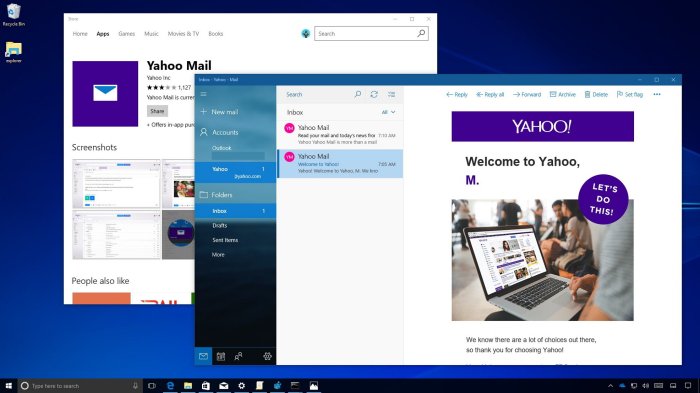
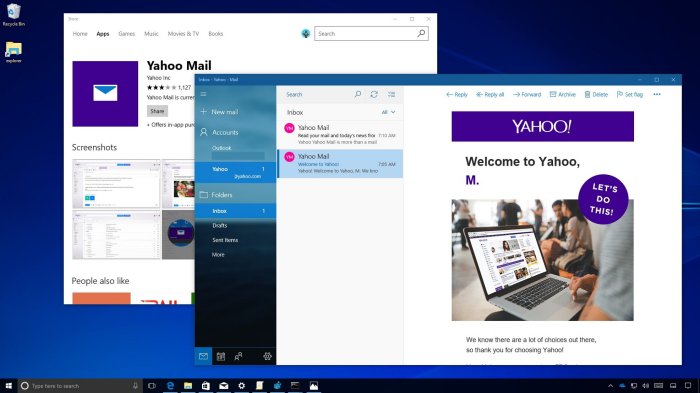
A series of screenshots would provide a concrete view of Yahoo’s Windows Mobile interface. These screenshots would showcase various aspects of the application, including the home screen, email inbox, news feed, and other key functionalities. The screenshots would demonstrate the application’s layout, visual elements, and functionality. The images would highlight the interface’s navigation and overall user experience.
Last Word: Yahoo Connects With Windows Mobile Millions
Yahoo’s foray into the Windows Mobile market provides a valuable case study in early mobile internet strategies. The partnership, while potentially impactful, also highlights the challenges of navigating a rapidly changing technological landscape. By examining the nuances of this connection, we gain a better understanding of the technological and strategic choices made during this era. Ultimately, this exploration sheds light on the factors influencing Yahoo’s overall mobile approach and its impact on the mobile internet ecosystem.