Mixcraft Music Making Made Easy Your Guide
Mixcraft music making made easy sets the stage for this enthralling narrative, offering readers a comprehensive guide to mastering Mixcraft, a powerful music creation software. This guide covers everything from basic project creation to advanced techniques, providing a seamless learning experience for beginners and seasoned musicians alike. We’ll delve into the software’s intuitive interface, explore its diverse features, and walk you through the entire music production workflow.
Whether you’re a complete beginner or an experienced producer, this guide will equip you with the knowledge and tools to create your own music using Mixcraft. We’ll unravel the secrets behind Mixcraft’s ease of use, revealing how to leverage its features effectively for music production of all levels. From recording and editing to mixing and mastering, we’ll provide a detailed roadmap for your Mixcraft journey.
Introduction to Mixcraft
Mixcraft is a popular digital audio workstation (DAW) software used for creating and editing music. It offers a comprehensive suite of tools for composing, recording, and mixing audio tracks, making it a versatile choice for both beginners and experienced musicians. Its user-friendly interface and robust features make it a compelling option for individuals seeking a powerful yet approachable music production platform.Mixcraft’s core features extend beyond basic audio editing.
It provides a wide array of instruments, effects, and tools to craft professional-quality soundscapes. Whether you’re a budding composer or a seasoned producer, Mixcraft offers the tools and flexibility to realize your musical visions.
Core Features and Functionalities
Mixcraft boasts a suite of features designed for both beginners and advanced users. These features include a comprehensive audio editor, a wide range of virtual instruments and effects, and a user-friendly interface. Importantly, it’s capable of handling a significant number of audio tracks simultaneously, facilitating complex music arrangements.
Target Audience
Mixcraft caters to a diverse range of users. Beginners can leverage Mixcraft’s intuitive interface and numerous tutorials to learn music production. Intermediate users can explore more advanced features such as mixing and mastering techniques. Experienced musicians will find the software’s extensive toolset and customization options to be beneficial. Its versatility across skill levels makes it a highly sought-after choice in the music production community.
Comparison to Other DAWs
The table below provides a concise comparison of Mixcraft to other popular music creation software, such as Audacity and GarageBand. This comparison highlights the strengths and weaknesses of each software, allowing users to choose the most suitable option for their needs.
| Feature | Mixcraft | Audacity | GarageBand |
|---|---|---|---|
| Ease of Use | Intuitive interface, extensive tutorials, and support forums | Simple interface, but less intuitive than Mixcraft for complex tasks | Very user-friendly, geared towards beginners with drag-and-drop interface |
| Features | Comprehensive set of instruments, effects, and audio editing tools | Basic audio editing tools, limited instruments and effects | Good range of instruments and effects, but fewer advanced options than Mixcraft |
| Price | Paid software with various pricing tiers | Free, open-source software | Free (with limited features) or a paid version with expanded functionality |
| Target Audience | Beginners, intermediate, and advanced users | Primarily beginners and those needing basic audio editing | Beginners and intermediate users, lacking extensive features for professional production |
Ease of Use for Beginners
Mixcraft’s intuitive design makes it surprisingly easy to navigate, even for those new to music production software. Its clean interface and logical organization of tools allow beginners to quickly grasp the fundamentals and start creating their own music projects. This section will guide you through the initial steps of creating a basic project, common pitfalls to avoid, and how to effectively use the software’s key features.
Creating a Basic Music Project
Mixcraft’s project creation process is straightforward. First, launch the software. A new project window will appear, offering options for selecting the project type (e.g., audio recording, MIDI composition), sample rate, bit depth, and project length. Choose settings appropriate for your needs, and click “Create.” This action initializes an empty project with a basic structure ready for audio tracks and other elements.
Common Beginner Mistakes and Solutions
New users often encounter issues related to file import or track organization. One common mistake is trying to import files larger than the project’s memory can handle. Mixcraft can handle various audio file formats, but it’s crucial to check the compatibility. If an error occurs, ensure the file type is supported and try reducing the file size through compression or a converter.
Another frequent issue is adding too many tracks without organizing them properly. A good strategy is to start with a small number of tracks, and only add more as needed, ensuring each track has a clear role in the mix.
Intuitive Interface Elements and Functionalities
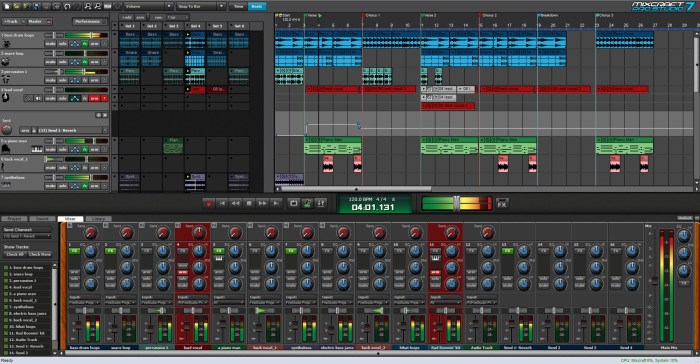
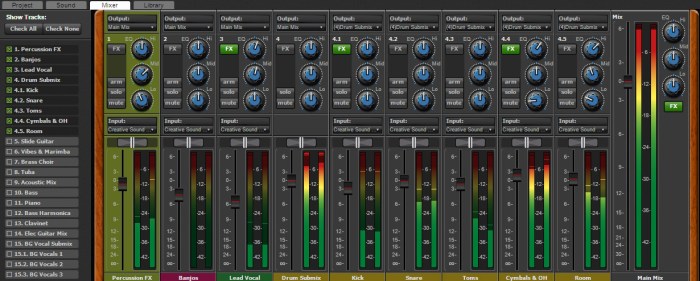
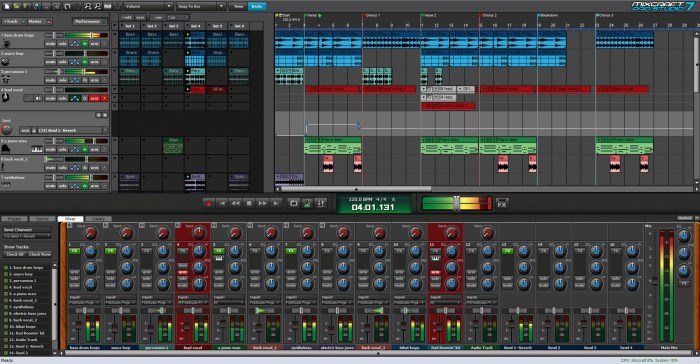
Mixcraft’s interface is designed with a user-friendly approach. The main window displays various essential elements: a track area for arranging audio and MIDI clips, a toolbar for basic functions (play/stop, record, zoom), a mixer section for adjusting volume and effects, and a playlist for managing project content. Each section is clearly labeled, providing visual cues to its function.
For example, track headers indicate track number, and the mixer displays volume and pan controls for each track. These visual cues significantly improve the workflow for both novice and experienced users.
Importing Audio Files
Mixcraft supports various audio formats for importing. To import audio files, simply drag and drop the files into the project window. Alternatively, use the “File” menu’s “Import” option to select and add audio files to the project. This method is useful when dealing with multiple files, and it allows you to select specific files from your system’s file explorer.
Adding Audio Tracks to a Project
Adding audio tracks is a fundamental part of creating a music project. The process is intuitive and straightforward. To add a track, click on the “Add Track” button, which typically looks like a small plus sign or an audio track icon, found within the project’s track area. This action adds a new audio track to the project, allowing you to place your imported audio files onto it.
Mixcraft allows you to add multiple tracks, each with its own set of controls for volume, panning, and effects. Adding tracks is an iterative process; it is common to add tracks, edit them, and then remove or rearrange them depending on your creative flow.
Advanced Techniques and Features
Mixcraft, while being user-friendly for beginners, boasts a rich set of advanced features that unlock its true potential for intermediate and advanced users. These features allow for a higher degree of control and customization, enabling musicians to craft intricate and professional-quality tracks. Understanding and utilizing these advanced techniques can significantly enhance your music production workflow.Mixcraft’s versatility extends beyond basic recording and editing, providing tools for complex project management, sophisticated audio effects, and nuanced MIDI instrument control.
This exploration will delve into these advanced aspects, providing practical examples and insights into their application.
Advanced Audio Editing Tools
Mixcraft offers a comprehensive suite of audio editing tools beyond basic trimming and fades. These tools allow for precise manipulation of audio waveforms, enabling users to remove unwanted noise, restore damaged recordings, and apply subtle sonic enhancements. Accurate editing is crucial for achieving a polished final product. The software allows for adjustments like normalization, gain staging, and spectral editing, empowering users to shape the sonic character of their recordings with precision.
Mixcraft makes music creation surprisingly straightforward. It’s a great tool for beginners, and the intuitive interface makes learning easy. With the recent news of Indian news channels going mobile, news channel goes mobile in india , it’s clear that accessibility in media is on the rise. This accessibility trend translates well into the digital music creation space, making tools like Mixcraft even more attractive for people looking to express themselves creatively.
Utilizing Mixcraft’s Effects and Instruments
Mixcraft’s extensive library of effects and instruments allows for creative sound design. Effects like reverb, delay, distortion, and EQ are easily accessible and controllable. Each effect can be tailored with parameters to produce a wide array of sonic textures and atmospheres. Users can apply effects to individual tracks or groups of tracks to achieve specific sonic characteristics.
Instrument selection and configuration are key to sonic identity; instruments vary in their capabilities and timbres, offering distinct sonic qualities.
Managing Complex Projects
Complex projects often require efficient organization. Mixcraft facilitates this by allowing for the creation of multiple tracks, groups, and buses. Users can organize and manage their tracks effectively, separating different musical elements and applying distinct processing chains. The ability to create complex routing setups enables users to control the flow of audio between different parts of a project.
Clear organization prevents chaos and streamlines the workflow. Proper project structure significantly reduces confusion and improves efficiency during the mixing and mastering phases.
MIDI Instruments and Tracks, Mixcraft music making made easy
Mixcraft supports MIDI instruments and tracks, opening up a world of possibilities for synthesizers and other virtual instruments. Users can create intricate melodies and harmonies using MIDI data. This feature is critical for composing and arranging music with virtual instruments. Control over MIDI parameters, like velocity and pitch, enables fine-grained control over the sound and feel of the instruments.
This integration allows for flexibility in music creation, from composing original soundscapes to replicating classic sounds.
Mixcraft music making is surprisingly straightforward, making it a great choice for beginners. While we’re all buzzing about how Microsoft’s Project Green is set to roll out in waves here , it doesn’t change the fact that Mixcraft’s intuitive interface and user-friendly features continue to make complex music creation accessible to all. So, whether you’re a seasoned pro or a complete novice, Mixcraft makes music creation a breeze.
Examples of Music Genres
Mixcraft’s capabilities extend across diverse genres. While Mixcraft is not limited to a specific style, it can be used to create a wide range of music. Electronic music producers can use its effects and virtual instruments to create intricate soundscapes and rhythmic patterns. Acoustic artists can utilize Mixcraft’s tools to enhance and polish their recordings. Mixcraft is well-suited for creating hip-hop beats with its audio editing tools and instrumental selection.
The software’s flexibility allows it to be used in various genres.
Music Production Workflow
Mixcraft offers a comprehensive platform for music creation, from initial recording to final mastering. Understanding the workflow is crucial for efficient and effective use of the software. This section details the key steps involved in a typical music production process using Mixcraft, from recording to exporting your finished song.The Mixcraft workflow, while adaptable, typically follows a structured path. This includes recording instruments, editing audio, mixing individual tracks, and finally mastering the entire project before exporting it.
Each step builds upon the previous one, creating a cohesive and professional-sounding product.
Recording in Mixcraft
Mixcraft’s intuitive recording interface makes capturing your ideas simple. Ensure your audio sources are properly connected to your computer. Adjust input levels to avoid clipping, which leads to distorted sound. Use the built-in metronome and click track for accurate timing. Record each instrument or vocal part separately.
This allows for easier editing and mixing later.
Editing Audio in Mixcraft
Mixcraft offers a wide range of editing tools. Use the tools to cut, copy, paste, and adjust the timing of audio segments. Correct errors and refine performances. Apply effects such as reverb, delay, and EQ to individual tracks or segments. Use these tools to create dynamic and nuanced sounds.
Mixing Music in Mixcraft
Mixing involves balancing the levels of different audio tracks. Adjust volume, panning, and EQ settings for each instrument or vocal to create a well-rounded stereo image. Ensure the mix is clear and balanced across all frequencies. Consider the overall sound and create a cohesive audio landscape. Use the mix bus for applying effects to the entire mix.
Mastering a Mixcraft Project
Mastering enhances the overall sound quality of your final mix. Normalize the volume to a consistent level. Apply master EQ to shape the frequency response of the entire mix. Add mastering effects such as limiting and saturation to optimize loudness and warmth. This process aims to create a polished and commercially viable final product.
Exporting a Finished Mixcraft Project
Exporting your project involves preparing it for sharing. Select the desired output format (e.g., WAV, MP3, AIFF). Choose the bit depth and sample rate. Consider the intended use for the final file. A high-quality WAV file is recommended for professional use.
Exporting is the final step before sharing your music.
Workflow Guide for Creating a Song in Mixcraft
- Record Instruments/Vocals: Begin by recording all the necessary parts of your song, whether it’s vocals, instruments, or samples. Use different tracks for different parts, ensuring clarity and flexibility for future editing.
- Edit Audio: Use Mixcraft’s powerful editing tools to refine recorded audio. Correct mistakes, adjust timing, and enhance the quality of individual tracks. Apply basic effects like EQ to improve clarity.
- Mix Tracks: Blend the individual tracks to create a balanced and harmonious mix. Adjust volume levels, panning, and EQ to create a full and professional sound. Pay attention to balance across all frequencies.
- Master the Mix: Apply mastering techniques to enhance the overall sound of the final mix. Normalize volume, adjust EQ, and use mastering effects to create a polished, professional-quality final product.
- Export the Project: Select the appropriate output format (e.g., MP3, WAV) and export the finished project for sharing.
Mixcraft Project Examples: Mixcraft Music Making Made Easy
Mixcraft’s intuitive interface and powerful features make it a versatile tool for music production, regardless of skill level. From simple compositions to intricate arrangements, Mixcraft provides a flexible environment for bringing your musical ideas to life. This section explores various project examples to demonstrate Mixcraft’s capabilities and inspire your own creative endeavors.Mixcraft projects range from straightforward song creations to complex sound design and audio manipulation.
Understanding the different project types and the tools available within Mixcraft is key to achieving your desired outcome. This section will showcase several project examples, emphasizing different aspects of Mixcraft’s functionality.
Simple Music Project Example
A simple music project might involve creating a basic song using a single instrument, like a piano or guitar. You can start by recording a simple melody, adding a basic drum beat using the built-in drum machine, and then adjusting the levels and panning for a balanced sound. This project can focus on the basics of recording, editing, and mixing audio in Mixcraft.
This process allows a novice to grasp the fundamental principles of music production within Mixcraft.
Complex Project Example: A Pop Ballad
A more complex project could be a pop ballad featuring multiple instruments, vocals, and effects. Steps might include recording vocals using the built-in microphone or an external audio interface. Instruments like guitars, bass, and synthesizers can be layered to build the song’s texture and harmony. Adding effects like reverb, delay, and chorus to individual tracks enhances the overall sound.
A fundamental part of this is understanding how to arrange and sequence the tracks to create the desired musical flow.
Instruments and Their Use in Mixcraft
Mixcraft supports a wide range of instruments, from traditional acoustic instruments to synthesizers and virtual instruments. These instruments can be used in a variety of project types, each offering different characteristics and tonal qualities. For example, a project involving a jazz composition might utilize acoustic piano, saxophone, and bass. A rock song might feature electric guitar, drums, and vocals.
The flexibility of Mixcraft allows for the seamless integration of these instruments, making it suitable for a broad range of musical styles.
- Acoustic Instruments: Mixcraft facilitates the recording and manipulation of acoustic instruments like guitars, pianos, and violins. This involves using microphones or MIDI interfaces to capture the instrument’s audio, followed by editing and mixing to achieve the desired sonic quality.
- Synthesizers and Virtual Instruments: Mixcraft’s virtual instruments allow for the creation of soundscapes, melodies, and harmonies that are not readily available on traditional instruments. The possibilities include complex sound design and creating unique textures.
- Drums and Percussion: The built-in drum machine or external drum modules can be utilized to create rhythmic patterns and beats, which are crucial in various musical genres. The user can edit and customize the drum patterns to match the desired style of the project.
Mixcraft Effects Project
Mixcraft’s extensive effects library enables the creation of unique soundscapes. Applying effects like reverb, delay, EQ, and distortion to individual tracks or the entire mix can dramatically alter the character of a song. The project could involve creating a song with a specific sonic signature, such as a heavily processed rock track or a warm and spacious ambient piece.
The project would showcase the use of effects to shape the sound and create the desired ambiance.
Basic Song Structure Creation Steps
This table Artikels the steps involved in creating a basic song structure using Mixcraft.
Mixcraft music making is surprisingly straightforward, even for beginners. Learning the ropes is a breeze, and the intuitive interface makes creating tracks a joy. However, it’s worth considering the broader implications of recent court rulings, like the one that paves the way for ISP snooping court ruling paves way for isp snooping. These developments might impact our digital freedoms, which should be a concern for anyone creating or sharing music online.
Fortunately, Mixcraft remains a fantastic tool for those looking to make music without worrying about such complications.
| Step | Description |
|---|---|
| 1. Create Project | Define the song’s tempo, time signature, and desired length. |
| 2. Add Tracks | Create tracks for vocals, instruments, and effects. |
| 3. Record/Import Audio | Record audio from instruments or import audio files. |
| 4. Arrange and Sequence | Place tracks in the desired order and adjust their timing. |
| 5. Apply Effects | Use effects to enhance the sound of individual tracks. |
| 6. Mix and Master | Adjust levels and balance the mix for a cohesive sound. |
| 7. Export/Share | Export the final mix in the desired format. |
Illustrative Visualizations
Mixcraft’s intuitive interface, while powerful, can be even more accessible with visual aids. Understanding the visual representation of audio tracks, mixing processes, and spectral analysis is crucial for efficient music production. This section dives deep into these visual elements, providing clear and detailed explanations.Mixcraft’s visual design prioritizes clarity and ease of use, allowing users to grasp complex concepts with minimal effort.
The graphical representations of audio data are carefully crafted to give users a precise understanding of the audio content they’re working with.
Mixcraft Project Window
The Mixcraft project window is the central hub for your music production. It displays all tracks, audio waveforms, and MIDI instruments within a single view. This overview makes it easy to visualize the arrangement and flow of your music project. A typical project window shows multiple tracks arranged vertically, each representing a distinct instrument or audio element.
The window’s layout provides a straightforward visual representation of your musical arrangement, which allows for quick navigation and modifications to your project.
Audio Tracks
Mixcraft’s audio tracks visually represent the different audio elements in your project. Each track is typically displayed as a horizontal bar, with the audio waveform superimposed on top. The waveform’s shape and color provide a visual representation of the sound’s amplitude and frequency content over time. The track’s volume and panning controls are often displayed graphically along the track, providing an immediate visual representation of how the audio is being manipulated.
Importing Audio and MIDI
The import process in Mixcraft is straightforward and visually guided. When you import an audio file, Mixcraft typically displays the file’s waveform immediately in the corresponding track. The waveform’s visualization directly correlates to the audio data, showing the amplitude and timing of the sound. Similarly, when importing a MIDI instrument, Mixcraft displays the MIDI data as a series of notes on a visual representation of the musical staff, allowing you to see the notes and their timing.
These visual representations greatly assist in confirming the accuracy of the imported data.
The Mixing Process
The mixing process in Mixcraft is visually intuitive. Mixcraft displays the mixing controls for each track, such as volume, panning, and effects, graphically. For example, adjusting the volume of a track visually modifies the waveform’s height in the track. Similarly, adjusting the panning control causes the audio waveform to shift visually towards the left or right of the track.
These visual cues directly reflect the effects of mixing adjustments.
Visualizing Audio Waveforms
Mixcraft allows for detailed visualization of audio waveforms. The waveform graph provides a graphical representation of the audio’s amplitude over time, revealing the peaks and valleys of the sound. Different waveforms correspond to different types of audio content. Analyzing the waveform is crucial for identifying problematic areas like distortion, clicks, and unwanted noise.
Spectral Analysis
Mixcraft provides spectral analysis, displaying the audio’s frequency content visually. This visualization helps identify frequencies that are too prominent or too quiet, allowing for more precise mixing adjustments. This spectral view often looks like a graph showing frequency on the horizontal axis and amplitude on the vertical axis. Analyzing the spectral display is essential for ensuring a balanced and well-defined sound in the mix.
End of Discussion
In conclusion, Mixcraft music making made easy provides a thorough exploration of Mixcraft, demonstrating its versatility and power. This guide serves as a valuable resource for aspiring musicians and seasoned producers, offering a practical approach to music creation. With detailed explanations, illustrative visuals, and a focus on both beginner and advanced techniques, this guide empowers users to unlock Mixcraft’s full potential.
From the basics to advanced workflows, Mixcraft is now within reach for everyone!