Connecticuts Social Media Controls A Deep Dive
Connecticut calls for legal controls on social networking, igniting a debate about the balance between online freedom and public safety. This multifaceted issue delves into the historical use of social media in the state, examining its positive and negative impacts. It explores the current legal landscape, analyzes proposed controls, and considers diverse stakeholder perspectives, international best practices, and the potential economic ramifications.
The proposed regulations aim to address concerns ranging from online harassment and misinformation to the need for greater accountability from social media platforms. Understanding the complexities of this issue requires a comprehensive analysis of various factors, including the specific needs of Connecticut’s digital economy and the potential impact on innovation and free speech.
Background on Social Networking in Connecticut
Social media has become an integral part of daily life in Connecticut, shaping communication, commerce, and community engagement. Understanding its evolution and impact is crucial for navigating the complex discussions surrounding potential legal controls. This exploration delves into the history of social media use in the state, highlighting its growth, trends, and diverse applications.From early adoption to widespread integration, social media has transformed how people connect, share information, and participate in public life.
This transformation, both positive and negative, necessitates a critical examination of its influence on Connecticut communities.
Historical Overview of Social Media Usage
Social networking in Connecticut has mirrored national trends, beginning with the emergence of platforms like Friendster and MySpace. The rise of Facebook and Twitter in the early 2000s marked a significant shift, with Connecticut residents increasingly using these platforms for personal connections and information dissemination. The introduction of mobile-first platforms like Instagram and TikTok in the late 2010s and early 2020s further accelerated this trend, creating a constantly evolving landscape of online interactions.
Growth and Trends of Social Media Platforms
The growth of social media platforms in Connecticut has been consistent with national patterns. Mobile devices and increasing internet access have driven significant user growth across all age groups. The use of platforms like Facebook, Instagram, and TikTok has seen substantial increases, particularly among younger demographics. Engagement has diversified, with a rise in the use of social media for business promotion, political organizing, and community building.
Examples of Social Media Utilization in Connecticut
Social media has been used extensively for both positive and negative purposes in Connecticut. Positive examples include community organizing efforts, fundraising for local charities, and promoting local businesses. Negative examples include the spread of misinformation, online harassment, and the exacerbation of existing social divides. The influence of social media on political discourse and public health awareness is another significant area to consider.
Key Stakeholders in Social Media Regulation Discussions
Discussions about social media regulation in Connecticut involve various stakeholders, including government agencies, social media companies, advocacy groups, and individual users. The interplay between these stakeholders shapes the debate and potential policy outcomes. These entities often have differing perspectives and priorities regarding the appropriate level of regulation.
Social Media Platform Usage by Demographics
| Demographic Group | Primary Social Media Platform(s) | Secondary Platform(s) |
|---|---|---|
| Young Adults (18-25) | Instagram, TikTok | Facebook, Snapchat |
| Middle-Aged Adults (26-55) | Facebook, Instagram | Twitter, LinkedIn |
| Seniors (55+) | Instagram, YouTube | |
| Businesses | LinkedIn, Instagram, Facebook | Twitter, X (formerly Twitter) |
The table above provides a general overview of social media platform preferences among different demographics in Connecticut. This is not exhaustive and further research would provide more nuanced and specific details. It is important to note that individual preferences and usage patterns vary widely within each demographic.
Current Legal Landscape Regarding Social Media: Connecticut Calls For Legal Controls On Social Networking
Navigating the digital world requires a keen understanding of the legal frameworks governing online platforms. Connecticut, like other states, grapples with the evolving challenges of social media, seeking to balance freedom of expression with public safety and consumer protection. This exploration delves into the existing legal landscape, highlighting both strengths and weaknesses in current regulations.The digital age has introduced a complex interplay between online platforms and the legal systems designed for a largely offline world.
Existing laws often struggle to keep pace with the rapid innovation and global reach of social media. This necessitates a critical analysis of the effectiveness of current regulations and a discussion of potential gaps and conflicts.
Existing Laws and Regulations in Connecticut
Connecticut’s legal framework concerning online platforms is a patchwork of existing laws, rather than a dedicated social media statute. This approach means that various statutes, originally intended for other purposes, are applied to online content. These include, but are not limited to, laws pertaining to defamation, harassment, and fraud, which can be applied to online communications.
Comparison with Other States’ Regulations
A comparison reveals a fragmented approach across states. Some states have enacted more comprehensive legislation specifically targeting social media, while others rely on existing laws. This variability creates a challenging environment for businesses operating across state lines, as they must navigate different regulatory landscapes. For example, California’s Digital Rights Act provides more explicit protections for user data, differing from Connecticut’s current approach.
Potential Conflicts and Gaps in Legislation
The application of traditional laws to the digital sphere can lead to unintended consequences and conflicts. The concept of “harmful” content is subjective and can be interpreted differently by courts. This lack of clarity can lead to legal challenges regarding the removal or moderation of user-generated content. Furthermore, the evolving nature of online interactions, such as the rise of deepfakes and automated disinformation campaigns, poses challenges to existing frameworks.
Connecticut’s recent call for stricter social media regulations is interesting, given the rapid advancements in global internet infrastructure. China, for example, is making waves with its new, cutting-edge internet network, china starts up worlds biggest next gen internet network. This raises questions about the balance between freedom of expression online and the need for controls to maintain safety and order, a challenge Connecticut is clearly grappling with as they look to create new frameworks for online interactions.
Legal Frameworks for Online Content Moderation
Connecticut’s legal framework for online content moderation is largely based on existing legal precedents and common law principles. There is no specific legislation dedicated solely to content moderation on social media platforms. This results in a reactive approach, often relying on lawsuits and court decisions to define the boundaries of acceptable online behavior. This contrasts with other states, which may have specific guidelines or regulations for platform responsibility.
Comparison of Approaches to Social Media Regulation
| Approach | Strengths | Weaknesses |
|---|---|---|
| Stricter Regulations (e.g., California’s Digital Rights Act) | Explicit guidelines, clear responsibilities for platforms, enhanced user protections. | Potential for stifling innovation, increased regulatory burden for businesses, potential for unintended consequences. |
| Reactive Enforcement (e.g., Connecticut’s current approach) | Flexibility to adapt to evolving issues, lower regulatory burden. | Uncertainty regarding platform responsibilities, potential for inconsistent application of existing laws, slow response to new threats. |
This table provides a simplified comparison, recognizing that each approach has nuances and complexities that cannot be fully captured in a concise format. Further research into specific case studies and legal interpretations is crucial for a comprehensive understanding.
Proposed Legal Controls and Their Implications
The proposed legal controls on social networking in Connecticut represent a significant shift in the landscape of online interaction. These measures aim to address concerns about harmful content, misinformation, and the impact of social media on individuals and society. However, these controls inevitably raise important questions about the balance between protecting vulnerable populations and preserving fundamental freedoms of expression.These proposed regulations, while intending to foster a safer online environment, could also have unforeseen consequences for online discourse and the very nature of social networking.
It’s crucial to consider the potential impact on various user groups and the broader implications for the digital economy. Careful consideration of the potential benefits and drawbacks is essential to developing effective and equitable regulations.
Proposed Legal Controls
Connecticut’s proposed legal controls on social networking encompass a range of measures, from content moderation requirements to user reporting mechanisms. These controls aim to address issues like the spread of misinformation, cyberbullying, and hate speech. The specific details of the proposed regulations are still being debated, but some potential provisions include: mandatory reporting mechanisms for harmful content, minimum standards for content moderation policies, and the requirement for platforms to verify user identities in specific contexts.
Potential Benefits of Controls
Implementing these controls could potentially reduce the spread of harmful content, such as hate speech and misinformation. Improved mechanisms for reporting inappropriate content could empower users to flag harmful interactions, fostering a more positive online environment. By requiring platforms to actively moderate content, there’s a possibility of a reduction in cyberbullying and harassment. Enhanced verification processes might help combat impersonation and fraud, bolstering trust in online interactions.
Ultimately, these controls aim to promote a more responsible and respectful online community.
Potential Drawbacks of Controls
These controls could potentially stifle free speech and online expression. Broadly defined reporting mechanisms could lead to the suppression of legitimate opinions or viewpoints. Mandatory moderation policies might inadvertently censor dissenting voices or unpopular ideas. Verification requirements could disproportionately affect marginalized groups or those without access to necessary technology.
Impact on Free Speech and Online Expression
The proposed regulations must carefully balance the need to protect vulnerable groups with the fundamental right to free speech. Any restrictions on online expression must be narrowly tailored to specific harms and not broadly suppress legitimate viewpoints. The implementation of these controls must avoid a chilling effect on online discourse, where users are hesitant to express themselves for fear of reprisal or repercussions.
This balance is critical to ensuring the continued vibrancy and diversity of online conversations.
Connecticut’s recent call for legal controls on social networking platforms is interesting, especially considering the rapid evolution of technology. The constant need for digital safety measures alongside innovation is a real balancing act. Think about how AMD is challenging Intel’s dominance in the CPU market with their innovative Turion technology; amd takes on intel with turion technology is a prime example of pushing boundaries.
This highlights the constant pressure to adapt to change, a parallel to the challenge of regulating social media in a way that doesn’t stifle innovation. Ultimately, Connecticut’s move towards regulation needs to find a sweet spot that promotes user safety without hindering free expression online.
Impact on Different User Groups
The impact of these controls will vary across different groups of users. For example, content creators might face challenges in expressing their views if the controls lead to content removal or restrictions. Conversely, users who are targeted by harassment or hate speech could benefit from enhanced protections. Young users, particularly, could be affected by restrictions on content that is often associated with their age group.
The impact on businesses operating within the social media sphere will vary, depending on their specific roles and responsibilities.
Implementation in Practice
Implementing these controls effectively requires clear guidelines and standardized procedures. Platforms would need to develop robust mechanisms for reporting and moderating content, ensuring fairness and transparency in their operations. Training programs for moderators would be essential to ensure they understand and apply the regulations correctly and ethically. A robust appeals process is also necessary to address user concerns and complaints about content moderation decisions.
Potential Impacts on Businesses and Individuals
| Category | Potential Benefits | Potential Drawbacks ||—|—|—|| Businesses | Increased user trust, reduced legal liabilities, potential for targeted advertising | Increased compliance costs, potential for reduced reach, potential for stifled innovation || Individuals | Enhanced safety, reduced exposure to harmful content | Potential for censorship, chilling effect on free expression, disproportionate impact on certain user groups |
Public Opinion and Stakeholder Perspectives
Public sentiment towards proposed social media controls in Connecticut is mixed, reflecting a complex interplay of concerns about online safety, freedom of speech, and economic impact. Different groups, from concerned citizens to influential businesses, hold varying opinions, creating a challenging landscape for policymakers. Navigating these diverse perspectives is crucial for crafting effective and sustainable regulations.
Public Sentiment on Proposed Controls
Public opinion on the proposed social media controls in Connecticut is largely divided. Some residents express strong support for measures that promote online safety and address harmful content, particularly in relation to youth. Others voice concerns about potential restrictions on free speech and the chilling effect such regulations might have on online expression. This dichotomy highlights the inherent tension between protecting vulnerable populations and safeguarding fundamental freedoms.
Citizen Perspectives
A variety of citizen viewpoints exist. Some citizens, especially parents, emphasize the need for controls to protect children from cyberbullying, inappropriate content, and online predators. Others advocate for maintaining a free and open online environment, citing potential limitations on political discourse and personal expression. Concerns about the practical implementation of the proposed controls and their potential impact on everyday online interactions are also prevalent.
Business Perspectives, Connecticut calls for legal controls on social networking
Businesses in Connecticut hold varied perspectives. Some businesses, particularly those reliant on social media marketing and engagement, express concern about potential limitations on their operations. They may fear that restrictions could hamper their ability to reach customers and build brand awareness. Conversely, some businesses, particularly those in sectors affected by online harassment or misinformation, may support controls as a way to improve the online environment.
Activist Perspectives
Activist groups also have diverse viewpoints. Those focused on digital rights and freedom of expression may oppose the proposed controls, arguing they stifle online dissent and limit the ability of individuals to express their views. On the other hand, activist groups concerned with specific societal issues, such as hate speech or misinformation, may support controls as a means to mitigate harmful online content.
Challenges to Implementation
Several challenges may arise in implementing the proposed controls. One significant hurdle is the practical difficulty of enforcing the regulations across various social media platforms and different user behaviors. Another challenge is the potential for unintended consequences, such as a chilling effect on legitimate expression or the creation of loopholes that allow harmful content to persist.
Comparison of Arguments for and Against Controls
Arguments for the proposed controls frequently center on the need to address online harm, protect vulnerable populations, and promote a safer online environment. Arguments against the controls often emphasize the importance of free speech, the potential for overreach, and the difficulty of effectively implementing and enforcing these regulations.
Table of Stakeholder Opinions
| Interest Group | General Opinion | Specific Concerns/Arguments |
|---|---|---|
| Citizens (Parents) | Support controls to protect children | Cyberbullying, inappropriate content, online predators |
| Citizens (General) | Mixed | Free speech, potential limitations on online expression |
| Businesses (Social Media Dependent) | Opposition | Impact on marketing, customer reach, brand building |
| Businesses (Affected by Online Harm) | Support | Online harassment, misinformation |
| Activists (Digital Rights) | Opposition | Stifling dissent, limiting online expression |
| Activists (Specific Issues) | Mixed/Support | Mitigation of hate speech, misinformation |
International Perspectives and Best Practices
Looking beyond Connecticut’s borders, we can glean valuable insights from how other countries approach social media regulation. Different cultures and legal systems have unique challenges and priorities, resulting in a diverse range of strategies for managing online content and user behavior. Understanding these international perspectives is crucial for crafting effective and adaptable legislation in Connecticut.International approaches to social media regulation vary significantly, reflecting differing societal values and legal traditions.
Some nations prioritize freedom of expression, while others emphasize public safety and national security concerns. This complex interplay often shapes the specific legal frameworks employed.
Examples of Social Media Regulation in Other Countries
Various countries have implemented diverse approaches to social media regulation. For instance, some nations have introduced strict laws regarding hate speech, misinformation, and online harassment. Other jurisdictions have focused on data privacy and user rights. The diverse approaches demonstrate a wide spectrum of priorities in international social media governance.
Comparison of International Approaches
Different countries employ distinct strategies for regulating social media. Some nations utilize a comprehensive legal framework with specific laws addressing online content, while others rely on self-regulation by platforms or voluntary codes of conduct. The diverse strategies highlight the complexities involved in creating effective regulations.
- France, for example, has stringent laws on hate speech and defamation online, demonstrating a focus on protecting citizens from online harm. This contrasts with countries like Sweden, which emphasizes freedom of expression and relies more on self-regulation and voluntary standards.
- Australia‘s approach blends elements of both stricter control and platform accountability, focusing on issues like misinformation and harmful content.
- Germany has implemented robust data protection regulations, highlighting the importance of user privacy and security in the digital age.
Best Practices for Social Media Regulation
Identifying best practices requires careful consideration of various factors. Successful strategies often involve a balanced approach, incorporating freedom of expression with safeguards against abuse. Effective regulation must also consider the evolving nature of social media technologies and user behavior.
- Transparency and accountability for social media platforms are key elements in many effective models. Platforms should be transparent about their content moderation policies and accountable for their implementation.
- Collaboration between government, industry, and civil society is vital for effective regulation. A multi-stakeholder approach can ensure that regulations are adaptable to evolving challenges.
- Clear guidelines for content moderation, coupled with mechanisms for user appeals, help create a fair and transparent process.
Lessons Learned from Other Jurisdictions
Examining international experiences offers valuable lessons for Connecticut’s development of social media regulations. Careful consideration of different approaches can inform the design of laws that are both effective and adaptable.
- A one-size-fits-all approach is rarely effective. The optimal strategy requires tailoring regulations to specific societal values and challenges.
- Overly strict regulations can stifle free expression, while insufficient measures may fail to address significant concerns. Finding the appropriate balance is crucial.
- Ongoing dialogue and adaptation are vital, as social media platforms and user behavior continue to evolve.
Summary of International Approaches
| Country | Primary Focus | Regulation Type | Key Features |
|---|---|---|---|
| France | Combating hate speech, defamation | Strict laws | High penalties for online offenses |
| Sweden | Freedom of expression | Self-regulation | Emphasis on platform responsibility |
| Australia | Misinformation, harmful content | Balanced approach | Platform accountability and user protections |
| Germany | Data protection | Robust regulations | Strong emphasis on user privacy |
Potential Impact on Digital Economy and Innovation
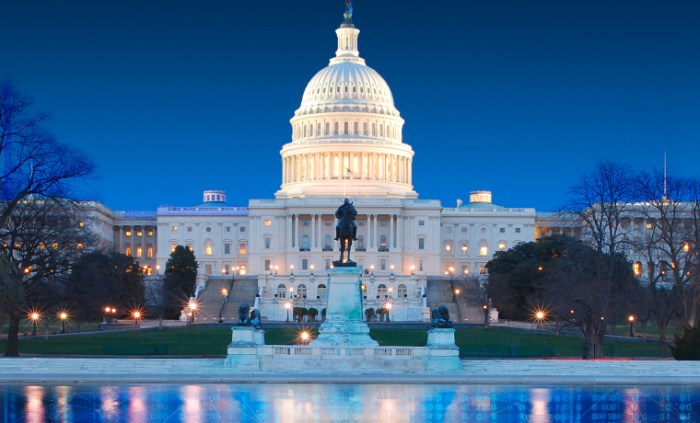
Connecticut’s proposed social networking controls are poised to reshape the digital landscape, and understanding their potential impact on the economy and innovation is crucial. These regulations, while intending to address specific societal concerns, could inadvertently stifle the very sector they aim to influence. The ripple effects of these controls on online services, entrepreneurship, and the tech sector’s economic health are complex and warrant careful consideration.
Potential Consequences on the Digital Economy
The proposed controls on social networking platforms could significantly impact the digital economy. Regulations might increase compliance costs for businesses, particularly smaller companies, leading to potential barriers to entry and reduced competition. This could result in a less dynamic and innovative digital marketplace, potentially stifling the growth of new online services and negatively impacting consumer choice. Existing platforms might be forced to adapt or relocate, impacting job opportunities and economic activity in the state.
Impact on Innovation and Entrepreneurship
Regulations, while often intended to promote safety and well-being, can unintentionally stifle innovation and entrepreneurial spirit. The uncertainty surrounding the specifics of the proposed controls could discourage investment in new technologies and online ventures. Startups, often reliant on rapid iterations and experimentation, might be deterred by the added regulatory burden. This hesitancy could lead to a decline in new online service development, impacting Connecticut’s position as a hub for technological innovation.
For instance, the stricter regulations surrounding certain aspects of online commerce in some regions have led to a decrease in the number of new businesses emerging.
Influence on Online Service Development
The proposed controls could influence the development of online services in Connecticut in several ways. Businesses might choose to prioritize jurisdictions with less stringent regulations, potentially shifting the center of gravity for online service development elsewhere. This could result in a decline in investment, job creation, and overall economic activity in the state’s tech sector. For example, states with favorable regulatory environments have often seen a surge in tech companies establishing their presence.
Connecticut’s recent call for legal controls on social networking platforms is interesting, isn’t it? It highlights the complex balance between freedom of expression and the need for responsible use of these tools. For instance, a look at companies like Rackspace, a study in fanatical customer support rackspace a study in fanatical customer support , demonstrates how businesses can use technology to foster positive customer relationships.
Ultimately, Connecticut’s approach to regulating social media usage will need to consider these competing interests, ensuring responsible innovation while protecting user rights.
Economic Implications for Connecticut’s Tech Sector
Connecticut’s tech sector could experience a significant economic downturn due to the proposed controls. The loss of investment, job opportunities, and overall economic activity would have a cascading effect throughout the state’s economy. Reduced venture capital flow and decreased startup activity could negatively impact the growth of the tech sector, potentially resulting in job losses and hindering Connecticut’s ability to compete in the global digital marketplace.
Potential Economic Effects of Proposed Controls on Different Sectors
The potential economic implications of the proposed controls are multifaceted and affect various sectors. The table below Artikels potential impacts on different sectors:
| Sector | Potential Positive Effects | Potential Negative Effects |
|---|---|---|
| Social Networking Platforms | Potential for increased user trust and safety | Increased compliance costs, reduced innovation, potential for platform exodus |
| Startups and Entrepreneurs | Potential for a more predictable regulatory environment | Increased regulatory burden, reduced investment, potential for business relocation |
| Investment Firms | Potential for risk mitigation in regulated sectors | Potential for decreased investment in uncertain sectors, reduced returns |
| Connecticut Tech Sector | Potential for a more robust and ethical tech sector | Reduced investment, potential job losses, reduced economic growth |
| Consumers | Potential for improved user experience and safety | Potential for decreased choices and increased costs of online services |
Alternative Approaches and Solutions

Connecticut’s social media landscape presents a complex regulatory challenge. Directly legislating content or user behavior on platforms can be fraught with difficulties, potentially stifling free expression and innovation. A more nuanced approach, focusing on specific harms and empowering users, may be more effective in achieving desired outcomes while respecting fundamental rights. This section explores alternative strategies to achieve a balanced and effective regulatory framework.
Self-Regulation and Industry Best Practices
The social media industry itself possesses significant resources and expertise to address many of the issues raised in Connecticut. Industry-led initiatives, voluntary codes of conduct, and enhanced platform transparency can play a crucial role. These approaches can be more agile and responsive to evolving challenges compared to traditional legislation.
- Platform-Specific Policies: Social media companies could develop and enforce stricter content moderation policies tailored to Connecticut’s specific needs. For instance, this could include algorithms designed to identify and flag content promoting hate speech or harassment, focusing on Connecticut-specific issues.
- Independent Oversight Boards: Creating independent bodies to review and evaluate platform policies, ensuring compliance with community standards and promoting accountability, is another potential solution. This could be modeled after existing regulatory bodies for other industries, offering a neutral third party perspective. Examples include the Digital Services Tax (DST) initiatives in other countries.
- Transparency and Accountability Mechanisms: Platforms could enhance their transparency by providing clear explanations of their content moderation processes and appealing mechanisms for users. This will help build trust and reduce ambiguity.
Targeted Legislation for Specific Harms
Rather than a broad regulatory framework, Connecticut could focus on specific harms caused by social media activity. This targeted approach allows for a more precise and measured response to emerging challenges.
- Cyberbullying and Harassment: Specific legislation addressing cyberbullying and harassment, with clear definitions and robust enforcement mechanisms, can be implemented. This will help combat the harms associated with these behaviors while respecting freedom of expression.
- Misinformation and Disinformation: Laws focused on the spread of false or misleading information, particularly in the context of sensitive issues, could be enacted. This approach would focus on accountability for malicious content. New Zealand’s recent efforts offer a model for such laws.
- Protecting Vulnerable Groups: Addressing the unique challenges faced by vulnerable groups, such as children or marginalized communities, through targeted legislation can be effective. Specific provisions designed to safeguard these groups could be included.
Alternative Regulatory Models
Different jurisdictions have experimented with various regulatory models for social media.
| Regulatory Model | Strengths | Weaknesses | Potential Long-Term Implications |
|---|---|---|---|
| Self-regulation | Flexibility, agility, cost-effectiveness | Limited enforcement power, potential for uneven application | Can foster innovation and adaptability, but may not adequately address systemic issues |
| Targeted legislation | Focuses on specific harms, less broad impact | May not address all aspects of social media, could be reactive rather than proactive | More targeted outcomes, but potential for gaps in coverage |
| Hybrid approach | Combines elements of self-regulation and targeted legislation | Requires careful design and coordination | Potential for comprehensive solutions, but increased complexity |
Potential Effectiveness and Long-Term Implications
The effectiveness of alternative approaches depends on their implementation and enforcement. Factors such as public awareness, stakeholder engagement, and ongoing evaluation are critical for success. The long-term implications will vary depending on the specific approach chosen, with potential impacts ranging from enhanced user safety to potential restrictions on free expression.
Last Word
Connecticut’s push for social media regulations underscores a growing global conversation about online governance. The potential benefits and drawbacks of these controls, their impact on diverse user groups, and alternative approaches all warrant careful consideration. Ultimately, a thoughtful and nuanced approach is crucial to navigating the evolving landscape of social media and safeguarding the digital future.