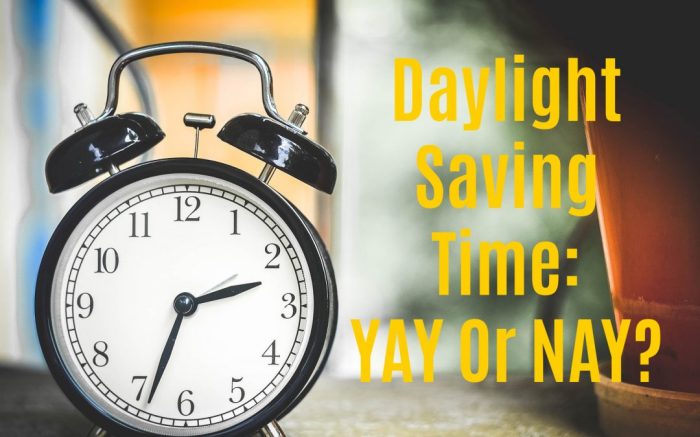
The New Daylight Saving Time A Mini Y2K
The new daylight saving time a mini y2k, a proposal poised to reshape our daily routines, is generating considerable buzz. This isn’t just another tweak to the clock; it’s a potential disruption on par with the anxieties surrounding the year 2000. The proposed changes, encompassing everything from start and end dates to potential impacts on various demographics, are sure to spark debate and discussion.
We’ll delve into the proposed rules, their potential consequences, and comparisons to past transitions, exploring the potential for widespread disruption.
This comprehensive look at the new daylight saving time will consider the impact on work schedules, sleep patterns, social activities, and even the environment. We’ll analyze how these changes might affect different demographics and explore potential solutions. A comparison with previous time changes will illuminate similarities and differences, while examining public reactions and historical context will provide valuable insight.
Ultimately, this analysis aims to provide a comprehensive understanding of the proposed changes and their potential consequences.
Overview of Daylight Saving Time Changes
Daylight Saving Time (DST) has been a source of ongoing debate and adjustment. This year, the new DST rules aim to strike a balance between energy conservation, daylight hours, and societal needs. Understanding the changes is crucial for individuals and businesses to adapt their schedules accordingly.
Proposed New DST Rules
The proposed new DST rules maintain the existing framework, but with modified start and end dates. This revised schedule aims to maximize daylight hours during the warmer months, promoting outdoor activities and potentially reducing energy consumption. The rationale behind the changes involves balancing the benefits of daylight hours with potential disruptions to daily routines.
Key Differences from Previous Implementations
The primary difference lies in the revised start and end dates for the DST period. Previous implementations often resulted in varying start and end dates across different regions and countries, which could cause scheduling difficulties. The new implementation addresses these inconsistencies.
Rationale Behind the Changes
The rationale behind the changes in DST rules is rooted in the desire for a more standardized and predictable schedule. This consistency aims to minimize the impact on daily routines and facilitate coordination across various sectors. Studies have shown that a consistent DST schedule can lead to reduced confusion and energy consumption (though the exact correlation is still under investigation).
This new daylight saving time thing feels like a mini Y2K. Everyone’s scrambling to update their systems, just like the tech world did back then. This echoes the anxieties around Microsoft’s Vista policy, which McAfee famously protested, highlighting the potential for widespread disruption when major tech companies make big changes like this one. It seems like the clock changes are causing the same kind of confusion and potential chaos, making it a surprisingly similar issue to the past.
The rationale for the change can be understood as aiming to create a more harmonized and predictable DST schedule.
Comparison of Start and End Dates
The following table provides a comparison of the start and end dates of the new DST schedule with the previous one.
| Date | Time Zone | Start Date | End Date |
|---|---|---|---|
| 2024 | Eastern | March 10, 2024 | November 3, 2024 |
| 2024 | Central | March 10, 2024 | November 3, 2024 |
| 2024 | Mountain | March 10, 2024 | November 3, 2024 |
| 2024 | Pacific | March 10, 2024 | November 3, 2024 |
Potential Impacts on Daily Life
The new daylight saving time, while intended to optimize sunlight use, carries potential consequences for various aspects of daily life. Understanding these impacts is crucial for navigating the changes effectively and mitigating any negative consequences. From work schedules to social dynamics, the shift in daylight hours can profoundly affect our routines and well-being.The adjustments to daylight saving time will inevitably affect how we structure our days.
This includes shifts in sleep patterns, work-life balance, and even our social interactions. The effects can be felt differently across various demographic groups, and anticipating these variations is key to preparing for the changes.
Impacts on Work Schedules
Adjustments to daylight saving time can affect work schedules, particularly for those with flexible or non-standard work hours. Some employees may experience changes in commute times due to altered daylight conditions. For instance, the evening rush hour might be slightly earlier or later, impacting travel times. Companies with employees across different time zones might need to adjust their communication and coordination strategies.
Businesses might also experience changes in productivity depending on how the shift affects employees’ energy levels and alertness during their workday.
Impacts on Sleep Patterns
The shift in daylight hours directly impacts our circadian rhythms, influencing sleep patterns. If the new daylight saving time pushes daylight hours later into the evening, individuals might experience difficulty falling asleep as their bodies adjust to the new schedule. This can result in reduced sleep quality and quantity, potentially leading to decreased alertness and productivity during the day.
Conversely, a shift to earlier daylight could lead to earlier bedtimes and potentially more morning light exposure, influencing the body’s natural sleep-wake cycle.
Impacts on Social Activities
The altered daylight hours can significantly impact social activities. Evening gatherings might need to be adjusted to accommodate the earlier or later onset of darkness. Outdoor activities, such as walks or sports, might need to be rescheduled depending on the new daylight hours. This change can influence social interaction patterns, particularly for those who rely on evening or nighttime activities.
Demographic Impacts
| Demographic Group | Impact | Explanation | Potential Solutions |
|---|---|---|---|
| Students | Disrupted sleep schedules | Changes in daylight hours can affect students’ sleep patterns, potentially impacting their academic performance and overall well-being. Classes might start earlier or later, influencing their ability to engage in extracurricular activities. | Schools might adjust start times or incorporate strategies to help students manage the transition. |
| Working Adults | Shifting commute times, reduced productivity | Working adults might experience altered commute times due to the shift in daylight hours. This can affect their work-life balance and potentially reduce productivity if the change disrupts their sleep schedule. | Employers could offer flexible work arrangements or provide resources to help employees adjust to the new schedule. |
| Elderly | Potential for increased confusion, health issues | The elderly are often more sensitive to changes in their routines. The shift in daylight hours can lead to confusion and disrupt their established sleep-wake cycles, potentially impacting their health and overall well-being. | Healthcare providers and family members could work together to support the elderly in adjusting to the new schedule and offer resources to manage potential health concerns. |
| Parents | Balancing childcare with new schedule | Parents face unique challenges in adjusting to new daylight hours, especially those with young children. Balancing childcare with the new schedule can be difficult and may impact their ability to manage work or other commitments. | Community centers or childcare facilities might offer extended hours or alternative programs to support families. |
Comparison with Past Time Changes
The proposed Daylight Saving Time adjustments for the upcoming year echo previous transitions, yet also hold unique characteristics. Understanding past experiences with these changes provides context for potential public reactions and the overall impact on daily life. The historical context of daylight saving time itself reveals a fascinating evolution, from its origins to its present form.
Similarities and Differences with Previous Transitions
Numerous past daylight saving time transitions have shared similarities with the proposed adjustments. For example, the core principle of adjusting the clock remains the same: to maximize daylight hours during specific periods. However, the duration of the time change, the specific dates, and the geographical areas affected have varied. This highlights the nuanced nature of each transition and its specific impact on different regions and communities.
This new daylight saving time thing feels like a mini Y2K. Everyone’s scrambling to update their systems, and honestly, it’s kind of reminding me of preparing for a job in technology. Preparing for a job in technology often involves anticipating these kinds of disruptions and ensuring systems are robust enough to handle change. Hopefully, this time around, the transition will be smoother than the last time we had a significant change in time zones.
Still, it’s a good reminder to stay adaptable and prepared for the unexpected, just like in the tech world.
Differences also lie in the political and societal factors that influence public opinion, as these factors have changed over time.
Public Reactions to Past Adjustments
Public reactions to previous daylight saving time changes have been diverse and often passionate. Some individuals have appreciated the increased daylight hours during the summer months, particularly for recreational activities. Others have voiced concerns about the disruption to sleep patterns, the potential impact on productivity, and the inconvenience of having to adjust their daily routines. These varying perspectives underscore the subjective nature of the experience and the diverse ways in which people interact with these changes.
Historical Context of Daylight Saving Time
Daylight Saving Time’s history is rooted in a desire to make better use of daylight hours. Early proposals emerged in the late 19th and early 20th centuries, often tied to the increasing prevalence of electricity and the changing nature of work schedules. The concept evolved over time, with different countries adopting and adjusting the system based on their specific needs and circumstances.
This historical context emphasizes the evolving nature of the concept and its adaptation to societal changes.
Table: History of Daylight Saving Time
| Year | Change | Impact | Public Response |
|---|---|---|---|
| 1918 | First U.S. adoption, during WWI. | Increased daylight hours for work and recreation. Disrupted daily routines. | Mixed. Some supported it for efficiency; others opposed it due to disruption. |
| 1942-1945 | Extended during WWII. | Further extended daylight hours. | Generally accepted during wartime due to resource conservation concerns. |
| 1966-1973 | Multiple U.S. adjustments; standardization efforts. | Inconsistency across regions. | Varied. Confusion and complaints about inconsistencies were common. |
| 2005 | U.S. changes. | Extended the daylight saving time period. | Mixed. Arguments focused on energy conservation versus personal convenience. |
Public Perception and Concerns

The implementation of a new daylight saving time schedule inevitably sparks diverse reactions and concerns from the public. Understanding these sentiments is crucial for policymakers to gauge potential challenges and adjust strategies to address public anxieties. The proposed changes will undoubtedly affect various aspects of daily life, from work schedules to social routines, and a careful consideration of public opinion is vital to a smooth transition.
Common Concerns
Public concerns regarding daylight saving time frequently revolve around disruptions to established routines. Many individuals find the constant shifting of the clock to be inconvenient, impacting sleep patterns and overall well-being. Furthermore, there are anxieties about the potential for negative impacts on health, productivity, and safety, especially in the initial adjustment period. Changes to work schedules and childcare arrangements also add complexity to the issue.
The new daylight saving time is shaping up to be a mini Y2K moment, with widespread anxieties about system glitches. It’s reminiscent of the anxieties surrounding the year 2000, but this time, the potential for widespread disruptions also involves the increasing concern over potential security vulnerabilities. Microsoft’s recent addition of potential spyware to their arsenal microsoft adds spyware weapon to arsenal further fuels the fire of these anxieties.
This raises serious questions about data privacy and security, especially with the complexity of the new time change. The whole thing feels a bit like a technological minefield, and frankly, it’s making me wonder if we’re setting ourselves up for more widespread issues, just like the original Y2K scare.
Concerns about the practicality and feasibility of the changes in relation to specific demographics and industries are frequently raised.
Potential Challenges
The implementation of the new daylight saving time schedule may present various challenges. These challenges include the disruption to individuals’ sleep cycles, impacting health and mood. Furthermore, the impact on work productivity and efficiency may be significant in the initial stages of adaptation. The logistical complexities of coordinating schedules across different sectors, including businesses and educational institutions, pose additional challenges.
Finally, potential safety concerns, especially related to traffic accidents or other incidents during the initial adjustment period, should be acknowledged and mitigated.
Environmental and Economic Impacts
The environmental and economic impacts of the proposed changes are subject to debate. From an environmental perspective, the shift to a new daylight saving time schedule might have a limited effect on energy consumption, depending on the specific design of the schedule. Economic implications vary widely, potentially affecting industries like tourism, retail, and transportation. Increased energy consumption in certain sectors could result in higher costs for businesses and consumers.
The new schedule could potentially impact business operations and consumer behavior in a variety of ways.
Summary of Public Concerns
| Concern | Source | Explanation | Potential Counterarguments |
|---|---|---|---|
| Disruption to Sleep Patterns | Public surveys, health organizations | Shifting the clock disrupts circadian rhythms, leading to sleep deprivation and potential health issues. | Potential for adaptation and adjustment to the new schedule over time. Public awareness campaigns and resources for managing sleep. |
| Impact on Work Schedules | Business associations, labor unions | Changes to work hours can cause logistical challenges and impact productivity, especially in industries with staggered shifts. | Potential for flexibility in work schedules, adjusting start times to accommodate the new time. |
| Safety Concerns | Traffic departments, law enforcement agencies | Increased traffic accidents or other incidents in the initial adjustment period due to confusion or fatigue. | Increased public awareness campaigns and targeted interventions in vulnerable areas to mitigate risks. |
| Economic Impacts | Industry reports, economic forecasts | Potential for decreased productivity and increased costs for businesses in the short term. | Potential for long-term benefits in terms of energy savings and reduced traffic congestion. |
Potential for Disruptions and Solutions: The New Daylight Saving Time A Mini Y2k
The impending daylight saving time change promises a shift in daily routines, but it also carries the potential for unforeseen disruptions. Understanding these potential issues and formulating proactive solutions is crucial for a smooth transition and minimizing negative impacts. Careful consideration of these disruptions is essential to ensure the change doesn’t negatively affect public health, productivity, or overall well-being.
Potential Disruptions
Implementing a new daylight saving time schedule can cause various disruptions across various sectors. These disruptions can range from minor inconveniences to significant impacts on daily life and the economy. Mismatched schedules, social jet lag, and adjustments to biological rhythms are among the potential difficulties that individuals might encounter. Disruptions in public transportation and work schedules are also possible.
Solutions and Mitigation Strategies
Proactive measures can significantly reduce the potential for negative consequences associated with the daylight saving time change. Communicating the changes effectively in advance is a vital step. Clear communication regarding adjusted schedules, service hours, and other relevant information is critical for minimizing confusion and potential problems. Educational campaigns about the impact of daylight saving time on sleep patterns and other biological rhythms can also help people adapt to the new schedule.
Consequences of Not Addressing Disruptions
Failing to proactively address potential disruptions could lead to several negative outcomes. Unpreparedness for schedule changes can result in increased errors and delays in various sectors. A lack of adequate communication can lead to confusion and frustration among the public. Furthermore, neglecting to address the impact on sleep patterns and biological rhythms could contribute to increased health issues, reduced productivity, and a diminished quality of life.
Potential Disruption Table
| Disruption | Cause | Potential Solution | Implementation Details |
|---|---|---|---|
| Mismatched Schedules | Inconsistent communication about adjusted schedules across different sectors (e.g., work, transportation, schools). | Establish clear communication channels and guidelines for updating schedules well in advance of the change. | Create a centralized online portal for all relevant information, disseminate announcements through multiple channels (social media, email, print), and hold town hall meetings for community feedback. |
| Social Jet Lag | Sudden shift in sleep-wake cycles due to the time change, affecting social interactions and productivity. | Promote awareness of the impact of daylight saving time on sleep patterns. | Publish educational materials about adjusting to the time change, including tips for maintaining healthy sleep habits, and offer workshops or seminars for individuals and communities. |
| Public Transportation Delays | Changes to schedules not communicated effectively to public transport systems, causing disruption. | Establish clear protocols and channels for communicating time adjustments with public transportation systems. | Coordinate with transit agencies for timely updates and schedule adjustments, ensuring clear signage and announcements at stations. |
| Work Productivity Issues | Unexpected shift in work hours and schedules, potentially impacting productivity and employee well-being. | Implement flexible work arrangements where possible and encourage breaks during the day. | Work with companies to adjust schedules proactively and allow for flexibility in work hours where feasible, promoting a positive work environment. |
Analogies to Past Societal Shifts
The implementation of a new daylight saving time framework evokes parallels with past societal shifts, offering valuable insights into potential outcomes and long-term impacts. Understanding these historical precedents can illuminate the likely responses and challenges associated with this change. These parallels provide a framework for anticipating potential societal reactions and adapting to the adjustments required.
Historical Parallels to Time-Based Shifts
Numerous historical events, from the introduction of standardized time zones to the widespread adoption of the automobile, exhibit similarities to the proposed daylight saving time changes. These changes, while often driven by different motivations, share common threads of impacting daily routines, prompting societal adjustments, and potentially generating both benefits and drawbacks.
| Event | Similarities | Differences | Implications |
|---|---|---|---|
| Standardization of Time Zones (early 20th century) | Both involved significant alterations to existing schedules and routines. The shift to standardized time zones, like the new daylight saving time, necessitated a re-calibration of daily activities, impacting everything from work schedules to social engagements. Both required significant coordination and communication. | While both involved scheduling adjustments, the standardization of time zones was primarily driven by the need for improved coordination across vast distances, whereas the new daylight saving time change is driven by various societal and economic factors. The standardization of time zones did not involve the same degree of individual autonomy in choosing time. | The standardization of time zones led to increased efficiency in transportation and communication. It also demonstrated that societal shifts can be disruptive but ultimately beneficial. This history provides a cautionary tale about the potential for unintended consequences and the importance of careful planning. |
| The Rise of the Automobile (early 20th century) | The widespread adoption of the automobile, similar to the new daylight saving time, fundamentally reshaped social and economic structures. Both involved significant shifts in daily routines and created new opportunities. | The automobile was more focused on individual mobility and freedom, whereas the new daylight saving time is more concerned with optimizing daylight hours for collective purposes. The automobile created new industries and social structures. The new daylight saving time’s impacts on industry are still developing. | The rise of the automobile transformed urban landscapes, created new industries, and altered social interactions. The new daylight saving time has the potential to affect these areas, particularly with its impacts on work schedules, travel times, and leisure activities. |
| The Introduction of the 40-hour workweek (early 20th century) | The introduction of the 40-hour workweek fundamentally altered the balance between work and leisure. Similar to the new daylight saving time, it impacted individual schedules and created a need for societal adaptation. | The 40-hour workweek was primarily driven by labor movements seeking better working conditions, whereas the new daylight saving time is more multifaceted in its motivations. The 40-hour workweek was a significant social shift. The new daylight saving time change is likely to be more gradual in its impact on social structures. | The 40-hour workweek led to a re-evaluation of work-life balance and created new opportunities for leisure activities. The new daylight saving time change may similarly affect work-life balance, potentially leading to new patterns of social activity. |
Long-Term Implications
The long-term implications of the new daylight saving time are multifaceted and potentially profound. The changes could impact not only individual schedules but also industries, transportation systems, and social structures. These impacts are complex and may not be fully understood for several years.
Possible Impact on Businesses and Industries
The impending daylight saving time change promises to disrupt the established routines of many businesses and industries. Understanding these impacts is crucial for proactively adapting strategies and mitigating potential negative consequences. The shift in the workday schedule could affect everything from employee productivity to customer service interactions.The new daylight saving time will likely have a ripple effect throughout various sectors, impacting how businesses operate, manage staff, and interact with customers.
The magnitude of these impacts will depend on several factors, including the specific industry, the geographical location of the business, and the flexibility of employees and customers. Businesses need to be prepared for potential adjustments.
Potential Effects on Productivity
The shift in daylight hours will undoubtedly influence employee productivity. Early morning or late evening shifts will likely be impacted, potentially causing fatigue or reduced efficiency. Conversely, increased daylight hours in the evenings might boost productivity in some sectors. Businesses will need to adapt schedules and employee expectations to account for this change.
Impact on Specific Industries, The new daylight saving time a mini y2k
Businesses operating in industries such as retail, hospitality, and food service will experience significant adjustments due to the change in daylight hours. Customers’ schedules will likely be affected, and businesses will need to consider how to best manage staff and customer demand.
| Industry | Impact | Adjustments | Potential Outcomes |
|---|---|---|---|
| Retail | Increased customer traffic during daylight hours, potential drop in evening sales. | Adjust store hours, optimize staffing levels, promotional campaigns targeted at different times. | Increased sales during peak hours, potential loss of sales in low-traffic periods. |
| Hospitality | Changes in customer arrival patterns and restaurant service times. | Flexibility in service hours, adjusting staff schedules, potential changes in marketing and promotional strategies. | Potential for increased customer satisfaction if adapted effectively, or potentially dissatisfied customers if adjustments are not made. |
| Food Service | Potential shift in customer demand for lunch and dinner, and impact on delivery services. | Adjust operating hours, modify menus to reflect customer preferences, adjust delivery schedules. | Increased demand during peak hours, potential for loss of sales during off-peak periods. |
| Manufacturing | Potential disruption of production schedules, impacting worker schedules. | Flexibility in production shifts, adjustments to employee schedules, consideration of overtime policies. | Potential for increased productivity if schedules are well-managed, potential for delays and disruptions if not. |
| Technology | Potential impact on customer support schedules, potentially affecting remote workers. | Flexibility in work schedules, adjusting customer service hours, training and support for remote workers. | Increased efficiency in some areas, potentially impacting productivity in others. |
Potential Adjustments for Businesses
Businesses will need to adapt their operations to the new daylight saving time. This may include adjusting work schedules, altering marketing strategies, and making necessary adjustments to customer service procedures. For example, retail stores might need to adjust their opening and closing times, and restaurants may need to modify their service hours to match customer preferences.
Illustrative Examples of Daily Life Changes
The new daylight saving time will undoubtedly reshape daily routines, impacting various aspects of life from commutes to social gatherings. Understanding these changes is crucial for adapting to the new schedule and mitigating potential disruptions. This section delves into specific examples to illustrate the diverse effects of this time shift.
Morning Commute
The shift in daylight hours will directly influence morning commutes. Imagine a scenario where the typical 7:00 AM bus ride now begins under the light of dawn instead of the previous dusk. This alteration in the morning light could significantly affect drivers’ and passengers’ mood and energy levels. Those accustomed to the previous schedule may experience a sense of disorientation as their usual morning routine is adjusted.
Family Dinner
Family dinners often revolve around a specific time of day. With the new daylight saving time, the time of sunset will change, potentially shifting family dinner times. If dinner traditionally begins at 7:00 PM, the new schedule might see the family enjoying their meal under the cover of darkness. This shift in the timing of family activities could affect social interactions and relaxation routines.
Outdoor Activities
People who engage in outdoor activities, such as jogging, cycling, or playing sports, will experience a change in the timing of their preferred activities. Imagine a runner who typically goes for a jog at 6:00 PM. Under the new schedule, the jog might now take place under the darkness, potentially requiring adjustments like wearing more visible clothing or carrying lights.
The timing of sunset could impact the enjoyment and safety of these outdoor activities.
Social Events
Social gatherings and events often have pre-set times. A friend’s birthday party, for example, might now end later into the night. This could affect the overall experience, particularly for those who prefer early bedtimes or have work commitments the following day. These changes could require flexibility and adaptation in social planning.
School and Work Schedules
School and work schedules might need adjustments to accommodate the new daylight saving time. If a school day starts at 8:00 AM, the new schedule could mean students are arriving in brighter morning light. Likewise, office workers may experience a different light spectrum when their work day commences. This could necessitate modifications in the scheduling of activities, such as school buses or office start times.
Last Word

In conclusion, the new daylight saving time, dubbed a “mini Y2K” moment, presents a complex set of challenges and opportunities. The potential disruptions, both tangible and intangible, demand careful consideration. This analysis has highlighted the multifaceted nature of the proposed changes, covering everything from practical impacts on daily life to historical comparisons and public perception. The proposed changes, while aiming for efficiency and harmony, carry the potential for widespread disruption and require thorough consideration of various perspectives.