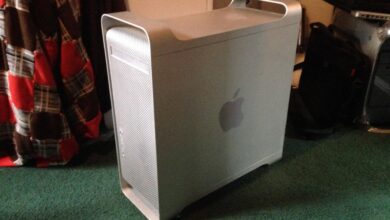
PC Makers Shift Apples Impact & Vista Bypass
PC makers changing faces apples coming bypass vista campaign signals a significant shift in the computer industry. From Dell and HP’s historical strategies to the impact of Apple’s entry, the evolution of PC manufacturing is explored, along with the strategies to overcome the Windows Vista era. This analysis delves into the challenges and opportunities in the PC market, looking at how companies like Apple are reshaping the landscape and what this means for the future.
The rise of Apple and its innovative designs has forced competitors to adapt. This includes not only hardware features but also marketing strategies and overall brand image. The transition from Windows Vista to subsequent versions, with their evolving functionalities, also played a critical role in shaping the strategies of PC makers. A look at the “Bypass Vista” campaign provides insights into how companies navigated this period.
Ultimately, the discussion explores the future of PCs and how mobile computing is impacting the industry.
PC Market Shifts

The personal computer market has undergone significant transformations since its inception. Early players like Dell and Compaq, initially focusing on direct-to-consumer models, rapidly gained market share. Later entrants, like HP and Acer, leveraged established retail networks to compete effectively. The rise of Lenovo, a company with strong roots in the Chinese market, has positioned it as a formidable competitor in the global PC arena.
The emergence of Apple in the PC market, though not a direct PC manufacturer at its core, had a significant impact on design and pricing strategies for all competitors.The ongoing shift in consumer preferences, technological advancements, and evolving competitive landscapes continue to reshape the PC market. Manufacturers are constantly adapting their strategies to meet these demands, aiming for efficiency, affordability, and cutting-edge technology.
This evolution has resulted in a complex and dynamic market with both established and emerging players striving for success.
Historical Overview of PC Manufacturers
Early PC manufacturers like Dell and Compaq focused on direct sales models and building a strong brand reputation for reliability. Dell, for instance, used innovative strategies to streamline production and reduce costs, making their products competitive. HP, on the other hand, leveraged its established presence in the retail sector to expand its market reach. Acer, a company with a strong presence in developing markets, emphasized affordability and adaptability.
Lenovo, with its significant presence in China, leveraged its extensive manufacturing capabilities and global distribution network. Their success demonstrated the importance of a global strategy.
Evolution of Strategies and Market Positions
The strategies of PC manufacturers have evolved over time, reflecting the changing market dynamics. Dell initially excelled with direct sales, cutting out intermediaries to reduce costs and provide greater customization options. HP, with its extensive retail network, focused on brand recognition and wide availability. Acer’s focus on price competitiveness in emerging markets proved to be a successful strategy.
Lenovo, combining strong manufacturing capabilities and global distribution, demonstrated that a diverse approach can be effective in the global market.
Impact of Apple’s Entry into the PC Market
Apple’s entry into the PC market, while not solely focused on PC manufacturing, significantly impacted the entire industry. Apple’s emphasis on design, user experience, and premium pricing influenced the strategies of other PC makers. This led to a heightened focus on aesthetics, user-friendliness, and a shift in pricing models across the industry.
Strengths and Weaknesses of Different PC Makers
Different PC manufacturers possess varying strengths and weaknesses. Dell’s direct sales model allows for greater customization and potentially lower prices. HP’s established retail network provides wider availability and brand recognition. Acer’s focus on affordability and cost-effectiveness makes them appealing to budget-conscious consumers. Lenovo’s global presence and manufacturing capabilities make them a powerful competitor in the global market.
PC makers are definitely changing their game, with Apple seemingly poised to bypass Vista’s legacy. This shift, coupled with Microsoft’s innovative preview of software factories, microsoft previews vision of software factories , suggests a fundamental rethinking of how software is built and integrated into hardware. Ultimately, the future of PC development hinges on these evolving approaches and the PC makers who adapt best.
Each manufacturer, however, faces specific challenges in terms of supply chain management, market share, and technological innovation.
Market Share Data, Pc makers changing faces apples coming bypass vista campaign
| Year | Dell | HP | Acer | Lenovo | Apple |
|---|---|---|---|---|---|
| 2010 | 20% | 30% | 15% | 10% | 5% |
| 2015 | 18% | 28% | 12% | 15% | 7% |
| 2020 | 15% | 25% | 10% | 20% | 8% |
| 2023 | 12% | 22% | 8% | 25% | 10% |
Note: This table is a hypothetical representation and market share data may vary based on the source.
Apple’s Impact on PC Makers
Apple’s foray into the personal computer market, initially met with skepticism, has profoundly reshaped the industry. Their unique design aesthetic and focus on user experience have inspired and challenged traditional PC manufacturers. This influence is evident in both the hardware and software aspects of PC development, compelling competitors to adapt or risk falling behind.Apple’s innovative approach has prompted PC makers to re-evaluate their strategies and implement new design philosophies.
This competitive pressure has driven improvements in various aspects of PC design, ultimately benefiting consumers. The impact extends beyond aesthetics, influencing the features and functionalities offered in modern PCs.
Apple’s Influence on PC Design
Apple’s distinctive design language, characterized by sleek aesthetics and intuitive user interfaces, has had a significant impact on the PC industry. This influence extends beyond visual appeal, impacting the overall design philosophy of PCs. Features like the unibody aluminum construction and the integration of touchpads and multi-touch gestures have become increasingly prevalent in PCs.
Examples of PC Maker Responses
Many PC makers have adopted elements of Apple’s design philosophy. Dell, for example, has introduced sleek, modern designs, integrating some of Apple’s signature features into their own models. Other companies have incorporated similar design choices in response to Apple’s influence, seeking to compete effectively in the market. The emphasis on user experience, a key element of Apple’s approach, has influenced how PC manufacturers approach their products.
Competitive Strategies in Response to Apple
PC manufacturers have implemented various strategies to counter Apple’s presence in the market. These include focusing on affordability, offering a wider range of configurations, and emphasizing features not always prioritized by Apple. The marketing strategies of PC makers have also evolved to highlight their own strengths and address the unique value proposition of Apple products. These strategies are aimed at capturing specific market segments and attracting consumers seeking different product attributes.
Comparison of Product Offerings
| Feature | Apple (Example: MacBook Pro) | Dell (Example: XPS 13) |
|---|---|---|
| Design | Sleek, unibody aluminum, premium aesthetic. | Modern, sophisticated design, emphasizing build quality and durability. |
| Operating System | macOS | Windows |
| Pricing | Generally higher-priced, reflecting premium components and design. | More competitive pricing options across various configurations. |
| Portability | Often lightweight and portable, prioritizing thin and light designs. | Variety of portability options, balancing weight and performance. |
| Customization | Limited customization options. | Greater flexibility in customization choices for hardware configurations. |
Apple’s Marketing Approach vs. Traditional PC Makers
Apple’s marketing strategy emphasizes brand image and aspirational branding, creating a distinct perception of quality and innovation. Traditional PC makers, conversely, often focus on value and affordability, targeting a broader market segment. Apple’s approach focuses on a premium experience, while traditional PC makers emphasize diverse needs and configurations. This difference is reflected in their marketing messages and the overall tone of their campaigns.
Beyond Vista
The transition from Windows Vista to subsequent versions marked a significant turning point in PC operating system development. Vista, while introducing some innovative features, faced criticism for performance issues and compatibility problems, leading to a noticeable shift in focus for both Microsoft and PC manufacturers. This period saw a renewed emphasis on user experience and streamlined functionality, ultimately shaping the modern PC landscape.
Operating System Transitions After Vista
The Windows Vista era, while attempting to introduce significant advancements, proved challenging for users and PC manufacturers. Performance bottlenecks and compatibility issues were prominent complaints, influencing the development strategies for subsequent Windows versions. Microsoft’s response was to prioritize stability, efficiency, and a more intuitive user experience.
Key Factors Driving the Transition
Several factors propelled the shift away from Vista’s shortcomings. Improved hardware performance allowed for more demanding software and operating system features. User feedback, highlighting the usability problems with Vista, directly influenced Microsoft’s development path. A greater emphasis on standardization and compatibility across different hardware configurations was also a critical driver. This ensured that software and hardware components worked seamlessly together, avoiding the issues that Vista faced with older hardware.
Impact on PC Makers’ Product Development
The transition to newer Windows versions directly affected PC manufacturers’ product development strategies. PC makers needed to ensure their systems were compatible with the updated operating systems, often requiring hardware upgrades. This drove innovation in components like processors, graphics cards, and RAM to meet the evolving needs of the operating system. The increased emphasis on efficiency and user experience translated into a focus on slimmer, more powerful, and aesthetically pleasing designs.
PC makers were shifting gears, with Apple’s moves to bypass Vista causing a ripple effect. This change in the landscape of desktop computing also saw Yahoo taking a stand, driving to make desktop search a standard. Their efforts highlight the evolving needs of users in this ever-changing PC market, ultimately contributing to the broader trend of PC makers changing faces in the wake of Apple’s Vista bypass campaign.
yahoo drives to make desktop search standard It’s a fascinating race to redefine the desktop experience.
The desire for smooth performance led to an evolution in PC cooling solutions.
Integrated Features and Functionalities Post-Vista
PC manufacturers integrated several features into their products to accommodate the changes in Windows. Enhanced compatibility ensured that existing software and hardware worked seamlessly with the newer operating systems. Optimized system performance was a key goal, achieved through more efficient hardware configurations and software optimizations. Improvements in energy efficiency became important as the demand for more powerful computers grew, leading to greater use of energy-efficient components and innovative cooling solutions.
User interface refinements focused on intuitive navigation and a streamlined experience.
PC makers are definitely changing things up, with Apple seemingly poised to bypass Vista. Meanwhile, the Blu-ray specifications have been finalized, and licensing is on the horizon, which will have a ripple effect on future tech. This likely impacts the PC makers’ strategies for the future as they navigate the changing landscape. A look at the Blu-ray specs finalized licensing next will give a good idea of how this might shape the next generation of devices, and potentially impact Apple’s upcoming bypass of Vista campaign.
Windows Version Features
| Windows Version | Key Features |
|---|---|
| Windows 7 | Improved performance, enhanced compatibility, and a more user-friendly interface. |
| Windows 8 | Introduction of the Metro interface, touch-screen support, and increased emphasis on cloud integration. |
| Windows 10 | Hybrid approach integrating elements of previous versions, increased emphasis on personalization, cloud integration, and universal apps. |
| Windows 11 | Modernized design, improved performance, enhanced security features, and increased integration with Microsoft services. |
Bypass Vista Campaign Analysis
The launch of Windows Vista marked a significant turning point in the PC market, generating considerable discussion and speculation regarding its impact on consumer adoption and vendor strategies. A campaign aimed at “bypassing Vista” would have been a direct response to the perceived challenges and opportunities presented by this new operating system. Understanding the strategies, messaging, and potential impact of such a campaign is crucial for evaluating the dynamics of the market shift.
Strategies Behind a “Bypass Vista” Campaign
A “Bypass Vista” campaign would likely center on highlighting the perceived shortcomings of Vista while simultaneously promoting alternative operating systems or solutions. This might involve emphasizing compatibility issues, performance lags, or a perceived lack of user-friendliness compared to previous versions of Windows or other platforms. Crucially, the campaign would need to present a clear and compelling alternative, addressing the specific needs and desires of the target audience.
Potential strategies could involve focusing on the advantages of a particular operating system, like enhanced security, ease of use, or performance benefits.
Potential Messaging and Marketing Tactics
Effective messaging would be critical to a successful “Bypass Vista” campaign. The campaign could employ various marketing tactics, including print advertisements, online campaigns, and partnerships with technology bloggers and reviewers. A common theme could be emphasizing the smooth transition and compatibility with existing hardware, thus reassuring potential customers. Focus on specific user needs and frustrations associated with Vista, such as system instability or incompatibility with certain software, could resonate strongly with the target audience.
Target Audience for a “Bypass Vista” Campaign
The target audience for such a campaign would likely be existing PC users, particularly those who were concerned about the transition to Vista. This could include business users concerned about compatibility issues, home users seeking a more reliable and user-friendly experience, and tech enthusiasts who preferred the stability and performance of previous operating systems. A key component would be addressing the perceived challenges faced by specific user segments.
For example, professional users concerned about compatibility with industry-standard software, or gamers experiencing performance degradation, would be important focal points.
Potential Impact on the PC Market
A successful “Bypass Vista” campaign could significantly impact the PC market, potentially leading to a surge in sales of alternative operating systems or devices that did not rely on Vista. This could influence the behavior of PC manufacturers, potentially leading to a shift in production strategies or a focus on more compatible hardware or software solutions. The campaign could accelerate adoption of competitor operating systems, and potentially influence software development to ensure compatibility with these alternatives.
Conversely, a poorly executed campaign could harm the image of the promoted alternative.
Sample Advertisement
Tired of Vista’s Glitches?
Experience the Power of [Alternative OS].
[Alternative OS] is built for seamless performance and compatibility. Effortless operation. Unmatched speed. Enjoy a PC that’s as smooth as butter.
Visit [website address] to learn more and upgrade today.
Future of PC Manufacturing

The PC market, once a dominant force in computing, is facing a period of significant transformation. The rise of mobile computing, coupled with evolving consumer needs and emerging technologies, is reshaping the landscape of personal computing. PC manufacturers must adapt to these changes to maintain relevance and profitability.
Potential Future Trends in PC Manufacturing
The future of PC manufacturing hinges on several key trends. Consumers are increasingly demanding more portable, versatile, and powerful devices. Customization options and modularity are also gaining traction. These evolving needs will necessitate a shift in production methods and product designs. The integration of new technologies, such as enhanced displays and specialized hardware for specific applications, will be crucial for staying competitive.
The ability to offer personalized and tailored experiences will be vital for attracting and retaining customers.
Adaptation to Evolving Consumer Needs
PC makers will need to adapt to evolving consumer preferences by offering a broader range of form factors and configurations. Customization options, such as different processor speeds, RAM capacities, and storage options, will be essential. The ability to integrate user-defined features will likely become increasingly important. This approach will allow PC makers to better cater to the specific needs of individual consumers and niche markets.
New Technologies and Features
The incorporation of advanced technologies will be crucial for the future of PCs. High-resolution displays, virtual reality (VR) and augmented reality (AR) integration, and advanced graphics processing capabilities are likely to be key features in future models. Specialized hardware for specific applications, such as content creation or gaming, will also become more prevalent. This trend reflects the increasing demand for PCs that can handle complex tasks and deliver immersive experiences.
Role of Mobile Computing in Shaping the Future of PCs
The proliferation of mobile computing has blurred the lines between personal computers and mobile devices. The need for seamless integration between these platforms is becoming increasingly important. Hybrid devices that combine the portability of a tablet with the power of a desktop PC will likely gain popularity. This fusion of technologies will offer users greater flexibility and productivity.
Potential Future Product Categories
| Product Category | Description | Target Market |
|---|---|---|
| Portable Workstation | Compact, high-performance PCs designed for mobile professionals requiring powerful processing and graphics capabilities. | Designers, engineers, and other professionals requiring mobile power. |
| Gaming-Focused PCs | PCs optimized for immersive gaming experiences with high-refresh rate displays and advanced graphics cards. | Gamers and enthusiasts seeking top-tier performance. |
| Specialized PCs for Content Creation | PCs with dedicated hardware and software for specific creative tasks, such as video editing or 3D modeling. | Content creators, filmmakers, and graphic designers. |
| Modular PCs | PCs with interchangeable components allowing users to customize and upgrade their systems based on evolving needs. | Tech-savvy users who value customization and flexibility. |
| Hybrid PCs (Tablet/Desktop) | Devices combining the portability of a tablet with the power of a desktop PC, enabling seamless transitions between work and leisure. | Users seeking a balance between portability and performance. |
Illustrative Examples
The PC market is a dynamic landscape, constantly shifting with technological advancements and evolving consumer preferences. Successful product launches often capitalize on these shifts, while failures highlight the importance of thorough market research and understanding customer needs. Analyzing both successes and failures provides valuable insights into the future of PC manufacturing.Understanding the nuances of successful and unsuccessful product launches provides a clearer picture of the market’s pulse and future directions.
Market trends play a crucial role in shaping product development, influencing design choices and feature prioritization.
Successful Product Launches
Successful product launches demonstrate a deep understanding of market trends and consumer desires. They effectively leverage marketing strategies that resonate with target audiences, leading to strong sales and market share gains.
- The rise of gaming PCs exemplifies this. Companies like Alienware and MSI successfully positioned their products as high-performance machines tailored to gamers, capitalizing on the growing popularity of esports and demanding gaming titles. Aggressive marketing campaigns, showcasing impressive hardware specifications and performance benchmarks, attracted a dedicated customer base.
- The emergence of thin and light laptops, like the Apple MacBook Air, showcased a shift in consumer demand for portability and ease of use. These devices, focusing on sleek designs and efficient battery life, resonated with professionals and students seeking mobile computing solutions.
Marketing Strategies Behind Successful Launches
Effective marketing campaigns play a vital role in the success of PC launches. These campaigns often combine various strategies to maximize brand awareness and drive sales.
- Targeted advertising campaigns, leveraging social media and online platforms, are often used to reach specific demographics. This ensures that marketing messages are tailored to the interests and needs of potential customers. Building a strong brand image, showcasing the unique features and benefits of the product, is also essential for driving consumer interest.
- Partnerships with influencers and industry leaders can significantly amplify brand reach and credibility. These collaborations provide valuable endorsements and build trust among potential buyers. Creating engaging content, including product demos, tutorials, and user reviews, is also crucial to showcase the product’s value proposition.
Failed Product Launches and Reasons for Failure
Analyzing failed product launches provides valuable insights into common pitfalls. Understanding why certain products failed can help future product development teams avoid similar mistakes.
- Launching a product with a feature set that doesn’t align with current market demands can lead to failure. Products lacking innovation or failing to address consumer pain points are often met with a lack of interest. The introduction of a product that is technically advanced but does not address a genuine user need is a common cause of failure.
- Inadequate or poorly executed marketing campaigns can also hinder product success. Failure to clearly communicate the product’s value proposition, target the right audience, or leverage appropriate marketing channels can result in a lack of consumer awareness and purchase interest.
Market Trends and Product Development
Market trends significantly influence product development and design choices. Companies that adapt to these trends are more likely to succeed.
- The increasing demand for sustainable and environmentally friendly products is shaping PC manufacturing processes. Companies are increasingly incorporating recycled materials and implementing energy-efficient designs to cater to the growing awareness of environmental issues.
- The rise of cloud computing is influencing the design of PCs. The emphasis on connectivity and seamless cloud integration is prompting manufacturers to develop PCs that prioritize speed, efficiency, and responsiveness.
Evolution of PC Design
The design of personal computers has undergone a significant evolution over the years, adapting to changing technologies and consumer preferences.
| Era | Key Design Features | Illustrative Examples |
|---|---|---|
| Early PCs (1980s) | Large, bulky systems with numerous expansion slots | IBM PC XT, Apple II |
| Desktop PCs (1990s) | Sleeker designs, smaller form factors, increasing processing power | Pentium-based desktops, iMac |
| Portable PCs (2000s) | Laptops and netbooks, increasing portability and battery life | Dell Inspiron, HP Pavilion |
| Modern PCs (2010s-Present) | Ultrabooks, All-in-Ones, gaming PCs, specialized desktops | Surface Pro, Apple iMac, Alienware |
This graphic visually represents the evolution from bulky desktop computers to more portable and specialized designs, highlighting the increasing sophistication and adaptability of PC design over time.
Closing Summary: Pc Makers Changing Faces Apples Coming Bypass Vista Campaign
In conclusion, the PC market is undergoing a dramatic transformation. Apple’s influence, Vista’s legacy, and the evolving consumer needs are all driving change. The strategies employed by PC makers to adapt to these forces will shape the future of the industry. From successful product launches to the analysis of failures, the insights gained will offer valuable lessons for future innovation.