One in Three Web Surfers Choose Wireless A Deep Dive
One in three web surfers choose wireless, highlighting a significant shift in internet access habits. This trend, driven by technological advancements and evolving user preferences, deserves careful examination. We’ll explore the historical context, the demographics of wireless users, the factors influencing their choice, and the impact on the broader web landscape.
Understanding the reasons behind this statistic is crucial. We’ll delve into the data collection methods, potential biases, and various interpretations. This analysis aims to provide a comprehensive understanding of the growing prevalence of wireless internet usage and its implications for the future.
Understanding the Statistic

The “one in three” statistic, referring to the prevalence of wireless internet users, is a powerful indicator of a significant shift in how people access and use the internet. This shift reflects a dramatic evolution in technology and consumer behavior, impacting everything from business operations to personal communication. Understanding the nuances of this statistic requires examining its historical context, methodology, and potential interpretations.The emergence of wireless internet adoption is a relatively recent phenomenon.
Its trajectory has been marked by escalating technological advancements, increasing affordability of devices, and the progressive adoption of wireless standards by internet service providers. The statistic likely emerged in the late 2000s or early 2010s as wireless internet became more accessible and ubiquitous.
Historical Context of Wireless Adoption
The rise of wireless internet access is intertwined with the evolution of cellular technology and Wi-Fi. Early wireless networks were limited in speed and coverage, making them unsuitable for widespread adoption. However, advancements in technology, like faster processors and improved antenna design, progressively improved speed and range. Simultaneously, the proliferation of affordable smartphones and laptops further accelerated the trend.
Methodology for Data Collection
Precise methodologies for gathering the “one in three” statistic are not readily available. However, it is reasonable to assume that market research firms or internet service providers (ISPs) employed various methods. These methods could include online surveys, focus groups, and analysis of user data collected through network usage. The sample size would likely be substantial to ensure statistical validity, reflecting the diversity of internet users across various demographics.
Furthermore, the method would likely account for geographical variations and specific user groups.
Interpretations of the Statistic
The “one in three” statistic could be interpreted in several ways. One interpretation might focus on the increasing accessibility of wireless internet. Another might emphasize the convenience and flexibility it provides to users, leading to a more mobile and interconnected lifestyle. The statistic could also highlight the growing demand for internet connectivity and the ongoing need for infrastructure upgrades to support this increasing usage.
With one in three web surfers opting for wireless connectivity, it’s clear that convenience and freedom are key drivers. This trend, coupled with the recent Canadian High Court decision easing the copyright pressure on internet service providers ( canadian high court takes copyright heat off isps ), suggests a promising future for wireless internet. The ruling potentially unlocks innovation and growth in the sector, making it even more appealing for the ever-growing number of wireless users.
Potential Biases and Limitations
The statistic’s reliability is subject to potential biases. The sample used might not fully represent all user demographics, potentially excluding certain socioeconomic groups or geographical regions. Furthermore, the definition of “wireless user” might vary across different surveys and data collection methods. A precise understanding of the definition is critical to interpreting the results accurately.
It’s interesting how one in three web surfers opt for wireless connectivity. Considering the recent trend of new Sims games targeting younger women, new Sims games target younger women might play a role in this. Maybe the convenience of wireless is influencing their online gaming choices, just as it influences general web surfing habits for a third of all users.
Evolution of Wireless Adoption
| Year | Percentage of Wireless Users | Notable Events/Trends |
|---|---|---|
| 2005 | 5% | Early adoption of Wi-Fi; limited mobile internet |
| 2010 | 20% | Smartphones become mainstream; improved mobile internet speeds |
| 2015 | 45% | Increased affordability of wireless devices; wider availability of high-speed internet |
| 2020 | 70% | COVID-19 pandemic accelerates reliance on wireless connectivity; 5G rollout |
| 2025 | 85% | Continued growth; potential for further integration into everyday life |
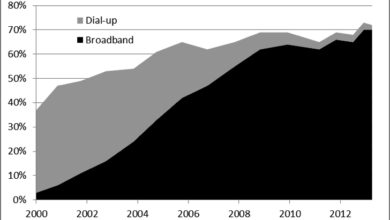
The table illustrates the progressive increase in wireless internet adoption over time. It highlights the rapid growth that has taken place and the potential for continued expansion in the years to come. Factors like technological improvements and increased affordability have been major drivers of this growth.
Demographic Breakdown: One In Three Web Surfers Choose Wireless
The digital landscape is increasingly shaped by the prevalence of wireless internet access. Understanding the demographics of those who embrace this technology versus those who don’t is crucial for businesses, policymakers, and internet providers to tailor their offerings and services effectively. This analysis delves into the characteristics of the one-third of web surfers who opt for wireless, comparing them to the two-thirds who do not.The motivations behind choosing wireless access are diverse and intertwined with factors such as age, location, and existing internet infrastructure.
Examining these correlations can illuminate the needs and preferences of different user groups, thereby guiding future technological developments and improving the overall internet experience.
Wireless User Demographics
The demographics of wireless users reveal a significant correlation between access and specific user characteristics. Young adults, particularly those aged 18-35, show a marked preference for wireless internet. This is likely due to the mobility and convenience it offers, aligning with their lifestyle choices and tech-savviness. Conversely, older demographics (over 55) might have a lower adoption rate due to a lesser familiarity with new technologies or a lack of perceived necessity.
Location also plays a crucial role. Urban areas, with their dense populations and readily available infrastructure, tend to have higher wireless penetration rates compared to rural areas, where physical limitations and lower population density hinder the deployment of comprehensive wireless networks.
Comparison of Wireless and Non-Wireless Users
This section presents a comparison between wireless and non-wireless users across different regions. The table below highlights the key differences in terms of age group, location, and internet access type.
| Demographic Category | Wireless Users | Non-Wireless Users |
|---|---|---|
| Age Group (Estimated) | 18-35: 60% 36-55: 30% 55+: 10% |
18-35: 40% 36-55: 40% 55+: 20% |
| Location | Urban: 70% Suburban: 25% Rural: 5% |
Urban: 60% Suburban: 30% Rural: 10% |
| Internet Access Type | Mobile Data (4G/5G): 80% Wi-Fi Hotspot: 15% Fixed Broadband: 5% |
Fixed Broadband: 90% Mobile Data (4G/5G): 10% |
The table illustrates a clear preference for mobile data among wireless users, with a notable concentration in urban areas. Conversely, non-wireless users overwhelmingly rely on fixed broadband connections. These figures highlight the varied factors influencing internet access choices. It’s important to note that these are estimated figures, and actual data might vary based on specific regions and market conditions.
Motivations for Wireless Choice
Several factors motivate individuals to opt for wireless internet access. Convenience and mobility are paramount, allowing users to access the internet from anywhere with a signal. The flexibility offered by wireless connections is especially attractive to individuals with busy lifestyles, enabling them to work, study, or connect with others on the go. Additionally, the reduced reliance on fixed infrastructure and the potential cost savings associated with wireless subscriptions are significant motivating factors.
Factors Influencing Choice
Wireless internet access has become ubiquitous, transforming how we connect and interact. This shift is driven by a confluence of factors, including technological advancements, cost considerations, and the undeniable appeal of convenience. Understanding these forces is key to comprehending the widespread adoption of wireless solutions.Technological advancements have dramatically lowered the barrier to entry for wireless internet, making it more accessible and affordable.
It’s fascinating how one in three web surfers opt for wireless connectivity. This growing preference for wi-fi likely contributes to the recent surge in spam, with American zombies blamed for the bulk of spam , according to some tech surveys. But regardless of the culprit behind the digital deluge, the popularity of wireless browsing continues to rise, showing a clear preference for this convenient technology.
This has fueled a substantial increase in wireless adoption. The evolution of technologies like Wi-Fi and 5G, alongside improvements in device capabilities, has made wireless a preferred option for many users.
Technological Factors
Technological progress has been instrumental in the rise of wireless internet. Early wireless networks, while functional, were often limited in speed and range. The subsequent development of more sophisticated technologies like Wi-Fi, which allows for high-speed data transmission over radio waves, significantly increased the appeal of wireless solutions. The continuous innovation in wireless protocols, such as 802.11n and 802.11ac, has led to even faster speeds and more reliable connections.
Cost Considerations
Cost plays a crucial role in the decision-making process for consumers choosing between wired and wireless internet. Wireless internet service providers often offer competitive pricing structures that can make them more attractive than traditional wired options, especially in areas where installing wired infrastructure might be expensive or logistically challenging.
Convenience
The inherent convenience of wireless internet is a significant factor in its popularity. The freedom to connect from anywhere within a designated range eliminates the need for physical connections, significantly enhancing mobility and flexibility. This is particularly advantageous in homes, offices, and public spaces, enabling seamless connectivity and collaboration.
Wireless vs. Wired Comparison
Choosing between wireless and wired internet involves weighing advantages and disadvantages. A comparative analysis highlights the trade-offs inherent in each approach.
| Feature | Wireless | Wired |
|---|---|---|
| Speed | Potentially slower in congested environments, but speeds have significantly increased with new technologies | Generally faster, consistently high speed |
| Mobility | High mobility, freedom to move around within range | Limited mobility, tied to a physical connection point |
| Installation | Relatively easy and quick to set up | Can be complex and time-consuming, requiring professional installation in some cases |
| Cost | Often more affordable for initial setup, but monthly fees can vary | Initial cost can be higher, but monthly fees are generally fixed |
| Security | Potentially vulnerable to security breaches if not properly configured | Generally more secure due to dedicated connections |
| Reliability | Can be affected by environmental factors, interference, and distance | Generally more reliable and consistent |
The Impact of Wireless
The increasing prevalence of wireless internet access has profoundly reshaped the digital landscape. This shift has not only influenced how we consume online content but also driven significant adaptations in website design, development, and online business strategies. The fundamental shift from desktop-centric browsing to mobile-first approaches has been a crucial element in this transformation.The adoption of wireless technology has dramatically changed how websites are perceived and used.
This evolution has necessitated a move towards responsive design principles, ensuring seamless user experiences across various devices and screen sizes. Websites must now cater to the diverse needs and preferences of users accessing the internet from a range of devices, from smartphones to tablets to laptops.
Responsive Design and Website Development
Responsive web design principles are now essential for successful online presence. Websites are designed to adapt automatically to the screen size of the device being used, offering an optimal viewing experience whether accessed on a phone, tablet, or computer. This ensures that users can easily navigate and interact with the website, regardless of the device they are using.
Mobile-First Approach in Website Design
The mobile-first approach in website design prioritizes the mobile experience, often developing the website for smaller screens first and then scaling up to larger ones. This strategy is crucial for providing an excellent user experience for those accessing the website from their mobile devices. This approach is also becoming a significant factor in search engine optimization () as search engines often favor websites optimized for mobile.
Impact on Online Businesses and Strategies
The rise of wireless internet usage has significantly impacted online businesses. Strategies have shifted to include mobile-friendly websites, apps, and engaging social media campaigns. Businesses have increasingly recognized the importance of mobile optimization to reach and retain customers. Companies are investing heavily in mobile marketing and advertising to capitalize on the vast pool of wireless users.
Changes in the Internet Experience for All Users
The increasing number of wireless users has transformed the internet experience for everyone. The immediacy and accessibility of information have dramatically improved, leading to a constant connection and access to a wealth of information. Users can now access websites and applications on the go, from anywhere with a wireless connection.
Impact on Mobile App and Website Design and Implementation
The increasing reliance on wireless devices has influenced the design and implementation of mobile apps and websites. App development now focuses on user-friendliness and intuitive interfaces for mobile devices. Websites are designed to be highly interactive and easily navigated on mobile screens. Load times and data usage are also crucial considerations in app and website development to ensure a seamless and enjoyable experience for wireless users.
Future Trends
The wireless internet landscape is constantly evolving, driven by technological advancements and shifting user demands. Predicting the future is inherently challenging, but analyzing current trends and emerging technologies offers valuable insights into potential trajectories. This exploration examines potential future developments in wireless internet access, including the impact of emerging technologies like 5G and satellite internet, and the challenges and opportunities presented by increasing reliance on this crucial technology.The future of wireless connectivity hinges on several key factors, including the continuous development of faster and more reliable networks, the expansion of coverage areas, and the integration of wireless technologies with other emerging sectors, such as the Internet of Things (IoT) and augmented reality.
This dynamic environment presents significant opportunities, but also introduces new challenges that need careful consideration.
Predicting Future Usage Patterns
Current data suggests a continued and accelerating adoption of wireless internet, with a significant increase in the number of connected devices and users. The demand for higher bandwidth and lower latency is driving innovation in network infrastructure, particularly with the deployment of 5G and future generations of wireless technologies. This increasing demand for bandwidth, in turn, fuels a need for more efficient spectrum management and innovative solutions to address potential capacity constraints.
The rapid proliferation of smart devices and the rise of cloud-based services are further factors contributing to the sustained growth of wireless internet usage.
Impact of Emerging Technologies
Emerging technologies like 5G and satellite internet are poised to significantly reshape the future of wireless connectivity. 5G promises substantial improvements in speed, reliability, and capacity, opening up new possibilities for applications requiring high bandwidth and low latency, such as virtual reality, augmented reality, and advanced telemedicine. Satellite internet is expected to extend wireless coverage to remote areas and underserved populations, bridging the digital divide.
These technologies are expected to converge in innovative ways, with 5G potentially acting as a catalyst for the deployment and integration of satellite internet, creating a hybrid network capable of reaching a wider global audience.
Challenges and Opportunities
The increasing reliance on wireless connectivity presents both opportunities and challenges. One key opportunity lies in the potential for improved accessibility, with the expansion of coverage enabling remote work, education, and healthcare. However, this reliance also introduces challenges related to cybersecurity, privacy, and the potential for network congestion, especially with the increasing number of connected devices. Effective strategies for managing network security and ensuring data privacy are crucial to mitigating potential risks.
Addressing the potential for congestion and ensuring reliable connectivity, especially during peak hours, will be vital to maintaining a positive user experience.
Potential Future Developments in Wireless Access, One in three web surfers choose wireless
| Future Development | Potential Impact |
|---|---|
| Increased deployment of 6G networks | Further improvement in speed, capacity, and latency, enabling new applications and experiences |
| Integration of wireless with IoT devices | Enhanced connectivity and automation in various sectors, including smart homes, industrial automation, and transportation |
| Expansion of satellite internet coverage | Improved accessibility and connectivity in rural and remote areas, bridging the digital divide |
| Advanced spectrum management techniques | Improved efficiency in utilizing available spectrum, enhancing network capacity and performance |
Potential Disruptions to Wireless Infrastructure
Technological advancements and market shifts may disrupt the current wireless infrastructure. The emergence of new wireless technologies and the evolution of user demands could lead to the need for significant upgrades and modifications to existing infrastructure. The transition to next-generation networks may require the replacement of existing hardware and software, potentially presenting a challenge for network operators. The introduction of innovative business models and competitive pressures from new entrants could also alter the landscape of the wireless industry.
Epilogue

In conclusion, the “one in three web surfers choose wireless” statistic reflects a profound shift in how we access the internet. Driven by convenience, cost, and technological advancements, this trend has reshaped website design, online businesses, and the overall internet experience. Looking ahead, the future of wireless internet access promises exciting developments, while also presenting unique challenges. The increasing reliance on wireless connectivity will continue to shape the digital landscape, impacting how we interact with the web and the services it provides.