Microsoft Predicts Future Search
Microsoft predicts the future of search, unveiling a vision that promises to revolutionize how we find information. This exploration dives deep into Microsoft’s ambitious goals, examining the key technologies driving their approach and analyzing the potential impact on users and businesses. From AI-powered personalization to advanced search interfaces, the future of search is poised for a significant transformation.
Microsoft’s strategy encompasses several key areas, including understanding user needs more deeply through advanced NLP techniques, refining search algorithms to provide more relevant and accurate results, and considering the role of data privacy and security. The company is also looking to integrate AI to provide more personalized and intuitive search experiences. This shift towards AI-driven search presents exciting possibilities but also poses new challenges, requiring careful consideration of user impact and potential pitfalls.
Introduction to Microsoft’s Vision
Microsoft is aggressively pursuing a vision for search that transcends simple matching. They aim to create a more intelligent and comprehensive search experience, leveraging AI and machine learning to deliver more insightful and personalized results. This ambition is rooted in their recognition that the current search landscape is evolving rapidly, demanding more sophisticated tools for information retrieval.Microsoft’s current position in the search market is substantial, though not unchallenged.
Bing, their search engine, is a widely recognized player. However, Google remains the dominant force. Microsoft’s future ambition is to not only compete but to reshape the very definition of search by moving beyond basic queries to interactive, knowledge-based experiences.
Microsoft’s Key Technologies and Strategies
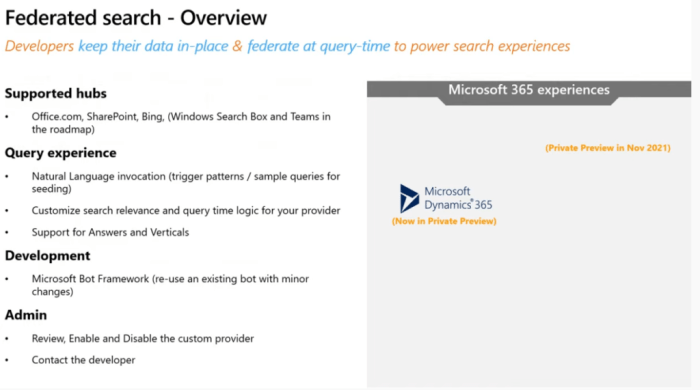
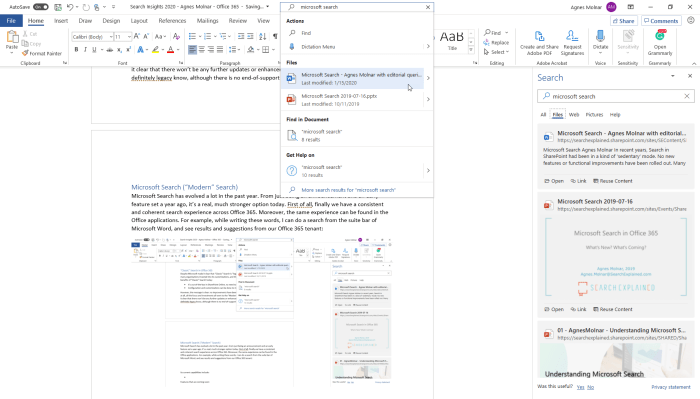
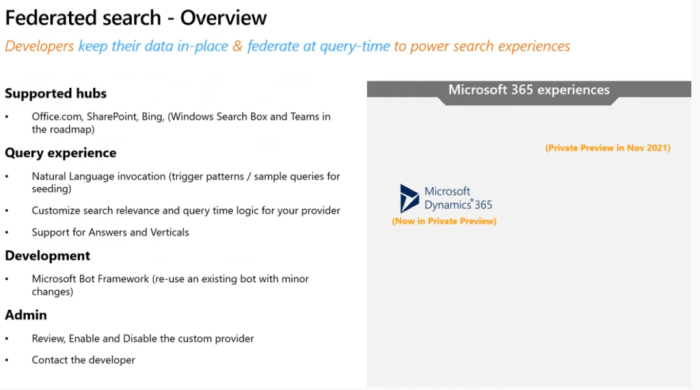
Microsoft’s strategies are built on a foundation of advanced AI and machine learning. Key technologies include natural language processing (NLP) for understanding complex queries, large language models (LLMs) for generating insightful responses, and semantic search for contextual understanding. They are also integrating their vast ecosystem of products and services to create a more interconnected and valuable experience. A significant part of their strategy involves the integration of their AI and machine learning capabilities across multiple platforms, from Bing to other Microsoft products like Office 365 and Azure.
Competitive Landscape Analysis
The search market is highly competitive, with established players and new entrants vying for market share. This section presents a comparative analysis of Microsoft’s key competitors and their relative strengths and weaknesses in the search domain.
Microsoft’s predictions about the future of search are fascinating, but the gaming industry is also undergoing some interesting shifts. For example, Electronic Arts’ acquisition of Criterion Software Group, a renowned developer, is a significant move electronic arts to acquire criterion software group. This could influence future gaming trends and potentially impact how search functions within the gaming world.
Ultimately, these developments highlight how technology is constantly evolving and disrupting various sectors, including the way we search for information.
| Competitor | Strengths | Weaknesses |
|---|---|---|
| Dominant market share, extensive index of web pages, advanced algorithms, strong brand recognition, and wide range of related services. | Potential for bias in results, sometimes slow response times, and difficulties in handling complex queries. | |
| DuckDuckGo | Strong focus on privacy, user-friendly interface, and no tracking. | Smaller index compared to Google, fewer features, and limited customization options. |
| Yahoo! | Long-standing presence, extensive partnerships, and some niche strengths. | Facing declining market share, lack of significant innovation, and difficulty competing with the market leaders. |
| Baidu | Significant presence in the Chinese market, advanced AI capabilities, and focus on local language needs. | Limited global reach compared to Google, and less established in Western markets. |
| Microsoft Bing | Strong foundation in AI and machine learning, integration with other Microsoft services, and a significant potential for future growth. | Lower market share compared to Google, ongoing need to improve user experience, and ongoing need to enhance broader adoption of the platform. |
Exploring the Future of Search
The future of search is rapidly evolving, driven by the relentless march of technology, particularly Artificial Intelligence (AI). This transformation promises to reshape how we interact with information, moving beyond simple searches to more intuitive and personalized experiences. The shift is not just about speed and efficiency; it’s about understanding user intent and providing highly relevant results, adapting to the changing needs of diverse user segments.The evolution of search is a fascinating blend of technological advancements and human interaction.
AI is not just a tool, but a catalyst for a fundamental shift in how we access and process information. This shift will impact everything from the way businesses market themselves to the way individuals learn and stay informed. Personalization and voice search are crucial components of this evolving landscape, offering customized experiences and more natural interaction methods.
Key Trends Shaping the Future of Search
AI, personalization, and voice search are the primary forces driving the future of search. These trends are not isolated phenomena but are interconnected, influencing each other and creating a dynamic ecosystem. AI-powered search engines can analyze vast amounts of data to provide highly relevant results, adapting to individual user preferences and needs. Personalization in search allows users to tailor their search experience, focusing on results that are most relevant to them.
Voice search provides a more natural and intuitive way to interact with information, paving the way for a new generation of search interfaces.
Impact on Different User Segments
The impact of these trends varies significantly across different user segments. For example, students may benefit from AI-powered summaries and personalized learning resources, while researchers may find AI-driven literature reviews and data analysis tools invaluable. Businesses will use AI-powered search to better understand customer needs and preferences, driving more targeted marketing strategies. This personalization, while beneficial, may also raise privacy concerns, particularly in the context of tailored advertising and targeted content.
Voice search will be more readily adopted by younger generations and those comfortable with voice-based interfaces.
Microsoft’s predictions about the future of search are fascinating, especially considering how rapidly technology evolves. It’s interesting to see how these predictions connect to the current state of telephony, as discussed in VoIP Inc’s recent piece, voip inc s rodriguez discusses state of telephony. Ultimately, these advancements in search and communication technologies will shape the future of how we interact with information and each other, much like Microsoft’s vision anticipates.
Benefits and Challenges of Integrating AI into Search
Integrating AI into search engines offers numerous potential benefits, including improved accuracy and relevance, faster response times, and more personalized results. AI can also help to filter out irrelevant information and provide more comprehensive answers to complex queries. However, there are challenges to consider. These include the potential for bias in algorithms, the need for vast amounts of data to train AI models, and the ethical implications of using AI to personalize search results.
The development of robust ethical guidelines and responsible AI practices is crucial to mitigate potential negative consequences.
“AI-powered search engines can analyze vast amounts of data to provide highly relevant results, adapting to individual user preferences and needs.”
Different Types of Search Interfaces and Their Applications
| Search Interface Type | Potential Applications |
|---|---|
| Visual Search | Identifying objects in images, finding similar products, or understanding complex visual information. |
| Conversational Search | Engaging in natural language conversations with the search engine to receive detailed answers or perform actions. |
| 3D Search | Exploring and interacting with 3D models, virtual tours, and product visualizations. |
| Predictive Search | Anticipating user needs and providing relevant results before they are explicitly asked for. This is exemplified by the suggestions appearing in search bars. |
The table above highlights various search interfaces with potential applications. These interfaces aim to move beyond simple text-based queries, offering richer, more intuitive, and immersive search experiences. Each interface type offers unique capabilities for different use cases, from practical applications to more imaginative possibilities.
Analyzing Search Capabilities
The future of search hinges on its ability to understand and respond to complex user queries, not just surface simple results. Advancements in natural language processing (NLP) are crucial in this evolution, enabling search engines to interpret nuances and context in user input. This analysis delves into the sophisticated mechanisms behind search result curation and ranking, emphasizing the pivotal role of data privacy and security in shaping this future.Search engines are evolving from basic matching to sophisticated understanding of user intent.
This shift demands a deeper comprehension of natural language, allowing for more precise and relevant results. Algorithms now go beyond simple matching to consider the context, intent, and semantic meaning behind queries.
Advancements in Natural Language Processing (NLP)
Natural Language Processing (NLP) is revolutionizing search. Sophisticated NLP models can now understand the nuances of human language, recognizing synonyms, identifying relationships between concepts, and inferring user intent. This allows search engines to provide more accurate and relevant results. For example, a query like “best Italian restaurants near me” can be understood not just as s, but as a desire for location-specific recommendations, resulting in a more personalized and effective search experience.
The implication is a more intuitive and user-friendly search experience, moving beyond simple matching to a more comprehensive understanding of the user’s needs.
Microsoft’s predictions about the future of search are fascinating, but it’s also crucial to consider how this evolving tech landscape affects our daily lives. For instance, as we navigate a world increasingly reliant on WiMAX, understanding the importance of online security becomes paramount. This is why exploring topics like staying safe in a wimax world staying safe in a wimax world is essential for anyone engaging with the future of search.
Ultimately, Microsoft’s vision of search relies on a secure and informed user base.
Search Result Curation and Ranking
Search result curation and ranking algorithms are complex, constantly evolving systems. These algorithms use a multifaceted approach to prioritize and present results. Factors such as relevance, authority, freshness, and user engagement play critical roles. Search engines employ various ranking signals, including the usage of specific s, the authority of the website publishing the information, the recency of the content, and user engagement metrics such as clicks and time spent on the page.
This intricate process ensures a more refined and personalized search experience. Search engines use intricate algorithms to assess the quality and relevance of results. This intricate system ensures a more relevant and reliable search experience.
Data Privacy and Security in Search
Data privacy and security are paramount concerns in the evolving landscape of search. User data, including search queries, browsing history, and location data, must be handled responsibly. The collection, storage, and use of this data must adhere to strict privacy regulations and security protocols. Protecting user data is paramount to building trust and ensuring a secure search environment.
Microsoft’s Approach to Search and its Implications on Data Privacy and Security
Microsoft’s approach to search emphasizes a user-centric, privacy-focused design. The company prioritizes user data protection, implementing robust security measures to safeguard sensitive information. Microsoft’s commitment to responsible data handling is vital in ensuring user trust and maintaining a secure search environment. Microsoft is committed to protecting user data through robust security measures and transparent data practices. This commitment aims to build user trust and maintain a safe and responsible search experience.
Comparison of Search Query Understanding Approaches
| Approach | Description | Strengths | Weaknesses |
|---|---|---|---|
| Matching | Simple matching of s in the query to s in the documents. | Fast and easy to implement. | Doesn’t understand context or intent. Produces irrelevant results. |
| Natural Language Processing (NLP) | Utilizes NLP models to understand the meaning and intent behind the query. | Provides more accurate and relevant results. Understands context and intent. | Can be computationally expensive. Requires training data. |
| Semantic Search | Focuses on the meaning and relationships between words and concepts. | Provides more comprehensive and nuanced results. | Requires sophisticated NLP models and large amounts of data. |
Impact on Users and Businesses
The future of search, as envisioned by Microsoft, promises a paradigm shift that will fundamentally alter how users interact with information and how businesses operate. This new search paradigm, incorporating advanced AI and personalized experiences, will necessitate adjustments for both individuals and corporations. The benefits and drawbacks are multifaceted, demanding careful consideration to maximize the positive impact and mitigate potential downsides.
Potential Benefits for Average Users
This advanced search technology will offer a more intuitive and personalized user experience. Users will gain access to more comprehensive and relevant information, presented in diverse formats, including visuals, interactive elements, and even synthesized knowledge. Real-time updates and dynamic content will provide a constantly evolving view of the world. This personalized approach, tailoring results to individual preferences and contexts, will significantly enhance the user experience.
Think of a search for “best Italian restaurants near me” dynamically updating with real-time reviews and wait times, allowing users to make immediate, informed decisions.
Potential Drawbacks for Average Users
While personalization is beneficial, there’s a risk of echo chambers and filter bubbles. Users might be exposed primarily to information reinforcing their existing biases, potentially hindering critical thinking and a broader understanding of diverse perspectives. The reliance on AI-driven summaries and interpretations could also lead to misinterpretations or misinformation if the underlying data is flawed or biased. Privacy concerns regarding data collection and usage are paramount and must be addressed transparently.
Impact on Businesses and Marketing Strategies
The shift in search will necessitate a complete re-evaluation of marketing strategies. Businesses will need to adapt to a more dynamic and personalized search environment. Search results will become more contextual and integrated with other services, requiring businesses to optimize their online presence for these evolving formats. Content marketing strategies will need to focus on providing value-added insights and experiences, rather than simply stuffing.
Businesses that fail to adapt risk being overshadowed by competitors who are proactively engaging with this new paradigm.
Influence on Consumer Behavior and Purchasing Decisions
Search results will play a more critical role in consumer decision-making. The integrated nature of the search experience will make it easier for consumers to research, compare, and ultimately purchase products and services. This integrated experience will likely shift consumer behaviors toward more personalized and proactive information seeking. For example, a user searching for “new running shoes” might see personalized recommendations based on their fitness level and past purchases, leading to a more targeted and efficient purchasing experience.
Scenarios of User Interactions
| Scenario | User Interaction | Outcome |
|---|---|---|
| Personalized Recommendations | User searches for “best coffee shops,” system suggests locations based on past preferences and nearby events. | User finds relevant, tailored recommendations, leading to a more satisfying experience. |
| Interactive Visualizations | User searches for “historical data on climate change,” system presents interactive maps and charts. | User gains a more comprehensive and engaging understanding of the topic. |
| Contextual Search Results | User searches for “flight to Paris,” system integrates real-time traffic information, delays, and weather forecasts into the results. | User makes a more informed decision based on up-to-date and integrated information. |
| Misinformation Detection | User searches for “covid-19 treatments,” system flags potentially unreliable sources. | User accesses credible information and avoids potential misinformation. |
Technological Advancements
The future of search hinges on the relentless march of technology, particularly advancements in artificial intelligence (AI) and machine learning. These fields are rapidly evolving, offering unprecedented opportunities to refine and expand search capabilities. The ability to understand nuances in language, interpret complex queries, and access information across diverse formats will redefine how we interact with knowledge.These advancements aren’t theoretical; they are already transforming industries and daily life.
Consider the increasing sophistication of virtual assistants, the rise of personalized recommendations, and the growing capacity of AI to generate creative content. These trends are not isolated; they are all intertwined, paving the way for a future where search goes beyond simple matching and delves into deeper understanding.
Latest Developments in AI and Machine Learning
AI and machine learning are experiencing a period of rapid development, driven by improvements in algorithms, computational power, and the availability of vast datasets. Deep learning models, for instance, are now capable of processing and understanding complex patterns in text and data, allowing for more nuanced and accurate interpretations of user queries. Natural language processing (NLP) is also evolving, enabling computers to understand and respond to human language with greater fluency and comprehension.
Enhanced Search Capabilities
These technological advancements will significantly enhance search capabilities. Searches will become more intelligent, understanding context and intent more precisely. For example, a search for “best Italian restaurants near me” might automatically incorporate location data and user preferences, potentially even displaying a ranked list of nearby restaurants, along with customer reviews and photos. This level of contextual understanding allows for more efficient and relevant results.
Potential Future Features and Functionalities
The table below Artikels potential future features and functionalities of a search engine, highlighting the impact of AI and machine learning.
| Feature | Description |
|---|---|
| Contextual Understanding | Search engines will interpret the context and intent behind a user’s query, going beyond simple matching. |
| Multimodal Search | Users can search using images, audio, or video, enabling search across diverse formats. |
| Personalized Recommendations | Search results will be tailored to individual user preferences and search history, providing more relevant and engaging content. |
| Interactive Search Experiences | Users can engage with search results in dynamic ways, such as exploring interactive maps, visualizing data, or interacting with simulations. |
| Automated Content Generation | AI-powered tools can summarize or synthesize information from various sources, producing concise and comprehensive summaries for complex topics. |
Accessibility of Information
These advancements have the potential to democratize access to information. By understanding complex queries and providing accurate and relevant results, search engines can empower individuals with the knowledge they need. Imagine a scenario where someone with limited literacy can use image-based searches to access information, or where people in remote areas can access educational resources.
User Interaction with Information
The way users interact with information will also change. Search results might become more interactive and engaging, incorporating multimedia elements, simulations, and interactive visualizations. This shift will lead to a richer and more immersive experience for users, enabling them to explore and understand information in novel ways. Users will be able to engage more deeply with data, allowing for a more intuitive and meaningful interaction with knowledge.
Visualizing the Future of Search: Microsoft Predicts The Future Of Search
The future of search is not just about finding more information; it’s about understanding and anticipating user needs before they even articulate them. This shift necessitates a radical reimagining of the user interface and interaction methods, moving beyond the simple search to a more intuitive and proactive experience. A future search engine will not only provide answers but will also anticipate the user’s next steps, guiding them towards the most relevant and useful information.
A Proactive Search Interface
The user interface for a future search engine will prioritize visual cues and predictive elements over traditional text-based interfaces. Imagine a search experience that dynamically adapts to the user’s context and intent. This proactive approach will eliminate the need for lengthy, ambiguous queries. Instead, the user will interact with visual representations of information, allowing the search engine to interpret their needs with greater accuracy.
For instance, a user browsing images of a specific type of architecture might have related design concepts, construction techniques, and historical context automatically displayed in an adjacent panel.
Anticipating User Needs
The future search experience will go beyond simply retrieving results. It will anticipate user needs by understanding their context, location, and past search history. Consider a scenario where a user frequently searches for recipes for a specific cuisine. The search engine could anticipate this need and suggest related recipes or cooking tutorials based on the time of day, dietary preferences, and even the ingredients currently available in the user’s smart kitchen.
This personalized approach to search will significantly improve efficiency and user satisfaction.
Visual Search Results Presentation
The way search results are presented will undergo a significant transformation. Instead of a simple list of links, the future will offer a more engaging and informative display. This visual representation will utilize a variety of elements to enhance the user experience.
| Visual Element | Description | Example |
|---|---|---|
| Interactive Maps | Search results can be overlaid on interactive maps, allowing users to visualize locations, businesses, or events related to their query. | Finding restaurants near a specific location, displaying nearby parks, or finding local events |
| 3D Models | Complex objects or structures can be presented as interactive 3D models, allowing users to explore them from various angles and perspectives. | Viewing the layout of a building, exploring the structure of a molecule, or examining a historical monument |
| Visual Summaries | Summarizing complex documents or articles with visual elements, such as charts, graphs, or infographics, can make understanding the content easier. | Summarizing research papers, financial reports, or news articles using visual representations |
| Predictive Visualizations | Anticipate user needs and present relevant data in a visually appealing format. | Suggesting related videos, images, or articles based on the user’s current search |
Visual Elements and Enhanced User Experience, Microsoft predicts the future of search
The future search interface will incorporate a range of visual elements, such as interactive charts, animated graphs, and dynamic visualizations, to present complex information in an easily digestible format. These elements will not only make the search results more visually appealing but also provide a deeper understanding of the information presented. For instance, a search for “global climate change trends” might display a series of interactive maps and charts showing temperature fluctuations over time, allowing users to explore the data from different perspectives.
This enhanced visual experience significantly increases user engagement and satisfaction.
Closing Summary
Microsoft’s vision for the future of search, encompassing AI integration, personalization, and advanced search interfaces, suggests a significant shift from traditional methods. This transformation holds both immense potential to revolutionize information access and challenges in terms of data privacy and user experience. The company’s competitors and their respective strengths and weaknesses will play a crucial role in shaping the future landscape of search.
Ultimately, the success of this ambitious vision hinges on effectively addressing user concerns and adapting to the evolving needs of a digitally driven world.