Social Networking and the Citizen Journalist A Powerful Duo
Social networking and the citizen journalist have become a powerful duo in the digital age. This dynamic partnership has reshaped how news is disseminated, empowering individuals to report and document events in real-time. From breaking news to civic engagement, the role of citizen journalists using social media platforms is expanding, creating new avenues for information sharing and public discourse.
But this evolution also presents new challenges, requiring a nuanced understanding of the ethical and legal considerations involved.
This exploration delves into the multifaceted relationship between social networking and citizen journalism. It examines the definition and evolution of citizen journalism, its impact on news dissemination, the role of social media in civic engagement, and the ethical considerations surrounding this burgeoning field. We’ll also explore case studies that illustrate the impact of this dynamic duo.
Defining Citizen Journalism in the Digital Age
Citizen journalism, a powerful force in the modern information landscape, has dramatically evolved alongside the rise of social networking platforms. No longer confined to localized communities or niche publications, it has become a global phenomenon, impacting how news is reported, consumed, and debated. This dynamic form of journalism is characterized by its accessibility and immediacy, empowering individuals to act as both witnesses and reporters, shaping narratives in real-time.The fundamental shift lies in the democratization of information.
Traditional journalism, with its hierarchical structures and gatekeepers, often struggles to capture the immediacy and local perspective of events. Citizen journalism, on the other hand, leverages the power of the internet and social media to bypass these barriers. This allows for faster dissemination of information, often before professional news organizations can react. However, the very nature of this immediacy requires careful consideration of accuracy and verification.
Characteristics of Citizen Journalism
Citizen journalism differs significantly from traditional news reporting in several key aspects. It often lacks the same editorial oversight and professional training. Furthermore, citizen journalists are frequently unpaid volunteers, driven by a desire to document events and share their perspectives, rather than a professional career path. This can impact the quality and objectivity of reporting, making verification and source attribution crucial for responsible consumption.
Types of Citizen Journalism Content
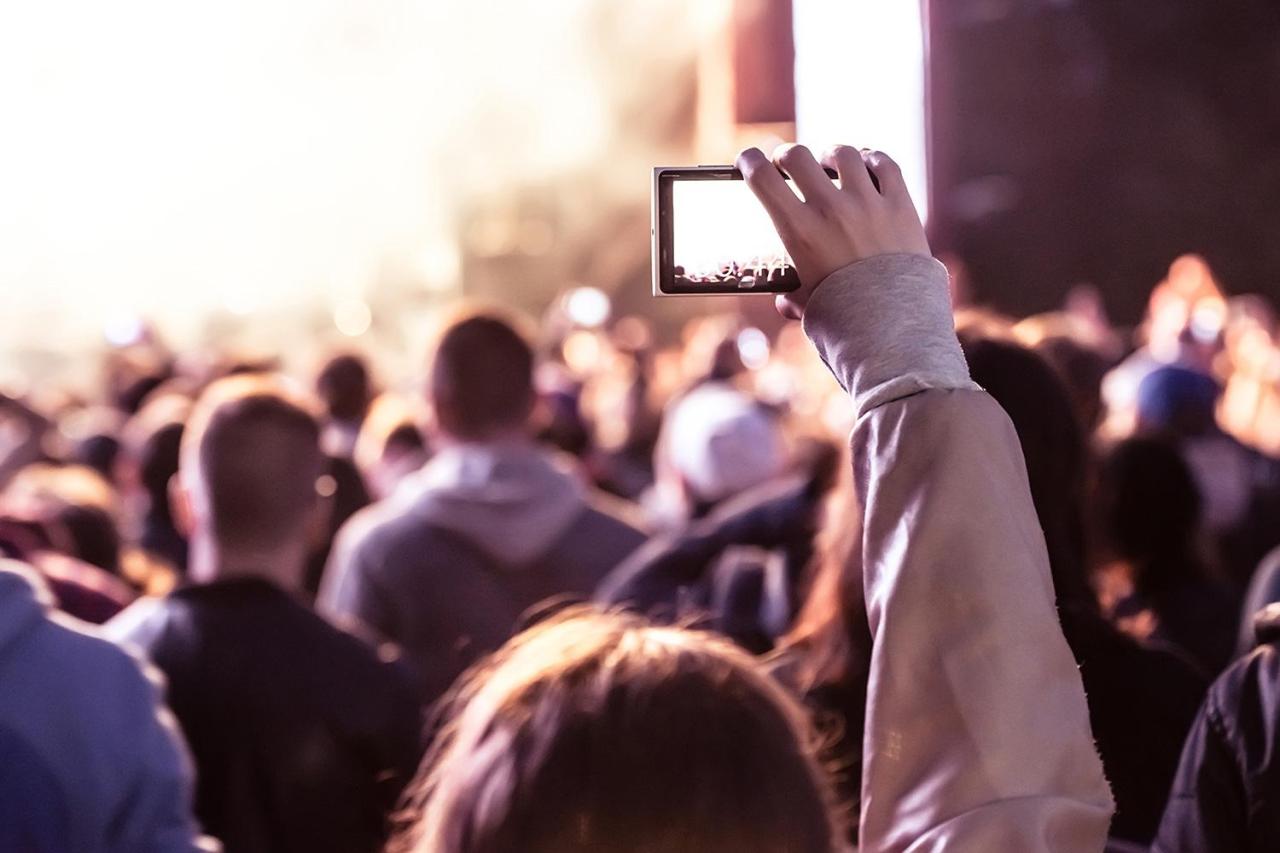
The digital age has broadened the scope of citizen journalism, encompassing a diverse range of media formats. User-generated videos, particularly from mobile devices, are incredibly prevalent. These often provide raw, unfiltered accounts of events, offering valuable perspectives from the scene. Similarly, user-generated photographs, often with a focus on visual storytelling, are frequently shared and contribute significantly to the overall narrative.
Written articles, often in the form of blog posts or social media updates, also form a crucial component, offering analysis, commentary, and in-depth accounts from individual viewpoints.
Social Networking Platforms for Citizen Journalism
A multitude of social networking platforms serve as vital tools for citizen journalists. Platforms like Twitter, with its real-time updates and microblogging format, are commonly used for breaking news and live reporting. Facebook, with its extensive network and community features, allows for the sharing of videos, photos, and longer-form articles. YouTube, a platform primarily dedicated to video sharing, has become a crucial hub for user-generated videos, often capturing firsthand accounts of events.
Instagram, with its emphasis on visual content, often plays a key role in showcasing images and photo essays. These diverse platforms offer unique opportunities for disseminating information, reaching broad audiences, and engaging in public discourse. This widespread adoption underscores the significance of social networking in facilitating citizen journalism.
The Impact of Social Networking on News Dissemination
Social networking platforms have revolutionized the way news travels, transforming from a one-way broadcast to a dynamic, often instantaneous, exchange. This shift has profound implications for the speed, reach, and reliability of information, particularly in the context of citizen journalism. The immediacy of social media has reshaped how we receive news, often blurring the lines between eyewitness accounts and professional reporting.Social networking platforms have drastically accelerated the speed of news dissemination, enabling near-instantaneous updates and global reach.
This rapid dissemination has become crucial in breaking news stories, allowing for immediate updates and reactions, often even before traditional media outlets can report.
Breaking News via Social Media
Social media has proven instrumental in breaking numerous news stories. The ability to quickly gather and share information via platforms like Twitter and Facebook has been critical in situations ranging from natural disasters to political protests. For example, during the 2011 Egyptian revolution, social media played a vital role in disseminating information about protests, facilitating communication among activists, and bypassing government censorship.
Similarly, the spread of information about the 2010 earthquake in Haiti was largely facilitated by social media, connecting aid organizations with victims and enabling rapid mobilization of resources. This ability to connect with global audiences in real time, in addition to the potential to organize and coordinate responses, has made social media a critical component in responding to immediate crises.
Verifying Information on Social Media
The rapid dissemination of information on social networking sites also poses challenges regarding the verification of information. Citizen journalists, while often providing valuable firsthand accounts, are not always trained professionals, leading to potential inaccuracies or misinterpretations. Furthermore, the ease with which misinformation can spread through social media creates a need for critical evaluation of all information encountered. Users must develop a discerning eye and approach social media posts with a healthy skepticism, considering the source and potential biases before accepting information as factual.
Reliability of Social Media vs. Traditional News
Comparing the reliability of information shared on social media with traditional news sources reveals significant differences. Traditional news organizations often have established fact-checking processes and journalistic standards. However, social media, while offering speed and immediacy, lacks these rigorous vetting mechanisms, potentially leading to the spread of false or misleading information. The crucial difference lies in the journalistic training and established fact-checking processes that traditional news outlets typically employ.
This creates a stark contrast, where the speed and immediacy of social media often come at the cost of thorough verification and accuracy.
Social networking has undeniably empowered the citizen journalist, giving everyday people a platform to report on events and issues. Considering that a significant portion of our youth are active on these platforms, like 55 percent of us teens use social networking sites , it’s clear that this trend will continue to shape how information is disseminated and consumed.
This rapid spread of information, for better or worse, is reshaping the role of the citizen journalist in our society.
Social Media Algorithms and News Flow, Social networking and the citizen journalist
Social media algorithms significantly influence the news flow by shaping what information users see. These algorithms often prioritize engagement and virality over accuracy, potentially leading to a skewed representation of events and reinforcing existing biases. The “filter bubble” effect, where users are presented with information that aligns with their pre-existing beliefs, can further exacerbate these issues, limiting exposure to diverse perspectives and hindering critical thinking.
Social networking has empowered citizen journalists, allowing them to report on events quickly and widely. However, the tools they use, like smartphones and social media platforms, can be vulnerable to spyware. This is where tools like Spycatcher come into play, offering a way to defend against malicious spyware, but users need to be aware of potential downsides.
Checking out spycatcher deadly to spyware but watch out is a good starting point for understanding the balance. Ultimately, citizen journalists need to be savvy about the tech they use to ensure their work remains free from manipulation and remains reliable for the public.
This effect is particularly relevant to how social media shapes news consumption, impacting the range of perspectives available to the user.
Social Media Platforms and Citizen Journalism
| Platform | Typical Use Case for Citizen Journalism |
|---|---|
| Breaking news updates, eyewitness accounts, direct communication with affected communities. | |
| Sharing news articles, images, videos; organizing groups for disaster relief or protests. | |
| Visual storytelling; sharing images and videos of events. | |
| YouTube | Live-streaming events; sharing videos of interviews and personal accounts. |
| TikTok | Short-form video content capturing events, often in a fast-paced, engaging manner. |
Social media platforms provide a variety of tools for citizen journalists to share their perspectives and contribute to news dissemination. Different platforms are used in distinct ways, with specific strengths and limitations, enabling different types of citizen journalism. Each platform, with its own characteristics and audience, caters to diverse methods of conveying information.
The Role of Social Media in Civic Engagement
Social media has become an undeniable force in shaping modern civic discourse and participation. Its ability to connect individuals across geographical boundaries and foster rapid information sharing has created unprecedented opportunities for citizens to engage with their communities and government. This platform transcends traditional methods of communication, empowering individuals to actively participate in shaping their world.Social networking platforms act as vibrant public squares, facilitating discussions on diverse issues, from local zoning debates to national policy decisions.
This increased visibility and accessibility allow individuals to voice their opinions, seek information, and organize collective action in support of their beliefs. The democratization of information flow through social media fosters a more informed and engaged citizenry.
Social Networking and Public Discourse
Social media platforms provide a powerful arena for public discourse, allowing individuals to express their views on a wide range of civic issues. This open exchange of ideas, while not always without its challenges, can lead to more informed public debate and a deeper understanding of diverse perspectives. Direct engagement with elected officials and public figures is also made possible, facilitating a more transparent and responsive government.
Real-time updates and discussions on policy issues allow citizens to stay actively informed and participate in shaping public opinion.
Empowering Citizens Through Social Media
Social media empowers citizens by providing tools for accessing information, organizing events, and mobilizing support. This empowerment stems from the ability to connect with like-minded individuals, share information, and coordinate collective action. Access to diverse viewpoints and information allows citizens to form well-rounded opinions, making them more capable participants in democratic processes. The ability to easily organize events and campaigns online enables citizens to effectively advocate for their interests.
Citizen Journalists and Accountability
Citizen journalists, using social media platforms, play a vital role in holding institutions accountable. Their ability to quickly disseminate information and document events allows for a broader perspective on issues, potentially supplementing or correcting traditional media reporting. This alternative information flow can act as a crucial check on power, prompting transparency and responsiveness from those in positions of authority.
Social media allows for real-time reporting of events, offering a valuable tool for monitoring and holding institutions accountable.
Social networking has empowered citizen journalists, allowing for rapid information dissemination. However, this ease of sharing also brings increased vulnerability to identity theft online. Learning how to safeguard your personal information online is crucial, and understanding the risks involved in sharing information on social media is key to this. For example, check out this insightful article on combating id theft on the internet to better protect your digital footprint.
Ultimately, responsible use of social media by citizen journalists remains vital in a world where information flows freely.
Building Communities Around Shared Concerns
Social media facilitates the formation of online communities around shared interests and concerns. This shared platform allows individuals to connect with others who hold similar viewpoints, fostering a sense of collective identity and purpose. These communities can serve as vital spaces for organizing, planning, and mobilizing support for various causes. Shared interests can easily connect individuals, fostering a sense of belonging and encouraging collective action.
Social Media and Social Movements
Social media has proven crucial in organizing protests and social movements. Its ability to facilitate rapid communication and mobilization allows individuals to coordinate actions, disseminate information, and build solidarity. Examples such as the Arab Spring and various social justice movements demonstrate the power of social media in fostering collective action and challenging established power structures. The ease of information sharing and organization is vital in creating large-scale social movements.
Comparison of Civic Engagement Types
| Type of Civic Engagement | Mechanism | Example |
|---|---|---|
| Online Petitioning | Using platforms to gather signatures and support for a cause | Advocating for policy changes through online petition drives |
| Social Media Advocacy | Sharing information, opinions, and engaging in discussions on social media platforms | Supporting a political candidate or raising awareness about an issue through social media posts |
| Online Organizing | Using social media to coordinate events, mobilize volunteers, and raise funds | Organizing protests, rallies, or community events through online platforms |
| Information Sharing | Disseminating information, news, and updates on social media | Reporting on local events or sharing information about policy changes |
Ethical Considerations and Challenges of Social Networking Citizen Journalism
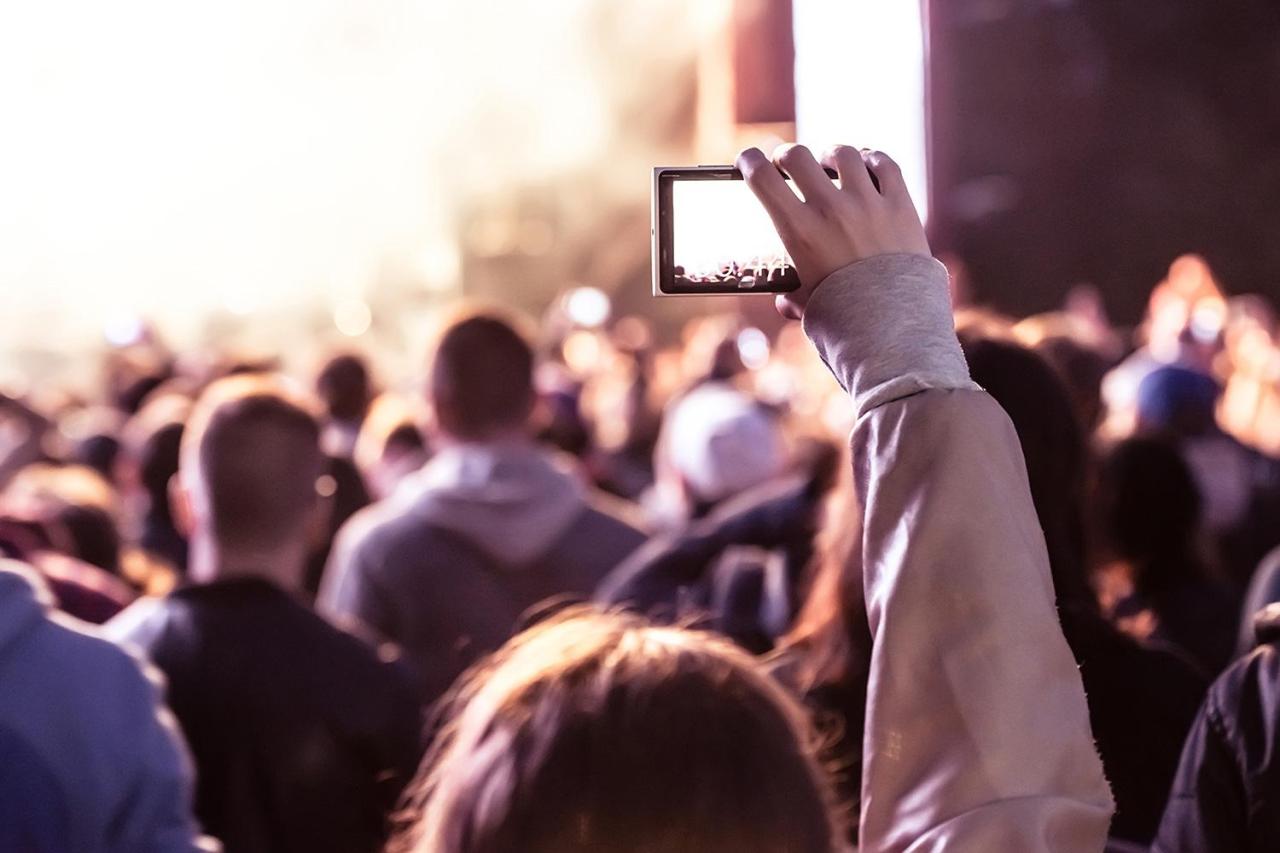
Citizen journalism, fueled by social networking, has democratized information dissemination, empowering individuals to report on events as they unfold. However, this democratization brings forth significant ethical challenges, particularly regarding the accuracy, privacy, and potential misuse of user-generated content. Navigating these complexities is crucial for maintaining trust in the information ecosystem and ensuring responsible use of these powerful tools.The rapid dissemination of information via social media, while offering unprecedented opportunities for transparency and accountability, also presents significant ethical challenges.
The immediacy and accessibility of social media platforms can inadvertently amplify inaccuracies and misinformation, eroding public trust in credible news sources. Moreover, the potential for misrepresentation, conflicts of interest, and legal ramifications must be carefully considered. A critical understanding of these issues is vital for citizen journalists and social media users alike to ensure the responsible and ethical use of these platforms.
Publication of User-Generated Content: Privacy and Accuracy
User-generated content often contains sensitive information, raising serious privacy concerns. Citizen journalists must be mindful of potential violations of personal privacy when publishing content, ensuring that individuals depicted are aware of the publication and have consented to it. Furthermore, accuracy is paramount. Verifying information sources and confirming details with multiple reliable sources are essential before publishing, especially when dealing with potentially sensitive or contentious topics.
A crucial aspect is to avoid spreading unverified claims that could harm individuals or create a false narrative.
Misinformation and Disinformation Campaigns
The ease with which misinformation and disinformation can spread via social media platforms poses a significant challenge. Malicious actors can exploit social media algorithms to amplify false narratives and manipulate public opinion. Citizen journalists need to develop critical thinking skills to identify and evaluate information sources. They must be vigilant about potential manipulation tactics, fact-checking claims, and verifying the credibility of sources before disseminating information.
The spread of fabricated news stories, false accounts, and deliberate attempts to deceive can erode trust in legitimate news sources. This necessitates a concerted effort to educate individuals about identifying misinformation.
Conflicts of Interest in Citizen Journalism
Citizen journalists, like traditional journalists, are susceptible to conflicts of interest. These conflicts can arise from personal relationships, financial incentives, or political affiliations. Citizen journalists should be transparent about any potential conflicts of interest. They must disclose any connections or biases that might influence their reporting. This transparency builds trust and ensures that readers can evaluate the reported information critically.
Openly acknowledging any potential biases can prevent misrepresentation and ensure credibility.
Legal Implications of Online Publication
Citizen journalists must be aware of the legal implications of publishing content online. Laws regarding defamation, libel, copyright infringement, and privacy violations may apply. Understanding these legal frameworks is crucial for avoiding potential legal issues. It is essential to prioritize responsible reporting and avoid publishing content that could harm individuals or infringe on their rights. Citizen journalists should consult legal resources and seek guidance when dealing with sensitive or potentially contentious issues.
Examples of Misuse and Misrepresentation
Instances where citizen journalism has been misused or misrepresented abound. The spread of false rumors during political campaigns, the use of social media to incite violence, and the publication of fabricated images or videos have all demonstrated the potential for misuse. Misinformation campaigns targeting vulnerable populations, often amplified by social media, are another example. Such examples underscore the importance of ethical considerations and responsible reporting in citizen journalism.
Key Ethical Principles for Citizen Journalists
| Principle | Description |
|---|---|
| Accuracy | Verifying information from multiple reliable sources is crucial before publishing. |
| Privacy | Respecting the privacy of individuals depicted in the content is essential. |
| Transparency | Disclosing potential conflicts of interest or biases is vital for maintaining credibility. |
| Verification | Employing fact-checking methods and verifying sources before dissemination is a cornerstone of ethical reporting. |
| Responsibility | Taking ownership of the information disseminated and understanding the potential impact of the content is crucial. |
| Objectivity | Presenting information fairly and without personal bias, ensuring a balanced perspective. |
The Future of Citizen Journalism and Social Networking: Social Networking And The Citizen Journalist
Citizen journalism, fueled by social networking platforms, is rapidly evolving. This dynamic interplay between everyday individuals and the news cycle is reshaping how information is gathered, disseminated, and consumed. The future holds exciting possibilities, but also challenges, as citizen journalists navigate the ever-changing digital landscape.The fusion of social networking and citizen journalism is not just a trend; it’s a paradigm shift in information dissemination.
As technology advances, so too will the methods and impacts of this collaborative approach to newsgathering. This evolution demands a critical understanding of the future trends, technological advancements, and the evolving relationship between traditional media and citizen journalists.
Future Trends in Citizen Journalism and Social Networking Platforms
The future of citizen journalism will be deeply intertwined with the evolution of social networking platforms. We can expect increased integration of artificial intelligence (AI) tools, such as automated fact-checking and language translation, into these platforms. This integration will allow for more rapid and comprehensive verification of information, leading to a more accurate and reliable flow of news.
Furthermore, the rise of virtual and augmented reality technologies promises to provide immersive reporting experiences, allowing citizen journalists to offer unique perspectives and enhance the public’s understanding of events.
Potential for New Technologies to Impact Information Gathering and Sharing
Emerging technologies will profoundly impact how citizen journalists gather and share information. Drone technology, for instance, can provide unprecedented aerial perspectives, offering invaluable insights into disaster zones or conflict areas. The integration of wearable technology, including cameras and sensors, will empower citizen journalists to capture detailed, real-time accounts of events. Moreover, blockchain technology holds the potential to enhance transparency and trust in the dissemination of information by providing secure and verifiable records of events and sources.
Evolving Relationship Between Traditional Media and Citizen Journalism
Traditional media outlets are increasingly recognizing the value of citizen journalism. The symbiotic relationship between these two information sources is evolving. Traditional media organizations are incorporating citizen-generated content into their reporting, often partnering with citizen journalists to provide a more comprehensive and diverse perspective on events. This collaboration can lead to greater public engagement and a more robust news ecosystem.
Potential for Citizen Journalists to Influence Public Opinion and Policy
Citizen journalists have the potential to significantly influence public opinion and policy. Well-documented and impactful reports, shared widely on social media, can mobilize public support for specific causes or policies. This influence can range from raising awareness about social injustices to advocating for political reforms. The power of collective voices, amplified through social media, can exert considerable pressure on policymakers and institutions.
Promoting Social Justice and Human Rights through Citizen Journalism
Citizen journalism plays a crucial role in promoting social justice and human rights. By documenting human rights abuses, providing accounts of injustices, and exposing corruption, citizen journalists can contribute to holding power accountable. In many parts of the world, citizen journalists are vital in providing information that traditional media outlets might overlook or suppress. This role is especially critical in authoritarian regimes or conflict zones.
Potential Future Challenges and Opportunities for Citizen Journalism
| Challenges | Opportunities |
|---|---|
| Misinformation and Disinformation | Development of robust fact-checking tools and media literacy programs |
| Verification and Accuracy | Leveraging AI and machine learning for automated verification |
| Bias and Partisanship | Promoting diverse perspectives and cross-platform collaborations |
| Security and Safety | Providing training and support for citizen journalists in conflict zones |
| Copyright and Intellectual Property | Developing clear guidelines and frameworks for copyright and attribution |
Case Studies of Social Networking and Citizen Journalism
Social media platforms have revolutionized the way news is disseminated and consumed. Citizen journalists, empowered by these tools, are increasingly playing a vital role in reporting events, holding power accountable, and driving social change. This section delves into specific case studies illustrating the powerful impact of social networking on citizen journalism.
The Arab Spring Uprising
The Arab Spring uprisings, beginning in 2010, showcased the extraordinary potential of social media in mobilizing populations and disseminating information. Social media platforms, particularly Twitter and Facebook, became crucial tools for coordinating protests, sharing news, and bypassing state-controlled media. Citizen journalists played a critical role in documenting events on the ground, exposing human rights abuses, and amplifying the voices of those affected by the uprisings.
Their ability to bypass traditional news outlets allowed for rapid dissemination of information, which significantly influenced public opinion and global awareness of the situation. The swift mobilization and global attention that followed these events are a testament to the transformative power of citizen journalism in the digital age.
The Impact of Social Media on the Black Lives Matter Movement
The Black Lives Matter movement, which gained significant momentum in 2013, leveraged social media platforms to raise awareness, organize protests, and mobilize support. Images and videos shared on platforms like Instagram, Twitter, and Facebook played a crucial role in exposing police brutality and racial injustice, generating public outrage and fostering a sense of solidarity among activists. This facilitated rapid dissemination of information about individual cases, galvanizing public opinion and putting pressure on authorities to address systemic issues.
The Role of Citizen Journalists in the Hurricane Harvey Relief Effort
Hurricane Harvey in 2017 caused widespread devastation in Texas. Citizen journalists, using platforms like Twitter and Facebook, documented the aftermath of the storm, reported on rescue efforts, and provided updates on the status of communities. Their efforts were vital in providing real-time information to those affected and to the wider public. This highlighted the crucial role of citizen journalists in providing crucial information during emergencies, often when traditional news sources have limited access.
A Successful Citizen Journalist and Social Media
Several citizen journalists have successfully used social media to bring about significant change. For example, a citizen journalist who documented environmental pollution in their city, posting images and videos on platforms like YouTube and Instagram, successfully brought about environmental regulation changes. Their persistence and the collective force of shared evidence helped build public awareness and put pressure on local authorities to address the issue.
Documenting and Exposing Injustice Through Social Media
Citizen journalists have consistently utilized social media to document and expose injustices around the world. From documenting human rights violations in conflict zones to revealing corruption within local governments, social media provides a powerful tool for citizen journalists to raise awareness and advocate for change. The ability to directly share personal experiences and evidence through social media helps to build a case and pressure those in power to take action.
Key Aspects of Case Studies
| Case Study | Platform Used | Impact | Ethical Considerations |
|---|---|---|---|
| Arab Spring Uprisings | Twitter, Facebook | Rapid mobilization, global awareness, bypassing state control | Accuracy of information, potential for misinformation, privacy concerns |
| Black Lives Matter Movement | Instagram, Twitter, Facebook | Raising awareness, organizing protests, mobilizing support | Verification of information, potential for inflammatory content, responsibility in online interactions |
| Hurricane Harvey Relief | Twitter, Facebook | Real-time information, support for affected communities, crucial during emergencies | Accuracy of information, potential for duplication and spread of false news, safety of citizen journalists |
| Environmental Pollution | YouTube, Instagram | Public awareness, pressure on authorities, environmental regulation changes | Verification of evidence, potential for manipulation of images, responsibility for accountability |
Closure
In conclusion, social networking and the citizen journalist represent a significant shift in the landscape of news reporting. While empowering individuals to share information and participate in public discourse, it also raises crucial questions about verification, accuracy, and ethical conduct. The future of this relationship will undoubtedly be shaped by evolving technologies, social media algorithms, and the ongoing dialogue about responsible information sharing.
Citizen journalists have the potential to profoundly influence public opinion and policy, but they must navigate the complexities of the digital world with awareness and responsibility.