Zenzui Zooms Cell Phone Screens Zoom In
Zenzui zooms in on cell phone screens, promising a revolutionary approach to mobile image viewing and interaction. Imagine effortlessly magnifying details on your phone, achieving levels of clarity previously unseen. This technology could redefine how we use mobile photography, gaming, and video conferencing, pushing the boundaries of what’s possible on compact screens.
This deep dive explores the potential of “zenzui zoom,” from its underlying technological mechanisms to its practical implications in everyday mobile use. We’ll analyze the user experience, examine the technical challenges, and consider the broader market potential for this transformative technology.
Defining Zenzui Zooms
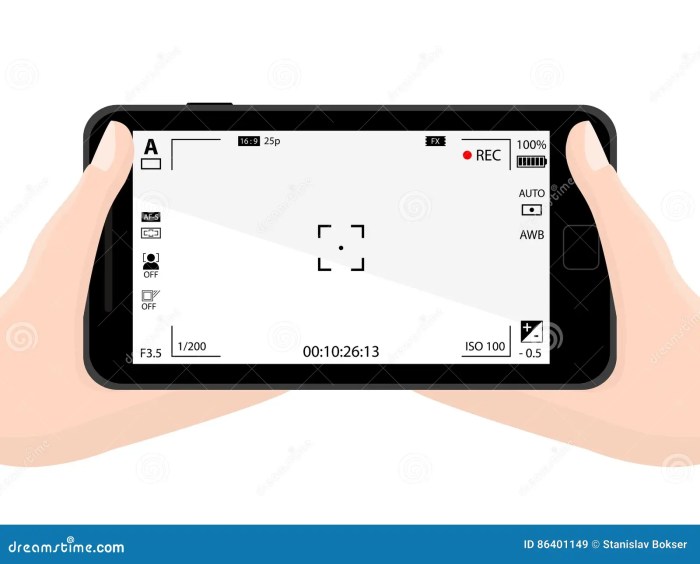
Zenzui zooms, a hypothetical technology, refers to a novel approach to zooming on cell phone screens that potentially surpasses the limitations of existing methods. This advancement, if realized, could revolutionize how we interact with mobile devices and consume visual content. The concept suggests a dynamic and adaptable zooming system beyond simple digital or optical zoom.The implications of such a technology are vast.
Enhanced visual fidelity for high-resolution images and videos, more immersive virtual reality experiences, and more precise image capture are possible outcomes. This could dramatically change photography, video editing, and other visual-centric applications on smartphones. Moreover, improved accessibility for visually impaired users through magnified displays is a distinct possibility.
Potential Technological Advancements
The technology behind Zenzui zooms likely involves significant advancements in display technology, image processing, and potentially new sensor systems. Sophisticated algorithms are crucial for maintaining image quality during the zoom process. These algorithms could involve AI-driven interpolation or advanced image reconstruction techniques. The ability to dynamically adjust the zoom level without visible artifacts or significant performance slowdown is crucial to its success.
Types of Zooms
The Zenzui zoom could encompass various zoom types, not limited to the traditional categories. Digital zoom, which essentially enlarges existing pixels, suffers from image quality degradation. Optical zoom, which uses lenses to physically magnify the image, is often limited by size and cost constraints on smartphones. Hybrid zoom, a combination of both, often provides a compromise. Zenzui zoom could introduce a new paradigm, potentially surpassing the limitations of existing zoom methods, offering a seamless, high-quality zoom experience.
Use Cases
Potential applications of Zenzui zooms on cell phones are numerous. In photography, the ability to zoom in on distant subjects with exceptional clarity would be invaluable. Video conferencing could benefit from enhanced clarity and zoom capabilities. Gaming experiences could become more immersive with a dynamic zoom feature that adjusts to the action. Additionally, educational apps could leverage Zenzui zoom for detailed examination of microscopic images or 3D models.
User Experience and Interface
The “zenzui zoom” concept, focusing on dynamic and interactive zoom within mobile applications, presents exciting possibilities for enhanced user experiences. It shifts away from the traditional static zoom, offering a more intuitive and engaging way to explore content. This approach promises to revolutionize how users interact with images, videos, and other visual elements on their phones.The key to a successful zenzui zoom lies in its seamless integration into the user interface.
This seamlessness must translate into a natural and intuitive user experience that enhances engagement and information retrieval. A well-designed zenzui zoom should not feel disruptive but rather like an extension of the existing functionality.
User Interaction with Zenzui Zoom
The zenzui zoom experience should feel responsive and fluid. Users should be able to adjust the zoom level with a smooth transition, avoiding jerky movements or abrupt changes in the display. Intuitive controls, such as pinch-to-zoom gestures or dedicated zoom buttons, are essential. Precise control over the zoom area is critical. For example, the user should be able to specify the exact portion of the image or video that will be zoomed in on.
User Interface Design for Zenzui Zoom
A well-designed UI for zenzui zoom should prioritize clarity and efficiency. The user interface should clearly indicate the zoom level and provide feedback on the area being zoomed. Visual cues, like a highlighted or Artikeld region, should guide the user. Interactive elements, such as sliders for precise zoom adjustments, should be readily available and seamlessly integrated into the existing UI.
For example, a small magnifying glass icon could appear on the screen, changing in size or color to visually communicate the zoom level. A progress bar could be incorporated during the zooming process to convey the progress of the operation.
Comparison with Traditional Zoom
Traditional zoom on mobile devices often involves a single, static zoom. Users typically can only zoom in or out on the entire content. Zenzui zoom, however, offers dynamic control over the zoom area, allowing users to focus on specific regions of interest. This ability to precisely target the area of interest is the core differentiator. Furthermore, the transition between zoom levels should be seamless, providing a more immersive and engaging experience.
Examples of Zenzui Zoom in Mobile Apps
Zenzui zoom has the potential to significantly enhance several mobile apps. In photo editing apps, users could precisely focus on small details or textures. In mapping apps, users could zoom in on a particular street or building. In e-commerce apps, users could examine products from different angles, zooming in on specific features. In educational apps, students could zoom in on diagrams or intricate images to analyze components in detail.
Potential Benefits and Drawbacks of Zenzui Zoom
| Benefit | Drawback |
|---|---|
| Enhanced user engagement and immersion | Potential for increased processing load, especially on lower-end devices |
| Precise targeting and exploration of content | Increased development complexity for developers |
| Improved user experience for interactive content | Requires careful design to prevent user confusion |
| Greater flexibility and control over the zoom process | Potentially higher battery consumption if not optimized |
Technological Implementation
Bringing Zenzui Zooms to life on mobile devices necessitates careful consideration of hardware and software requirements. The core challenge lies in balancing high-quality zoom performance with the constraints of smaller screen sizes and limited processing power. This section dives into the technical details, exploring the potential methods and challenges involved in implementing this innovative feature.The implementation of Zenzui Zoom hinges on a combination of sophisticated algorithms and optimized hardware.
Zenzui’s focus on cell phone screens is fascinating. It’s clear that the evolution of smartphones has rendered “dumb phones” obsolete; there’s simply no contest. The sheer processing power and versatility of modern smartphones, compared to their predecessors, make that pretty obvious. Check out this insightful analysis on smartphones vs dumb phones no contest for a deeper dive into the topic.
Ultimately, zenzui’s zoom capabilities are impressive, highlighting the advanced technology now standard on modern phones.
The key to success lies in efficient processing, minimizing latency, and ensuring a seamless user experience, even on resource-constrained mobile devices.
Hardware Requirements
The success of Zenzui Zoom hinges on the device’s ability to handle the computational load. Modern smartphones with high-end processors, ample RAM, and powerful GPUs are best suited. Efficient image processing units (IPUs) are crucial for real-time performance. Specifically, devices with advanced image signal processors (ISPs) will facilitate faster image acquisition and manipulation.
Software Requirements
The software component involves developing specialized algorithms for image scaling and distortion correction, which are essential for maintaining image quality during zoom. These algorithms need to be optimized for mobile devices to minimize the impact on battery life and processing power. Furthermore, the software needs to be integrated seamlessly with the existing mobile operating system. The operating system’s responsiveness to the zoom commands is critical for user experience.
Achieving High-Quality Zoom on Smaller Screens
Several methods can be employed to achieve a high-quality zoom effect on smaller screens. One approach involves using advanced interpolation techniques, which create new pixels to maintain image clarity during zoom. Another method involves employing a combination of image-processing techniques, including edge detection and detail enhancement, to improve image sharpness during magnification. Sophisticated algorithms that anticipate and compensate for the effects of image compression and data loss are essential to preserve the image’s quality.
Computational Resources for Real-Time Zooming
Real-time zooming requires significant computational resources. The processing power of the mobile device needs to be capable of handling the complex calculations involved in image scaling and rendering in real-time. Utilizing multi-core processors and parallel processing techniques is crucial to achieve this. This approach allows for the efficient distribution of computational tasks, thus optimizing performance and reducing lag.
Battery Life and Processing Power Challenges
Zooming, by its nature, requires significant processing power, leading to potential battery drain. Implementing efficient algorithms and optimized software is crucial to mitigate this. Furthermore, proper task management and efficient memory usage within the software are essential to reduce the overall load on the system. Techniques like using low-power modes and optimizing algorithms for speed and efficiency will significantly impact battery life and user experience.
Processing Stages in Zenzui Zoom
| Stage | Description |
|---|---|
| Stage 1: Image Acquisition | The initial capture of the image from the camera sensor. This stage involves converting the raw sensor data into a digital image. |
| Stage 2: Image Preprocessing | This stage involves image enhancement, noise reduction, and other preparatory steps. These steps improve the quality of the image for subsequent processing. |
| Stage 3: Zoom Algorithm Application | The core zoom process, applying the selected zoom algorithm to scale the image. |
| Stage 4: Image Rendering | Displaying the zoomed image on the screen. Optimizations for screen refresh rates are critical for a smooth user experience. |
Market Analysis and Potential
The Zenzui Zoom technology, with its potential to revolutionize mobile phone screen zoom, presents a compelling opportunity for manufacturers and consumers alike. Early analysis suggests significant market potential, especially considering the increasing demand for high-quality mobile photography and the growing need for enhanced video conferencing capabilities. The unique characteristics of Zenzui Zoom, such as improved zoom quality and user interface, position it to disrupt the current mobile imaging landscape.
Comparative Analysis of Zoom Capabilities
Current mobile phone zoom capabilities are largely limited by optical zoom constraints and digital interpolation. This often results in significant image degradation as the zoom level increases. Zenzui Zoom, in contrast, aims to overcome these limitations through its novel approach to image processing and manipulation.
| Feature | Current Capability | Zenzui Zoom |
|---|---|---|
| Zoom Quality | Often suffers from significant image degradation at high zoom levels, with artifacts and blurring. | Leverages advanced algorithms to maintain image sharpness and detail across a wider zoom range, minimizing artifacts and preserving image quality. |
| Zoom Speed | Can be slow and laggy, especially at higher zoom levels. | Optimized for speed and responsiveness, providing seamless and fluid zoom transitions. |
| Field of View | Limited by the optical zoom lens and digital interpolation. | Potentially expands the field of view, allowing for more creative composition and capturing wider scenes. |
| Image Stabilization | Often inadequate at higher zoom levels, leading to blurry images. | Employs advanced image stabilization techniques to maintain image clarity, even at high zoom levels. |
Market Potential
The market for mobile devices with enhanced zoom capabilities is significant. The growing popularity of mobile photography, particularly in social media and online content creation, has created a demand for high-quality images. Further, the increasing prevalence of video conferencing in both business and personal contexts necessitates clearer and more detailed video feeds. The introduction of Zenzui Zoom directly addresses these needs.
Successful implementations of similar technologies in other markets (e.g., high-end cameras) provide strong evidence for the potential market size.
Zenzui’s focus on cell phone screens is interesting, but it raises questions about security. A recent report suggests security software attacks are increasing, potentially impacting the very devices Zenzui is zooming in on. This highlights the crucial need for robust security measures as more and more aspects of our lives are digitized, and underscores the importance of vigilance in this evolving digital landscape when considering the implications for Zenzui’s cell phone-centric approach.
report suggests security software attacks increasing
Impact on Industries, Zenzui zooms in on cell phone screens
The impact of Zenzui Zoom extends across several industries. In photography, it will empower users to capture detailed and high-quality images from a distance, opening up new possibilities for landscape photography, wildlife photography, and even sports photography. In gaming, Zenzui Zoom will enhance the visual experience by allowing for more detailed views of characters, environments, and objects. In video conferencing, Zenzui Zoom will ensure clearer and more engaging interactions, especially in environments with limited visibility.
Zenzui zooms in on cell phone screens, offering a fascinating look at the digital world kids inhabit. This technology can be a double-edged sword, though, and understanding how to use tech responsibly to help supervise children is key. For instance, exploring resources like using tech to help supervise children can equip parents with the right tools to navigate this digital landscape safely.
Ultimately, zenzui’s focus on these screens provides a platform to consider the responsible use of technology in children’s lives.
Financial Impact
The introduction of Zenzui Zoom will likely have a positive financial impact on both manufacturers and consumers. Manufacturers can potentially increase the price points of their premium models due to the innovative technology and improved user experience. Consumers will benefit from enhanced image quality and user experience, translating to greater satisfaction with their devices. Pricing strategies will need to carefully consider the cost of implementing Zenzui Zoom technology, the market positioning of competing devices, and the value proposition to consumers.
Competitor Analysis
Existing mobile phone manufacturers already offer varying levels of zoom capabilities, including optical zoom, digital zoom, and hybrid zoom systems. Some are focused on improving optical zoom, while others leverage advanced image processing algorithms. Analysis of these competitors’ products and their market positioning will be crucial in developing a successful marketing strategy for Zenzui Zoom.
Future Implications and Trends
The potential of “zenzui zoom,” a technology that dramatically enhances the user experience of mobile device interactions, extends far beyond immediate applications. Its ability to dynamically adjust visual focus and context within the mobile screen promises a transformative impact on the entire mobile ecosystem. This section delves into the potential long-term effects on the industry, explores future trends, and assesses the possible ethical considerations.The evolving landscape of mobile technology necessitates continuous innovation.
“Zenzui zoom,” with its ability to seamlessly transition between different levels of detail and visual clarity, presents a paradigm shift. It could reshape how users interact with information, from casual browsing to highly specialized tasks.
Long-Term Implications for the Mobile Device Industry
The widespread adoption of “zenzui zoom” will likely drive significant changes in the mobile device industry. Manufacturers will need to incorporate the technology into their hardware and software, leading to a new generation of devices optimized for variable zoom capabilities. This will inevitably affect the design of applications, as developers will need to create interfaces that are responsive to and benefit from the dynamic zoom features.
Existing applications will need to be updated to take advantage of the new functionalities.
Potential Future Trends in Mobile Zoom Technology
Several trends are likely to emerge alongside the development and integration of “zenzui zoom.” The first involves the integration of augmented reality (AR) with the technology. Imagine overlaying virtual objects or information directly onto the zoomed-in view, enriching the user experience and providing a deeper connection to the content. Second, the development of sophisticated algorithms for automated zoom adjustments will allow applications to intelligently focus on the most relevant parts of the screen based on user behavior and context.
Potential for Further Development and Innovation
The current “zenzui zoom” technology provides a solid foundation. Future development could involve incorporating advanced gesture controls, allowing users to effortlessly zoom and pan through information. Further research into eye-tracking technology could enhance the accuracy and efficiency of the zoom process, potentially making it intuitive and almost subconscious. This will lead to a seamless transition from traditional interaction methods to a more natural and intuitive interface.
Ethical Considerations and Societal Impacts
The widespread adoption of “zenzui zoom” could raise several ethical concerns. One key area is the potential for privacy violations if the technology is used to zoom in on sensitive information without user consent. Furthermore, the design and implementation of the technology should consider accessibility for users with disabilities, ensuring that all users can benefit from its functionalities.
The technology’s integration into educational tools must also consider potential biases in the information presented, particularly if the zooming mechanisms are not carefully designed.
A Possible Scenario of Wide Adoption
A scenario where “zenzui zoom” is widely adopted envisions a future where mobile devices are used for more complex tasks, requiring detailed information. Users could easily zoom into microscopic images, detailed architectural blueprints, or complex financial charts. Mobile banking applications could leverage the technology to display detailed transaction histories or financial statements. Even healthcare applications could benefit from zooming in on medical images or anatomical diagrams, allowing for more accurate diagnosis and treatment.
Epilogue: Zenzui Zooms In On Cell Phone Screens
In conclusion, zenzui zoom presents a compelling vision for the future of mobile technology. While challenges like processing power and battery life exist, the potential benefits in diverse applications are significant. The potential to enhance mobile experiences across multiple sectors is undeniable, promising a fascinating evolution in how we interact with our devices.