America Offline Many Dont Surf, Many Dont Care
America offline many dont surf many dont care – America offline, many don’t surf, many don’t care. This phrase encapsulates a complex reality – a significant portion of the American population exists largely outside the digital sphere. We’ll delve into the reasons behind this choice, exploring the digital divide, motivations, and societal implications. From limited access to varying attitudes, this deep dive uncovers a fascinating, and sometimes concerning, disconnect.
The phrase itself suggests a spectrum of experiences. “Offline” could represent a conscious disengagement, or a consequence of limited access. “Don’t surf” implies a lack of interest in online activities, while “don’t care” speaks to a possible indifference or distrust. These three components combine to form a broader picture of the digital landscape in America, painting a complex portrait of a nation navigating the digital age.
Understanding the Phrase’s Components
The phrase “America offline, many don’t surf, many don’t care” paints a complex picture of societal engagement and disengagement. It suggests a disconnect, not just from technology, but potentially from broader societal participation. This observation prompts us to examine the individual components of the phrase to grasp its deeper meaning and potential implications.The phrase implies a disconnect from various aspects of modern life, potentially reflecting a growing gap between those who are fully integrated into digital and social spheres and those who are not.
This disconnect could stem from a variety of factors, including socioeconomic status, access to technology, and personal choices.
Interpreting “America Offline”
“America offline” signifies a potential detachment from the digital sphere. It doesn’t necessarily imply a complete absence of technology, but rather a lack of active engagement with online platforms, social media, and digital communication. This could encompass a range of behaviors, from infrequent internet use to outright avoidance of social media. A significant portion of the population might not rely on or participate in the digital world as much as others.
This could have various implications for communication, information dissemination, and social interaction.
It seems like a lot of Americans aren’t online, many don’t surf the web, and frankly, many don’t care. This detachment from the digital world, however, doesn’t mean security isn’t important. Microsoft’s recent anti-spoofing patch, for example, is a crucial step to protect those who are online from fraudulent activity. microsoft issues anti spoofing patch Ultimately, regardless of online presence, the need for robust security measures remains, even for those who rarely venture onto the internet.
So, while some might be offline, it’s important that security measures are in place for everyone.
Interpretations of “Many Don’t Surf”
The phrase “many don’t surf” refers to a segment of the population that doesn’t engage in regular online activities, such as browsing the web, researching, or participating in online communities. This could have multiple interpretations. It might reflect a deliberate choice to limit online time, a lack of access to technology, or a disinterest in the digital world.
Some might have specific reasons for this choice, including concerns about privacy, misinformation, or the sheer volume of information available online.
Interpretations of “Many Don’t Care”, America offline many dont surf many dont care
“Many don’t care” hints at a possible detachment from societal issues, political engagement, or social responsibility. This detachment could be linked to feelings of powerlessness, apathy, or disillusionment. It could also be due to a variety of factors, including perceived lack of impact, differing priorities, or an overwhelming sense of complexity and difficulty in addressing complex issues.
Comparing and Contrasting the Phrases
These three phrases, when considered together, suggest a multifaceted disconnect. “America offline” highlights the physical disconnect from the digital world. “Many don’t surf” emphasizes a lack of active participation in online activities. “Many don’t care” indicates a potential detachment from societal issues. Together, they paint a picture of a population segment that might not be as actively involved in the digital sphere or as engaged in broader social discourse.
This disconnect could manifest in various ways, impacting political participation, social movements, and overall societal cohesion.
Potential Societal Factors
Several societal factors could contribute to this phenomenon. Socioeconomic disparities, access to technology, and generational differences all play a role. People with limited access to technology or reliable internet might be excluded from the digital world. Younger generations are more likely to be digitally active than older ones. Furthermore, differing perspectives on the role of technology and societal issues can lead to varying levels of engagement.
Factors such as political polarization, feelings of disillusionment, or the sheer volume of information available online can all contribute to a sense of disengagement and detachment.
Digital Divide and Access
The digital divide, a persistent gap in access to technology and the internet, continues to be a significant societal challenge in America. While significant progress has been made in expanding internet access, disparities remain, particularly impacting vulnerable populations. This widening chasm can lead to educational, economic, and social disadvantages. Understanding the extent of this divide is crucial for developing effective strategies to bridge the gap.The digital divide isn’t simply about having a computer or a phone; it’s about the ability to utilize technology effectively for education, employment, and social interaction.
This encompasses access to reliable internet connections, digital literacy skills, and the resources needed to navigate the online world. The lack of these fundamental tools can significantly hinder individuals and communities, creating a cycle of disadvantage.
Extent of Digital Access Across America
Internet access varies widely across America. While many urban areas boast high levels of broadband penetration, rural communities often face significant limitations. This uneven distribution of access has substantial implications for economic opportunity and social mobility.
Digital Divide Disparities by Demographics
The digital divide manifests itself across various demographic groups. Age, income, and location are crucial factors contributing to these disparities.
- Age: Older adults often experience a greater struggle with digital literacy and internet access than younger generations. This can be attributed to a lack of familiarity with technology and a lack of opportunities to learn digital skills. This age-based disparity highlights the need for targeted programs to bridge the digital literacy gap among older populations.
- Income: Lower-income households frequently lack the financial resources to afford internet access, computer devices, and the necessary digital literacy training. The cost of internet service can be prohibitive for families already facing economic hardship, creating a significant barrier to participation in the digital economy.
- Location: Rural areas often experience lower internet access rates compared to urban and suburban regions. This is frequently attributed to the limitations of existing infrastructure and the lack of incentives to extend broadband access to remote areas. This disparity limits economic growth and educational opportunities in underserved communities.
Examples of Communities with Limited Internet Access
Communities with limited internet access face numerous challenges. The absence of reliable internet connections can limit educational opportunities, hinder job prospects, and create barriers to accessing essential services.
- Rural Appalachian communities often lack robust broadband infrastructure, impacting access to telehealth services, online education resources, and job opportunities requiring internet connectivity. This lack of access has significant consequences for healthcare and economic development in these regions.
- Low-income urban neighborhoods may experience inconsistent internet access due to factors such as limited infrastructure and affordability issues. This impacts access to essential services like online banking, educational resources, and job searching platforms.
Role of Internet Affordability and Infrastructure
Internet affordability and adequate infrastructure are crucial components in addressing the digital divide. Without both, access remains elusive.
- Internet affordability: The cost of internet service can be a significant barrier for many households, particularly low-income families. Subsidies and affordable options are needed to ensure equitable access for all. Financial assistance programs can help bridge this affordability gap and enable greater participation in the digital world.
- Infrastructure: Reliable infrastructure is essential for ensuring consistent and high-speed internet access. Investments in expanding broadband infrastructure, particularly in rural areas, are necessary to overcome connectivity limitations. Strategies to improve the existing infrastructure and expand it to underserved communities are key to bridging the digital divide.
Comparison of Access Levels Across Different Regions
| Region | Internet Access Rate | Socioeconomic Factors | Infrastructure Challenges |
|---|---|---|---|
| Rural America | Generally lower than urban/suburban areas | Lower median incomes, higher poverty rates, limited employment opportunities | Limited availability of fiber optic cables, lower population density, and higher costs to extend infrastructure |
| Urban Centers | Generally higher than rural areas | Higher population density, greater diversity of income levels | Potential for congestion and competition for limited bandwidth, potential for digital divide within the urban center |
| Suburban Areas | Generally moderate to high access | Mix of income levels, higher density than rural areas, better access to infrastructure | Potential for infrastructure limitations in some areas, less severe than rural areas |
Motivations and Attitudes
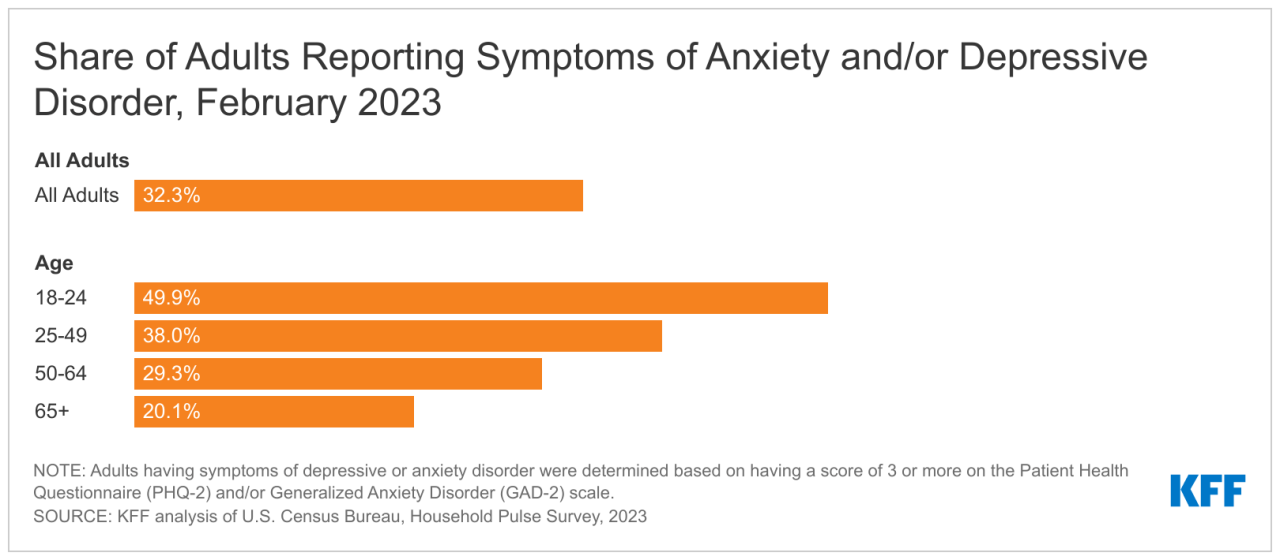
Choosing to remain offline is a multifaceted decision, often driven by a complex interplay of personal preferences, societal factors, and economic realities. People’s motivations for avoiding the digital world are diverse and vary greatly. Understanding these motivations is crucial to fostering a more inclusive digital landscape.Beyond the obvious barriers of access, a deeper understanding of individual attitudes towards online engagement is essential.
This involves exploring the reasons why people might choose to remain offline, recognizing the diverse range of motivations, and identifying the social and economic factors that influence these choices. A key aspect is also to examine how these attitudes shape the digital divide and its evolution.
Reasons for Offline Choices
Various factors contribute to individuals’ preference for an offline lifestyle. Personal preferences, ranging from a desire for a less technology-driven life to a specific aversion to social media, play a significant role. Distrust of online platforms, concerns about privacy, or a perceived lack of value in the digital world also influence choices.
- Personal Preference: Some individuals simply prefer a more traditional way of life, finding fulfillment and connection in offline activities. This might include spending time in nature, engaging in hobbies, or maintaining close-knit relationships in person.
- Distrust and Privacy Concerns: A lack of trust in online platforms, coupled with concerns about data security and privacy, can discourage engagement. Stories of data breaches and online scams can reinforce this distrust.
- Perceived Lack of Value: If individuals do not see the value in online activities, such as finding information, connecting with people, or engaging in commerce, they may not be motivated to participate.
Factors Influencing Lack of Interest
Several factors contribute to a lack of interest in online activities. These range from a general skepticism about the benefits of technology to a perceived lack of skills or understanding. The perceived complexity of online interactions can also act as a deterrent.
- Skill Gaps: A lack of digital literacy or technical skills can hinder participation. This can manifest as difficulties in navigating websites, using social media, or understanding online interactions. This is especially true for older generations who may not have grown up with technology at the center of their lives.
- Perceived Complexity: The intricate nature of the digital world, with its ever-evolving platforms and terminology, can be overwhelming for some. This perceived complexity can lead to a lack of interest and engagement.
- Skepticism about Benefits: Individuals might not see the value in participating in online activities. This could stem from a belief that online interactions are superficial, or that the benefits do not outweigh the costs.
Socioeconomic Status and Online Participation
A strong correlation exists between socioeconomic status and online participation. Individuals from lower socioeconomic backgrounds may face barriers to accessing technology, internet connectivity, and digital literacy training, leading to reduced online engagement.
- Access to Resources: Lower socioeconomic status often translates to limited access to computers, reliable internet connections, and training to use these tools effectively.
- Cost of Technology: The cost of computers, internet access, and other related technologies can pose a significant barrier for low-income individuals.
- Digital Literacy Training: Access to digital literacy programs can be unevenly distributed, exacerbating existing inequalities. These programs are often not widely available in low-income communities.
Generational Differences in Online Engagement
Different generations exhibit varying levels of online engagement. Factors such as the time of adoption of technology and the corresponding cultural norms influence this variation.
- Millennials and Gen Z: These generations grew up with technology as a central part of their lives. Consequently, their level of online engagement tends to be higher than previous generations.
- Gen X: This generation often adopted technology later than the preceding generations, resulting in varying levels of online engagement.
- Baby Boomers and Older Generations: The level of online engagement among these generations often depends on individual adoption and learning patterns.
Social and Cultural Implications
The digital divide, a chasm separating those with consistent internet access and digital literacy from those without, extends far beyond mere inconvenience. It profoundly impacts social structures, cultural norms, and individual opportunities. The consequences ripple through communities, affecting everything from social interactions to political engagement. Understanding these implications is crucial for developing effective solutions to bridge the gap.This disconnect isn’t just about access to information; it’s about the very fabric of society.
It can create barriers to participation, reinforce existing inequalities, and shape the future of our communities in unforeseen ways. The power dynamics shift when access to information and communication technologies is unevenly distributed.
Impacts on Social Interactions and Community Building
The digital divide profoundly influences social interactions and community building. Those without consistent internet access may be excluded from online social networks, limiting opportunities for connection and participation in shared activities. This can lead to feelings of isolation and marginalization, hindering the development of strong social bonds within communities.
Examples of Social Cohesion and Opportunities Affected
The digital divide creates disparities in access to essential services, education, and job opportunities. Rural communities, for instance, may face limited access to telehealth services, hindering access to healthcare for their residents. Similarly, individuals without digital literacy might be unable to access online job postings or participate in online learning opportunities, limiting their professional development and economic prospects. This exacerbates existing inequalities, widening the gap between different socioeconomic groups.
Technology’s Role in Shaping Societal Norms
Technology significantly influences societal norms and values. The online world often mirrors and sometimes amplifies existing societal biases. Uneven access to technology can create digital divides that reinforce existing social inequalities and further marginalize already disadvantaged groups. The digital sphere can shape social interactions, potentially leading to the perpetuation of harmful stereotypes or exclusionary practices.
Influence on Political Engagement and Participation
The digital divide significantly impacts political engagement. Online platforms are increasingly used for political communication and mobilization. Individuals without consistent internet access may be excluded from these online discussions and campaigns, potentially hindering their ability to participate in the political process effectively. This digital gap can lead to a decline in civic engagement, impacting the inclusivity and representativeness of political discourse.
Effects on Civic Participation and Community Involvement
The digital divide also affects civic participation and community involvement. Online platforms facilitate community organizing and engagement in local issues. Those lacking access to the internet may miss opportunities to participate in discussions, contribute to community projects, or advocate for their interests. This exclusion can limit their ability to influence decisions that affect their lives and communities.
A disconnect between individuals and their communities can result from this lack of access.
It’s a common refrain, America offline, many don’t surf, many don’t care. But then you see how the older generation is embracing social media platforms like MySpace, older generation infiltrates myspace , which reveals a surprising digital landscape. It challenges the idea that the digital divide is just a generational gap. Ultimately, though, the core truth remains: a significant portion of the population still exists outside the online sphere, regardless of these niche social media successes.
Economic Impacts
Limited internet access has profound economic consequences, impacting individuals, businesses, and entire communities. The digital divide creates a significant barrier to participation in the modern economy, hindering growth and perpetuating existing inequalities. This section delves into the economic costs of this disconnect, highlighting specific sectors affected and proposing mitigation strategies.The absence of reliable internet access can severely restrict economic opportunities.
Individuals without internet access face difficulty in accessing essential services, applying for jobs, and starting businesses. This lack of connectivity can also lead to lower productivity and reduced earning potential. Furthermore, the inability to participate in online marketplaces and global trade networks can limit the economic growth of businesses and entire regions.
Potential Economic Consequences of Limited Internet Access
The economic consequences of limited internet access are multifaceted and substantial. Limited access to online resources, services, and markets can restrict individuals’ ability to find jobs, learn new skills, and start businesses. It can also limit access to critical information for financial planning and decision-making.
Industries Affected by Lack of Connectivity
Several industries and businesses are directly impacted by limited internet access. Remote work opportunities, particularly in sectors like customer service and software development, are diminished for those without reliable internet. Businesses that rely on online platforms for sales, marketing, and customer service will see reduced reach and efficiency. E-commerce and digital marketing suffer significantly when a substantial portion of the population cannot access these platforms.
Educational institutions face challenges in providing online learning opportunities, impacting student access to education and career development.
Impact on Job Opportunities and Entrepreneurship
Limited internet access directly impacts job opportunities and entrepreneurial ventures. Individuals lacking internet connectivity may miss out on remote work positions and online job postings. Furthermore, the ability to create and scale online businesses is hindered by the absence of access to tools and markets. Individuals and small businesses may be unable to participate in online marketplaces, limiting their growth potential.
America’s offline population—many don’t surf the web, many don’t care—is a complex issue. Recent congressional action, like the initiative to address the “analog hole,” congress takes aim at analog hole , might offer some solutions, but it’s unclear how much impact it will have on the everyday American who remains disconnected. Ultimately, bridging the digital divide requires a multifaceted approach, and the offline portion of the population needs to be considered.
Financial Costs of Digital Exclusion
The financial costs of digital exclusion extend beyond individual struggles to broader economic consequences. Reduced productivity and decreased earning potential result in lower tax revenue for governments. Furthermore, businesses may experience reduced efficiency and diminished profitability. Community development initiatives and economic growth programs are hampered by the lack of digital inclusion.
Potential Economic Costs for Different Sectors
| Sector | Potential Economic Costs | Mitigation Strategies |
|---|---|---|
| Education | Reduced access to online learning resources, hindering educational attainment and skill development. Lowered student engagement and graduation rates. Increased dropout rates and unequal access to quality education. | Invest in infrastructure improvements, providing internet access in schools and underserved communities. Develop digital literacy programs for students and educators. Offer scholarships for internet access. |
| Healthcare | Limited access to telehealth services, delaying diagnosis and treatment. Difficulties in accessing medical records and appointment scheduling. Reduced ability to monitor patient health remotely. | Implement telehealth programs in underserved areas. Provide subsidies for internet access for healthcare patients. Offer digital literacy training to healthcare professionals. |
| Commerce | Reduced online sales and e-commerce opportunities. Difficulty in conducting online transactions and accessing global markets. Increased costs associated with traditional, less efficient sales methods. | Invest in digital infrastructure in rural areas. Offer affordable internet packages and subsidies. Promote digital literacy programs for small businesses. |
Possible Solutions and Future Trends
Bridging the digital divide requires a multifaceted approach, addressing not only access but also the skills and knowledge needed to thrive in a digitally-driven world. Solutions must be tailored to specific contexts, recognizing the diverse needs and challenges faced by different communities and demographics. This involves a shift from simply providing access to fostering digital literacy and creating opportunities for equitable participation.Potential strategies encompass both infrastructure improvements and educational initiatives, aiming to create a more inclusive and technologically proficient society.
This section will delve into specific solutions and future trends in online engagement and digital literacy.
Strategies to Bridge the Digital Divide
Addressing the digital divide necessitates a comprehensive strategy focusing on both infrastructure improvements and educational initiatives. The fundamental need is to ensure equitable access to the internet, and this entails various approaches.
- Expanding Broadband Infrastructure: Increased investment in broadband infrastructure is crucial to expand internet access to underserved areas. This includes deploying fiber optic networks and establishing community Wi-Fi hotspots. Successful examples include initiatives in rural areas where limited infrastructure previously hindered access. These efforts improve overall connectivity and create a foundation for economic development and educational advancement.
- Promoting Affordable Internet Access: Subsidies and affordable plans for internet services are essential for making internet access more attainable for low-income households. Government-led programs and partnerships with telecommunication companies can significantly impact affordability. For instance, community-based programs can provide discounted internet access to low-income families, thereby reducing the economic barrier to digital inclusion.
- Supporting Digital Literacy Programs: Education plays a critical role in bridging the digital divide. Targeted programs should equip individuals with the necessary skills to navigate the digital world confidently. These programs should focus on practical applications and problem-solving skills, ensuring individuals can utilize the internet for education, employment, and personal growth. Many organizations offer digital literacy training to empower communities, and these programs are instrumental in promoting digital inclusion.
Policies Supporting Digital Inclusion
Government policies play a vital role in shaping the digital landscape and fostering equitable access.
- Implementing Universal Broadband Access Policies: Policies mandating universal broadband access can spur the expansion of internet infrastructure. Specific regulations or incentives for providers to extend service to underserved areas can encourage wider availability. This approach ensures a minimum standard of connectivity across all regions, enabling individuals and businesses to participate fully in the digital economy.
- Establishing Digital Literacy Initiatives: Government support for digital literacy programs can create accessible training opportunities. These initiatives could be incorporated into school curricula or offered through community centers, ensuring that a broad range of individuals benefit. Examples of successful initiatives include community-based digital literacy workshops that are tailored to specific needs and demographics.
- Tax Incentives for Digital Infrastructure: Incentivizing private investment in digital infrastructure can significantly accelerate the expansion of broadband access. Tax breaks for companies investing in fiber optic networks or expanding wireless coverage can encourage growth and improve accessibility. This approach can help to bridge the gap in access and affordability, promoting broader participation in the digital economy.
Future Trends in Online Engagement
The future of online engagement will likely involve increasingly personalized and immersive experiences.
- Rise of Personalized Online Services: Online services will become increasingly tailored to individual needs and preferences, enhancing user engagement and satisfaction. AI-powered recommendations and personalized content feeds will shape online interactions. For example, tailored learning platforms can adapt to the specific learning styles of students, offering personalized feedback and support.
- Growth of Immersive Technologies: Virtual and augmented reality technologies will become more prevalent, offering immersive and interactive experiences across various sectors. These technologies will transform how we learn, work, and interact with others. Gaming and entertainment industries are leading the way in developing innovative applications that leverage these technologies.
- Emphasis on Digital Citizenship and Ethics: The importance of digital citizenship and ethical online behavior will increase. Education and awareness campaigns will emphasize responsible online practices, including cyber safety and the ethical use of technology. Addressing issues like online harassment and misinformation will become increasingly important as online interaction becomes more ubiquitous.
Summary: America Offline Many Dont Surf Many Dont Care

In conclusion, America’s digital divide is a multifaceted issue impacting various aspects of life, from education and healthcare to commerce and civic engagement. Understanding the motivations behind this disconnect is crucial to developing effective solutions. Bridging this gap requires a multi-pronged approach, addressing access, affordability, and attitudes. Ultimately, fostering digital literacy and ensuring equitable access are essential for a thriving and inclusive future for all Americans.