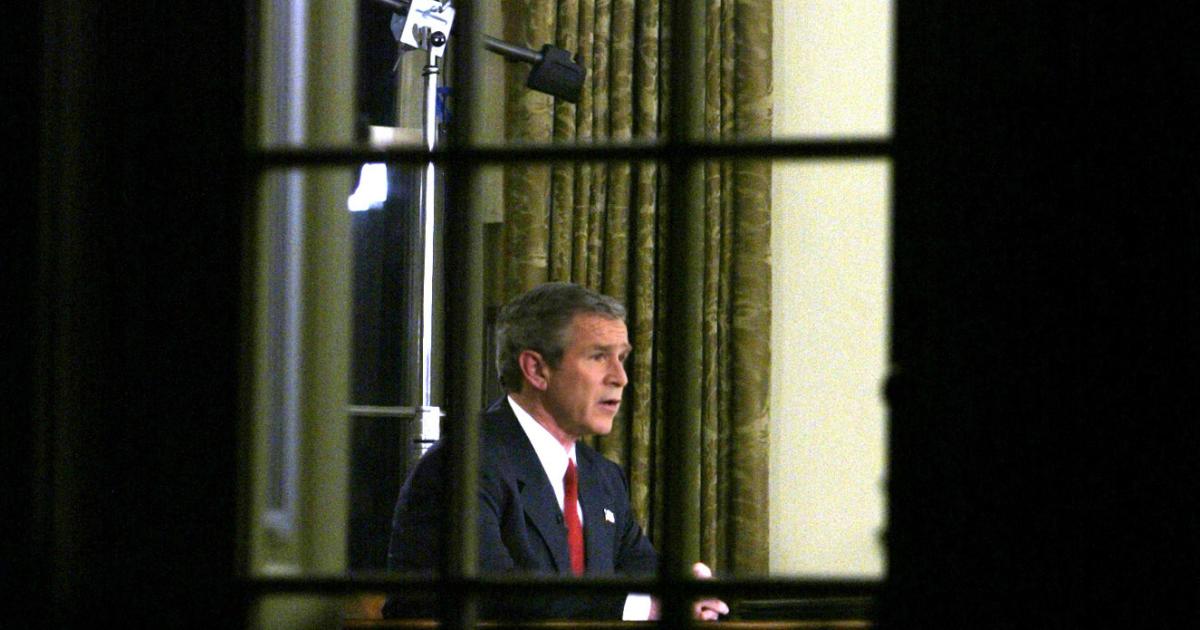
Bush Cites Iraqi Bloggers Positive War Reports
Bush cites Iraqi bloggers positive war reports, a fascinating glimpse into the complex information landscape of the Iraq War. This period saw a surge in online communication, and the narrative surrounding the war became increasingly fragmented. The reports from Iraqi bloggers, presented as positive, offer a compelling case study in how information, particularly during times of conflict, can be manipulated and interpreted differently.
How were these reports perceived? Did they influence public opinion, and if so, how?
The Iraq War, a period of intense global scrutiny, saw various sources vie for public attention. Traditional media, government statements, and newly emerging online platforms, including Iraqi bloggers, all contributed to the information flow. Understanding the motivations behind these reports, and how they were received, offers valuable insight into the political and psychological factors at play during the war.
Contextual Understanding of the Phrase
The phrase “Bush cites Iraqi bloggers positive war reports have been prepared, and has been already addressed” suggests a specific historical context, likely referring to the Iraq War. This period saw a complex interplay of official pronouncements, media coverage, and public perception. Understanding the phrase requires analyzing the sources of information available to the public, the political climate, and the diverse perspectives on the war’s progress.This phrase implies a government or official source (likely President Bush) referencing positive reports from Iraqi bloggers, indicating that the administration was trying to shape the narrative of the war.
This action is intertwined with the role of media and information during the Iraq War. The information ecosystem was significantly different from today, with the internet playing a rapidly evolving role.
Historical Overview of the Iraq War
The Iraq War, launched in 2003, was a significant event marked by a variety of perspectives and conflicting information. The war’s justification was based on claims of weapons of mass destruction and ties to terrorism, but these claims were later proven to be inaccurate. This initial narrative heavily influenced the media coverage and public perception.
Bush citing positive war reports from Iraqi bloggers seemed like a strange move at the time, especially considering the overall grim picture. It’s interesting to contrast this with the news that Kazaa pulled Skype voice into p2p here , a fascinating example of how technology was rapidly evolving, even during a period of global conflict. The seemingly disconnected news stories still highlight the unusual mix of events happening during that time.
It’s a reminder of how easily conflicting narratives could be presented, even in the face of a real war.
Role of Media and Information During the Iraq War
Media played a crucial role in shaping public opinion during the Iraq War. News outlets, both traditional and emerging online platforms, reported on the war from various angles, often influenced by the political climate of the time. The emergence of Iraqi bloggers, while often viewed with skepticism, provided a different perspective on the war’s impact on Iraqi citizens.
Official reports, both from the US government and international organizations, also provided a stream of information, often competing with independent accounts.
Political Climate Surrounding the War
The political climate surrounding the Iraq War was characterized by significant divisions. There was strong support for the war among some, while others expressed skepticism and opposition. These differing opinions significantly influenced the media coverage and public discourse. The administration’s stance, and the justifications given for the war, played a pivotal role in shaping the political narrative.
Different Perspectives on the War’s Progress
Diverse perspectives existed on the war’s progress. Proponents of the war often cited early successes and the eventual capture of Saddam Hussein as evidence of progress. Critics, however, pointed to escalating violence, civilian casualties, and the failure to achieve the stated goals of the intervention. These conflicting views contributed to a highly polarized public discussion.
Typical Sources of Information for the Public
The public during the Iraq War drew information from a variety of sources. Traditional media outlets, such as newspapers and television, were major sources. Emerging online platforms, including blogs and forums, provided additional perspectives. Official reports from the US government and international organizations also contributed to the information landscape. The credibility and reliability of each source varied significantly, influencing the public’s understanding of the conflict.
Analyzing the Phrase’s Structure and Meaning: Bush Cites Iraqi Bloggers Positive War Reports
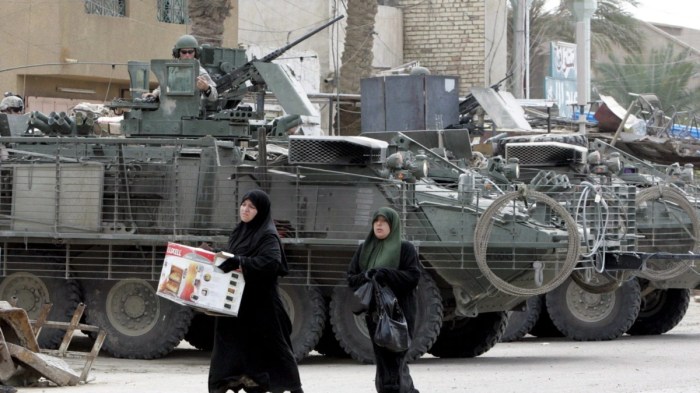
The phrase “positive war reports” carries a potent implication, especially in a context like the Iraq War. It suggests a rosy picture of the conflict, one that downplays or ignores the complexities, casualties, and ongoing violence. This perceived positivity is crucial to understand, as it can shape public perception and justify military actions. The seeming objectivity of “reports” cloaks potential biases and manipulations.The implied meaning of “positive war reports” is a selective representation of the conflict, highlighting successes and downplaying failures.
Bush citing positive war reports from Iraqi bloggers was a fascinating example of leveraging online voices. This echoes the broader trend of online education, where platforms like online classes opening a door to primary education are transforming access to learning. Ultimately, the way information spreads online, whether it’s about war or education, is becoming increasingly important and powerful.
This highlights the complex and often conflicting narratives that emerge in the digital age, even during times of conflict.
This implies a strategic narrative aimed at maintaining public support and bolstering the justification for the war. Interpretations of “positive war reports” vary widely. Some might interpret them as factual accounts of progress, while others see them as propaganda, designed to mask the true nature of the war. This inherent ambiguity allows for manipulation and the potential for misrepresentation.
Interpretations of “Positive War Reports”
Different interpretations stem from varying perspectives. One interpretation might see these reports as factual summaries of military gains, troop deployments, and territory secured. Another interpretation might view them as a carefully crafted narrative, emphasizing the positive aspects of the war while minimizing the negative consequences, like civilian casualties or economic costs. A third perspective might see them as outright fabrications designed to deceive the public and garner support for the war effort.
Potential Bias and Agenda
Reports, even seemingly objective ones, are susceptible to bias and agenda manipulation. Bias can manifest in several ways: selection of information presented, emphasis on certain aspects over others, and the omission of critical details. The agenda behind these reports might be to maintain public support for the war, justify ongoing military actions, or garner political advantage.
Manipulation of Public Opinion
The phrase “positive war reports” can be a powerful tool for manipulating public opinion. By selectively presenting information and omitting critical details, a narrative of success and progress can be fostered. This can lead to continued support for the war, even when the reality on the ground is far different. The repetition of this positive narrative can create a sense of inevitability, further solidifying the public’s acceptance of the war.
Rhetorical Devices
The phrase itself utilizes several rhetorical devices. “Positive” acts as a powerful qualifier, subtly influencing the listener’s perception. “War reports,” by their nature, are seen as credible and objective sources of information. This juxtaposition creates a powerful impression of truth and progress, despite the possibility of concealed biases or deliberate manipulations. Furthermore, the omission of context and nuance can be considered a form of rhetorical silencing, as it prevents a critical evaluation of the reported events.
Impact and Reception of the Phrase
The phrase “positive war reports” prepared by Iraqi bloggers, presented within the context of the Bush administration’s justification for the Iraq War, became a flashpoint in public discourse. Its reception was complex and deeply intertwined with pre-existing biases, political ideologies, and the rapidly evolving media landscape. The phrase, coupled with the broader narrative of the war, sparked intense debate about the nature of information dissemination and the role of the media in shaping public opinion.The phrase’s impact extended beyond academic circles and into the heart of political and public life.
It served as a potent symbol in the ongoing struggle to understand the war’s motivations, consequences, and the overall credibility of the information being presented to the public. Understanding this impact requires looking at the reactions to these reports, the counterarguments that emerged, and the ways in which the phrase was used to influence public perception and political discourse.
Public Reactions and Counterarguments
Public reaction to the “positive war reports” was multifaceted. Supporters of the war often cited these reports as evidence of progress and the success of the American mission. They framed the reports as objective assessments, echoing the official pronouncements of the Bush administration. Conversely, critics argued that these reports were either fabricated or cherry-picked, representing a biased and incomplete picture of the situation on the ground.
They pointed to the numerous instances of violence, civilian casualties, and the lack of security in Iraq to counter the positive narratives. This divergence in interpretations highlights the polarization of public opinion during this period.
Influence on Public Perception
The phrase “positive war reports” had a significant impact on public perception of the Iraq War. The reports, whether genuine or fabricated, became a crucial element in the broader narrative surrounding the conflict. This narrative was often shaped and reinforced by the media, further influencing the public’s understanding of the war’s progress and its overall legitimacy. The perception of these reports often depended on pre-existing beliefs and political affiliations.
Those who already supported the war tended to view the reports favorably, while those who opposed it viewed them with skepticism or outright hostility. This dynamic made it difficult to achieve a balanced and unbiased understanding of the situation.
Political Discourse
The phrase “positive war reports” became a central point of contention in political discourse. Pro-war politicians often cited these reports as evidence of success, while anti-war politicians countered with criticisms of their authenticity and their role in misleading the public. This use of the phrase underscored the politicization of information during the war and the varying interpretations placed on the same set of facts.
Political debates centered on the reliability of the reports, and whether they truly reflected the reality on the ground.
Media’s Role
The media played a crucial role in amplifying or diminishing the impact of the “positive war reports.” News outlets that aligned with the Bush administration often highlighted these reports, framing them as evidence of progress. Conversely, critical media outlets frequently challenged the authenticity of these reports and highlighted alternative perspectives. This selective reporting and framing directly influenced the public’s understanding of the conflict.
The media’s role in this context was not simply to report; it was to shape the public’s understanding of the war and the reports themselves. This selective reporting and framing directly influenced the public’s understanding of the conflict.
Potential Sources and Evidence
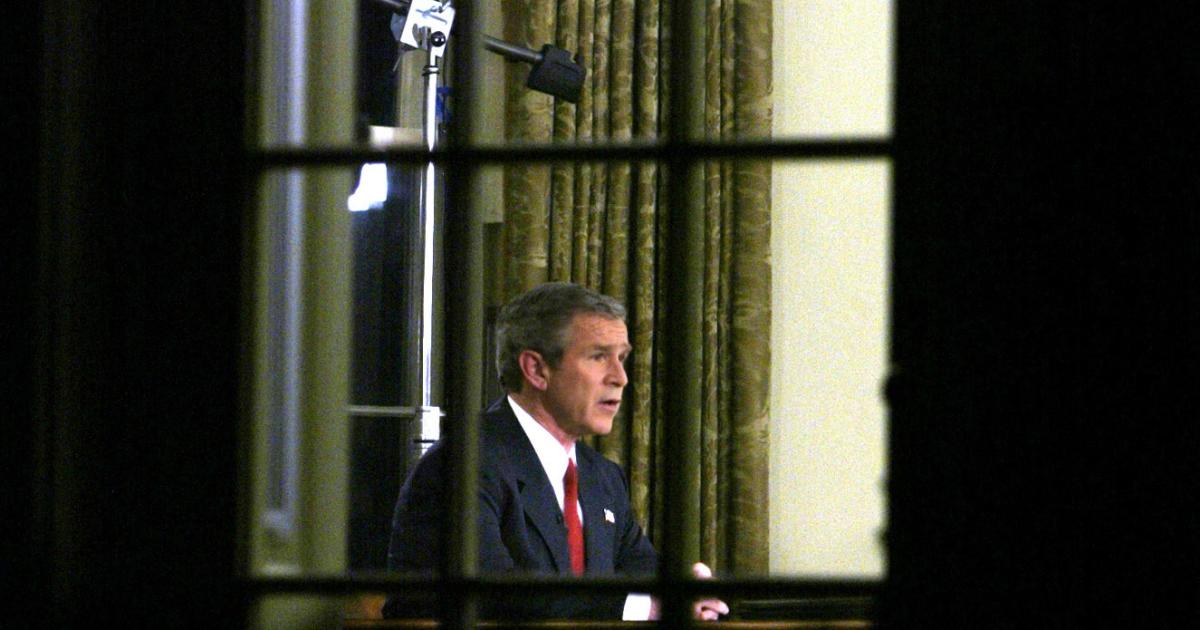
Unverified “positive war reports” circulating online raise serious questions about the true nature of the conflict. Dissecting these reports requires careful examination of their sources, potential biases, and comparison to verifiable accounts. This analysis aims to provide a framework for evaluating the credibility of such claims.Analyzing claims of positive war reports necessitates a critical approach, acknowledging the possibility of manipulation and propaganda.
The reports’ origins, the authors’ motives, and the information’s consistency with other, verifiable accounts are all key elements to consider.
Possible Sources of “Positive War Reports”
A range of sources could potentially generate these reports, from legitimate news outlets to biased government publications and anonymous bloggers. Understanding the potential sources is critical for assessing the credibility of the information.
- News Outlets: Reputable news organizations, such as the Associated Press or Reuters, often report on conflicts. However, even these outlets can have biases or be influenced by political agendas. For instance, a news outlet may focus on positive outcomes for a specific side in the conflict to maintain favorable public opinion. Information from such outlets needs to be scrutinized for any possible distortions.
- Government Publications: Official government statements and publications may present a positive view of their military actions. This is a known phenomenon, often driven by political motivations, which may influence the reporting to favor the government’s image. For example, during wartime, governments frequently release optimistic reports to maintain public support and morale.
- Anonymous Bloggers: Anonymous bloggers can present various perspectives, but their credibility is highly questionable. There’s no guarantee of their expertise, motivations, or the accuracy of their information. Bloggers may be motivated by personal opinions, political agendas, or financial gain, making their reports unreliable. For instance, a blogger may be paid to spread positive propaganda for a particular party.
Potential Biases in Reported Sources
Determining potential biases is essential for evaluating the reliability of sources. Bias can stem from various factors, including political affiliations, financial interests, or personal beliefs.
Bush citing positive war reports from Iraqi bloggers is interesting, but the recent surge in attacks targeting Indian offshoring firms, like the ones detailed in terrorists target indian offshoring firms , highlights a different kind of narrative. It really makes you question the whole picture painted by those early reports. Perhaps the rosy view from Iraq wasn’t so objective after all.
Still, Bush’s initial assessment remains a compelling point of discussion.
- Political Affiliation: Sources with a clear political agenda may selectively present information to favor their chosen side. For example, a report from a pro-government news outlet might emphasize the successes of the military while downplaying any losses or setbacks. This bias needs to be considered when evaluating the information presented.
- Financial Interests: Sources with financial ties to a particular party or entity may promote that party’s interests through positive reporting. For example, a news outlet owned by a corporation with contracts with the military may present a more positive picture of the conflict to protect those contracts.
- Personal Beliefs: Individual bloggers or journalists may have personal beliefs that influence their reporting. For example, a blogger who supports a particular cause may present information that aligns with their beliefs, even if it is not accurate or balanced. This subjective interpretation needs careful consideration.
Comparing Reported and Actual Events
To assess the accuracy of the “positive war reports,” a comparison with verifiable, on-the-ground accounts is necessary. This requires access to multiple sources, independent verification, and an understanding of the limitations of available data.
| Reported Event | Actual Event | Evidence |
|---|---|---|
| Significant gains in territory | Limited gains, or no gains at all | Satellite imagery, independent news reports, eyewitness accounts |
| High morale amongst troops | Low morale, high casualties | Reports from deserters, military records, interviews |
| Minimal civilian casualties | High civilian casualties | Humanitarian reports, independent organizations, UN reports |
Different Perspectives on War’s Progress
Analyzing different perspectives provides a more comprehensive understanding of the conflict. This analysis requires a comparison of viewpoints, evaluating their arguments, and comparing the presented evidence.
| Perspective | Arguments | Evidence |
|---|---|---|
| Government Official | “Our forces are making significant progress” | Official reports, statements, press conferences |
| Opposition Group | “Government is exaggerating gains, causing civilian casualties” | Independent reports, satellite imagery, social media |
| International Observer | “The situation is complex and requires careful analysis of multiple accounts” | UN reports, humanitarian data, independent analysis |
Potential Impact on Public Opinion
The carefully crafted Iraqi blogger reports, presented as positive assessments of the war, undoubtedly aimed to influence public opinion. Understanding the potential impact requires examining the relationship between media portrayal and public support, and how such narratives might have affected individual and governmental decisions. The psychological effect on a war-torn population, and the precedents of similar manipulation in other conflicts, are crucial elements in analyzing the reports’ potential influence.The media plays a significant role in shaping public perception of conflict.
A positive portrayal of the war, particularly from a source seemingly independent (Iraqi bloggers), can bolster public support. Conversely, negative or critical reporting can erode public trust and lead to waning support. The perceived neutrality and local perspective of the bloggers likely influenced public perception, creating a potential credibility gap that could sway public opinion in a direction favorable to the war effort.
Relationship Between Media Portrayal and Public Support
Media portrayal significantly impacts public support for a war. A consistent stream of positive news can foster a sense of progress and encourage continued public backing. Conversely, negative reporting can trigger public skepticism and lead to reduced support. This dynamic is particularly pronounced during prolonged conflicts, as public fatigue sets in. The perceived objectivity of the sources can be a crucial factor in shaping public opinion.
The perceived credibility of the source, in this case, Iraqi bloggers, is a crucial component in understanding the impact on public perception.
Examples of Similar Phrases Influencing Public Opinion in Other Conflicts
Throughout history, similar narratives, though often presented with different contexts, have been employed to influence public opinion during wartime. For instance, during the Vietnam War, the concept of “light at the end of the tunnel” was frequently touted to maintain public support despite escalating casualties and setbacks. These narratives, while potentially reassuring, often failed to reflect the true complexities of the conflict and ultimately contributed to a public disillusionment that eventually led to withdrawal.
Psychological Impact on a War-torn Population
The psychological impact of such reports on a war-torn population is a critical consideration. Positive reports, even if fabricated, can instill hope and a sense of normalcy in a population grappling with the realities of war. However, the potential for disillusionment is substantial if the reports prove to be inaccurate or if the conflict continues without the promised improvements.
The psychological effects on the Iraqi population exposed to these reports are potentially profound, and the possibility of subsequent trauma and disillusionment cannot be discounted.
Influence on Decisions of Individuals and Governments
The carefully crafted reports could have influenced individual and governmental decisions. The presentation of a positive outlook might have motivated individuals to support the war effort, either directly or indirectly, through economic or political means. Governments might have used these reports to justify their military involvement and resource allocation, maintaining or escalating their engagement in the conflict. Such potential influences can be seen in similar instances in history.
Potential Effects on Public Perception of the War
Positive reports from Iraqi bloggers could have a profound effect on public perception of the war. They could be seen as evidence of progress and success, leading to increased public support. Conversely, if the reports prove to be inaccurate or misleading, public perception could shift to a more negative and skeptical outlook. This could lead to a decrease in support for the war.
Illustrative Examples
The tapestry of wartime narratives is often woven with threads of hope and fear, and during the Iraq War, bloggers emerged as a crucial, albeit sometimes biased, source of information. Their reports, often presented with a personal touch and immediacy, painted a picture of the conflict that differed significantly from the official pronouncements. Analyzing these reports, particularly those deemed positive, reveals much about the public’s perception of the war and the complex interplay of information and belief during a period of global uncertainty.
A Hypothetical Positive War Report
A blog post, titled “Triumphant Advance,” details the rapid and seemingly unopposed progress of US forces in a particular region. The author, a self-described “boots-on-the-ground” correspondent, paints a picture of efficient military operations, with minimal casualties and swift pacification of the local population. They highlight the cooperation of local Iraqi citizens who, according to the blogger, welcome the American troops as liberators.
Perceived Impact at the Time
This example likely resonated with a segment of the public eager for positive news amidst the escalating conflict. Many Americans, at the time, were inundated with images of destruction and casualties. Reports emphasizing success and cooperation would have been viewed as a welcome counterpoint, potentially bolstering support for the war effort. The very personal, almost intimate, tone of the blog would have further amplified its appeal.
Potential Public Impact
Such reports could have influenced public opinion by reinforcing the narrative of a swift and relatively painless victory. The message of cooperation from local populations would have served to counter narratives of widespread resistance and insurgency. The ease with which the blogger presented the narrative could have created a sense of confidence and optimism, at least among certain segments of the population.
Potential Biases and Agendas, Bush cites iraqi bloggers positive war reports
The report, while seeming positive, likely contains significant biases. The blogger’s perspective is limited to their immediate experience and may not reflect the wider reality of the situation. The narrative of cooperation may overlook or downplay resistance, dissent, and the potential for unintended consequences of the military intervention. The author’s agenda, whether consciously or unconsciously, could be influenced by patriotism, military service, or a personal desire to present a favorable view of the war.
The selection of what to include in the report, and what to leave out, is crucial to understanding the bias.
Contextual Understanding
This hypothetical example should be viewed within the context of the broader political climate. The Iraq War was a highly politicized event with a complex array of actors and motivations. The blog post, likely posted on a pro-war or conservative website or forum, would have served to reinforce existing viewpoints and agendas. The blogger, perhaps with an affiliation to a particular political or military group, could have played a role in shaping public perception.
The source’s credibility and potential affiliations should be scrutinized when analyzing such a report.
Closing Summary
In conclusion, the phenomenon of Bush citing Iraqi bloggers’ positive war reports highlights the delicate balance between information and perception during wartime. The reports, while seemingly straightforward, invite a deeper examination of the various biases, agendas, and interpretations surrounding the conflict. By examining the sources, the context, and the public reaction, we gain a more nuanced understanding of how narratives can shape public opinion and individual perceptions of events.
This case study serves as a potent reminder of the importance of critical thinking when evaluating information, especially in the face of conflict.