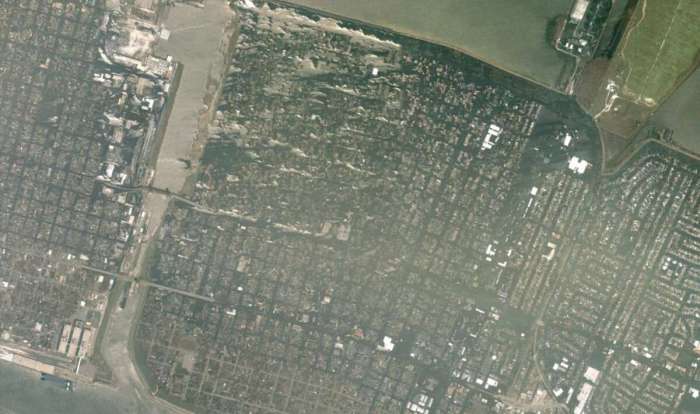
Google Earth Gets Real Again Post-Katrina Imagery
Google earth gets real again with post katrina imagery – Google Earth gets real again with post-Katrina imagery, offering a powerful look back at the devastation and resilience of the Gulf Coast. This powerful visual record, captured in the aftermath of the devastating hurricane, provides a unique perspective on the rebuilding process. The imagery reveals the profound geographical changes and the human impact of this catastrophic event. From the initial devastation to the ongoing recovery, Google Earth’s evolving technology offers a detailed chronicle of this challenging period.
This exploration delves into the historical context of Google Earth, highlighting its evolution and impact. We’ll analyze Katrina’s impact on the landscape, comparing pre- and post-hurricane imagery. The crucial role Google Earth played in post-disaster recovery efforts, from damage assessment to aid distribution, will also be examined. Furthermore, we’ll explore the public’s engagement with this powerful imagery, its societal and cultural implications, and ethical considerations surrounding its use.
Historical Context of Google Earth
Google Earth, a groundbreaking tool for visualizing our planet, has revolutionized how we interact with geographical data. Its journey from a simple mapping application to a powerful platform for education, research, and even entertainment is fascinating. This evolution is intertwined with the changing technological landscape and the evolving needs of its users.Initially envisioned as a way to display a digital representation of the Earth, Google Earth quickly expanded its capabilities, integrating satellite imagery, 3D models, and other layers of information.
This development reflected a growing demand for interactive and immersive geographic exploration. The impact of pre-Katrina imagery, in particular, provided a crucial dataset for understanding and responding to natural disasters.
Evolution of Google Earth Features
Google Earth’s development has mirrored the advancements in satellite imagery technology and computing power. Its features have consistently broadened, becoming increasingly sophisticated.
| Year | Feature | User Impact |
|---|---|---|
| 2005 | Initial release, primarily focused on satellite imagery and geographic data visualization. | Attracted a significant user base interested in exploring the world and gaining a global perspective. |
| 2007 | Integration of 3D models and terrain data, allowing users to experience landscapes in a more immersive way. | Increased user engagement through enhanced visual appeal and interactive capabilities, particularly among students and researchers. |
| 2010 | Expansion of data layers, including elevation models, roads, and administrative boundaries. | Enhanced usability and utility for a wider range of users, from students researching topography to professionals mapping resources. |
| 2015 | Integration of user-generated content and custom overlays, allowing for community-driven contributions and specialized mapping. | Increased interactivity and customization, making Google Earth a more dynamic and versatile platform for diverse user needs. |
| 2020 | Enhanced user experience with intuitive interfaces, improved navigation, and advanced search capabilities. | Increased user accessibility and streamlined experience, further enhancing the platform’s value for both casual and expert users. |
Impact of Pre-Katrina Imagery
The availability of pre-Katrina imagery on Google Earth provided a valuable historical context for understanding the devastation and recovery process following the hurricane. This imagery allowed users to observe the city’s landscape before the disaster, highlighting the magnitude of the damage and the subsequent reconstruction efforts.This historical data, accessible through Google Earth, empowered individuals to explore the city’s transformation and gain a unique perspective on the disaster’s long-term effects.
The ability to compare pre- and post-Katrina imagery became an invaluable resource for researchers, journalists, and disaster relief organizations. This functionality significantly enhanced Google Earth’s user engagement and usage patterns, attracting a new audience interested in disaster relief and urban planning.
Katrina’s Impact on the Landscape
Hurricane Katrina’s devastating impact on the Gulf Coast profoundly reshaped the region’s geography. The storm’s immense force, coupled with the subsequent flooding, left behind a landscape dramatically altered from its pre-Katrina state. This transformation is clearly visible through the stark contrast between pre- and post-Katrina aerial imagery. The scale of the changes is undeniable, affecting everything from coastal wetlands to urban areas.
Geographical Changes Brought About by Katrina
The hurricane caused significant and lasting geographical changes across the affected regions. Erosion of coastlines, levee breaches, and the inundation of previously dry land drastically altered the physical environment. Coastal wetlands, crucial for protecting against storm surges and providing habitat, were significantly damaged or destroyed. These changes were not isolated; the impact extended into inland areas, affecting the hydrology and topography of the region.
The storm’s impact reverberated throughout the entire ecosystem.
Physical Transformations of Affected Regions
The physical transformations were multifaceted and widespread. Coastal areas experienced severe erosion, with shorelines receding significantly in many locations. Levee failures led to massive flooding, submerging vast tracts of land previously considered safe from inundation. This flooding resulted in the deposition of sediment in new patterns, altering the topography of both urban and rural landscapes. The removal of vegetation and soil also played a significant role in the region’s transformation.
Google Earth’s new post-Katrina imagery is a fascinating look back at the devastation, but it also highlights the importance of digital preservation. This recent update reminds us of the powerful role technology plays in documenting history, and contrasts nicely with Microsoft’s recent actions against cybersquatters, like those trying to profit from the name of a powerful company. Microsoft hits cybersquatters with multiple lawsuits shows a proactive stance against those who misuse digital assets.
Ultimately, the effort to preserve historical moments like post-Katrina imagery through Google Earth is critical for future understanding and remembrance.
Comparison of Pre- and Post-Katrina Aerial Imagery
Examining aerial imagery from before and after Hurricane Katrina provides a powerful visual representation of the changes. For example, comparing images of New Orleans’ Lower Ninth Ward, a heavily impacted area, reveals the dramatic difference between pre-Katrina’s vibrant neighborhoods and the submerged, devastated landscape afterward. Similar transformations were seen across the region, from the levees of New Orleans to the marshlands of Louisiana.
This visual contrast highlights the profound and lasting effects of the storm.
Creating a Comparison Table
The following table illustrates the changes using an example:
| Pre-Katrina | Post-Katrina | Changes |
|---|---|---|
| Intact coastal wetlands, with a mix of residential and commercial structures. | Significant loss of coastal wetlands; substantial flooding; widespread destruction of structures. | Loss of wetlands; widespread flooding; structural damage; change in land elevation. |
| A well-maintained levee system. | Sections of the levee system breached; significant water flow beyond the levee. | Levee breaches; increased water flow; altered floodplains. |
| Residential and commercial properties in good condition. | Significant damage or complete destruction of properties; altered land use. | Structural damage; loss of property; altered land use; potential loss of infrastructure. |
This comparison demonstrates the stark contrast between the pre- and post-Katrina landscapes. The table showcases how aerial imagery can serve as a powerful tool for understanding the impact of natural disasters. By comparing pre- and post-images, we can better understand the extent and nature of the geographical changes.
Google Earth’s Role in Post-Katrina Recovery: Google Earth Gets Real Again With Post Katrina Imagery
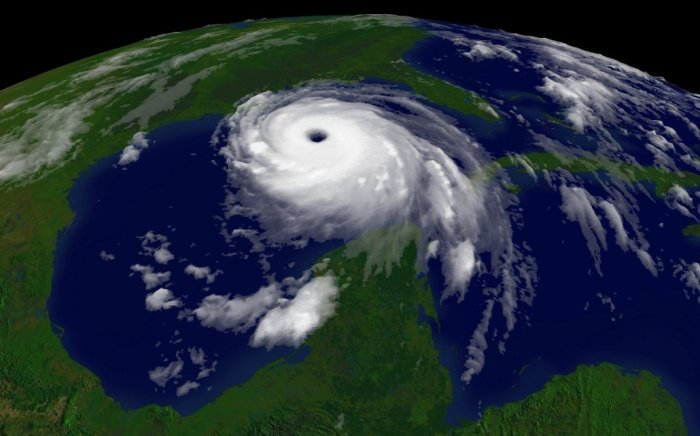
Google Earth, a powerful tool for visualizing the world, played a crucial role in the aftermath of Hurricane Katrina. Beyond its educational value, its detailed imagery became instrumental in supporting recovery efforts. The ability to observe the devastation from a bird’s-eye view proved invaluable in coordinating relief, assessing damage, and planning reconstruction. This essay will explore the specific ways Google Earth facilitated the post-Katrina recovery.
Facilitating Damage Assessment
The sheer scale of the Katrina disaster demanded a comprehensive approach to understanding the damage. Google Earth’s high-resolution imagery provided a detailed record of the devastation, allowing officials and organizations to assess the extent of structural damage, flooding, and displacement. This immediate, aerial perspective enabled a rapid overview of the situation, which was critical for initial response and resource allocation.
The visual clarity of the imagery allowed for easy identification of critical infrastructure failures, such as damaged roads, bridges, and utility lines, providing crucial information for prioritizing repair efforts.
Supporting Reconstruction Planning
Beyond immediate assessment, Google Earth’s imagery was vital in the long-term reconstruction process. Planners could use the images to identify suitable locations for new housing, businesses, and infrastructure. The precise visualization of pre- and post-Katrina landscapes enabled informed decisions about land use and development. Furthermore, the dynamic nature of the imagery allowed for tracking the progress of rebuilding projects over time.
This capability was essential for monitoring the implementation of reconstruction plans and ensuring compliance with building codes and regulations.
Google Earth is getting a fresh perspective with post-Katrina imagery, offering a powerful look back at the devastation. This allows for a vivid understanding of the changes, but capturing those visuals and sounds from a similar perspective is crucial. Tools like snagging pictures videos and sounds with capturewizpro provide the perfect solution for detailed recordings of such events, allowing users to recreate the historical impact, helping to solidify the real-world impact of Google Earth’s updated imagery.
It’s amazing how these advancements in technology give us such an impactful and intimate look at the past, with the possibility of recording similar future events.
Enhancing Aid Distribution
The immediate aftermath of a disaster often requires a swift and effective aid distribution system. Google Earth’s ability to pinpoint specific areas of need, such as flooded neighborhoods or damaged buildings, proved invaluable. Organizations could use the imagery to target aid resources, ensuring that essential supplies and personnel reached the affected communities most in need. The visual representation of access points, transportation routes, and the overall layout of affected regions allowed for a more streamlined and efficient aid distribution strategy.
Monitoring Recovery Progress
The continuous availability of Google Earth imagery provided a platform for tracking the progress of recovery efforts. By comparing pre- and post-disaster images, officials and organizations could monitor the effectiveness of reconstruction initiatives and identify areas that still needed attention. This capability facilitated the adjustment of strategies based on the observed progress, ensuring resources were deployed effectively and that recovery plans were adaptable to evolving needs.
This data-driven approach ensured a comprehensive and dynamic approach to recovery.
Table Illustrating Google Earth’s Utilization
| Category | Google Earth Application |
|---|---|
| Damage Assessment | Identifying structural damage, flooding extent, and infrastructure failures. |
| Reconstruction Planning | Locating suitable sites for new development and monitoring rebuilding projects. |
| Aid Distribution | Pinpointing areas of need for aid delivery, including access points and transportation routes. |
| Progress Monitoring | Tracking reconstruction progress through visual comparison of pre- and post-disaster imagery. |
Accessibility and Public Engagement
Google Earth’s powerful visualization tools, coupled with the immediacy of the post-Katrina imagery, democratized access to understanding the disaster’s impact. This unprecedented access allowed individuals and communities to connect with the event on a deeply personal level, fostering both individual reflection and collective memory. The sheer availability of the data facilitated a widespread engagement that extended far beyond academic circles or government reports.
Public Access and Engagement
The availability of pre- and post-Katrina imagery on Google Earth facilitated unprecedented public access to the disaster’s scale and impact. Users could virtually traverse the affected areas, witnessing the devastation firsthand, even from their homes. This direct access to the changing landscape allowed for a deeper understanding of the human cost and the extensive rebuilding efforts. The visual record was more than just data; it was a powerful narrative.
Impact on Understanding the Disaster
The accessibility of this imagery had a profound impact on the public’s comprehension of the disaster. The ability to view the before-and-after transformations vividly demonstrated the extent of the destruction and the immense effort required for recovery. Users could see the shifting streets, the disappeared buildings, and the emergence of new infrastructure. This visual documentation facilitated a stronger grasp of the magnitude of the event and its long-term consequences.
Personal Stories and Community Recollection
The imagery served as a powerful tool for personal reflection and community recollection. Individuals could trace the paths of their homes, businesses, and lives, observing the changes and the challenges faced by their communities. This enabled a more personal connection to the event and its impact.
Utilizations for Reflection and Civic Engagement
The availability of the imagery fostered a range of personal and civic engagements. Many individuals used it to reflect on the experiences of loved ones who had been affected by the storm. Students used the imagery for research projects, deepening their understanding of disaster recovery. Organizations and groups used the imagery to promote awareness and raise funds for relief efforts.
The wide range of uses demonstrated the diverse and impactful ways this tool could be employed for understanding and action. For example, historians used it to document changes in the landscape and community structures, enriching the historical record of the disaster. Researchers used it for quantitative analysis of damage and recovery, providing valuable data points for future disaster preparedness and mitigation efforts.
Technological Advancements and Imagery Quality
Google Earth’s ability to showcase the world in unprecedented detail relies heavily on continuous advancements in satellite imagery technology. This evolution is crucial, especially when examining events like Hurricane Katrina, allowing for a deeper understanding of the impact and recovery process. The improvements in resolution and accuracy provide a powerful tool for historical analysis and present-day planning.The quality of satellite imagery has seen dramatic improvements over the years, driven by technological leaps in sensor technology, data processing, and image enhancement techniques.
These advancements have significantly impacted Google Earth’s ability to depict the Earth’s surface, making it a valuable resource for various applications.
Improvements in Sensor Technology
Advances in sensor technology have enabled satellites to capture more detailed images of the Earth’s surface. Higher resolution sensors are able to discern smaller features, allowing for more precise mapping of landforms, infrastructure, and even individual buildings. This is especially relevant in areas impacted by large-scale disasters. For instance, the use of multispectral sensors allows scientists to identify subtle variations in vegetation, water quality, and land use changes, offering valuable insights for environmental monitoring.
Imagery Capture and Processing after Katrina
The immediate aftermath of Hurricane Katrina presented a unique challenge for capturing and processing aerial imagery. The damage and scale of the disaster necessitated a swift and comprehensive mapping effort. Teams used various platforms, including airborne sensors and satellites, to gather data. Post-Katrina imagery often relied on more frequent acquisitions from different vantage points, compared to pre-Katrina imagery, which resulted in a greater quantity of data to process.
Resolution and Accuracy Improvements
Post-Katrina imagery, compared to pre-Katrina imagery, saw a substantial improvement in resolution and accuracy. The higher resolution allows for a finer level of detail, enabling the identification of smaller changes in the landscape. This improvement in detail is critical for monitoring recovery efforts and assessing the long-term impacts of the hurricane. More accurate data is crucial for planning and resource allocation during recovery and future disaster response.
Pre- and Post-Katrina Imagery Comparison
| Feature | Pre-Katrina Imagery | Post-Katrina Imagery |
|---|---|---|
| Resolution (meters per pixel) | Approximately 10-20 meters | Approximately 1-5 meters |
| Detail of buildings and infrastructure | General Artikels, block level features | Individual buildings, streets, and damage patterns |
| Vegetation and land cover | Generalized representation | Detailed portrayal of vegetation changes, deforestation, etc. |
| Water features | General water bodies | Detailed water levels, flooding patterns, and changes in drainage systems |
The table illustrates the marked difference in detail between pre- and post-Katrina imagery. The significant improvement in resolution and accuracy, directly related to technological advancements, enabled a far more comprehensive and insightful portrayal of the affected areas.
Societal and Cultural Implications
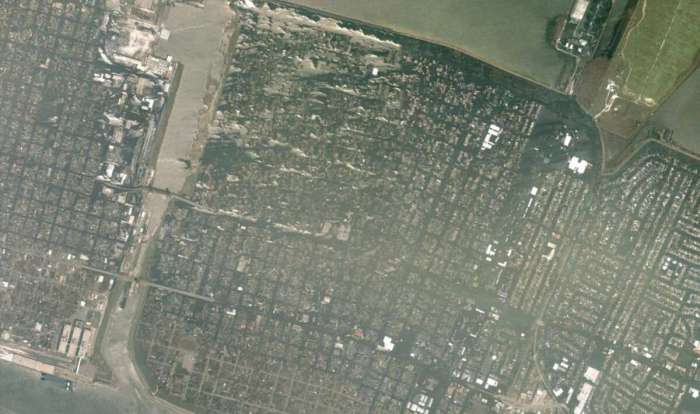
The post-Katrina imagery on Google Earth offered a powerful, visceral, and often unsettling view of the disaster’s impact, profoundly altering public perception of both the event and the recovery process. The immediacy and accessibility of these images allowed for a wider and more personal understanding of the scale and consequences of the storm, going beyond news reports and official statements.
This direct visual access fostered a deeper emotional response and engaged a wider audience than traditional media.The sheer volume of imagery allowed for a nuanced understanding of the human cost and the challenges of rebuilding. The stark juxtaposition of pre- and post-Katrina views spurred public discourse about resilience, community, and the power of nature, frequently surfacing in conversations and social media discussions.
This imagery was more than just data; it was a story, and a powerful one at that.
Impact on Public Perception of Disaster and Recovery
The unprecedented accessibility of Google Earth’s imagery allowed for a wide-scale, intimate understanding of the disaster. People could visually trace the devastation, observe the displacement of communities, and witness the arduous process of recovery. This visual access, often exceeding the scope of traditional media coverage, played a significant role in shaping public perception, fostering a sense of collective empathy and understanding of the disaster’s far-reaching effects.
Google Earth is getting a fresh perspective with post-Katrina imagery, showcasing the incredible changes. Meanwhile, Intel’s Yonah dual-core processor is making waves in the tech world, offering a significant performance boost. This new technology, detailed in the article intels yonah dual core to go , promises to make tasks faster, which will undoubtedly improve the display and processing of detailed imagery like that in Google Earth.
It’s a powerful combination; the improved tech means even better, more detailed views of post-disaster landscapes on Google Earth.
The visual record provided a direct and tangible connection to the human cost, which had a notable impact on public opinion.
Influence on Public Discussions and Narratives
Google Earth’s imagery became a catalyst for public discourse. The raw images fueled discussions about the disaster’s causes, the effectiveness of the response, and the challenges faced by those impacted. Online forums, social media platforms, and news outlets saw an influx of commentary and analysis, often directly referencing the images. The imagery offered a visual vocabulary for discussing the disaster, enabling more nuanced and empathetic conversations, compared to more traditional reporting that often focused on broad statistics or specific events.
These discussions often centered on the resilience of the affected communities and the challenges they faced in rebuilding their lives and livelihoods.
Documentation of a Specific Period in History
Google Earth’s post-Katrina imagery provides a unique and irreplaceable historical record. This visual documentation offers a tangible connection to the past, allowing future generations to understand the event’s magnitude and consequences firsthand. The changing landscape, visible through the satellite imagery, offers a crucial perspective on the physical transformations of the region, the reconstruction efforts, and the long-term consequences of the disaster.
This is not just a set of images; it is a visual narrative of a critical moment in history.
Examples of Fostering Discussions and Raising Awareness
The immediate accessibility of the images facilitated a broader public conversation, moving beyond the traditional media narrative. The visual clarity allowed for a more personal connection to the event, fostering empathy and raising awareness among the public. Discussions about the disaster’s impact on the environment, the long-term recovery efforts, and the resilience of the communities became more widespread and engaged.
The visual record, available for widespread scrutiny, fueled ongoing dialogues and helped shape public understanding of the events. Specific examples include the use of the imagery in academic research, documentaries, and public awareness campaigns, where the visual impact of the imagery played a significant role in shaping public opinion and motivating action.
Ethical Considerations and Privacy Concerns
The powerful lens of Google Earth, particularly when applied to events like Hurricane Katrina, reveals not only the physical devastation but also the intricate web of ethical and privacy concerns that accompany such visual documentation. The intimate details captured in post-disaster imagery raise important questions about responsible use, potential harm to affected communities, and the balance between public access and individual privacy.The accessibility of such detailed historical records can be both beneficial and problematic.
The potential for misuse, misunderstanding, or even exploitation of this information needs careful consideration. It’s imperative to navigate this delicate balance with empathy and a deep understanding of the impact on those whose lives were affected.
Potential for Misuse and Misinterpretation
The detailed imagery of post-Katrina New Orleans, readily available through Google Earth, could be misinterpreted or misused. For example, images showing the extent of flooding and property damage could be used to unfairly target or stigmatize communities. This is particularly relevant in discussions around insurance claims or redevelopment efforts, potentially causing further hardship and disenfranchisement for those already struggling.
Furthermore, the imagery could be exploited for profit, such as by real estate companies targeting the affected areas for development, without considering the impact on displaced residents or the local culture.
Privacy Concerns and Informed Consent
The accessibility of post-Katrina imagery raises significant privacy concerns. Individuals and families in the affected areas may not have consented to their homes and lives being meticulously documented for public view, potentially causing further emotional distress or reinforcing feelings of vulnerability. Furthermore, the imagery might expose sensitive information about individual circumstances, including personal property, which should be protected in the context of disaster recovery.
It’s crucial to understand that the presence of a photograph or a video doesn’t necessarily equate to consent.
Responsible Use of Imagery in Disaster Contexts, Google earth gets real again with post katrina imagery
The responsible use of post-disaster imagery requires careful consideration of the potential impact on the affected communities. Transparency and community engagement are paramount. Agencies and organizations using such imagery should seek input from the affected communities to understand their perspectives and ensure that the use of the imagery aligns with their needs and concerns. For instance, when planning redevelopment projects, the imagery could be used to inform design decisions but should not be the sole factor without input from the local population.
Impact on Affected Communities and Individuals
The visual record of post-Katrina New Orleans, as accessible through Google Earth, could have a multifaceted impact on affected communities and individuals. The constant visual reminder of the devastation could trigger trauma or exacerbate pre-existing mental health issues. Conversely, the imagery could also be a powerful tool for healing and remembrance, depending on how it is presented and used.
For example, showcasing the resilience and rebuilding efforts alongside the destruction can offer hope and inspire community engagement. The careful handling of this sensitive material is crucial for avoiding further harm and maximizing its potential for positive change.
Outcome Summary
In conclusion, Google Earth’s post-Katrina imagery offers a compelling and unique perspective on resilience and recovery. It’s a powerful visual record of a historical event, offering valuable insights into disaster response, community rebuilding, and the evolving role of technology in documenting such events. The accessibility and detailed imagery not only document a significant period in history but also raise important ethical considerations and prompt us to reflect on the human impact of natural disasters.