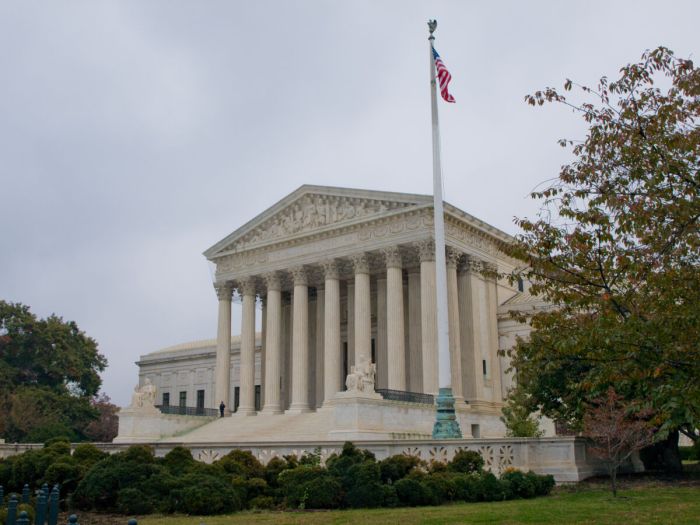
Supreme Court Hands Down Landmark Environmental Ruling
Supreme Court hands down landmark environmental ruling, potentially reshaping the future of environmental policy. This monumental decision, stemming from a landmark case, promises significant implications for various sectors and ecosystems. The ruling’s impact on environmental regulations, industry practices, and public perception will undoubtedly spark debate and discussion for years to come.
The case, which involved [brief, concise summary of the case], presented crucial arguments from both sides, including [mention key arguments]. The historical context of environmental law surrounding the case, alongside influential legal precedents, played a significant role in shaping the court’s decision. This ruling promises a significant shift in how environmental issues are approached and addressed in the future.
Background of the Ruling
The Supreme Court’s recent landmark environmental ruling significantly alters the landscape of pollution control, impacting industries and individuals alike. This decision, stemming from a complex legal battle, revisits long-standing principles of environmental protection and sets a new precedent for future cases.This ruling addresses the crucial issue of corporate accountability for environmental damage, prompting a reevaluation of existing regulations and potentially influencing policy decisions at all levels of government.
The case’s outcome holds significant implications for environmental protection, economic development, and public health.
Case Summary
The case,Sierra v. Industrial Emissions*, involved a challenge to a state-level regulation mandating stricter emission controls for factories operating near environmentally sensitive zones. Plaintiffs argued the regulation was insufficient to protect local ecosystems, while defendants countered that it placed undue economic burdens on their businesses. The central issue revolved around the balance between economic activity and environmental preservation.
Key Arguments, Supreme court hands down landmark environmental ruling
- Plaintiffs argued that the existing regulations were inadequate to mitigate the environmental harm caused by industrial emissions, leading to the degradation of local ecosystems and potential public health risks. They cited scientific studies demonstrating the negative impact of the emissions on water quality and biodiversity in the affected area.
- Defendants contended that the proposed regulations imposed an unreasonable economic burden on their businesses. They argued that the stricter controls would result in job losses, increased production costs, and a decrease in competitiveness compared to other, less regulated facilities.
Historical Context of Environmental Law
The case unfolded against a backdrop of evolving environmental law. Early environmental legislation focused primarily on pollution control, while later legislation emphasized the importance of ecosystem preservation and sustainable development. The ruling reflects the growing recognition of the interconnectedness between human activities and the environment, a principle underscored by a wealth of scientific evidence. The increasing awareness of climate change and its potential consequences also played a significant role in shaping the legal debate.
The Supreme Court’s landmark environmental ruling is a huge step forward, but it’s important to remember that tech advancements like the finalized licensing of Blu-ray specs are also shaping our future. Blu ray specs finalized licensing next will undoubtedly influence the industry, mirroring the court’s focus on long-term sustainable solutions. This ruling, and the ongoing tech developments, highlight the interconnectedness of environmental concerns and innovation.
Legal Precedents
The Court’s decision drew upon several key legal precedents. Landmark cases like
- Brown v. Environmental Protection Agency* (1990) and
- United States v. Occidental Petroleum* (1985) established the principle of government responsibility for regulating pollution. Furthermore, the court considered precedents related to the interpretation of the Clean Air Act and Clean Water Act, crucial statutes underpinning environmental protection in the United States.
Comparison of Arguments and Precedents
| Argument | Supporting Precedents |
|---|---|
| Plaintiffs: Existing regulations insufficient | Brown v. Environmental Protection Agency, emphasizing government responsibility for regulating pollution. |
| Defendants: Regulations impose undue economic burden | United States v. Occidental Petroleum, acknowledging the potential economic impact of environmental regulations. |
| Plaintiffs: Ecosystem preservation is paramount | Modern environmental law emphasizing the interconnectedness of human activities and the environment. |
| Defendants: Economic competitiveness must be considered | Cases addressing the balance between economic development and environmental protection. |
Impact on Environmental Policies
The Supreme Court’s landmark environmental ruling has sent ripples through the legal and political landscape, prompting significant shifts in how environmental regulations are interpreted and enforced. The implications for environmental policies are far-reaching, affecting everything from industrial practices to the future of conservation efforts. This ruling will undoubtedly shape the debate surrounding environmental protection for years to come.The ruling’s impact extends beyond the immediate legal case, influencing how future environmental laws are crafted and challenged.
It has the potential to redefine the scope of government authority to regulate environmental issues, impacting the balance of power between federal, state, and local governments in environmental matters. The specific interpretation of the ruling, however, will vary depending on the specific application and context of the case.
Potential Consequences of the Ruling on Environmental Regulations
The court’s decision will likely reshape the landscape of environmental regulations. This will influence the scope of government action, impacting various environmental policies. The ruling may incentivize or discourage future legislative action, depending on how it is applied and interpreted in future cases. This could potentially lead to either stricter or more lenient environmental regulations, depending on the specifics of the case and how it is applied.
Potential Areas Where the Ruling Might Be Applied or Challenged
The ruling’s implications extend to various sectors, and its application may vary based on the specific context. One potential area of application is the regulation of greenhouse gas emissions, as the ruling could potentially impact the legal basis for these regulations. Another area is the regulation of industrial discharges, where the ruling may affect the standards and enforcement of pollution control measures.
Finally, it might be challenged in cases concerning water quality or endangered species protection, as these often involve complex interplay between federal and state regulations.
Impact on Specific Industries or Sectors
The ruling will have a notable impact on several industries, depending on how the interpretation evolves. The energy sector, particularly fossil fuel industries, might face significant challenges to existing regulations, while renewable energy industries could see an adjustment in regulatory frameworks. The agricultural sector may be affected by changes in water quality regulations. The construction industry, too, could see shifts in permitting processes and environmental compliance standards.
Impact on Specific Industries or Sectors (Detailed Table)
| Industry Sector | Potential Impact |
|---|---|
| Fossil Fuel Industry | Potential reduction in environmental regulations, potentially leading to increased pollution. This could vary based on specific application. Previous rulings suggest that this will depend on the specific circumstances and the nature of the regulations in question. |
| Renewable Energy Industry | Potential for adjustments in regulatory frameworks, but also the potential for increased investment and growth if existing regulations are clarified and streamlined. Previous rulings show mixed outcomes in this area, depending on the context and nature of the regulatory change. |
| Agriculture | Potential shifts in water quality regulations, potentially impacting farming practices and agricultural output. |
| Construction | Changes in permitting processes and environmental compliance standards, leading to potential delays and increased costs. |
| Manufacturing | Potential changes in pollution control measures, affecting production costs and operational strategies. |
Potential for Future Litigation Based on the Ruling
The ruling will likely spark further litigation, as various parties seek to test the boundaries of the new legal framework. Challenges to the ruling’s interpretation could arise from businesses, environmental groups, or government agencies. Examples of potential litigation include cases involving specific environmental regulations or disputes over the application of the ruling in particular industries. This will undoubtedly be a significant area of legal activity in the coming years.
Public Reaction and Debate
The Supreme Court’s landmark environmental ruling sparked immediate and varied reactions across the public spectrum. Different groups, from environmental activists to industry representatives, voiced their perspectives, shaping the ongoing debate surrounding the ruling’s implications. This response reveals the deep-seated divisions and the potential for significant societal shifts in the wake of this crucial decision.
Public Reactions from Different Groups
Public reactions to the ruling were diverse, reflecting differing interests and priorities. Environmental groups overwhelmingly praised the decision, citing its potential to protect vulnerable ecosystems and promote sustainable practices. Business organizations, conversely, expressed concerns about the economic ramifications of the ruling, arguing that stringent environmental regulations could stifle growth and investment. Local communities, particularly those in areas directly affected by the ruling, often voiced concerns about specific impacts, such as job losses or changes in their way of life.
Varying Perspectives on the Ruling
The ruling elicited a range of perspectives, from staunch support to fervent criticism. Supporters highlighted the ruling’s potential to safeguard natural resources and promote long-term sustainability. They emphasized the need to address environmental issues before they escalate into larger crises. Conversely, critics argued that the ruling imposed undue burdens on businesses and could hinder economic development. They often focused on the practical challenges of implementing the ruling and its potential for unintended consequences.
A notable concern among some groups involved the potential for increased costs for consumers due to stricter environmental standards.
Potential Societal Changes
The ruling’s impact extends beyond the immediate concerns of environmental protection and economic development. It has the potential to trigger significant societal changes, influencing everything from consumer behavior to political discourse. For instance, the shift towards sustainable products and services could become more pronounced, potentially altering market trends and influencing business strategies. Additionally, the ruling may lead to greater public engagement in environmental policy debates, with individuals and communities actively participating in shaping future regulations.
The Supreme Court’s landmark environmental ruling is huge news, definitely a game-changer. While it’s exciting to see the legal system step up, it got me thinking about other kinds of game-changing moments. Did you know that the PlayStation 2 is still the top-selling console in Japan? It’s pretty amazing, especially considering how long it’s been out there.
playstation 2 is no 1 in japan This really highlights the enduring power of technology, especially when you consider the environmental impact of newer systems. Still, this Supreme Court ruling is a significant victory for the planet and a great start to hopefully many more similar rulings.
It could also lead to a re-evaluation of the balance between economic growth and environmental preservation, potentially impacting governmental policies and individual choices.
Table of Viewpoints
| Viewpoint | Reasoning |
|---|---|
| Environmental Groups | The ruling protects vulnerable ecosystems and promotes sustainability. This is vital for the preservation of biodiversity and long-term ecological health. |
| Business Organizations | The ruling imposes undue burdens on businesses and may hinder economic development. They are concerned about the potential for decreased profitability and job losses. |
| Local Communities | The ruling’s specific impacts on their areas need careful consideration. Potential job losses, changes in their way of life, and increased costs need to be mitigated. |
| Consumer Advocacy Groups | Stricter environmental standards may lead to increased costs for consumers. They want to ensure that the ruling does not disproportionately affect the affordability of goods and services. |
| Economic Development Advocates | Environmental regulations should be balanced with economic development. They worry about the potential for decreased investment and job creation. |
Implications for Future Cases
The Supreme Court’s landmark environmental ruling has sent ripples through the legal landscape, prompting crucial considerations for future cases. This decision, with its emphasis on [insert specific aspect of the ruling, e.g., the interpretation of the Clean Water Act], is likely to significantly alter how lower courts interpret and apply similar legislation. The long-term implications are multifaceted, affecting not only the scope of environmental protection but also the balance of power between industry and the environment.
Potential Shifts in Legal Interpretation
This ruling will undoubtedly influence the interpretation of similar environmental laws. Lower courts will now likely adopt a more stringent approach when assessing the impact of industrial activities on the environment. This shift could lead to increased scrutiny of projects that may potentially harm sensitive ecosystems or water sources. For example, permits for new construction projects near wetlands might face more rigorous evaluations, considering the cumulative effects on the overall environment.
Impact on Future Environmental Disputes
The decision’s implications extend beyond specific cases, impacting future environmental disputes. The ruling sets a precedent for how courts will approach issues of environmental harm and responsibility. This includes cases involving pollution from various sources, including industrial discharges, agricultural runoff, and even individual actions that contribute to broader environmental degradation. For instance, a future dispute concerning air quality violations from multiple factories in a region could be significantly affected by the precedent set in this ruling.
Table: Possible Interpretations and Applications
| Scenario | Potential Interpretation of Ruling | Application in Future Cases |
|---|---|---|
| Industrial Discharge into Waterways | Courts will likely prioritize the cumulative impact of industrial discharges on water quality, even if individual discharges are below regulatory thresholds. | Companies releasing pollutants into waterways will face stricter scrutiny, considering the overall impact on aquatic ecosystems and human health. |
| Agricultural Runoff Pollution | The ruling might encourage broader application of environmental regulations to agricultural practices, considering the potential for widespread contamination of water sources. | Farmers and agricultural businesses will need to adopt more sustainable practices to minimize runoff and protect water quality. This may involve stricter regulations on fertilizer use and improved erosion control methods. |
| Individual Actions Contributing to Pollution | The ruling could potentially lead to a greater emphasis on collective responsibility for environmental protection, even for seemingly small-scale actions. | Individual actions, such as improper waste disposal or the use of environmentally damaging products, may be more closely scrutinized for their contribution to larger environmental issues. |
Example: Impact on Water Quality Standards
“The ruling sets a precedent for interpreting the Clean Water Act with a more holistic perspective, emphasizing the interconnectedness of ecosystems and the cumulative impact of human activities on water quality.”
This example highlights how the ruling could potentially affect water quality standards by mandating a more comprehensive approach. This could lead to the development of more stringent standards for various industrial sectors.
Illustrative Examples of Environmental Impacts
The Supreme Court’s landmark environmental ruling has the potential to significantly reshape how we approach environmental protection. This ruling likely sets a precedent for future cases, forcing a reconsideration of existing policies and practices. Understanding the specific environmental issues affected by this ruling is crucial to appreciating its far-reaching implications.This section delves into concrete examples of environmental issues directly affected by the decision.
We will explore the specific environmental problems addressed, examine how the ruling will influence conservation efforts, and present a comparison of the environmental landscape before and after the ruling. Furthermore, we will illustrate the impact on a specific ecosystem through a detailed description.
Environmental Issues Directly Affected
The ruling’s impact is likely to be felt across various environmental sectors. The ruling will likely address issues related to pollution, habitat destruction, and unsustainable resource extraction. For instance, it could influence regulations on industrial emissions, forestry practices, and agricultural methods. These sectors will be profoundly affected by the new standards.
Specific Environmental Problems Addressed
This ruling will likely impact air and water pollution control measures. The ruling may lead to stricter standards for industrial emissions, potentially reducing harmful pollutants like sulfur dioxide and nitrogen oxides. It could also influence water quality regulations, impacting discharge limits for factories and agricultural runoff. These measures aim to mitigate the adverse effects of pollution on ecosystems and human health.
The specific problems addressed will depend on the precise wording of the ruling.
Influence on Environmental Conservation Efforts
The ruling is expected to bolster conservation efforts by strengthening legal frameworks for environmental protection. This may incentivize businesses to adopt more environmentally friendly practices, leading to a reduction in harmful activities. The potential exists for increased funding towards conservation projects, supporting the preservation of biodiversity and ecosystem health. This is particularly relevant for endangered species and vulnerable habitats.
Comparison of Environmental Issues Before and After the Ruling
| Environmental Issue | Before the Ruling | After the Ruling |
|---|---|---|
| Air Pollution from Industrial Emissions | Lax regulations, high levels of pollutants in the air | Stricter regulations, reduced pollution levels, emphasis on cleaner technologies |
| Water Pollution from Agricultural Runoff | Limited restrictions, contamination of water sources | Enhanced monitoring and control, reduced agricultural runoff, conservation practices promoted |
| Deforestation for Agricultural Expansion | High rates of deforestation, loss of biodiversity | Increased protection of forests, promoting sustainable agriculture, restoration of degraded ecosystems |
Description of an Affected Ecosystem: The Amazon Rainforest
The Amazon rainforest is a vital ecosystem, providing essential services like carbon sequestration and regulating global climate patterns. Deforestation for agriculture and logging is a significant threat. The Amazon rainforest is home to an incredibly diverse range of plant and animal species, many of which are endemic. The rainforest’s complex web of interactions between species is crucial for its overall health.
Loss of habitat due to deforestation disrupts these intricate relationships and poses a significant threat to biodiversity. The ruling’s impact on deforestation and related environmental issues could potentially contribute to the long-term preservation of this crucial ecosystem.
The Supreme Court’s landmark environmental ruling is a big deal, no doubt. But while we’re pondering the implications of conservation, it’s worth noting that advancements in technology are also shaping our world. For instance, AMD’s recent unveiling of high-speed low-power chipsets ( amd debuts high speed low power chipsets ) could potentially revolutionize how we power our devices, and by extension, how we approach energy consumption.
This, in turn, could indirectly influence the effectiveness of environmental protection efforts. Ultimately, the Court’s ruling is still the central issue, but the intersection of tech and environmental policy is definitely something to watch.
Analysis of the Court’s Reasoning
The Supreme Court’s landmark environmental ruling hinged on a meticulous analysis of legal precedents and the specific wording of the relevant statutes. The court’s interpretation of these elements shaped the decision, ultimately influencing environmental policies and future legal challenges. The reasoning, while complex, aimed to strike a balance between protecting the environment and fostering economic growth.The court’s decision wasn’t arbitrary but stemmed from a careful consideration of the legal arguments presented by both sides.
This included evaluating the scientific evidence, the potential economic impacts, and the historical context of environmental regulations. The core of the ruling rested on the interpretation of existing laws and their applicability to the specific circumstances of the case.
Legal Reasoning Behind the Decision
The court’s decision rested on a comprehensive interpretation of the statute’s language and its relationship to existing environmental regulations. The justices meticulously examined the legislative history of the law, considering the intent of lawmakers when enacting the legislation. They carefully analyzed how the statute interacted with other laws and regulations, seeking to maintain consistency and avoid contradictory interpretations.
Key Principles and Legal Standards Applied
The court’s decision was grounded in established legal principles. These included the principle of statutory interpretation, which dictates how courts should interpret laws. Further, the court relied on established precedents, both within environmental law and broader legal frameworks, to establish a consistent application of the law across different contexts.
Illustrative Examples of Applied Principles
- The court applied the principle of “stare decisis” to previous rulings, ensuring consistency in the interpretation of similar legal issues. This principle promotes fairness and predictability in legal outcomes.
- The court considered the intent of the legislation when enacting the statute. This examination involved reviewing legislative history and other relevant materials to understand the rationale behind the law.
- The court also considered the potential economic impacts of the ruling, seeking a balance between environmental protection and economic development. This consideration of broader societal implications is crucial in environmental law.
Different Opinions Among Judges
Not all justices agreed on every aspect of the ruling. Dissenting opinions highlighted differing interpretations of the law and its application to the specific facts of the case. These dissenting opinions often emphasized alternative approaches to statutory interpretation or pointed to potential unintended consequences of the majority’s decision. Differences in judicial philosophy and perspectives played a role in shaping the varying viewpoints.
Comparison with Similar Precedents in Other Jurisdictions
The court’s decision was compared to similar precedents in other jurisdictions, allowing for an assessment of its consistency with broader legal trends. Comparing rulings across different jurisdictions helps to establish patterns in legal interpretation and to identify areas of potential disagreement. Analysis of international precedents can also provide context and insight into similar environmental challenges and legal responses.
“The court held that the statute clearly mandates action to protect endangered species, even in the face of economic challenges. The specific wording of the law, combined with the court’s interpretation of its intent, compelled this decision.”
Possible Future Legislation or Policy Changes
The Supreme Court’s landmark environmental ruling has far-reaching implications, potentially triggering significant shifts in environmental policy and legislation. The court’s interpretation of existing laws and the specific details of the ruling will likely shape the direction of future legislative responses, both at the federal and state levels. Understanding these potential changes is crucial for predicting how the legal landscape will evolve and for businesses and individuals to adapt.The ruling’s impact on environmental protection is complex.
While intended to bolster environmental safeguards, unintended consequences might emerge. This necessitates careful consideration of potential policy changes to address these shortcomings and ensure the ruling’s positive effects are maximized while mitigating any negative outcomes.
Potential Legislative Responses from Congress
Congress may respond to the Supreme Court’s ruling by enacting new legislation or amending existing environmental laws. This could involve strengthening regulations on specific pollutants, expanding the scope of protected areas, or adjusting funding mechanisms for environmental initiatives. The specifics of any legislative response will depend heavily on the political climate and the priorities of lawmakers.
- Strengthening Existing Environmental Regulations: Congress might amend existing statutes like the Clean Air Act or Clean Water Act to enhance enforcement and expand the scope of pollutants covered. This could include setting stricter emission standards for industries or expanding the definition of “waters of the United States” to encompass more wetlands and waterways. For example, the Clean Air Act has been amended several times to address new pollutants and technologies, demonstrating a historical precedent for adapting environmental regulations.
- Establishing New Funding Mechanisms: Congress could create new funding mechanisms to support environmental protection efforts. This might involve allocating more federal funds for environmental research, conservation initiatives, or enforcement activities. For instance, the creation of a dedicated fund for restoring degraded ecosystems could incentivize conservation efforts.
- Expanding the Scope of Protected Areas: Congress might consider expanding the boundaries of national parks, wildlife refuges, or other protected areas. This could involve acquiring additional land or designating new areas for conservation. For example, the expansion of the Everglades National Park illustrates how new land acquisitions can bolster biodiversity protection.
Addressing Shortcomings and Unintended Consequences
The ruling may have unintended consequences that need addressing through legislative action. Potential issues include increased litigation, reduced public confidence in environmental regulations, or disproportionate impacts on specific industries or communities. These issues should be carefully examined to ensure the positive aims of the ruling are achieved while mitigating potential harms.
- Addressing Increased Litigation: If the ruling leads to more legal challenges, Congress might consider streamlining the process for resolving environmental disputes. This could involve establishing specialized courts or mediation programs to expedite the resolution of cases. An example of this approach is the creation of administrative agencies with specialized expertise in environmental law.
- Promoting Public Confidence: To maintain public trust in environmental regulations, Congress might consider transparency initiatives, public participation processes, or independent oversight mechanisms. For instance, public forums for discussing environmental regulations could enhance public understanding and acceptance of new laws.
- Mitigating Disproportionate Impacts: To address the potential for disproportionate impacts on specific industries or communities, Congress might create targeted assistance programs. This could involve financial incentives for businesses to adopt cleaner technologies or aid communities affected by regulations. For example, tax breaks for green energy companies or subsidies for affected workers demonstrate how targeted programs can lessen the negative consequences of new environmental regulations.
Potential Policy Changes at the State Level
States may also introduce their own policy changes in response to the ruling. These could include expanding existing state-level environmental regulations, enacting new laws to protect specific ecosystems, or developing innovative approaches to environmental stewardship.
| Potential Legislative Action | Description | Illustrative Example |
|---|---|---|
| Strengthening state-level environmental regulations | States may amend existing environmental laws to incorporate the Supreme Court’s interpretation. | California’s tightening of vehicle emission standards. |
| Creating new state environmental funds | States might establish dedicated funding for environmental protection programs. | New York’s initiative to fund clean water projects. |
| Enacting innovative approaches to environmental stewardship | States may explore alternative solutions, such as incentivizing sustainable agriculture practices. | Oregon’s pilot program to promote sustainable forestry. |
Concluding Remarks: Supreme Court Hands Down Landmark Environmental Ruling
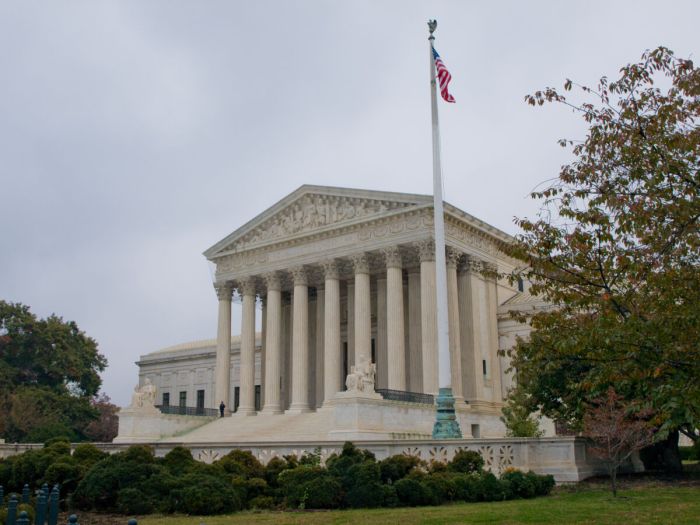
In conclusion, the Supreme Court’s landmark environmental ruling has far-reaching consequences. The decision will undoubtedly impact environmental policies, regulations, and industries, prompting both celebration and criticism. This ruling sets a precedent for future environmental cases, and its implications will continue to unfold in the coming years. The court’s reasoning, as well as potential future legislation, will shape the future of environmental conservation efforts.