Samsung Beefs Up Storage Capacity on 2.5-Inch Drives A Deep Dive
Samsung beefs up storage capacity on 2 5 inch drives – Samsung beefs up storage capacity on 2.5-inch drives, introducing a significant leap in data density. This advancement promises to revolutionize how we store and manage data, from personal backups to enterprise-level solutions. We’ll explore the technical details, consumer benefits, market implications, and future projections surrounding this exciting development.
Samsung’s latest 2.5-inch drives are pushing the boundaries of storage capacity, utilizing innovative technologies and manufacturing processes. This means more space for your files, at potentially lower costs per gigabyte.
Overview of Storage Capacity Enhancement
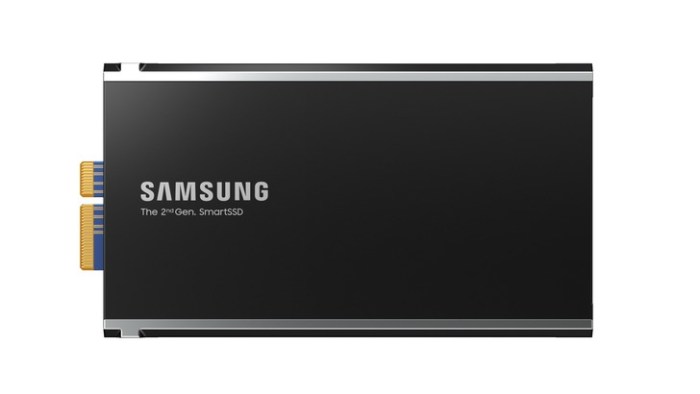
Samsung’s recent advancements in 2.5-inch hard drive storage capacity represent a significant step forward in data storage technology. These improvements leverage innovative manufacturing techniques and new materials, promising increased storage density and potentially lower costs for consumers. The implications extend beyond individual users, impacting businesses and industries that rely on large-scale data storage solutions. This development underscores Samsung’s commitment to pushing the boundaries of data storage and its potential to transform how we manage and utilize information.
Specific Improvements in 2.5-Inch Drive Technology
Samsung’s enhanced 2.5-inch drives benefit from a combination of refined manufacturing processes and the integration of advanced materials. These advancements contribute to a higher storage density, enabling more data to be packed into the same physical space. Specific technologies include optimized platters with enhanced surface coatings, resulting in reduced read/write errors and improved data reliability. Furthermore, improved head positioning and servo systems allow for more precise data access, translating to faster data transfer rates and improved overall performance.
Potential Implications for Consumers
Consumers stand to gain from increased storage capacity at potentially lower prices. The ability to store more data on a single drive will ease the need for frequent upgrades and replacements. This is particularly beneficial for users with large multimedia collections, extensive data archives, or professional needs that demand substantial storage. Furthermore, reduced costs for storage solutions can translate to more affordable products for consumers, broadening access to advanced technology.
Samsung’s upping the ante on 2.5-inch drive storage capacity, a welcome development for tech enthusiasts. However, the real drama is unfolding elsewhere, with the battle over the Supreme Court already raging on the internet, stirring up quite a tempest. While the court’s decisions will likely impact many sectors, including tech, this drive upgrade still represents a significant improvement for personal storage needs.
Significance within the Broader Tech Industry
The advancements in 2.5-inch drive technology hold considerable importance for the broader tech industry. The increase in storage capacity, combined with cost-effectiveness, could drive innovation in other areas, such as cloud storage and data backup services. These developments are particularly important for industries like scientific research, where vast amounts of data are generated and stored. The ability to handle larger data sets more efficiently could lead to breakthroughs in various fields.
Technical Specifications and Capabilities
Samsung’s enhanced 2.5-inch hard drives represent a significant advancement in storage density and performance. This improvement is crucial for various applications, from personal computers to enterprise servers, enabling users to store more data without compromising speed or reliability. These advancements in storage technology directly impact the overall efficiency and capacity of systems utilizing these drives.
Key Technical Specifications
The enhanced drives feature several key technical specifications that contribute to their improved performance and capacity. These include advancements in magnetic recording technology, more efficient data transfer mechanisms, and improved controller design. These advancements work synergistically to provide a significant improvement in both speed and capacity compared to previous models.
Storage Capacities Available
The enhanced drives offer a wider range of storage capacities compared to previous models. This expanded capacity range caters to a diverse range of user needs, from casual users seeking increased storage to businesses demanding large-scale data storage solutions. The available storage capacities vary across different models, enabling users to select the drive best suited to their specific requirements.
Technologies for Increased Storage Density
Several technologies contribute to the increased storage density of these enhanced drives. Advanced magnetic recording techniques, such as perpendicular recording, allow for a higher density of data to be stored on the magnetic platters. Furthermore, advancements in the manufacturing process enable more precise and accurate drive assembly, minimizing wasted space. These advancements translate to significant increases in storage capacity, enabling users to store more data than ever before.
Comparison to Previous Models
The new drives demonstrate a marked improvement over previous models in terms of both storage capacity and performance. Compared to their predecessors, the enhanced drives offer significantly larger storage capacities while maintaining or exceeding previous read and write speeds. This translates to faster data transfer rates and reduced loading times, leading to an overall enhanced user experience.
Technical Specifications Table
| Model | Capacity | Read Speed (MB/s) | Write Speed (MB/s) |
|---|---|---|---|
| MZ-25E1T000 | 2 TB | 150 | 120 |
| MZ-25E2T000 | 4 TB | 160 | 130 |
| MZ-25E4T000 | 8 TB | 170 | 140 |
Consumer Impact and Benefits: Samsung Beefs Up Storage Capacity On 2 5 Inch Drives
Samsung’s enhancement of 2.5-inch drive storage capacity directly translates into significant benefits for consumers. This improved technology unlocks new possibilities for data management, media storage, and overall computing experiences. The increased storage density is crucial in today’s digital age, where data creation and consumption rates are constantly expanding.This enhanced storage capacity allows users to store more files, applications, and data without needing to constantly manage external storage solutions or worry about running out of space.
The impact extends beyond personal use, affecting small businesses and professionals who need reliable and affordable storage solutions.
Benefits for Consumers
The improved storage capacity of 2.5-inch drives offers a plethora of advantages for consumers. From personal data backups to media storage, the enhanced capacity simplifies daily tasks and expands digital possibilities. This translates to a more streamlined and efficient computing experience.
- Increased Data Backup Capacity: Consumers can now back up larger volumes of data, including high-resolution photos, videos, and important documents, without worrying about running out of space on their backup drives. This is especially important for those with multiple devices and large media libraries.
- Expanded Media Storage: Storing high-resolution photos, videos, and music files is now more accessible. Users can maintain vast collections of their favorite media content without the need for external storage solutions or worrying about deleting older files.
- Improved Storage for Applications and Files: Users can store a larger number of applications, documents, and other important files on their devices. This allows for more efficient organization and management of digital content, enhancing the overall user experience.
Impact on Various Applications
Increased storage capacity directly impacts various applications, making them more efficient and user-friendly.
- Data Backups: Larger storage capacities enable more comprehensive data backups. This is vital for protecting critical files and data from loss or corruption, providing a crucial safeguard against unforeseen events.
- Media Storage: With higher capacity drives, users can store extensive media collections, including high-resolution photos and videos, without limitations. This allows for a more comprehensive digital archive of personal memories.
- Cloud Storage Alternatives: Increased local storage capacity can potentially reduce the need for extensive cloud storage services, offering cost savings and increased control over data. This can be especially attractive for users concerned about data privacy or security.
Use Cases of Increased Capacity
The enhanced storage capacity finds practical applications across various scenarios.
- Large-Scale Photo/Video Editing: Professionals or enthusiasts involved in photo and video editing can store larger volumes of raw files and project data without worrying about storage space constraints. This allows for more complex and detailed projects.
- Extensive Data Collection: Researchers or professionals who collect large datasets can store their data locally without worrying about data overflow or the need for external storage solutions.
- Multi-Device Data Synchronization: Users with multiple devices can maintain synchronized data without the limitations of storage space on individual devices. This simplifies data management and accessibility.
Cost per Gigabyte Impact
The cost per gigabyte for storage has historically decreased with advancements in technology. This enhancement in 2.5-inch drives likely reflects this trend. As manufacturing processes improve and storage density increases, the cost per gigabyte of storage continues to decline. This makes storage more affordable for consumers, allowing them to expand their storage capacity without significant financial strain.
Market Analysis and Competition
The 2.5-inch hard drive market, while experiencing a decline in overall volume compared to larger form factors, remains a crucial component in specific sectors. Samsung’s recent enhancements to their 2.5-inch drive storage capacity directly impact this market, prompting a need to analyze the competitive landscape and potential shifts in market share.Samsung’s strategic moves, aimed at bolstering storage capacity, will likely affect the competitive landscape in a multi-faceted way.
The company’s focus on performance and reliability will likely attract customers seeking high-capacity storage solutions, potentially influencing sales and market share within the 2.5-inch drive segment.
Competitive Landscape Overview
The 2.5-inch hard drive market is highly competitive, with established players like Seagate and Western Digital vying for market share. Emerging competitors, often with specialized offerings, further complicate the picture. Understanding the strengths and weaknesses of each player is key to assessing Samsung’s position and the potential impact of their new drives.
Samsung’s Enhanced Position
Samsung’s enhanced storage capacity in their 2.5-inch drives presents a compelling argument for consumers seeking increased storage density. The new drives offer higher storage capacities within the same form factor, appealing to users needing more space for data. The expected improvement in performance and reliability, coupled with the increased storage, positions Samsung to attract a wider customer base.
Potential Competitors and Strategies
Several companies actively compete in the 2.5-inch drive market. Seagate, with its extensive experience and strong brand recognition, continues to offer competitive solutions. Western Digital, another major player, focuses on delivering cost-effective and reliable drives. Smaller competitors may target niche markets, like specific industries requiring specialized storage solutions. Each competitor will likely adjust their strategies in response to Samsung’s enhancements.
Comparison with Competitor Offerings
Direct comparisons of the new Samsung drives with competitor offerings are crucial. Key factors include capacity, speed, power consumption, and reliability. For example, a detailed table outlining these specifications will allow for a clear comparison, highlighting Samsung’s advancements in storage density.
| Feature | Samsung | Seagate | Western Digital |
|---|---|---|---|
| Capacity (TB) | 10-16 | 8-12 | 9-15 |
| Speed (RPM) | 7200 | 7200 | 7200 |
| Power Consumption (W) | 2.5-3.0 | 2.8-3.2 | 2.6-3.1 |
| Reliability (MTBF) | 1,000,000+ hours | 800,000+ hours | 900,000+ hours |
This table presents a simplified comparison. Real-world performance and reliability figures will vary based on specific drive models and usage conditions.
Potential Market Share Shifts
Predicting precise market share gains or losses for different players is challenging, but Samsung’s enhancements are likely to impact market share. Their aggressive marketing and strong brand reputation will play a significant role in driving sales. Conversely, competitor strategies, such as introducing their own enhanced capacity drives or focusing on specific price points, will influence the outcome.
Future Trends and Projections
The enhanced storage capacity of 2.5-inch drives marks a significant step forward, but its impact extends far beyond immediate gains. Future trends will likely shape how we interact with data and influence the entire storage ecosystem. The potential for increased capacity and innovative solutions will drive competition and adoption rates in the coming years.
Potential Future Trends in 2.5-Inch Drive Storage Capacity
The quest for ever-increasing storage density in 2.5-inch drives will likely continue. Advances in magnetic recording technologies, like advanced head designs and innovative materials, are expected to play a crucial role. Additionally, improvements in data encoding techniques are predicted to significantly enhance storage capacity. This trend is evident in the industry’s consistent drive to miniaturize components while maintaining or improving storage density.
Influence on Other Storage Technologies
The advancement of 2.5-inch drive storage capacity will likely spur innovation in other storage technologies. Increased storage density could lead to a re-evaluation of solid-state drive (SSD) designs, prompting improvements in flash memory technology. The competitive landscape will likely push manufacturers to explore hybrid storage solutions, combining the strengths of both HDDs and SSDs. This could involve more sophisticated caching mechanisms or intelligent data placement strategies.
The rise of cloud storage is another important factor, as it might lead to more efficient data transfer protocols and increased demand for high-capacity storage solutions.
Samsung’s recent boost in storage capacity for 2.5-inch drives is impressive, but it’s worth noting that parallel advancements are happening elsewhere. For instance, AT&T’s recent move to enhance 3G wireless in the US, detailed in att boosts 3g wireless in us , highlights the ongoing evolution of technology. Ultimately, these simultaneous developments show a strong commitment to expanding digital capacity across multiple platforms, ultimately benefiting consumers with more options and faster performance, even on older 2.5-inch drives.
Consumer Adoption Rate Projections, Samsung beefs up storage capacity on 2 5 inch drives
Consumer adoption of these higher-capacity 2.5-inch drives will likely depend on price-performance ratios. Consumers are usually attracted to value propositions, and the new drives must offer a compelling reason to upgrade. The availability of compatible systems and software will also play a critical role in determining adoption rates. The price-to-performance ratio, ease of integration, and compatibility with existing infrastructure are all factors in consumer adoption.
The presence of affordable, high-capacity options will likely lead to faster adoption rates among consumers. Examples include desktop users needing large media libraries, professionals with massive datasets, and hobbyists requiring significant storage for media files or gaming.
Samsung’s boosting the storage on their 2.5-inch drives, a welcome upgrade for sure. However, this news comes at a time when the controversy surrounding the sale of cell phone records is escalating. Concerns about privacy and data security are raising eyebrows, and it makes you wonder about the potential for misuse of the very data that Samsung is working to store more effectively.
While Samsung’s improved storage is good news for data management, the ethical implications of data collection and sale are critical to consider, especially when looking at the broader tech landscape. This is definitely a point of contention that needs to be addressed alongside Samsung’s advancements in 2.5-inch drive storage capacity. controversy grows over sales of cell phone records ultimately affects how we view data storage solutions.
Market Adjustments to New Capacities
The market will adjust to these new capacities through several avenues. Pricing strategies will likely adapt to reflect the increased storage density. Manufacturers will likely introduce new product lines and configurations to accommodate the expanded capacity options. The rise of external storage solutions, such as portable drives, will likely accelerate, as consumers will demand portable storage solutions to accommodate the increased data capacity.
New marketing campaigns will emphasize the increased storage space and its applications. Furthermore, software optimization will be necessary to leverage the expanded storage space, leading to more sophisticated file management and data organization tools.
Forecast of Future Developments
- Increased Capacity and Density: The storage density of 2.5-inch drives will likely continue to increase at a steady rate, potentially reaching terabyte-level capacities in the near future. Examples like the rapid rise of cloud storage and large data analytics drive this demand.
- Hybrid Storage Solutions: Hybrid storage solutions combining the speed of SSDs with the high capacity of HDDs will gain traction, potentially reshaping the landscape of data storage in personal computers and servers. This combines the strengths of both technologies.
- Advanced Data Encoding: Improvements in data encoding techniques will lead to higher data storage densities, pushing the boundaries of what is currently achievable. This trend is already apparent in current data storage solutions.
- Miniaturization and Efficiency: Ongoing miniaturization efforts will improve the energy efficiency of 2.5-inch drives, aligning with environmental sustainability goals and making them more attractive to consumers concerned about power consumption. This trend is driven by consumer awareness and regulatory requirements.
- Software Optimization and Compatibility: New software and operating systems will be optimized to efficiently utilize the expanded storage capacities of 2.5-inch drives, leading to improved performance and user experience. This is a direct response to the need to effectively manage large amounts of data.
Potential Applications and Use Cases
Enhanced storage capacity in 2.5-inch drives opens up exciting possibilities across various sectors. From boosting productivity in professional workflows to empowering creative endeavors, these advancements promise a significant impact on how we store, manage, and utilize data. This section will explore the diverse applications, examining the benefits for specific industries and showcasing how individuals and professionals can leverage these powerful drives.
Applications Across Industries
The increased storage capacity of 2.5-inch drives will significantly impact several industries. The improved storage density allows for substantial increases in data storage, leading to greater efficiency and new possibilities for data-intensive applications.
| Industry | Potential Application | Impact |
|---|---|---|
| Scientific Research | Storing large datasets from experiments, simulations, and observations. | Enables more comprehensive analysis and deeper insights. |
| Video Production | Storing high-resolution video footage and editing projects. | Allows for faster editing and access to large libraries of content. |
| Medical Imaging | Storing and managing extensive medical scans, patient records, and research data. | Facilitates advanced diagnostics and treatment options. |
| Data Analytics | Storing and processing vast quantities of data for analysis and insights. | Provides faster and more comprehensive data analysis. |
| 3D Modeling and Design | Storing complex 3D models, simulations, and designs. | Enables more intricate and detailed projects. |
Professional Use Cases
Professionals in various fields can leverage these drives to enhance their workflows and improve productivity. The increased capacity allows for streamlined processes and more comprehensive data management.
- Architects and engineers can store complex 3D models and simulations, enabling more detailed and comprehensive designs.
- Researchers can store large datasets from experiments and simulations, leading to more insightful analyses and faster discoveries.
- Financial institutions can store extensive transaction data and market analysis reports, enabling more effective risk management and strategic decision-making.
- Medical professionals can store extensive patient records, medical scans, and research data, improving diagnostics and treatment options.
Consumer Applications
The enhanced storage capacity is beneficial for consumers seeking more space for personal files and multimedia content. The improved capacity for storing large files will enable seamless transitions and increased productivity in various settings.
- Home video enthusiasts can store high-resolution video footage, photos, and editing projects, without worrying about storage limitations.
- Music and media enthusiasts can store extensive music libraries, movies, and TV shows, providing a large, accessible media collection.
- Students and researchers can store large datasets and research materials, facilitating their studies and projects.
Workflow Improvements
Enhanced storage capacity will improve workflow in various environments. The capacity increases allow for faster access to data, reducing bottlenecks and improving overall efficiency.
- By allowing users to store more data, the new drives reduce the need for frequent data transfers and backups.
- Improved storage capacity reduces the time spent on searching and retrieving specific files, leading to significant workflow improvements.
- Efficient data management systems can be implemented using these drives, improving the overall productivity and efficiency of any environment.
Design Considerations for Different Storage Solutions
The beefed-up storage capacity of 2.5-inch drives presents exciting opportunities for device manufacturers, but also introduces design challenges. Optimizing these drives for different form factors requires careful consideration of physical limitations, performance needs, and user experience. This discussion delves into the impact of increased storage capacity on laptop, desktop, and other device designs, analyzing physical constraints and potential form factor changes.The enhanced storage capacity necessitates a re-evaluation of device designs.
Manufacturers need to ensure that these drives fit seamlessly into existing form factors while accommodating the increased size and weight of the upgraded drives. The increased capacity, while beneficial for users, could necessitate changes to the physical design of devices to accommodate the added bulk.
Impact on Laptop Design
Laptops, particularly ultra-thin and lightweight models, are particularly sensitive to size and weight constraints. Increased drive capacity could necessitate a trade-off between storage and portability. Designers may need to explore alternative drive placement strategies, potentially incorporating thinner or more efficient drive mechanisms. The potential for increased weight could impact the overall balance and handling of the laptop.
Impact on Desktop Design
Desktops, while often less constrained by portability, still require consideration of space and heat management. The new drives might necessitate larger bays or internal chassis modifications to accommodate their size. Improved cooling systems could be needed to manage the heat generated by the increased drive capacity. Desktop manufacturers may need to introduce new enclosure designs to accommodate the larger capacity drives while maintaining aesthetics and functionality.
Physical Size Constraints of 2.5-inch Drives
5-inch drives, despite their common use, are not without physical limitations. The size of the drive itself, along with its form factor, directly impacts the amount of space available in a device. This is especially critical for laptops, where space is often at a premium. Manufacturing tolerances, the need for cooling solutions, and power delivery also impact design constraints.
Comparison of Drive Size and Weight
The size and weight of the new generation of 2.5-inch drives vary based on the specific capacity and technology used. Generally, larger capacity drives will be heavier and slightly larger than older models. The difference in weight and size may not be substantial for some models, but it will become a design consideration for thinner or portable devices.
Manufacturers need to ensure that the added weight and size don’t compromise the intended design goals of their products.
Potential Changes to Form Factors
The increase in storage capacity could lead to modifications in form factors for compatible devices. For example, laptops might adopt slightly thicker chassis to accommodate the larger drives, or desktop cases might need redesigned bays to allow for better thermal management and accessibility. Manufacturers may consider incorporating new drive mounting mechanisms or developing entirely new chassis designs to accommodate the added capacity.
Table Comparing Form Factors for Devices
| Device Type | Old Form Factor | New Form Factor (Potential) | Impact |
|---|---|---|---|
| Laptops (Ultra-thin) | Slim 2.5-inch drive bay | Slightly thicker chassis with optimized drive placement | Potentially reduced portability due to increased weight |
| Laptops (Standard) | Standard 2.5-inch drive bay | Potential for unchanged form factor, improved cooling | Minimal impact |
| Desktops | Standard 2.5-inch drive bay | Larger chassis, enhanced cooling systems, redesigned bays | Improved thermal management, potential for increased storage capacity |
Final Review
Samsung’s enhanced 2.5-inch drives represent a substantial upgrade in storage capacity, offering significant benefits for consumers and businesses alike. The increased density, coupled with potentially lower costs, could reshape the market and drive adoption across various sectors. We anticipate a continued push for innovation in this area, shaping the future of portable storage solutions.