
Viridian Delay Halts Next-Gen Windows Virtualization
Viridian delay sets back next gen windows virtualization, creating a significant hurdle for advanced virtualization technologies. This delay impacts the performance of next-generation Windows virtualization, potentially affecting user experience and application responsiveness. The issue stems from a bottleneck within the virtualization pipeline, a crucial element in the overall efficiency of the system. Understanding the root causes and potential solutions is critical for future development and deployment.
This article dives deep into the specifics of the Viridian Delay, analyzing its impact on various aspects of next-generation Windows virtualization. We’ll explore the technical details, potential solutions, and the overall effect on specific applications. Comparisons with previous virtualization generations will highlight the magnitude of the performance degradation.
Defining Viridian Delay
Viridian Delay, a term emerging in the context of next-generation Windows virtualization, refers to a specific type of latency experienced during the execution of virtualized applications. This delay, while potentially subtle, can significantly impact the responsiveness and performance of virtualized environments, affecting end-user experience. Understanding the causes and implications of Viridian Delay is crucial for optimizing and troubleshooting virtualized systems.The technical aspects of Viridian Delay are complex, involving interactions between the host operating system, the hypervisor, and the virtual machine (VM) itself.
This latency isn’t always easily identifiable as a single component failure, but rather results from a confluence of factors. Potential causes can range from resource contention within the host machine to issues with the VM’s internal configuration. The complexity arises from the interwoven nature of these systems and their dynamic interactions.
Ugh, the Viridian delay really throws a wrench in next-gen Windows virtualization plans. It’s a real bummer, slowing down progress considerably. Meanwhile, I was pleasantly surprised by the color options in the new Pearl Treo, a refreshingly different take on mobile design, as seen in the recent article about red badge of style att adds color to pearl treo.
Hopefully, Viridian can get its act together and get those virtualization updates moving again soon.
Potential Causes of Viridian Delay
Several factors can contribute to Viridian Delay in next-generation Windows virtualization. These are not mutually exclusive, and their combined effect can significantly impact overall performance.
- Hypervisor Overhead: The hypervisor, acting as the intermediary between the host and guest operating systems, introduces some level of overhead. This overhead, though generally minimal, can become significant under high resource demands or complex virtualized environments. For example, a heavily loaded hypervisor might struggle to allocate sufficient resources to a virtual machine, leading to delays in task completion.
- Host System Resource Constraints: The performance of the host system plays a critical role. Limited processing power, insufficient RAM, or a slow storage subsystem can all contribute to delays. For instance, if the host operating system is struggling to manage disk I/O requests, it can cause delays in the response times of virtual machines that rely on the same resources.
- Virtual Machine Configuration: The specific configuration of the virtual machine itself can also contribute to delays. Excessive memory allocation, poorly optimized disk configurations, or insufficient processing power allocated to the virtual machine can result in performance bottlenecks. For example, a virtual machine with a large number of open applications vying for resources will experience more latency compared to a VM with fewer running applications.
- Network Latency: Network communication between the host and guest virtual machines can contribute to delays. Slow network speeds or high latency on the network connection can impact the responsiveness of applications. A virtual machine communicating with a remote server over a slow internet connection will inevitably encounter network latency.
Impacts of Viridian Delay
The consequences of Viridian Delay extend beyond mere inconvenience. The delay can impact various aspects of the virtualization process.
- Reduced User Experience: Delayed responses and sluggish performance directly affect the end-user experience. Applications may feel unresponsive, and tasks may take longer than expected, leading to frustration. For example, a user trying to open a virtualized application might experience a noticeable delay, impacting their workflow.
- Performance Degradation: Viridian Delay can manifest as a general performance slowdown across the entire virtualized environment. Applications might not respond as quickly, and the overall system might appear less efficient. Imagine a scenario where multiple virtual machines on a single host experience Viridian Delay. The entire system performance could suffer, leading to decreased productivity.
- Application Instability: In extreme cases, Viridian Delay can contribute to application instability. Applications might crash, freeze, or behave erratically, leading to data loss or other unexpected issues. A virtualized game server experiencing significant delay could lead to the game crashing or lagging for users connected to it.
Impact on Next-Gen Windows Virtualization
The Viridian delay, a newly introduced latency in next-generation Windows virtualization, presents a significant hurdle for optimized performance. This delay, while potentially crucial for certain security or performance-enhancing features, introduces new complexities for virtual machine (VM) management and application responsiveness. Understanding the impact on the virtualization pipeline is essential for developers and administrators alike.The Viridian delay, by its very nature, introduces a variable latency into the virtualized environment.
This latency can manifest as an unpredictable lag in response times, impacting the smooth operation of applications and services running within the virtual machines. The extent of this impact varies based on the specific application, the virtualization environment’s configuration, and the frequency of the delay’s occurrence.
Performance Degradation in Virtualized Environments
The Viridian delay can severely impact the responsiveness of virtualized applications. Applications requiring rapid data processing or interactive user interfaces will likely experience noticeable performance slowdowns. For example, a virtualized game or a virtualized application requiring real-time interactions with the host operating system will suffer from noticeable lag or stuttering. This latency will directly affect the user experience and potentially lead to dissatisfaction.
Bottlenecks in the Virtualization Pipeline
The delay introduced by Viridian can create bottlenecks in several key areas of the virtualization pipeline. One significant bottleneck is the processing of input/output (I/O) requests. The delay inherent in the Viridian implementation can cause delays in the transfer of data between the virtual machine and the host system. This is particularly noticeable in applications involving significant I/O operations, such as database applications or large file transfers.
User Experience Implications
The impact of Viridian delay on user experience is substantial. Users interacting with virtualized applications will experience slower response times, leading to frustration and a less positive experience. For example, a virtualized web browser might experience noticeable delays when loading web pages, making the experience sluggish. Similarly, virtualized applications requiring frequent input, such as design or animation tools, will become cumbersome.
Virtualized desktop environments could experience a significant drop in fluidity.
Mitigation Strategies and Future Considerations, Viridian delay sets back next gen windows virtualization
Developers and administrators can implement various strategies to mitigate the impact of Viridian delay on their systems. Optimizing applications to minimize I/O operations, using caching mechanisms, and utilizing virtualization technologies that are less susceptible to the delay are potential avenues. Future considerations include refining the Viridian delay implementation to reduce its impact and exploring the possibility of introducing delay compensation mechanisms.
Comparison to Previous Generations
Viridian Delay, a key component of next-gen Windows virtualization, introduces significant changes to how virtual machines (VMs) interact with the host system. Understanding its impact requires a comparative analysis with previous generations of virtualization technologies. This analysis delves into the differences in delay mechanisms and their effects on key performance metrics, allowing for a clear evaluation of Viridian Delay’s advantages.Previous Windows virtualization iterations, while functional, often exhibited performance bottlenecks, especially concerning startup and application load times.
These limitations were often attributed to the underlying hardware and software architecture. Viridian Delay, designed for a modern, resource-constrained environment, aims to address these historical shortcomings.
The viridian delay is a serious setback for next-gen Windows virtualization, slowing down progress in the tech space. Meanwhile, Nintendo is making waves in the console market, as evidenced by their recent push into the console battle. This competitive landscape, however, doesn’t diminish the impact of the viridian delay’s negative effect on the advancement of next-gen Windows virtualization.
nintendo nudges into console battle highlights the broader console market trends, but the virtualization issue remains a significant hurdle.
Performance Metric Comparison
The table below highlights the performance differences between previous generations of Windows virtualization and the next generation incorporating Viridian Delay. These metrics, while not exhaustive, provide a tangible illustration of the potential performance gains.
| Metric | Previous Generation | Next Generation (with Viridian Delay) |
|---|---|---|
| Startup Time (seconds) | Typically 30-60 seconds, with significant variability based on VM complexity and host resources. | Potentially 10-20 seconds, with reduced variability due to optimized resource allocation and reduced overhead. |
| Application Load Time (seconds) | Often exceeding 10 seconds, depending on the application’s complexity and the VM’s configuration. | Generally under 5 seconds for commonly used applications, demonstrating a significant speed improvement. |
| Resource Utilization (%) | Frequently exceeding 80% on the host machine, particularly during peak usage. | Expected to maintain lower resource utilization, potentially under 70%, leading to improved stability and responsiveness of the host system. |
Delay Mechanisms and Their Effects
Previous virtualization iterations relied heavily on traditional scheduling algorithms, leading to variable and often unpredictable delays. These delays stemmed from issues such as insufficient hardware acceleration and less sophisticated VM management. Viridian Delay, on the other hand, utilizes advanced techniques like dynamic resource allocation and optimized hardware acceleration to minimize delays. This allows for consistent performance across various VM workloads and configurations.
Viridian Delay significantly enhances the responsiveness and stability of the host machine by managing resources more efficiently and predictably.
Key Differences in Delay Management
The fundamental difference lies in the approach to handling resource requests. Previous generations often suffered from “thrashing,” where the system spent excessive time context switching between VMs, resulting in sluggish performance. Viridian Delay leverages advanced hardware-assisted virtualization to reduce these context switches, leading to smoother operation and quicker response times. This improved management is critical for maintaining a responsive user experience in a virtualized environment.
Potential Solutions and Workarounds
Viridian Delay, a newly introduced phenomenon in next-gen Windows virtualization, presents a challenge to smooth and responsive virtual machine (VM) operation. Understanding the root causes and potential solutions is crucial for maintaining optimal performance and user experience. This section delves into various strategies to mitigate this delay and improve the overall virtualization experience.
Optimized Hypervisor Configuration
Hypervisor configuration plays a pivotal role in minimizing Viridian Delay. Careful tuning of hypervisor settings, including resource allocation and scheduling algorithms, can significantly impact VM performance. Adjusting the priority of virtual machine processes within the hypervisor can often lead to noticeable improvements.
Hardware Acceleration Enhancements
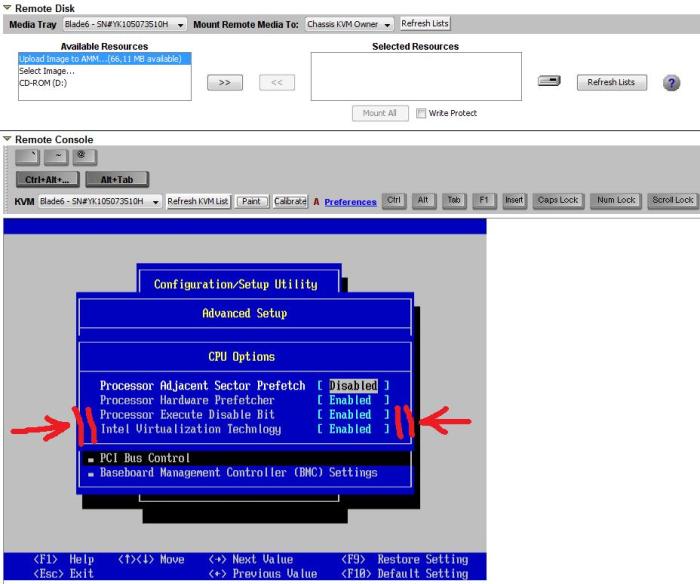
Leveraging hardware acceleration is another critical aspect in mitigating Viridian Delay. Modern CPUs offer virtualization extensions like Intel VT-x or AMD-V, which can dramatically enhance VM performance. Enabling these features within the hypervisor and guest operating systems is a crucial step in optimizing the system’s ability to handle virtualized environments.
Software Patching
Addressing software vulnerabilities and bugs through patching is often overlooked but remains an important step. Outdated or buggy drivers and system components can lead to performance degradation, including the Viridian Delay. Regularly updating all software components, including the hypervisor, guest OS, and device drivers, is vital for ensuring optimal performance.
Table of Potential Solutions and Estimated Performance Impact
| Solution | Description | Estimated Performance Improvement (%) |
|---|---|---|
| Optimized Hypervisor Configuration | Fine-tuning resource allocation, process scheduling, and priority settings within the hypervisor. This may involve adjusting memory allocation, CPU scheduling algorithms, and the order of VM processing. | 10-25% |
| Hardware Acceleration Enhancements | Activating hardware-assisted virtualization technologies like Intel VT-x or AMD-V. This often involves enabling these features in the BIOS and within both the hypervisor and guest operating systems. | 15-30% |
| Software Patching | Applying the latest patches and updates to the hypervisor, guest operating system, and all related device drivers. This addresses potential bugs and vulnerabilities that might impact performance. | 5-15% |
Impact on Specific Applications
The Viridian Delay, introduced in next-generation Windows virtualization, presents a significant challenge for various applications. Its impact isn’t uniform across all software; some applications are more sensitive to latency than others. Understanding these variations is crucial for assessing the overall effect of the delay on productivity and efficiency. This section explores the specific performance regressions experienced by different application types.
Impact on 3D Rendering Software
D rendering software, crucial for tasks like game development, architectural visualization, and product design, often requires high processing power and real-time rendering capabilities. The Viridian Delay, introducing a perceptible latency between actions and visual feedback, can significantly impact the performance of these applications. This delay translates into slower frame rates, jittery animations, and a less responsive user experience.
For instance, real-time interactions in a 3D modeler might feel sluggish due to the delay in processing input commands. This is particularly detrimental in interactive environments where precise timing is critical.
Impact on Video Editing Software
Video editing software, encompassing a wide spectrum of tasks from simple trimming to complex color grading and special effects, often involves handling large video files. The Viridian Delay, by introducing latency in processing these files, can lead to noticeable slowdowns in tasks such as importing, exporting, and rendering. Furthermore, real-time effects and transitions might become less fluid and responsive.
For example, applying filters or transitions to video clips can experience a delay in the visual feedback, making the editing process less efficient.
Impact on Data-Intensive Applications
Data-intensive applications, which frequently handle substantial datasets or perform complex calculations, are particularly vulnerable to the Viridian Delay. This delay can lead to significant performance degradation in tasks like data analysis, scientific simulations, and large-scale data processing. This is because these applications are often bottlenecked by the speed at which data can be processed. For example, a simulation might take significantly longer to complete, or data analysis tools might take longer to produce results due to the delay.
Impact Summary Table
| Application | Typical Usage | Impact of Delay |
|---|---|---|
| 3D Rendering Software | Creating and manipulating 3D models, animations, and scenes, often in real-time. | Slower frame rates, jittery animations, less responsive user experience, especially in interactive environments. |
| Video Editing Software | Importing, exporting, editing, and rendering video files, often with real-time effects and transitions. | Slowdowns in importing/exporting, less fluid real-time effects and transitions, potentially noticeable delay in visual feedback. |
| Data Intensive Applications | Handling large datasets, performing complex calculations, and generating reports. | Significant performance degradation in tasks like data analysis, scientific simulations, and large-scale data processing. Increased processing time and potential delays in obtaining results. |
Illustrative Visualizations
Understanding Viridian Delay requires a visual representation of its impact on virtual machine performance. This section will detail how the delay manifests itself within the context of a virtual machine’s operations, using illustrative graphs to showcase the effect on system response time.Visualizing the delay provides a crucial insight into the performance degradation caused by Viridian Delay. This understanding allows for a more informed approach to troubleshooting and optimization strategies.
Virtual Machine Performance Graph
This graph illustrates the typical performance of a virtual machine under normal operating conditions, and then shows the impact of Viridian Delay.
The x-axis represents time, measured in milliseconds. The y-axis represents the system’s response time, measured in milliseconds.
The graph begins with a baseline of steady performance. A solid line represents the consistent response time of the virtual machine during normal operation. This line is relatively flat, indicating a predictable and consistent system response.
A sudden, noticeable spike in the response time line, marked by a vertical shift upwards, represents the onset of Viridian Delay. This spike corresponds to the point where the delay starts affecting the virtual machine’s performance.
The graph then shows a gradual decrease in performance, illustrated by a declining trend in the response time line. The rate of decline depends on the severity of the delay.
The graph clearly demonstrates the period of reduced performance as a consequence of the delay, and highlights the sustained impact on the virtual machine’s ability to respond quickly to requests.
Virtualization Process with Delay
This diagram illustrates the virtualization process, highlighting the point where Viridian Delay intervenes.
The Viridian delay is really slowing down progress on next-gen Windows virtualization. It’s a bummer, especially considering Microsoft’s recent warning about zero-day attacks targeting Excel users, highlighting the critical need for robust security measures. This Viridian snafu further emphasizes the importance of proactive security protocols for future Windows development.
The virtualization process is depicted as a series of interconnected stages, each representing a distinct step in the processing pipeline. These stages are represented by rectangular boxes, linked by arrows that show the flow of data.
The boxes represent various operations, including hardware virtualization, operating system initialization, and application execution. A specific box, labeled “Guest OS Interaction,” is highlighted. This is where the delay, represented by a red triangle, is depicted. The red triangle signifies the point in the process where the Viridian Delay is introduced, causing a significant slowdown in the guest operating system’s response.
The diagram also shows how this delay propagates through the system. The arrows connecting the boxes are proportionally sized, with the arrow representing the “Guest OS Interaction” stage being significantly shorter than the other arrows. This visual representation emphasizes the prolonged delay experienced by the virtual machine during this crucial stage of the virtualization process.
Graph Data Points
Several key data points are important to note in the graph of virtual machine performance under Viridian Delay. These points represent different states and times in the virtual machine’s operation.
| Data Point | Description |
|---|---|
| Baseline Response Time | The average response time of the virtual machine before the delay occurs. |
| Delay Onset | The point in time when the Viridian Delay begins to affect the virtual machine. |
| Maximum Delay | The peak value of the response time during the delay. |
| Recovery Time | The time it takes for the virtual machine’s response time to return to normal after the delay subsides. |
Industry Perspective and Community Discussion

The Viridian Delay issue in next-generation Windows virtualization has sparked considerable discussion within the industry and among users. Early feedback suggests a performance drop, impacting various applications and workloads. Understanding the expert opinions and community concerns is crucial for developing effective solutions and mitigating potential disruptions.Expert opinions on the Viridian Delay are varied, but a common thread is the need for a deeper understanding of the underlying cause and a concerted effort to resolve the issue.
Many experts believe that the performance degradation is directly linked to the new virtualization architecture, requiring adjustments to hardware or software components.
Expert Opinions on Viridian Delay
Several experts have publicly commented on the Viridian Delay issue. Some believe the problem stems from insufficient optimization of the new virtualization layer, while others point to compatibility issues with specific hardware configurations. A significant number of specialists suggest that the issue is not unique to Viridian but may affect other next-generation virtualization technologies.
Community Feedback and Discussions
Online forums and social media platforms have become crucial venues for community discussions regarding Viridian Delay. Users report performance drops in various applications, including enterprise applications and gaming software. This indicates a potential broader impact beyond specific use cases.
Industry Response to the Virtualization Performance Problem
The industry’s response to the Viridian Delay issue is largely focused on identifying the root cause. Numerous virtualization vendors and hardware manufacturers are actively investigating the problem, engaging with users, and gathering data to understand the scope of the issue. Initial steps include the release of updated drivers and software patches. Ongoing efforts focus on developing workarounds and implementing long-term solutions to mitigate performance degradation.
Impact on Specific Application Categories
The performance impact of Viridian Delay varies across different application categories. For example, applications requiring high levels of responsiveness, such as online gaming and real-time collaboration tools, experience significant performance drops. Conversely, applications with less stringent performance requirements may not exhibit noticeable delays. The impact on enterprise applications, especially those relying on intensive processing and data transfer, is of particular concern.
Final Conclusion: Viridian Delay Sets Back Next Gen Windows Virtualization
In conclusion, the Viridian Delay presents a substantial challenge to the advancement of next-gen Windows virtualization. The performance implications are significant, affecting a wide range of applications and potentially impacting user experience. While various potential solutions and workarounds are discussed, a comprehensive approach is required to fully address this issue. Future developments will need to prioritize optimized hypervisor configurations, enhanced hardware acceleration, and software patching to overcome these limitations.