Virtual Me Crosses Game-TV Barrier
Virtual me crosses game tv barrier – Virtual me crosses game-TV barrier sets the stage for a fascinating exploration of how gaming and television are converging. This blending of interactive experiences and traditional viewing is transforming entertainment, creating new possibilities and challenges. From the evolution of virtual avatars to the integration of game mechanics in TV shows, this convergence promises a richer, more immersive viewing experience for audiences.
The concept of a “virtual me” – a personalized digital representation – has become deeply ingrained in gaming culture. Now, this concept is spilling over into the realm of television and streaming services, opening exciting new avenues for storytelling and audience engagement. This article delves into the technical, social, and cultural implications of this burgeoning trend.
Defining the Virtual Me Phenomenon
The concept of a “virtual me” transcends the digital realm, deeply intertwining with our experiences in online gaming. It represents the embodiment of ourselves within a virtual environment, a digital persona crafted and cultivated to interact with others and the game’s world. This digital self often mirrors, or significantly differs from, our real-life identities, shaped by player choices and the mechanics of the game itself.This virtual representation allows players to explore facets of their personalities that might be otherwise unavailable or challenging to express in real life.
The freedom to create and shape a unique virtual identity has become increasingly prevalent across various platforms, from massively multiplayer online role-playing games (MMORPGs) to first-person shooters and even mobile games.
Representations Across Game Platforms
Different game platforms offer unique ways for players to construct their virtual me. MMORPGs often allow extensive customization of characters’ appearance, skills, and even their backstory. First-person shooters, while often less focused on character development, still allow players to personalize their loadouts and playstyles, which can indirectly shape their virtual persona. Mobile games, particularly those focused on avatar-based interactions, have fostered the creation of visually distinct characters and personalized experiences.
The virtual me is not limited to a single archetype; it adapts to the platform’s mechanics and user expectations.
Evolution of Virtual Me
The virtual me has evolved from simple avatars to complex, nuanced representations of the player. Early online games often relied on limited customization options, forcing players to create a virtual self based on rudimentary parameters. However, advancements in technology and the increasing sophistication of game design have expanded the possibilities, leading to more detailed and engaging virtual personas. This evolution has mirrored the broader growth of online gaming communities and the development of sophisticated virtual worlds.
My virtual avatar just leaped over the game-TV barrier, and now I’m pondering the underlying tech. It’s fascinating how advancements in virtual reality are impacting everything, even the seemingly mundane. This exciting evolution reminds me of the current Linux vs Longhorn debate, where the future of storage solutions is fiercely contested. Linux vs Longhorn the battle is joined is a great read for anyone interested in the nuts and bolts of this.
Ultimately, this virtual me crossing over to the TV screen is a significant step forward, opening up exciting possibilities for gaming and entertainment.
Key Characteristics and Motivations
The virtual me is characterized by a unique set of traits and motivations that drive its creation and interaction. Players often seek to express their individuality and explore different aspects of their personality within the virtual world. The desire to achieve a specific in-game goal or reputation can also significantly shape the development of a virtual persona. A player might meticulously craft a warrior persona in a fantasy MMORPG, reflecting their real-life ambition and desire for strength and achievement.
- Expression of Identity: Players often use virtual me to explore aspects of their personality, role-playing different traits or personas they might not exhibit in real life. This allows for self-expression in a safe and controlled environment.
- Social Interaction: The virtual me facilitates interactions with other players, enabling friendships, rivalries, and collaborations within the game. This social aspect often becomes a significant driver in the development and maintenance of the virtual persona.
- Achievement and Recognition: Players often strive for recognition within the virtual world. This motivates the development of a virtual me that embodies the desired skills, appearance, or status.
- Escape and Fantasy: The virtual me allows players to escape from their daily lives and immerse themselves in a world of fantasy. The creation and interaction with this persona often fulfills a need for adventure, exploration, and role-playing.
Gaming’s Influence on TV and Streaming
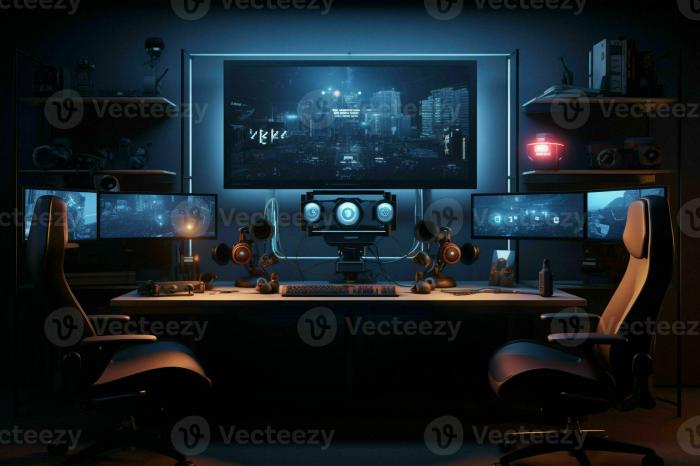
The lines between gaming and television are blurring, with streaming platforms increasingly incorporating game-like elements into their programming. This fusion is not merely a trend; it represents a fundamental shift in how audiences consume entertainment, blurring the boundaries between passive viewing and active participation. The integration of game mechanics and narratives is altering the very nature of television experiences, pushing the medium into uncharted territories.The methods used to incorporate game-like elements into TV shows and streaming content are multifaceted.
These methods range from interactive storylines allowing viewers to influence the narrative, to the use of mini-games within the show’s episodes or streaming platform features. This often involves employing familiar gaming concepts such as points systems, challenges, leaderboards, and virtual rewards to enhance engagement.
Methods of Incorporating Game-like Elements
Integrating game mechanics into TV shows and streaming content often leverages established gaming principles. This allows viewers to actively participate in the narrative and earn rewards, transforming passive viewing into an interactive experience. For instance, certain streaming platforms have implemented features where viewers can influence the plot by selecting options during critical moments, effectively turning the viewing experience into a choice-driven adventure.
Impact of Game Mechanics and Narratives
Game mechanics and narratives, when effectively integrated, can significantly impact TV and streaming platforms. They can increase viewer engagement and retention by encouraging active participation. Furthermore, interactive narratives can introduce new storytelling approaches that go beyond the traditional linear format, allowing for more dynamic and personalized experiences. This is particularly evident in interactive fiction, where user choices directly shape the story’s outcome.
For example, the popularity of shows with branching storylines, where viewer decisions influence the direction of the narrative, demonstrates the effectiveness of incorporating game mechanics into traditional storytelling.
Emergence of Interactive TV Experiences
Interactive TV experiences are rapidly emerging, often mirroring the features found in video games. These experiences go beyond simple interactive elements; they incorporate sophisticated game mechanics and virtual worlds into the television viewing environment. Interactive streaming platforms and applications have started to develop, offering users a level of control and engagement that traditional television lacks. The user is no longer just a passive observer but an active participant, shaping the narrative through choices and actions.
Comparison of User Experiences
Traditional TV viewing offers a largely passive experience, focused on consuming content as presented. However, gaming-integrated TV experiences fundamentally alter this dynamic. Viewers actively participate in the narrative, earning points, completing challenges, and interacting with virtual environments. This active engagement transforms the viewing experience into a more interactive and personalized journey. A key difference lies in the control the user has over the content.
In traditional television, the narrative unfolds pre-determined; in interactive experiences, the viewer’s choices drive the narrative. This difference significantly alters the user experience, moving from a passive reception of information to an active shaping of it.
Virtual Me Crossing the Barrier
The lines between the digital and physical worlds are blurring faster than ever, and this is particularly evident in the entertainment industry. TV shows and streaming services are increasingly incorporating gaming elements and virtual experiences, creating immersive narratives that engage viewers in unprecedented ways. This fusion of virtual and real-world elements is not just a trend; it’s a fundamental shift in how we consume and interact with entertainment.This evolution allows for a deeper connection with characters and storylines.
The integration of virtual environments into the narrative tapestry of television creates a richer, more dynamic viewing experience, moving beyond passive observation to active participation.
Examples of Gaming-Integrated TV Shows and Streaming Content
The convergence of gaming and TV is not a new phenomenon, but the level of integration is rapidly escalating. Numerous shows and streaming services are actively leveraging game mechanics and virtual worlds to enhance storytelling and viewer engagement. For example, Netflix’s “The Witcher” series uses the game’s lore and aesthetics to establish its universe, immersing viewers in a fantastical realm.
Furthermore, “Arcane” from Riot Games demonstrates how a game’s universe can be vividly translated into a compelling animated series, showcasing intricate character development and world-building.
Emerging Trends in Blending Virtual and Physical Experiences
The trend towards merging virtual and physical experiences in entertainment is multifaceted and evolving rapidly. One prominent trend involves the use of virtual reality (VR) and augmented reality (AR) technologies to enhance viewer engagement. Imagine a show where viewers can use VR headsets to explore the fictional world alongside the characters, or where AR overlays bring interactive elements to the screen.
This allows for a greater sense of presence and immersion. Further, the incorporation of in-game economies into the narrative is gaining traction. This could involve virtual currency or items that influence the plot or even unlock additional content.
Game-like Mechanics for Enhanced Viewer Engagement
Various game-like mechanics are being implemented to engage viewers in a more interactive way. These include challenges, quests, and rewards that are directly integrated into the show’s narrative. Think of a reality TV show where viewers can vote for the characters’ actions in real-time or a streaming series with mini-games that unlock exclusive content. This active participation fosters a deeper connection with the story and characters.
The Role of Virtual Avatars and In-Game Interactions
Virtual avatars are increasingly used to represent viewers within the virtual environments featured in shows. These avatars can participate in in-game interactions, offering a more personalized and immersive viewing experience. Imagine a streaming platform where users can create an avatar to represent themselves in the show’s virtual world, interacting with characters and other viewers in real-time. This opens up a whole new realm of social engagement and interaction.
Technical Aspects and Design Considerations
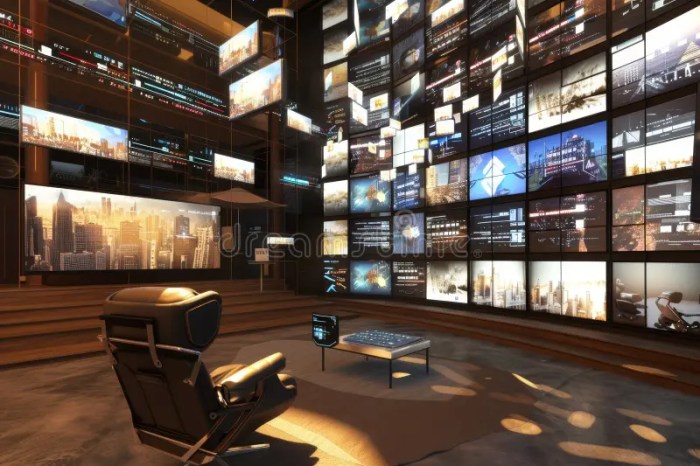
Bridging the gap between gaming and television requires a sophisticated understanding of technical methodologies. The integration of virtual characters and interactive elements into traditional TV programming necessitates innovative approaches to user experience and technical infrastructure. This section delves into the key technical aspects and design considerations that underpin the successful implementation of virtual me technology within the television landscape.The success of virtual me experiences hinges on seamless integration and user engagement.
Creating a believable and immersive environment for viewers demands a strong foundation in technical design, encompassing real-time rendering, user interface (UI) design, and network infrastructure.
Methods for Bridging Gaming and TV
The key to bridging the gap between gaming and TV lies in developing robust technologies that facilitate real-time interaction between the virtual world and the television experience. This necessitates a blend of streaming technologies, game engines, and custom-designed software. Real-time rendering techniques are crucial for creating fluid and responsive virtual environments that can adapt to user input and actions.
System for Seamless Integration
A robust system for seamlessly integrating gaming elements into TV programming requires a carefully designed architecture. The system should be capable of dynamically adapting to viewer interactions and presenting information in a manner that enhances the television viewing experience. This could involve using a cloud-based platform that handles processing, rendering, and data transfer, enabling a more scalable and responsive solution.
Challenges in Creating Immersive Experiences
Creating immersive experiences for both gaming and TV platforms presents several significant challenges. The primary challenge lies in maintaining responsiveness and fluidity in real-time while accounting for the diverse hardware capabilities and internet connectivity of viewers. Ensuring consistency in graphical fidelity across various devices and screen sizes is also critical.
User Experience Implications
Virtual me interactions significantly impact the user experience. The user’s ability to control and interact with the virtual character directly influences the engagement and immersion levels. Designing intuitive interfaces and clear instructions is essential to facilitate smooth transitions between gaming and viewing modes. Furthermore, the system must account for diverse user demographics and preferences, ensuring accessibility and inclusivity.
Technical Infrastructure Considerations
The technical infrastructure supporting the integration of virtual me technology into TV programming requires significant consideration. This includes high-bandwidth internet connections, robust server farms, and powerful rendering capabilities to handle real-time processing and data transfer. Scalability is also crucial to accommodate a growing number of users and concurrent interactions.
Social and Cultural Impacts
The convergence of virtual avatars and mainstream television is poised to reshape our social interactions and cultural landscape. Virtual characters, imbued with personality and agency, are no longer confined to the digital realm. Their presence on our screens will inevitably spark conversations about identity, representation, and the very nature of entertainment itself. This evolution will have significant ramifications for how we perceive ourselves and the world around us.The integration of virtual characters into our viewing habits is not simply a technological advancement; it’s a cultural shift.
It signifies a blurring of lines between the real and the virtual, challenging traditional notions of what constitutes “real” entertainment. This crossover will inevitably trigger a cascade of social and cultural impacts, including the potential for new forms of community engagement, shifts in entertainment consumption, and evolving perceptions of authenticity.
Virtual avatars are breaking through, appearing in gaming and on TV screens. This surge in virtual me’s presence across these platforms is noteworthy, especially considering the recent report predicting a drop in handset revenue this year. report handset revenue expected to drop this year This could signal a shift in how we interact with technology, with virtual experiences becoming increasingly central to our entertainment and communication.
The future of virtual me, it seems, is bright and is certainly a force to be reckoned with on gaming and TV screens.
Potential Social Impacts
The emergence of virtual me characters on television will undoubtedly impact social interactions. Viewers may develop stronger emotional connections with these avatars than with traditional actors, fostering a new kind of community engagement. Shared experiences surrounding virtual characters could lead to new forms of social bonding and interaction, particularly among younger audiences. Conversely, there’s a potential for heightened social comparisons and anxieties, as viewers may evaluate their own lives in relation to the seemingly perfect lives of these virtual personas.
Influence on Cultural Norms and Trends
Virtual me characters, through their representation in entertainment, can influence cultural norms and trends. Their portrayal of diverse identities, personalities, and experiences can foster greater acceptance and understanding of different viewpoints. However, if not carefully managed, such representations could reinforce harmful stereotypes or perpetuate existing inequalities. Furthermore, the virtual environment allows for experimentation with cultural norms, potentially challenging societal expectations and norms.
The ongoing debates around representation in entertainment will intensify as these virtual characters gain prominence.
Ethical Concerns Regarding Representation, Virtual me crosses game tv barrier
The representation of virtual identities in entertainment raises significant ethical concerns. Ensuring these virtual characters are not used to promote harmful stereotypes or exploit vulnerable groups is paramount. The need for careful consideration of cultural sensitivity and inclusivity becomes even more crucial in this new space. Furthermore, the potential for manipulation and misrepresentation through advanced virtual technology requires robust ethical guidelines and regulations.
There’s a crucial need to develop frameworks that ensure accurate and unbiased portrayal of virtual characters in entertainment.
Effects on Viewer Behavior and Engagement
The introduction of virtual me characters in television programming may alter viewer behavior and engagement patterns. Viewers may become more accustomed to interactive and immersive experiences, leading to a shift in entertainment preferences. The ability to interact with virtual characters directly could potentially enhance engagement and foster a sense of connection with the content. Furthermore, the level of engagement could vary depending on the specific characteristics of the virtual character and the programming in which they appear.
Virtual avatars are breaking through the barrier between gaming and television, creating new opportunities for entertainment. This rise in popularity is closely tied to the current viral sensation, with “sober” now surpassing “zafi” as the reigning king of online trends, as seen in this insightful article. This trend directly impacts how virtual characters are used, from in-game interactions to TV appearances, demonstrating a fascinating intersection of technology and pop culture.
It’s important to note that this shift in viewer behavior could also create a dependency on virtual experiences.
Future Possibilities and Predictions
The convergence of virtual avatars, gaming, and television is poised to reshape entertainment consumption, offering unprecedented possibilities for immersive experiences and new revenue streams. The “virtual me” is no longer a futuristic concept; it’s rapidly becoming a tangible reality. This evolution will dramatically impact how we interact with media, and the potential business models surrounding it are truly fascinating.This evolution is driven by advances in technology, coupled with a growing demand for personalized and interactive experiences.
The future will be characterized by seamless integration of gaming and television, blurring the lines between passive consumption and active participation. This shift promises to redefine how we engage with entertainment, fostering deeper connections and richer narratives.
Projected Evolution of the Virtual Me
The “virtual me” will likely transition from a simple avatar representation to a more sophisticated and nuanced reflection of individual personalities and preferences. Imagine avatars that adapt to user behavior, learning and evolving alongside their owners. Facial expressions, body language, and even emotional responses could become increasingly realistic and dynamic, driven by advanced AI. This sophistication will lead to more believable and engaging virtual interactions within gaming and entertainment.
Changes in Entertainment Consumption Dynamics
The crossover of gaming and TV will significantly alter entertainment consumption. Instead of passively watching, viewers will become active participants, shaping storylines and characters through their virtual representations. Imagine live-action TV shows where the audience’s virtual me can directly influence the narrative unfolding on screen. This interactive aspect will lead to a personalized entertainment experience tailored to individual preferences.
Impact on Different Demographics
The “virtual me” phenomenon has the potential to resonate with a wide range of demographics. Gamers, in particular, are already accustomed to avatars and virtual worlds. This technology could also attract new audiences, including those who have traditionally been less engaged with gaming or streaming. Families could enjoy shared experiences through their virtual representations, creating a new form of connection.
Elderly individuals could benefit from engaging with virtual environments in a less physically demanding way. The possibilities for inclusivity are considerable.
Potential Business Models
The convergence of gaming and TV opens exciting new business models. Subscription services could combine streaming access with virtual avatar customization and in-game purchases. Advertising could become more immersive and interactive, leveraging the “virtual me” to deliver targeted messages within entertainment content. Licensing and merchandise related to virtual characters and storylines will likely become significant revenue streams.
The future of entertainment will be a hybrid marketplace where gaming and television merge seamlessly. The creation of unique and interactive content, accessible through a variety of devices, is paramount for these businesses. New forms of interactive advertising and personalized content are emerging in response to this convergence. The potential for cross-promotional campaigns between streaming services and game developers is enormous.
Interactive Content Creation: Virtual Me Crosses Game Tv Barrier
The future of television hinges on engagement, and interactive content creation is poised to revolutionize the viewer experience. Interactive elements allow viewers to actively participate in the narrative, moving beyond passive consumption to become active participants in the story. This dynamic approach promises to foster deeper connections with the content and the characters, enhancing the overall entertainment value.
Interactive TV Content Types
A diverse range of interactive TV content formats are emerging, pushing the boundaries of traditional broadcasting. These interactive elements span various forms of engagement, enabling viewers to influence the narrative, explore virtual environments, and participate in game-like challenges.
| Content Type | Description |
|---|---|
| Quiz Shows | Interactive quizzes integrated into regular programming, often with points or rewards for correct answers. |
| Interactive Storytelling | Viewers make choices that directly impact the plot and character development, shaping the narrative’s trajectory. |
| Voting and Polls | Viewers cast their votes or participate in polls on-screen, affecting the outcome of events or storylines in real-time. |
| Virtual Reality Experiences | Immersive experiences that transport viewers into a virtual environment, allowing them to interact with the show’s world in a tangible way. |
| Games and Challenges | Integrating game mechanics into TV programming, offering viewers the chance to compete, solve puzzles, or navigate virtual worlds. |
Virtual Me Interactions in Interactive TV
The concept of “Virtual Me” can be seamlessly integrated into interactive TV content, enabling viewers to personalize their experience and interact with virtual representations of characters and environments. This creates a more engaging and personalized television experience.
Methods of Engagement with Virtual Me
Several methods allow viewers to engage with their “Virtual Me” within the TV environment. These methods include but are not limited to: creating personalized avatars, controlling the avatar’s actions in virtual environments, and interacting with virtual characters through voice commands or gestures.
- Avatar Customization: Viewers can customize their virtual representation, allowing them to express their individuality and tailor their experience to their preferences. This feature enhances personal connection to the virtual world.
- Virtual World Navigation: Interactive elements allow viewers to explore virtual worlds, enabling them to interact with the show’s environment and potentially impact the storyline. For instance, viewers could navigate a virtual museum or explore a city depicted in the show, based on their choices.
- Voice and Gesture Recognition: Using voice and gesture recognition technology, viewers can control their avatar’s actions, allowing for a more natural and intuitive interaction. This technology brings a tangible sense of participation to the viewing experience.
- Real-time Interaction: Viewers can participate in real-time interactions with other viewers or virtual characters, fostering a sense of community and collaboration within the TV program. This could involve virtual debates or competitions.
Virtual Worlds Integrated into TV Programming
Integrating virtual worlds into TV programming provides viewers with immersive and interactive experiences, taking the viewer beyond the confines of the screen.
| Program Type | Virtual World Example |
|---|---|
| Adventure Series | A virtual jungle where viewers can explore different landscapes, interact with virtual animals, and solve puzzles. |
| Educational Shows | A virtual historical city where viewers can explore different eras, interact with historical figures, and learn about specific events. |
| Science Fiction Shows | A virtual spaceship where viewers can navigate different sections of the ship, interact with crew members, and complete missions. |
Visual Representation of Virtual Me
The visual representation of virtual characters, or “Virtual Me” avatars, on television is poised to revolutionize the viewing experience. Beyond simple on-screen text overlays, sophisticated designs will integrate virtual presences seamlessly into the narrative fabric. This shift promises a new level of interactivity and immersion, offering viewers a more engaging and personalized connection with the content.Virtual characters, when skillfully implemented, can act as dynamic storytellers, adding a unique dimension to narratives.
Their visual characteristics are crucial in establishing their personality, role, and relationship to the unfolding story. Clever design choices can amplify the emotional impact of a scene, bringing characters to life in a way that traditional methods cannot.
Visual Characteristics of Virtual Avatars on TV
Virtual avatars on TV will need to adapt to various display formats, from standard definition to high-resolution 4K. Their visual fidelity must remain consistent across different screen sizes and viewing environments. Facial expressions and body language will need to be highly nuanced, conveying subtle emotions and reactions. The use of realistic textures and lighting will be critical to immerse viewers in the virtual world.
Designing Avatars for Enhanced TV Viewing
Designing avatars to enhance the TV viewing experience requires a careful consideration of the specific genre and narrative. The avatar’s design should be in harmony with the overall visual aesthetic of the program, supporting the tone and atmosphere of the show.
- For dramatic series, avatars might be designed with more realistic features, using subtle animation to portray complex emotions and nuanced interactions. Their design should be subtle yet impactful, highlighting their roles and importance in the narrative.
- In comedic shows, avatars could have exaggerated features and more dynamic animations, reflecting the lighthearted nature of the content. Their exaggerated movements and facial expressions should reinforce the humorous tone.
- In educational programs, avatars could represent historical figures or scientific concepts, utilizing stylized designs that are both informative and engaging. Their design should support the educational value of the content.
Graphics and Animation in Conveying Personality
The interplay between graphics and animation plays a crucial role in conveying a virtual character’s personality and traits. Clever use of animation can reveal a character’s emotional state, motivations, and background through subtle movements, expressions, and gestures.
- Animated gestures and body language can express a character’s attitude. For example, a character who fidgets excessively might be portrayed as nervous or anxious.
- Facial expressions can communicate a wide range of emotions. A character with a concerned frown, for instance, could portray worry or distress.
- Eye movements and head tilts can reveal a character’s focus, curiosity, or skepticism. A character who frequently looks directly at the viewer might convey a sense of connection.
Examples of Virtual Character Designs for Various TV Genres
The visual representation of virtual characters can be tailored to specific genres. Here are a few examples:
| Genre | Avatar Design | Description |
|---|---|---|
| Sci-Fi Action | Cybernetically enhanced, with metallic textures and dynamic movements. | The avatar would appear technologically advanced, reflecting the futuristic setting and high-octane action sequences. |
| Historical Drama | Stylized representation of the historical period, with period-appropriate clothing and hairstyles. | The avatar’s design would enhance the authenticity of the historical context. |
| Animated Comedy | Exaggerated features and exaggerated body language, with bold colors and patterns. | The avatar would be playful and visually engaging, supporting the comedic tone of the show. |
Outcome Summary
The convergence of gaming and television, fueled by virtual avatars and interactive elements, is reshaping the entertainment landscape. This merging of mediums is creating more dynamic and engaging experiences, challenging traditional viewing habits and paving the way for a future where the lines between gaming and TV become increasingly blurred. The social and cultural impacts of this trend are significant, raising questions about representation, user experience, and the evolving nature of entertainment consumption.