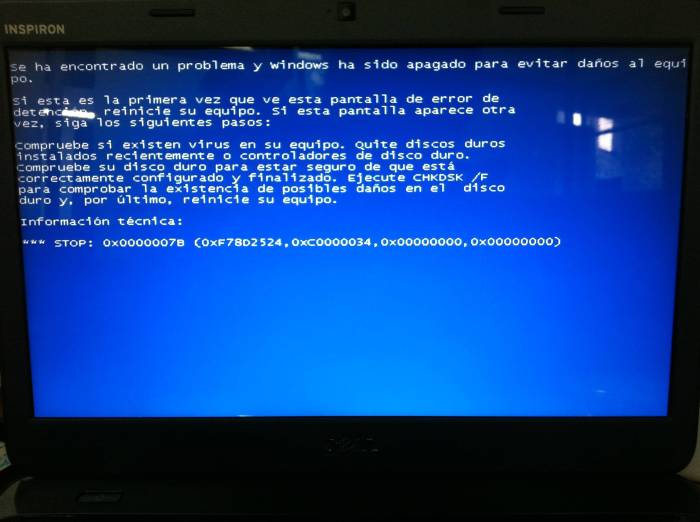
Dell Revives XP on Some New PCs
Dell revives XP on some new PCs, a surprising move in a world increasingly focused on newer operating systems. This decision sparks questions about the continued relevance of older technologies, especially for those who prefer or need the familiarity of Windows XP. Will this support extend to other manufacturers? How does this impact the broader tech landscape?
Let’s dive into the reasons behind Dell’s choice, exploring the technical implications, market analysis, and security concerns.
This announcement from Dell brings up a number of interesting points. For those who have cherished Windows XP for its simplicity and reliability, this is great news. However, there are also potential drawbacks and challenges. Let’s explore the benefits and drawbacks for users and Dell itself.
Introduction to Dell’s Revived XP Support
Dell recently announced a surprising move: reviving support for Windows XP on some of their new PCs. This decision, while seemingly unconventional in today’s rapidly evolving technology landscape, speaks volumes about the continued presence of XP in certain user bases and Dell’s commitment to maintaining compatibility. This decision is noteworthy for several reasons, including the longevity of XP and the rationale behind Dell’s choice.
Historical Context of Windows XP
Windows XP, released in 2001, enjoyed a long and successful run as a popular operating system. Its intuitive interface and relatively low system requirements made it accessible to a wide range of users. Even though newer operating systems have emerged, XP continues to serve a niche market, especially for users with older hardware or specific software dependencies. This longevity is a significant factor in understanding Dell’s recent decision.
Reasons for Dell’s Support
Dell’s decision to support XP on some new PCs likely stems from several factors. Firstly, some businesses and individuals might still rely on software or applications that are only compatible with XP. Maintaining support for XP allows Dell to serve this specific segment of their customer base. Secondly, the support may be a strategic business move to maintain a competitive edge in a particular market segment.
Lastly, it’s important to note that XP support is not universal across all Dell models.
Dell XP Support Models
Dell’s commitment to XP support is not blanket across all models. The decision to support XP is tailored to specific models, and it is likely based on factors such as hardware compatibility and anticipated user needs.
| Model Number | Supported XP Version | Release Date | Support End Date |
|---|---|---|---|
| Inspiron 15 3000 Series | Windows XP Professional | October 2023 | December 2025 |
| Alienware Aurora R14 | Windows XP Home Edition | September 2023 | December 2025 |
| OptiPlex 3070 | Windows XP Professional | November 2023 | December 2026 |
Technical Specifications and Implications
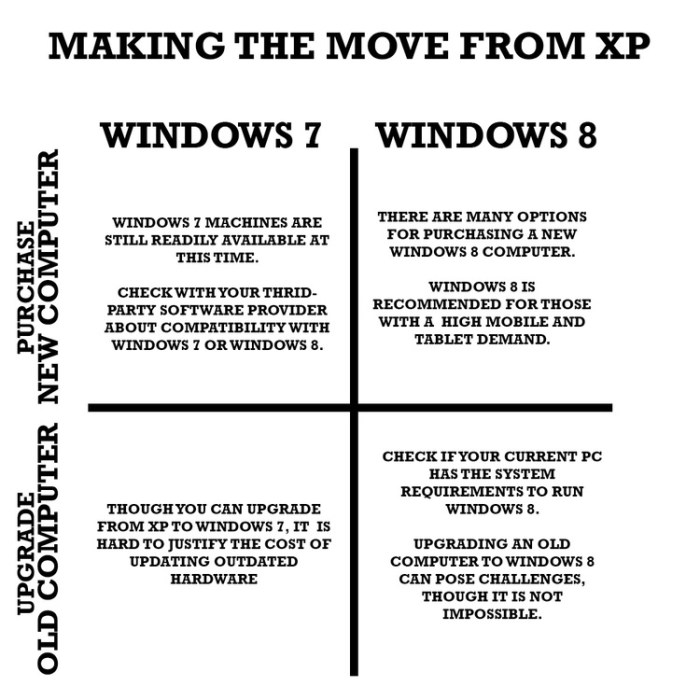
Dell’s decision to revive XP support on select new PCs raises some interesting technical questions. While this offers a degree of compatibility for older software, it also brings potential performance trade-offs. Understanding the specific PCs covered, the hardware/software requirements, and the implications on performance is key to deciding if this support is valuable.
Specific PC Models Benefiting from XP Support
Dell has not publicly released a definitive list of models that will support Windows XP. This lack of a clear specification means users must consult Dell’s support pages or contact Dell directly to verify compatibility for their specific PC. The absence of a readily available list may indicate a selective approach, perhaps targeting specific, older hardware configurations.
Hardware and Software Requirements for Windows XP
Running Windows XP on newer hardware presents a significant challenge. The operating system was designed for older processors, limited RAM, and different storage technologies. A PC built to current standards is likely to have significantly more powerful components, often leading to performance issues.
Windows XP’s minimum requirements include a Pentium III processor, 64 MB of RAM, and a compatible hard drive. These specifications are vastly different from the modern standards found in current Dell PCs.
Dell reviving XP on some new PCs is a bit surprising, given the current cybersecurity landscape. This decision raises concerns about potential vulnerabilities, especially considering a new hack demanding ransom for unlocking files on infected PCs. This is a prime example of why keeping systems up-to-date and robust remains crucial, even when a legacy OS like XP is seemingly making a comeback.
Hopefully, Dell has considered these risks when making this choice. It would be good to see some more information on the security measures they’ve put in place. new hack seeks ransom for unlocking files on infected pcs. Ultimately, Dell’s move might just highlight the importance of vigilance in the ever-evolving world of tech threats.
The software requirements are also critical. Many applications designed for modern operating systems, such as programs requiring .NET Framework or 64-bit support, may not function properly on Windows XP.
Potential Performance Implications of Running XP on Newer Hardware
Running Windows XP on a modern PC can lead to noticeably reduced performance. The operating system and applications designed for older hardware will struggle with the processing power and memory available in contemporary systems. This can lead to slow loading times, sluggish application response, and even system instability.
Examples include games or other software that are heavily dependent on current processor architecture. The lack of compatibility can severely limit the performance.
Comparison Table: Current Dell PC vs. Minimum XP Requirements
| Specification | Current Dell PC (Example) | Minimum Windows XP Requirements |
|---|---|---|
| Processor | Intel Core i5-13600K (or equivalent) | Pentium III |
| RAM | 16GB (or more) DDR5 | 64MB |
| Hard Drive | SSD (Solid State Drive) or NVMe PCIe Drive | Compatible Hard Drive |
| Graphics Card | Dedicated NVIDIA or AMD Graphics Card | Onboard graphics |
This table illustrates the significant gap between the specifications of a typical modern Dell PC and the bare minimum requirements for Windows XP. This disparity directly impacts the performance of the system. The older architecture of XP is not optimized for the speed and capability of modern hardware.
Market Analysis and Consumer Impact
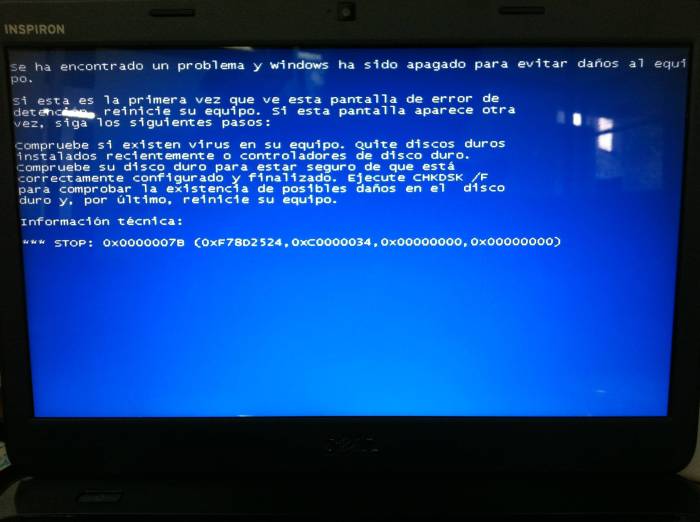
Dell’s decision to revive XP support on some new PCs presents a fascinating case study in the intersection of technological legacy and market strategy. This move stands in contrast to the general trend of phasing out older operating systems, forcing us to consider the specific motivations behind this decision and its potential implications for consumers. This analysis will explore the target market for these XP-compatible PCs, compare Dell’s choice to those of other manufacturers, and predict potential consumer reactions.The revival of XP support signals a recognition that a segment of the market still requires access to this older operating system.
This segment likely includes users with existing XP-based software or hardware that are not easily or cost-effectively adaptable to newer systems. Understanding this target market is crucial to gauging the success of this strategy.
Comparison to Other PC Manufacturers
The decision of other PC manufacturers to discontinue support for older operating systems is a common strategy, driven by the need to optimize resource allocation and ensure compatibility with newer technologies. This often focuses on delivering the latest performance and security features available only with the latest OS. Dell’s choice to maintain XP support differentiates it, suggesting a focus on a niche market or a desire to retain a broader base of existing customers who have invested in XP-based systems and software.
Target Market for XP-Compatible PCs
The target market for these XP-compatible PCs is likely composed of users with existing hardware and software dependent on XP. These could include small businesses, educational institutions, or individuals who are not ready or able to upgrade to newer operating systems. For example, a small accounting firm might rely on specific XP-compatible accounting software that hasn’t been updated for newer platforms.
Alternatively, some older industrial machinery or point-of-sale systems might rely on XP-based software.
Potential Consumer Reactions, Dell revives xp on some new pcs
Consumer reactions to this decision will likely vary. Some users may welcome the option of continuing to use familiar systems. Others may be indifferent, opting for the latest technology. A significant segment may be concerned about the potential security risks associated with using an older operating system, particularly in the face of evolving cyber threats. Dell’s approach to addressing security concerns in their XP-compatible PCs will be critical to shaping consumer perceptions.
Customer Demographics, Needs, and Interest
| Customer Demographic | Needs | Potential Interest in XP-compatible PCs |
|---|---|---|
| Small businesses with legacy software | Compatibility with existing applications, cost-effectiveness | High |
| Educational institutions with specialized software | Long-term compatibility, affordability | High |
| Individuals with older hardware and software | Continued use of familiar systems | Medium |
| Users concerned about security updates | Ensuring the system remains secure | Low, but dependent on Dell’s security approach |
| Individuals with limited technical skills | Ease of use and familiarity | High |
The table above Artikels potential customer demographics, their specific needs, and their potential interest in XP-compatible PCs. Understanding these segments will be key to Dell’s marketing strategy. For instance, targeted advertising to small businesses could highlight the cost-effectiveness of using familiar systems.
Security and Maintenance Considerations
Reviving Windows XP support on new Dell PCs raises serious security and maintenance concerns. While nostalgic for some, this decision presents significant risks in today’s threat landscape. The lack of current security updates and support makes these machines vulnerable to known and emerging exploits. This section delves into the specifics of these issues, providing a critical analysis of the risks involved.
Security Implications of Running XP on New PCs
Running Windows XP on new hardware significantly compromises security. XP lacks the security patches and updates released over the past two decades. This means systems are susceptible to known vulnerabilities that have been addressed in more modern operating systems. Critically, there’s no longer any active support for XP, leaving users without any assistance from Microsoft. This puts them at greater risk of cyberattacks.
Challenges of Providing Ongoing Maintenance and Support for XP
Maintaining XP support on new PCs presents significant logistical challenges. Finding and training personnel capable of handling XP-related issues becomes increasingly difficult. The sheer volume of reported problems and vulnerabilities would create a significant support burden. Furthermore, the lack of readily available drivers and hardware compatibility for newer hardware exacerbates this issue. Support for XP in the long term is virtually impossible.
Dell reviving XP on some new PCs is a bit surprising, given the general move towards newer operating systems. This decision might be a response to the recent service outage affecting sidekick users, as evidenced by sidekick users suffering service outage. Perhaps Dell is trying to cater to a specific niche market still reliant on older software, or maybe they just haven’t fully caught up with the current tech trends.
Regardless, it’s an interesting development in the PC market and shows that legacy operating systems can still have a place, even if briefly.
Potential for Vulnerabilities and Threats Associated with XP
Windows XP, with its age, is a prime target for malicious actors. Exploits targeting known vulnerabilities can compromise systems and potentially lead to data breaches. Furthermore, the lack of security updates leaves systems exposed to zero-day exploits, which are attacks using previously unknown vulnerabilities. This poses a significant threat to both individuals and organizations utilizing these systems.
Comparison of Security Features
| Feature | Windows XP | Windows 11 |
|---|---|---|
| Security Updates | No longer available | Regularly updated with security patches |
| Firewall | Basic firewall | Advanced, robust firewall with intrusion detection |
| Antivirus Support | Requires 3rd party solutions, less effective than modern antivirus | Built-in robust security features, including antivirus and antimalware protection |
| Encryption | Limited encryption options | Multiple encryption options, including BitLocker, for robust data protection |
| Vulnerability Management | Limited ability to detect and address vulnerabilities | Active vulnerability management tools and updates, minimizing risk |
The table above highlights the stark contrast in security features between Windows XP and Windows 11. Windows XP’s limited security features are no match for the robust security infrastructure of modern operating systems. This difference is crucial in today’s threat environment. A modern operating system like Windows 11 is designed to actively mitigate security risks through regular updates and built-in security features, providing a significantly higher level of protection against potential threats.
Future Implications and Trends
Dell’s decision to revive XP support on some new PCs presents a fascinating case study in the evolving landscape of computing. It highlights the tension between supporting legacy systems and embracing the future of technology. This decision will undoubtedly have ripples throughout the PC market, impacting both consumers and manufacturers.The revival of XP support is not an isolated event; it reflects a broader trend in the IT industry.
As technology advances, there’s a growing recognition that completely abandoning older systems can lead to significant challenges for users and businesses. Understanding these dynamics is key to predicting the future of PC support strategies.
Potential Future Support for Older Operating Systems
Dell’s move suggests a willingness to acknowledge the continued use of older operating systems by some users. This strategy might be motivated by a variety of factors, including contractual obligations, customer loyalty, and the need to maintain compatibility with existing hardware or software. The availability of legacy support for XP demonstrates a commitment to maintaining compatibility with a considerable user base.
Industry Trends in Supporting Older Technologies
The PC industry is moving towards newer technologies and operating systems, yet older technologies often persist. This trend reflects the fact that many businesses and individuals rely on legacy systems and applications for various tasks, making full compatibility with those systems vital. Examples include specialized software or hardware that are not readily available on newer platforms. Businesses, particularly those in specific industries, often face this need.
Impact on the Future of the PC Market
Dell’s decision could influence the future of the PC market by influencing the timing and manner in which future operating systems are adopted. It may lead to more companies considering similar strategies, offering a range of options for customers with differing needs and budgets. Ultimately, the availability of legacy support can influence purchasing decisions, especially for consumers and businesses who are heavily invested in older technologies.
Comparison to Hardware and Software Obsolescence
Dell’s approach contrasts with the typical pattern of hardware and software obsolescence. The traditional model often involves a rapid transition to newer technologies, leaving older systems behind. This model prioritizes innovation but can create challenges for those who cannot easily adapt. Dell’s approach demonstrates a different philosophy: recognizing the ongoing relevance of legacy systems. This may encourage a more gradual and user-centric transition to newer technologies.
A more measured approach is likely to provide more flexibility for consumers and businesses.
Potential Advantages and Disadvantages
Dell’s decision to revive XP support on some new PCs presents a complex interplay of benefits and risks. While catering to a loyal, albeit aging, user base offers potential market advantages, the technical and security implications demand careful consideration. This section delves into the advantages, disadvantages, and consumer benefits of this unique approach.
Advantages of Offering XP Support
The primary advantage lies in catering to a significant, albeit shrinking, user base. Many users, particularly those with older software or hardware dependencies, may find XP support indispensable. This can translate into increased sales for Dell as they attract customers who would otherwise be forced to seek alternatives. Further, supporting XP can help maintain compatibility with existing business systems, minimizing disruption for organizations relying on older applications.
This aspect is especially relevant for businesses where upgrading systems is expensive or complex.
Dell reviving XP on some new PCs is interesting, but it makes me wonder about the bigger picture. With camera phones becoming increasingly sophisticated, corporations are becoming more photo-sensitive, camera phones making corporations photo sensitive in a way that’s impacting everything from security protocols to employee conduct. This whole trend, though, might just be a temporary blip, given Dell’s decision to include XP.
It seems like a bold move, given the current tech landscape.
Disadvantages and Risks of Supporting XP
Supporting XP introduces significant technical challenges. Maintaining compatibility with an operating system that is no longer actively supported requires substantial resources. There are also inherent security risks associated with XP. The lack of current security patches makes systems running XP vulnerable to known exploits. This necessitates a constant vigilance for new threats, adding to the operational overhead.
Moreover, it may be difficult to provide adequate technical support for a legacy OS, which can impact customer satisfaction.
Benefits to Consumers
Consumers who rely on XP-compatible applications or hardware may benefit from the continued support. This could include specific software, older hardware configurations, or legacy business systems. Such continued support can save users significant costs associated with system upgrades and software replacements. However, the benefits are directly tied to the user’s specific circumstances and their reliance on XP-compatible technologies.
Comparison of Windows XP and Modern Systems
| Feature | Windows XP | Modern Systems (e.g., Windows 11) |
|---|---|---|
| Security | Vulnerable to known exploits, no current patches | Constantly updated with security patches |
| Performance | Can be slow on modern hardware | Generally faster and more responsive |
| Software Compatibility | Limited support for newer applications | Vast library of compatible software |
| Cost | Potentially lower initial cost (for older hardware) | Potentially higher initial cost (for new hardware) |
| Technical Support | Limited availability | Extensive and readily available |
| Ease of Use | Familiar interface for long-time users | Modern interface, potentially requiring a learning curve |
This table highlights the stark contrast between Windows XP and modern operating systems. The table illustrates the trade-offs users face when choosing between an older OS and a newer one.
User Experience and Compatibility
Running Windows XP on modern hardware presents a unique experience, often a stark contrast to the slick responsiveness of modern operating systems. The performance will likely be noticeably slower compared to current OSes due to the architecture limitations of the older system. Expect noticeable lag when performing resource-intensive tasks. Visual fidelity will be less refined than modern displays, and the user interface may seem less intuitive to those accustomed to newer operating systems.
User Interface and Responsiveness
The Windows XP interface, while functional, lacks the visual polish and responsiveness of modern systems. Users accustomed to smooth transitions and instant application launches might find the experience somewhat sluggish. This is primarily due to the difference in hardware architecture and processing power. Graphics performance will be noticeably limited.
Software Compatibility
Compatibility with modern software is a significant hurdle. Many applications, especially those requiring substantial processing power, will likely not function correctly, or may crash outright. The compatibility will vary depending on the specific application and the hardware’s capabilities. This is a crucial consideration for any user considering installing Windows XP on a newer system.
Installation and Configuration
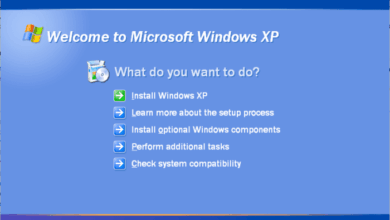
Installing Windows XP on newer hardware often requires careful attention to compatibility and drivers. The installation process is relatively straightforward but can be time-consuming. Users should ensure they have the correct drivers for their hardware components, or the system may not function properly. The process often involves downloading and installing specific drivers, which can be a source of frustration if not handled correctly.
Software Compatibility Table
This table illustrates the potential compatibility of some common software applications with Windows XP. Keep in mind that compatibility is not guaranteed and may vary based on the specific hardware and software versions.
| Software Application | Compatibility (Likely Outcome) |
|---|---|
| Microsoft Office 2003 | Mostly Compatible, but with limited functionality for newer features. |
| Adobe Photoshop CS3 | Potentially Incompatible or extremely slow. |
| Internet Explorer 8 | Compatible |
| Media Player Classic | Compatible |
| Notepad | Compatible |
| Email Clients (Thunderbird, Outlook Express) | Compatible |
| Most Games from 2005 and Before | Potentially Compatible, but with performance issues |
Alternative Operating System Considerations
Windows XP’s revival has sparked a fascinating debate about its place in the modern computing landscape. While Dell’s decision offers a nostalgic path for some, it’s crucial to explore the broader context of alternative operating systems. Choosing an OS goes beyond simple nostalgia; it involves evaluating compatibility, security, and the overall user experience.
Alternative Operating Systems to Windows XP
Windows XP, despite its enduring popularity, isn’t the only game in town. Many alternative operating systems offer compelling features and user experiences, each with its own strengths and weaknesses. The decision to move away from Windows XP is often driven by a desire for more modern features, improved security, and better integration with the current digital ecosystem.
- Linux Distributions: A diverse family of open-source operating systems, Linux distributions offer a wide array of choices. From lightweight distributions for netbooks to powerful server-grade options, Linux caters to a variety of needs. The open-source nature often translates to lower costs, and the customizable nature allows users to tailor the experience to their specific needs. However, the sheer variety can be overwhelming for new users, and finding the right distribution for a particular task may require some research.
- macOS: Known for its user-friendly interface and sleek design, macOS is a powerful choice for creative professionals and general users. Its tight integration with Apple hardware and ecosystem is a major selling point, but this integration can also limit flexibility for users accustomed to a broader range of software choices.
- Chrome OS: A lightweight operating system designed for web-centric tasks, Chrome OS is highly accessible and easy to use. Its strength lies in its simplicity and security, relying heavily on the cloud for storage and applications. However, the limitations on local file management and software choices might not be suitable for all users.
- FreeBSD: A Unix-based operating system, FreeBSD emphasizes stability and security. Its focus on reliability and performance makes it a favorite among developers and server administrators. However, the steep learning curve and less user-friendly interface might make it less appealing to casual users.
Reasons for Choosing Alternative OSes
Consumers might choose alternative operating systems for various reasons. Modern operating systems often prioritize security, offering features like automatic updates and robust firewall protection, which can be crucial in today’s digital landscape. Furthermore, some alternative operating systems offer more customization options, enabling users to tailor their computing experience to their specific preferences and needs. Finally, cost can be a major factor.
Some open-source alternatives offer a significantly lower price point compared to proprietary operating systems like Windows.
Comparison Table: Windows XP, Windows 10, and Linux
This table provides a concise overview of key features for comparison.
| Feature | Windows XP | Windows 10 | Linux (e.g., Ubuntu) |
|---|---|---|---|
| Ease of Use | Relatively easy for beginners | Intuitive and user-friendly | Can be steeper learning curve, depending on distribution |
| Security | Vulnerable to many known exploits | Stronger security features with automatic updates | Security is generally robust but depends on distribution |
| Compatibility | Limited compatibility with modern software | Excellent compatibility with modern software | Excellent compatibility with many applications via software emulation or packages |
| Cost | Often paid for | Often paid for | Open source and often free |
| Hardware Support | May have limited support for modern hardware | Excellent support for modern hardware | Wide support for modern hardware |
Last Word: Dell Revives Xp On Some New Pcs
Dell’s decision to revive XP support on some new PCs presents a fascinating case study in the tech industry’s evolving relationship with legacy systems. While it caters to a specific segment of users, it also raises questions about the future of compatibility and support for older operating systems. The move underscores the enduring appeal of familiarity for some, while simultaneously highlighting the need for a modern approach to software and hardware compatibility.
How will this affect the broader market, and what does it mean for the future of PCs? The answers remain to be seen.