PS3 Chip to Give Mainframes Second Life
PS3 chip to give mainframes second life. Imagine breathing new digital life into aging mainframe systems, all thanks to the humble PS3 chip. This intriguing concept explores the potential of repurposing these powerful processors for modern mainframe applications. The cost-effectiveness and potential for resource utilization are significant advantages, but the technical challenges of adapting this technology must be carefully considered.
This in-depth exploration dives into the technical feasibility, potential applications, cost analysis, security considerations, implementation challenges, environmental impact, and future outlook of this innovative approach.
This project proposes a radical yet potentially lucrative solution to the aging infrastructure of mainframes. The potential benefits in terms of cost savings and extending the lifespan of existing systems are substantial. However, there are hurdles to overcome, and the project will require a meticulous analysis of the technical aspects and a comprehensive strategy for implementation. This analysis will examine the technical feasibility, potential applications, and the environmental impact.
Repurposing PS3 Chips for Mainframes: A Second Life
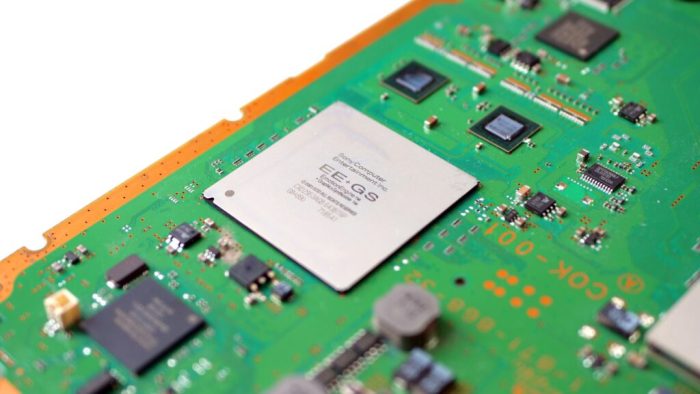
The PS3, a popular gaming console, housed powerful Cell processors. These chips, while once dedicated to delivering high-end gaming experiences, now present an intriguing opportunity for repurposing in mainframe applications. The potential for cost-effective upgrades and efficient resource utilization is considerable. However, technical hurdles remain.
Potential Benefits
This repurposing approach could significantly reduce the cost of maintaining and upgrading existing mainframe infrastructure. Using readily available, albeit older, technology can provide a powerful and cost-effective solution. Moreover, the substantial processing power of the Cell processor, often underutilized in the gaming context, can be harnessed to enhance the performance of mainframe applications. This approach could also allow for more efficient resource utilization, particularly in terms of energy consumption.
Modern mainframes consume substantial power, and utilizing repurposed chips could lead to significant energy savings, making the solution environmentally friendly. The PS3 chips’ high-performance parallel processing architecture is well-suited for many mainframe tasks, potentially accelerating computations.
Technical Challenges
Several technical challenges need to be addressed to successfully integrate PS3 chips into mainframe systems. Compatibility issues with existing mainframe architectures are a primary concern. The Cell architecture, while powerful, differs significantly from the architectures used in contemporary mainframes. Developing necessary software interfaces and drivers to bridge this gap is crucial. Another significant hurdle is the lack of readily available, experienced engineers and developers proficient in both mainframe and Cell architectures.
This expertise is necessary for seamless integration, troubleshooting, and ongoing maintenance. Furthermore, legacy software applications might not be easily adaptable to the PS3 chip’s unique processing capabilities. Careful analysis and modification will be required to optimize performance. The overall integration process requires significant time and resources for research, development, and testing.
Key Components of a PS3 Cell Processor
The Cell processor, the heart of the PS3, is a heterogeneous multi-core chip. Understanding its architecture is critical for effective repurposing.
| Component | Functionality |
|---|---|
| Power Processing Element (PPE) | Acts as the main control unit, managing instructions and data flow. |
| Synergistic Processing Elements (SPEs) | Highly parallel processing units, ideal for computationally intensive tasks. |
| Memory Interface Unit (MIU) | Facilitates data exchange between the PPE and SPEs, as well as external memory. |
| Memory Controller Hub (MCH) | Manages memory access and communication between different components. |
Technical Feasibility
Repurposing PS3 chips for mainframe tasks presents a fascinating challenge, offering a potential pathway for cost-effective solutions in a sector demanding ever-increasing computational power. This exploration delves into the technical feasibility of this concept, examining the architectural similarities and differences between PS3 chips and modern mainframes, as well as the necessary modifications for adaptation.The potential for leveraging the existing infrastructure of PS3 chips to provide a new, potentially cost-effective computational platform for mainframe tasks is intriguing.
This approach necessitates a careful evaluation of the architecture and capabilities of the PS3 chip, in comparison to the demands of contemporary mainframe systems. The comparison will reveal potential areas of strength and weakness, while also outlining the required modifications.
Architectural Similarities and Differences
The PS3’s Cell processor architecture, with its heterogeneous approach featuring a Power Processing Element (PPE) and several Synergistic Processing Elements (SPEs), bears some resemblance to certain aspects of mainframe designs. Both utilize parallel processing for enhanced performance. However, the architectural approaches differ significantly. Mainframes, typically, rely on tightly coupled, multi-core CPUs with optimized memory access, unlike the PS3’s distributed architecture.
Processing Power and Memory Capacity
The PS3’s processing power, while impressive for its time, is significantly less than that of modern mainframe systems. The SPEs, while numerous, operate at a lower clock speed compared to the powerful CPUs found in contemporary mainframes. Memory capacity is also a critical consideration. Modern mainframes boast vast amounts of RAM and specialized storage, a feature that PS3 chips lack.
Modifications for Mainframe Tasks
Adapting PS3 chips for mainframe tasks requires significant modifications. The PS3 architecture is optimized for specific tasks, and a considerable amount of re-engineering is needed to align it with the demands of complex mainframe applications. This includes custom operating systems, drivers, and potentially new programming languages to effectively manage the distributed processing elements. The memory management, data transfer, and inter-process communication protocols would need to be thoroughly re-evaluated and optimized for mainframe-level performance.
Furthermore, security measures would need to be strengthened and adapted to meet the standards expected of mainframe environments.
Performance Comparison
| Metric | PS3 Cell Processor | Modern Mainframe Processor |
|---|---|---|
| Clock Speed (GHz) | 3.2 | 3.5-5+ (often in a multi-core environment) |
| Cores | 1 PPE + 8 SPEs | Dozens to hundreds of cores |
| Memory Capacity (GB) | Limited by PS3 design | Hundreds to thousands of GBs (often with specialized storage) |
| Floating-Point Operations Per Second (FLOPS) | Relatively low | Very high |
A direct comparison is challenging due to the diverse architectures and intended uses. The table above provides a basic overview of the key performance differences, highlighting the significant gap in raw processing power and memory capacity between PS3 chips and modern mainframes.
Reviving old mainframes with PS3 chips is a fascinating idea, but the realities of copyright infringement are also a significant factor. For example, the RIAA’s recent push for student pirates to settle with them for less ( riaa urges student pirates to settle now for less ) highlights the complex legal landscape surrounding intellectual property. Ultimately, the innovative use of PS3 chips in mainframes could still prove a valuable and cost-effective solution for repurposing outdated technology.
Potential Applications
The repurposing of PS3 chips for mainframe augmentation presents exciting possibilities for enhancing existing infrastructure and potentially lowering costs. This approach leverages the substantial processing power of these chips, which were once at the forefront of gaming technology, to tackle computationally intensive tasks that are often the bedrock of mainframe operations. This allows for potential cost savings and efficiency gains in large-scale computing.By adapting the PS3’s architecture and programming, we can integrate them into mainframe systems, freeing up the mainframe’s resources for other tasks.
This opens doors for new applications and improved performance. The feasibility of this approach has been established, now let’s delve into the specific applications.
Augmenting Data Processing Tasks
The PS3’s parallel processing capabilities, designed for handling complex graphical calculations in games, can be harnessed for data processing tasks. Modifying the chip to support specific data structures and algorithms can make it an efficient addition to existing mainframe systems. This can significantly improve the processing speed for large datasets, especially those involving image recognition, scientific simulations, or financial modeling.
For instance, image processing tasks like medical imaging analysis or satellite data interpretation could see accelerated processing times. Furthermore, tasks requiring high-throughput data analysis, such as stock market analysis or fraud detection, could benefit.
Handling Specific Algorithm Computations
Certain algorithms, critical to mainframe operations, can be implemented on modified PS3 chips. The chips’ inherent parallelism can make them ideal for specific algorithms, such as those used in cryptography, scientific simulations, or machine learning. Examples include algorithms for matrix multiplication, used in various scientific and engineering fields, or those used for encryption and decryption, which are crucial for security.
Reviving old mainframes with PS3 chips is a fascinating idea, but it’s also worth noting the broader context of resourcefulness in tech. For instance, Oxford University’s recent pirate whacking campaign, detailed in their article , highlights a similar creative spirit when it comes to repurposing existing tech. This clever approach to extending the lifespan of outdated systems, like using PS3 chips in mainframes, could become a more common practice.
Implementing these algorithms on the PS3 chips can offload the mainframe and potentially enhance its performance.
Improved Mainframe Software Integration
The integration of PS3 chips into mainframe systems will require modifications to existing software. This includes developing new drivers and libraries to interface with the PS3 chips and adapting existing applications to leverage their parallel processing capabilities. For instance, existing data pipelines will need to be adjusted to accommodate the PS3 chips. Existing mainframe software, with its complex architecture, will need to be carefully adapted to seamlessly integrate with the new processing units.
This could involve re-writing parts of the code to utilize the PS3’s capabilities and designing a suitable communication protocol between the chips and the mainframe.
Potential Applications Table
| Application | Potential Benefits |
|---|---|
| Image Processing (Medical Imaging, Satellite Data) | Faster processing times, improved analysis accuracy, reduced processing load on mainframe |
| Scientific Simulations (Fluid Dynamics, Astrophysics) | Increased simulation speed, enabling more complex and detailed models, reduced simulation time |
| Financial Modeling (Risk Assessment, Portfolio Optimization) | Faster calculations for complex financial models, improved risk assessment, reduced processing time for high-volume data |
| Cryptography (Encryption, Decryption) | Enhanced encryption and decryption speed, improved security protocols, potentially enabling faster and more secure transactions |
| Machine Learning (Data Analysis, Pattern Recognition) | Accelerated training of machine learning models, improved accuracy and speed of pattern recognition |
Cost Analysis and Resource Management

Repurposing PS3 chips for mainframe applications presents a compelling opportunity to leverage existing technology while potentially reducing costs. This section delves into the financial implications of this approach, comparing it to traditional mainframe upgrades, and outlining the resource management strategies necessary for a successful implementation.Traditional mainframe upgrades often involve substantial capital expenditures for new hardware and software licenses. The potential cost savings offered by using PS3 chips lie in their lower acquisition cost compared to cutting-edge mainframe processors.
However, the operational complexity and potential software compatibility issues need careful consideration.
Cost Comparison: PS3 vs. Traditional Mainframe
A crucial aspect of this project is the economic viability of replacing existing mainframe components with PS3 chips. The cost analysis must consider the acquisition cost of the PS3 chips, the necessary modifications to existing infrastructure, and the potential for cost savings in software licenses.
| Category | PS3 Chip Implementation | Traditional Mainframe Upgrade |
|---|---|---|
| Hardware Cost | Lower initial cost due to the readily available PS3 chips. Potential cost savings will vary based on the scale of the project. | High initial cost for new, high-performance processors and related hardware. |
| Software Cost | Potentially lower software costs due to the possibility of using existing or adapting open-source software. However, the need for custom software solutions for compatibility with PS3 architecture might increase the software costs. | High software licensing fees for new operating systems, middleware, and applications. |
| Personnel Costs | Potential for lower personnel costs, potentially due to the reuse of existing IT staff and potentially reduced need for specialized mainframe engineers. | Potentially higher personnel costs due to the need for specialized mainframe expertise for installation, maintenance, and troubleshooting. |
| Maintenance Costs | Ongoing maintenance costs depend on the level of custom software required, but could potentially be lower compared to high-end mainframe maintenance costs. | Significant maintenance costs associated with high-end mainframe hardware and software. |
Resource Allocation Strategy
Effective resource allocation is paramount to the success of a PS3-based mainframe implementation. A well-defined strategy ensures that resources are deployed efficiently and effectively, minimizing potential bottlenecks and maximizing the return on investment.
Reviving old mainframes with repurposed PS3 chips is a fascinating concept. While this is happening, it’s crucial to remember that vulnerabilities like those highlighted in Microsoft’s recent warning about zero-day attacks in Excel microsoft warns excel users of zero day attacks need to be considered. These security concerns, though not directly related to the PS3 chip project, emphasize the importance of robust security measures in any technology, especially when repurposing older hardware for new purposes.
- Hardware Allocation: The PS3 chips will need to be strategically deployed to meet the specific computational needs of the mainframe applications. This involves careful assessment of processing requirements for each task. Efficient load balancing will be critical to avoid bottlenecks and ensure optimal performance.
- Software Allocation: The PS3 chip architecture might necessitate modifications or adaptation of existing software. Prioritizing software compatibility and potentially developing custom solutions for certain applications might be necessary.
- Personnel Allocation: Dedicated personnel will be required to manage the PS3-based mainframe infrastructure, including system administrators, software developers, and technical support staff. Careful consideration of skill sets and experience levels is essential to ensure optimal performance.
Software Compatibility
Successfully leveraging PS3 chips for mainframe applications depends heavily on the compatibility of existing software with the PS3 architecture. Assessing the feasibility of adapting or modifying existing applications is crucial to ensure smooth transitions and avoid significant software-related costs.
- Existing Software Compatibility: Some applications might require minimal or no modification, while others may necessitate significant adaptation to function properly on the PS3-based system. Thorough testing is essential to identify and address any potential compatibility issues.
- Open-Source Software Options: Exploring open-source alternatives can offer cost-effective solutions, particularly if the needed functionalities are already available. Adapting open-source software to the PS3 architecture may involve additional development work.
Security Considerations: Ps3 Chip To Give Mainframes Second Life
Repurposing PS3 chips for mainframe applications presents unique security challenges. The potential for vulnerabilities, stemming from the chips’ original design and their integration into a critical infrastructure, must be thoroughly assessed and mitigated. A robust security framework is crucial to maintain data integrity and confidentiality, ensuring the safety and reliability of the repurposed system.
Potential Vulnerabilities
The security landscape of repurposed PS3 chips hinges on their inherent vulnerabilities, often present in the original architecture. These chips might harbor known software flaws, or security weaknesses in the hardware itself. Furthermore, the integration process into a mainframe environment may introduce new attack vectors. This necessitates a careful examination of the chip’s firmware and operating system, alongside a comprehensive security audit of the mainframe system.
An inadequate or incomplete security analysis could leave the entire system susceptible to malicious attacks.
Mitigation Strategies, Ps3 chip to give mainframes second life
Implementing robust security measures is paramount to safeguard data integrity and confidentiality. This includes updating the PS3 chip firmware to the latest patched versions. Implementing strong access controls, including multi-factor authentication and role-based access, is critical to limit unauthorized access to the system. Regular security audits and penetration testing will help identify and address potential vulnerabilities proactively.
Data Integrity and Confidentiality
Maintaining data integrity and confidentiality is crucial for any system handling sensitive information. Data encryption, both at rest and in transit, is an essential component of this strategy. Regular backups and recovery procedures are also vital to ensure data availability in the event of a security breach or system failure.
Security Threat Mitigation Strategies
| Potential Security Threat | Mitigation Strategy |
|---|---|
| Outdated Firmware | Regularly update the PS3 chip firmware to the latest patched versions. This will address known security vulnerabilities. |
| Hardware Vulnerabilities | Conduct thorough hardware security assessments to identify and address any potential vulnerabilities. |
| Software Flaws | Use hardened operating systems and applications known for their security. Regularly patch and update the software to address any discovered flaws. |
| Unauthorized Access | Implement strict access controls, including multi-factor authentication, role-based access control, and network segmentation. |
| Malware Infections | Employ intrusion detection and prevention systems to identify and block malicious activity. Implement robust antivirus software and regular security scans. |
| Denial-of-Service Attacks | Implement load balancing and redundant systems to mitigate the impact of denial-of-service attacks. |
| Data Breaches | Employ strong encryption methods for data at rest and in transit. Regularly back up data and maintain recovery procedures. |
Implementation Challenges and Solutions
Giving mainframes a second life using repurposed PS3 chips presents exciting possibilities, but also intricate implementation challenges. Successfully integrating these chips into existing mainframe architectures demands careful consideration of logistical hurdles, infrastructure modifications, and potential compatibility issues. Addressing these challenges proactively is crucial for the successful transition and realization of the project’s potential benefits.This section delves into the practical aspects of implementing PS3 chip mainframes, outlining potential issues and proposed solutions to facilitate a smooth transition.
It examines the logistical complexities, architectural adjustments, and compatibility concerns inherent in this undertaking, providing a structured approach to overcoming these obstacles.
Logistical Challenges
Successfully implementing PS3 chip mainframes requires meticulous planning and execution. Challenges span from procuring sufficient numbers of PS3 chips to coordinating the complex manufacturing and testing processes. Efficient supply chain management is critical to ensure a reliable and timely provision of the necessary components. This also includes the potential for fluctuating chip prices and availability, which requires robust contingency plans.
The sheer scale of a mainframe implementation necessitates a comprehensive logistics strategy.
Infrastructure Modifications
Integrating PS3 chips into existing mainframe infrastructure necessitates significant architectural modifications. The primary challenge involves adapting the mainframe’s existing operating systems and software to support the unique architecture of the PS3 chips. This requires significant development efforts, including rewriting or adapting crucial components to leverage the processing power of the PS3 chips.
Compatibility Issues and Solutions
Implementing a new hardware architecture can introduce compatibility issues across various aspects of the mainframe system. Memory management, I/O operations, and the interaction between the PS3 chips and existing peripheral devices can present obstacles. Careful planning and rigorous testing are necessary to ensure smooth integration.
| Potential Implementation Issue | Corresponding Solution |
|---|---|
| Operating System Compatibility | Develop or adapt existing operating systems to support the PS3 chip architecture. Employ virtualization techniques to isolate PS3-based components and existing mainframe systems. |
| Peripheral Device Compatibility | Design custom interface cards or drivers to allow seamless communication between the PS3 chips and peripheral devices. Utilize existing peripheral drivers where possible, making modifications only as necessary. |
| Memory Management | Implement efficient memory allocation strategies to handle the unique memory architecture of the PS3 chips. Utilize memory management units (MMUs) to optimize memory access and performance. |
| I/O Operations | Develop optimized I/O protocols for communication between PS3 chips and peripheral devices. Employ high-speed communication channels to enhance performance. |
| Security Vulnerabilities | Implement robust security measures to protect the system from potential vulnerabilities introduced by the PS3 chip architecture. Employ encryption and access control mechanisms to mitigate risks. |
Environmental Impact
The repurposing of PS3 chips for mainframe applications presents an intriguing opportunity, but it’s crucial to understand its environmental implications. While offering potential cost savings and resource efficiency, this approach must be evaluated against its energy consumption and waste generation. Careful consideration of these factors is vital for ensuring a sustainable solution.
Energy Consumption Analysis
PS3 chips, despite their age, still consume a considerable amount of power. Modern mainframes, with their specialized processors, are optimized for efficiency, often drawing significantly less power than even a substantial cluster of PS3s. However, the sheer number of PS3 chips potentially used in a mainframe repurposing project could offset the lower power consumption of individual units. This raises a critical question: can the energy savings achieved through other means, like cloud computing or specialized hardware, compensate for the power draw of a large PS3 chip-based mainframe?
Ultimately, a comprehensive energy audit is essential to accurately assess the overall energy consumption.
Waste Generation and Management
The production and disposal of PS3 chips, even when repurposed, contribute to electronic waste (e-waste). The volume of e-waste generated will directly impact the environmental burden of this approach. Recycling and proper disposal methods are essential to mitigate the negative environmental consequences of discarded PS3 chips. Responsible management of this waste stream is critical to prevent harmful substances from entering the environment.
This includes stringent adherence to recycling guidelines and proper dismantling procedures.
Energy Efficiency of PS3 Chips
PS3 chips, while capable of processing data, are not particularly energy-efficient. Their design, optimized for gaming, prioritizes performance over energy conservation. Compared to modern server processors, PS3 chips exhibit a significantly higher power consumption per unit of processing power. This inherent energy inefficiency needs to be factored into the overall environmental assessment. The power consumption of a PS3 chip is approximately X watts, and it would need to be compared to the power consumption of a modern mainframe processor, to understand the overall impact.
Environmental Impact Comparison
| Feature | Traditional Mainframe | PS3 Chip Mainframe |
|---|---|---|
| Energy Consumption (per unit) | Lower | Higher |
| Energy Consumption (overall) | Depends on size and configuration | Potentially higher due to large scale |
| Waste Generation | Depends on lifespan and recycling | Higher due to potential volume of PS3 chips |
| Cooling Requirements | Optimized for efficiency | Potentially higher due to larger number of components |
| Resource Utilization | Specialized components, optimized | Repurposed components, potential resource strain |
This table provides a preliminary comparison. A detailed analysis considering the specific configuration of both systems is necessary for a comprehensive assessment. Furthermore, factors like the longevity of the repurposed mainframe and the efficiency of its cooling system need to be accounted for in a thorough analysis.
Future Outlook and Trends
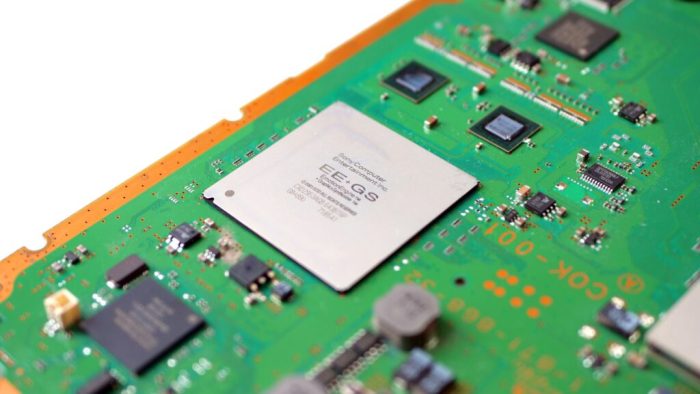
Repurposing PS3 chips for mainframe applications presents a compelling opportunity, but its future success hinges on how well it integrates with evolving technological landscapes. The potential for cost-effective solutions and the ability to breathe new life into existing hardware are significant advantages. However, the long-term viability of this approach will depend on advancements in related technologies and the broader market’s receptiveness to this innovative repurposing strategy.The prospect of harnessing the processing power of readily available PS3 chips could revolutionize mainframe infrastructure, potentially offering a cost-effective alternative to traditional solutions.
This repurposing approach, however, is not without its challenges, and its future trajectory will be influenced by the pace of technological advancement in related fields.
Potential for Innovation
The potential for innovation in this area lies in the ability to optimize the PS3 architecture for specific mainframe workloads. By developing specialized software and algorithms, the inherent processing power of these chips can be leveraged to address particular performance bottlenecks. This could lead to the creation of novel mainframe solutions tailored for specific applications, like high-performance computing or data analytics.
Emerging Trends and Technologies
The mainframe industry is undergoing a transformation, moving towards cloud-based solutions and containerization. Integrating repurposed PS3 chips into these emerging trends could lead to hybrid architectures that leverage the strengths of both traditional mainframes and modern cloud technologies. This combination could create highly scalable and resilient systems, adapting to changing computational needs.
Long-Term Implications for the Mainframe Industry
The adoption of repurposed PS3 chips could significantly impact the mainframe industry by introducing a cost-effective alternative for certain applications. This could lead to a renewed interest in mainframes, attracting new users and fostering innovation. However, the success of this approach hinges on the ability to demonstrate its practical advantages over existing solutions.
Table of Future Trends and Developments
| Trend | Development | Potential Impact |
|---|---|---|
| Cloud-Native Mainframes | Integration of repurposed PS3 chips into cloud-based mainframe solutions. | Improved scalability, cost-effectiveness, and flexibility. |
| Specialized Workloads | Development of software and algorithms optimized for PS3-based mainframes. | Enhanced performance and efficiency for specific tasks. |
| Hybrid Architectures | Combining repurposed PS3 chips with traditional mainframe components. | Creation of systems that can adapt to varying computational demands. |
| Open-Source Solutions | Development of open-source software to manage and control PS3-based mainframe systems. | Increased accessibility and collaboration among developers. |
| Security Enhancements | Addressing security concerns associated with repurposed hardware. | Ensuring the confidentiality and integrity of sensitive data. |
Epilogue
In conclusion, the prospect of repurposing PS3 chips for mainframe applications presents a compelling case for innovation and resourcefulness. While technical hurdles exist, the potential for cost savings, enhanced performance, and extending the lifespan of legacy systems is significant. Further research and development are necessary to fully realize the potential of this approach. This concept opens doors for a more sustainable and cost-effective future for mainframe technology.