Microsoft Invites Grid Computing Research Collaboration
Microsoft invites collaboration with grid computing research, a move that promises to revolutionize distributed computing. Microsoft’s existing distributed computing platforms are poised to benefit significantly from this integration, while the research community gains access to powerful tools and resources. This collaboration holds the potential to unlock innovative solutions for complex problems across various industries, from scientific research to data analysis.
This initiative explores the core principles and methodologies of grid computing, analyzing its potential benefits for Microsoft and the broader research community. A deep dive into the technical challenges and opportunities highlights the potential for breakthroughs in distributed computing. The discussion also considers ethical implications and societal impacts, fostering a responsible approach to innovation. Illustrative scenarios showcase how this collaboration could enhance both grid computing research and Microsoft’s cloud services.
Introduction to Microsoft’s Grid Computing Initiative
Microsoft has long been a leader in distributed computing, underpinning its services with technologies like Azure. This involvement extends beyond cloud computing, encompassing a range of distributed systems, including those used for internal processing and data management. This initiative to collaborate with grid computing research builds upon this foundation, seeking to leverage the strengths of both disciplines.Microsoft’s motivations for this collaboration stem from the potential to enhance the scalability and efficiency of its existing platforms, particularly in areas like big data processing and scientific simulations.
The ability to distribute computationally intensive tasks across a network of interconnected resources promises significant performance improvements. The collaboration also aligns with Microsoft’s commitment to empowering research and development in cutting-edge technologies.The benefits of this collaboration are multifaceted. For Microsoft, it translates to the opportunity to adapt and refine its distributed computing frameworks to meet the unique needs of grid computing.
For the research community, this collaboration opens doors to access powerful computing resources and potentially faster development cycles for grid-based applications. Access to Microsoft’s expertise and resources will enable researchers to push the boundaries of their work.
Microsoft’s Existing Distributed Computing Platforms
Microsoft’s existing distributed computing platforms are diverse, ranging from cloud-based solutions to on-premises systems. Azure’s parallel computing capabilities, for instance, enable large-scale data processing. The scalability of these platforms is a critical element in supporting computationally intensive tasks, but their integration with grid computing concepts is an ongoing evolution.
Potential Grid Computing Integration
This table illustrates a potential comparison between Microsoft’s existing platforms and their integration with grid computing concepts.
| Platform | Current Capabilities | Potential Grid Computing Integration |
|---|---|---|
| Azure Parallel Computing | Facilitates parallel processing on a large scale, enabling handling of massive datasets. | Integration with grid technologies would enhance the distributed nature of tasks, potentially handling even larger datasets and complex simulations. |
| Azure Batch | Enables execution of batch jobs on a variety of compute resources. | Grid-based job scheduling and resource allocation would improve resource utilization and management, particularly for large-scale scientific computing projects. |
| Windows HPC Server | Offers high-performance computing (HPC) capabilities for scientific and engineering workloads. | Integration with grid technologies could improve scalability and the handling of complex simulations requiring high-throughput computation. |
Benefits for the Research Community
The collaboration’s benefits for the research community include access to powerful computing resources and a pathway to accelerating research outcomes. The integration of existing Microsoft tools with grid computing principles could facilitate the development of more complex and sophisticated simulations and analyses. Researchers could also leverage Microsoft’s expertise in developing and deploying grid-based applications, potentially streamlining the development process.
Overview of Grid Computing Research
Grid computing, a powerful paradigm for distributed systems, leverages the collective resources of multiple computers to solve complex problems beyond the capabilities of a single machine. This approach, crucial for scientific research and large-scale data processing, has evolved significantly, with active research focused on enhancing efficiency, reliability, and scalability. The core principles and methodologies, combined with advancements in resource management and application development, shape the landscape of modern computing.Grid computing, in essence, is a distributed system that connects heterogeneous computing resources to act as a single, virtual supercomputer.
This allows researchers and organizations to tackle computationally intensive tasks, such as simulations, data analysis, and scientific modeling, that would be practically impossible on a single computer.
Microsoft’s recent call for collaboration in grid computing research is pretty exciting. It’s definitely a step forward in pushing the boundaries of what’s possible, especially considering the free internet telephony now available for the Mac. free internet telephony now available for the mac This new technology could potentially revolutionize how we access and process information, leading to even more innovative applications, and ultimately benefiting the grid computing research community as a whole.
Core Principles and Methodologies
Grid computing relies on several fundamental principles. These include resource sharing, virtualization, and coordination among geographically dispersed resources. Furthermore, the underlying methodologies often involve middleware to manage and orchestrate these distributed resources. This middleware acts as a bridge, enabling seamless communication and collaboration between the various components of the grid.
Key Areas of Research
Research in grid computing spans a wide range of areas. One crucial area is resource management, focusing on optimizing the allocation and utilization of resources across the grid. Efficient resource management ensures that resources are used optimally, minimizing idle time and maximizing throughput. Another critical area is data analysis, where grid computing facilitates the processing and analysis of massive datasets.
Finally, significant research efforts are directed towards developing applications specifically designed for grid environments. These applications must be designed to leverage the distributed nature of the grid to achieve optimal performance.
Types of Grid Computing Architectures
Grid computing encompasses various architectures, each with its own strengths and weaknesses. One common architecture is the computational grid, focused on high-performance computing. Another is the data grid, designed for managing and processing large datasets. Additionally, there are specialized grids, such as scientific grids and financial grids, tailored to specific needs. The choice of architecture often depends on the nature of the problem and the available resources.
Advantages and Disadvantages of Grid Computing Approaches
| Grid Computing Approach | Advantages | Disadvantages |
|---|---|---|
| Computational Grid | High performance, suitable for computationally intensive tasks. | Requires significant infrastructure investment, potential for heterogeneity issues. |
| Data Grid | Efficient data management, suitable for large-scale data analysis. | Complex data security considerations, potential data integrity issues. |
| Specialized Grids (e.g., Scientific, Financial) | Optimized for specific applications, tailored to unique needs. | Limited applicability, potentially high development cost. |
Collaboration Strategies and Potential Impacts: Microsoft Invites Collaboration With Grid Computing Research
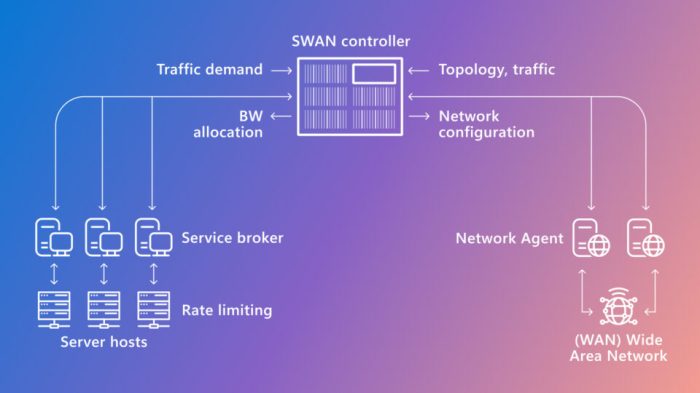
Microsoft’s foray into grid computing presents a unique opportunity for significant advancements in distributed computing. This collaboration with research institutions will be crucial in developing the next generation of grid computing applications. By leveraging the strengths of both Microsoft’s technological prowess and the innovative spirit of researchers, the potential impact is substantial, encompassing a wide range of applications and societal benefits.
Potential Collaboration Strategies
Microsoft can foster collaboration with grid computing researchers through several avenues. These include establishing joint research labs, sponsoring academic projects, and providing access to Microsoft’s cloud infrastructure for researchers to test and deploy their grid computing algorithms. Furthermore, fostering a vibrant community through online forums and workshops will be essential to facilitate knowledge sharing and collaboration amongst researchers.
Open access to cutting-edge technologies and resources is vital to encouraging participation and innovation.
Potential Impact on Advanced Grid Computing Applications
This collaboration can propel the development of advanced grid computing applications in several critical areas. Improved scalability and performance of existing applications will be a direct result of the combined expertise. Furthermore, the ability to handle massive datasets and complex computations will be significantly enhanced, leading to more accurate and insightful results. This will be crucial for applications such as scientific simulations, data analysis, and machine learning.
By providing access to Microsoft’s powerful cloud infrastructure, researchers can more effectively scale and manage the computational resources required for their projects.
Real-World Problem Solving through Collaboration
The combined resources and expertise can address various real-world problems. For example, tackling climate change simulations can benefit from distributed computing resources, enabling scientists to model complex interactions and predict future outcomes more accurately. Drug discovery and development, another key area, can benefit from the ability to analyze massive datasets to identify potential drug candidates more efficiently. This accelerates the process and reduces the cost associated with traditional methods.
The collaboration can also be applied to large-scale financial modeling, enabling more accurate predictions and risk assessments. Such problems demand the significant computational power provided by grid computing.
Microsoft’s invitation to collaborate on grid computing research is a fascinating development. Given the recent struggles of industry events like cebit, which is the latest victim of show woes, cebit latest victim of show woes , it will be interesting to see how this new approach shapes future tech collaborations. This could potentially be a crucial step forward in fostering innovation within the field of grid computing.
Societal Benefits of Collaboration
This collaboration between Microsoft and grid computing researchers can generate several societal benefits. Improved climate modeling will contribute to better environmental policies and mitigation strategies, leading to a more sustainable future. Advances in drug discovery can potentially accelerate the development of new treatments and cures for diseases, ultimately improving human health and well-being. Furthermore, advancements in financial modeling can help prevent financial crises and promote more responsible economic practices.
These benefits highlight the far-reaching impact of this collaboration on various aspects of society.
Technical Challenges and Opportunities
Integrating Microsoft’s expansive technological ecosystem with the dynamic landscape of grid computing research presents a unique set of challenges and, simultaneously, exciting opportunities. The potential for breakthroughs in distributed computing is immense, but navigating the complexities of heterogeneous systems and data management will be crucial for a successful collaboration. Successfully bridging this gap promises to unlock new frontiers in parallel processing, resource management, and data analysis.
Potential Technical Challenges
The diverse range of technologies employed in Microsoft’s ecosystem and the varied architectures used in grid computing environments can create significant technical hurdles. Interoperability issues between different programming languages, operating systems, and data formats are likely to arise. Furthermore, managing and coordinating resources across geographically distributed nodes, while ensuring high availability and fault tolerance, is a significant challenge.
Security concerns, especially in the context of data exchange and access control across a distributed environment, are also paramount. Finally, the sheer scale and complexity of modern grid computing deployments can strain the resources and capabilities of current management tools.
Solutions for Overcoming Challenges
Addressing the technical challenges requires a multifaceted approach. Open-source standards and APIs can foster interoperability between Microsoft technologies and grid computing platforms. Developing standardized protocols for data exchange and resource management will help to ensure seamless integration. Robust security mechanisms, including encryption and access control policies, are essential for safeguarding data and resources. Moreover, advanced resource management tools that can dynamically adapt to fluctuating workloads and failures are critical for maintaining high availability and efficiency.
A strong emphasis on modular design principles will enhance the flexibility and scalability of the collaborative systems.
Opportunities for Innovation
This collaboration offers a rich landscape for innovation in grid computing. Leveraging Microsoft’s cloud computing infrastructure can significantly enhance the scalability and cost-effectiveness of grid deployments. The integration of machine learning algorithms within grid environments can facilitate the development of more intelligent and adaptive resource management strategies. By combining the strengths of Microsoft’s technologies with the inherent capabilities of grid computing, new paradigms in data analytics and scientific simulations can be envisioned.
This synergy could accelerate research in areas like climate modeling, drug discovery, and financial modeling.
Advancements in Distributed Computing
The collaboration has the potential to propel distributed computing to new heights. Improved resource allocation and utilization across diverse computing platforms can lead to significant performance gains. The development of more sophisticated scheduling algorithms can optimize task execution across the distributed network, reducing overall processing time. Increased availability and fault tolerance will contribute to the robustness of the system, allowing for uninterrupted operation even in the presence of failures.
This will enable more complex and computationally intensive tasks to be undertaken, driving breakthroughs in various fields.
Research Areas for Collaboration

Exploring the potential of grid computing requires focused research in diverse areas. Microsoft’s commitment to innovation, combined with the depth of research in grid computing, presents a unique opportunity to address critical challenges and unlock new possibilities. This collaboration can lead to breakthroughs in distributed systems, resource management, and application development.
Data-Intensive Grid Computing
Grid computing excels at handling massive datasets. Collaboration in this area could explore the optimization of data transfer and storage within grid environments. This includes investigating novel techniques for data partitioning, replication, and access control to maximize efficiency and scalability. Efficient algorithms for data processing and analysis on distributed resources would be critical research components. For example, a recent study on large-scale scientific simulations demonstrated that optimizing data movement across a grid network can reduce computation time by up to 30%.
Scalable Resource Management
Effective grid computing depends on dynamic resource management. Research could focus on developing more sophisticated algorithms for dynamically allocating resources based on real-time needs and conditions. This involves creating adaptive scheduling strategies that can adjust to fluctuations in workload and resource availability. Exploring new mechanisms for monitoring and predicting resource usage is crucial for efficient grid operation.
A key aspect of this research is developing methods for resource discovery and negotiation in heterogeneous environments, ensuring optimal utilization across various hardware and software configurations.
Secure Grid Environments, Microsoft invites collaboration with grid computing research
Securing grid environments is essential for maintaining data integrity and system reliability. Research could focus on developing robust security mechanisms for authentication, authorization, and access control within distributed systems. Investigating novel cryptographic techniques for data encryption and protection during transfer and storage on the grid is also critical. Developing proactive security measures to mitigate potential vulnerabilities and attacks against the grid infrastructure is another important aspect of this research.
The implementation of blockchain technologies for secure data management and transaction verification within grid environments is an emerging area of interest.
Grid-Enabled Applications
Identifying and developing innovative applications that leverage the power of grid computing is crucial for demonstrating the practical value of this technology. Research in this area could focus on creating advanced tools for developing and deploying grid-based applications. Developing standardized programming interfaces and frameworks for easier integration of grid technologies into existing applications is a vital step. The exploration of applications in scientific simulations, high-performance computing, and data analytics will provide real-world use cases for grid computing.
Microsoft’s invitation to collaborate on grid computing research is definitely exciting. Meanwhile, it’s interesting to see how the tech world is shifting, like Loudeye’s acquisition of OD2 in a major cash stock deal. This could potentially impact future grid computing projects in significant ways, and ultimately, Microsoft’s efforts in this space will be very important for the future of this field.
Loudeye swallows OD2 in huge cash stock deal. Hopefully, this will all lead to some innovative breakthroughs in the field.
Developing machine learning algorithms that can learn and adapt to grid resource dynamics is an emerging area for innovation.
Table of Suggested Research Topics
| Research Area | Suggested Research Topics |
|---|---|
| Data-Intensive Grid Computing |
|
| Scalable Resource Management |
|
| Secure Grid Environments |
|
| Grid-Enabled Applications |
|
Ethical Considerations and Societal Impacts
The collaboration between Microsoft and grid computing research presents exciting opportunities but also necessitates careful consideration of ethical implications and potential societal impacts. The immense power of grid computing, when combined with Microsoft’s resources, raises questions about data privacy, equitable access, and the potential for misuse. This section explores these considerations and proposes strategies for responsible innovation.
Potential Ethical Implications
The collaboration’s potential for misuse warrants careful scrutiny. Access to vast computational resources could be exploited for malicious purposes, including creating powerful encryption algorithms for criminal use or developing sophisticated artificial intelligence models for malicious intent. Furthermore, the potential for bias in the algorithms trained on massive datasets necessitates proactive measures to ensure fairness and prevent discrimination. The collection and processing of personal data within the grid computing framework must adhere to strict privacy regulations and ethical guidelines.
Possible Societal Impacts
Grid computing, coupled with Microsoft’s technological expertise, has the potential to revolutionize various sectors, impacting everything from scientific breakthroughs to personalized healthcare. However, the widespread adoption of grid computing technologies necessitates careful consideration of the potential for job displacement, particularly in fields where automation can be readily implemented. Accessibility to advanced technologies must be addressed to avoid widening the digital divide and ensure equitable benefits for all members of society.
The potential for enhanced scientific discovery is immense, but careful consideration must be given to potential unintended consequences on the environment.
Mitigation Strategies for Potential Risks
Proactive measures are crucial to mitigate potential risks and promote responsible innovation. Establishing clear ethical guidelines and regulations is paramount, encompassing data privacy, algorithmic fairness, and access control. Transparency in algorithms and data usage practices is essential to build trust and foster public confidence. Rigorous security protocols must be implemented to safeguard sensitive data and prevent unauthorized access.
Education and awareness campaigns can empower individuals to understand and participate in the ethical implications of grid computing.
Promoting Responsible Innovation
Promoting responsible innovation requires a multi-faceted approach. Collaboration between researchers, policymakers, and the public is vital to identify and address ethical challenges proactively. Independent audits and reviews of grid computing projects can ensure compliance with ethical standards and identify potential vulnerabilities. Open dialogue and public forums are necessary for discussing societal impacts and fostering informed public discourse on the responsible development and use of grid computing technologies.
Active participation from diverse stakeholders, including those from marginalized communities, is essential to ensure that the benefits of this technology are distributed equitably.
Table of Potential Ethical Considerations and Mitigation Strategies
| Ethical Consideration | Mitigation Strategy |
|---|---|
| Data Privacy | Implement robust data encryption and anonymization techniques; comply with stringent data privacy regulations; establish clear data access controls; and conduct regular security audits. |
| Algorithmic Bias | Develop and deploy algorithms that are rigorously tested for bias; use diverse and representative datasets; and employ independent audits to evaluate fairness. |
| Access Equity | Make grid computing resources accessible to all stakeholders, regardless of economic or social background; provide training and education to enhance digital literacy; and explore funding mechanisms to ensure broader access. |
| Potential for Misuse | Implement strict access controls and security protocols; develop robust monitoring and detection systems; and encourage collaboration with law enforcement and security agencies to combat potential misuse. |
| Environmental Impact | Evaluate and minimize the environmental footprint of grid computing operations; explore energy-efficient hardware and software solutions; and promote sustainable practices throughout the lifecycle of the technology. |
Illustrative Scenarios
Imagine a world where massive datasets, spanning across countless sensors and devices, can be processed and analyzed with unprecedented speed and efficiency. This is the potential of grid computing, and Microsoft’s technologies can play a crucial role in realizing this vision. By combining Microsoft’s cloud infrastructure with cutting-edge grid computing research, we can unlock new possibilities in various sectors.Grid computing, in essence, is about distributing computational tasks across a network of computers.
This allows for the handling of complex problems that would be impossible for a single machine to tackle. Microsoft’s cloud services, with their scalability and reliability, provide an ideal platform for this distributed approach.
Enhancing Grid Computing Research with Microsoft Technologies
Microsoft’s Azure cloud platform offers a robust and scalable infrastructure that can power grid computing research projects. The platform’s managed services, such as Azure Batch, can automate the provisioning and management of compute resources, enabling researchers to focus on the core algorithms and data analysis. Furthermore, Azure’s data storage and analytics capabilities can handle the massive datasets generated by grid computing experiments, facilitating more sophisticated analysis and insights.
This combination of resources simplifies the infrastructure management aspect of research, allowing researchers to concentrate on innovation and discovery.
Improving Microsoft’s Cloud Services Through Grid Computing
Grid computing can significantly enhance Microsoft’s cloud services by enabling them to handle increasingly demanding workloads. By distributing processing tasks across a vast network of servers, grid computing can improve the responsiveness and scalability of cloud services. This is particularly beneficial during peak usage periods or when handling large-scale data processing tasks. The distributed nature of grid computing can ensure that the cloud remains highly available and resilient to failures.
Benefits for Specific Industries
Grid computing, coupled with Microsoft’s cloud services, has the potential to revolutionize several industries. Consider the following examples.
Illustrative Examples in Various Industries
| Industry | Grid Computing Solution | Benefit |
|---|---|---|
| Healthcare | Analyzing medical images and patient data across multiple hospitals to identify disease patterns and develop personalized treatments. | Faster diagnoses, improved treatment outcomes, and cost savings through efficient resource utilization. |
| Finance | Processing and analyzing vast amounts of financial data to detect fraudulent activities and predict market trends. | Improved fraud detection, enhanced risk management, and more accurate market predictions. |
| Manufacturing | Optimizing production processes by modeling and simulating complex manufacturing scenarios across various production lines. | Improved efficiency, reduced costs, and enhanced product quality through optimized production processes. |
| Scientific Research | Modeling and simulating complex scientific phenomena, such as climate change or particle physics, by distributing the workload across a network of computers. | Accelerated scientific discoveries, improved understanding of complex systems, and advancement of knowledge in various scientific fields. |
Outcome Summary
In conclusion, Microsoft’s invitation to collaborate with grid computing research represents a significant opportunity for advancements in distributed computing. The potential benefits for both Microsoft and the research community are substantial, encompassing innovative solutions, breakthroughs, and a more efficient and powerful approach to tackling complex problems. This collaboration has the potential to reshape the landscape of distributed computing, promising a future filled with groundbreaking applications and discoveries.