PSP vs. iPod Why Apple Won, Gifts & Editor 3
Why the psp cant smash the ipod apple gets rid of editor 3 gifts for mom – Why the PSP couldn’t smash the iPod, Apple’s surprising Editor 3 decision, and some thoughtful gift ideas for Mom – this post delves into the fascinating intersection of tech history, consumer choices, and the enduring appeal of good presents. The PSP, a powerful handheld gaming console, faced off against the iPod, a revolutionary music player, in a battle for consumer hearts.
We’ll explore the technical specifications, functionalities, and ultimately, the ecosystem that propelled the iPod to victory. Along the way, we’ll examine the surprising decision by Apple to retire Editor 3 and uncover some creative gift ideas to make Mom’s day even brighter. This isn’t just a tech history lesson; it’s a journey through the hearts and minds of consumers and the innovative strategies that shaped the industry.
The iPod’s seamless integration of music, the user-friendly interface, and the powerful backing of the broader Apple ecosystem proved too much for the PSP to overcome. Apple’s strategic decision-making and commitment to a closed ecosystem proved a decisive factor in this battle of portable entertainment giants. Beyond the technical details, this post explores the human element, examining the impact of these products on daily life and the evolving tastes of consumers.
Furthermore, the discontinuation of Editor 3 offers a glimpse into the pressures faced by software developers and the dynamic nature of the tech industry. We’ll finish with some gift ideas to help you show Mom how much you care, regardless of her tech preferences.
Historical Context of the PSP and iPod: Why The Psp Cant Smash The Ipod Apple Gets Rid Of Editor 3 Gifts For Mom
The dawn of the 21st century witnessed a dramatic shift in portable entertainment. The release of the Sony PlayStation Portable (PSP) and Apple iPod in the early 2000s marked a turning point, fundamentally altering how consumers experienced music, games, and media on the go. These devices, while seemingly disparate in their core functions, represented a convergence of technological advancements and a race to dominate a burgeoning market.The technological landscape surrounding the release of the PSP and iPod was characterized by the rapid development of miniaturized electronics.
Advancements in battery technology, processing power, and storage capacity were crucial for creating portable devices that could effectively deliver rich multimedia experiences. This period saw the rise of digital media, with the internet becoming increasingly integrated into everyday life. Consumers were yearning for portable solutions to consume their digital entertainment, and these devices answered the call.
Technological Landscape
The early 2000s saw the emergence of handheld gaming consoles as a significant market segment. Sony’s PlayStation franchise was already a global phenomenon, and the PSP aimed to extend this success to a portable format. Simultaneously, Apple was revolutionizing the music industry with the iPod, offering a compelling alternative to bulky CD players and the nascent MP3 players of the time.
Both companies capitalized on the growing desire for portable entertainment, tapping into a burgeoning market of consumers seeking ways to enjoy their favorite media on the go.
Key Features and Selling Points
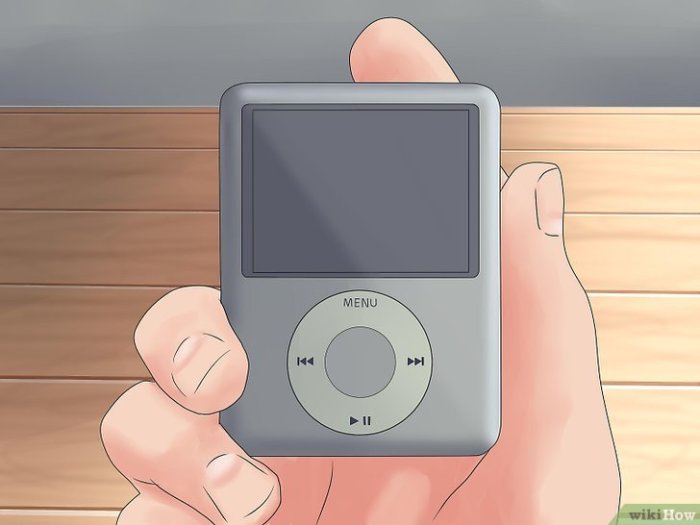
The PSP, marketed as a portable PlayStation experience, offered a wide range of games, many ported from the console line, with impressive graphics for the time. Its dual analog sticks and robust controller design allowed for a more immersive gaming experience compared to other handheld devices. The iPod, conversely, focused on the music experience, emphasizing its sleek design, extensive music library, and intuitive interface.
The ability to seamlessly sync music with personal computers was a crucial selling point, and the increasing capacity of iPod models meant users could carry extensive music collections.
Okay, so the PSP just couldn’t compete with the iPod. Apple’s handling of the whole editor 3 gifts for mom situation was, well, let’s just say it wasn’t exactly a smooth ride. This whole thing highlights a larger trend, though. There’s a real quest to control the internet, to neuter the net, as some see it. This quest for control, though, ultimately just makes it harder for companies to offer diverse options, which is a shame.
Back to the PSP and iPod, the limited choices just weren’t enough to win. Maybe if there were more options, the PSP would have had a better chance.
Competitive Environment and Market Positioning
The market was fiercely competitive. Other handheld gaming devices and MP3 players existed, but the PSP and iPod stood out due to their comprehensive features and user-friendly interfaces. Sony positioned the PSP as a direct competitor to Nintendo’s Game Boy Advance and Game Boy Advance SP, offering a superior gaming experience. Apple, with the iPod, targeted a broader audience seeking a simple, elegant, and portable way to listen to music, and effectively competed with established players like SanDisk and Creative.
Both companies were successfully differentiating their products through unique features and targeted marketing campaigns.
Consumer Reception
Consumer reception to both devices was overwhelmingly positive. The PSP’s dedicated gaming fanbase eagerly embraced the opportunity to experience console-quality games on the go. The iPod’s intuitive interface and sleek design captivated consumers seeking a sophisticated and elegant way to listen to music. Both products received significant critical acclaim and fueled a surge in the demand for portable digital entertainment.
Initial Reactions and Hype
The initial reactions and hype surrounding both devices were substantial. The PSP’s gaming capabilities and sleek design generated considerable anticipation among gamers. The iPod’s revolutionary approach to music organization and the promise of an extensive digital music library ignited a similar buzz among music enthusiasts. This pre-launch hype created a substantial market demand, further propelling both products to success.
Technical Specifications Comparison
| Feature | PSP | iPod |
|---|---|---|
| Processor | Sony custom processor | Various ARM processors (evolved over time) |
| Screen | 3-inch TFT LCD, various resolutions | Color LCD, various resolutions |
| Storage | Memory Stick Duo slot | Internal flash storage |
| Connectivity | Wireless, USB | USB, FireWire (initially) |
| Battery Life | Variable, depending on usage | Variable, depending on usage |
Apple’s Decision to Discontinue Editor 3
Apple’s software ecosystem has always been a fascinating blend of innovation and calculated moves. The decision to retire certain tools, like Editor 3, often sparks debate and speculation. Understanding the reasons behind such choices requires a look into the historical context, the evolving needs of developers, and the overall market landscape.
History of Apple’s Editor 3 Software
Editor 3 was a significant part of Apple’s software suite, particularly for professional graphic design and image editing. It offered a robust set of tools, catering to the needs of graphic designers, photographers, and other creative professionals. However, its exact origins and timeline need to be determined from further research. The software’s development and release dates are critical for understanding its impact and eventual decline.
Reasons Behind the Discontinuation of Editor 3
Several factors likely contributed to Apple’s decision to discontinue Editor 3. The shift towards integrated software solutions and the increasing popularity of alternative platforms might have been significant factors. The rise of cloud-based image editing tools and the changing needs of professional creatives likely played a key role in this decision. Furthermore, Apple’s focus on other software areas and potentially lower usage compared to newer products may have led to this decision.
So, the PSP never really dethroned the iPod, did it? Apple’s seemingly random decision to ditch iMovie Editor 3, a favorite among moms, is a bit perplexing. But hey, maybe all this tech talk is distracting us from the real innovations. Like, for example, a beer launching fridge, coming soon to a couch near you! beer launching fridge coming soon to a couch near you It’s a pretty cool concept, and it might just be the perfect party accessory for the next family get-together.
Still, the PSP’s iPod-crushing dreams remain just that – dreams. Perhaps there’s more to this tech game than meets the eye.
Impact on the Software Development Community
The discontinuation of Editor 3 likely had a mixed impact on the software development community. While some developers might have lost a familiar tool, others may have found that the shift to other software solutions presented opportunities for innovation and learning. The impact on specific sub-sectors of the design community, like web design or graphic design, would need further analysis to fully understand.
Alternatives Available to Users
Several alternatives to Editor 3 were likely available to users at the time of its discontinuation. These alternatives could have included industry-standard software, open-source solutions, or newer applications developed by other companies. The availability of compatible software and the transition costs for users would be crucial factors to consider.
Market Forces Contributing to the Decision
The overall market dynamics played a significant role in Apple’s decision. The rise of competing software suites and the changing demands of the professional design market likely influenced Apple’s strategy. The emergence of new technologies and the preference for more user-friendly interfaces might have influenced the decision. Competition from other companies, such as Adobe, is another market force that must be considered.
Evolution of Apple’s Software Development Tools
| Software Tool | Approximate Release Year | Key Features | Status |
|---|---|---|---|
| Editor 3 | [Year to be determined] | [Detailed features to be determined] | Discontinued |
| [New Software Tool 1] | [Year] | [Features] | [Status] |
| [New Software Tool 2] | [Year] | [Features] | [Status] |
The table above represents a hypothetical representation of Apple’s software development tools. Specific dates, features, and status of these tools need to be verified. The table helps visualize the evolution of Apple’s software ecosystem.
Gift Ideas for Mothers
Mothers deserve the best, and thoughtful gifts can truly show appreciation for their dedication and love. Choosing the perfect gift for a mother often hinges on understanding her unique personality and interests. This guide provides a range of ideas, categorized to help you find the ideal present.
Experiences: Creating Lasting Memories
Experiences often make the most meaningful gifts, offering memories that last a lifetime. Consider gifting a relaxing spa day, a cooking class focused on a cuisine she loves, or tickets to a concert, play, or sporting event. These experiences provide opportunities for shared joy and create lasting connections. Alternatively, a weekend getaway to a scenic location can offer much-needed rejuvenation and quality time.
- Spa Day Package: A luxurious spa day package includes a massage, facial, and other pampering treatments, allowing her to unwind and recharge. This gift caters to the need for relaxation and self-care, crucial for maintaining well-being.
- Cooking Class: A cooking class centered around a specific cuisine (e.g., Italian, French, or even vegan) can be an engaging and educational experience. This gift promotes culinary exploration and provides practical skills she can utilize in the kitchen.
- Weekend Getaway: A weekend trip to a nearby scenic location or a charming destination offers a change of pace and the chance to create new memories with her loved ones. This gift fosters relaxation and provides opportunities for connecting with nature.
Practical Gifts: Enhancing Daily Life
Practical gifts are often the most appreciated, addressing everyday needs and improving convenience. Consider items like a high-quality, comfortable robe, a stylish new set of kitchen tools, or a subscription box tailored to her interests. These gifts are both useful and thoughtful, demonstrating a deep understanding of her needs.
- High-Quality Robe: A plush, high-quality robe offers comfort and luxury, perfect for snuggling up after a long day. This gift addresses comfort and relaxation, enhancing her daily routine.
- Stylish Kitchen Tools: A set of high-quality kitchen tools can make cooking more enjoyable and efficient. This gift focuses on practicality and enhancing her culinary experience.
- Subscription Box: A subscription box tailored to her interests, such as books, beauty products, or gourmet snacks, provides ongoing enjoyment and a touch of surprise each month. This gift demonstrates thoughtfulness and offers a continuous stream of joy.
Personalized Gifts: Showcasing Your Love
Personalized gifts often make the most impactful statement, showcasing your understanding of her unique personality and preferences. Consider a custom-made piece of jewelry, a personalized photo album, or a framed piece of art featuring a cherished memory. These gifts convey a deeper level of care and affection.
- Custom Jewelry: A piece of custom-designed jewelry, engraved with a meaningful message or featuring a cherished symbol, can be a truly special gift. This gift is personalized and carries emotional weight, reflecting a deep understanding of her preferences.
- Personalized Photo Album: A personalized photo album filled with cherished memories creates a tangible reminder of shared moments. This gift provides a nostalgic experience and allows her to relive special occasions.
- Framed Artwork: A framed piece of art featuring a cherished memory or a special quote, created by a loved one or a local artist, can create a unique and meaningful display.
Table of Gift Ideas, Why the psp cant smash the ipod apple gets rid of editor 3 gifts for mom
| Category | Gift Suggestion | Description |
|---|---|---|
| Experiences | Spa Day Package | Includes massage, facial, and other pampering treatments. |
| Experiences | Cooking Class | Focuses on a specific cuisine, offering hands-on learning. |
| Experiences | Weekend Getaway | Provides a change of pace and opportunity for relaxation. |
| Practical Gifts | High-Quality Robe | Offers comfort and luxury, enhancing relaxation. |
| Practical Gifts | Stylish Kitchen Tools | Improves cooking experience and efficiency. |
| Practical Gifts | Subscription Box | Provides ongoing enjoyment and surprises each month. |
| Personalized Gifts | Custom Jewelry | A personalized piece showcasing a meaningful message. |
| Personalized Gifts | Personalized Photo Album | Tangible reminder of cherished memories. |
| Personalized Gifts | Framed Artwork | Unique and meaningful display of a cherished memory. |
PSP’s Inability to Compete With iPod’s Ecosystem
The PlayStation Portable (PSP) and iPod, both revolutionary handheld devices of their time, faced different challenges in the market. While the PSP offered a gaming experience, the iPod, with its integrated ecosystem, ultimately proved to be a more powerful force in the consumer electronics market. The iPod’s success wasn’t just about the device itself, but about the entire experience it offered, an experience the PSP struggled to replicate.The iPod, unlike the PSP, was a central hub within a meticulously crafted ecosystem.
Okay, so the PSP just couldn’t dethrone the iPod. Apple’s decision to axe the iPhoto Editor 3 was a real head-scratcher for gift-giving moms, but it’s not all about personal tech choices. The broader picture is that special interests are seriously impacting the future of telecoms. This is influencing everything from the kinds of devices we get to the pricing of services.
Ultimately, while the PSP’s gaming prowess was impressive, it just didn’t quite have the market penetration of the iPod, probably due to a complex web of factors including special interests threatening the telecoms future and the evolving market landscape. So, even though the iPod had its issues, the PSP couldn’t quite overcome the momentum.
This ecosystem encompassed hardware, software, and services, seamlessly integrated to create a cohesive user experience. Apple’s strategy was to control every aspect of the user’s interaction with its products, from the operating system to the music stores, ensuring a consistent and tightly integrated user experience. This approach, which prioritized user experience, allowed Apple to maintain a dominant position in the market.
Apple’s Integrated Ecosystem
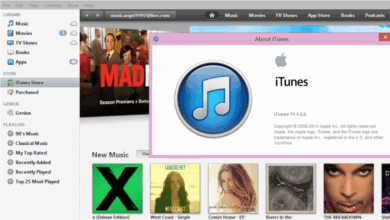
Apple’s ecosystem was a powerful force. The seamless integration of iTunes, the music store, with the iPod’s hardware, created a complete package. Users could easily purchase and manage their music library across all Apple devices, enhancing the appeal of the entire ecosystem. This integration extended beyond music, encompassing various services like podcasts and audiobooks. The user interface across devices was consistent, which improved the overall user experience.
This seamless integration provided a unique value proposition for consumers, unlike the more fragmented approach of the PSP. Examples include the ability to sync playlists from a computer to the iPod or to share music with other iPod users. The consistent user experience across Apple devices encouraged users to adopt more Apple products.
PSP’s Open Platform Limitations
The PSP, despite its strong gaming capabilities, struggled to replicate the cohesive ecosystem of the iPod. The PSP’s open platform, while allowing for a wider range of third-party applications, ultimately led to a fragmented user experience. The lack of a centralized management system, like iTunes, made it difficult to seamlessly manage and integrate different services. This lack of integrated services made it harder for the PSP to appeal to a broad consumer base.
Consumers found it challenging to manage their media across various services.
Software Updates and Compatibility
Software updates and compatibility played a crucial role in shaping consumer preferences. Apple’s consistent updates and compatibility across its devices ensured a smooth user experience and maintained the appeal of its ecosystem. The PSP, while receiving updates, didn’t match Apple’s frequency and breadth of updates, which often improved the usability and performance of the iPod and its related services. This consistency, coupled with compatibility across devices, bolstered Apple’s ecosystem.
The Impact of Closed Ecosystem
The iPod’s closed ecosystem, although limiting the flexibility of third-party developers, fostered a consistent user experience and reinforced Apple’s control over the user journey. This ultimately contributed to the iPod’s success, while the PSP’s open ecosystem, while allowing for more customization, ultimately proved insufficient to counter the iPod’s integrated approach. The PSP struggled to provide the same level of user experience, especially when compared to the integrated experience offered by the iPod.
Comparison of Ecosystems
| Feature | PSP (Open Ecosystem) | iPod (Closed Ecosystem) |
|---|---|---|
| Hardware | Diverse hardware choices from various manufacturers | Apple-designed hardware optimized for its software |
| Software | Variety of third-party applications | Centralized Apple software, tightly integrated with hardware |
| Services | Fragmentation of services, potentially lacking centralized management | Seamless integration of services, managed centrally through iTunes |
| User Experience | Potentially inconsistent across devices | Consistent user experience across all Apple devices |
The table highlights the stark differences in the approaches taken by Sony and Apple. Sony, with its open approach, aimed for flexibility and variety, while Apple prioritized a seamless and consistent experience. This difference in strategy had a direct impact on consumer perception and market share.
Evolution of Portable Entertainment
The landscape of portable entertainment has undergone a dramatic transformation since the dawn of the PSP and iPod. These devices, while revolutionary in their time, represent a mere stepping stone in a continuous evolution fueled by technological advancements and shifting consumer demands. The journey from bulky Walkmans to the ubiquitous smartphones and tablets we carry today is a fascinating one, filled with innovation and unexpected turns.The market has moved beyond simple music and games to encompass a vast array of experiences, from streaming video and interactive apps to high-resolution gaming and augmented reality.
This evolution has significantly impacted consumer expectations, driving demand for increasingly sophisticated and versatile devices.
Key Innovations and Trends
The introduction of the PSP and iPod marked a pivotal moment in portable entertainment, but their limitations were apparent. The handheld gaming market had previously struggled to find a consistent way to deliver high-quality experiences, while the iPod’s dominance in music was built on a proprietary ecosystem that made it hard for competitors to penetrate. Today, a variety of new technologies have emerged to address these limitations and satisfy a far broader spectrum of user desires.
Examples of Newer Technologies
The rise of high-speed internet connectivity has made streaming services, like Netflix and Spotify, ubiquitous in portable entertainment. Consumers now expect seamless access to vast libraries of movies, music, and podcasts on their devices. High-resolution displays and powerful processors have made it possible for portable devices to deliver gaming experiences that were once confined to home consoles. Furthermore, advancements in battery technology have dramatically increased the operational life of these devices, enabling longer use times.
Market Changes
The portable entertainment market has shifted from a niche market focused on a few select features to a massive industry that caters to a wide range of entertainment needs. This shift has been driven by several factors, including the increased affordability of advanced technologies, the proliferation of mobile internet access, and the growing desire for portable experiences that are both convenient and engaging.
This has profoundly altered consumer expectations, with users now expecting not just basic functionality, but also intuitive interfaces, seamless integration with other devices, and a rich selection of content.
Timeline of Significant Developments
| Year | Event | Description |
|---|---|---|
| 1979 | Sony Walkman | The Walkman, a portable cassette player, revolutionized personal audio, paving the way for portable entertainment. |
| 2001 | iPod | Apple’s iPod introduced a new era of digital music storage and playback, setting a new standard for portable media players. |
| 2004 | PSP | Sony’s PlayStation Portable (PSP) brought handheld gaming to a new level of sophistication, offering console-quality graphics and gameplay. |
| 2007 | iPhone | The iPhone, with its integration of phone, internet, and media, demonstrated the potential for convergence of devices, leading to a new era of mobile entertainment. |
| 2010 | Tablet Devices | The introduction of tablets (iPad, etc.) expanded the possibilities of portable entertainment by offering a larger screen for content consumption and more intuitive interaction. |
| 2010s-Present | Streaming Services | The emergence of streaming services like Netflix, Spotify, and others, became integral to portable entertainment, offering vast libraries of content on demand. |
Impact on Consumer Expectations
The evolution of portable entertainment has significantly shaped consumer expectations. Consumers now expect portable devices to be more than just a means of accessing specific content. They desire seamless connectivity, powerful processors, long battery life, and a vast library of content at their fingertips. The ability to stream, download, and share content on the go is no longer a luxury, but a necessity.
Last Point
In conclusion, the PSP and iPod saga highlights the importance of a strong ecosystem, user-friendly design, and strategic decision-making in the tech world. Apple’s iPod, with its comprehensive ecosystem, ultimately triumphed over the PSP. The decision to retire Editor 3 reflects the ever-changing landscape of software development. While the PSP may have fallen short in this specific battle, its legacy as a pioneering gaming device remains undeniable.
Hopefully, these insights into the past will illuminate the present and future of portable entertainment, and these gift ideas will help you make a thoughtful and meaningful present for Mom.