LG Electronics USA Moves to Suspend Smart TV Apps Functioning as Residential Proxy Nodes Following Security Research Revelations

SEO-friendly LG Electronics USA has announced a decisive move to suspend smart TV applications that transform users’ televisions into "always-on" residential proxy nodes, a decision prompted by recent research highlighting widespread security vulnerabilities and privacy concerns across its webOS platform. This significant policy shift underscores a growing awareness among major manufacturers of the hidden risks embedded within the burgeoning smart device ecosystem, particularly concerning the unauthorized routing of internet traffic through consumer electronics.
The home appliance giant’s action comes less than a month after alarming findings by security researchers revealed that a substantial portion—more than 42 percent—of games and other applications available for download on LG’s webOS store contained embedded software development kits (SDKs) designed to facilitate the operation of residential proxy services. These SDKs allow unknown third parties to reroute their internet traffic through a user’s television, often without explicit, clear, or ongoing consent, effectively turning personal devices into unwitting components of larger proxy networks. The implications for user privacy, network security, and device performance are profound, ranging from increased bandwidth consumption and potential legal liabilities for illicit online activities to a general erosion of trust in smart technology.
The Unveiling of a Hidden Threat: Spur.us Research
The catalyst for LG’s swift response was groundbreaking research published on July 2 by the security firm Spur.us, which meticulously examined the prevalence of residential proxy SDKs within the app ecosystems of popular smart TV platforms. Spur’s investigation, initially featured by KrebsOnSecurity, cast a critical light on the opaque practices underpinning certain app monetization strategies. Their findings were stark: over 42 percent of applications readily available for download on LG smart TVs were found to incorporate these SDKs, enabling them to convert a user’s television into a persistent proxy node. This issue was not exclusive to LG; the research also indicated that more than a quarter of apps developed for Samsung’s Tizen operating system contained similar residential proxy components, signaling a broader, industry-wide challenge.
The operational mechanism is insidious yet simple. App developers, seeking alternative revenue streams beyond traditional advertising or in-app purchases, enter into agreements with residential proxy providers. These providers pay developers to integrate their SDKs, which then leverage the user’s device—in this case, a smart TV—as an endpoint in a vast network of residential proxies. When activated, these TVs begin routing third-party internet traffic, often for paying customers of the proxy provider, effectively masking the true origin of that traffic. This process occurs in the background, typically consuming a user’s internet bandwidth and potentially impacting device performance, all while the user remains largely unaware of their TV’s secondary, often covert, function.
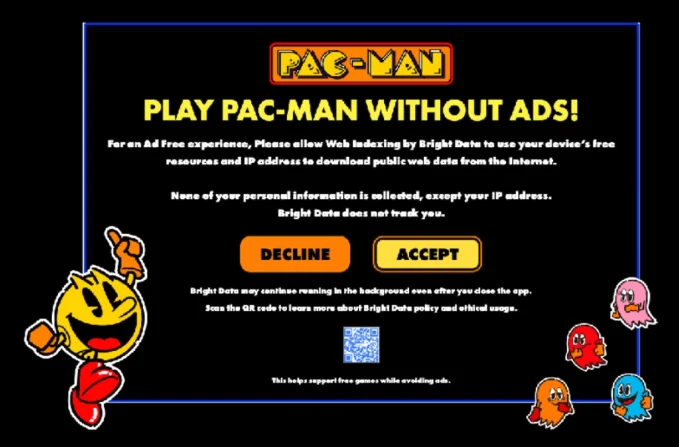
Spur’s report detailed how these residential proxy SDKs were found bundled within a surprising array of applications, from seemingly innocuous entertainment options like simple games (e.g., Pac-Man) to utility apps and even screensavers. This pervasive integration makes it exceptionally difficult for the average consumer to identify or mitigate the risk, as the functionality is hidden within apps that appear to serve legitimate, everyday purposes. The ease with which these SDKs can be integrated, coupled with the financial incentives for developers, has created a fertile ground for their widespread adoption across various smart device platforms.
LG’s Decisive Action and Future Commitments
In response to the gravity of Spur’s research, LG Electronics USA wasted no time in addressing the concerns. John Taylor, Senior Vice President at LG, provided a clear and unequivocal statement to KrebsOnSecurity, affirming the company’s commitment to user privacy and platform integrity. "A residential proxy network is not an intended use for LG smart TVs, and LG Electronics is working with developers to remove the residential proxy option from their apps on the webOS platform," Taylor stated. He further emphasized the seriousness of LG’s stance, declaring, "If this option is not removed, these apps will be suspended."
This announcement marks a critical turning point, signaling a more proactive approach from a major smart device manufacturer to regulate the hidden functionalities within its app ecosystem. Taylor assured that LG’s review of these applications is "well underway," indicating an expedited process to identify and purge non-compliant software. Looking ahead, LG is committed to strengthening its evaluation process for developer-submitted apps, explicitly including those that might incorporate residential proxy SDKs, as part of its ongoing efforts to enhance platform quality and the overall user experience. This commitment aims to prevent the resurgence of such practices and establish a more secure environment for webOS users.
The move by LG is not merely a reactive measure but suggests a broader strategic intent to reinforce consumer trust. In an era where smart devices are becoming increasingly integral to daily life, ensuring the transparency and security of these platforms is paramount. The company’s pledge to implement more stringent vetting processes for new and existing applications sets a precedent that could influence other manufacturers in the smart TV and broader IoT sectors.
The Residential Proxy Industry: Claims of Consent and Responsibility
At the heart of the controversy are the residential proxy network providers themselves. Spur’s report specifically highlighted Bright Data as accounting for a majority of proxy SDKs observed across both Samsung and LG smart TVs. Bright Data, a prominent player in the proxy service market, issued a statement to KrebsOnSecurity, asserting its commitment to ethical practices. The company claimed its network is "built on consent and responsibility" and operates within the terms set by platform providers like LG and Samsung.
Bright Data’s statement detailed its operational philosophy: "Every peer opts in through a dedicated screen and receives value in return; every customer is vetted, and our practices have now undergone a second independent audit by PwC." The company reiterated its dedication to "an open, transparent internet where legitimate businesses, researchers, and institutions can responsibly access data that lives in the public domain."

Other proxy providers implicated in Spur’s research echo similar sentiments, often highlighting "rigorous know-your-customer" processes designed to validate the legitimate uses of their services, which commonly involve content-scraping activities for market research, SEO monitoring, or academic research. They also claim to employ technological countermeasures to prevent proxy service customers from interacting with or controlling other devices on the proxy user’s local network, a critical security concern that could open doors to more severe cyberattacks.
However, Spur.us offered a crucial counterpoint to these industry assurances. Trevor Sutter, a representative from Spur, argued that the core problem is not the existence of residential proxy networks per se, but their pervasive embedding in devices that consumers do not typically perceive as full-fledged computers and are ill-equipped to audit. Sutter contended that "A one-time consent prompt buried in a TV app is not a substitute for meaningful transparency, ongoing control, and platform oversight." He further underscored the amplified risk when consent is given by individuals within a household who use the device but lack the authority or understanding to grant such permissions, specifically mentioning minors. This highlights a fundamental disconnect between the industry’s definition of consent and the practical realities of household device usage and digital literacy.
Broader Implications for Smart Device Security and Consumer Trust
LG’s announcement, while welcome, serves as a stark reminder of the broader security challenges facing the rapidly expanding Internet of Things (IoT) landscape. Smart TVs, like many other connected devices, are essentially specialized computers. However, unlike traditional PCs or smartphones, they often lack the sophisticated security features, user controls, and transparency mechanisms that consumers have come to expect. The average user assumes their smart TV is a benign entertainment device, not a potential egress point for anonymous internet traffic.
The practice of embedding residential proxy SDKs highlights several critical implications:
- Bandwidth Consumption: Routing third-party traffic consumes a user’s internet bandwidth, potentially leading to slower network speeds and increased data usage, particularly problematic for those with capped internet plans.
- Performance Degradation: Running background proxy services can strain a smart TV’s processor and memory, leading to sluggish performance, longer loading times, and a diminished user experience.
- Legal Liability: If a third party uses a compromised TV to conduct illegal activities online (e.g., cybercrime, copyright infringement, distributing malware), the IP address associated with the TV’s owner could be implicated, leading to potential legal complications or investigations.
- Privacy Concerns: Although proxy providers claim to only route traffic, the very act of surreptitiously utilizing a user’s home network for unknown purposes raises significant privacy questions about data handling and consent.
- Erosion of Trust: Incidents like this erode consumer trust in smart device manufacturers and the broader IoT ecosystem. If users cannot be confident that their devices are solely performing their advertised functions, the adoption and integration of smart technology into daily life could be hampered.
- Lack of Control and Transparency: The core issue, as articulated by Spur, is the lack of meaningful transparency and ongoing control for users. Consent obtained through obscure prompts within an app’s terms of service is often insufficient for such significant network-level operations.
This situation underscores the urgent need for greater accountability from device manufacturers and app developers, as well as more robust regulatory frameworks governing data privacy and device security in the IoT space. Consumers are often left vulnerable due to complex terms and conditions, coupled with a lack of technical understanding about what their "smart" devices are truly doing in the background.
A Pattern of Questionable Integrations: The McAfee Incident
The residential proxy controversy is not an isolated incident for LG. The company recently faced another wave of criticism regarding a questionable partnership involving the promotion of McAfee security products. Earlier this week, the popular YouTube channel Gamers Nexus exposed that certain high-end LG LCD monitors were automatically installing an application promoting paid McAfee antivirus subscriptions. The particularly concerning aspect was that this app arrived through Windows Update, seemingly without an explicit approval prompt from the user.
This incident, coming shortly after the residential proxy revelations, paints a picture of LG engaging in integration practices that prioritize third-party monetization or partnerships over transparent user consent and control. Automatically installing software, especially one that then pushes paid subscriptions, can be perceived as bloatware or even a form of pre-installed adware, undermining the user experience and raising further questions about the company’s commitment to user-centric design and privacy. The parallel between these two incidents—one involving network traffic redirection and the other, unsolicited software installation—suggests a systemic challenge in how LG manages its third-party integrations across its diverse product portfolio.
Regulatory Landscape and the Path Forward
The revelations about smart TV proxies and other dubious software integrations highlight a critical gap in the regulatory landscape surrounding IoT devices. While general data protection regulations like GDPR in Europe and CCPA in California offer broad protections, the specific mechanisms by which embedded SDKs operate and gather "consent" in smart devices often fall into gray areas. There is an increasing call for clearer guidelines and stricter enforcement regarding how manufacturers and app developers obtain and maintain consent for network resource usage and software installations on consumer devices.
The ongoing evolution of smart technology demands that manufacturers adopt a security-by-design approach, where privacy and security are fundamental considerations from the outset, not afterthoughts. This includes:
- Enhanced App Store Vetting: More rigorous and transparent processes for reviewing apps before they are published on official stores, with a focus on identifying hidden functionalities like residential proxy SDKs.
- Clearer Consent Mechanisms: Implementing user interfaces that provide unambiguous, granular, and easily revocable consent options for sensitive functionalities, especially those impacting network resources or privacy.
- Ongoing Monitoring and Auditing: Regular audits of existing apps and SDKs to ensure continued compliance with platform policies and evolving security standards.
- User Education: Empowering consumers with accessible information about the potential risks associated with smart devices and best practices for securing their home networks.
- Industry Collaboration: Manufacturers, security researchers, and regulatory bodies collaborating to establish industry-wide standards for transparency, security, and consent in the IoT ecosystem.
LG’s decision to ban residential proxy SDKs is a positive step, demonstrating a manufacturer’s capacity to respond to security concerns. However, it also serves as a potent reminder that the "smart" convenience of modern devices often comes with hidden complexities and potential vulnerabilities. As our homes become increasingly connected, the onus remains on manufacturers to prioritize user trust and security, and on consumers to remain vigilant about the digital footprint of their devices. The long-term success of the smart home vision hinges not just on innovative features, but on a foundation of transparency, control, and unwavering commitment to user privacy.
Related posts: