How T-Mobile’s New Launch Promotion Enables Customers to Secure the Apple iPhone 18 Pro at Zero Device Cost

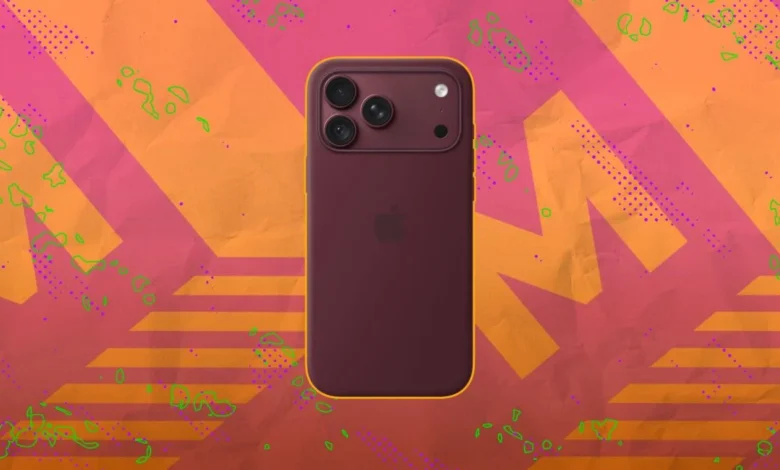
The annual autumn release cycle for consumer technology has once again captivated the global market following Apple Inc.’s official unveiling of its next-generation hardware lineup. Months of industry speculation, supply chain leaks, and prototype rumors culminated in a high-profile keynote event where the Cupertino-based technology giant introduced the latest iterations of its flagship smartphone series, alongside updated Apple Watch models and next-generation AirPods. While the ecosystem updates generate substantial consumer enthusiasm, the introduction of the flagship iPhone 18 Pro series consistently commands the highest volume of market attention, steering the focus of both industry analysts and everyday consumers toward retail availability and carrier promotions.
In the wake of these hardware announcements, major telecommunications providers have rolled out their competitive launch incentives. Among the initial wave of retail offers, T-Mobile has emerged with a prominent promotional campaign, enabling qualified customers to acquire the new Apple iPhone 18 Pro with a net device cost of zero. This offer arrives as carriers vie for consumer loyalty during the most lucrative quarter of the fiscal year, utilizing aggressive device subsidies to secure long-term service commitments.
Structural Requirements and Qualification Criteria for the Promotion
The mechanics of T-Mobile’s flagship iPhone launch offer are structured around customer acquisition and retention within specific service tiers. To qualify for the zero-cost device promotion on the Apple iPhone 18 Pro, consumers must meet designated carrier criteria. Interested buyers have two primary pathways to eligibility: they can initiate a switch from a competing carrier while bringing their existing mobile telephone number, or they can trade in an eligible smartphone—accepted in virtually any physical condition—while enrolling in a qualifying service tier, specifically the carrier’s "Experience Beyond" plan.
While the hardware itself is discounted to a net price of zero, the financial structure of the agreement involves specific terms and conditions standard to modern carrier promotions. The full retail value of the iPhone 18 Pro is defrayed through promotional bill credits distributed incrementally across a 36-month installment agreement. Consequently, participants must maintain their service line and active device financing agreement with T-Mobile for the entirety of the three-year duration to receive the full cumulative savings. Should a customer terminate their service or payoff the device agreement early, the remaining balance of the full retail price becomes immediately due.
In addition to maintaining the three-year service commitment, participants are subject to certain upfront costs at the point of sale. T-Mobile requires customers to pay any applicable local sales taxes calculated on the device’s full retail value at the time of purchase, rather than on the promotional zero-dollar rate. Furthermore, buyers must pay a standard device connection fee of $35 per line processed during checkout. These initial out-of-pocket expenses represent the baseline financial requirement for consumers looking to adopt Apple’s premier mobile hardware without incurring the standard four-figure retail price upfront.
Historical Chronology of the Apple Product Cycle and Carrier Response
The rollout of the iPhone 18 Pro follows a predictable, highly orchestrated annual timeline that defines the consumer electronics industry. The trajectory toward the autumn release typically begins months in advance, characterized by an escalation of leaked component designs, regulatory filings, and manufacturing reports originating from Apple’s supply chain partners in Asia. Throughout the spring and summer months preceding the official launch, technology journalists and financial analysts dissect these fragments to forecast hardware enhancements, architectural shifts in processing technology, and potential design modifications.
As the late-summer window approaches, Apple formally issues media advisories for its keynote presentation, shifting market discourse from speculative leaks to official specifications. The hardware announcement event serves as the catalyst for the retail phase. Within hours of the keynote concluding, preorder windows open, and major national carriers launch their promotional campaigns. Historically, telecommunications providers utilize these launch windows to capture high-value postpaid subscribers through aggressive device subsidies, recognizing that securing a customer at the point of a major hardware upgrade often guarantees multi-year service revenue.
The convergence of Apple’s product announcements and carrier promotional strategies creates a brief, highly competitive market window during September. During this period, providers adjust their trade-in valuations, credit structures, and service plan requirements to differentiate themselves from competitors. T-Mobile’s structuring of the iPhone 18 Pro offer around the Experience Beyond plan reflects a broader industry trend toward tying hardware subsidies to premium, feature-rich service tiers that include expanded data allowances and bundled digital services.
Financial and Economic Implications for Consumers and the Telecommunications Sector
Analyzing the broader market implications of zero-dollar device promotions reveals a calculated economic trade-off between upfront consumer savings and long-term contractual obligations. For the average consumer, spreading the acquisition cost of a high-end smartphone across a 36-month period lowers the barrier to entry for premium technology. Devices equipped with advanced computational architecture, professional-grade camera systems, and extended battery capabilities often command retail prices exceeding one thousand dollars. Subsidized installment models democratize access to these technologies, allowing users to upgrade their hardware without depleting liquid capital.
However, financial analysts emphasize that long-term service agreements alter consumer mobility within the telecommunications market. By locking customers into a three-year installment plan tied to monthly bill credits, carriers effectively mitigate churn—the rate at which customers leave for a competitor. If a consumer wishes to switch providers before the 36-month term concludes, forfeiting the remaining bill credits can result in a significant financial penalty, as the uncredited balance of the hardware becomes payable. This structural retention mechanism ensures predictable, recurring revenue streams for the carrier, offsetting the initial financial outlay of absorbing the cost of the hardware.
From the perspective of device manufacturers like Apple, carrier-subsidized promotions are vital to maintaining high shipment volumes for Pro-tier models. High retail price points can occasionally create consumer resistance, particularly during periods of broader economic uncertainty or inflation. When carriers absorb the hardware cost through service-bundled subsidies, demand for top-tier devices remains robust, supporting Apple’s hardware revenue and encouraging wider adoption of its broader software and accessory ecosystem, including smartwatches and wireless audio devices.
Industry Analysis and Market Outlook
The competitive landscape for smartphone sales in the fourth quarter of the fiscal year remains intensely contested among major national operators. As market penetration for mobile devices reaches near-saturation in developed economies, organic growth is largely driven by replacement cycles rather than first-time buyers. Consequently, carriers rely heavily on aggressive promotional offerings—such as accepting trade-in devices in "any condition"—to incentivize upgrades and capture market share from rival networks.
T-Mobile’s strategy of decoupling trade-in value from physical device condition represents an evolving trend in retail risk management. Historically, trade-in programs imposed strict grading criteria, penalizing consumers for cracked screens, battery degradation, or cosmetic wear. By broadening eligibility to include devices in any condition, carriers remove a primary friction point for hesitant consumers, accelerating the migration of older legacy hardware off active networks and onto modern 5G infrastructures.
As the initial launch weekend progresses, market observers will monitor consumer uptake of the iPhone 18 Pro relative to standard and entry-level models. The success of promotions tied to premium service tiers like the Experience Beyond plan will likely serve as a bellwether for average revenue per user (ARPU) metrics in subsequent quarterly earnings reports. For consumers navigating the myriad of launch deals available across the market, the decision ultimately rests on balancing the immediate savings of a zero-dollar device offer against the long-term financial commitment of a multi-year service contract.