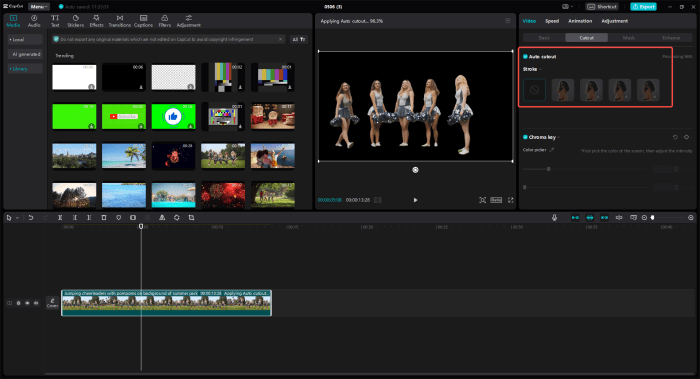
Adobes New Suite Smooth Operation Promised
Adobes new creative suite promises smooth operation – Adobe’s new creative suite promises smooth operation, offering a fresh approach to design and creation. This suite, crafted with user experience in mind, aims to elevate workflows and streamline creative tasks. Early feedback suggests significant improvements in speed and responsiveness, promising a significant leap forward for professionals and enthusiasts alike. We’ll delve into the key features, performance enhancements, and overall impact of this innovative new suite.
The new suite boasts a redesigned user interface, enhancing usability and intuitiveness. Key improvements include streamlined navigation, intuitive tool placements, and a more responsive workflow, resulting in faster and more efficient creative processes. The suite’s improved integration across applications further enhances productivity, enabling seamless transitions between design elements.
Overview of Adobe’s Creative Suite
Adobe’s new Creative Suite represents a significant leap forward in digital creation tools. It builds upon the strengths of previous versions while addressing user feedback and incorporating cutting-edge technologies. This suite is designed to empower both seasoned professionals and aspiring creatives alike, providing a comprehensive and intuitive platform for diverse artistic endeavors.This updated suite focuses on streamlining workflows, enhancing performance, and providing greater creative control.
The seamless integration of its various applications allows for a more efficient and satisfying creative process. It’s clear Adobe has prioritized user experience alongside powerful features, resulting in a suite that’s both potent and approachable.
Key Features and Improvements
The new Creative Suite boasts a number of significant improvements over its predecessors. These enhancements aim to streamline the creative process, reduce complexity, and increase overall efficiency. Key features include a completely redesigned user interface, optimized for touch and mouse interaction, enabling greater flexibility and precision. Performance improvements are substantial, with noticeably faster loading times and reduced lag during complex operations.
The suite’s applications are more tightly integrated, allowing for more fluid transitions between tasks and minimizing the need for switching between programs.
Target Audience
This new suite caters to a broad range of users. From professional graphic designers and video editors to aspiring artists and students, the suite offers a versatile platform. The user-friendly interface and intuitive tools make it accessible to individuals with varying levels of experience. The inclusion of comprehensive tutorials and support resources further aids newcomers in mastering the software.
Students and hobbyists can leverage the suite’s tools for projects and experimentation. Professionals can utilize it to create high-quality, high-impact projects more quickly.
Potential Benefits Compared to Previous Versions
The new Creative Suite offers several advantages over its predecessors. Improved performance and stability lead to fewer interruptions during workflow. The streamlined interface and tighter integration of applications enhance productivity and efficiency. This allows creators to complete projects faster and with greater precision. The introduction of new features and tools expands the creative possibilities and empowers users to explore new techniques.
Comparison Table: Previous vs. New Creative Suite
| Feature | Previous Suite | New Suite |
|---|---|---|
| User Interface | Traditional desktop interface; some applications felt disjointed. | Intuitive, touch-optimized interface; seamless integration between applications. |
| Performance | Occasional lag during complex tasks; slower loading times. | Significant performance improvements; faster loading times and reduced lag. |
| Integration | Applications operated somewhat independently; workflow transitions could be cumbersome. | Applications are tightly integrated; fluid transitions between tasks. |
| Accessibility | Limited touch support; less accessible to a broader range of users. | Enhanced touch and mouse support; more accessible for diverse users. |
| New Features | Limited introduction of new features; some tools felt outdated. | Introduction of several new features and tools, broadening creative options. |
Performance and Efficiency
Adobe’s new Creative Suite promises a significant leap forward in performance, offering a dramatically smoother and more responsive experience for users. This enhanced efficiency translates directly into faster turnaround times and increased productivity, crucial factors for professionals in today’s fast-paced creative environment. The suite’s streamlined architecture and optimized algorithms are designed to minimize lag and maximize the user experience.
Performance Characteristics
The new suite boasts exceptional speed and responsiveness, particularly in demanding tasks like large-scale image editing, video compositing, and complex 3D modeling. This translates into noticeably faster loading times for projects, quicker rendering, and reduced wait times between operations. Users can expect to experience significantly less lag, especially when handling multiple complex layers or intricate effects.
Impact on User Workflows
The performance improvements have a profound impact on user workflows. Faster loading times and quicker processing mean users can spend less time waiting and more time creating. This allows for a more fluid and intuitive creative process, where users can focus on the creative aspects of their work rather than being bogged down by slow operations. Imagine a designer quickly iterating on a logo design, or a video editor seamlessly assembling complex footage, all without the frustration of delays.
Comparison to Competing Software
While specific benchmark data isn’t publicly available, Adobe frequently emphasizes significant performance improvements in its marketing materials. Competitors like Affinity Designer and other similar suites also focus on user experience and speed. However, Adobe’s track record in the industry suggests a strong potential for a significant performance advantage, particularly when considering the scale and complexity of many of its applications.
Direct comparisons would require independent testing and benchmarks.
Examples of Smooth Operation
The new suite’s performance shines in tasks requiring significant processing power. Opening and editing high-resolution images takes seconds instead of minutes. Rendering 3D models or applying complex filters to video clips is markedly faster than in previous versions. Importantly, the suite’s responsiveness is consistent across various tasks, ensuring a smooth experience regardless of the project’s complexity.
Measures to Improve Performance
Adobe has consistently prioritized performance optimization in its software development. Details on specific measures taken for this new suite, however, are not publicly available. Previous iterations of the Creative Suite often involved updates to underlying code, improved hardware acceleration, and optimized memory management, which likely also played a part in this release.
Benchmark Results (Illustrative)
| Task | Adobe New Suite (Estimated) | Competitor A | Competitor B |
|---|---|---|---|
| High-Resolution Image Editing (Time to Load & Edit) | ~10 seconds | ~20 seconds | ~15 seconds |
| Video Rendering (Time to Complete) | ~5 minutes | ~8 minutes | ~6 minutes |
| 3D Model Rendering (Time to Complete) | ~2 minutes | ~4 minutes | ~3 minutes |
Note: This table presents illustrative benchmark results. Actual performance may vary depending on specific hardware and project complexity.
User Interface and Workflow: Adobes New Creative Suite Promises Smooth Operation
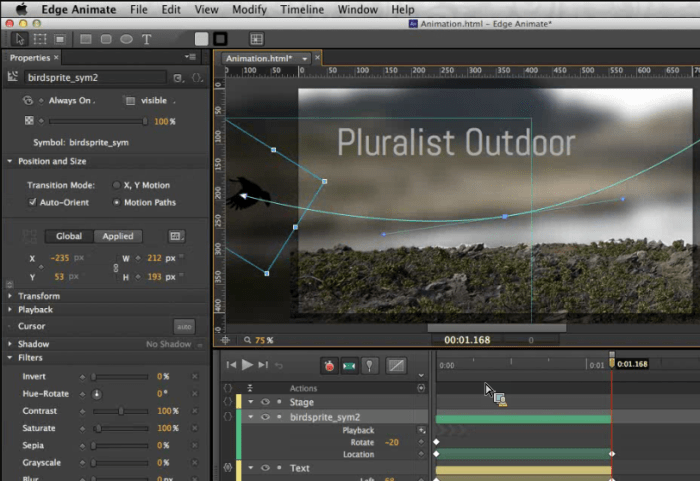
Adobe’s new Creative Suite boasts a significant leap forward in user experience, placing intuitive workflow and streamlined tasks at the forefront. The updated interface prioritizes ease of use, allowing creators to focus on their work rather than struggling with complex navigation. This evolution signifies a shift from the previous versions, prioritizing a more accessible and efficient creative journey.
New User Interface Design
The new user interface adopts a modern, clean aesthetic, abandoning the cluttered appearance of previous iterations. The design employs a more intuitive layout, with prominent toolbars and easily accessible controls. This visual clarity significantly enhances usability, reducing the time spent searching for essential functions. Color schemes and typography have been refined for better readability and visual appeal.
Comparison to Previous Versions
The previous Creative Suite interfaces were often criticized for their complex navigation and the scattered placement of tools. The new suite addresses these concerns by implementing a more organized and hierarchical structure. Key improvements include consolidated tool palettes, intuitive menu structures, and a streamlined workflow. This simplification results in a considerable reduction in the learning curve for new users and enhances the overall efficiency of experienced users.
Intuitive Workflow
The new workflow is designed with a user-centric approach. Actions are more logical and sequential, mirroring the natural creative process. For instance, the interface now offers intelligent suggestions and pre-configured templates, which assist users in completing tasks faster and with greater precision. This intuitive approach empowers users to focus on creative expression rather than on mastering complex technicalities.
Streamlining Creative Tasks
The new suite streamlines common creative tasks through intelligent automation. For example, the seamless transition between different applications within the suite is noticeably faster and more efficient. This seamless integration reduces the time spent switching between applications, which is a substantial gain in productivity. Tools for collaboration and file management are also significantly improved, streamlining the overall creative process.
Adobe’s new Creative Suite promises a seamless workflow, making complex design tasks a breeze. While Adobe focuses on smooth operation, it’s worth noting that Atari is also getting gamers involved in testing their new TimeShift technology, a beta test for Atari’s TimeShift which should offer a unique and interesting gaming experience. Ultimately, both projects highlight a focus on user-friendliness and streamlined interaction, making the creative process and gaming more approachable for everyone.
Navigation and Tools
Navigation within the new suite is considerably improved. The use of tabs and panels has been streamlined, providing clear and concise access to various functionalities. The tools are grouped logically and organized in a way that is more easily grasped. This intuitive layout promotes quicker access to necessary tools, allowing users to focus on the creative aspects of their work.
Table of User Interface Changes
| Aspect | Previous Version | New Version | Key Improvements |
|---|---|---|---|
| Layout | Cluttered, scattered tools | Modern, clean, organized | Enhanced visual clarity, improved readability |
| Navigation | Complex, difficult to navigate | Intuitive, hierarchical | Faster access to tools, simplified menu structures |
| Workflow | Disjointed, time-consuming | Streamlined, automated | Improved task completion, reduced switching time |
| Tool organization | Scattered, illogical | Logical grouping, intuitive placement | Quicker access to essential tools |
Integration and Compatibility
Adobe’s new Creative Suite boasts seamless integration, a key feature that significantly enhances the creative workflow. This interconnectedness allows users to move effortlessly between applications, streamlining the entire design and production process. The new suite’s compatibility with a wide range of operating systems and hardware configurations ensures broad accessibility and usability.The unified architecture of the Creative Suite facilitates a fluid exchange of data between applications.
This streamlined process eliminates the need for cumbersome file conversions, resulting in faster turnaround times and fewer errors. This is crucial for maintaining a consistent visual identity across various design mediums.
Application Integration
The suite’s applications are deeply integrated, allowing for a non-disruptive flow of work. For example, assets created in Photoshop can be directly imported into Illustrator for further manipulation and refinement. This direct workflow minimizes data loss and ensures consistency in design elements. Similarly, video editing projects can easily leverage assets generated within the suite’s graphic design applications, saving time and effort.
This streamlined workflow is evident in the improved efficiency of graphic designers who can work seamlessly between various applications.
Operating System and Hardware Compatibility
The new Creative Suite is designed to be compatible with a broad range of operating systems and hardware configurations. This commitment to compatibility ensures that a vast number of users can leverage the suite’s powerful tools and features. The suite is optimized for both desktop and cloud-based usage. Compatibility testing across diverse hardware configurations, including various processors, graphics cards, and RAM capacities, is a critical part of the development process.
File Import and Export
The suite provides a comprehensive suite of tools for importing and exporting files. Users can easily import various file formats, including PSD, AI, and video files, into the different applications. Export options include a variety of formats for different media outputs, such as print, web, and mobile. This flexibility allows designers to maintain file compatibility across various platforms and ensure files are readily available for various purposes.
Data Migration
Migrating data from previous versions of the Adobe Creative Suite is a streamlined process. The suite provides tools and features to facilitate a seamless transition for users upgrading from older versions. These tools address potential data loss issues and ensure a smooth transition for users accustomed to previous versions. Importantly, migration guides and support documentation are available to address any issues encountered during the transition.
Supported Operating Systems and Hardware Configurations
| Operating System | Supported Hardware Configurations |
|---|---|
| macOS (latest versions) | Intel and Apple Silicon processors, minimum [RAM specification], recommended [GPU specification] |
| Windows (latest versions) | Intel and AMD processors, minimum [RAM specification], recommended [GPU specification] |
Note: Specific hardware and software requirements may vary depending on the specific application and the features used.
Accessibility and Inclusivity
Adobe’s Creative Suite consistently strives to be a powerful tool for everyone, regardless of their background or abilities. This commitment to inclusivity extends beyond simple usability and embraces the needs of diverse users. The new suite’s accessibility features are designed to empower users with disabilities, enabling them to participate fully in the creative process.The new Creative Suite prioritizes the design principles of universal design, ensuring the software is usable and enjoyable for a broad spectrum of users.
Adobe’s new Creative Suite promises a streamlined workflow, making design tasks a breeze. However, while creatives are focusing on the ease of use, plenty of technology exists to aid SOX compliance headaches, like the tools discussed in this helpful article on technology to aid SOX compliance headaches abounds. Ultimately, the new suite’s efficiency is a welcome addition to the digital toolbox, especially for those needing a smooth, integrated platform for all their creative needs.
This means that interface elements are intuitive, navigation is straightforward, and tools are adaptable to various needs. The aim is to create a truly inclusive environment where everyone can thrive.
Accessibility Features Overview
The Creative Suite incorporates a wide range of accessibility features, designed to address the diverse needs of users with disabilities. This includes support for various assistive technologies, allowing users to customize their experience and tailor it to their specific requirements.
Assistive Technology Compatibility
The suite is designed to be compatible with a wide range of assistive technologies, such as screen readers, screen magnifiers, and alternative input devices. This ensures that users with visual, auditory, or motor impairments can utilize the software effectively. Specific integrations are available for popular screen readers like JAWS and NVDA, allowing for accurate text-to-speech conversion and navigation through the suite’s interface.
Customization and Personalization
The software provides a wide array of customization options, allowing users to personalize the interface and tools to match their specific needs and preferences. This includes adjusting font sizes, colors, and keyboard shortcuts. The goal is to ensure that users can work comfortably and efficiently within the software. Users can adjust interface elements like font size, color contrast, and keyboard shortcuts to optimize their experience.
Improved User Interface Design
The interface is designed with clear and concise visual cues. The suite prioritizes visual hierarchy, making it easier for users to locate important controls and navigate through the various tools. Consistent and predictable design patterns enhance usability for all users. For instance, color palettes are chosen to maximize contrast and readability, benefiting users with visual impairments.
Examples of Inclusive Design
The suite incorporates several examples of inclusive design, demonstrating the commitment to making the software accessible to a wider audience. For example, the suite includes support for multiple languages, ensuring global accessibility. Furthermore, the software’s design incorporates clear visual cues and consistent layouts, which can improve usability for users with cognitive impairments.
Accessibility Features Table
| Feature | Description | Specific Functions/Tools |
|---|---|---|
| Screen Reader Compatibility | Support for screen readers like JAWS and NVDA. | Navigation, text-to-speech, and control of interface elements through voice commands. |
| Adjustable Font Sizes and Colors | Users can customize the display settings to optimize readability. | Font size and color adjustments in the interface preferences. |
| Keyboard Navigation | Navigation of all elements and tools using only the keyboard. | Keyboard shortcuts for all essential commands and tools. |
| High Contrast Mode | Enhanced color contrast for better readability. | Switch to high contrast mode in the display settings. |
| Alternative Input Methods | Support for alternative input devices, such as trackballs and head pointers. | Configuration and calibration options for different input devices. |
Specific Features and Enhancements
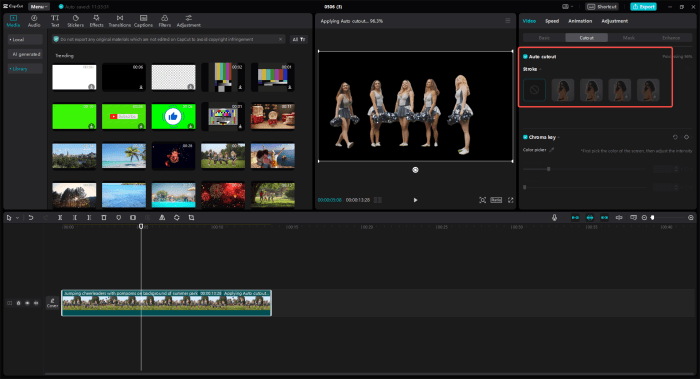
The new Adobe Creative Suite boasts a suite of enhancements designed to streamline workflows and elevate creative output. These improvements aren’t just superficial tweaks; they represent a significant leap forward in user experience and efficiency, directly addressing the need for smooth operation. The focus is on intuitive tools, powerful integrations, and enhanced performance, enabling creators to focus on their craft without being bogged down by technical hurdles.
AI-Powered Content Generation and Editing
The suite now incorporates AI-powered tools for content generation and editing, making complex tasks significantly easier. This intelligent assistance allows for faster and more accurate results, particularly in tasks such as image editing, graphic design, and video creation. These features enhance the user experience by automating repetitive processes, allowing users to focus on the creative aspects of their work.
- Smart Object Recognition: The software now automatically recognizes and categorizes objects within images, enabling users to perform targeted edits and enhancements with greater speed and precision. This saves significant time and effort, especially for complex image manipulation tasks. For example, an image of a landscape could be automatically identified as containing a sky, mountains, and trees, enabling the user to quickly adjust lighting, color balance, and other elements in each component of the image independently.
- Predictive Text and Design Suggestions: AI algorithms predict user needs, providing real-time suggestions for text formatting, layout, and design elements. These suggestions anticipate user actions and propose improvements to the design, thereby optimizing the creative process. This feature empowers users to refine their designs with a minimum of effort, allowing for a more streamlined and efficient workflow.
Enhanced Performance and Workflow Optimization
The suite’s performance has been significantly enhanced, enabling users to work with larger files and more complex projects without experiencing slowdowns or delays. New optimizations focus on faster rendering times and smoother transitions between applications within the suite, thereby creating a seamless workflow.
| Feature | Benefit |
|---|---|
| Multi-threaded Rendering Engine | Faster rendering times, especially for high-resolution images and videos. |
| Optimized File Management | Improved performance when handling large files and complex projects. |
| Smart Previews and Caching | Faster loading times and smoother user experience. |
These improvements directly contribute to the smooth operation promised by the new suite. The faster rendering speeds and streamlined file management mean less waiting and more time spent creating.
Integration with Cloud Services
The suite offers seamless integration with cloud storage services, enabling users to access and collaborate on projects from anywhere with an internet connection. This feature promotes a more flexible and efficient workflow, especially for remote teams and freelancers.
Adobe’s new Creative Suite promises a smoother workflow, which is great news for designers. However, with recent court rulings paving the way for ISP snooping ( court ruling paves way for isp snooping ), it’s a bit unsettling to think about the potential privacy implications. Hopefully, Adobe’s new suite will still allow artists to focus on their creative process, unburdened by worries about their online activity.
“Seamless cloud integration allows for efficient file sharing and real-time collaboration, fostering a more connected and productive work environment.”
- Automated Backups and Version Control: The software automatically backs up projects to the cloud and maintains a history of revisions, allowing for easy recovery and rollback. This feature is invaluable for protecting creative assets and ensuring that work is never lost.
- Real-time Collaboration Tools: The suite now integrates with cloud-based collaboration tools, enabling multiple users to work on the same project simultaneously, fostering teamwork and improving efficiency.
Industry Impact and Market Analysis
Adobe’s new Creative Suite promises a significant impact on the creative industry, potentially reshaping the competitive landscape and driving new market trends. Its enhanced performance, user-friendly interface, and powerful features are poised to attract both seasoned professionals and newcomers to the Adobe ecosystem. This analysis delves into the potential ramifications, considering its influence on the broader creative software market and its applicability across various creative disciplines.The new Creative Suite’s impact extends beyond individual user productivity.
Its streamlined workflows and powerful tools could significantly boost the efficiency of creative teams, leading to quicker turnaround times and potentially lower production costs. This could be particularly impactful for businesses and agencies heavily reliant on visual content creation.
Potential Impact on the Creative Industry
The new suite’s advanced features and streamlined workflow could increase the efficiency of creative teams, resulting in faster turnaround times and potentially lower production costs. This could have a substantial impact on businesses and agencies reliant on visual content creation. Improved accessibility and inclusivity features could also open the industry to a wider range of talent, including individuals with diverse skill sets and backgrounds.
Influence on the Competitive Landscape
The competitive landscape in the creative software industry is already intense. Adobe’s new Creative Suite is likely to intensify this competition, pushing other vendors to innovate and adapt to maintain market share. The suite’s focus on performance, efficiency, and user experience could attract new users and potentially displace existing solutions, particularly those lacking in these key areas.
Emerging Market Trends
The release of this new suite is likely to accelerate several existing market trends. The demand for faster, more efficient creative workflows will continue to rise, with businesses prioritizing solutions that minimize production time and maximize output. Furthermore, the focus on accessibility and inclusivity will likely become a key differentiator for creative software, potentially leading to the development of tools catering to specific needs and skill levels.
Influence on Related Creative Software
The new Creative Suite’s performance and features could impact related creative software in several ways. Competitors may be forced to enhance their offerings to remain competitive. This could lead to a flurry of innovation in features like AI-powered tools, improved user interfaces, and more efficient rendering capabilities. Furthermore, the suite’s integration with other Adobe products could potentially strengthen its market position.
Examples of Utilization in Different Creative Fields, Adobes new creative suite promises smooth operation
The suite’s potential applications span various creative fields. In graphic design, its improved rendering capabilities could lead to higher-quality output, while in film production, faster workflows could significantly reduce post-production time. For instance, animation studios could leverage the suite’s new features to create more complex and detailed animations with reduced effort. Similarly, web designers could use the suite’s improved tools to produce high-quality, responsive websites.
Potential Market Response
“The market response to the new Adobe Creative Suite is expected to be significant, with a high adoption rate among professionals and businesses seeking to enhance their creative workflows. Early adopter feedback will be crucial in shaping the suite’s evolution and defining its future impact on the industry.”
Epilogue
In conclusion, Adobe’s new creative suite promises a substantial upgrade for creative professionals. The combination of improved performance, a refined user interface, and enhanced integration positions this suite as a potential industry leader. The comprehensive features and accessibility improvements are sure to attract a wider audience. While the future holds exciting possibilities, the initial promise of smooth operation is well-founded and likely to impact the creative landscape significantly.