Amazon TiVo Bridge PC to TV Gap Bridging the Divide
Amazon TiVo Bridge PC to TV gap sets the stage for a detailed exploration of connecting your PC to your TV. This comprehensive guide delves into the bridge’s functionality, highlighting its strengths and weaknesses, and providing alternative solutions for those looking to stream PC content to their TVs. We’ll examine the technical aspects, common problems, and future prospects of this technology.
The Amazon TiVo Bridge aims to eliminate the hurdles of directly streaming PC content to a TV. However, it comes with limitations, such as compatibility issues and performance constraints. This post explores these limitations and provides practical alternatives for users to overcome them, considering various factors like streaming quality, setup complexity, and cost.
Introduction to the Amazon TiVo Bridge
The Amazon TiVo Bridge serves as a crucial intermediary for seamlessly connecting a personal computer (PC) to a television (TV). Its primary function is to allow PC-based media and applications to be displayed and controlled on a larger screen. This bridging functionality leverages network protocols and specialized software to transform a PC’s digital output into a format suitable for TV display.Typical use cases for the Amazon TiVo Bridge encompass various scenarios.
From streaming movies and shows directly from a PC to presenting presentations or work documents on a larger screen, the TiVo Bridge facilitates the seamless transition of PC content to the TV. It simplifies tasks by eliminating the need for cumbersome external displays or complicated setup procedures. This allows users to leverage their existing PC infrastructure for entertainment and productivity on a TV.
Purpose and Function
The Amazon TiVo Bridge acts as a digital conduit between a PC and a TV. It translates the PC’s digital signals into a format compatible with the TV’s display capabilities. This allows users to mirror their PC screen, share files, and control PC applications remotely through the TV interface. The TiVo Bridge’s functionality extends beyond simple screen mirroring to encompass features like media streaming and remote control.
Typical Use Cases
The Amazon TiVo Bridge is ideal for a range of scenarios. It’s particularly useful for users wanting to present presentations on a larger screen. It also empowers users to watch movies and TV shows from their PC on a TV without the need for external devices. This bridge simplifies the process of accessing and controlling PC-based media on a larger display.
Educational settings can benefit greatly from using the Amazon TiVo Bridge to share instructional materials or educational videos. Additionally, individuals working remotely can utilize the bridge to display their work documents or spreadsheets on a larger screen for better visibility and collaboration.
Figuring out how to bridge the PC to TV gap with an Amazon TiVo is a common tech problem. It’s all about getting the right signal and setup. Modern digital signatures, like those discussed in electronic signatures the proof is in the process , are a similar process of ensuring authenticity, though on a much larger scale.
Ultimately, the correct configuration is key for a smooth and reliable experience, whether it’s streaming content or verifying digital identities. Getting the Amazon TiVo connected properly to your TV is just one step in a larger tech puzzle.
Technical Architecture
The Amazon TiVo Bridge’s architecture relies on a combination of network protocols and software. It typically utilizes a network connection, such as Wi-Fi or Ethernet, to establish communication between the PC and the TV. The bridge’s software acts as a translator, converting the PC’s digital signals into a format suitable for the TV. This translation involves encoding and decoding the signals, ensuring compatibility with the TV’s display standards.
Specific protocols like HDMI or other display standards are essential for the successful transfer of data.
Historical Context
The concept of bridging PC to TV capabilities has evolved significantly over time. Early attempts focused on specialized hardware and proprietary protocols. The advent of network technology and the rise of streaming services laid the foundation for more sophisticated solutions. The Amazon TiVo Bridge is a modern embodiment of this evolution, leveraging existing network infrastructure and software to create a seamless and user-friendly solution.
This reflects the broader trend of connecting various devices and services over a network.
Device, Function, and Connection Type
This table highlights the roles of the devices involved in the setup, focusing on the Amazon TiVo Bridge’s central function.
Ever wished your PC’s movie collection could seamlessly stream to your TV? The Amazon TiVo bridge offers a solution to that PC-to-TV gap. However, as analysts question MPAAS findings on film piracy analysts question mpaas findings on film piracy , it’s worth considering the implications of such a streaming solution. Perhaps, the TiVo bridge is a valuable tool for legally obtained content, but more needs to be done to ensure responsible usage, considering the legal gray areas.
So, if you’re looking to bridge that gap, do your research and weigh the potential benefits and concerns.
| Device | Function | Connection Type |
|---|---|---|
| Personal Computer (PC) | Source of content and applications | Network (Wi-Fi/Ethernet) |
| Amazon TiVo Bridge | Translates PC signals for TV display, manages the connection | Network (Wi-Fi/Ethernet), HDMI (to TV) |
| Television (TV) | Display device for PC content | HDMI (from Amazon TiVo Bridge) |
Identifying the PC-to-TV Gap
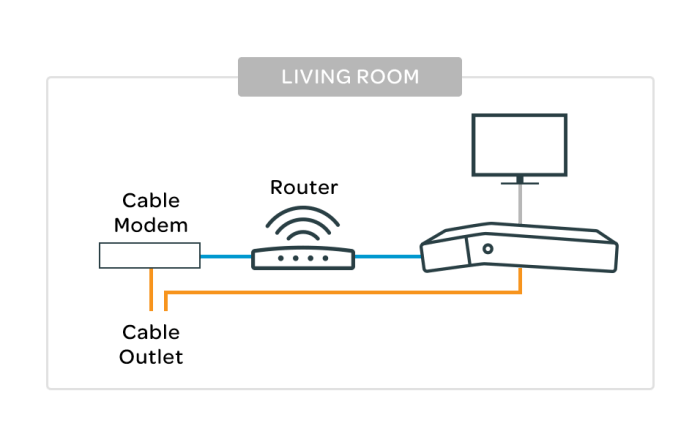
The Amazon TiVo Bridge, while a promising tool for streaming PC content to a TV, isn’t without its limitations. Bridging the gap between the powerful processing of a personal computer and the display capabilities of a television requires careful consideration of several factors. Understanding these limitations can help users avoid frustration and ensure a smoother, more effective streaming experience.The PC-to-TV streaming experience with the Amazon TiVo Bridge can sometimes fall short of expectations, creating a noticeable gap in performance and functionality.
This gap often arises from compatibility issues, performance bottlenecks, and limitations in handling specific types of media.
Common Pain Points in PC-to-TV Streaming
Many users encounter difficulties when trying to stream PC content to their TV using the Amazon TiVo Bridge. These issues can range from minor annoyances to significant roadblocks, impacting the overall user experience. A key factor is the diverse nature of PC hardware and software configurations.
- Performance Bottlenecks: Complex applications or high-resolution video files can strain the processing capabilities of the TiVo Bridge. This can lead to buffering, lagging, and even complete failure to stream, particularly when dealing with demanding content like 4K video or high-end video games. A poor internet connection or an overloaded network can also exacerbate these performance issues.
- Media Compatibility Issues: Not all types of media are created equal, and some formats may not be compatible with the TiVo Bridge. Users may find that certain video or audio codecs, or specific container formats, are not handled properly, resulting in distorted playback, or a complete inability to stream. For example, legacy or niche media formats might be unsupported. The user might encounter errors when trying to stream videos in specific formats, such as .mov or .mkv.
- Operating System Compatibility: The Amazon TiVo Bridge, like any software solution, may have different levels of compatibility with various PC operating systems. This can lead to errors, limitations, or even complete inability to connect. The specific features and functions available may vary depending on the operating system. Furthermore, older operating systems might not support the latest bridge versions, creating a compatibility gap.
Operating System Compatibility
The compatibility of various PC operating systems with the Amazon TiVo Bridge is an important factor to consider. Different versions of Windows and macOS may have varying degrees of support for the Bridge’s functionality.
| OS | Compatibility | Notes |
|---|---|---|
| Windows 10 | Generally Compatible | Requires specific drivers and software installations; older versions may have limited support. |
| Windows 11 | Generally Compatible | Generally compatible with newer versions of the bridge, but some specific settings might require configuration. |
| macOS 10.15 (Catalina) and above | Limited Support | Bridge may not fully support macOS. Compatibility can be inconsistent and depend on specific applications or software. |
| Linux | Potentially Compatible | Compatibility is highly dependent on the specific Linux distribution and the bridge version. Custom configuration and third-party solutions might be required. |
Solutions for Bridging the Gap
The Amazon TiVo Bridge, while a convenient option, sometimes falls short in seamlessly connecting PC content to a TV. This often stems from compatibility issues, limitations in streaming capabilities, or simply the desire for a more versatile solution. This section explores alternative methods to overcome these limitations and provides practical strategies for streaming PC content to a TV without relying solely on the Amazon TiVo Bridge.The PC-to-TV streaming landscape is vast, offering a multitude of solutions catering to diverse needs and technical proficiencies.
From straightforward solutions like using a dedicated streaming media player to more advanced methods involving network configurations and specialized software, this section will guide you through the process of selecting the most suitable approach.
Alternative Streaming Methods
Several methods exist for overcoming the limitations of the Amazon TiVo Bridge. These solutions range from simple configurations to more complex setups, each with its own set of advantages and disadvantages. Understanding the strengths and weaknesses of each method is crucial in selecting the optimal approach for your specific needs.
Using a Streaming Media Player
A dedicated streaming media player, such as a Roku, Apple TV, or Chromecast, can serve as a versatile bridge between your PC and TV. These devices often feature built-in apps or support for various streaming protocols, making them ideal for effortlessly displaying PC content.For instance, if your PC runs a media server like Plex, a streaming media player can access and stream the content stored on your PC.
The player acts as a central hub for accessing and displaying media files. The steps involve installing the appropriate software on the PC, configuring the media server, and then connecting the streaming media player to your network. The player can then be used to access and stream the content.
Direct Connection via HDMI
In cases where you need a more direct connection, a direct HDMI connection can be a simple solution. Using a capture card, which converts the PC’s video output to a format compatible with the TV, allows for the display of PC content. This solution is particularly helpful for displaying PC-based games or applications directly on the TV.The configuration steps typically involve connecting the capture card to your PC and then connecting the output of the capture card to your TV via HDMI.
Properly configuring the capture card drivers and settings is crucial for optimal display.
Network-Based Streaming Solutions
More advanced streaming solutions utilize network protocols to stream PC content to a TV. These approaches typically involve a media server on your PC, which then streams content over the network to a client device. Examples include Plex Media Server and Kodi, both powerful options for managing and streaming media files from your PC.To configure such solutions, you’ll typically install the media server software on your PC, configure its settings to access and display media files, and then configure the client device to connect to the media server and access the content.
Popular Streaming Services/Software Solutions
- Plex Media Server: A powerful media server that allows you to organize and stream your media library to various devices, including TVs. It’s particularly strong in handling diverse media formats. Its ability to organize and present media in a visually appealing way sets it apart from simpler solutions. A potential drawback is the setup complexity, requiring careful configuration to ensure proper functionality.
- Kodi: A versatile media center that supports various add-ons and plugins, providing extensive options for streaming content from different sources. Kodi’s adaptability is a major advantage, allowing it to handle a broad spectrum of media formats. The flexibility, however, might lead to compatibility issues with specific media files or formats.
- Chromecast with Google Cast: This is a simple and straightforward solution for casting content from a PC to a TV. Its user-friendly interface and seamless integration with various platforms make it a good choice for casual users. However, it might not offer the same level of control or feature-rich functionality as other dedicated solutions.
Comparison Table
| Streaming Method | Setup Complexity | Cost | Features | Pros | Cons |
|---|---|---|---|---|---|
| Streaming Media Player | Medium | Low-Medium | Variety of apps, simple setup | Ease of use, versatile | Limited customization options |
| Direct Connection via HDMI | High | Medium-High | Direct display, high quality | High quality, direct display | Requires capture card, more complex setup |
| Network-Based Streaming | High | Low | Advanced features, diverse media handling | Extensive control, diverse media formats | Setup complexity, potential compatibility issues |
Performance and Quality: Amazon Tivo Bridge Pc To Tv Gap
The Amazon TiVo Bridge, while offering a compelling solution for bridging the PC-to-TV gap, hinges significantly on performance and quality. This section delves into the streaming capabilities, highlighting the factors influencing the experience and comparing it to alternative solutions. Understanding the strengths and limitations is crucial for making informed decisions about utilizing this technology.The streaming quality and speed of the Amazon TiVo Bridge are directly impacted by several key factors.
Internet bandwidth plays a critical role, as a slower connection will inevitably lead to buffering and reduced video quality. Furthermore, the specifications of the PC itself, including processing power and available RAM, influence the bridge’s ability to handle demanding streaming tasks. The interplay of these factors dictates the overall user experience.
Internet Speed and PC Specifications
Internet speed, particularly download speed, is paramount for seamless streaming. A stable connection with sufficient bandwidth ensures smooth playback, preventing interruptions and maintaining a high-quality video stream. Lower bandwidth leads to buffering, reduced resolution, and a less satisfactory viewing experience. Similarly, PC specifications directly affect the bridge’s performance. A powerful processor and sufficient RAM are vital for handling the demands of high-definition and 4K video streams, especially live content.
Connecting your PC to your TV via an Amazon TiVo bridge is a great way to overcome the limitations of your setup. However, like Nikon’s recent shift to a mostly digital lineup, leaving behind film cameras ( nikon nixes film cameras in favor of mostly digital lineup ), the digital world is constantly changing the way we consume media.
This means the bridge is still a crucial tool for bridging that gap in your home entertainment system.
A weaker PC might struggle to maintain consistent quality, resulting in choppy playback or frequent buffering. The combination of these factors determines the optimal streaming experience.
Content Compatibility
The Amazon TiVo Bridge supports various content types, though compatibility and quality vary based on the format and resolution. High-definition video content typically streams smoothly, providing a satisfactory viewing experience. However, 4K video, due to its higher resolution and data demands, may require a stronger internet connection and a more powerful PC to maintain a consistent quality stream.
Live streaming, particularly high-definition live sports or concerts, requires robust bandwidth and processing power to avoid lag and buffering. The bridge’s ability to handle these varying demands depends on the aforementioned factors.
Quality Assurance Measures
Amazon employs several measures to optimize streaming quality through the TiVo Bridge. These include adaptive bitrate streaming, which adjusts the video quality in real-time based on the available bandwidth. Furthermore, the platform likely incorporates error correction mechanisms to mitigate disruptions during streaming. Finally, the architecture of the TiVo Bridge is designed to minimize latency, ensuring a responsive and fluid viewing experience.
Comparison Table
| Feature | Amazon TiVo Bridge | Alternative Streaming Solution 1 (e.g., Plex) | Alternative Streaming Solution 2 (e.g., VLC) |
|---|---|---|---|
| Internet Speed Requirement (Mbps) | 15-50 (HD), 50-100 (4K), 100+ (Live) | 10-25 (HD), 25-50 (4K), 50+ (Live) | 5-15 (HD), 15-30 (4K), 30+ (Live) |
| PC Processor Requirement | Mid-range to high-end | Mid-range | Lower end to mid-range |
| Streaming Quality (HD/4K/Live) | Generally good; depends on factors | Good; depends on factors | Variable; depends on factors |
| Buffering | Minimal with adequate conditions | Moderate; depends on factors | High; depends on factors |
Note
Values in the table are approximate and can vary depending on specific content and network conditions. The comparison focuses on general performance tendencies.*
Troubleshooting and Common Issues
The Amazon TiVo Bridge, while generally reliable, can encounter occasional hiccups when streaming PC content to a TV. Understanding these potential problems and their solutions is crucial for a smooth user experience. This section details common issues and provides practical troubleshooting steps.
Connectivity Problems
Network issues are a frequent source of problems with the TiVo Bridge. Poor Wi-Fi signal strength, interference from other devices, or network congestion can all hinder the streaming process. Addressing these issues is often the first step in resolving streaming problems.
- Verify Wi-Fi Connection: Ensure a stable and strong Wi-Fi connection between the PC and the router. Try moving the PC closer to the router or using a wired Ethernet connection if possible. A poor Wi-Fi signal is a frequent cause of buffering and dropped streams.
- Check Router Configuration: Verify that the router’s firewall settings aren’t blocking the TiVo Bridge’s connection. Check the router’s manual for instructions on adjusting firewall rules, if necessary.
- Restart Devices: A simple restart of the PC, router, and the TiVo Bridge itself can resolve temporary network glitches. This often clears out cached data and restores a stable connection.
Performance Issues
Slow streaming, buffering, or freezing can be frustrating. Several factors can contribute to poor performance.
- Bandwidth Limitations: Insufficient bandwidth on your network can cause streaming issues. High bandwidth usage by other devices on the network might lead to reduced performance for the TiVo Bridge. Consider prioritizing the TiVo Bridge’s network traffic if possible.
- PC Resources: The PC’s processing power and available RAM can influence the streaming quality. Close unnecessary applications or programs that might be competing for system resources. Consider upgrading your PC’s hardware if performance issues persist.
- Content Complexity: High-resolution video or complex content may strain the TiVo Bridge’s capabilities. Streaming lower-resolution versions of the content can sometimes improve performance.
Troubleshooting Table
This table summarizes common issues, error messages (if applicable), and their solutions.
| Issue | Possible Error Message | Solution |
|---|---|---|
| Streaming freezes | None, or general buffering messages | Restart the TiVo Bridge, PC, and router. Check network connection and available bandwidth. |
| Low quality video | None, or visual artifacts | Ensure the PC and TiVo Bridge are connected to a stable Wi-Fi network or use a wired connection. Check for bandwidth limitations. Consider lower-resolution content if needed. |
| Connection drops | “Connection Lost” | Verify Wi-Fi signal strength. Try a wired connection. Check router’s firewall settings and ensure they aren’t blocking the connection. |
| No video output | None | Check the HDMI cable connection between the TiVo Bridge and the TV. Ensure the TV is set to the correct input source. Restart both devices. |
Optimizing Performance, Amazon tivo bridge pc to tv gap
To enhance the TiVo Bridge’s performance, several strategies can be employed:
- Prioritize Network Traffic: Use your router’s QoS (Quality of Service) features to prioritize the TiVo Bridge’s network traffic over other less critical applications. This ensures that the streaming gets the bandwidth it needs.
- Close Unnecessary Programs: Close background applications on your PC that might be using significant system resources, as this can improve streaming performance.
- Choose Appropriate Resolution: Select lower-resolution video streams if streaming performance is an issue. This reduces the strain on the TiVo Bridge and improves the smoothness of the stream.
Future Considerations and Alternatives
The Amazon TiVo Bridge, while a valuable tool, is not immune to the ever-evolving landscape of streaming technologies. The future of PC-to-TV connectivity will likely see significant shifts, and understanding these potential changes is crucial for anyone looking to maintain a seamless experience. This section delves into potential future developments, alternative technologies, and how to adapt to the changing streaming landscape.The evolution of streaming technologies is rapidly changing how we consume content.
Increased bandwidth, the rise of cloud-based services, and advancements in compression techniques are driving innovation. These factors will undoubtedly impact the future of bridging PC content to TVs, pushing the boundaries of performance and functionality.
Potential Future Developments for Bridging PC to TV
The future of PC-to-TV bridging hinges on advancements in several areas. Expect to see increased integration with smart TV platforms, offering seamless, one-touch streaming experiences. Moreover, more sophisticated compression algorithms will likely reduce latency and improve quality, especially in high-bandwidth environments.
Evolution of Streaming Technologies
Streaming technologies are evolving at a rapid pace. High-bandwidth internet access, including the expansion of 5G and faster wired connections, is fueling the growth of high-resolution streaming. Cloud-based streaming services are becoming more sophisticated, offering enhanced features and more content choices. This evolution is making PC-to-TV bridging a more critical aspect of entertainment.
Emerging Technologies That Could Enhance or Replace the Amazon TiVo Bridge
Several emerging technologies could potentially replace or enhance the functionality of the Amazon TiVo Bridge. These include:
- Direct Wireless Display Protocols: Advanced wireless display protocols, like a more evolved version of Miracast or a new, standardized protocol, might offer higher bandwidth, lower latency, and more seamless integration with modern smart TVs.
- Advanced Cloud-Based Streaming Solutions: Cloud-based streaming solutions with more sophisticated transcoding capabilities could offer a broader range of content formats and resolutions, further eliminating the need for local hardware like the Amazon TiVo Bridge.
- Integration with AI-Powered Platforms: AI-powered platforms could analyze content preferences and automatically optimize the streaming process, selecting the best resolution and quality settings for optimal performance and user experience.
Potential Benefits and Drawbacks of Future Technologies
The potential benefits of future technologies are significant. These include improved streaming quality, reduced latency, broader content compatibility, and a more seamless user experience. However, potential drawbacks could include increased reliance on cloud infrastructure, potentially higher costs for advanced services, and the need for compatible devices and internet connectivity.
Adapting to Potential Future Changes
Adapting to the future of PC-to-TV streaming involves several key strategies. Maintaining awareness of emerging technologies and staying informed about new standards and protocols is essential. Continuously evaluating streaming services and their features can help you choose the best options. Investing in reliable and high-bandwidth internet connections will be critical to taking full advantage of the advancements.
Being flexible and willing to adopt new technologies is key to maintaining a high-quality experience in this constantly evolving landscape.
Outcome Summary
In conclusion, while the Amazon TiVo Bridge offers a potential solution for connecting PCs to TVs, its limitations and the existence of alternative solutions should be considered. This guide has highlighted the pros and cons of the bridge, exploring various methods to stream PC content to a TV, and ultimately equipping you with the knowledge to choose the best approach for your specific needs and preferences.
Whether you opt for the TiVo Bridge or a different streaming method, you now have a clearer understanding of the options available.