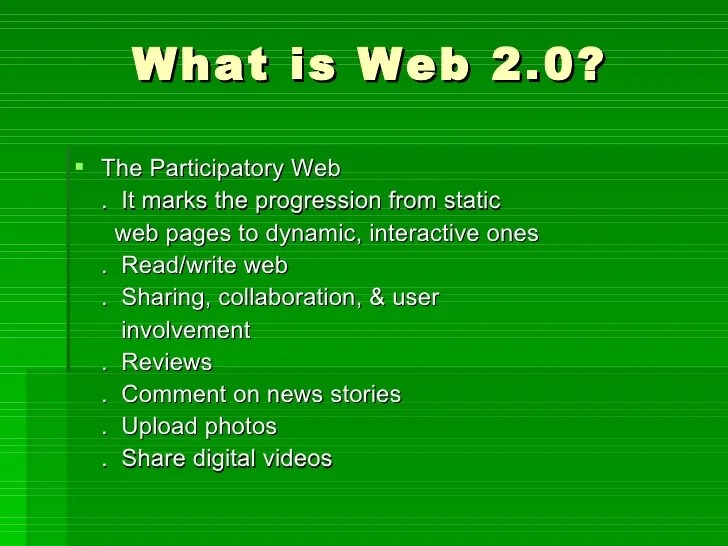
Web 2.0 Users Watch vs. Upload
Analyst web 2 0 users would rather watch than upload – Analyst web 2.0 users would rather watch than upload, a fascinating trend shaping the digital landscape. This preference impacts everything from platform design to user behavior, influencing how we consume and create content online. We’ll explore the motivations behind this shift, examining user demographics, platform features, and technological advancements that have contributed to this evolving dynamic.
Understanding the reasons why users gravitate toward watching rather than uploading content is crucial to comprehending the evolving nature of web 2.0 platforms. This analysis delves into the factors driving this preference, including user experience, the relative ease of consumption versus creation, and the economic and social implications of this trend.
Understanding User Behavior
The consumption of online content has fundamentally shifted, with a growing trend of users preferring to watch rather than upload on Web 2.0 platforms. This shift in behavior has significant implications for the future of these platforms, impacting everything from content creation models to the overall user experience. This preference stems from a complex interplay of factors related to technological advancements, user expectations, and the nature of online interactions themselves.This shift reflects a fundamental change in how people engage with digital content.
Instead of actively creating, many users now prioritize passively consuming pre-existing content. This shift has far-reaching implications for the way we understand user motivations, content creation, and the evolution of Web 2.0. The motivations behind this shift are multifaceted, ranging from time constraints and access to information to social pressures and entertainment preferences.
Motivations for Watching Over Uploading
Users often choose to watch rather than upload content due to various factors. The desire for instant gratification and ready-made entertainment is a powerful driver. Users seek curated content, tailored to their preferences and often available at a moment’s notice. Accessibility to a vast library of content is another key motivation. Users can easily find and consume information and entertainment without the effort of creation.
The perception of the effort required to produce high-quality content also plays a role. Users may feel they lack the skills, time, or resources to create compelling content comparable to what they see online. Finally, the social validation associated with consuming popular content can be a significant motivator.
User Types and Demographics
The preference for watching over uploading encompasses a diverse range of user types. A significant segment comprises younger users, particularly those in their teens and early twenties, who are often more comfortable with consuming digital content than creating it. Millennials and Gen Z, accustomed to readily available information and entertainment, represent a sizable portion of this demographic. Furthermore, users with limited technical skills or time constraints may lean towards passively consuming content rather than actively producing it.
Additionally, users focused on specific niche interests might find a vast library of pre-existing content more beneficial than the time investment in creating original material.
Impact on Web 2.0 Platforms
The growing preference for watching over uploading can reshape the entire ecosystem of Web 2.0 platforms. The monetization strategies for platforms will need to adapt to this changing dynamic. Platforms might need to prioritize and incentivize high-quality content creation, while also maintaining a balance to cater to both creators and consumers. The focus may shift towards creating a more sophisticated recommendation system to better serve the needs of users who are seeking specific content.
The overall impact is likely to be a more refined user experience, where curated content is readily accessible and highly engaging.
Analysts are noticing a trend among Web 2.0 users – they’d much rather be consumers than creators. This preference for passively consuming content over actively uploading it might be related to the recent changes in the server market, specifically Dell’s latest foray into the blade server market. Dell takes another cut at blade market suggests a shift in infrastructure, but ultimately, the desire to watch rather than upload is likely a reflection of broader societal trends in how we engage with online content.
Examples of Platforms and Content Types
Numerous Web 2.0 platforms exemplify this trend. YouTube, with its vast library of videos, showcases the popularity of video consumption. Short-form video platforms like TikTok and Instagram Reels further solidify the preference for brief, engaging content. Similarly, streaming services like Netflix and Hulu have built entire business models around the delivery of on-demand entertainment. Social media platforms, while offering opportunities for user-generated content, also heavily prioritize consumption.
Role of Technology and User Experience
Technological advancements, such as high-speed internet access and user-friendly interfaces, have significantly contributed to this preference. Platforms that offer seamless viewing experiences, personalized recommendations, and user-friendly navigation tools tend to attract more viewers. A significant aspect of user experience is the ease of access to content and its delivery. Improved video compression techniques and faster streaming speeds further enhance the overall experience.
Content Consumption vs. Creation
Web 2.0 has fostered a profound shift in how information is shared and consumed. Users are increasingly inclined to watch rather than upload content, highlighting a critical difference in the drivers behind content consumption and creation. This shift presents a complex interplay of technological, social, and economic factors, impacting how individuals engage with online platforms.The fundamental distinction between content consumption and creation hinges on the motivations and barriers experienced by users.
Consumption is often driven by a desire for entertainment, information, or social connection, while creation demands a higher level of effort, time commitment, and technical skills. Understanding these contrasting forces is crucial for analyzing user behavior and designing effective online experiences.
Factors Driving Content Consumption
Content consumption is often motivated by ease of access, immediate gratification, and a desire for diverse perspectives. Users are attracted to a vast array of pre-existing content, ranging from short-form videos and social media updates to in-depth articles and documentaries. The ability to consume content without significant investment in time or technical skills makes it a highly attractive activity.
Factors Driving Content Creation
Content creation, conversely, often requires substantial effort, technical proficiency, and time investment. Producing high-quality content necessitates significant resources, including time, creativity, equipment, and potentially technical expertise. The perceived effort involved often acts as a deterrent for many users.
Barriers to Content Uploading
Users may perceive the upload process as tedious or overwhelming due to several factors. Technical complexities, including file formats, upload limits, and platform navigation, can pose significant hurdles. Furthermore, the fear of judgment or criticism, coupled with concerns about privacy and security, can dissuade users from sharing their creations.
| Barrier | Explanation |
|---|---|
| Technical Complexity | Users may encounter difficulties with file formats, upload limits, or platform navigation. This can lead to frustration and abandonment of the upload process. |
| Fear of Judgment | Users may be hesitant to share their creations due to concerns about negative feedback or criticism from others. |
| Privacy and Security Concerns | Users might worry about their personal information or the security of their content being compromised. |
| Time Commitment | Creating and uploading content requires time for planning, production, and technical processes, which can be a significant barrier. |
Incentives for Content Uploading
Despite the barriers, incentives for content creation do exist. The desire for self-expression, creative outlet, and community engagement are powerful motivators. Additionally, opportunities for monetization, recognition, and building a personal brand can encourage users to overcome the hurdles of uploading content.
Benefits and Drawbacks of Content Consumption vs. Creation
- Content Consumption: Benefits include easy access to diverse information, immediate entertainment, and a broad range of perspectives. Drawbacks include passive engagement and potential for misinformation or misrepresentation.
- Content Creation: Benefits include self-expression, creative fulfillment, and the potential for building a personal brand. Drawbacks include significant time commitment, technical challenges, and the risk of negative feedback.
Economic and Social Implications
The shift towards content consumption has significant economic and social implications. The rise of content creators as influencers and the demand for digital content are shaping the digital economy. However, the lack of user-generated content can limit the diversity of perspectives and potentially stifle creativity and innovation.
Platform Features and Design
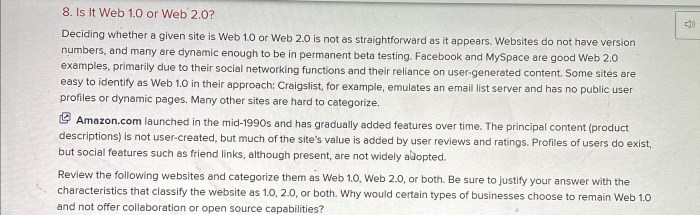
The overwhelming preference for consuming online content over creating it highlights a crucial aspect of modern digital platforms: user experience. The design and features of a platform significantly impact whether users choose to watch or upload. Understanding these influences allows for platforms to better cater to their user base, whether they’re looking to engage with content or contribute to it.Platform design plays a pivotal role in shaping user behavior.
A user-friendly interface, alongside community features and accessibility considerations, strongly influences whether users gravitate towards consuming or generating content. The deliberate choices in platform design can either encourage content creation or consumption, fostering a thriving online ecosystem for either purpose.
Analysts are noticing a trend where Web 2.0 users, globally, are more inclined to consume online content rather than creating it. This is especially interesting given the recent surge in internet use in China, as detailed in this report internet use in china soars. While the reasons behind this global shift are complex, the trend suggests a growing preference for passive online engagement over active content creation, mirroring this global phenomenon.
The Role of Ease of Use
A platform’s ease of use is paramount in attracting and retaining users. A simple, intuitive interface encourages exploration and interaction. Users are more likely to engage with content if the platform is straightforward to navigate, minimizing the cognitive load associated with using it. Conversely, a complex platform with convoluted navigation can deter users, pushing them away from the platform entirely, especially those who prioritize ease of consumption.
Design Elements Encouraging Watching
Several design elements contribute to a platform’s appeal for content consumption. A visually appealing design, intuitive search functionalities, and clear categorization of content are crucial. Platforms that excel at content consumption often prioritize a seamless viewing experience, allowing users to quickly find and enjoy content without unnecessary steps. High-quality video streaming, responsive design, and user-friendly controls are essential for a positive viewing experience.
Examples include YouTube, Netflix, and TikTok, which have mastered these aspects of design, allowing users to focus on enjoying the content.
Examples of Watching-Focused Platforms
YouTube, with its extensive video library, intuitive search, and personalized recommendations, exemplifies a platform optimized for content consumption. Netflix, known for its curated movie and TV show selections, streamlines the viewing process. TikTok, with its short-form video format and rapid scrolling, is designed for continuous engagement with diverse content. These platforms have successfully created an environment where users prioritize watching over uploading.
Platform Design Modifications to Support User Creation
To encourage user creation, platforms can incorporate features that streamline the upload process. Intuitive tools for video editing, clear guidelines for content creation, and straightforward options for sharing content can foster user engagement. Platforms can also provide feedback mechanisms and community support to guide creators and help them grow. This might include tools that offer tips and tricks for enhancing video quality, editing software integration, or forums dedicated to content creation.
Comparison of Platform Features
| Feature | Watching-focused Platform | Uploading-focused Platform | Neutral Platform |
|---|---|---|---|
| Ease of use | Simple interface, intuitive navigation, direct access to content | Complex interface, advanced tools, multiple editing options | Balanced approach, clear structure, straightforward access to both creation and consumption tools |
| Community Features | Strong community engagement, comment sections, social sharing | Direct interaction with other creators, collaborative projects, feedback mechanisms | Community forums, user groups, moderated discussions |
| Content Categorization | Clear, organized categories, filters, recommendations | Specific categories for creators, opportunities to tag content | Categorization that supports both creation and consumption |
Technological Advancements
The digital landscape has undergone a profound transformation, with technological advancements significantly impacting user behavior. This shift is evident in the growing preference for consuming online content over actively creating it. Users are increasingly drawn to the convenience and immediacy of readily available, high-quality content.Technological innovations have fostered a paradigm shift in how people engage with the internet.
The ease of access to vast libraries of content, coupled with sophisticated streaming technology, has fundamentally altered the balance between content consumption and creation. Mobile devices and advancements in internet speed have further solidified this preference for watching over uploading.
Streaming Technology’s Impact
Streaming technology has revolutionized content consumption, making it effortless to access a wide array of videos, music, and other media. The instant gratification and on-demand nature of streaming services are highly attractive to users. High-quality streaming allows for seamless playback, eliminating buffering and lag, further enhancing the viewing experience. This user-friendly approach has been instrumental in the decline of user-generated content creation in favor of readily available streaming options.
Accessibility of High-Quality Content
The availability of high-quality content plays a pivotal role in the preference for watching over uploading. High-definition videos, immersive audio, and polished productions make streaming content more appealing than user-generated content, often characterized by technical limitations or lower production values. The proliferation of professional-grade content has significantly influenced users’ decisions to consume rather than create content.
Role of Mobile Technology
Mobile technology has fundamentally altered consumption habits. The portability and accessibility of smartphones and tablets have made streaming content readily available on the go. Users can now access a vast library of content anytime, anywhere, shaping the preference for consuming rather than producing content. This ubiquitous access has empowered the shift towards watching over uploading.
Future Trends in Technology, Analyst web 2 0 users would rather watch than upload
Several technological trends suggest a continued preference for watching over uploading. The increasing sophistication of artificial intelligence (AI) in content creation could further enhance the quality of readily available content, making user-generated content seem less competitive. The rise of virtual reality (VR) and augmented reality (AR) technologies could offer new and immersive ways to consume content, further diminishing the incentive to upload.
Simultaneously, advancements in internet speed and network infrastructure will make high-quality content even more accessible and seamless to consume. The combination of these factors will likely continue the trend of watching over uploading.
Cultural and Societal Influences
The digital landscape is deeply intertwined with cultural and societal norms. Understanding how these factors shape content creation and consumption is crucial for analyzing Web 2.0 user behavior. Cultural expectations surrounding self-expression, community engagement, and the value placed on different forms of media play a significant role in shaping online interactions. Societal structures, from access to technology to prevailing social trends, further influence the preference for watching over uploading content.Different cultures have varying levels of comfort with public exposure and self-promotion.
In some societies, sharing personal experiences or creating content for public consumption is encouraged and even celebrated, while in others, a more reserved approach prevails. This directly impacts the willingness of individuals to upload content online. Furthermore, social media trends often dictate the types of content that gain popularity and shape user expectations, which influences what types of content are consumed and created.
Cultural Norms and Content Creation
Cultural norms significantly impact the perceived value and appropriateness of content creation. In cultures emphasizing collectivism, content often reflects group identity and shared experiences. Conversely, individualistic cultures might prioritize personal narratives and self-expression. For example, in East Asian cultures, maintaining harmony and avoiding public embarrassment are highly valued. This can lead to a reluctance to upload content that might be perceived as controversial or self-aggrandizing.
On the other hand, Western cultures often encourage self-promotion and sharing personal stories, which fosters a more active content creation community.
Societal Factors Influencing Consumption
Accessibility to technology and internet infrastructure plays a critical role. In regions with limited access, the ability to both create and consume online content is restricted. This limitation naturally shifts the balance towards content consumption, as users are primarily focused on accessing available resources. Furthermore, societal expectations around education and career paths can impact how individuals perceive the value of creating content.
For instance, in some societies, a focus on formal education might lead to less emphasis on personal content creation, as opposed to professional or academic publications.
Social Media Trends and Behavior
Social media trends dramatically influence content creation and consumption. The rapid spread of viral challenges, memes, and specific content formats can dictate what kinds of content gain traction and what styles become popular. The rise of short-form video platforms has demonstrated this shift, as the need for quick and easily digestible content has become a dominant trend. Moreover, the use of social media for networking and community building can encourage the consumption of content produced by peers and influencers, further reinforcing the preference for watching over uploading.
Impact of Cultural Values on Content Perception
Cultural values deeply influence how individuals perceive and interact with content. For example, in cultures prioritizing tradition and respect for elders, content created by younger generations might be viewed with suspicion or skepticism. Conversely, cultures that embrace innovation and progress might view new forms of content creation as a positive development. The perceived authenticity of content is also heavily influenced by cultural values.
In cultures valuing transparency and honesty, content perceived as genuine or unfiltered might be highly valued.
Potential Implications
The shift towards passive consumption of online content on Web 2.0 platforms has profound implications for the future of the digital landscape. This preference, driven by factors ranging from user convenience to the rise of short-form video, necessitates a re-evaluation of existing models and the identification of new opportunities. The impact ripples through various facets of the digital ecosystem, from the business models of platforms to the livelihoods of content creators and the very nature of online engagement.This shift is not merely a trend but a fundamental change in user behavior.
Understanding these implications is crucial for navigating the evolving digital environment and anticipating the future of Web 2.0.
Effects on Web 2.0 Platform Models
Web 2.0 platforms are built around user-generated content and interaction. The growing preference for passive consumption necessitates adjustments in platform design and functionality. Platforms must adapt to accommodate the changing expectations of users who are increasingly prioritizing engaging, visually rich content. This shift will likely lead to more emphasis on curated feeds, recommendation algorithms, and features that enhance the user experience for viewers.
Analysts are noticing a trend where Web 2.0 users are more inclined to watch content than upload it. This contrasts with the positive news from the recording industry, which recently reached $2B in digital music sales. This surge in digital music sales might seem to contradict the trend, but it could simply reflect a different kind of engagement with online platforms.
Ultimately, the preference for watching over uploading in the Web 2.0 space remains a significant observation.
Impact on Content Creators and Income Streams
The transition to a viewer-centric model raises questions about the sustainability of content creation. Content creators who rely on direct engagement from viewers, such as comments, likes, and shares, might see a decline in income streams. However, opportunities for creators to monetize their content through sponsorships, affiliate marketing, and paid memberships are emerging. The success of these creators will depend on their ability to adapt to the new landscape and embrace alternative revenue models.
Potential Opportunities for New Businesses and Services
The rise of passive consumption opens doors for new businesses and services catering to the evolving needs of users. Platforms that offer enhanced video editing, captioning, and translation tools will become increasingly valuable. Furthermore, businesses focused on providing curated content experiences, personalized recommendations, and engaging interactive elements will find a receptive market.
Impact on Content Moderation and Censorship
The increase in passive consumption could lead to challenges in content moderation. With a larger volume of content being viewed, but potentially less directly engaged with, platforms will need to develop sophisticated moderation systems to address issues such as hate speech, misinformation, and harmful content. Automated systems and human review processes will need to be refined to meet these challenges.
This shift towards increased passive consumption requires new considerations about the balance between user experience and the responsibility of platforms to maintain a safe and ethical online environment.
Examples of Platform Adaptations
Many platforms are already adapting to the preference for watching over uploading. Examples include the increasing prevalence of short-form video content on platforms like TikTok and Instagram Reels, the development of algorithms that curate and recommend content based on viewing patterns, and the rise of live streaming and interactive features that enhance viewer engagement. These adaptations reflect a recognition of the changing dynamics of user behavior and the need to adjust platform functionality accordingly.
Illustrative Examples: Analyst Web 2 0 Users Would Rather Watch Than Upload
Web 2.0 platforms have dramatically reshaped how we interact with information and each other. This section dives into specific examples, highlighting the design choices that encourage either content consumption or creation, and how these choices influence user behavior. We’ll examine how platform features drive user engagement, focusing on the balance between watching and uploading.
YouTube: A Platform for Content Consumption
YouTube’s success is largely attributed to its design prioritizing content consumption. Its intuitive interface, organized into channels and playlists, makes finding and browsing videos incredibly easy. Users can quickly filter content based on interests, creating a highly curated viewing experience. The platform is optimized for watching. The layout emphasizes the video itself, often minimizing other elements like comments or upload options.
- Emphasis on Video: The central focus of the page is always the video. Navigation and controls are designed to keep the video visible, making it easy to start and stop playback. Thumbnails and previews are prominent, allowing users to rapidly scan through available content.
- Recommendation Algorithms: YouTube’s powerful recommendation engine plays a significant role in content consumption. By analyzing user viewing history and preferences, the algorithm suggests videos tailored to individual tastes, further encouraging users to stay within the platform.
- Social Aspects for Watching: While uploading is possible, features like subscriptions and the ability to ‘like’ or ‘comment’ are primarily designed for engagement with videos, not necessarily the creation of new content. This reinforces the consumption model.
Flickr: Fostering Content Creation
Flickr, a platform for sharing photos, provides a strong foundation for content creation. The emphasis is on user-generated imagery. It encourages users to upload and share their work. The platform’s design is geared towards ease of uploading and organizing images.
- Simple Upload Process: The upload process is straightforward and intuitive. Users can easily upload, edit, and organize their photos. This encourages users to share their visual stories and experiences.
- Strong Community Focus: Flickr fosters a strong community of photographers. Users can join groups, follow other users, and engage in discussions, motivating continued participation and content creation. Features like tagging and searching make it easy to find related content, promoting engagement and discovery.
- Enhanced Visual Organization: Flickr provides tools for organizing images in albums and collections. This is key in supporting a user-generated experience, helping users curate and present their collections in a way that’s appealing to others.
User Engagement in Both Platforms
Both YouTube and Flickr demonstrate different approaches to user engagement. YouTube, through its recommendation system and interface design, fosters extensive content consumption. Flickr, through its simple upload and community features, nurtures content creation.
- YouTube’s Engagement Model: YouTube’s success relies on keeping users engrossed in watching videos. Features like autoplay, suggestions, and the clear focus on video playback maximize viewing time and engagement within the platform.
- Flickr’s Engagement Model: Flickr encourages user engagement by providing opportunities for collaboration and sharing. The ease of uploading, combined with community features, fosters a culture of content creation and interaction.
Last Word
In conclusion, the preference for watching over uploading on web 2.0 platforms is a multifaceted phenomenon shaped by a complex interplay of user behavior, platform design, technological advancements, and cultural influences. This analysis reveals that the future of web 2.0 may lie in a balance between content creation and consumption, with platforms adapting to better cater to both needs.
The implications for content creators, platforms, and the broader digital ecosystem are significant and warrant further exploration.