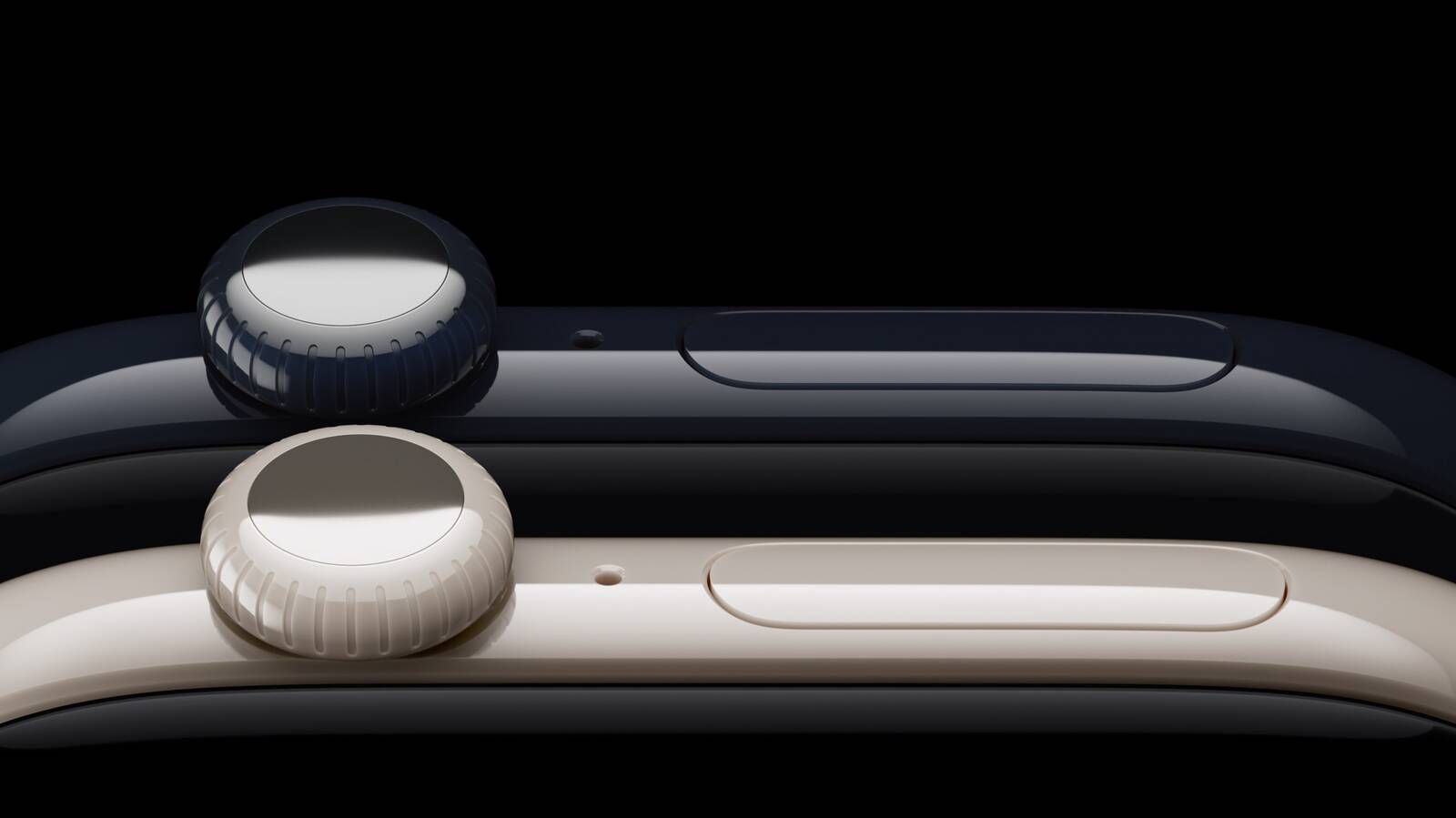
Apple Watch Series 12 comes in a refreshed selection of case finishes and materials, including the highly anticipated return of ceramic.

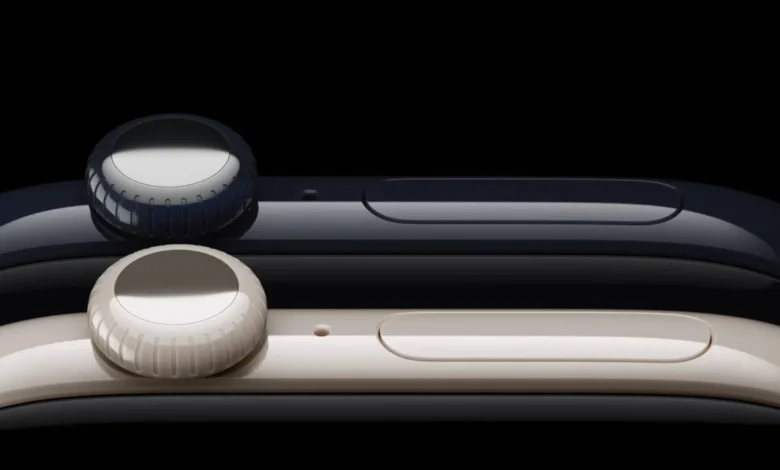
The unveiling of the Apple Watch Series 12 on September 9, 2026, marks a pivotal moment in Apple’s wearable strategy, balancing incremental hardware refinement with a strategic push into premium materials. Alongside the flagship Series 12, Apple introduced the Apple Watch Ultra 4, solidifying a two-tiered ecosystem that caters to both the fashion-conscious consumer and the performance-oriented athlete. The most notable aesthetic update for the Series 12 is the reintroduction of the ceramic case, a material previously absent from the lineup for several generations, signaling Apple’s desire to re-establish the device as a high-end horological accessory rather than a purely functional gadget.
The Return of Ceramic and Aesthetic Evolution
The ceramic finish, long considered the pinnacle of Apple’s material science efforts for the wrist, brings a unique luster and scratch-resistant durability that stainless steel and titanium cannot replicate. By utilizing a high-density, high-purity zirconia powder, Apple has crafted a case that is four times harder than stainless steel while remaining lightweight and hypoallergenic. This iteration of the Series 12 arrives with bespoke accessories, specifically sand and navy blue Sport Bands that feature a matching ceramic pin-and-tuck closure. This attention to detail reflects a broader trend within the company to treat the watch as a holistic fashion item, where the closure mechanism is as essential to the design language as the display itself.
While the design remains consistent with the chassis architecture established in the Series 11, the refinement of the color palette suggests a shift toward more sophisticated, muted tones. This approach addresses feedback from industry analysts who previously noted that Apple’s reliance on standard aluminum and stainless steel colors was beginning to stagnate. By reintroducing ceramic, Apple is effectively creating a "halo" product within the Series 12 range, positioning it against luxury mechanical timepieces while maintaining the technological dominance of the watchOS platform.
Chronology of the 2026 Product Cycle
The lead-up to the September 9 "Surprise and Shine" event was defined by a series of leaks that characterized the 2026 development cycle. In late August, industry analyst Mark Gurman provided the first concrete look at the hardware expectations, cooling speculation that a major redesign or the integration of Touch ID would occur this year. Despite rumors circulating throughout the summer regarding a possible biometric security overhaul, the Series 12 maintains the current button-and-crown layout, focusing instead on internal efficiency and material innovation.
Following the August reports, developer community discourse—specifically on forums such as MacRumors—began to surface findings from the iOS 27 and watchOS 27 beta code. One of the most significant discoveries was the "Readiness" app, a dedicated health-tracking interface designed to provide users with a holistic score based on sleep recovery, heart rate variability (HRV), and physical exertion. This shift toward "Readiness" metrics underscores a transition in the wearable industry: moving away from simple activity tracking toward comprehensive recovery and long-term health management.
Technical Specifications and Market Positioning
The Apple Watch Series 12 lineup is designed to segment the market effectively. With pre-orders opening immediately following the announcement and a retail release scheduled for Friday, September 18, the rollout is designed to capture early-adopter enthusiasm.
| Case Material | Target Demographic | Key Features |
|---|---|---|
| Aluminum | Entry/Mass Market | Lightweight, diverse color options |
| Stainless Steel | Professional/Style-conscious | High durability, refined aesthetic |
| Ceramic | Luxury/Collector | Scratch-resistant, high-gloss finish |
| Titanium (Ultra) | Extreme Sports/Outdoor | Ruggedized, extended battery life |
From a technical standpoint, the Series 12 benefits from the S12 System in Package (SiP), which focuses heavily on power efficiency. By optimizing the neural engine, the watch can handle the new "Readiness" algorithms locally without significantly impacting the device’s daily battery life. This is a crucial advancement; as health sensors become more granular, the processing load increases, requiring the silicon to become more efficient to avoid the common complaint of daily charging fatigue.
Broader Impact and Industry Implications
The decision to lean into material variety rather than radical chassis redesigns speaks to the maturity of the wearable market. Apple has recognized that for most users, the form factor of the Apple Watch is already optimal. By changing the textures and material finishes, the company creates a sense of "newness" that encourages existing users to upgrade while maintaining a consistent user experience that doesn’t require relearning navigation patterns.
Furthermore, the integration of the "Readiness" app into watchOS 27 suggests a deeper integration with the broader Apple Health ecosystem. By aggregating data across the iPhone and the Apple Watch, the company is effectively building a "Health Command Center" that rivals specialized fitness trackers like Oura or Garmin. Analysts suggest that this ecosystem stickiness is the primary driver for Apple’s growth in the wearable sector. The company is no longer just selling a watch; it is selling a multi-year subscription to one’s own health data.
Consumer and Market Reactions
While the absence of major hardware changes like Touch ID may disappoint those looking for a disruptive design shift, the consensus among tech analysts is that the Series 12 is a "pragmatic update." The return of the ceramic finish is widely viewed as a tactical masterstroke, providing a tangible differentiator for consumers willing to pay a premium.
Retail analysts expect that the limited availability of the ceramic model will likely drive demand during the holiday quarter. By keeping the manufacturing process complex and the price point high, Apple reinforces the scarcity of the ceramic model, which in turn enhances its status as a luxury item. Early indicators from the supply chain suggest that Apple has allocated significant resources to the production of these high-end finishes, reflecting confidence in the high-end tier of the market despite global economic headwinds.
The "Surprise and Shine" Context
The Apple Watch Series 12 was presented during the same event as the highly anticipated foldable iPhone 18 Pro. This pairing is deliberate. The foldable iPhone represents the future of mobile computing, while the Apple Watch Series 12 represents the refinement of the current wearable standard. By placing both on the same stage, Apple is signaling that its hardware roadmap remains robust.
The "Readiness" app, alongside new watchOS 27 features, further cements the Apple Watch as an indispensable medical companion. As the population ages and health awareness continues to rise, the ability to monitor one’s own physiological state—and to do so with a device that fits seamlessly into a professional wardrobe via the new ceramic finish—positions the Series 12 as a cornerstone of Apple’s revenue strategy for the next fiscal year.
As consumers look toward the September 18 launch date, the narrative is clear: Apple has transitioned from the "innovation at all costs" phase of its wearable history to a phase defined by iteration, material excellence, and deep-dive health analytics. Whether this strategy will be sufficient to combat the growing competition from specialized health-tech firms remains to be seen, but the immediate market reaction suggests that the combination of a familiar form factor and premium materials remains a winning formula for the world’s most valuable technology company.