Samsung Galaxy Unpacked 2026 Returns to London with Galaxy Z Fold 8 and Z Flip 7 Set for Global Debut

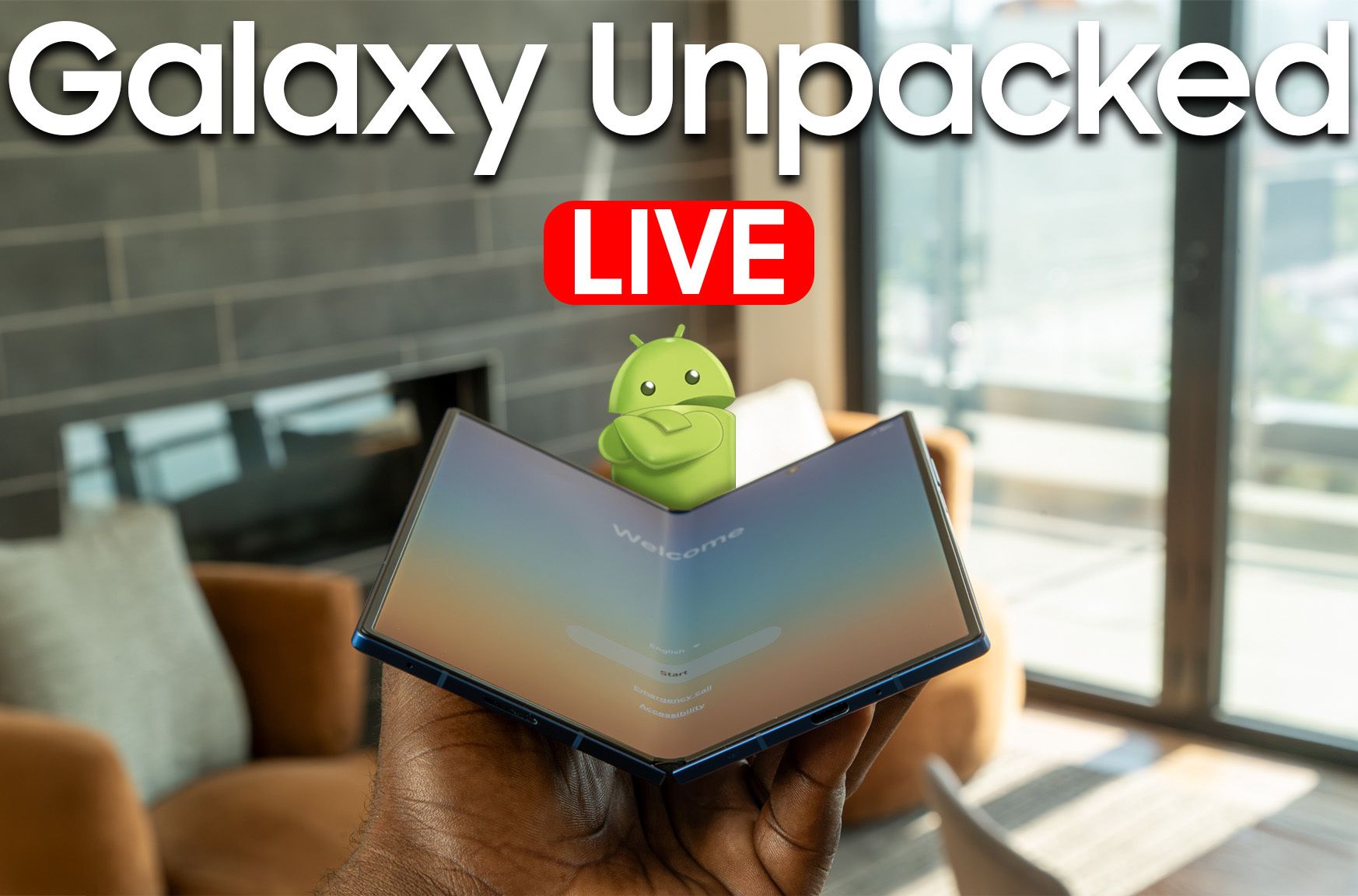
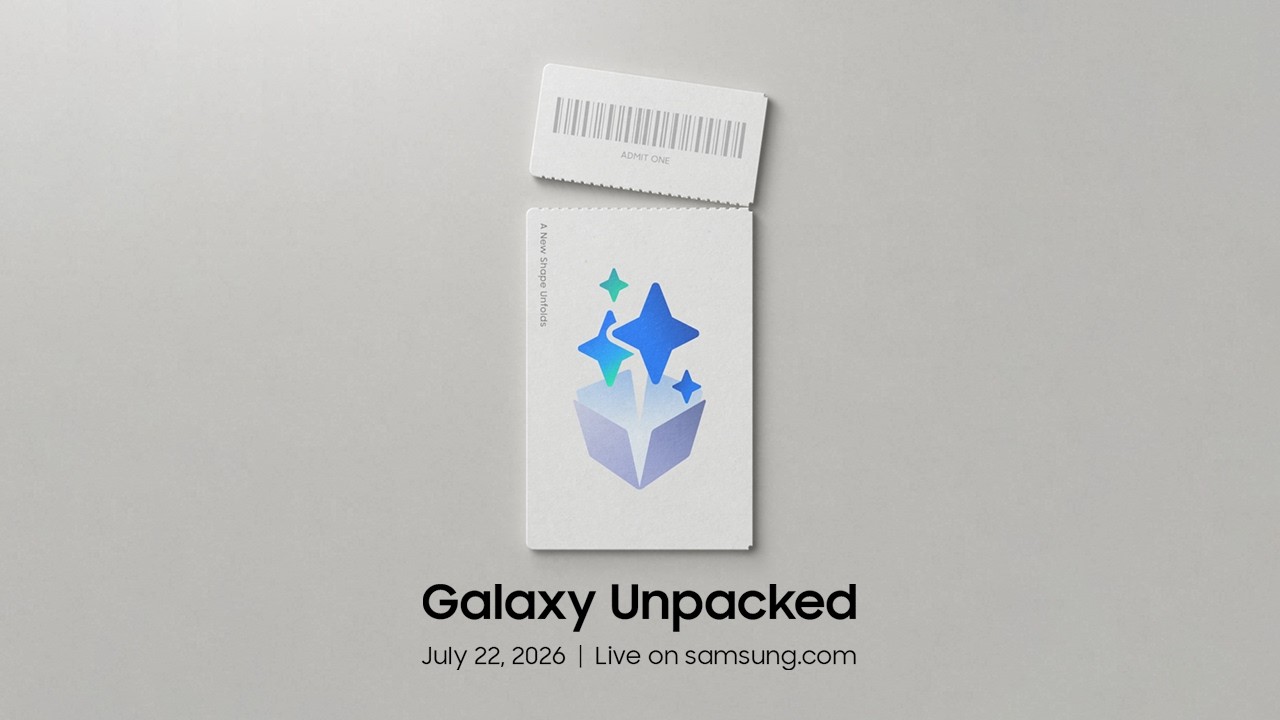
Samsung Electronics is poised to reclaim the global spotlight today, July 22, 2026, as it hosts its highly anticipated Summer Galaxy Unpacked event in London, England. Scheduled to commence at 9:00 a.m. EST (2:00 p.m. BST), the event marks a significant homecoming for the South Korean tech giant. This is the first time in nearly 14 years that Samsung has selected London as the primary stage for a major product launch, the last being the landmark Galaxy S3 unveiling in 2012. By shifting the venue from its recent rotations in San Jose, New York, and Seoul, Samsung signals a renewed focus on the European market and a desire to emphasize the global maturity of its foldable device category.
Managing editors and industry analysts on the ground in London report a high level of anticipation surrounding the next generation of mobile hardware. The event is expected to serve as the official introduction for the Galaxy Z Fold 8 and the Galaxy Z Flip 7, alongside a refreshed portfolio of wearables and ecosystem enhancements. As the foldable market enters its eighth year of commercial availability, this Unpacked event is viewed by industry observers as a pivotal moment for Samsung to maintain its dominant market share against increasing competition from Chinese manufacturers and the rumored entry of other major tech players into the folding space.
Historical Context: A Return to the United Kingdom
The decision to host Unpacked in London is steeped in historical significance for the Galaxy brand. In May 2012, Samsung utilized London’s Earls Court to launch the Galaxy S3, a device that ultimately solidified the company’s position as a leader in the Android ecosystem. In the intervening decade, Samsung’s launch strategy has evolved, often favoring the United States for summer launches and South Korea for its most recent domestic showcases.
The return to London in 2026 suggests a strategic pivot. Europe remains a critical battleground for premium smartphones, particularly as consumers in the region show an increasing appetite for high-end foldable devices. By bringing the "Galaxy Unpacked" brand back to the U.K., Samsung aims to capture the attention of a diverse international audience while paying homage to one of its most successful product eras.
The Evolution of the Foldable Category
Since the introduction of the original Galaxy Fold in 2019, the foldable smartphone market has transitioned from a niche experimental category to a mainstream segment of the premium mobile industry. According to recent market data, foldable shipments have seen a steady compound annual growth rate (CAGR) of over 20% in the last three years. Samsung, having pioneered the form factor, now faces the challenge of iterating on a design that has largely reached hardware maturity.
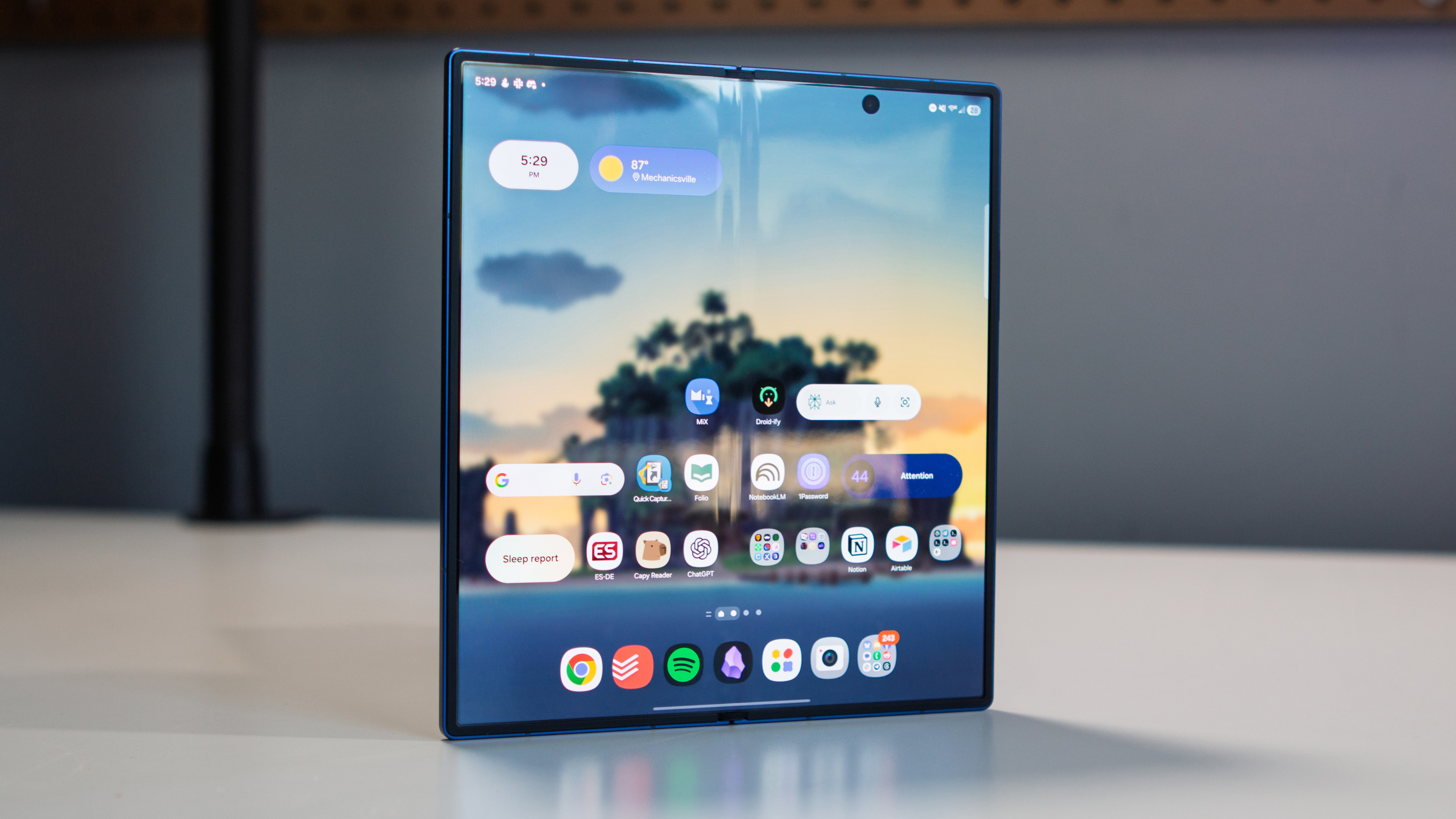
The Galaxy Z Fold 7, released in 2025, was praised for its thinner chassis and lighter weight, addressing long-standing criticisms regarding the bulkiness of "book-style" foldables. As the 2026 event begins, the focus shifts to the Galaxy Z Fold 8, which is rumored to feature a radical departure in aspect ratio.
Galaxy Z Fold 8: Shifting Dimensions and Aspect Ratios
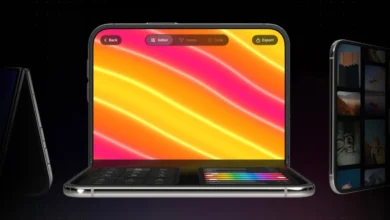
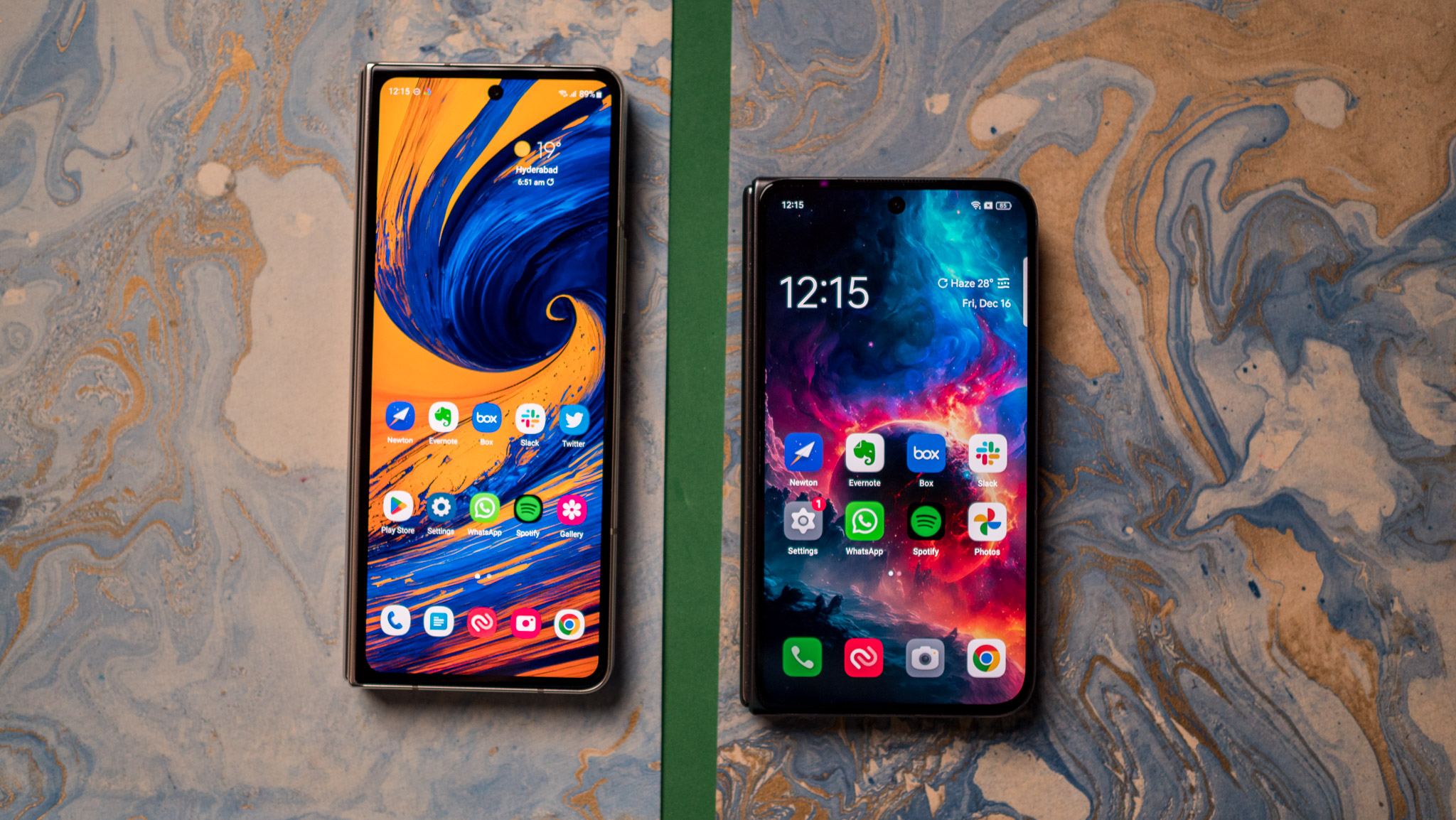
Leaked marketing materials and industry briefings suggest that the Galaxy Z Fold 8 will prioritize a shorter and wider aspect ratio compared to its predecessors. This change is designed to improve the usability of the external "cover" display, making it feel more like a traditional smartphone when closed. This move follows a design philosophy similar to the Google Pixel Fold and the Oppo Find N2, both of which were lauded for their ergonomic cover screens.
The shift in dimensions also has significant implications for the internal folding display. A wider internal screen provides a more canvas-like experience for multitasking and content consumption. However, analysts remain divided on the impact this will have on app optimization. While a wider screen is ideal for side-by-side window management, it may introduce new challenges for video letterboxing and mobile gaming. Samsung is expected to showcase new software enhancements within One UI 8.1 to address these scaling concerns, potentially leveraging advanced AI to dynamically reposition UI elements.
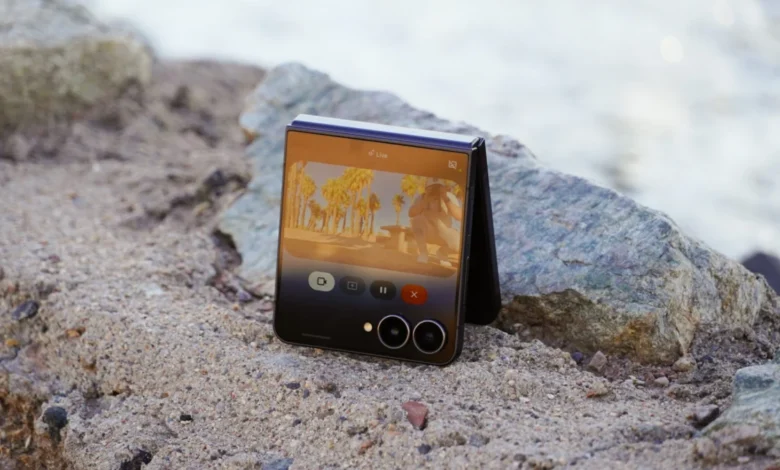
The Galaxy Z Flip 7 and the Strategy of Refinement
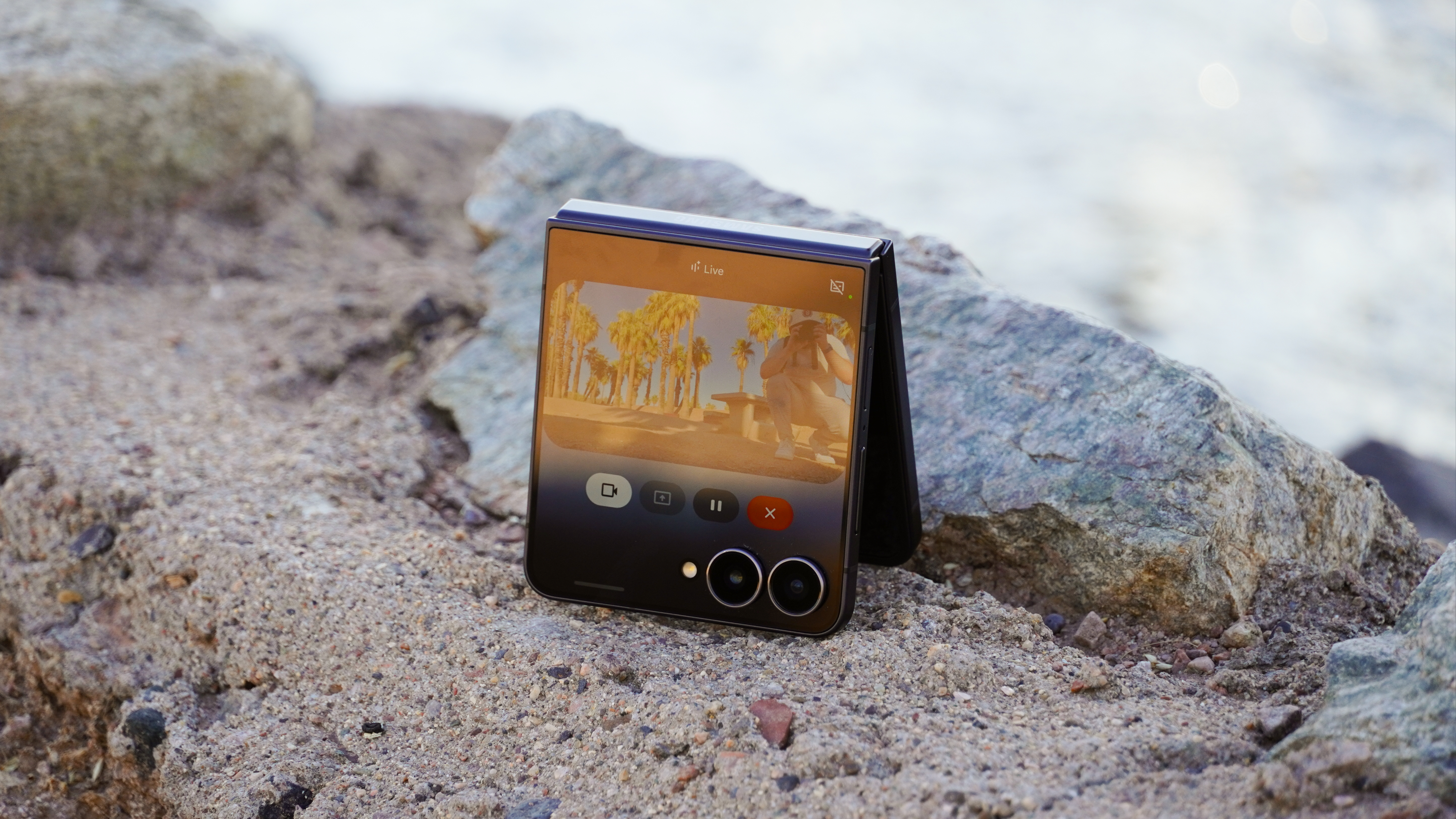
While the Z Fold series targets power users and productivity enthusiasts, the Galaxy Z Flip series continues to be Samsung’s volume driver in the foldable segment. The Galaxy Z Flip 7 is expected to debut with incremental but meaningful upgrades. Despite rumors of a "Galaxy Z Flip FE" (Fan Edition) designed to lower the barrier to entry for foldable tech, current reports indicate that Samsung will stick to its premium positioning for this cycle.
The decision to forego a budget-friendly "FE" model in 2026 suggests that Samsung is focusing on "premiumization"—the strategy of driving revenue through high-margin devices rather than sheer volume. The Z Flip 7 is anticipated to feature improved hinge durability, a larger external "Flex Window," and enhanced camera sensors that bridge the gap between the Flip and the flagship S-series.
Broadening the Ecosystem: Watches and Wearables
Beyond smartphones, the London Unpacked event will serve as a platform for Samsung’s latest wearable technology. The Galaxy Watch 8 series is expected to take center stage, with a heavy emphasis on "Galaxy AI" integration. Industry trends indicate a move toward more sophisticated health monitoring, including non-invasive glucose monitoring and advanced sleep apnea detection.
Samsung’s wearable strategy has increasingly focused on the "BioActive Sensor," a single chip that combines optical heart rate, electrical heart signal, and bioelectrical impedance analysis. The 2026 iteration is expected to offer higher precision, catering to a consumer base that is increasingly proactive about health data. Furthermore, the integration of AI is expected to provide users with "Energy Scores" and personalized coaching, moving beyond data collection into actionable health insights.
Strategic Timing and Global Viewing Information
The timing of the event is calculated to maximize global coverage. By starting at 2:00 p.m. London time, Samsung captures the morning audience in the United States and the late-evening audience in Asia. The company has streamlined its viewing options to ensure maximum reach:
- Official Websites: Samsung.com and the Samsung Newsroom will host the primary high-bitrate stream, often including interactive elements for regional pricing and pre-order bonuses.
- YouTube: The official Samsung YouTube channel remains the most accessible platform, offering 4K streaming and real-time closed captioning in multiple languages.
- Social Media and Virtual Hubs: Samsung has also expanded its presence in virtual environments, allowing users to watch the event within "Samsung 837X," the company’s metaverse-inspired experience.
Market Analysis and Industry Implications
The 2026 Unpacked event comes at a time of significant transition for the mobile industry. As smartphone replacement cycles lengthen, manufacturers are under pressure to provide compelling reasons for consumers to upgrade. Samsung’s heavy investment in foldables is a direct response to the stagnation of the traditional "glass slab" form factor.
Supporting data from IDC and Canalys suggests that while the overall smartphone market has seen fluctuating growth, the premium segment ($800 and above) has remained resilient. By offering two distinct Fold variants—rumored to be a "Standard" and an "Ultra" or "Slim" model—Samsung is attempting to segment the foldable market even further, catering to both the luxury enthusiast and the enterprise professional.
Furthermore, the integration of "Galaxy AI" across the 2026 lineup represents Samsung’s software-centric defense against competitors. As hardware specifications become increasingly uniform across brands, the differentiation lies in the intelligence of the operating system. Samsung’s partnership with Google is expected to yield new generative AI features that are exclusive to the foldable form factor, such as "Circle to Search" optimized for dual-screen layouts and real-time translation features that utilize both the internal and external displays simultaneously.
Conclusion: A High-Stakes Showcase
As the doors open in London, the stakes for Samsung have never been higher. The Galaxy Z Fold 8 and Z Flip 7 are not merely incremental updates; they are a testament to Samsung’s belief that the future of mobile computing is flexible. The return to London serves as a symbolic reminder of the company’s long-term dominance and its ability to reinvent its product categories.
Throughout the day, the tech community will be watching closely to see if the wider aspect ratios, AI advancements, and refined hardware are enough to convince the remaining foldable skeptics. With pre-orders expected to go live immediately following the keynote, the coming weeks will determine whether Samsung’s 2026 foldable strategy will set a new benchmark for the industry or if the market has reached a temporary plateau in innovation. Regardless of the outcome, the London Unpacked event stands as a landmark moment in the ongoing evolution of the digital lifestyle.