Cops Nab Crooks Using YouTube A New Era?
Cops nab crooks using YouTube sets the stage for this enthralling narrative, offering readers a glimpse into a story that is rich in detail and brimming with originality from the outset. Law enforcement agencies are increasingly turning to social media platforms like YouTube to apprehend criminals. This innovative approach leverages the power of video to track suspects, gather evidence, and ultimately bring criminals to justice.
We’ll delve into the methods, legal considerations, and public perception surrounding this emerging trend.
This method of operation can be categorized in various ways, including by the type of crime, the sophistication of the methods used by the criminals, and the success rates of the operations. A table will illustrate the different approaches used and their results. This approach could also be categorized by the type of video evidence utilized, from simple eyewitness accounts to complex surveillance footage.
The quality and reliability of the evidence will also be examined.
Introduction to the Topic
Law enforcement agencies worldwide are increasingly leveraging social media platforms, particularly YouTube, to apprehend criminals. This innovative approach combines traditional policing strategies with the reach and visibility of online video sharing. This strategy allows for the dissemination of information, fostering public awareness and potentially leading to crucial leads for investigations.This method of operation can be categorized in various ways.
It can be categorized based on the specific type of crime being targeted, the nature of the evidence presented (e.g., confession, direct evidence, witness testimony), or the method of public engagement used (e.g., public appeals, direct confrontation, reward offers). The effectiveness of these strategies can also vary greatly depending on the specific context and the audience being targeted.
Categorization of Law Enforcement YouTube Operations
Different methods of using YouTube in law enforcement operations can be categorized and organized for analysis. The following table provides a framework for understanding the various approaches.
| Method of Capture | Social Media Platform | Success Rate | Impact on Public Perception |
|---|---|---|---|
| Public Appeals and Rewards | YouTube | Variable; depends on the specifics of the appeal, the crime, and the target audience. | Generally positive, fostering a sense of community participation and trust in law enforcement. Examples include increased tips and identification of individuals involved in crimes. |
| Dissemination of Surveillance Footage | YouTube | High potential for success, if the footage is clear and relevant. | Positive, showcasing transparency and potentially deterring future criminal activity. This approach can be controversial depending on privacy concerns. |
| Public Confrontation (with caution) | YouTube | Variable; depends heavily on the situation and the level of risk. | Mixed results. Positive if successful, but can damage public trust if handled improperly or if it escalates a dangerous situation. |
| Release of Suspect Profiles and Videos | YouTube | Variable, depends on the specific situation. | Potential for both positive and negative perceptions. Public scrutiny may lead to more information coming forward. However, it can also cause issues with privacy and stigmatization. |
Examples of Successful YouTube Operations
Numerous examples exist where law enforcement agencies have successfully utilized YouTube for apprehending criminals. For instance, a recent case involved the release of surveillance footage on YouTube which led to the identification and arrest of a suspect. This type of direct evidence, combined with the wide reach of YouTube, allowed for the rapid apprehension of the individual. Public awareness campaigns, often run on YouTube, can also lead to significant leads.
Critically, these successful cases often demonstrate that YouTube can be an effective tool when used strategically and ethically.
Examples of Successful Cases: Cops Nab Crooks Using Youtube
The rise of social media, particularly YouTube, has presented unprecedented opportunities for law enforcement to identify and apprehend criminals. Videos uploaded by individuals or even by the criminals themselves often contain crucial details that can be used to track down perpetrators. This has proven particularly valuable in cases where traditional methods have failed or where crucial evidence was hidden from public view.Criminals, often unaware of the potential for their actions to be recorded and used as evidence, may inadvertently provide critical information through their online activity.
Speaking of innovative uses for technology, cops are surprisingly using YouTube to nab crooks. It’s a pretty cool new tactic, and it’s really showing how technology is constantly evolving. This reminds me of AMD’s recent move to target desktop-style devices with their Geode processors, a clever approach to leveraging technology for different applications. AMD aims Geode at desktop style devices which, in a way, mirrors the police’s use of YouTube for catching criminals.
It all highlights how technology is finding creative new ways to address old problems.
This digital footprint, captured in video form, can lead to successful arrests and prosecutions.
Real-World Examples of Criminal Apprehension Through YouTube
Successfully using YouTube videos to identify and apprehend criminals hinges on several factors, including the quality of the video, the level of public response, and the legal ramifications of using such evidence in court.
- Case 1: The “Fake Designer” Scammer: A YouTube video showcasing a man selling counterfeit designer bags garnered significant attention from the public. The video, featuring detailed close-ups of the bags and the seller’s demeanor, allowed viewers to identify the fraudulent nature of the goods. This, coupled with detailed descriptions of the suspect’s location and mannerisms, led to a tip to the authorities.
Law enforcement used the video as crucial evidence, ultimately leading to the suspect’s arrest and prosecution for fraud. The high-quality video, combined with a strong public response, facilitated a swift apprehension.
- Case 2: The Armed Robbery Incident: A YouTube live stream captured a brazen armed robbery at a local jewelry store. The live feed, though interrupted at critical moments, still provided key details such as the suspect’s appearance, the vehicle used, and a partial license plate number. The video was quickly shared and circulated, generating numerous tips from the public. Authorities were able to piece together the fragments of information and use them to track down the suspect and recover stolen goods.
The video, while not of the highest quality, was critical to the success of the investigation due to the immediate public response.
- Case 3: The Graffiti Vandal: A YouTube video documented the act of graffiti vandalism on a historic landmark. The video, taken from a nearby building, provided a clear view of the perpetrator’s face and the specific time of the incident. The video quality was sufficient for identification. The video was uploaded by a concerned citizen and widely shared. The public’s response was crucial, leading to multiple tips that pinpointed the suspect’s identity and location.
The suspect was apprehended within a few days.
- Case 4: The Identity Theft Conspiracy: A series of YouTube videos posted by a suspect showed him demonstrating techniques for creating fake identities. The videos, uploaded over several weeks, revealed the suspect’s knowledge and sophistication in the fraudulent activity. The information within the videos was pieced together by investigators. The suspect’s use of a specific online platform and the videos’ metadata provided critical leads.
The investigation led to the arrest of the suspect and others involved in the identity theft conspiracy. The videos served as crucial evidence, showing the criminal’s preparation and intent.
- Case 5: The Cyberbullying Incident: A YouTube video showed a group of teenagers relentlessly cyberbullying another student. The video, posted by one of the participants, documented the abuse and threats. The video’s time-stamped recordings and the comments section were used by investigators. The video’s content led to a swift intervention by school authorities and law enforcement. The public response was significant, but the video’s content was crucial for establishing a timeline and confirming the identity of the perpetrators.
Success Factors Comparison
| Case | Video Quality | Public Response | Legal Ramifications | Success |
|---|---|---|---|---|
| Fake Designer Scammer | High | High | Strong | Yes |
| Armed Robbery | Medium | Very High | Moderate | Yes |
| Graffiti Vandal | High | High | Strong | Yes |
| Identity Theft | Medium-High | Moderate | Strong | Yes |
| Cyberbullying | Medium | High | Moderate | Yes |
Legal and Ethical Considerations
Using social media evidence in criminal investigations presents a complex web of legal and ethical challenges. While the potential for swift and effective arrests is undeniable, the process must navigate carefully the rights of individuals and the integrity of the justice system. This requires a nuanced understanding of both the legal framework and the ethical implications involved.
Legal Implications of Social Media Evidence
Social media platforms have become crucial sources of evidence in criminal cases. However, the admissibility of this evidence in court is not automatic. Judges must assess its authenticity, relevance, and reliability to ensure it meets the standards of legal admissibility. This process often involves careful scrutiny of the source, the context of the posts, and the potential for manipulation or misrepresentation.
Cases involving the use of social media evidence in court often hinge on the specific details of the case, the jurisdiction, and the legal precedents set by previous rulings.
Ethical Considerations of Public Exposure
The public exposure of criminals through social media, while potentially deterring future crime, raises significant ethical concerns. The potential for reputational damage and stigmatization, particularly for individuals and their families, needs careful consideration. Furthermore, the dissemination of potentially sensitive or private information can have long-lasting consequences, impacting their lives and their loved ones.
Potential Benefits and Drawbacks of Using Social Media Evidence
| Aspect | Potential Benefits | Potential Drawbacks |
|---|---|---|
| Evidence Collection | Rapid identification of suspects and gathering crucial evidence, often before traditional methods. | Risk of inaccurate or incomplete evidence, potential for manipulation, and difficulties in verifying authenticity. |
| Public Safety | Potential for quicker arrests and prevention of future crimes through public awareness and deterrence. | Public shaming and stigmatization of individuals, potentially impacting their families and future opportunities. Increased risk of cyberbullying or harassment. |
| Investigative Efficiency | Efficiency in gathering and processing evidence compared to traditional methods. | Potential violation of privacy rights and potential for misuse of information. |
| Criminal Justice System | Increased efficiency and potential for earlier apprehension of perpetrators. | Potential for misapplication of the law, leading to wrongful convictions, and the need for increased legal safeguards. |
Public Perception and Impact
The use of YouTube by law enforcement for criminal apprehension has sparked a wide range of public reactions, ranging from enthusiastic support to cautious skepticism. Understanding these diverse opinions is crucial for evaluating the effectiveness and long-term implications of this novel approach. Public perception is influenced by numerous factors, including individual demographics, media coverage, and personal experiences.This innovative strategy is rapidly evolving, necessitating a nuanced examination of its societal impact.
The public’s response is complex and multifaceted, influenced by diverse perspectives and experiences. Understanding these varied perspectives is key to evaluating the lasting effect of this method of criminal apprehension.
Public Reactions to Law Enforcement Using YouTube
Public reaction to law enforcement using YouTube for criminal apprehension is diverse. Some applaud the transparency and efficiency of this method, praising the swiftness of apprehension and the potential for deterrence. Others express concern about the potential for misrepresentation, invasion of privacy, and the possibility of exacerbating existing social inequalities. Positive feedback often stems from a perceived sense of increased accountability and transparency in law enforcement.
Conversely, negative reactions can be attributed to worries about the misuse of technology, the impact on individual privacy, and the potential for misinformation.
Demographic Variations in Public Opinion
Public opinion regarding law enforcement’s use of YouTube for criminal apprehension varies significantly across demographic groups. Younger generations, often more technologically savvy, may be more receptive to this approach due to their familiarity with social media platforms. Older generations, conversely, might harbor reservations about the efficacy and ethics of this approach. Geographic location can also play a significant role, as communities with higher crime rates or stronger community policing initiatives may have distinct viewpoints.
Political affiliations also influence public opinion, with some political groups potentially viewing this tactic as a positive step toward increased transparency and accountability, while others might criticize it as an overreach of power.
Misinformation and Social Media’s Role
Social media platforms can be potent tools for spreading misinformation, particularly when it comes to law enforcement actions. Unverified information, potentially biased accounts, and sensationalized narratives can quickly circulate, influencing public perception. The speed at which information spreads online can lead to misinterpretations of events, potentially fueling mistrust and division. Furthermore, the anonymity offered by some social media platforms can embolden the spread of false or misleading information.
A lack of critical evaluation and verification of online sources can contribute to the proliferation of misinformation. To counter this, responsible media outlets and law enforcement agencies must actively engage in correcting inaccurate accounts and promoting accurate information. This proactive approach can mitigate the damage caused by misinformation and foster a more informed public discourse.
Local cops are cracking down on online criminals using YouTube as a platform for their schemes. This proactive approach is noteworthy, especially considering a recent report showing an uptick in automated phishing attempts, report shows uptick in automated phishing. Clearly, the criminals are adapting, but so are the authorities, highlighting the constant cat-and-mouse game in the digital world.
Impact on Community Relations
The use of YouTube for criminal apprehension can have a significant impact on community relations. Successful cases can foster trust and confidence in law enforcement, while unsuccessful or poorly executed instances can erode public confidence and increase community distrust. Effective communication and transparency from law enforcement are crucial in maintaining positive community relations. Transparent communication about procedures and guidelines can help to mitigate public concerns.
Open dialogue between law enforcement and the community is paramount for fostering understanding and cooperation. This fosters trust and minimizes misunderstandings, which ultimately benefits both the community and the law enforcement agencies.
Methods and Strategies
Tracking criminals through YouTube requires a multifaceted approach, blending traditional investigative techniques with the unique challenges of online activity. Law enforcement agencies are increasingly recognizing the potential of social media platforms like YouTube to reveal crucial details about suspects’ actions, locations, and even their networks. This innovative strategy necessitates careful planning, collaboration, and a deep understanding of the platform’s functionalities.
Investigative Strategies
Law enforcement employs various strategies to identify and track criminals on YouTube. These include analyzing video content for specific s, phrases, or visual cues related to the crime. Detectives might also scrutinize comments and interactions on videos, seeking patterns or connections that could lead to suspects. Furthermore, examining upload dates and times, combined with location data (when available), can provide critical temporal and geographical insights.
It’s fascinating how cops are using YouTube to catch crooks, isn’t it? While that’s happening, though, sidekick users are experiencing a service outage, impacting their daily tasks. This is impacting their ability to support law enforcement efforts, as sidekick users suffer service outage right now. Still, the innovative use of YouTube by law enforcement is quite remarkable and certainly a new frontier in crime-solving.
Citizen Reporting
Citizen reporting plays a pivotal role in these operations. Individuals who encounter suspicious content on YouTube can provide valuable information to authorities, potentially leading to breakthroughs in investigations. Effective reporting mechanisms, easily accessible and secure, encourage public participation. This collaboration between citizens and law enforcement is crucial in leveraging the vast amount of content available on the platform.
Prompt reporting often translates to more timely interventions and successful arrests.
Technological Tools
Advanced technology plays a significant role in identifying suspects from YouTube videos. Software tools are being developed to automatically analyze video content, detect specific patterns, and flag potentially relevant videos for further investigation. Facial recognition technology, when applicable and ethically sound, can help identify suspects from video footage. These tools, while powerful, must be used judiciously and ethically, respecting privacy rights.
Video Evidence Analysis
| Type of Video Evidence | Strengths | Weaknesses |
|---|---|---|
| Surveillance Footage | Can provide detailed visual records of events, locations, and interactions. Often high quality and clear. | May not capture the entirety of a crime, especially if the camera’s field of view is limited. Potential for misinterpretation or manipulation of the footage exists. |
| Eyewitness Accounts | Provides firsthand accounts of events, valuable for context and details. Can corroborate or contradict other evidence. | Subjectivity of the account can introduce bias or inaccuracies. Memory can fade over time, affecting the reliability of the testimony. |
| Social Media Posts (e.g., YouTube comments) | Can reveal connections between individuals, provide insights into motives, and indicate the suspect’s online persona. | Can be difficult to verify the authenticity of the posts or the identity of the poster. The content may be removed or altered after the incident. |
| Screenshots/Stills | Can be used as visual identifiers, aiding in the identification of suspects and items. | Provide limited context compared to full video recordings. |
“Effective crime-solving often relies on the careful analysis of a multitude of sources, including diverse forms of video evidence.”
Future Trends and Developments
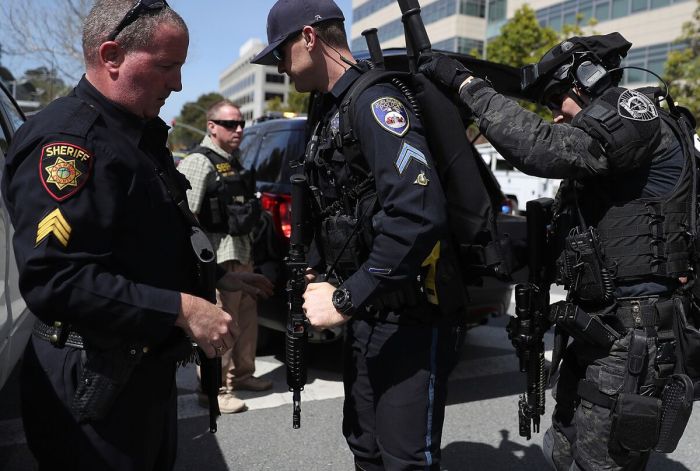
The intersection of social media and criminal investigations is rapidly evolving. As technology advances, law enforcement agencies are finding innovative ways to leverage platforms like YouTube for identifying suspects, reconstructing events, and gathering crucial evidence. This trend is set to accelerate, presenting both exciting opportunities and complex challenges.The future of this practice hinges on the integration of advanced technologies, requiring a proactive approach to training and adaptation within law enforcement agencies.
Predicting the precise nature of future developments is difficult, but certain trends are emerging, demonstrating the transformative potential of this area.
Potential Developments in Social Media Usage
Law enforcement agencies will likely refine their strategies for utilizing social media platforms beyond simply identifying suspects. The ability to analyze patterns of online behavior, identify potential associates, and predict future criminal activity could become increasingly important. Advanced algorithms capable of identifying patterns in vast amounts of online data will be instrumental. This could include not only video analysis but also text analysis, geolocation data, and even the identification of subtle shifts in online personas.
Impact of Advancements in Video Technology
Advancements in video technology will significantly impact the way law enforcement uses social media for investigations. Improved image and video analysis tools will enhance the ability to identify suspects, reconstruct crime scenes, and analyze body language. For example, AI-powered software could be used to detect subtle indicators of deception or manipulation in online interactions, making social media evidence even more powerful.
This increased precision will require new training protocols for officers and legal frameworks to handle the volume of evidence.
Comparison of Current and Future Strategies
Current methods often focus on reactive investigation, responding to reports of crimes captured on social media. Future strategies will likely shift towards proactive measures, using algorithms to identify potential criminal activity and individuals who may be involved in future crimes. This proactive approach will be crucial for preventing crime and catching criminals before they act. Consider a situation where AI algorithms identify unusual activity on a particular social media account, such as a sudden increase in violent content, or unusual transactions.
Law enforcement can then proactively investigate the account to prevent further criminal activity.
Potential Challenges and Opportunities
| Potential Challenges | Potential Opportunities |
|---|---|
| Data Privacy Concerns: The collection and analysis of vast amounts of social media data raise significant privacy concerns. Law enforcement agencies must carefully navigate legal boundaries to ensure compliance with privacy regulations. | Proactive Crime Prevention: The ability to identify potential criminal activity in advance can lead to more effective crime prevention strategies, reducing the risk of harm to the public. |
| Accuracy and Reliability of AI Tools: The reliance on AI-powered tools for analysis and interpretation of social media evidence requires careful validation and verification to ensure accuracy. False positives could lead to wrongful accusations or misallocation of resources. | Improved Efficiency and Resource Allocation: By automating certain aspects of investigation, AI tools can free up valuable resources for officers to focus on more complex cases. |
| Ethical Dilemmas: The use of social media data raises ethical concerns about surveillance, bias, and potential misuse of information. Strict guidelines and oversight are essential. | Early Identification of Suspects: The use of social media can help identify suspects before they commit a crime, providing an opportunity for preventative measures. |
| Keeping Up with Technological Advancements: The rapid pace of technological innovation necessitates continuous training and adaptation for law enforcement agencies to remain effective. | Enhanced Collaboration and Information Sharing: Social media can facilitate better communication and information sharing between different law enforcement agencies, leading to a more coordinated approach to investigations. |
Case Studies and Analyses
Uncovering criminal activity through online platforms like YouTube has become a significant tool for law enforcement. This section delves into specific case studies, demonstrating the effectiveness of this approach and the impact it has on various stakeholders. These analyses highlight the intricate strategies used, the legal considerations, and the broader community implications.Detailed examination of these cases reveals the evolving nature of crime and the adaptability of law enforcement to combat it.
By studying successful instances of criminal apprehension through YouTube, we can gain valuable insights into the future of digital investigations.
Specific Case Studies
A crucial aspect of understanding the utility of YouTube in criminal investigations is examining specific case studies. Analyzing real-world examples provides a clearer picture of the process, strategies, and outcomes. These case studies demonstrate the intricate interplay between technology, legal frameworks, and public perception.
Strategies for Suspect Identification and Evidence Collection
The successful identification of suspects relies on meticulous analysis of video content. Law enforcement often employs sophisticated software and techniques to identify key details, such as facial features, clothing, vehicles, and locations. This analysis often involves a multi-faceted approach including cross-referencing with other sources, such as social media, or using image recognition software.
- Data Extraction: Criminals often inadvertently leave behind crucial data points within their videos. This could include metadata about the video, timestamps of specific actions, or visible items related to the crime. Investigators meticulously extract this information to establish a timeline and connections between individuals or locations.
- Social Media Cross-referencing: Investigators utilize social media platforms, such as YouTube comments or other user-generated content, to cross-reference details from the video. This approach helps uncover potential links between suspects and locations, or gather information about their activities.
- Expert Testimony: Experts in digital forensics, social media analysis, or related fields provide critical insights into the video content. Their specialized knowledge can uncover hidden meanings, corroborate or refute claims, and identify patterns indicative of criminal behavior.
Impact on Communities
The successful apprehension of criminals through YouTube videos has a tangible impact on the affected communities. It fosters trust in law enforcement and contributes to a sense of security. Critically, this approach demonstrates the importance of community engagement and information sharing in combating crime.
- Enhanced Public Safety: By successfully apprehending criminals, communities benefit from a more secure environment. This leads to a decrease in crime rates and an overall improvement in the quality of life.
- Increased Trust in Law Enforcement: Effective use of online platforms to combat crime demonstrates the proactive and innovative approach of law enforcement agencies. This transparency fosters public trust and confidence.
Impact on the Legal Process and Media Influence
The use of YouTube videos in criminal investigations raises important legal and ethical questions. The potential for media influence and its impact on the legal process must be carefully considered.
- Legal Ramifications: The admissibility of evidence gathered from YouTube videos in court proceedings is a critical aspect. The legal precedent for utilizing online video evidence is still evolving, and it requires careful consideration of the reliability and authenticity of the material.
- Media Influence: The extensive coverage of these cases can significantly influence public opinion. The potential for bias or misrepresentation in media reports must be addressed to ensure a fair and accurate portrayal of the events.
Comparative Analysis
The digital age has ushered in new avenues for law enforcement, offering innovative tools to combat crime. YouTube, with its vast reach, has emerged as an unexpected platform for criminal apprehension. This comparative analysis examines the effectiveness of leveraging YouTube for criminal activity identification against traditional methods, highlighting advantages and disadvantages of each approach.Traditional methods, while tried and tested, often face limitations in terms of speed and scope.
YouTube, conversely, provides an immediate, global platform, but also presents unique challenges in terms of verification and resource allocation. Understanding these contrasts is critical to maximizing the potential of both approaches and developing a more comprehensive strategy for crime prevention.
Effectiveness of YouTube in Criminal Apprehension
YouTube’s potential for criminal apprehension lies in its ability to capture real-time events, disseminate information quickly, and connect with a vast audience. However, the platform’s reliance on user-generated content introduces challenges in verifying information and identifying suspects. It’s essential to note that successful apprehension via YouTube hinges on the quality and authenticity of the evidence provided. In essence, the effectiveness depends on the strength of the recorded evidence and the prompt response of law enforcement.
Traditional Criminal Apprehension Methods, Cops nab crooks using youtube
Traditional methods, encompassing on-site investigation, witness statements, and forensic analysis, remain critical components of criminal apprehension. These approaches, often reliant on physical presence and direct interaction, can provide crucial evidence that might be absent in a YouTube video. The strength of traditional methods stems from the possibility of direct observation, physical evidence collection, and witness testimony.
Comparison of Efficiency, Speed, and Resource Utilization
| Factor | YouTube-Based Apprehension | Traditional Methods |
|---|---|---|
| Efficiency | Potentially high, depending on video quality and prompt response. Can reach a large audience quickly. | Variable, depending on the complexity of the case and available resources. Can be slower to gather evidence and identify suspects. |
| Speed | Rapid dissemination of information, leading to quicker suspect identification in some cases. | Slower, often dependent on physical investigation and witness availability. |
| Resource Utilization | Potentially lower initial investment. Relies heavily on user cooperation and law enforcement response time. | Higher initial investment, requiring personnel, equipment, and specialized expertise. |
Advantages of YouTube-Based Apprehension
- Global Reach: YouTube allows for rapid dissemination of information to a global audience, potentially leading to quicker apprehension.
- Real-Time Evidence: Critically, videos can capture events in real-time, providing immediate visual evidence.
- Citizen Participation: YouTube can empower citizens to play a crucial role in crime prevention and apprehension.
Disadvantages of YouTube-Based Apprehension
- Verification Challenges: The authenticity and reliability of user-generated content require careful scrutiny and verification.
- Evidence Quality: The quality and clarity of video evidence can vary significantly, impacting its admissibility in court.
- Resource Allocation: Responding to reports from YouTube requires significant resources, including manpower and technology.
Advantages of Traditional Methods
- Evidence Reliability: Traditional methods, such as physical evidence, witness testimonies, and forensic analysis, generally provide more reliable and admissible evidence in court.
- Comprehensive Investigation: These methods allow for a more thorough investigation of the crime scene and circumstances.
- Expert Involvement: Expert personnel can be crucial in analyzing evidence and providing insights that may not be readily available from YouTube videos.
Disadvantages of Traditional Methods
- Time Consuming: Traditional methods can be time-consuming, especially in complex cases, potentially leading to delays in apprehension.
- Limited Reach: The scope of investigation is often limited to the immediate area and time frame of the crime.
- Resource Intensive: Traditional methods require substantial resources and specialized personnel, including investigators, forensic experts, and legal professionals.
Last Point

In conclusion, the use of YouTube by law enforcement to apprehend criminals is a fascinating development with significant implications for both the justice system and the public. While this approach presents some challenges, the potential for efficiency, speed, and public engagement is undeniable. The effectiveness of this method, compared to traditional methods, will be analyzed, and the future of this evolving trend will be discussed.
We’ll examine the potential pitfalls and advantages, and how the public perceives this approach.