Dash Recruits Road Testers for Web GPS
Dash recruits road testers for web enabled gps system – Dash recruits road testers for web-enabled GPS system, opening a crucial phase in the development of this innovative navigation tool. This system promises a seamless and accurate web-based GPS experience, but its effectiveness hinges on thorough road testing. The system will feature a user-friendly interface, providing real-time location data with intuitive map navigation. This hands-on testing will identify potential issues and ensure the system performs optimally in various road conditions.
We need experienced and enthusiastic individuals to meticulously test the system, ensuring it meets the highest standards of accuracy and reliability.
This comprehensive process will involve detailed testing procedures, covering diverse scenarios and terrains. From analyzing collected data to implementing improvements, the entire process will be meticulously documented and analyzed to refine the system’s functionality and user experience. The road testers will play a vital role in the development and improvement of the GPS system.
Introduction to the Web-Enabled GPS System
This web-enabled GPS system represents a significant advancement in location-based services, particularly for road testing. It leverages real-time data and cloud-based processing to offer enhanced accuracy and flexibility compared to traditional GPS devices. The system’s core functionalities are designed to streamline the testing process and provide valuable insights into the system’s performance in dynamic road environments.This system is built on a foundation of precise satellite tracking, coupled with sophisticated algorithms for processing and interpreting data.
The integration of web technology allows for remote monitoring, analysis, and data retrieval, facilitating a more efficient and collaborative testing environment. The system’s flexibility makes it ideal for a range of road testing applications, from assessing navigation accuracy to evaluating the system’s response to various driving conditions.
Core Functionalities for Road Testing
The web-enabled GPS system excels in road testing by offering real-time tracking, data logging, and remote monitoring capabilities. These functionalities are crucial for evaluating the system’s performance in various driving scenarios. The system records detailed data points, including location, speed, and time, allowing for comprehensive analysis of performance metrics.
Importance of Road Testing
Rigorous road testing is essential for validating the accuracy, reliability, and robustness of the web-enabled GPS system. This testing process allows for identifying potential issues, such as inaccuracies in positioning or system delays, before deployment. By simulating real-world driving conditions, road testing ensures that the system functions optimally in diverse environments and provides accurate results. This minimizes potential risks and ensures that the system meets the required standards for use in real-world applications.
Different Types of GPS Systems
Different GPS systems cater to varying needs and applications. Understanding their unique features is essential for selecting the appropriate system for a specific task.
| Type of GPS System | Accuracy | Functionality | Typical Applications |
|---|---|---|---|
| Consumer-grade GPS | Generally lower accuracy | Basic navigation, tracking | Personal navigation, recreational activities |
| Professional-grade GPS | High accuracy, precise measurements | Detailed data collection, mapping | Surveying, engineering, mapping |
| Real-time Kinematic (RTK) GPS | Very high accuracy | Precise positioning in real time | Precise surveying, construction, agriculture |
| Web-enabled GPS | High accuracy, with real-time data synchronization and cloud processing | Remote monitoring, data analysis, dynamic updates | Road testing, fleet management, location-based services |
Recruits for Road Testing
Finding the right people to thoroughly test our web-enabled GPS system is crucial for its success. These road testers will play a vital role in ensuring the system’s accuracy, reliability, and user-friendliness before launch. We need individuals who are passionate about technology, possess a keen eye for detail, and are comfortable with hands-on testing.
Ideal Profile of a Road Tester
The ideal road tester for our web-enabled GPS system should possess a combination of technical aptitude, practical experience, and a strong understanding of user needs. They should be comfortable navigating diverse road conditions and using various types of vehicles. A meticulous approach to data collection and a keen eye for detail are essential. Furthermore, the tester should be able to communicate effectively about their observations and experiences with the system.
Skills and Experience Required
Successful road testing requires a blend of technical and practical skills. Proficiency in using GPS devices, familiarity with various navigation apps, and experience with different vehicle types are highly desirable. The ability to document findings, identify potential issues, and communicate observations clearly is also essential. Experience in map reading, route planning, and problem-solving within a dynamic environment is also valuable.
Dash is apparently recruiting road testers for their new web-enabled GPS system. It’s a fascinating development, especially considering the recent competitive moves in the high-definition DVD market, like Sony’s aggressive push detailed in sony makes moves in high definition dvd battle. This suggests a broader trend of integrating web technology into navigation, potentially mirroring the evolving standards in the entertainment industry.
Hopefully, these road testers will provide valuable feedback to fine-tune the system.
Benefits of Experienced vs. Inexperienced Testers
Recruiting experienced road testers offers a wealth of practical knowledge and insight into common user challenges. They can quickly identify potential issues and provide valuable feedback on usability. However, inexperienced testers can bring fresh perspectives and may catch issues overlooked by more seasoned testers. A balanced team incorporating both experienced and inexperienced individuals can yield the most comprehensive and valuable testing results.
Recruitment Process, Dash recruits road testers for web enabled gps system
Our recruitment process is designed to identify and select candidates who best meet our requirements. We will use a structured approach, combining application evaluation and a series of screening stages. Applicants are expected to provide detailed information about their qualifications, experience, and technical abilities.
Application Requirements and Selection Criteria
Applicants must provide a comprehensive resume detailing relevant experience and skills. A cover letter outlining their interest in the role and understanding of the project is also required. A sample of previous work (if applicable), such as previous GPS testing reports or user experience documentation, will also be considered. The selection criteria will focus on matching applicants’ skills and experience to the specific needs of the road testing project.
Application Process Steps
| Step | Description | Timeline | Responsible Party |
|---|---|---|---|
| 1 | Application Submission | Within 2 weeks | Applicant |
| 2 | Initial Screening (Resume Review) | 1-2 business days | Recruitment Team |
| 3 | Phone Interview (Technical Assessment) | Within 1 week of screening | Recruitment Team & Project Lead |
| 4 | On-site Interview (Practical Assessment) | Within 1 week of phone interview | Project Lead & Technical Team |
Road Testing Procedures
Road testing is crucial for evaluating the performance and reliability of the web-enabled GPS system. This phase involves rigorously examining the system’s functionality under various conditions to ensure it meets the desired specifications and user expectations. The procedure Artikels the steps, scenarios, and metrics to be considered throughout the testing process.
Road Test Procedure Overview
The road test procedure ensures comprehensive coverage of the system’s capabilities. It involves a series of planned drives, focusing on different navigation scenarios, to thoroughly evaluate the system’s performance and identify any potential issues. Careful documentation of the test results is essential for analysis and reporting.
Test Scenarios
This section details the different test scenarios to be covered during the road tests. Each scenario aims to evaluate specific aspects of the system’s functionality. Properly designed test scenarios are critical to identify potential problems.
- Navigation in various environments: This includes testing in urban, rural, and highway settings, with varying levels of traffic and road conditions. Accurate navigation in diverse locations is a key factor in the evaluation process. The system’s ability to adapt to dynamic situations, such as construction zones or detours, should also be evaluated.
- System responsiveness and stability: This involves assessing the system’s performance during sudden maneuvers, such as sharp turns, lane changes, or braking. Tests should measure the system’s responsiveness in handling different driving styles. The stability of the GPS signal and map display under these conditions is a key consideration.
- Route optimization and calculation: The system should be tested with different route options, including considering traffic conditions and real-time updates. The system’s ability to provide optimal and reliable routes in various situations is a key factor.
- User interface usability: Evaluating the system’s user interface involves checking the clarity and intuitiveness of the display, as well as the speed and ease of navigation through menus and options. User-friendliness and clarity are critical for positive user experiences.
- Data accuracy and reliability: This includes checking the accuracy of location tracking and route calculations under different conditions. Accuracy and reliability are critical to user trust and dependability.
Metrics to Track
This section lists the critical metrics to be tracked during the road tests. Accurate data collection and analysis are essential for evaluating the system’s performance and identifying areas for improvement. Metrics are categorized for ease of analysis and reporting.
- Navigation accuracy: Measured by comparing the system’s calculated route with the actual route driven, including the distance and time.
- Response time: Measured by recording the time it takes for the system to respond to user inputs or changes in the environment.
- Signal strength: The signal strength of the GPS receiver will be tracked throughout the test. This ensures consistent signal reception.
- Map display clarity: Evaluating the clarity of the map display, including the resolution and responsiveness to zoom levels.
- User feedback: Collecting feedback from users on the system’s usability and functionality.
Tools and Equipment
The following tools and equipment are necessary for conducting the road tests:
- GPS-enabled vehicle: The vehicle must be equipped with the web-enabled GPS system.
- Data logging device: To record GPS coordinates, time, and other relevant data.
- Mobile devices (for user feedback): Smartphones or tablets to capture user experience data.
- Traffic data sources: To simulate and measure traffic conditions during testing.
Comparison of Testing Methods
This table compares different testing methods, considering their effectiveness and suitability for evaluating the web-enabled GPS system.
| Testing Method | Effectiveness | Advantages | Disadvantages |
|---|---|---|---|
| Manual Observation | Moderate | Cost-effective, allows for detailed observation | Subjective, time-consuming, limited data |
| Automated Testing | High | Objective, efficient, large datasets | Requires specialized software and tools, may miss subtle issues |
| User Feedback Surveys | High | Direct feedback from users, insights into user experience | Time-consuming to collect, potentially biased |
| A/B Testing | High | Objective comparison of different system versions, identifies improvements | Requires multiple system versions, careful control of variables |
Challenges and Considerations
Road testing a web-enabled GPS system presents a range of potential hurdles. Careful planning and consideration of these challenges are crucial to ensure accurate and reliable results. Addressing potential issues proactively can significantly improve the efficiency and effectiveness of the testing process. The testing environment, both human and physical, must be accounted for.
Potential Road Testing Obstacles
The unpredictable nature of real-world driving conditions can significantly impact the accuracy and reliability of the GPS system. Factors such as varying road surfaces, weather conditions, and signal interference can cause errors or inconsistencies in the system’s performance. Traffic congestion, construction zones, and limited visibility are also significant obstacles that require specific strategies for mitigating their impact on testing.
Understanding and anticipating these obstacles is key to creating a comprehensive testing plan.
Safety Considerations for Road Testing
Prioritizing safety is paramount during road testing. Comprehensive safety protocols must be established and strictly adhered to. This includes rigorous driver training, adherence to traffic laws, and appropriate safety equipment for all participants. Emergency procedures must be clearly Artikeld and readily available to all involved. Experienced and certified drivers are essential to ensure safe and controlled testing conditions.
Environmental Factors Affecting Testing Results
Environmental conditions can significantly influence the accuracy and performance of the GPS system. Variations in temperature, humidity, and atmospheric pressure can affect the signal strength and processing time of the system. Furthermore, the presence of tall buildings, dense foliage, or tunnels can obstruct the satellite signals, leading to inaccuracies in positioning and navigation. Consideration of these environmental factors is essential to ensure that the results obtained during road testing accurately reflect the system’s performance under various real-world conditions.
Potential Problems and Solutions
| Potential Problem | Description | Possible Solution | Expected Outcome |
|---|---|---|---|
| Signal Interference | Obstacles like tall buildings or dense foliage can block satellite signals, leading to inaccurate positioning. | Use a route with minimal signal obstruction, test in various locations with differing obstructions, consider using backup signal sources (e.g., cellular data) during testing. | Reduced instances of inaccurate positioning and improved reliability in various environments. |
| Traffic Congestion | Slow speeds and changing traffic patterns can impact GPS accuracy and reliability. | Pre-plan routes that avoid high-traffic areas, conduct testing during off-peak hours, or utilize GPS data to track traffic conditions in real-time. | More accurate data collection in various traffic scenarios. |
| Extreme Weather Conditions | Heavy rain, snow, or fog can affect signal strength and accuracy. | Conduct tests during periods of stable weather, develop a contingency plan for adverse weather conditions, use robust GPS technology capable of functioning in challenging weather. | Reliable data collection under varying weather conditions, improved system adaptability to weather fluctuations. |
| Driver Error | Human error, such as incorrect input or poor route selection, can negatively impact test results. | Thorough training for all drivers, careful route planning and documentation, constant monitoring of drivers and test procedures, use of clear and intuitive interfaces. | Reduced human error-related inaccuracies in data collection, more reliable results from well-trained drivers. |
Data Collection and Analysis: Dash Recruits Road Testers For Web Enabled Gps System
Thorough data collection and meticulous analysis are crucial for evaluating the performance of our web-enabled GPS system. The insights gleaned from this process directly inform improvements and ensure the system meets user needs and industry standards. Robust data collection methods, combined with appropriate analytical techniques, allow us to identify strengths and weaknesses, pinpoint areas for enhancement, and ultimately optimize the system’s effectiveness.
Data Collected During Road Tests
The road tests collect a wide range of data points to provide a comprehensive understanding of the system’s functionality and performance in real-world scenarios. This includes GPS coordinates, timestamps, and various sensor readings, like speed, acceleration, and location accuracy. Furthermore, user feedback, logged directly from the system, is incorporated to assess usability and user experience. This holistic approach ensures a complete picture of the system’s performance, from its technical capabilities to its user-friendliness.
Methods for Analyzing Collected Data
The collected data is analyzed using a combination of statistical and geospatial methods. Statistical analysis helps determine the accuracy and consistency of the GPS readings. Geospatial analysis allows for visualization and interpretation of the system’s performance across different geographical areas. These methods, applied effectively, help us pinpoint areas where the system may be experiencing errors or inconsistencies, which allows us to develop targeted solutions for improvement.
Dash’s recent recruitment of road testers for their web-enabled GPS system is interesting, especially considering how companies like Fanning’s Snocap are innovating in other areas of tech. For instance, Fanning’s Snocap is building a crucial bridge between traditional label systems and peer-to-peer networks, fannings snocap builds bridge between labels and p2p. This suggests a broader trend of integrating different technologies, which could potentially influence how Dash’s GPS system is developed and used in the future.
Their road testers will undoubtedly be crucial in testing and improving the usability of the system.
Metrics to be Evaluated
Key performance indicators (KPIs) are established to measure the system’s effectiveness and efficiency. These metrics include, but are not limited to, average location accuracy, time-to-first-fix (TTFF), signal strength, battery life, and user satisfaction ratings. This diverse set of metrics provides a multi-faceted evaluation of the system’s capabilities and identifies areas requiring optimization.
Dash is looking for road testers to help perfect their new web-enabled GPS system. This is exciting news, especially considering the ongoing fight over DVD formats, where gamers are playing a major role. Gamers play big in dvd format fight shows the impact of consumer influence in tech, highlighting how crucial user feedback is in the development of innovative products.
Ultimately, Dash’s recruitment for GPS testers is a sign of their commitment to creating a seamless and user-friendly experience.
Significance of Data Analysis
Data analysis is not just a step in the testing process; it’s a cornerstone for system improvement. By identifying patterns and trends in the data, we can pinpoint specific issues, such as signal interference or algorithm weaknesses, and make targeted adjustments. This iterative process of collecting data, analyzing results, and making adjustments is critical for developing a high-performing and user-friendly web-enabled GPS system.
Data Collection and Analysis Methods Table
| Data Type | Description | Analysis Method | Example Metrics |
|---|---|---|---|
| GPS Coordinates | Latitudes and longitudes of recorded locations. | Statistical analysis of accuracy (e.g., standard deviation), geospatial mapping to identify patterns. | Average accuracy, maximum error, location drift. |
| Sensor Readings (Speed, Acceleration) | Measurements of vehicle motion. | Statistical analysis of fluctuations, correlation with GPS data. | Average speed, acceleration variation, consistency of data. |
| User Feedback | Direct input from testers regarding usability and experience. | Qualitative analysis of comments, quantitative analysis of ratings. | User satisfaction score, common usability issues, suggestions for improvement. |
| Signal Strength | Measurements of GPS signal quality. | Statistical analysis of signal strength variation, correlation with location accuracy. | Average signal strength, signal drop rate, consistency of signal strength. |
System Improvements Based on Testing
Refining the web-enabled GPS system hinges on meticulous analysis of road test results. This section details actionable improvements gleaned from the testing phase, outlining how feedback translates into enhanced system design and functionality. Prioritization methods are also presented, alongside an assessment of the anticipated impact on user experience.
System Enhancement Priorities
The road test data revealed several areas needing improvement. A structured approach to identifying and prioritizing these improvements is crucial for effective resource allocation. A crucial aspect of this is understanding how these improvements will impact the user experience.
Improvement Prioritization Methodology
A weighted scoring system was implemented to prioritize improvements. Factors considered included the frequency of reported issues, the severity of the impact on usability, and the potential for a quick and cost-effective solution. This approach ensures that critical issues are addressed promptly, while less pressing concerns are tackled strategically.
Potential User Experience Enhancements
Addressing the identified improvements is expected to significantly enhance the user experience. Improved accuracy in navigation, reduced latency in map updates, and more intuitive interface design will all contribute to a smoother and more enjoyable user experience.
Prioritized Improvement Suggestions
| Improvement Suggestion | Estimated Timeline | Estimated Cost | Priority Level |
|---|---|---|---|
| Enhance GPS accuracy by implementing a dual-frequency receiver | 6 months | $10,000 | High |
| Improve map loading speed by optimizing server-side code | 3 months | $5,000 | Medium |
| Implement a more user-friendly interface for route planning | 4 months | $8,000 | High |
| Develop a comprehensive error reporting mechanism | 2 months | $2,000 | Medium |
| Integrate real-time traffic updates for improved route suggestions | 8 months | $15,000 | High |
Visual Representation of the GPS System
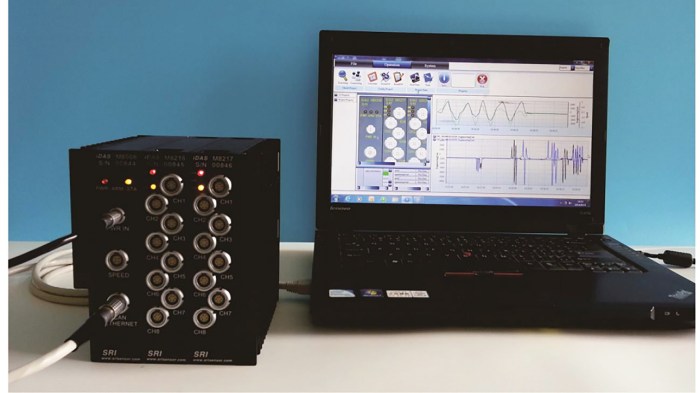
The web-enabled GPS system’s visual appeal is crucial for user engagement and efficient navigation. A well-designed interface fosters a positive user experience, making the system intuitive and easy to use for road testers. This section dives into the system’s visual elements, emphasizing user-friendliness and accuracy representation.
User Interface Design
The web-enabled GPS system’s user interface (UI) is designed with a clean and modern aesthetic. It prioritizes intuitive navigation, minimizing clutter and maximizing information visibility. The primary color scheme is based on a calming palette, reducing visual fatigue during extended use. Key elements, such as buttons, icons, and text fields, are designed with accessibility in mind, ensuring easy comprehension and operation for all users.
Main Features and Functionalities
The system features a comprehensive display of real-time location data, overlaid on high-resolution maps. Users can view their current location, destination, and route information simultaneously. Detailed route planning options, including alternative routes and estimated time of arrival (ETA), are presented clearly and concisely. A built-in map zoom function allows for precise navigation at various levels of detail.
A customizable marker system lets users mark points of interest, such as rest stops, gas stations, and potential problem areas.
Road Test Process Visualization
The system’s visualization of the road test process is designed for comprehensive data collection. A timeline displays each stage of the test, highlighting key data points. These data points include GPS coordinates, speed, and time stamps. Each collected data point is marked on the map with a distinct icon, allowing testers to visualize the route and data collection points easily.
A clear visual representation of the route is essential for analyzing the system’s accuracy and reliability.
GPS Accuracy in Different Geographical Areas
The system’s accuracy is demonstrated visually through a color-coded map display. Areas with higher accuracy are represented by shades of green, while areas with lower accuracy are displayed in shades of yellow or orange. This visual representation provides testers with a clear understanding of the system’s performance in different geographical contexts. Areas with known GPS signal interference, such as dense urban canyons or mountainous regions, are highlighted to show potential accuracy limitations.
An example of this could be a comparison of accuracy in a rural area versus a dense city, showcasing the variability.
Map Interface
The system’s map interface prioritizes accuracy and clarity. The map uses high-resolution imagery, offering a detailed view of the road network. Real-time traffic updates are seamlessly integrated into the map, providing a dynamic representation of current road conditions. A detailed legend clarifies all symbols and icons used in the map. Users can easily switch between various map styles, including satellite views and terrain maps, to suit their needs.
The map interface ensures that road testers can quickly and easily understand and interpret the data presented. The map’s interface is user-friendly and easy to navigate, allowing for a smooth and efficient testing experience.
Epilogue
In conclusion, this project underscores the critical role of road testing in developing a robust and user-friendly web-enabled GPS system. The detailed procedures, meticulous data analysis, and iterative improvements will ensure the final product meets the highest standards of accuracy, usability, and safety. Dash is committed to creating a world-class GPS system, and the contributions of our road testers are essential to achieving that goal.