Fon Time Warner WiFi Hotspots User Control
Fon Time Warner to let users set up WiFi hotspots is a significant shift in internet access. This move promises greater user control over their mobile internet experience, potentially impacting how we work, connect, and access the web. The details are fascinating, from the technical infrastructure to the potential business implications and regulatory considerations. We’ll explore the advantages and disadvantages for users, the challenges for Fon Time Warner, and the broader market context.
This initiative has the potential to disrupt the existing internet service landscape. Fon Time Warner’s current offerings will be examined, along with the company’s motivations behind this change. The technical aspects, including security protocols and bandwidth limitations, will be thoroughly dissected. A comprehensive look at the potential benefits and drawbacks for users, as well as the business implications for Fon Time Warner, will follow.
Background on Fon Time Warner and WiFi Hotspots
Fon Time Warner, a legacy telecommunications company, has evolved significantly in the digital age. From its roots in traditional landline and cable television services, the company has aggressively pursued internet access solutions, adapting to changing consumer needs and market trends. This evolution includes a shift towards broader mobile internet options, recognizing the growing importance of wireless connectivity.The company’s current approach to mobile internet access encompasses various strategies.
These include partnerships with mobile carriers, the development of standalone mobile internet plans, and now, the inclusion of WiFi hotspot functionality for its users. This shift demonstrates a proactive response to the growing demand for seamless, reliable internet connectivity on the go.
Fon Time Warner’s History and Current Mobile Internet Approach
Fon Time Warner’s history is characterized by its initial focus on cable television and traditional telephone services. Over time, the company recognized the burgeoning importance of internet access and gradually expanded its offerings to include broadband internet. The company’s evolution demonstrates a strategic response to the changing demands of the digital age, particularly the rising need for reliable mobile internet.
Its current approach to mobile internet access encompasses various strategies, including partnerships with mobile carriers, the development of standalone mobile internet plans, and now, the inclusion of WiFi hotspot functionality.
Potential Motivations for Allowing WiFi Hotspots
Several factors could motivate Fon Time Warner to allow users to establish WiFi hotspots. The increased demand for reliable mobile internet access is a significant driver. Providing this feature could expand the company’s user base and enhance customer satisfaction. Furthermore, enabling WiFi hotspots might facilitate new revenue streams, such as offering bundled services or tiered access levels for premium hotspots.
Additionally, it could help establish the company as a leader in providing versatile and comprehensive internet solutions in the mobile sphere.
Evolution of Public and Private WiFi Networks
Public WiFi networks have evolved from basic access points in coffee shops to complex infrastructure supporting various devices and applications. Private WiFi networks, initially confined to homes and businesses, have become more accessible and adaptable, supporting growing demand for reliable and high-speed connectivity. This evolution reflects the growing reliance on WiFi for various activities, from everyday communication to demanding tasks like video conferencing and gaming.
Current Market Trends Related to Personal WiFi Hotspot Services
The market for personal WiFi hotspot services is experiencing a rapid expansion, driven by the rising demand for mobile internet access. Consumers are increasingly seeking reliable and portable solutions for accessing the internet in various locations, including cafes, parks, and remote areas. This trend suggests a clear demand for convenient and high-speed mobile internet solutions, prompting companies like Fon Time Warner to adapt their offerings.
Companies are also adapting their offerings to meet specific needs such as higher bandwidth demands and secure access options.
Comparison of Companies Regarding Hotspot Policies, Fon time warner to let users set up wifi hotspots
| Company | Current Hotspot Policies | Potential Impacts |
|---|---|---|
| Fon Time Warner | Currently offering WiFi hotspot functionality for select plans. | Increased user base, potential for new revenue streams, enhanced customer satisfaction. |
| Other Major Internet Providers | Varying policies, some offering limited hotspot capabilities, others focusing on broader mobile internet solutions. | Competitive positioning, potential for market share shifts, attracting users seeking specific features. |
Technical Aspects of User-Controlled WiFi Hotspots

Setting up user-controlled WiFi hotspots within the Fon Time Warner network introduces a complex interplay of technical considerations. These considerations range from the underlying infrastructure to the security protocols and user interface design, all needing careful consideration to ensure a smooth and secure experience for both the hotspot creator and other users. This detailed exploration will illuminate the technical underpinnings of this feature.
Technical Infrastructure for User-Created Hotspots
The infrastructure supporting user-created WiFi hotspots requires a robust network architecture. This involves dedicated network segments and devices that can dynamically allocate bandwidth and manage connections. The system must be capable of handling simultaneous connections from multiple users while maintaining consistent performance. Centralized management of these hotspots is critical to ensure consistent quality of service and prevent network congestion.
This requires sophisticated network monitoring tools and a flexible architecture to adapt to fluctuating user demands.
Security Protocols for User Data Protection
Ensuring the security of user data is paramount. Robust encryption protocols, such as WPA3, are essential to protect the data transmitted over the hotspot. This encryption must be automatically applied to all connections. Additionally, user authentication mechanisms need to be in place to verify the identity of hotspot creators and users. Multi-factor authentication could be a crucial component to enhance security further.
This layered approach to security minimizes the risk of unauthorized access and data breaches.
Bandwidth Limitations and Potential Congestion Issues
Bandwidth limitations and potential congestion are significant concerns. The system must be designed to dynamically manage bandwidth allocation to prevent individual hotspots from consuming excessive resources. A priority-based queuing system can be implemented to ensure critical applications receive sufficient bandwidth. Monitoring tools and real-time traffic analysis are crucial to proactively identify and address potential congestion points. Fon Time Warner must implement traffic shaping techniques to maintain network performance and user experience, especially during peak hours.
Scalability of the System for a Large Number of Users
The system must be scalable to accommodate a large number of users and hotspots. A cloud-based architecture would be ideal for its scalability and flexibility. Dynamic allocation of resources and load balancing mechanisms are crucial to handle surges in user demand. The system should be able to automatically adjust to varying user loads and maintain performance. Fon Time Warner should conduct rigorous testing and simulations to ensure optimal performance under different traffic scenarios.
User Interface Design for Creating and Managing a Hotspot
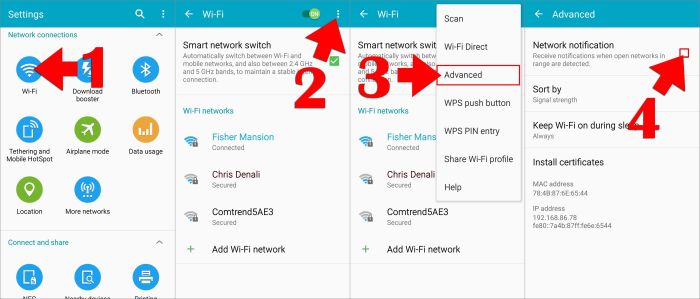
A user-friendly interface is crucial for users to easily create and manage their hotspots. The interface should be intuitive and require minimal technical expertise. Clear instructions and visual aids should guide users through the setup process. An interactive dashboard would allow users to monitor hotspot activity, manage connected devices, and adjust bandwidth allocation. Features such as automated security updates and self-diagnostic tools are essential for user convenience and ease of use.
Comparison of Hotspot Technologies
| Technology | Speed | Security | Cost |
|---|---|---|---|
| Wi-Fi 6 | High | Strong (WPA3) | Moderate |
| Wi-Fi 6E | High | Strong (WPA3) | High |
| Cellular Hotspot | Variable | Strong (depending on provider) | Variable (monthly fees apply) |
The table above presents a simplified comparison of common hotspot technologies. Factors such as speed, security, and cost should be carefully weighed when choosing a suitable technology for the Fon Time Warner platform.
Potential Benefits and Drawbacks for Users
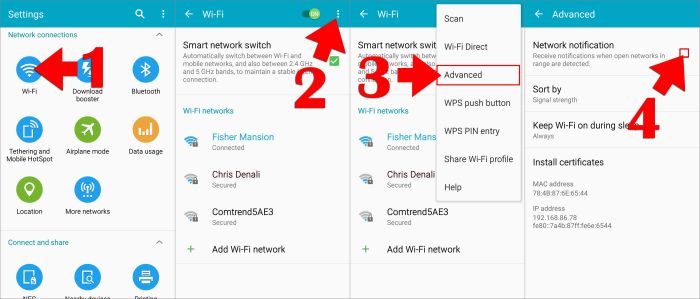
Fon Time Warner’s user-controlled Wi-Fi hotspots offer a compelling alternative to traditional Wi-Fi access, promising greater flexibility and control. However, this enhanced user experience comes with potential trade-offs. Understanding these benefits and drawbacks is crucial for consumers considering this new service.This section delves into the advantages and disadvantages of user-controlled hotspots, examining factors like cost, speed, security, and diverse usage scenarios.
We will also compare them to existing provider-managed hotspots to paint a clearer picture of the potential impact on users.
Cost Savings and Mobility
User-controlled hotspots offer the potential for significant cost savings, especially for individuals who frequently move between locations. Instead of paying for Wi-Fi access at each new location, users can leverage their own hotspot, eliminating additional charges and providing seamless connectivity. This mobility is particularly beneficial for remote workers, students, and travelers.
Limitations and Potential Drawbacks
While user-controlled hotspots promise increased freedom and cost savings, they also come with potential limitations. Reduced speeds, especially during peak usage times, and security vulnerabilities are significant concerns. These issues, if not addressed properly, could negate the advantages of the new service.
Security Vulnerabilities
Security vulnerabilities are a critical consideration. If not properly secured, user-controlled hotspots could become targets for unauthorized access, potentially exposing sensitive data. Strong encryption protocols and robust password protection are essential for mitigating this risk. A well-designed hotspot solution should incorporate robust security measures to protect user data.
Usage Scenarios
User-controlled hotspots have a wide range of potential applications. For remote workers, they provide a crucial link to their workplace, enabling them to work efficiently from various locations. Public access hotspots can offer a valuable service in areas with limited connectivity, and personal use can provide convenient Wi-Fi access at home and during travel.
Fon Time Warner’s recent announcement about letting users set up Wi-Fi hotspots is pretty cool. It’s a smart move, but it also makes me think about how streaming services like YouTube and BBC iPlayer are changing the way we consume video content. The future of home entertainment is definitely changing, and a service like youtube and bbc youtelly is likely to impact how we use those hotspots.
Hopefully, Fon Time Warner will make it easy to connect and stream with their new feature.
Comparison to Provider-Managed Hotspots
Comparing user-controlled hotspots with provider-managed ones reveals distinct advantages and disadvantages for users. User-controlled hotspots offer greater flexibility and control but potentially lower speeds and security vulnerabilities. Provider-managed hotspots, on the other hand, offer consistent speed and enhanced security but lack the same level of user control and mobility.
Pros and Cons for Users
User-Controlled Wi-Fi Hotspots
Fon Time Warner’s recent announcement about letting users set up Wi-Fi hotspots is pretty cool, right? It’s a step towards more accessible connectivity. Meanwhile, companies like Dash are also getting innovative with web-enabled GPS systems, which is interesting. Dash recruits road testers for web enabled gps system to refine their technology. Ultimately, Fon Time Warner’s move to empower users with hotspot creation is a positive sign for the future of personal internet access.
- Cost Savings: Eliminates the need to pay for Wi-Fi access at multiple locations, saving money over time.
- Enhanced Mobility: Seamlessly connect to the internet regardless of location, facilitating remote work and travel.
- Greater Control: Users manage their own network settings, offering greater customization and control.
- Potential for Reduced Speeds: Peak usage can lead to slower speeds, potentially affecting productivity or streaming.
- Security Risks: Improper security measures can expose users to unauthorized access, compromising personal data.
- Complexity of Setup and Management: Setting up and maintaining a user-controlled hotspot might require technical expertise.
Business Implications for Fon Time Warner: Fon Time Warner To Let Users Set Up Wifi Hotspots
Fon Time Warner’s foray into user-controlled Wi-Fi hotspots presents a multifaceted opportunity, impacting their revenue model, customer base, and brand perception. This initiative has the potential to significantly reshape their position in the telecommunications market. Successfully implementing this feature could yield substantial benefits, but careful consideration of potential drawbacks is crucial.
Potential Impact on Revenue Model
Fon Time Warner’s current revenue streams likely center around service plans, data usage, and potentially device sales. Introducing Wi-Fi hotspots will likely create new revenue opportunities. This expansion necessitates a re-evaluation of pricing strategies, including potential tiered subscriptions for hotspot usage and data allocation. Successful implementation could lead to increased revenue through subscriptions and data usage. Consideration should also be given to potential competition from other providers offering similar services.
Attracting and Retaining Customers
Offering user-controlled Wi-Fi hotspots can attract new customers seeking flexibility and enhanced connectivity options. Existing customers who need to share internet access more readily or use internet outside of their homes could find this service appealing. This flexibility in access could be a strong selling point, differentiating Fon Time Warner from competitors. Providing this service could improve customer satisfaction, potentially leading to higher customer retention rates and positive word-of-mouth referrals.
Increased Customer Satisfaction
Offering Wi-Fi hotspots will likely improve customer satisfaction, particularly for customers who frequently require shared internet access or use Wi-Fi outside their home network. This service offers convenience and flexibility, enhancing the overall user experience. Positive customer feedback will contribute to a more positive brand image. The flexibility and ease of access could significantly increase user satisfaction and encourage positive customer reviews.
Brand Image Enhancement or Negative Perception
Implementing user-controlled Wi-Fi hotspots could enhance Fon Time Warner’s brand image by positioning them as a provider of innovative and customer-centric solutions. However, inadequate infrastructure or pricing strategies could negatively impact the brand perception. For example, if the service is unreliable or expensive, it could create a negative impression. Careful planning and implementation are crucial to avoid any potential negative consequences.
Potential Revenue Streams
| Revenue Stream | Description | Example Pricing |
|---|---|---|
| Wi-Fi Hotspot Subscriptions | Monthly or annual subscriptions for access to the hotspot network. | $5-$20 per month/device, with tiered options for higher data allowances. |
| Data Usage | Charging users for data consumed on the hotspot network. | Tiered pricing for data usage, with higher tiers for larger volumes. |
| Premium Features | Potential for premium features like priority access or faster speeds. | Additional monthly fee for premium options. |
The table Artikels potential revenue streams, highlighting the various pricing models and features that could be offered to customers. Different tiers of service can cater to various customer needs and budgets. This could provide Fon Time Warner with a competitive edge and generate significant revenue.
Regulatory and Legal Considerations
Enabling users to establish Wi-Fi hotspots introduces a complex web of regulatory and legal considerations. From data privacy to network security, Fon Time Warner must navigate a landscape of evolving rules and potential liabilities. Careful planning and adherence to these regulations are crucial for both user safety and the company’s long-term success.
Potential Regulatory Hurdles
The establishment of user-controlled Wi-Fi hotspots necessitates careful consideration of existing regulations. Different jurisdictions may have varying rules concerning the provision of wireless internet access, particularly regarding licensing, spectrum usage, and network security. These regulations can impact the design, implementation, and operation of the hotspot service. For example, some areas may impose restrictions on the maximum power output of Wi-Fi devices or mandate specific security protocols for public networks.
Fon Time Warner’s move to let users set up Wi-Fi hotspots is a cool development, but it raises some interesting questions about potential monopolies and the need for organizations like the electronic frontier foundation targets abusive patents to keep an eye on things. While Fon Time Warner’s initiative is generally positive, ensuring fair competition in the wireless market is key.
It’s crucial that such advancements don’t lead to overly restrictive practices, so these kinds of initiatives deserve ongoing scrutiny.
Furthermore, local ordinances might require specific permits or licenses for operating a hotspot, especially in densely populated areas.
Legal Requirements Regarding Data Privacy
User data protection is paramount. Regulations like GDPR in Europe and similar legislation in other regions mandate specific data handling procedures. Fon Time Warner must ensure compliance by establishing clear data collection policies, obtaining explicit consent for data use, and implementing robust data security measures to protect user information from unauthorized access or breaches. This includes the handling of personal data during hotspot setup and use, ensuring data encryption and secure storage.
Network Security Implications
The security of the network is a shared responsibility. Users must take steps to protect their devices and the network from malicious actors. Fon Time Warner must implement measures to secure its infrastructure and provide clear guidelines to users on secure Wi-Fi practices. This involves informing users about the importance of strong passwords, secure login protocols, and recognizing potential threats like phishing attempts or malware.
Fon Time Warner also has a responsibility to promptly address security breaches and investigate any suspicious activity on the network.
Legal and Regulatory Landscape of Wi-Fi Hotspot Services
The legal and regulatory landscape surrounding Wi-Fi hotspot services is complex and ever-changing. Companies like Fon Time Warner must stay informed about updates to relevant regulations. Understanding the nuances of international data privacy laws and local ordinances is crucial for avoiding potential legal challenges. The evolving nature of technology and security threats necessitates continuous monitoring and adaptation to maintain compliance with current and future legal frameworks.
User Hotspot Setup Flowchart
| Step | Action |
|---|---|
| 1 | User Access: User logs in to the Fon Time Warner account portal. |
| 2 | Hotspot Activation: User selects the “Create Hotspot” option. |
| 3 | Configuration: User inputs network name (SSID) and password for the hotspot. |
| 4 | Security Settings: User chooses security options (e.g., WPA2/3 encryption). |
| 5 | Review and Confirmation: User reviews the hotspot settings and confirms the creation. |
| 6 | Hotspot Use: User connects their devices to the newly created hotspot using the provided SSID and password. |
Customer Support and Troubleshooting
Setting up and maintaining user-friendly WiFi hotspots requires a robust customer support system. Effective troubleshooting and readily available information are critical to ensuring a positive user experience. This section details the necessary resources and strategies for supporting users navigating this new service.Customer support is paramount for the success of any new service, especially one as complex as user-controlled WiFi hotspots.
It needs to be more than just a reactive measure; it must be proactive, anticipating potential issues and providing solutions before problems escalate. Clear communication channels and comprehensive FAQs are essential components of a successful support strategy.
Customer Support Resources
The support infrastructure must be scalable to handle a growing user base. This includes dedicated customer support representatives trained on the intricacies of WiFi hotspots, access to technical documentation, and readily available self-service resources. A dedicated support team with a deep understanding of the technology will be crucial in providing prompt and accurate assistance.
Troubleshooting Procedures
Effective troubleshooting procedures are essential for quickly resolving common hotspot issues. A structured approach, with clearly defined steps, is necessary to guide users through potential problems. This involves a multi-pronged approach including diagnostic tools, FAQs, and a robust knowledge base for both technical and non-technical users. For example, a checklist of common connectivity issues like incorrect passwords, network congestion, or outdated firmware updates will assist support representatives and users alike.
Frequently Asked Questions (FAQ)
A comprehensive FAQ section should address common user concerns about setting up and using WiFi hotspots. This section should be readily available on the Fon Time Warner website, mobile app, and other support platforms. This proactive measure anticipates user questions and empowers them to find answers independently. Example questions include how to configure a hotspot, troubleshoot connection issues, understand data usage, and secure the network.
Each FAQ entry should provide clear and concise solutions.
Customer Support Channels and Communication Strategies
Multiple customer support channels will enhance user accessibility and satisfaction. These channels could include phone support, email support, live chat, and a self-service knowledge base. For example, live chat could be offered during peak hours to address immediate issues, while email is a suitable channel for detailed inquiries. Consistent communication strategies across all channels are vital to ensure a cohesive user experience.
Importance of Efficient Customer Support
Efficient customer support is not merely a cost-center but a revenue driver. Happy users are more likely to remain loyal customers and advocate for the service. Positive experiences, quick resolutions, and accessible support channels contribute to customer satisfaction. Customer support will not only resolve immediate issues but also build a strong foundation for user trust and loyalty, which is crucial for the sustained success of the new WiFi hotspot service.
Market Analysis and Competition
The telecom industry is fiercely competitive, and the addition of user-controlled WiFi hotspots to Fon Time Warner’s offerings necessitates a thorough understanding of the current market landscape. This analysis examines the competitive landscape, identifies key competitors, and compares Fon Time Warner’s proposed service with those of rivals, highlighting both advantages and disadvantages.Fon Time Warner’s foray into user-controlled WiFi hotspots requires careful consideration of existing competitors.
Understanding their strengths, weaknesses, and market positioning is crucial for developing a successful strategy. This analysis will delve into the competitive landscape, enabling a more informed perspective on the potential success of Fon Time Warner’s new feature.
Competitive Landscape for WiFi Hotspot Services
The WiFi hotspot market is dynamic, with various players offering diverse services tailored to different needs. From dedicated hotspot providers to mobile carriers incorporating hotspot capabilities, the market presents a complex mix of options. Understanding this complexity is essential for effectively positioning Fon Time Warner’s new service.
Key Competitors and Their Offerings
Several companies offer WiFi hotspot services, each with its own strengths and target demographics. A few prominent examples include mobile carriers (e.g., Verizon, AT&T), dedicated hotspot providers (e.g., Boingo), and even some coffee shops and hotels offering their own networks. Each competitor often bundles their hotspot service with other offerings, such as data plans or broader internet access.
Comparison of Fon Time Warner’s Proposed Service with Competitors
Fon Time Warner’s proposed user-controlled WiFi hotspot service differentiates itself through the user-centric approach. This feature allows users to easily manage their hotspot’s configuration and access. Competitors often provide limited customization, relying more on automatic settings or fixed plans. The user control aspect is a potential competitive advantage.
Competitive Advantages and Disadvantages
Fon Time Warner’s user-controlled WiFi hotspot feature offers potential advantages like enhanced flexibility and control over network configurations. The ability to customize settings might appeal to users who require specific network parameters or want to fine-tune their hotspot’s security. However, the implementation complexity for users may become a disadvantage.
Comparison Matrix
| Feature | Fon Time Warner | Verizon | Boingo | Starbucks WiFi |
|---|---|---|---|---|
| User Control | High (Customizable settings) | Low (Pre-configured plans) | Medium (Limited customization) | Low (Pre-configured network) |
| Pricing | (To be determined) | Tiered, data-based | Per-use or subscription | Free (with limitations) |
| Security | Configurable (WPA2/3) | Robust, carrier-level security | Network-level security | Limited security measures |
| Data Limits | Potentially customizable (bundled with existing plans) | Data-based limits (Vary by plan) | Vary by plan/usage | Usage-based restrictions (often free but limited) |
Conclusive Thoughts
Fon Time Warner’s decision to allow users to set up their own WiFi hotspots is a complex proposition with both exciting opportunities and potential pitfalls. While it promises greater user control and potentially lower costs for some, the technical challenges, security considerations, and business implications must be carefully weighed. The impact on the market, and the competitive landscape, is also a critical factor.
This exploration delves into the details of this innovative approach, providing a well-rounded perspective for understanding its implications.