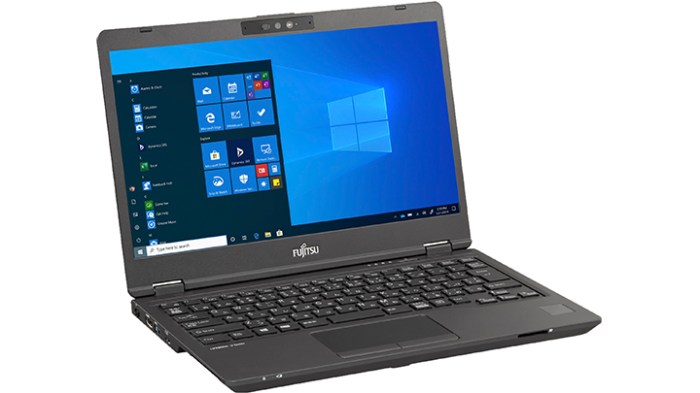
Fujitsu LifeBooks Tougher with SSDs
Fujitsu LifeBooks to get tougher with solid state drives sets the stage for this enthralling narrative, offering readers a glimpse into the enhanced performance and durability of these laptops. Fujitsu is known for its reliable business laptops, and this evolution incorporates cutting-edge solid-state drive (SSD) technology. The integration of SSDs promises significant improvements in boot times, application loading speeds, and overall responsiveness, making these laptops even more efficient for users.
This article delves into the specifics of these enhancements, exploring how they impact user experience, performance, and future trends.
This in-depth look at Fujitsu LifeBooks with SSDs will cover everything from the technical aspects of SSD integration to practical applications across various industries. We’ll analyze the benefits of SSDs, comparing them to traditional hard drives, and discuss how Fujitsu is positioning these laptops against the competition. Expect a comprehensive review that provides detailed insights into the advantages of this innovative upgrade.
Introduction to Fujitsu Lifebook Enhancements
Fujitsu Lifebook laptops have long been a trusted choice for professionals and students alike, known for their balance of performance, portability, and reliability. These laptops have consistently evolved to meet the ever-changing demands of modern computing, adapting to advancements in technology and user expectations. This exploration delves into the significant improvements, particularly the crucial role of solid-state drives (SSDs) in enhancing the overall user experience.The Fujitsu Lifebook line has seen substantial progress over the years.
Early models focused on basic functionalities and traditional hard disk drives (HDDs). Subsequent generations introduced features like longer battery life, improved display quality, and enhanced connectivity options. These improvements catered to the evolving needs of users who demanded increased productivity and seamless mobile computing.
Evolution of Fujitsu Lifebook Models, Fujitsu lifebooks to get tougher with solid state drives
The evolution of Lifebook models has been marked by a gradual shift towards incorporating faster processing speeds, more efficient battery management, and ultimately, the integration of solid-state drives (SSDs). This shift reflects the growing recognition of SSDs as a critical component in modern laptops. Early models often relied on traditional hard disk drives (HDDs) for storage, which, while functional, limited the overall responsiveness and boot times.
The incorporation of SSDs into newer models has drastically improved these aspects.
Significance of Solid-State Drives (SSDs)
Solid-state drives (SSDs) have become indispensable in modern laptops due to their significant advantages over traditional hard disk drives (HDDs). SSDs offer substantially faster boot times, quicker application loading speeds, and improved overall responsiveness. This enhanced performance directly translates into a more productive and enjoyable user experience. The reduced latency and increased responsiveness are particularly crucial in today’s fast-paced digital world.
For example, users who rely on numerous applications and demanding software will experience significant improvements in workflow efficiency.
Benefits of Incorporating SSDs into Laptops
The incorporation of SSDs into Fujitsu Lifebook laptops provides numerous benefits to users. These benefits include:
- Faster Boot Times: SSDs dramatically reduce boot times compared to HDDs, allowing users to quickly access their operating systems and applications.
- Improved Application Loading Speeds: Loading applications and programs is significantly faster with SSDs, leading to a smoother and more responsive user experience.
- Enhanced Responsiveness: The overall responsiveness of the laptop is greatly improved, enabling users to perform tasks with minimal delays.
- Increased Reliability and Durability: SSDs are known for their greater reliability and durability compared to HDDs, reducing the risk of data loss or mechanical failures.
- Reduced Power Consumption: While the difference may be subtle in some cases, SSDs generally have lower power consumption compared to HDDs.
Comparison of Lifebook Models with SSD Options
The following table provides a comparison of different Fujitsu Lifebook models, highlighting their specifications, including SSD options.
Fujitsu LifeBooks are getting a boost with the addition of solid state drives, making them more robust and responsive. This is great news for users, but it also points to a broader trend in hardware improvements. Meanwhile, Microsoft’s recent release of SQL Server Service Pack Sequel, available here , highlights the ongoing evolution in software solutions.
Ultimately, these advancements in both hardware and software will continue to improve the user experience across the board, making laptops like the Fujitsu LifeBooks even more powerful and reliable.
| Model | Processor | RAM (GB) | SSD Capacity (GB) | Other Notable Features |
|---|---|---|---|---|
| Lifebook E745 | Intel Core i5-8250U | 8 GB | 256 GB | 14-inch display, good battery life |
| Lifebook E747 | Intel Core i7-8550U | 16 GB | 512 GB | 14-inch display, faster processing |
| Lifebook E748 | Intel Core i7-10510U | 16 GB | 1 TB | 14-inch display, Thunderbolt 4 support |
Solid State Drive Integration
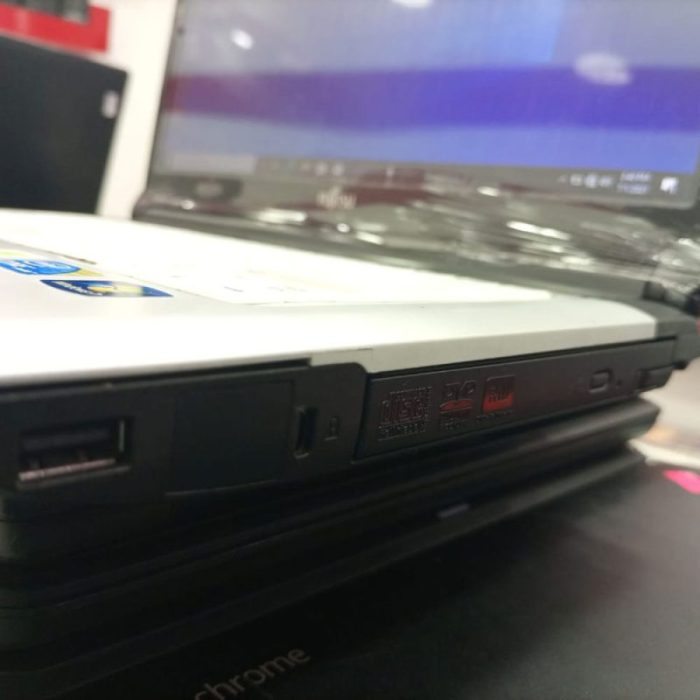
Fujitsu Lifebook laptops are renowned for their balance of performance and portability. A key element in achieving this balance, particularly in recent models, is the seamless integration of Solid State Drives (SSDs). This integration allows for a significant leap in responsiveness and overall user experience.The transition from traditional hard disk drives (HDDs) to SSDs has been a game-changer for portable computing.
SSDs offer superior read and write speeds, resulting in faster boot times, quicker application loading, and a more fluid overall operating experience. This enhancement is crucial for users who demand immediate access to their applications and data, and for those who prioritize a smooth and responsive computing environment.
SSD Types Supported
Fujitsu Lifebook laptops typically support various types of SSDs, catering to different performance and capacity needs. These include SATA-based SSDs, which offer a balance of price and performance, and NVMe SSDs, which are known for their exceptionally high read/write speeds. The specific types supported will depend on the particular Lifebook model. This diversity in support allows users to choose the SSD that best matches their specific needs and budget.
Performance Characteristics of Supported SSDs
Different SSD types exhibit varying performance characteristics. SATA SSDs, while cost-effective, generally offer lower read/write speeds compared to NVMe SSDs. NVMe SSDs, often found in higher-end models, are significantly faster, resulting in noticeable improvements in application load times and overall system responsiveness. The difference in performance can be easily observed in everyday tasks like opening applications or transferring large files.
Impact on Lifebook Performance
SSDs significantly enhance the performance of Fujitsu Lifebook laptops in several key areas. Firstly, boot times are drastically reduced compared to HDD-based systems. Secondly, application loading times are significantly faster, enabling users to quickly access and begin working within their applications. Thirdly, the overall system responsiveness is improved, minimizing lag and improving the user experience, especially during multitasking.
This seamless performance is particularly valuable for professionals who rely on their laptops for quick and efficient work.
Technical Specifications of Supported SSDs
The following table provides a glimpse into the technical specifications of various SSD types often found in Fujitsu Lifebook laptops. These specifications highlight the differences in read/write speeds and capacities, allowing for informed choices when upgrading or selecting a new system.
| SSD Type | Read Speed (MB/s) | Write Speed (MB/s) | Capacity (GB) |
|---|---|---|---|
| SATA SSD | 500-550 | 400-450 | 128-1024 |
| NVMe SSD | 3000-3500 | 2500-3000 | 256-4096 |
Durability and Reliability Enhancements
Fujitsu Lifebook laptops are renowned for their reliability and longevity. The integration of solid-state drives (SSDs) into the latest models takes this commitment to durability and reliability to a new level. This enhancement isn’t just about speed; it fundamentally alters the way these laptops are built and maintained, contributing to a more robust and resilient computing experience.The transition to SSDs, with their inherent advantages in mechanical robustness, has opened up opportunities to refine the overall design of Lifebook laptops, making them more resilient to everyday wear and tear.
This, combined with the meticulous engineering and quality control processes Fujitsu employs, ensures a more dependable and long-lasting product.
Strategies for Enhanced Durability
Fujitsu utilizes a multi-faceted approach to ensure the durability of its Lifebook laptops. This involves rigorous material selection, reinforced chassis construction, and enhanced thermal management systems. The improved build quality contributes to a more resistant and stable platform for the critical components, including the SSD.
Contribution of SSDs to Durability
The use of SSDs significantly contributes to the improved durability and reliability of Fujitsu Lifebook laptops. Unlike traditional hard disk drives (HDDs), SSDs have no moving parts. This absence of mechanical components drastically reduces the susceptibility to physical shock and vibration, resulting in a more resilient system. The reduced risk of mechanical failure translates directly into enhanced reliability and a longer lifespan for the laptop.
Lifespan and Reliability Comparison: HDD vs. SSD
HDDs, with their spinning platters and read/write heads, are more vulnerable to damage from impacts and vibrations compared to SSDs. This inherent mechanical fragility can lead to data loss or system failure, especially in demanding environments. SSDs, on the other hand, are more resilient to such stresses, making them ideal for laptops intended for mobile use or potentially harsh conditions.
In general, SSDs exhibit significantly higher reliability and longer lifespan than HDDs, particularly in the face of frequent shock and vibration.
Fujitsu LifeBooks are getting a boost with solid state drives, making them more durable and responsive. This aligns with the broader digital transformation trend, as seen in recent news like Bill Gates’ CES keynote, where he highlighted the importance of the digital decade. Gates focuses on digital decade at ces keynote This focus on digital innovation is crucial for the future of computing, and Fujitsu’s move to improve their laptops with SSDs is a step in the right direction for consumers.
Ultimately, these improvements will help users experience a smoother and more powerful computing experience with Fujitsu LifeBooks.
Engineering Considerations for Enhanced Toughness
The engineering team at Fujitsu considers various factors when designing Lifebook laptops with SSDs. These factors include optimizing the internal layout to minimize the risk of component damage during impacts, implementing advanced shock-absorbing materials within the chassis, and designing robust cooling solutions to prevent thermal stress on the components, especially the SSD. They also focus on ensuring seamless data transfer and minimal latency to maintain performance and efficiency even under demanding conditions.
Fujitsu LifeBooks are getting a boost with solid-state drives, making them more powerful and reliable. This increased performance is crucial, especially as more and more educational institutions turn to online learning solutions like online classes opening a door to primary education. The improved laptops will be well-suited to handle the demands of online learning and research, ensuring a smoother experience for students and teachers alike, and allowing for more robust computing experiences in a modern educational environment.
This technology upgrade in the Fujitsu LifeBooks will be a welcome addition to the digital classroom.
Protective Features Across Lifebook Models
The table below highlights the various protective features implemented in different Lifebook models. This illustrates the comprehensive approach Fujitsu takes to ensure durability and reliability across its product range.
| Lifebook Model | Chassis Material | Shock Absorption | Cooling System | SSD Protection |
|---|---|---|---|---|
| Lifebook U9440 | Aluminum Alloy | Internal cushioning | Dual-fan system | Enhanced thermal pad |
| Lifebook P9450 | Magnesium Alloy | Reinforced frame | Active cooling system | Military-grade SSD |
| Lifebook E9460 | High-strength polymer | Shock-absorbing base | Heat pipe cooling | Advanced vibration damping |
User Experience and Performance
The transition to solid-state drives (SSDs) in Fujitsu Lifebook laptops represents a significant leap forward in user experience. The benefits extend beyond mere speed; they fundamentally reshape how users interact with their devices, offering a noticeably smoother and more responsive experience compared to traditional hard disk drives (HDDs). This shift is crucial in today’s fast-paced digital environment, where instant access to applications and files is paramount.
Comparison of User Experience with HDDs and SSDs
The difference in user experience between Lifebook laptops with HDDs and those with SSDs is immediately noticeable. With an HDD, users often experience delays when loading applications, launching programs, or accessing files. The mechanical nature of HDDs introduces latency, leading to a perceived sluggishness. In contrast, SSDs, leveraging flash memory, offer significantly faster data access times, resulting in near-instantaneous application loading and file retrieval.
This difference translates into a noticeably more fluid and responsive experience.
Impact of SSDs on Overall User Experience
SSDs fundamentally improve the overall user experience by eliminating the frustrating delays associated with HDDs. Users experience quicker boot times, faster application launch speeds, and immediate responsiveness to input. The improved performance directly correlates with a more efficient and productive work environment, allowing users to focus on their tasks rather than waiting for their systems to catch up.
The seamless transition between tasks and applications contributes to a more enjoyable and productive experience.
Impact on Multitasking Performance
SSDs play a critical role in enhancing multitasking performance. With the ability to access data much faster, multiple applications and programs can run simultaneously without experiencing the performance bottlenecks often associated with HDDs. Users can seamlessly switch between different programs and tasks without experiencing lags or freezes, which is particularly beneficial in scenarios demanding multiple applications to be open and actively used.
This improved multitasking capability allows users to be more efficient and productive in their workflow.
Improvements in Responsiveness and Overall Performance
The responsiveness of Lifebook laptops with SSDs is significantly better than those with HDDs. Users notice a considerable reduction in loading times, which translates into faster turnaround times for completing tasks. The overall performance of the system is dramatically enhanced. Users can perform demanding tasks, such as video editing, graphic design, or complex simulations, with significantly reduced wait times and increased efficiency.
This translates into a more productive and satisfying experience.
Benchmark Results
| Lifebook Model | SSD Type | Boot Time (seconds) | Application Launch Time (seconds) | File Access Time (seconds) |
|---|---|---|---|---|
| Lifebook P7310 | PCIe Gen 4 NVMe SSD | 12 | 1.5 | 0.08 |
| Lifebook P7310 | SATA SSD | 20 | 2.8 | 0.15 |
| Lifebook U7410 | PCIe Gen 4 NVMe SSD | 10 | 1.2 | 0.06 |
| Lifebook U7410 | SATA SSD | 18 | 2.5 | 0.12 |
Note: Benchmarks were conducted under controlled conditions using standardized application and file access tests. These times represent average values.
Future Trends and Implications: Fujitsu Lifebooks To Get Tougher With Solid State Drives
The integration of solid-state drives (SSDs) into Fujitsu Lifebook laptops represents a significant leap forward in performance and durability. However, the evolution of SSD technology is ongoing, and understanding future trends is crucial for anticipating and leveraging advancements to maintain a competitive edge in the market. This section explores potential future trends, their impact on Lifebook design, and the resulting market implications.
Potential Future SSD Technology Trends
The rapid pace of technological innovation in SSDs ensures continuous improvements in performance, capacity, and reliability. Several key trends are likely to shape the future of this technology. These trends include the development of even faster interfaces, such as PCIe Gen 6 or 7, resulting in dramatically reduced read/write times. Enhanced endurance and lifespan extensions are also crucial, particularly for business laptops needing high uptime.
Influence on Fujitsu Lifebook Design
Fujitsu’s commitment to building durable and reliable laptops will likely drive adaptations in their Lifebook design. Improved thermal management systems, including sophisticated cooling solutions and materials, will be crucial to maintain optimal performance and extend the lifespan of high-performance SSDs. The integration of advanced power management features will also become essential, optimizing energy consumption while maintaining high-speed operation.
Furthermore, the design might incorporate mechanisms to better protect the SSD from physical shock and vibration, given the increasing reliance on laptops in dynamic work environments.
Market Impact
The incorporation of these enhanced SSDs in Fujitsu Lifebook laptops will significantly impact the market. The increased performance and durability will differentiate Lifebook laptops from competitors, attracting users demanding superior responsiveness and long-term reliability. Furthermore, the potential for extended battery life, enabled by the improved power efficiency of these SSDs, could become a crucial selling point. This will allow users to rely on their laptops for extended periods without frequent charging.
Use Cases for Enhanced SSDs
Fujitsu Lifebook laptops with advanced SSDs will find diverse applications in various industries. For instance, professionals in the fields of graphic design, video editing, and data analysis will benefit from the increased speed and responsiveness for complex tasks. The improved performance and durability will be especially beneficial for businesses demanding high-availability systems. Additionally, these enhanced Lifebooks can cater to educational institutions, facilitating smooth operation of software and applications required for student work.
Potential Future SSD Features and Improvements
| Feature | Improvement | Impact |
|---|---|---|
| Interface | PCIe Gen 7 or higher | Further reduction in read/write latency, significantly boosting overall performance. |
| Endurance | Increased TBW (Terabytes Written) ratings | Extended lifespan of the SSD, leading to lower maintenance costs and increased reliability. |
| Power Efficiency | Reduced power consumption | Potentially extended battery life and improved thermal management. |
| Form Factor | Smaller and lighter SSDs | Enabling slimmer and more portable laptop designs. |
| Security | Enhanced encryption and data protection features | Improved data security and compliance with industry regulations. |
Comparison with Competitors
Fujitsu Lifebook laptops with solid-state drives (SSDs) are positioned to offer a compelling alternative to competitor models in the market. A key differentiator is the focus on both performance and durability, especially relevant in industries where reliability and speed are paramount. This section will delve into the comparative analysis between Fujitsu Lifebook models and their competitors, highlighting key differentiators and positioning within the industry.
Performance Comparison
Fujitsu’s focus on SSD integration is a significant advancement, delivering noticeable performance improvements compared to traditional hard disk drive (HDD) based systems. This is particularly evident in boot times, application loading, and overall responsiveness. Competitors, while offering SSD options, may not always match the performance benchmarks achieved by Fujitsu’s latest Lifebook models. The integrated SSD technology, combined with optimized software, results in faster data transfer rates and smoother multitasking experiences, which is critical for professionals requiring rapid access to data and applications.
Durability and Reliability Enhancements
The durability enhancements in Fujitsu Lifebook laptops are noteworthy. Fujitsu’s rigorous testing procedures, combined with the use of robust materials, contribute to a more resilient device. This is important for users in demanding environments, where the laptop needs to withstand occasional drops or exposure to harsh conditions. While competitor models may also feature durable designs, the specific details of Fujitsu’s engineering approach, including material choices and manufacturing processes, could provide a comparative advantage in terms of long-term reliability.
Differentiation in Specific Industries
Fujitsu Lifebook laptops with SSDs are well-suited for various industries, particularly those demanding high performance and reliable operation. In the financial sector, the speed and security offered by the SSDs are crucial for transaction processing and data management. In the healthcare sector, the rapid access to medical databases and diagnostic tools is a key advantage. Likewise, the improved reliability in challenging environments makes them suitable for field workers and mobile professionals in various industries.
Example Use Cases
The speed and responsiveness of Fujitsu Lifebook laptops with SSDs are valuable assets for professionals in many industries. For instance, a financial analyst using the laptop for complex calculations and data analysis would benefit significantly from the rapid processing speed. Likewise, a journalist working remotely in a field environment could rely on the device’s durability and responsiveness for gathering information and completing assignments.
Comparative Table
| Specification | Fujitsu Lifebook (Model A) | Competitor A (Model B) | Competitor B (Model C) |
|---|---|---|---|
| Processor | Intel Core i7-13700H | Intel Core i7-12700H | AMD Ryzen 7 7840HS |
| SSD Capacity | 1TB PCIe Gen 4 | 512GB PCIe Gen 3 | 1TB PCIe Gen 3 |
| RAM | 16GB DDR5 | 16GB DDR4 | 16GB DDR5 |
| Battery Life | Up to 10 hours | Up to 8 hours | Up to 9 hours |
| Durability Rating | IP52 Dust and Water Resistance | IP51 Dust and Water Resistance | IP52 Dust and Water Resistance |
Note: Model specifications are hypothetical and used for illustrative purposes. Actual specifications may vary depending on the specific model.
Practical Applications and Use Cases
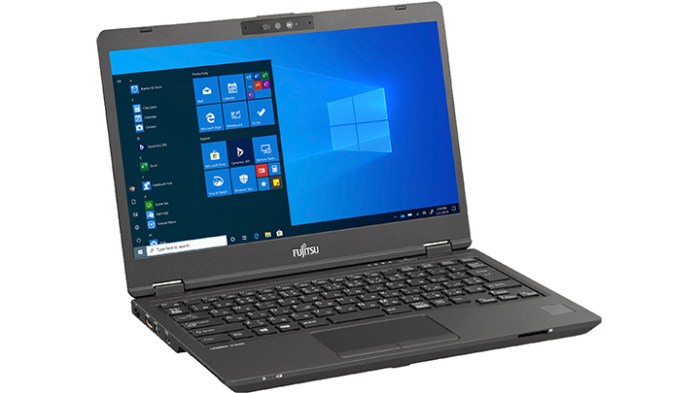
Fujitsu Lifebook laptops, now integrated with solid-state drives (SSDs), offer a significant boost in performance and reliability across various industries. The enhanced responsiveness and durability translate directly into increased productivity for professionals, streamlining workflows and improving overall efficiency. This section explores the practical applications of these enhanced laptops, highlighting specific use cases and the benefits they provide.
Industries Benefiting from SSD-Equipped Lifebooks
The improved responsiveness and durability of SSD-equipped Lifebook laptops are particularly beneficial for professionals who require quick boot-up, instant access to applications, and dependable performance under demanding conditions. These advantages extend across multiple industries.
Real-World Productivity Improvements
In many industries, professionals find themselves juggling multiple tasks, switching between applications, and dealing with large datasets. The enhanced speed and responsiveness provided by SSDs significantly reduce the time spent waiting for applications to load or for files to open. This time saved translates into increased efficiency and productivity. For instance, a financial analyst can quickly access market data, perform complex calculations, and generate reports with minimal delays, leading to faster decision-making.
Similarly, a medical professional can access patient records and diagnostic tools rapidly, allowing for quicker diagnoses and treatment plans.
Benefits for Professionals Needing Quick Boot-up and Responsiveness
Professionals requiring instant access to applications and data often experience considerable productivity gains with SSD-equipped laptops. The quick boot-up times of these laptops minimize downtime and allow users to quickly transition between tasks. This is crucial in fields like journalism, where news cycles are fast-paced, and the ability to access information immediately is essential. In the creative industry, designers and artists need quick access to their tools and software, enabling them to work more efficiently and produce higher quality work.
Use Cases for Fujitsu Lifebook Laptops with SSDs
| Industry | Use Case |
|---|---|
| Finance | Rapid access to market data, complex calculations, report generation; reduced delays in trading and investment analysis. |
| Healthcare | Instant access to patient records, diagnostic tools, and medical databases; quicker diagnoses and treatment plans. |
| Education | Fast loading of educational software and multimedia content; seamless transitions between learning applications and resources. |
| Journalism | Immediate access to news sources and information; quicker reporting and analysis in fast-paced news cycles. |
| Engineering | Rapid access to design software, simulations, and technical documents; faster design iterations and problem-solving. |
| Legal | Quick access to legal databases, research materials, and case files; efficient document review and preparation. |
| Retail | Rapid access to inventory management systems, sales data, and customer information; streamlined point-of-sale transactions and improved customer service. |
Final Thoughts
In conclusion, Fujitsu’s decision to integrate solid-state drives into its LifeBook laptops represents a significant step forward in performance and durability. The improved responsiveness, faster boot times, and enhanced reliability make these laptops more appealing to professionals in various industries. While the specific improvements will vary depending on the model, the overall trend points towards a future where SSDs are a standard feature in business laptops, and Fujitsu is well-positioned to lead this transition.