Google Will Forget You Asked The Implications
Google will forget you asked – a chilling prospect that’s more than just a hypothetical scenario. This unsettling reality raises profound questions about user data, privacy, and the future of search. We delve into the potential impact on individuals, businesses, and society as a whole, exploring the technical mechanisms behind this “forgetting,” and considering alternative approaches.
Imagine a world where your search history, your online interactions, even your carefully crafted queries vanish into the digital ether. This isn’t science fiction; it’s a potential consequence of how search engines manage and delete user data. This article examines the various aspects of this phenomenon, from the practical implications to the ethical concerns.
Understanding the Phrase “Google Will Forget You Asked”
The phrase “Google will forget you asked” encapsulates a crucial aspect of how search engines operate and handle user data. It highlights the transient nature of search queries within the vast digital landscape, emphasizing that a user’s search history isn’t permanently etched in stone. This transient nature, while often perceived as a loss of user data, has implications for both user privacy and business strategies.The statement implies that search engines, like Google, do not retain every user query indefinitely.
This is due to a combination of factors, including the sheer volume of searches and the need for efficient data management. While specific queries might not be retrievable after a certain period, the underlying data patterns and search trends are often preserved for various analyses and improvements in the search algorithm. This highlights a balance between user privacy and the ongoing refinement of search engine technology.
Definition of “Google Will Forget You Asked”
The phrase “Google will forget you asked” refers to the transient nature of user search queries within search engine systems. This doesn’t mean that the data is completely erased, but rather that specific queries may not be directly retrievable after a specific time period. This is due to the dynamic nature of search engine indexes and the sheer volume of queries processed.
The primary focus is on the potential lack of direct access to past searches rather than a complete loss of user data.
Implications for User Data and Search History
The transient nature of search queries affects how users interact with search engines and how they perceive their privacy. Users might not be able to retrieve every specific search they performed in the past. However, this doesn’t necessarily mean a complete loss of data, as search engines might use the data for improving search results, suggesting relevant content, and tailoring user experiences.
The key takeaway is that the user’s data is not completely erased, but the immediate recall of specific searches is often limited.
Potential Consequences for Users, Businesses, and Society
For users, the transient nature of search history can impact their ability to track their research and learning. For businesses, the inability to retrieve past queries might hinder their ability to understand customer search patterns and adapt their marketing strategies. However, it also necessitates more focused and targeted strategies. The impact on society as a whole depends on the balance between the need for data retention and the need for data privacy.
Technical Aspects of How Search Engines Forget User Queries
Search engines employ complex indexing and retrieval systems. Queries are often stored temporarily in caches or logs before being integrated into the broader index. The process of updating the index and removing outdated data is ongoing. This dynamic process can lead to the eventual unavailability of specific search queries. The technical details are highly specific to each search engine.
Google’s notorious habit of forgetting your past searches is a bit concerning, isn’t it? But, while Google’s algorithms may not remember your every query, the innovative spirit of mobile browsers like Opera Mini makes mobile headway continues to improve the user experience, offering a refreshing alternative for accessing information on the go. This ultimately challenges the very notion of Google’s “forgetfulness” by highlighting other solutions to access information quickly and efficiently.
Comparison of Search Engine Data Handling
| Search Engine | Data Retention Policy | Data Use | Privacy Controls |
|---|---|---|---|
| Dynamic, with varying retention periods depending on the query type and user activity. | Used for improving search results, personalized suggestions, and advertising. | Users can control their data through privacy settings. | |
| Bing | Data retention policies are less publicly documented, but likely similar to Google’s in approach. | Used for improving search results, personalized suggestions, and advertising. | Users can control their data through privacy settings. |
| DuckDuckGo | Emphasizes privacy and minimal data collection, with shorter retention periods for search history. | Used primarily for improving search results and providing user feedback. | Focuses on strong user privacy protections. |
This table provides a basic comparison. Data retention policies and practices can change over time. Further research into specific policies is necessary for a complete understanding.
Impact on User Behavior
Understanding that Google forgets search history prompts a crucial re-evaluation of user behavior. This awareness directly influences how users interact with search engines and online information. Users now face a new dynamic, where the immediate past is not necessarily readily accessible, impacting their reliance on saved search results and the way they approach information retrieval.The knowledge that Google forgets search queries might encourage a shift towards more deliberate and meticulous searching.
Users will need to adapt their search strategies to account for this data erasure, possibly leading to more specific queries and a more active engagement with the search process. This change could manifest in various ways, from increased note-taking to employing more specific s and phrases. The potential for user behavior change is significant, and understanding these potential changes is vital for both users and Google.
Potential Effects on Search Habits
Users will likely adopt a more proactive approach to information retention. This might include actively saving search results, using bookmarks, or employing note-taking apps to document findings. The need to re-enter search terms might also lead users to refine their initial search queries, potentially yielding more relevant results on subsequent searches. Users may also favor more comprehensive searches in the first instance to minimize the need for repeated searches on the same topics.
Strategies for Users to Ensure Information isn’t Forgotten
Users should develop strategies to counteract the ephemeral nature of search history. This includes actively saving results using browser bookmarks, creating personal documentation, or using specialized note-taking applications. Employing specific search terms and phrases, alongside utilizing advanced search operators, will aid in targeted results retrieval, mitigating the need for frequent searches on the same topics. Furthermore, users should consider the need for long-term storage solutions for information they deem crucial.
Scenarios of User Behavior Change
Users who previously relied on Google’s search history to quickly access past searches might now take notes or use bookmarks more often. Instead of simply searching “best Italian restaurants,” they might search “best Italian restaurants in the West Village,” refining their queries for more accurate results. They might create a personal document to compile relevant information, ensuring they don’t lose track of their findings.
Students might create a dedicated folder to save research articles and notes from different sources.
Comparison of User Behavior Before and After
| Search Behavior | Before Understanding Data Erasure | After Understanding Data Erasure |
|---|---|---|
| Initial Search | Broad, general searches are common; users rely on recalling past search terms or quickly revisiting the search history. | More specific searches, using precise s and phrases. Users may use advanced search operators to refine results. |
| Information Retrieval | Users often rely on recalling previously searched terms and may not actively save or document the information. | Users are more likely to actively save or document information, using bookmarks, notes, or other methods for long-term storage. |
| Re-searching | Users often re-search using vague or partial memories of past queries, potentially yielding irrelevant or less relevant results. | Users are more likely to re-search with specific terms, or actively reconstruct or refine previous searches. |
Privacy Implications
The promise of “Google will forget you asked” raises profound questions about user privacy. While seemingly beneficial, this feature’s impact on data retention and potential misuse necessitates a critical examination of its ethical and practical implications. Data oblivion, while offering a veneer of privacy, introduces a complex interplay between user expectations and the practical realities of search engine operations.The erasure of search queries, while potentially mitigating the risk of unwanted data collection and surveillance, also raises concerns about the long-term impact on user behavior and the potential for manipulation.
Google’s uncanny ability to forget your past searches is a bit unsettling, isn’t it? It’s like the digital equivalent of a faulty memory. But what if you could create a tangible record of your thoughts and ideas, something that blends work and play? A notebook that mixes pleasure with business, like a notebook that mixes pleasure with business , could help you avoid the digital void.
It’s a physical reminder of your inquiries, a tangible counterpoint to the ephemeral nature of Google’s memory. Ultimately, that helps you remember what you wanted to know, even when Google chooses to forget.
If users know their searches are temporary, their willingness to explore sensitive or controversial topics might be affected, thus potentially restricting intellectual freedom.
Data Erasure and User Behavior
The erasure of search history alters the user experience and raises concerns about the long-term effects on search behavior. Users might become more cautious about the types of queries they submit if they know those queries will be forgotten. This could lead to a self-censorship effect, potentially hindering the free flow of information and limiting the discovery of new knowledge.
Ethical Concerns Surrounding Data Oblivion
The potential for data erasure raises significant ethical questions. One concern revolves around the potential for manipulation. If search engines can selectively forget certain types of queries, it could create biases in search results and influence user perceptions. Imagine a scenario where a search engine purposefully forgets queries related to a particular political viewpoint, thereby subtly influencing user exposure to different perspectives.
Potential for Misuse of Data Oblivion Knowledge
The ability to erase user data raises the possibility of misuse. Malicious actors might exploit the forgetfulness feature to cover their tracks, masking their online activities. This could hinder investigations into illegal activities and complicate the detection of criminal behavior. Furthermore, this feature could be used for manipulating user behavior, subtly nudging them toward specific outcomes by controlling the data they encounter.
Comparison of Privacy Policies of Major Search Engines
A comparative analysis of privacy policies across major search engines reveals significant differences in their approach to data retention and user data management. Some search engines might prioritize user privacy by implementing more robust data erasure mechanisms than others. These differences underscore the need for greater transparency and standardized practices across the industry.
| Search Engine | Data Retention Policy | Data Erasure Mechanisms |
|---|---|---|
| Generally, search queries are stored for a period of time, but the length and purpose of storage vary. | Google employs methods such as automated deletion and user-initiated deletion options. | |
| Bing | Data retention policies are similar to Google, with variations based on the user’s activity and settings. | Similar to Google, Bing provides various data deletion options. |
| DuckDuckGo | DuckDuckGo prioritizes user privacy and focuses on minimizing data collection. | Data erasure mechanisms are often more extensive, with a greater emphasis on user control. |
Methods Employed by Search Engines to Erase User Data
Search engines utilize various methods to erase user data. These methods include automated data deletion schedules, user-initiated deletion options, and data anonymization techniques. Automated deletion often involves the implementation of algorithms that delete data after a specified period, while user-initiated deletion gives users direct control over their data. Data anonymization techniques aim to transform identifiable data into non-identifiable data, effectively obscuring user identities.
Impact on Businesses and Marketing

The impending shift in Google’s search paradigm, where user queries might be temporarily forgotten, presents a significant challenge for businesses reliant on search engine visibility. This forgetfulness necessitates a fundamental reevaluation of existing marketing strategies and a proactive adaptation to the evolving search landscape. The implications for , the very backbone of online visibility, are profound and demand careful consideration.The traditional model of , heavily focused on optimization and consistent content creation, may need to be recalibrated.
Businesses must now consider a new framework that prioritizes long-term user engagement and value-driven content over fleeting search results. This new approach requires a shift in mindset from short-term gains to sustained, meaningful interactions.
Impact on Businesses Relying on Google Search
Google’s search engine is a cornerstone of online visibility for many businesses. A significant disruption to search functionality, such as forgetting user queries, could dramatically impact their ability to attract customers and generate revenue. Businesses heavily dependent on organic search traffic for leads and sales will experience immediate pressure to adjust their strategies. E-commerce companies, for example, will have to reconsider their strategies to remain visible.
Potential Shift in Marketing Strategies
Businesses will need to prioritize a user-centric approach. This involves creating high-quality content that directly addresses user needs, providing valuable information, and building lasting relationships with their target audience. Focus will shift from optimizing for immediate search results to building a reputation for delivering exceptional user experiences. This means prioritizing content that educates, entertains, and inspires, rather than just targeting s.
Adapting to the Changing Search Landscape
Businesses must adapt their strategies by focusing on building a strong brand presence and cultivating a loyal customer base. This involves fostering a sense of community, promoting customer engagement, and encouraging user-generated content. A shift towards building a robust brand identity, rather than solely focusing on fleeting search results, will become crucial.
Importance of Search Engine Optimization () in Light of Data Erasure
, while still relevant, will undergo a metamorphosis. Traditional strategies, heavily reliant on stuffing and algorithm manipulation, will become less effective. Instead, efforts will need to be geared towards creating valuable content that genuinely resonates with users. This will necessitate a deeper understanding of user intent and a commitment to providing meaningful solutions. will become more about building authority and establishing a trusted presence.
Traditional vs. New Strategies
| Feature | Traditional | New (Post-Forgetfulness) |
|---|---|---|
| Focus | s, algorithm manipulation, short-term gains | User experience, value-driven content, long-term relationships |
| Content Strategy | -stuffed content, frequent updates | High-quality, valuable content, addressing user needs |
| Link Building | Quantity over quality, link exchanges | Quality backlinks from reputable sources, building authority |
| Measurement | rankings, website traffic | User engagement, brand loyalty, customer lifetime value |
| Risk | Algorithm updates, potential penalties | Maintaining relevance, building trust |
Traditional strategies, while having proven effectiveness in the past, will require substantial modifications in a world where Google forgets. The table highlights the key distinctions between these approaches.
Technical Aspects of Search Engine Data Management: Google Will Forget You Asked
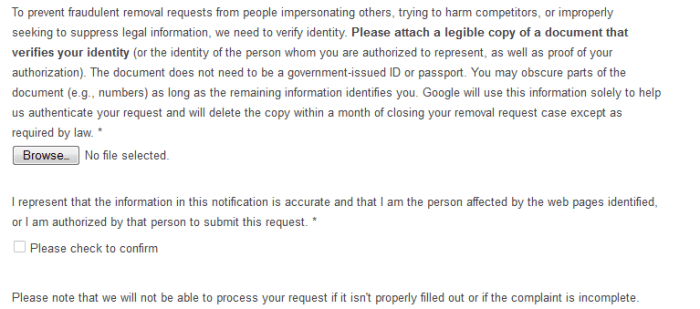
Search engines are complex information retrieval systems, handling petabytes of data daily. Understanding how they manage and delete user data is crucial for comprehending the “forgetting” feature. This process involves intricate technical mechanisms and data retention policies.Search engines employ various methods to manage and delete user data, reflecting their commitment to user privacy and data security. Different approaches are taken, depending on the specific type of data and the user’s requests.
Methods for Managing and Deleting User Data
Search engines employ several strategies to manage and delete user data. These include robust indexing and storage systems, designed for efficient retrieval and deletion.
- Data partitioning and isolation: Search engines often divide user data into distinct partitions based on factors like user ID, query type, or timestamp. This separation facilitates targeted data deletion, preventing unintended removal of unrelated information.
- Query logs and indexing structures: Search engines maintain comprehensive query logs that document user searches. These logs are crucial for retrieving specific queries and, importantly, deleting them from the index, effectively removing them from the search results.
- Data retention policies: Search engines have established data retention policies, which vary based on factors like user consent, type of query, and legal obligations. Policies are carefully crafted to balance data retention for statistical analysis with user privacy concerns.
- Automated deletion mechanisms: Many search engines employ automated deletion mechanisms that execute data removal according to the predefined retention policies. This automated process often involves scripting, scheduled tasks, and predefined criteria to ensure the prompt and efficient deletion of data.
Mechanisms Behind Forgetting User Queries
The process of “forgetting” a user query involves more than just deleting the query itself. It encompasses removing the query from the search index, preventing it from appearing in search results.
- Index update processes: Search engines continuously update their indexes. When a query is marked for deletion, the corresponding index entries are removed. This involves intricate algorithms that identify and remove relevant entries from the index, ensuring the query is no longer accessible.
- Query retrieval and deletion procedures: Specific procedures are in place for retrieving user queries when a deletion request is initiated. This process involves locating the query within the search engine’s vast data structures and preparing it for removal from the index.
- Data integrity checks: Search engines incorporate checks to ensure the integrity of data after deletion. This verification prevents inconsistencies and ensures that the query is completely removed from all relevant components of the search system.
Data Retention Policies Across Search Engines, Google will forget you asked
Data retention policies differ across various search engines. These policies are often influenced by local regulations, legal requirements, and internal guidelines.
| Search Engine | Data Retention Policy Summary |
|---|---|
| Google’s data retention policies are comprehensive and frequently updated. They address factors like user consent, query types, and legal requirements. Google employs various deletion mechanisms, including automated ones and manual overrides. | |
| Bing | Bing’s data retention policies align with industry standards and local regulations. The specific details regarding deletion and retention are often subject to review and change. |
| DuckDuckGo | DuckDuckGo prioritizes user privacy. Their data retention policies are transparent, reflecting their commitment to minimizing data collection and user tracking. |
Technical Processes Behind Retrieval and Deletion
The retrieval and deletion of search history involve complex interactions between various components of the search engine.
- Database queries: Database queries are used to locate and retrieve specific user queries from the search engine’s databases.
- Index operations: Operations on the search index are crucial to remove entries associated with the query from the index.
- Log management: Log management systems are essential for tracking deletions and ensuring data consistency.
Flow Chart: Forgetting a User Query
- User request: User initiates a request to forget a specific query.
- Query identification: System identifies the specific query based on user input.
- Data retrieval: Relevant data associated with the query is retrieved.
- Deletion from index: Corresponding entries in the search index are marked for deletion.
- Data validation: System verifies the deletion request and ensures data integrity.
- Deletion confirmation: User receives confirmation of the query deletion.
Illustrative Scenarios
Google’s evolving search algorithms and data management practices, including the concept of “forgetting” user queries, present a complex interplay of user experience, privacy, and business implications. Understanding how these changes manifest in real-world situations is crucial for anticipating future challenges and opportunities. This section details various scenarios illustrating the impact of “forgetting” on individuals and businesses.
User Impact on Data Erasure
The ability of Google to potentially erase user search history has significant implications for individuals. Users may need to meticulously track and archive information if it’s crucial for future reference, legal reasons, or personal record-keeping. For instance, research on a specific medical condition might become inaccessible if Google “forgets” past searches. Similarly, users might inadvertently lose crucial information if they rely on search history for reminders or personal organization.
Business Adaptation to a “Forgetting” Google
Businesses heavily reliant on online search visibility must adapt to a Google that may “forget” past user interactions. Marketing strategies might need to be recalibrated to ensure visibility in the new search environment. For example, brands that use -based marketing strategies will need to find alternative ways to generate visibility.
User Actions for Data Retention
Users should proactively consider how to retain data they deem important. This might involve manually saving search results, using specialized search history management tools, or adopting practices that ensure data isn’t dependent on Google’s search index. Individuals might need to consider employing alternative search methods to maintain visibility and access to past searches.
Scenarios Table
| Scenario | User Action | Potential Outcome | Business Adaptation |
|---|---|---|---|
| Medical Research | User searches for information on a specific medical condition. | If Google “forgets” the search, the user may lose access to previously gathered information. | Healthcare companies may need to invest in alternative channels to communicate critical information. |
| Legal Research | User conducts legal research for a specific case. | If Google “forgets” the search, the user might lose valuable data for future reference. | Law firms may need to implement procedures for maintaining records independently. |
| Financial Tracking | User tracks financial investments or transactions through Google searches. | If Google “forgets” the search history, users may lose critical financial data. | Financial institutions might offer tools to help users keep track of such information. |
| Product Research | User researches a specific product online. | If Google “forgets” the search, the user might miss critical reviews or comparisons. | Companies may need to use alternative methods to communicate product information. |
Alternatives to Google
Google’s dominance in search has shaped the digital landscape for years, but its approach to user data has sparked considerable debate. This has led many to seek alternative search engines and tools that prioritize different values, including user data privacy and retention. The quest for alternatives reflects a growing awareness of the potential impact of data practices on individuals and society.While Google’s vast resources and established infrastructure are undeniable advantages, the limitations on user data control and the potential for misuse have driven the exploration of alternative models.
These alternatives represent a range of approaches, from privacy-focused designs to community-driven platforms, each with its own set of strengths and weaknesses.
Ever felt like Google forgets your queries after a while? It’s a bit unsettling, isn’t it? Apparently, even visual data isn’t immune to this digital amnesia. Google Earth has apparently agreed to blur sensitive images of India, a decision highlighting the complexities of managing online information and user privacy. This echoes the often-unacknowledged nature of Google’s data retention and recall policies, demonstrating how seemingly harmless searches and visual data can become subject to evolving privacy concerns.
Ultimately, the question of how much data Google retains and whether it truly “forgets” what we ask remains a pertinent one. google earth agrees to blur sensitive images of india We’re left wondering how much of our online history is actually archived, and how much of it is genuinely forgotten.
Potential Alternative Search Engines
Several search engines and tools aim to provide a user-centric alternative to Google. These alternatives often emphasize data security and user control over their personal information. Their functionalities vary significantly, ranging from simple search engines to comprehensive platforms integrating other services.
Advantages and Disadvantages of Alternative Search Engines
Different alternative search engines offer distinct advantages and disadvantages, which are shaped by their specific design and functionalities. Some prioritize privacy, while others emphasize specific functionalities like community involvement. Evaluating these factors is crucial for choosing the right tool for a user’s needs.
- Privacy-focused search engines prioritize user data protection. These engines typically employ advanced encryption and data minimization techniques to safeguard user information. However, their smaller user base and less comprehensive index might result in fewer search results compared to Google.
- Community-driven search engines leverage user input and collaboration to curate search results. This approach can provide a more tailored and personalized search experience. However, the quality and relevance of results may vary based on the community’s engagement and expertise.
- Specialized search engines cater to specific niches or industries. These tools may offer unparalleled precision in their domain but may lack the broad scope and versatility of Google.
Comparison of Data Handling Policies
The data handling policies of alternative search engines vary considerably. Some prioritize user data minimization, while others may collect more data for specific purposes. A comprehensive understanding of the data practices is essential for informed choices.
| Search Engine | Data Handling Policy | Advantages | Disadvantages |
|---|---|---|---|
| DuckDuckGo | Focuses on user privacy by not tracking browsing history. | Strong privacy focus, good user experience. | Smaller index than Google, fewer results. |
| Startpage | Offers a privacy-focused alternative to Google Search. | Focuses on user privacy, high search quality. | Potentially slower search speeds compared to Google. |
| Qwant | Emphasizes user privacy and data security. | Focuses on user privacy, user control over data. | Smaller user base, less diverse result set. |
Emerging Technologies and Their Influence
Emerging technologies, such as decentralized search technologies and federated search models, might significantly influence user data management in the future. These technologies aim to address the limitations of centralized search models, offering greater control and transparency over user data.
Illustrative Scenarios
A user searching for a specific product online might find different results depending on the search engine used. A privacy-focused search engine might prioritize sites with robust data security measures, while a community-driven engine could offer insights from users with direct experience.
Future Implications
The ever-evolving landscape of search engine technology raises critical questions about the future of user data management and privacy. As search engines become more sophisticated, the concept of “forgetting” user queries takes on a new dimension, potentially impacting not just individual users, but also businesses, societal norms, and even the future of information access. The implications are multifaceted and demand careful consideration.
Potential Developments in Search Engine Technology
Search engine technology is constantly evolving. Advanced machine learning algorithms, coupled with increasingly sophisticated data management systems, will likely lead to more nuanced and personalized search experiences. This evolution may also incorporate methods for dynamically adjusting the visibility of search results based on various factors, including time sensitivity, user context, and the perceived relevance of information to the user at a specific moment.
This dynamic approach could potentially lead to the “forgetting” of search queries in a more complex and context-dependent manner. Data encryption, secure storage, and sophisticated retrieval systems will play a crucial role in safeguarding user data, ensuring user privacy, and managing the vast amounts of data generated by search engines.
Impact on User Behavior and Societal Norms
The ability of search engines to “forget” queries could fundamentally alter user behavior. Users might become more cautious about the information they seek, potentially leading to a greater emphasis on the immediate context of their searches. This could lead to more ephemeral and less enduring online interactions. Moreover, the concept of a permanent digital footprint could diminish, although concerns about the potential for manipulation of search results and the long-term preservation of information remain paramount.
The societal norms surrounding information access and the permanence of digital records may also shift, impacting how individuals perceive and interact with information online.
Long-Term Implications for Users and Businesses
For users, the long-term implications hinge on how search engines balance user privacy with the need to maintain accurate and relevant search results. A greater emphasis on user control over their data and the ability to “erase” their search history will be critical. For businesses, the implications are equally significant. Businesses that rely on search engine optimization () will need to adapt to the evolving algorithms and potentially dynamic search result presentations.
Strategies for content creation and promotion may require adjustments to reflect the changing search environment, emphasizing timely and relevant information.
Potential for New Privacy Regulations
The “forgetting” aspect of search engine technology necessitates the development of new privacy regulations. These regulations must address the dynamic nature of search data management, encompassing the erasure of user queries, the control users have over their search history, and the transparency of search engine algorithms. This is a complex area demanding careful consideration to balance user privacy with the need for a robust and effective search engine infrastructure.
“The future of search may involve a more dynamic and context-dependent approach to information retrieval, with search engines adapting to user needs in real-time, leading to a more personalized and potentially ephemeral search experience.”
Illustrative Scenarios
Consider a scenario where a user searches for sensitive information, such as medical records or financial details. The search engine may offer an option to “forget” that query, thereby minimizing the risk of unauthorized access or misuse of personal information. Another scenario involves a business wanting to remove old, irrelevant information from search results to maintain a fresh and updated online presence.
These scenarios highlight the potential benefits of this technology, but also emphasize the necessity for clear guidelines and regulations.
Last Word
The concept of “Google forgetting” presents a complex tapestry of challenges and opportunities. While the potential for misuse of this data erasure is undeniable, it also compels us to re-evaluate our digital footprint and consider alternative approaches to search and data management. The future of search, and our relationship with it, hangs in the balance. The implications of this change are far-reaching and will continue to shape the digital landscape for years to come.