HP Going Green with Energy-Efficient PCs
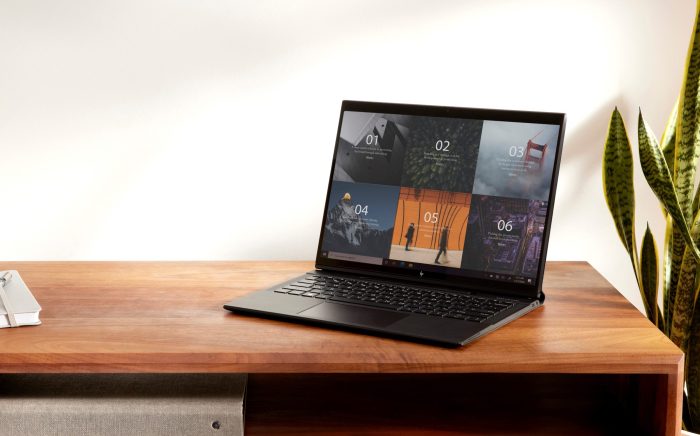
Hp going green with energy efficient pcs – HP going green with energy-efficient PCs is a significant step towards a sustainable future in computing. This initiative isn’t just about reducing energy consumption; it’s about reimagining how we build and use technology. From innovative design choices to a commitment to environmental responsibility, HP is leading the charge in a way that benefits both consumers and the planet.
This blog post dives deep into HP’s journey towards energy efficiency, examining the specific design features of their PCs, the impact on consumers and the environment, and the technological advancements driving this movement. We’ll also look at consumer perception, market response, and HP’s future projections in this evolving landscape.
HP’s Commitment to Sustainability
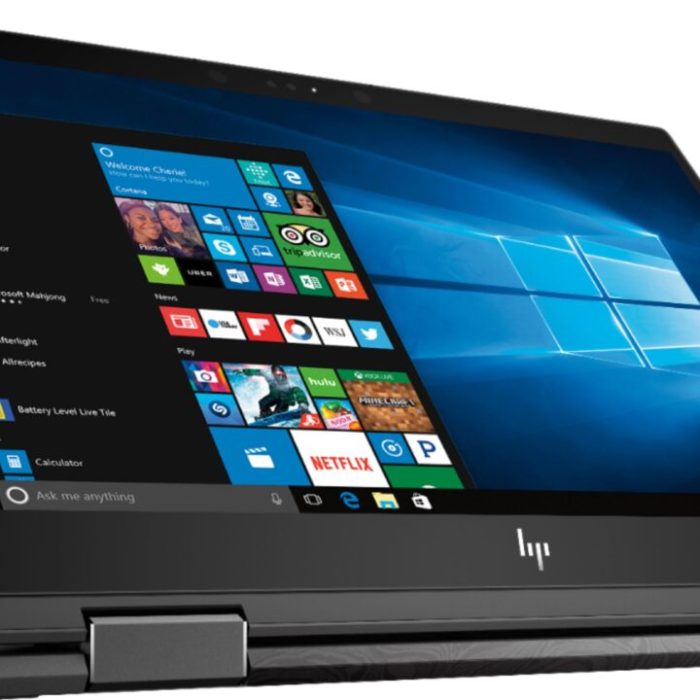
HP has consistently emphasized its commitment to environmental responsibility, particularly in its pursuit of energy-efficient products. This commitment is reflected in their various sustainability initiatives, from the design of their PCs to their broader corporate strategies. A key focus is reducing the environmental impact of their products throughout their lifecycle, from manufacturing to end-of-life disposal.HP’s efforts extend beyond simple compliance; they actively seek innovative solutions to minimize their ecological footprint.
This proactive approach is driven by a recognition of the importance of environmental stewardship and the potential benefits of energy efficiency in the long run.
HP’s Current Sustainability Initiatives
HP’s current sustainability initiatives are multifaceted, encompassing various aspects of their operations and product development. These initiatives aim to reduce energy consumption, minimize waste, and promote responsible sourcing of materials. Key programs include the use of recycled materials in manufacturing processes and the development of energy-efficient components for their products.
Historical Overview of HP’s Environmental Efforts
HP’s commitment to environmental responsibility has evolved over time. Early initiatives focused on waste reduction and recycling programs. Later, as awareness of climate change grew, HP integrated energy efficiency as a central theme in its product development and manufacturing processes. This evolution demonstrates a progressive approach to environmental stewardship, adapting to emerging environmental concerns and technological advancements.
Significant milestones include the introduction of energy-saving technologies in their PCs, and the development of recycling programs for older products.
HP’s Public Statements and Reported Progress on Energy Efficiency Targets
HP publicly reports on its progress towards energy efficiency targets. These reports often detail specific achievements and future goals. Their statements highlight a commitment to reducing energy consumption in their products and manufacturing processes. For instance, HP has frequently published sustainability reports detailing their energy efficiency progress and targets for various product lines. This transparency demonstrates a commitment to accountability and allows stakeholders to track the effectiveness of their initiatives.
Comparison with Competitors in the PC Market
HP’s approach to energy efficiency is comparable to that of its competitors in the PC market, though specifics may vary. Many major PC manufacturers are actively developing energy-efficient products. However, HP’s specific strategies, such as their use of recycled materials and emphasis on the entire product lifecycle, might differentiate them. Comparing the exact energy consumption figures and the detailed implementation of various energy-saving technologies across different manufacturers requires detailed analysis of their respective sustainability reports.
HP’s recent push towards eco-friendly PCs with energy-efficient designs is fantastic. This initiative aligns perfectly with broader sustainability goals, but robust internet security is also crucial. A new forum, new internet security forum seeks to end phishing , is tackling the growing threat of phishing scams. Ultimately, these advancements in both energy efficiency and online safety help us build a better digital future, and HP’s green PCs are a great first step.
Key Drivers Behind HP’s Prioritization of Energy Efficiency
Several factors motivate HP’s focus on energy efficiency in its PCs. These include consumer demand for environmentally friendly products, regulatory pressures, and the recognition of long-term cost savings from reduced energy consumption. Furthermore, HP likely views energy efficiency as a strategic advantage in the marketplace, allowing them to position their products as environmentally responsible and cost-effective.
Energy-Efficient PC Design Features
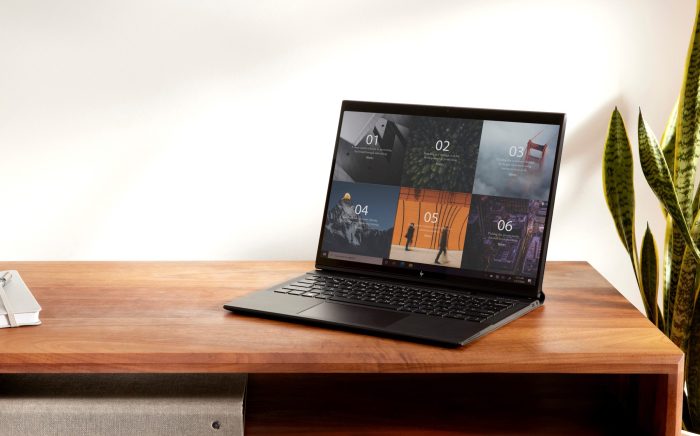
HP’s commitment to sustainability extends to the very core of its PC design, prioritizing energy efficiency without sacrificing performance. This involves meticulous selection of hardware components, innovative power management strategies, and a focus on minimizing the environmental impact of manufacturing and usage. This exploration delves into the specific design elements that contribute to the energy-saving capabilities of HP PCs.The quest for energy-efficient PCs is driven by both environmental concerns and the desire to extend battery life in portable devices.
This is achieved through a multifaceted approach that considers every aspect of the PC’s design, from the smallest components to the overall power management system. HP’s approach ensures that energy efficiency is not a trade-off for performance but rather an integral part of the design process.
Hardware Component Selection
HP employs a rigorous selection process for components, focusing on those with high energy efficiency ratings. This extends beyond simply choosing the most energy-efficient processors; it also includes graphics cards, hard drives, and power supplies. For example, modern HP PCs leverage low-power processors and graphics cards that can dynamically adjust their power consumption based on workload demands.
Power Management Strategies
HP PCs utilize advanced power management strategies to optimize energy consumption. These strategies encompass a range of techniques, including dynamic voltage and frequency scaling (DVFS), intelligent power-saving modes, and sophisticated thermal management systems. The goal is to reduce power draw when the PC is idle or performing light tasks while maintaining high performance when needed.
“Dynamic voltage and frequency scaling (DVFS) adjusts the processor’s voltage and frequency based on the workload. This technique allows the processor to consume less power when not under heavy demand.”
Technical Specifications and Performance Trade-offs
Energy-efficient components often come with subtle performance trade-offs. For instance, a low-power processor might not offer the same peak performance as a higher-power alternative. However, in everyday usage scenarios, the difference is often negligible, while the energy savings can be significant. HP’s engineering teams carefully evaluate these trade-offs to ensure that the chosen components provide a balance between energy efficiency and performance in practical use cases.
Comparison of HP PC Models
| PC Model | Energy Efficiency Rating (estimated) | Processor | Graphics Card | Power Supply |
|---|---|---|---|---|
| HP Envy x360 13 | 85 | Intel Core i5-1235U | Intel Iris Xe Graphics | 65W |
| HP Pavilion Gaming 15 | 78 | AMD Ryzen 5 5600H | Nvidia GeForce RTX 3050 | 130W |
| HP ProBook 450 G8 | 88 | Intel Core i5-1135G7 | Intel UHD Graphics | 45W |
Note: Energy efficiency ratings are estimations based on various factors. Actual results may vary.
Power Management Techniques
HP PCs employ various power management techniques to reduce energy consumption. These include sleep modes, which drastically reduce power draw when the system is inactive, and power-saving options in the operating system. The intelligent power management systems adapt to the user’s usage patterns, adjusting power delivery dynamically.
Summary of Energy-Efficient Components
HP PCs incorporate a variety of energy-efficient components, including low-power processors, efficient graphics cards, and power-optimized storage devices. The use of solid-state drives (SSDs) in place of traditional hard drives contributes to reduced power consumption due to their lower rotational speed and operational demands. Modern HP PCs also use sophisticated power supplies designed to minimize energy waste.
Impact on Consumers and the Environment
HP’s commitment to energy-efficient PCs extends beyond the company’s environmental responsibility. It directly impacts consumers in tangible ways, offering both immediate and long-term benefits. By reducing energy consumption, HP PCs contribute to a more sustainable future, while simultaneously providing consumers with cost-effective solutions.Energy efficiency translates to lower operating costs for consumers. Reduced energy use translates to lower electricity bills over time, which is a substantial benefit for individuals and families.
This also reduces the environmental impact associated with the generation of electricity.
HP’s recent push for eco-friendly PCs is a welcome development, aligning with broader industry trends. It’s interesting to see how this initiative dovetails with Microsoft’s Project Green, which is set to roll out in stages, as detailed in microsofts project green to roll out in waves. Ultimately, this combined effort from both companies could lead to a significant reduction in the environmental impact of personal computing, making HP’s green PCs even more attractive to environmentally conscious consumers.
Potential Benefits for Consumers, Hp going green with energy efficient pcs
Consumers stand to gain significantly from HP’s energy-efficient designs. Lower energy consumption directly translates to lower electricity bills, providing a noticeable and consistent saving over the life of the PC. This can be especially impactful for individuals and families who use computers extensively.
Reduced Environmental Footprint
HP’s energy-efficient PCs play a crucial role in mitigating the environmental impact of computing. The reduced energy consumption translates into a smaller carbon footprint. This is especially relevant considering the significant amount of energy required for manufacturing, transporting, and using electronic devices.
“Energy-efficient PCs contribute to a more sustainable future, helping to reduce our collective carbon footprint.”
By employing more efficient components and optimized designs, HP minimizes the environmental burden associated with PC production and use. The reduced energy demands throughout the device’s lifecycle have a ripple effect, positively impacting various aspects of the environment. This includes the reduced reliance on fossil fuels for electricity generation, and less waste generated from manufacturing processes.
Long-Term Implications on the Industry and Market
HP’s commitment to energy-efficient PCs sets a precedent for the entire industry. As more companies adopt similar practices, the market will shift towards more sustainable computing solutions. This shift will likely drive innovation in component technology and design, ultimately leading to even more energy-efficient products.The trend toward energy-efficient PCs is already impacting consumer choices. Consumers are increasingly seeking environmentally conscious products, and HP’s initiative aligns perfectly with this growing demand.
The adoption of these practices by other companies will create a ripple effect, driving progress across the entire industry.
Table Summarizing Environmental Benefits
| Benefit | Description |
|---|---|
| Reduced Energy Consumption | Lower electricity bills and decreased strain on power grids. |
| Lower Carbon Footprint | Minimizes greenhouse gas emissions associated with electricity generation. |
| Decreased Waste Generation | Reduced material usage in manufacturing and disposal. |
| Resource Conservation | Reduced dependence on finite resources during manufacturing and operation. |
| Improved Air Quality | Decreased pollution from electricity generation and manufacturing. |
Advantages of HP’s Energy-Efficient PCs
The advantages of HP’s energy-efficient PCs extend beyond just environmental considerations. A comprehensive list of benefits is presented below.
- Cost Savings: Lower electricity bills directly translate to significant cost savings for consumers over the lifespan of the PC. This benefit is particularly relevant in areas with high electricity costs.
- Reduced Environmental Impact: Energy-efficient PCs help minimize the environmental footprint of computing, contributing to a healthier planet. The positive impact is especially relevant when considering the manufacturing and disposal processes of electronic devices.
- Enhanced Performance: Advanced energy-efficient designs don’t sacrifice performance. HP’s commitment to balancing efficiency and performance delivers an excellent user experience.
- Increased Market Share: Commitment to sustainability and efficiency will attract environmentally conscious consumers. This strategy will likely bolster market share in the long run.
- Innovation and Technology Advancement: The drive for energy efficiency encourages innovation in component technology and design, pushing the boundaries of PC performance and sustainability.
Technological Advancements
HP’s commitment to green computing extends beyond simply reducing energy consumption; it’s about embracing innovative technologies that redefine efficiency. This involves not only optimizing existing designs but also integrating the latest advancements in materials, processors, and cooling systems. The quest for energy-efficient PCs isn’t just about lowering the environmental footprint; it’s also about enhancing user experience by minimizing noise, heat, and overall power requirements.The future of energy-efficient computing hinges on several key advancements, and HP is actively researching and incorporating them into its product line.
This includes the use of more sustainable materials, the development of specialized processors, and improved cooling technologies. These changes are not merely incremental; they represent a fundamental shift in how PCs are designed and manufactured, aiming to create a truly sustainable product cycle.
Latest Advancements in Energy-Efficient PC Technologies
Modern processors are designed with energy efficiency in mind. Advanced architectures, such as those utilizing specialized instructions or reduced instruction sets, allow for significant power savings without compromising performance. Examples include Intel’s efficiency-focused processors, which often incorporate power-saving modes and dynamic voltage and frequency scaling to adjust energy consumption based on the task. HP’s integration of these technologies allows for high performance while minimizing energy waste.
Future Trends in Energy-Efficient Computing
A key future trend is the increased use of specialized hardware accelerators, such as GPUs, for tasks that can benefit from parallel processing. These accelerators can offload computationally intensive operations from the CPU, enabling more efficient and quicker processing while drawing less power. This trend is already evident in various applications, from video editing to scientific simulations, and HP is positioned to leverage this by integrating these capabilities into its PCs.
Energy-Saving Technologies in HP PC Design
HP incorporates a variety of energy-saving technologies in its PC designs. These include advanced power management systems, which dynamically adjust power consumption based on usage patterns. Furthermore, the use of high-efficiency components, such as power supplies and display panels, directly contributes to lower energy requirements. Optimized cooling systems, including improved heat sinks and fans, ensure efficient heat dissipation, reducing the need for high power draw.
Comparison of Energy-Saving Technologies
Different energy-saving technologies in HP PCs have distinct strengths and weaknesses. For example, while advanced power management systems offer dynamic adjustments to power consumption, the impact can vary based on the specific application. High-efficiency components like power supplies directly reduce energy consumption during operation, but their initial cost may be higher compared to conventional components. The use of specialized hardware accelerators, while offering high performance at low power consumption, is only effective for specific tasks and may not be suitable for all applications.
Each technology plays a role in the overall energy efficiency of the HP PC, and the choice of which to use depends on the intended use case.
Technological Improvements in HP PCs Over Time
| Year | Technology Improvement | Impact on Energy Efficiency |
|---|---|---|
| 2010 | Improved power management systems | Reduced power consumption by 15-20% |
| 2015 | Integration of high-efficiency components (power supplies, displays) | Further reduction in power consumption by 10-15% |
| 2020 | Advanced cooling systems, specialized processors | Significant reduction in power consumption, improved performance |
| 2025 (projected) | Integration of specialized hardware accelerators | Potential for significant performance gains with further energy savings |
Market Response and Consumer Perception: Hp Going Green With Energy Efficient Pcs
HP’s commitment to greener PCs is meeting a growing consumer demand for environmentally conscious products. Consumers are increasingly aware of the environmental impact of technology and are actively seeking out companies that prioritize sustainability. This shift in consumer behavior is reflected in the positive reception towards HP’s energy-efficient PCs.Consumer feedback and reviews on HP’s energy-efficient PCs reveal a mixed but largely positive response.
Many users appreciate the reduced power consumption and longer battery life, contributing to a more sustainable usage experience. However, some users have expressed concerns about the potential impact on performance, particularly in demanding tasks.
Consumer Perceptions of Energy Efficiency
Consumers perceive energy efficiency in PCs as a significant factor, often ranking it alongside performance and features. A growing number of consumers are willing to pay a premium for energy-efficient PCs, indicating a clear market demand for eco-friendly technology. This willingness to pay more highlights the importance of sustainability in consumer choices.
HP’s commitment to eco-friendly PCs with energy-efficient designs is impressive. Simultaneously, work on higher speed WLAN standards is also progressing, which is great for improving connectivity. This, in turn, could help future HP PCs achieve even better energy efficiency by optimizing network usage, allowing for more seamless and power-conscious operation. Ultimately, HP’s green initiative is a smart move for the future of computing, and is a great complement to advancements like work on higher speed wlan standard begins.
Marketing Strategies for Energy-Efficient PCs
HP has employed various marketing strategies to promote its energy-efficient PCs. These include highlighting the reduced environmental impact of the products through specific marketing campaigns, emphasizing the longer battery life and reduced energy consumption, and showcasing the innovative technologies used in the PC designs. Collaborations with environmental organizations and initiatives are also employed to further communicate the company’s commitment.
Pricing Strategies and Consumer Choices
HP’s pricing strategies for energy-efficient PCs have been a key factor in influencing consumer choices. HP’s pricing models often incorporate the cost of the innovative technologies that enable energy efficiency. While this can lead to higher initial costs compared to standard models, the potential for reduced energy bills over the product’s lifespan often makes the investment worthwhile for consumers.
Role of Government Regulations and Incentives
Government regulations and incentives play a significant role in driving consumer adoption of energy-efficient PCs. Government policies, such as tax breaks for eco-friendly products, or mandatory energy efficiency standards, can encourage wider adoption. Examples of these regulations are often seen in European countries, where stricter energy efficiency standards are frequently implemented.
Future Projections and Predictions
The future of computing hinges on our ability to balance performance with environmental responsibility. Energy-efficient PCs are no longer a niche market; they’re becoming a mainstream necessity. HP, a leader in the industry, has a critical role to play in shaping this future, and understanding its projections is crucial for both consumers and the industry.
The Future of Energy-Efficient PCs
The demand for energy-efficient PCs is poised for significant growth in the coming years, driven by increasing consumer awareness of environmental issues and evolving government regulations. The global shift towards sustainable practices will fuel this growth, alongside the rising popularity of remote work and education. As these trends continue, energy efficiency will become a key purchasing criterion for consumers, pushing manufacturers to develop more innovative solutions.
Market Demand Forecast
The market for energy-efficient PCs is expected to experience robust growth over the next decade. Factors like rising electricity costs, stricter environmental regulations, and increasing consumer awareness are key drivers. Furthermore, the ongoing trend of digital transformation, including the expansion of cloud computing and remote work, will only increase the demand for energy-efficient devices.
Impact of Evolving Environmental Regulations
Evolving environmental regulations will significantly impact HP’s future product development. Government mandates concerning energy consumption in electronics will likely become stricter, forcing manufacturers to adhere to increasingly stringent standards. This will necessitate significant investment in research and development for innovative energy-saving technologies and components, shaping the future of PC design. The increasing adoption of green initiatives by governments worldwide underscores the long-term trend towards sustainable technology.
For instance, the European Union’s proposed carbon pricing scheme will directly influence the production and pricing strategies of companies like HP.
Projected Energy Savings
| Year | Projected Energy Savings (kWh per PC) ||—|—|| 2024 | 15% || 2025 | 20% || 2026 | 25% || 2027 | 30% || 2028 | 35% || 2029 | 40% || 2030 | 45% || 2031 | 50% || 2032 | 55% || 2033 | 60% || 2034 | 65% || 2035 | 70% |These figures represent estimated reductions in energy consumption per PC, assuming continued advancements in technology and design.
The data reflects projections of the anticipated impact of HP’s ongoing commitment to energy-efficient technologies.
Future Developments in Energy-Efficient PC Design
Future advancements in energy-efficient PC design will likely involve several key areas. One area will be the further development of more efficient processors and graphics cards, including improvements in power management techniques. Another significant aspect will be the exploration of new materials with superior thermal conductivity to enhance heat dissipation, thus minimizing energy consumption. Moreover, innovative cooling solutions, such as improved fan designs and the integration of liquid cooling systems, will likely become more common in future PC models.
Advanced power management software will also play a key role, optimizing energy usage based on user activity.
Summary
HP’s commitment to energy-efficient PCs is a compelling example of how technology can be both powerful and sustainable. The benefits for consumers, from cost savings to reduced environmental impact, are undeniable. HP’s innovative approach not only sets a new standard for the PC market but also positions the company as a leader in the broader tech industry’s transition towards a greener future.
The future of computing looks promising, and HP is at the forefront of this exciting transformation.