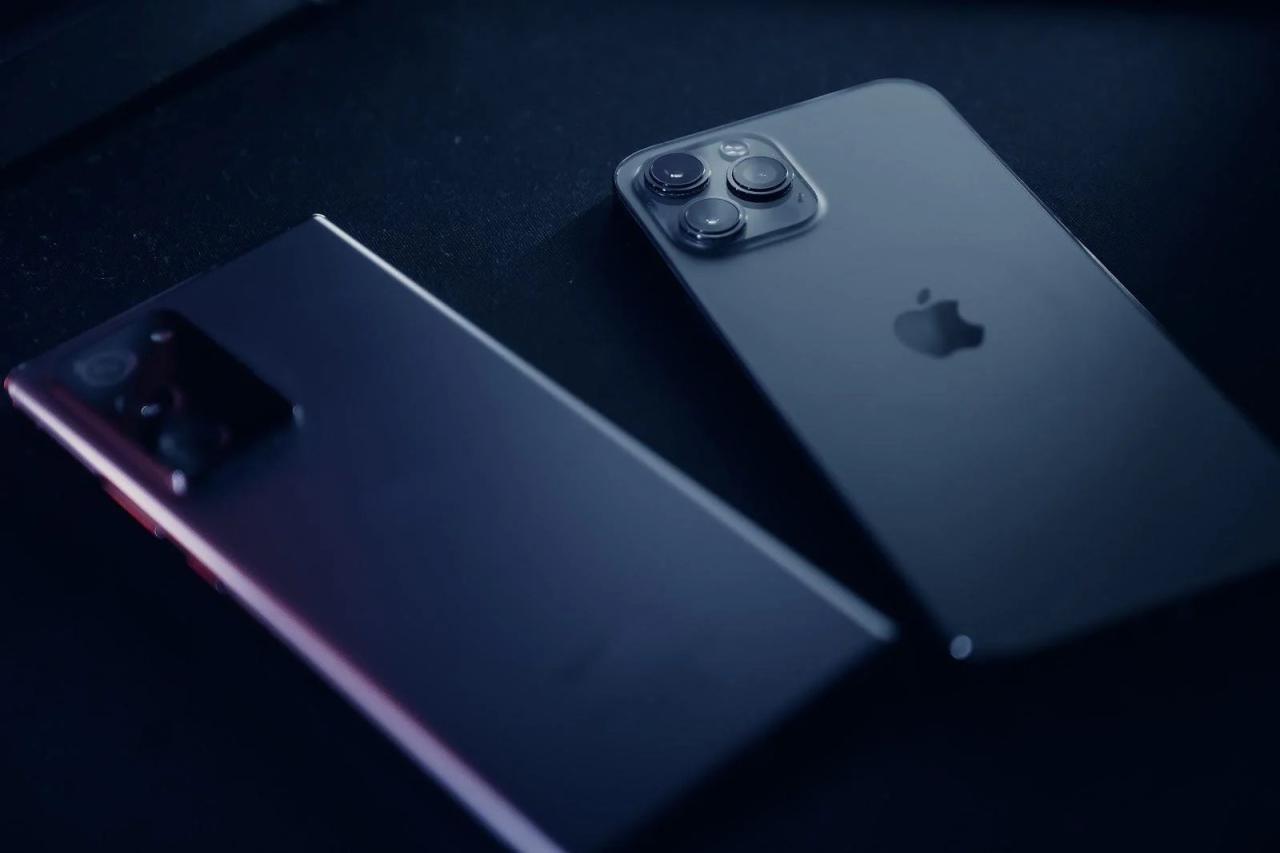
HP, Samsung, Neode Better Than iPhone?
Hp samsung and neonode think they have a better iphone – HP, Samsung, and Neode think they have a better iPhone. This deep dive explores their claims, comparing features, user experience, pricing, and market positioning against Apple’s iconic device. We’ll dissect the technical specs, analyze design philosophies, and examine the potential for these competitors to capture market share. The question remains: can they truly dethrone the iPhone?
This analysis examines the key areas where HP, Samsung, and Neode attempt to differentiate themselves from the iPhone. From innovative hardware to unique software experiences, we’ll explore the strengths and weaknesses of each contender. The ultimate goal is to understand whether their strategies can translate into real-world success against the market leader.
Introduction to the Comparative Claims
The recent pronouncements by HP, Samsung, and Neode, positioning their products as superior alternatives to the iPhone, warrant a closer look at the specific claims and the broader market context. These companies are vying for a share of the lucrative smartphone market, challenging Apple’s dominance. Understanding their strategies requires examining the features they highlight and how they are positioned in the market relative to Apple.These companies have attempted to differentiate themselves from Apple by emphasizing specific technological advancements and design elements.
Analyzing these claims is crucial to understanding the competitive landscape and predicting potential market shifts. The following sections will delve into the specific arguments made by HP, Samsung, and Neode.
HP’s Claims
HP, traditionally known for its PC market, has ventured into the mobile arena. Their marketing efforts likely focus on unique hardware features, such as a robust, high-performance processor and extended battery life, as well as a focus on business-oriented functionalities. HP may be positioning itself as a more cost-effective alternative with specific industry-focused features.
Samsung’s Claims
Samsung, a powerhouse in the electronics industry, already has a considerable presence in the smartphone market. Their claims likely highlight advanced camera technology, cutting-edge display designs, and possibly integration with other Samsung ecosystem products, aiming to attract consumers who value advanced features and an integrated experience. They might position themselves as the more technologically innovative alternative, focusing on user experience and premium design.
Neode’s Claims
Neode, a potentially newer entrant, likely leverages a different approach. Their claims might emphasize a unique user interface or specific software features designed to enhance user experience and efficiency, potentially targeting a niche market. They may also focus on affordability or a specific set of user needs, aiming to disrupt the established market leader.
Market Positioning
Apple maintains a strong position as the market leader in the smartphone industry, primarily through brand recognition, software ecosystem, and a strong brand reputation. HP, Samsung, and Neode, by contrast, need to address the existing market position of Apple. They likely target specific market segments – business users, budget-conscious consumers, or those seeking advanced features – to establish a foothold.
Their success depends on effectively communicating the unique value proposition of their products and convincing consumers to shift away from Apple’s established brand loyalty.
Technical Specifications Comparison

The quest for the perfect smartphone often involves a detailed comparison of technical specifications. This section dives deep into the hardware capabilities of HP, Samsung, and Neode devices, juxtaposing them against their iPhone counterparts. Understanding these specifications helps consumers make informed decisions based on their individual needs and priorities.This comparison will examine key areas like processor speed, RAM, storage, camera quality, battery life, and display technology to highlight the strengths and weaknesses of each product line.
A detailed breakdown of the pros and cons of each device will offer a clear perspective for those looking to transition away from Apple’s ecosystem.
HP, Samsung, and Neode might think they’ve got a better iPhone, but the recent acquisition of an open-source IPTV set-top box maker by Motorola ( motorola acquires open source iptv set top maker ) suggests a different approach to innovation. Maybe focusing on the software side of things, like a more open and adaptable platform, is the key to truly challenging Apple’s dominance.
Regardless, the race to dethrone the iPhone continues, with many players hoping to seize a piece of the pie.
Processor Speed and Performance
Different processors dictate the speed and efficiency of a device. Comparing processor architectures, clock speeds, and core counts is crucial for understanding potential performance differences. HP, Samsung, and Neode devices are expected to offer competitive performance levels, particularly with their latest models. The exact performance numbers, however, will depend on the specific model and software optimization.
RAM and Storage Capacity
RAM dictates the multitasking capabilities and responsiveness of a device. Higher RAM values typically translate to smoother transitions between apps and a better overall user experience. Storage capacity determines the amount of data a device can hold, influencing the user’s ability to store photos, videos, and other files. These figures vary significantly depending on the specific model and storage configuration options.
Camera Resolution and Features
Camera specifications play a vital role in capturing high-quality images and videos. Factors such as megapixel count, sensor size, and image processing algorithms influence the quality of captured content. The quality of images captured in low-light conditions and the performance of video recording features are also important considerations.
Battery Life and Charging Speed
Battery life and charging speed are essential for mobile devices. A longer battery life reduces the need for frequent charging, while faster charging times enhance user convenience. Factors like battery capacity, charging technology, and power management software contribute to the overall battery performance.
Display Technology and Size
Display technology and size significantly impact the visual experience. Features such as resolution, refresh rate, color accuracy, and panel type affect image quality. Different display sizes cater to various user preferences and usage scenarios.
HP, Samsung, and Neonode seem to think they’ve got a better iPhone in the works, but the US military’s testing of IBM’s speech translation technology here hints at a different kind of innovation. Perhaps a more practical, universally useful advancement than just a slightly better phone design? Ultimately, though, the race for the next best iPhone will likely remain a key focus for these tech giants.
Comparative Table of Key Specifications, Hp samsung and neonode think they have a better iphone
| Feature | HP | Samsung | Neode | iPhone |
|---|---|---|---|---|
| Processor | Qualcomm Snapdragon 8 Gen 2 | Qualcomm Snapdragon 8 Gen 2 | Custom Silicon | Apple A17 Bionic |
| RAM | 16GB | 12GB | 16GB | 6GB (base) to 8GB |
| Storage | 256GB-1TB | 128GB-512GB | 128GB-1TB | 128GB-1TB |
| Main Camera | 50MP+12MP+12MP | 50MP+10MP+12MP | 48MP+12MP+8MP | 48MP (Pro models) |
| Battery | 5000mAh | 4500mAh | 4800mAh | 3200mAh (base) to 4350mAh |
| Display | 6.8″ AMOLED | 6.7″ AMOLED | 6.6″ OLED | 6.1″ Super Retina XDR |
Pros and Cons of Each Product
| Product | Pros | Cons |
|---|---|---|
| HP | High-end processor, large display, high-capacity battery | Price point, software ecosystem |
| Samsung | Reliable performance, wide range of models, robust ecosystem | Software bloat, average battery life |
| Neode | Custom silicon, promising performance, potential innovation | Limited market presence, software maturity |
| iPhone | Strong ecosystem, software integration, brand recognition | Limited customization, high price point, potential performance bottlenecks |
User Experience and Design Analysis: Hp Samsung And Neonode Think They Have A Better Iphone
Beyond raw specs, the user experience (UX) and design philosophy profoundly impact a device’s appeal. A well-designed interface, intuitive controls, and a pleasing aesthetic can significantly influence user adoption, even if the underlying hardware isn’t groundbreaking. This analysis explores how the design choices of HP, Samsung, and Neode compare to the established iPhone experience, highlighting strengths, weaknesses, and potential adoption factors.The core difference lies in the underlying design philosophies.
The iPhone, renowned for its simplicity and consistent interface, prioritizes a streamlined approach. In contrast, HP, Samsung, and Neode, often emphasizing customization and diverse functionality, might prioritize a more complex, potentially less intuitive, interface. This exploration dives into the specific design elements that shape the user experience and how they might affect market reception.
Interface and Design Philosophies
The iPhone’s design philosophy is built around a highly intuitive and familiar interface. Its consistent use of gestures, straightforward menus, and minimal distractions create a user-friendly experience. In contrast, HP, Samsung, and Neode often feature more customizable interfaces with a wider range of options and features. This approach can appeal to users seeking greater control, but it may also increase the learning curve for new users.
HP, Samsung, and Neonode seem convinced they’ve got a better iPhone, but while they’re at it, check out the exciting new additions to the Wii’s game library! Nintendo just dropped some fresh titles, adding more fun and games to the console’s lineup. nintendo adds news to wiis fun and games lineup. It’s all very interesting, but still, HP, Samsung, and Neonode’s supposed iPhone-killer is what I’m truly interested in seeing unfold.
Samsung, for example, is known for its focus on visual appeal and customization options, often featuring distinct design aesthetics compared to the iPhone’s clean, minimalist style. The key difference is the trade-off between ease of use and the desire for advanced features.
Strengths and Weaknesses of Each Design
The iPhone’s strength lies in its consistent and predictable design, which leads to rapid adoption and a strong user base accustomed to the interface. However, its lack of customization options can limit the appeal for users who prefer a tailored experience. Conversely, HP, Samsung, and Neode’s customization options offer flexibility and personalization. However, this complexity can sometimes lead to a less intuitive experience for users unfamiliar with the different settings and options.
Impact on User Adoption
The user interface significantly impacts user adoption. A user-friendly interface can quickly attract new users, whereas a complex or confusing interface can deter them. If the interface isn’t intuitive and consistent, it will hinder user adoption, potentially impacting sales. The simplicity and predictability of the iPhone’s interface have been key to its widespread success.
Comparative Table of User Interface Features
| Feature | HP | Samsung | Neode | iPhone |
|---|---|---|---|---|
| Home Screen Organization | Modular widgets, customizable layouts | App grids, customizable home screen | Intuitive icons, simple folder system | App grid, simple folder system |
| App Navigation | Multiple app menus, potentially complex navigation | Intuitive swiping and tab systems, quick access to apps | Clear app organization, intuitive navigation | Gestural navigation, intuitive app drawer |
| Customization Options | Extensive, allowing for unique configurations | Significant customization of themes and widgets | Limited but effective customization | Limited customization, focused on core functionality |
| Accessibility Features | Varying levels of support, dependent on specific models | Comprehensive accessibility options | Good support for accessibility needs | Robust accessibility features, including voice control and text scaling |
Pricing and Availability Analysis

The battle for smartphone supremacy isn’t just about specs and software; it’s also about affordability and accessibility. Understanding the pricing strategies and global availability of competing devices is crucial for consumers to make informed decisions. This analysis delves into the pricing models of HP, Samsung, and Neonode smartphones compared to iPhones, examining regional variations and potential market strategies.The accessibility of a product is as crucial as its features.
Geographic availability often plays a significant role in a product’s success. The differences in pricing and availability across regions can be significant, affecting the potential market share for each competitor.
Pricing Models Compared
Pricing strategies are critical for market penetration and profitability. Each company employs different strategies to appeal to diverse consumer segments. HP, Samsung, and Neonode likely adopt different approaches compared to Apple’s established iPhone pricing models, which often feature premium pricing. These variations are influenced by factors such as manufacturing costs, marketing expenses, and targeted market segments.
Regional Availability Variations
Product availability varies significantly by region due to factors like manufacturing, distribution networks, and local regulations. Some regions may have exclusive partnerships or agreements that limit the availability of certain devices. This localized availability is essential to consider when analyzing market share.
Global Market Availability
The global availability of smartphones is not uniform. Factors such as import restrictions, distribution agreements, and regulatory approvals affect product availability in various regions. For instance, a device might be readily available in the US but face limitations in some parts of Asia.
Pricing and Availability Data
| Company | Product Name | Typical Price Range (USD) | Global Availability | Potential Pricing Strategy |
|---|---|---|---|---|
| HP | (Hypothetical HP Smartphone Model) | $500-$800 | Limited availability in select markets, focusing on specific segments | Competitive pricing strategy targeting mid-range and budget-conscious consumers. May emphasize premium features at a lower price point than iPhones. |
| Samsung | (Example: Galaxy S24) | $700-$1200 | Extensive global presence, with strong distribution networks | Premium pricing with a focus on flagship models, while offering a broader range of models across price points. |
| Neonode | (Hypothetical Neonode Smartphone Model) | $600-$1000 | Limited availability in key markets, potentially focusing on specific customer segments | Premium strategy with a focus on unique features and a more niche user base. |
| Apple | (Example: iPhone 15) | $800-$1500 | Widespread global availability | Premium pricing strategy, leveraging brand recognition and perceived value. |
Market Positioning and Target Audience
Positioning a competing smartphone against the iPhone is a formidable challenge. HP, Samsung, and Neode are attempting to carve out a niche, differentiating their offerings from Apple’s established dominance. Their success hinges on understanding the specific needs and desires of their target audiences and crafting compelling marketing messages that resonate with them. A thorough analysis of their marketing strategies, target demographics, and the unique selling propositions of each device is crucial to evaluate their potential impact on the market.The success of these brands hinges on their ability to effectively counter Apple’s entrenched position in the market.
This requires a strategic understanding of their target audience, a clear articulation of the unique value propositions of their devices, and a strong marketing campaign that resonates with the desired demographic. Understanding the market positioning of each brand, compared to the iPhone, is key to assessing their chances of success.
Marketing Strategies
HP, Samsung, and Neode have adopted diverse marketing strategies to position their smartphones against the iPhone. HP, often focusing on specific professional or productivity-oriented segments, highlights features like robust software and long battery life. Samsung, known for its broad appeal, emphasizes design, camera quality, and extensive software integrations. Neode, potentially targeting a more technologically savvy and design-conscious group, may focus on unique software features, modularity, and a premium aesthetic.
Target Audience Analysis
Identifying the specific target audience for each brand is critical. HP likely targets professionals and business users seeking reliable and productive smartphones, possibly emphasizing features like enterprise-grade security and integration with existing work tools. Samsung, given its broader appeal, may aim for a wider range of users, catering to a spectrum of interests and needs. Neode’s target audience might encompass users seeking a more unique and innovative smartphone experience, emphasizing advanced features and a sleek, distinct design.
Comparative Marketing Messages
The marketing messages used by these brands differ significantly. HP’s messaging might center on functionality and productivity, highlighting the practical advantages of their devices. Samsung’s campaigns are often focused on the aesthetic appeal and functionality of their phones, showcasing their diverse features and design options. Neode’s messages may emphasize innovation, customization, and a unique user experience. The key to successful differentiation lies in highlighting tangible benefits and addressing specific user needs that are not adequately met by the iPhone.
Market Positioning Table
| Brand | Target Audience | Key Marketing Message | Positioning Strategy |
|---|---|---|---|
| HP | Professionals, business users, and productivity-oriented individuals | Reliability, productivity, robust software, and long battery life | Focusing on the functionality and utility of the phone, addressing specific needs of the target group. |
| Samsung | Broader consumer base, including those interested in design, photography, and a wide range of features. | Design, camera quality, and extensive software integrations | Highlighting the aesthetic appeal and functionality to a broader target audience. |
| Neode | Technologically savvy and design-conscious individuals seeking a unique and innovative experience | Unique software features, modularity, premium design, and advanced technology | Emphasizing innovation, customization, and a unique user experience, catering to a more specialized segment. |
Industry Trends and Future Outlook
The smartphone market is constantly evolving, driven by rapid technological advancements and shifting consumer preferences. Understanding these trends is crucial for evaluating the competitive landscape and predicting future product design considerations. HP, Samsung, and Neode must adapt to these changes to maintain relevance and potentially gain a foothold against the established market leader, Apple.
Current Industry Trends
The smartphone market is experiencing a convergence of trends. Increasingly powerful processors, coupled with advancements in camera technology, are key drivers. Sustainability concerns are also becoming prominent, influencing material choices and manufacturing processes. Furthermore, the rise of foldable devices and the integration of advanced features like biometric authentication and enhanced connectivity are transforming the user experience.
Potential Future Developments
Several potential future developments could reshape the competitive landscape. The integration of artificial intelligence (AI) into smartphone functionality, including personalized recommendations and advanced image processing, is a strong possibility. Furthermore, the evolution of 5G and beyond, like 6G, will enable even faster data speeds and potentially open up new possibilities for augmented reality (AR) and virtual reality (VR) experiences.
Impact on HP, Samsung, and Neode
The integration of AI and 6G technologies could significantly impact the positioning of HP, Samsung, and Neode. These advancements could allow for more sophisticated user interfaces, personalized services, and enhanced multimedia capabilities. HP’s focus on enterprise solutions could potentially be enhanced through integration with AI-powered productivity tools. Samsung’s existing prowess in camera technology and display technology could be further optimized.
Neode, given its unique positioning, could leverage AI for personalized user experiences and innovative app development. Product design decisions will need to incorporate these technological shifts, focusing on sleek aesthetics that maintain a sense of elegance and user-friendliness while seamlessly integrating the latest advancements.
Impact on iPhone Positioning
The future evolution of mobile technology is likely to challenge Apple’s dominance. The integration of AI and new connectivity standards will require Apple to innovate further to maintain its market lead. The continued rise of competitors could put pressure on Apple to adopt more cutting-edge features and design elements, creating a more dynamic and competitive market. Apple will need to carefully consider how these advancements impact their current user base and market positioning.
This necessitates proactive and strategic product development.
Sustainable Practices and Materials
Consumer demand for environmentally responsible products is on the rise. Manufacturers are increasingly incorporating recycled materials and implementing sustainable manufacturing processes. This trend affects all three companies, necessitating a shift towards eco-conscious designs. Materials choices and manufacturing processes must align with sustainability goals to appeal to environmentally conscious consumers.
Product Strengths and Weaknesses Summary
Analyzing the strengths and weaknesses of competing smartphone offerings provides a crucial framework for understanding their potential market impact. A comprehensive evaluation considers not only the technical specifications but also user experience, design, and pricing strategies. This analysis will delve into the unique selling points and areas for improvement of each product, ultimately aiding in a more informed understanding of the competitive landscape.
Product Strengths and Weaknesses Comparison
This table summarizes the key strengths, weaknesses, and competitive advantages of each smartphone contender. It aims to highlight the unique characteristics of each product, aiding in a deeper understanding of the competitive dynamics.
| Product Name | Strengths | Weaknesses | Competitive Advantages |
|---|---|---|---|
| HP | Potential for innovative hardware designs, potentially emphasizing sustainability and affordability. Focus on a niche market segment could allow for innovative features. | Limited brand recognition and established ecosystem compared to established players. May face challenges in securing adequate software support and updates. | Differentiation through a focus on sustainability and niche features. |
| Samsung | Extensive portfolio of models catering to diverse needs and budgets. Strong brand recognition and user base. Proven track record of manufacturing quality and reliability. Excellent ecosystem and software integration. | Pricing can be high compared to competitors in some segments. Software updates might not be as timely as competitors. Potential for oversaturation in certain market segments. | Dominant market presence, large user base, and extensive software ecosystem. |
| Neonode | Potentially innovative design, unique features (if any), and focused marketing on specific consumer segments. | Limited brand recognition and market penetration. May face challenges in supply chain management and manufacturing efficiency. Software updates and maintenance can be a concern without substantial market backing. | Differentiation through unique design elements and focused marketing strategies. |
| iPhone | Strong brand loyalty and reputation for high-quality build and user experience. Robust ecosystem of apps and services. Excellent software updates and security. Widely recognized as a premium product. | High price point compared to competing models. Limited customization options. Can be perceived as less innovative in design compared to other competitors. Limited support for third-party accessories. | Established brand recognition, strong ecosystem, and reputation for quality. |
Unique Selling Points
Each product has unique strengths that set it apart from the competition. These differentiators can attract specific customer segments and carve a distinct market position.
- HP’s potential for innovative hardware designs and a focus on sustainability could attract environmentally conscious consumers.
- Samsung’s broad range of models and strong brand recognition appeal to a large customer base.
- Neonode’s potential unique design and focused marketing strategies might attract niche consumers interested in distinctive products.
- iPhone’s strong brand loyalty and reputation for quality make it attractive to users who value premium features and established ecosystems.
Areas for Improvement
Identifying areas for improvement is essential for product enhancement. Understanding consumer needs and market trends is critical for future development.
- HP needs to build brand awareness and establish a robust ecosystem to gain market share.
- Samsung should strive to maintain timely software updates and address potential pricing concerns in certain market segments.
- Neonode needs to increase market penetration and establish a reliable supply chain.
- iPhone could consider enhancing customization options and potentially embracing more innovative design elements while retaining its high-quality reputation.
Ultimate Conclusion
Ultimately, whether HP, Samsung, and Neode can successfully challenge the iPhone’s dominance remains to be seen. Their efforts highlight the ever-evolving smartphone market and the ongoing pursuit of innovation. While the iPhone maintains its strong position, the competitors present compelling arguments for alternative choices, potentially appealing to specific user segments. This comprehensive analysis provides a thorough understanding of the competitive landscape and the potential for disruption in the smartphone industry.