IBM Google Team Workplace Gadgets
IBM Google team on gadgets for the workplace explores the exciting evolution of workplace technology. From the simple tools of past decades to today’s sophisticated devices, we’ll examine the factors driving this change, and how different demographics embrace these advancements. The focus will be on the innovative gadgets created by IBM and Google, highlighting their impact on modern work environments and productivity.
We’ll also discuss integration strategies, compatibility issues, and the future of workplace gadgets, encompassing emerging technologies and sustainability.
This exploration will delve into the specific features and benefits of these gadgets, emphasizing their role in enhancing communication, collaboration, and remote work flexibility. Case studies of successful implementations will illustrate the practical applications and potential challenges. Ultimately, the discussion aims to provide a comprehensive understanding of how these companies are shaping the future of the modern workplace.
Workplace Gadget Trends
The modern workplace is increasingly reliant on gadgets to enhance productivity, communication, and collaboration. From simple calculators to sophisticated AI assistants, the evolution of workplace gadgets reflects the broader technological advancements of each era. This shift has profoundly impacted how we work, fostering new workflows and expectations. Understanding these trends is crucial for businesses to stay competitive and provide employees with tools that meet their needs.The evolution of workplace gadgets has been a fascinating journey.
Early gadgets focused primarily on increasing efficiency in tasks like data entry and calculation. As technology progressed, gadgets became more portable and integrated, allowing for remote work and seamless communication across geographical boundaries. Today, the focus is on sophisticated devices that combine communication, productivity, and even entertainment into a single, user-friendly interface. The changing landscape of work and the rise of remote work have significantly influenced this evolution.
IBM and Google’s team on workplace gadgets is fascinating, but have you seen how Dell is expanding its reach? They’re really diving into home entertainment, with some exciting new products and features, like a new range of smart TVs and soundbars. Dell delves deeper into home entertainment , which is interesting considering their focus on business-oriented tech.
Ultimately, it all comes back to improving the overall user experience, and that’s something IBM and Google are also striving for with their workplace gadget solutions.
Current Workplace Gadget Trends
The current landscape of workplace gadgets is characterized by a convergence of technologies. Mobile devices, particularly smartphones and tablets, are central to modern workflows. These devices are no longer simply communication tools but serve as hubs for productivity apps, project management software, and even entertainment. Wearable technology is also gaining traction, offering real-time data on employee well-being and productivity.
Smart home devices are increasingly being integrated into the workplace, facilitating automation and improved efficiency.
Evolution of Gadgets Over Time
Workplace gadgets have undergone a dramatic transformation since the early days of office work. In the 20th century, typewriters, calculators, and telephones were essential tools. The 1990s saw the rise of personal computers, ushering in an era of data processing and information sharing. The 21st century has witnessed a rapid convergence of technologies, with mobile devices, cloud computing, and AI becoming integral to the workplace.
The evolution reflects a continuous push for greater efficiency, portability, and integration. The ability to access information and complete tasks from anywhere has transformed how people work.
Factors Influencing Gadget Adoption
Several factors influence the adoption of new gadgets in the workplace. Cost-effectiveness is a major driver, with businesses seeking tools that offer a return on investment. Ease of use and integration with existing systems are crucial, as employees need tools that seamlessly integrate into their workflows. Security concerns play a significant role, with businesses prioritizing data protection and privacy when choosing new gadgets.
The need for increased productivity and efficiency is also a key motivator. The desire to foster a more flexible and mobile workforce is another significant factor in the adoption of new workplace gadgets.
Demographic Gadget Preferences
Gadget preferences vary across different demographics. Younger generations, accustomed to technology, often prefer intuitive and user-friendly gadgets with seamless integration across multiple platforms. Older generations, while adapting to technology, may favor gadgets with simpler interfaces and established functionalities. These preferences are influenced by factors such as professional experience, educational background, and personal experiences with technology. Recognizing these differences allows businesses to provide appropriate tools and training for all employees.
Key Features of Desirable Gadgets
Modern workplace gadgets are desirable because they offer a range of features and functionalities that enhance productivity and collaboration. Seamless integration with existing systems is paramount, ensuring a smooth workflow. Portability and mobility are crucial for remote workers and those with flexible schedules. Intuitive interfaces and user-friendly designs are essential for ease of use and faster learning curves.
Security features are paramount, protecting sensitive data and ensuring compliance with industry standards. Improved communication capabilities are key for teams working across different locations.
Top 5 Gadget Categories in the Workplace
| Category | Description | Examples |
|---|---|---|
| Mobile Devices | Smartphones, tablets, and laptops are central to modern workflows. | Apple iPhone, Samsung Galaxy, Microsoft Surface |
| Collaboration Tools | Software and hardware designed to facilitate communication and teamwork. | Microsoft Teams, Slack, Zoom |
| Productivity Software | Tools that streamline tasks, enhance organization, and improve efficiency. | Google Workspace, Microsoft Office Suite, Trello |
| Wearable Technology | Devices that track health and fitness data and provide real-time feedback. | Fitbit, Apple Watch, smart glasses |
| Smart Home Devices | Gadgets that automate tasks and integrate with other smart devices. | Amazon Echo, Google Home, smart lighting systems |
IBM and Google’s Role in Workplace Gadgets: Ibm Google Team On Gadgets For The Workplace
IBM and Google have significantly shaped the evolution of workplace technology, driving innovation and adoption of gadgets that enhance productivity and collaboration. Their influence extends beyond simply providing tools; it reflects a broader shift in how businesses approach work, embracing digital transformation and mobile solutions. Their strategies, while sometimes overlapping, differ in approach and focus, creating a dynamic landscape for workplace gadget development.IBM’s contributions to workplace gadget innovation have been substantial, often rooted in its legacy of enterprise solutions.
From early mainframe computers to modern cloud-based platforms, IBM has consistently sought to streamline workflows and improve employee experiences. Google, on the other hand, has often prioritized user-friendliness and accessibility, fostering an ecosystem of tools that integrate seamlessly across various platforms.
IBM’s Contributions to Workplace Gadget Innovation
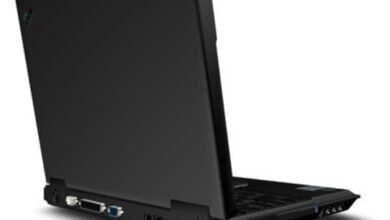
IBM has a long history of developing and integrating technology into the workplace. Its early contributions included innovative input devices, like specialized keyboards and pointing devices for specific applications. IBM’s emphasis on enterprise solutions has led to the creation of powerful, secure, and scalable systems that form the backbone of many corporate networks. This focus on reliability and security is evident in many of its gadget offerings.
Google’s Influence on Workplace Gadget Development and Adoption
Google’s influence on workplace gadgets stems from its focus on user-friendly, accessible, and integrated solutions. Google’s products, like Gmail and Google Docs, have become essential tools in modern workplaces, emphasizing collaboration and information sharing. The company’s commitment to mobile-first approaches has pushed the adoption of mobile devices and applications for workplace tasks.
Comparison of IBM and Google’s Gadget Strategies
IBM’s strategy often prioritizes enterprise-level solutions, with a focus on robust infrastructure and security. They aim to provide powerful, reliable tools for large organizations. Google’s approach leans towards accessibility and integration across various platforms. Their emphasis is on user-friendliness and seamless workflows, often through cloud-based solutions and interconnected applications.
Examples of Gadgets Developed or Endorsed by IBM and Google
- IBM’s Watson-powered solutions provide AI assistance for tasks like data analysis and decision support, impacting workplace efficiency.
- Google Workspace, encompassing tools like Google Meet and Google Drive, has become ubiquitous in modern workplaces, facilitating communication and collaboration.
- IBM’s portfolio of mobile devices, such as laptops and tablets, have integrated with enterprise applications to improve mobility and flexibility.
- Google’s Chromebooks have been adopted in many educational and workplace settings, providing affordable and secure computing experiences.
Potential Impact on the Future of Workplace Technology
The combined influence of IBM and Google on workplace gadgets points to a future where technology seamlessly integrates into daily workflows. AI-powered tools will automate tasks, enhancing efficiency. Increased mobile access and collaboration will redefine how teams work together. Secure and reliable cloud-based solutions will facilitate data sharing and accessibility. Furthermore, these advancements will lead to greater workplace flexibility and adaptability, enabling businesses to respond to changing market conditions and employee expectations.
Key Partnerships Between IBM and Google Related to Workplace Gadgets
| Partnership Area | Description |
|---|---|
| Cloud Computing | IBM and Google both offer cloud platforms, potentially allowing for interoperability and combined solutions. |
| AI and Machine Learning | Both companies are investing heavily in AI and machine learning, leading to potential collaborative development in workplace tools. |
| Mobile Computing | IBM’s enterprise solutions and Google’s mobile-first approach could potentially converge in solutions that combine mobile devices with enterprise-level applications. |
Gadget Features and Benefits
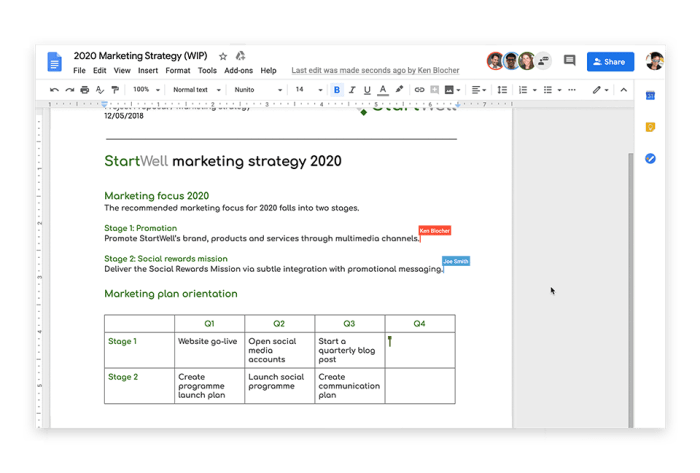
Gadgets are rapidly transforming the workplace, offering enhanced productivity, improved communication, and a greater sense of flexibility. From simple task management tools to sophisticated collaboration platforms, these devices are becoming indispensable for modern teams. The key is understanding how these tools can be leveraged to create a more efficient and engaging work environment.The benefits of incorporating gadgets extend beyond the obvious.
IBM and Google’s collaboration on workplace gadgets is definitely interesting, but recent concerns about Microsoft’s security, particularly with their McAfee product, are raising some eyebrows. This new vulnerability, detailed in microsofts new security problem mcafee , highlights the need for robust security measures across all tech solutions. Ultimately, a secure workplace relies on more than just sleek gadgets; it needs reliable security to protect sensitive data.
The IBM/Google team will need to consider this when further developing their solutions.
They streamline processes, reduce manual tasks, and foster a more connected, collaborative work culture. This fosters innovation, promotes employee engagement, and ultimately leads to improved business outcomes. This is especially crucial in today’s dynamic and increasingly remote work landscape.
Productivity Enhancement Features
Gadgets offer numerous features designed to boost productivity. These include automation of repetitive tasks, time tracking and management tools, and access to real-time data. These features allow employees to focus on higher-level responsibilities and contribute more effectively to project goals. This often translates into tangible gains in efficiency.
- Automated task management: Tools like task management apps can automatically assign tasks, track progress, and generate reports. This eliminates the need for manual follow-ups, saving valuable time and reducing errors.
- Real-time data access: Gadgets provide immediate access to project data, sales figures, and other critical information, empowering employees to make informed decisions on the fly. This instantaneous access can significantly improve response times.
- Integration with existing systems: Many modern gadgets seamlessly integrate with existing workplace software, enabling employees to work within familiar workflows and avoid unnecessary training or system changes.
Communication and Collaboration Improvements, Ibm google team on gadgets for the workplace
Gadgets facilitate seamless communication and collaboration, even for geographically dispersed teams. Instant messaging, video conferencing, and shared document platforms enable teams to interact in real-time, regardless of location. This facilitates faster decision-making and stronger team bonds.
- Instant messaging platforms: Instant messaging tools, such as Slack or Microsoft Teams, facilitate quick communication and information sharing. This fosters quick responses to queries and facilitates collaboration on tasks.
- Video conferencing tools: Video conferencing solutions allow for face-to-face interactions, even when team members are remote. This builds rapport and fosters a sense of connection, crucial for effective collaboration.
- Shared document platforms: Cloud-based document sharing platforms allow multiple team members to work on the same document simultaneously. This promotes efficient collaboration and reduces the risk of conflicting versions.
Facilitating Remote Work and Flexibility
Gadgets play a pivotal role in supporting remote work and flexible work arrangements. These devices allow employees to access company resources and collaborate with colleagues from anywhere with an internet connection. This empowers employees to work from home, coffee shops, or even while traveling.
- Remote access to resources: Cloud-based storage and access to company applications allow remote employees to access files and work tools from any location. This fosters flexibility and promotes a sense of inclusivity.
- Mobile accessibility: Many gadgets are designed for mobile use, enabling employees to work from various locations and remain connected to the workplace.
- Flexible work schedules: Gadgets enable more flexible work schedules, which can be beneficial for both employees and employers. It allows for greater work-life balance and higher productivity for some.
Addressing Workplace Challenges with Gadgets
Gadgets can address specific workplace challenges. For example, project management tools can help streamline complex projects, while communication apps can improve team coordination and resolve conflicts. This leads to a more organized and productive work environment.
- Complex project management: Project management software provides features to track tasks, deadlines, and budgets, enabling better coordination and reducing project delays.
- Improving team communication: Collaboration tools can streamline information flow and reduce miscommunication, improving team dynamics and productivity.
Gadget Benefit Comparison Table
| Gadget Type | Specific Features | Benefits for Workplace |
|---|---|---|
| Project Management Tools | Task management, deadlines, progress tracking | Improved project organization, reduced delays, enhanced team coordination |
| Communication Apps | Instant messaging, video conferencing, file sharing | Enhanced real-time communication, improved collaboration, reduced miscommunication |
| Productivity Apps | Time management, task automation, data visualization | Increased efficiency, reduced manual effort, better decision-making |
Boosting Employee Morale and Engagement
Gadgets can foster a more engaged and motivated workforce by providing access to information, tools, and communication channels. This can boost employee morale and satisfaction, which in turn can improve overall productivity.
- Improved work-life balance: Gadgets can enable employees to work from locations that suit them best, potentially improving work-life balance and job satisfaction.
- Increased flexibility: Gadgets allow employees to work in a way that best suits their needs, leading to greater job satisfaction and a more positive work environment.
Integration and Compatibility
The modern workplace relies heavily on interconnected gadgets. Effective collaboration and streamlined workflows depend on the seamless integration of these devices. This necessitates careful consideration of compatibility across various platforms and operating systems, along with robust security measures. Ignoring these aspects can lead to significant productivity losses and security vulnerabilities.Compatibility and integration are crucial for a productive and secure work environment.
Proper integration allows users to leverage the full potential of their gadgets, streamlining workflows and fostering better collaboration. Conversely, poor integration can lead to frustration, wasted time, and even security risks.
Importance of Gadget Integration
The interconnected nature of modern workplaces demands seamless integration of gadgets. This integration allows for efficient information sharing, improved communication, and enhanced collaboration across teams and departments. Imagine a scenario where project updates are automatically shared across various gadgets, or where team members can seamlessly access and edit shared documents on different devices. These functionalities are essential for smooth workflows and increased productivity.
Gadget Interaction Mechanisms
Gadgets interact through various mechanisms. Cloud-based services, APIs, and standardized protocols are fundamental to connecting different devices and applications. For instance, a calendar app on a smartphone can synchronize with a project management tool on a tablet, ensuring everyone has the most up-to-date information. This synchronization, facilitated by cloud storage and application programming interfaces (APIs), allows for real-time collaboration and data accessibility.
Strategies for Seamless Integration
Implementing strategies for seamless gadget integration is crucial. Standardized protocols, like those based on open-source platforms, promote compatibility. Using universal communication languages ensures that gadgets from different manufacturers can communicate effectively. Moreover, employing cloud storage facilitates data sharing and synchronization across various devices. Employing consistent operating system standards also helps in seamless integration.
Potential Compatibility Issues and Solutions
Compatibility issues can arise from differing operating systems, application versions, or data formats. Different operating systems, like iOS and Android, may not always be fully compatible. Solutions involve employing cross-platform development tools and strategies to ensure applications function seamlessly on various devices. Ensuring that applications are compatible with a range of device versions mitigates compatibility issues. Also, providing clear documentation and troubleshooting guides can aid users in resolving integration problems.
Security Considerations in Gadget Integration
Integrating gadgets into a workplace environment introduces security considerations. Data breaches and unauthorized access are significant risks. Implementing strong authentication protocols, encryption, and secure communication channels is paramount. Regular security audits and updates for software and gadgets are essential to ensure the security of integrated systems. Access controls and user permissions must be strictly enforced to limit potential vulnerabilities.
Gadget Compatibility Table
| Gadget Type | Operating System | Platform Compatibility ||—|—|—|| Smartphone | iOS, Android | iOS/Android apps, cloud services, enterprise apps || Tablet | iOS, Android | iOS/Android apps, cloud services, enterprise apps || Laptop | Windows, macOS, Linux | Windows/macOS/Linux apps, cloud services, enterprise apps || Smartwatch | iOS, Android | iOS/Android apps, cloud services, specific smartwatch apps || Wearable Device | iOS, Android | iOS/Android apps, cloud services, specific wearable device apps || Printer | Various (depends on manufacturer) | Cloud services, specific printer drivers || Project Management Tool | Web-based | Cross-platform access, cloud sync |This table illustrates the general compatibility of various gadgets with different operating systems and platforms.
IBM and Google’s team working on workplace gadgets is fascinating, especially considering the advancements in tech. A recent development, like the new NEC chipset, which now supports HD, DVD, and Blu-ray playback ( new nec chipset crosses hd dvd blu ray divide ), suggests a potential integration into future workplace devices. This opens exciting possibilities for how these companies are pushing the boundaries of user experience and efficiency in the modern workplace.
Note that specific compatibility may vary based on the manufacturer and application. Regular updates and maintenance of the devices and software are crucial for maintaining compatibility and security.
Future of Workplace Gadgets

The future of workplace gadgets is brimming with exciting possibilities, driven by rapid technological advancements. We’re moving beyond simple tools towards sophisticated systems that seamlessly integrate with our daily lives, enhancing productivity and collaboration in unprecedented ways. These devices will not only be more powerful but also more personalized, sustainable, and accessible.
Emerging Technologies Shaping the Future
Emerging technologies are rapidly transforming the landscape of workplace gadgets. Artificial intelligence (AI), augmented reality (AR), and the Internet of Things (IoT) are key drivers. AI-powered assistants will anticipate needs and automate tasks, while AR overlays digital information onto the physical world, creating immersive and interactive experiences. IoT devices will connect and monitor various aspects of the workplace, allowing for real-time data analysis and optimized workflows.
These innovations are poised to fundamentally change how we work and interact in the office.
Impact of AI and Automation
AI and automation are set to revolutionize workplace gadget development. AI-powered gadgets will perform tasks like scheduling meetings, summarizing documents, and translating languages, freeing up human employees for more strategic and creative work. Automation will also optimize workflows, reducing errors and improving efficiency. For example, AI-powered chatbots can handle routine inquiries, freeing up support staff to address more complex issues.
This trend will likely lead to a shift in job roles, demanding new skill sets from employees.
Personalized Gadgets
Personalized gadgets are expected to become even more sophisticated in the future. These devices will learn user preferences and adapt to individual needs, providing customized solutions for tasks and workflows. Biometric authentication and adaptive interfaces will ensure seamless and secure access to information. For instance, a smart calendar might proactively suggest meeting times based on user’s preferred schedule and availability.
These advancements will significantly improve user experience and productivity.
Sustainability in Gadget Design
Sustainability is increasingly crucial in the design of workplace gadgets. Emphasis will be placed on eco-friendly materials, energy efficiency, and reduced electronic waste. Gadgets will be designed with longevity in mind, emphasizing repairability and upgradability to minimize environmental impact. Examples include the use of recycled plastics and solar-powered charging options for gadgets. This shift reflects a growing awareness of the environmental impact of technology.
Accessibility for All Employees
Workplace gadgets are evolving to enhance accessibility for all employees. Voice control, screen readers, and adjustable settings will improve usability for individuals with disabilities. Real-time translation capabilities and adaptive interfaces will remove communication barriers. For example, a screen reader can interpret information displayed on a device for visually impaired employees, ensuring equal access to technology and information.
This is essential to creating an inclusive and equitable work environment.
Key Trends in Workplace Gadget Design (Next 5 Years)
| Trend | Description |
|---|---|
| AI-powered automation | Gadgets will automate routine tasks, freeing up human employees for more complex work. |
| Increased accessibility | Devices will incorporate features like voice control, screen readers, and adaptive interfaces to cater to a wider range of users. |
| Enhanced sustainability | Gadgets will be designed with longevity and repairability in mind, using eco-friendly materials and promoting energy efficiency. |
| Immersive experiences | AR and VR technologies will be integrated to create interactive and engaging work environments. |
| Seamless connectivity | Gadgets will seamlessly connect and share information across various platforms and devices. |
Case Studies
Workplace gadgets are rapidly transforming how businesses operate, offering the potential for increased productivity and efficiency. Understanding successful implementations, challenges, and innovative approaches is crucial for organizations looking to leverage these tools effectively. This section delves into specific case studies, analyzing factors contributing to success or failure and highlighting innovative integration strategies.
A Successful Implementation at a Retail Company
A major retail chain, “Retail Solutions,” successfully implemented a fleet of smart inventory management gadgets. These gadgets, coupled with a cloud-based inventory tracking system, allowed real-time updates of stock levels across all stores. This eliminated the need for manual inventory checks, significantly reducing errors and improving accuracy. The system also enabled better forecasting of demand, leading to optimized stock replenishment and minimized storage costs.
The initiative’s success was attributed to a comprehensive training program for staff, ensuring seamless integration and maximizing gadget utilization.
Impact of a Specific Workplace Gadget: The Smart Meeting Room
The “Smart Meeting Room” gadget, featuring AI-powered scheduling, integrated seamlessly with the company’s calendar system. This significantly reduced scheduling conflicts, allowing teams to book meeting rooms quickly and efficiently. The integrated whiteboard functionality facilitated real-time collaboration, capturing ideas and brainstorming sessions effortlessly. Improved meeting efficiency translated directly into a noticeable increase in productivity.
Factors Contributing to Success or Failure
Successful implementation hinges on several key factors. Firstly, robust training programs are essential for staff to master the gadget’s functionalities and maximize their potential. Clear communication of the gadget’s purpose and expected outcomes is equally crucial. Furthermore, seamless integration with existing systems is vital to avoid disruptions and data silos. Conversely, inadequate training, poor communication, and insufficient technical support can contribute to gadget failure.
A lack of clear goals and expectations can also result in misuse and diminished return on investment.
Innovative Approaches to Integrating Gadgets
Innovative approaches to gadget integration include integrating them with existing workflows and incorporating feedback loops. One example involves using a gadget to collect real-time data on employee tasks, allowing for adjustments to workflows based on observed trends. Further, feedback from employees on the gadgets’ usability is paramount for continuous improvement.
Challenges Encountered During Gadget Implementation
Implementing workplace gadgets can present several challenges. Data security concerns, particularly with sensitive information, are paramount. Ensuring compliance with company policies and data privacy regulations is crucial. Resistance to change among employees, a lack of understanding of the gadget’s benefits, and inadequate technical support are additional challenges.
Comparison of Gadget Implementations Across Industries
| Industry | Gadget Implementation | Key Success Factors | Challenges |
|---|---|---|---|
| Retail | Smart inventory management gadgets | Real-time stock updates, optimized replenishment | Staff training, data security |
| Healthcare | Telemedicine gadgets | Remote patient monitoring, improved access to care | Data privacy, regulatory compliance |
| Finance | AI-powered fraud detection gadgets | Proactive risk management, reduced losses | Data security, integration with existing systems |
This table provides a simplified comparison, highlighting key elements of different industry implementations. Further research is necessary to provide a more detailed and nuanced analysis.
Final Conclusion
In conclusion, IBM and Google’s collaborative efforts in workplace gadgets are reshaping the way we work. The trend highlights a shift toward more integrated, personalized, and efficient tools. The analysis of gadget features, integration strategies, and future predictions offers a comprehensive overview. Ultimately, this discussion emphasizes the importance of staying ahead of technological advancements to maintain a competitive and productive workforce.