ID Theft Knows No Boundaries
ID theft knows no boundaries sets the stage for this enthralling narrative, offering readers a glimpse into the global nature of this pervasive crime. It’s not confined by borders or geographical limitations; cybercriminals leverage technology to target individuals and organizations worldwide. From sophisticated online platforms to the dark web, the methods employed are constantly evolving, making it crucial to understand the complexities of cross-border identity theft.
This exploration delves into the intricate methods used, the challenges in tracing and prosecuting these crimes across international jurisdictions, and the critical role of international cooperation in combating this ever-growing threat. We’ll also examine the impact on individuals, businesses, and the crucial steps to protect yourself and your organization. A look at real-world examples and illustrative cases will paint a clearer picture of the magnitude of this issue.
Global Nature of Identity Theft
Identity theft, a pervasive global issue, is a crime that has profound consequences for individuals and society. It involves the fraudulent acquisition and use of another person’s personal information for financial gain or other malicious purposes. This illicit activity isn’t confined to national borders; rather, it operates on a global scale, facilitated by advanced technology and lax regulations in certain regions.The global nature of identity theft is undeniable.
Criminals exploit vulnerabilities in online systems, databases, and international financial transactions, making it easier to steal and utilize personal information across borders. This ease of operation, combined with the anonymity offered by the internet, empowers perpetrators to target victims in virtually any part of the world.
Identity theft truly knows no boundaries, impacting individuals worldwide. This year’s cyberattacks, like the recent “Happy New Year worm spawns computer zombies” incident, highlight just how interconnected our digital lives are. Happy New Year worm spawns computer zombies demonstrates how quickly malicious code can spread, and this serves as a stark reminder that protecting personal information is more crucial than ever, especially given the global reach of such threats.
Defining Identity Theft
Identity theft is the fraudulent acquisition and use of another person’s identifying information, such as their name, social security number, date of birth, or credit card details, for unlawful purposes. This fraudulent activity often results in financial loss, damage to credit rating, and emotional distress for the victim. The act often involves the theft and subsequent use of personal information to open fraudulent accounts, make unauthorized purchases, or obtain loans.
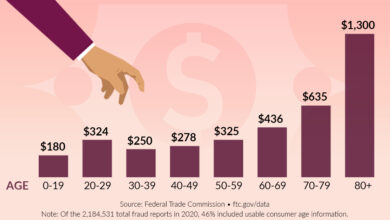
Identity theft truly knows no boundaries. It’s not just a problem for tech-savvy millennials; even the older generation, surprisingly, is finding ways to get online. For example, the older generation infiltrates social media platforms like Myspace in surprising ways, as detailed in this fascinating article: older generation infiltrates myspace. This highlights how vulnerable everyone is, regardless of age, to online scams and data breaches.
The ease with which personal information can be stolen underscores the importance of vigilance for everyone online.
Cross-Border Nature of Identity Theft
Identity theft transcends geographical boundaries. Criminals can easily transfer stolen data, make fraudulent transactions, and launder proceeds across international borders using various methods. The anonymity of the internet, coupled with weak regulations in certain jurisdictions, enables criminals to operate with relative impunity. This global reach makes it exceptionally challenging for law enforcement agencies to track and prosecute perpetrators.
Methods of Cross-Border Identity Theft
Various methods facilitate cross-border identity theft. These include the use of sophisticated phishing scams targeting international victims, the exploitation of vulnerabilities in international financial transactions, and the purchase or sale of stolen identities on dark web marketplaces. The anonymity afforded by virtual currencies and encrypted communication channels further exacerbates the problem.
Tracing the Origin of Identity Theft Crimes
Tracing the origin of identity theft crimes across borders is exceptionally challenging. Criminals often use sophisticated methods to mask their location and IP addresses, making it difficult for law enforcement agencies to pinpoint their origin. The sheer volume of data and the complexity of international financial transactions compound the investigative difficulties. Furthermore, the lack of international cooperation and harmonized regulations often hinders the investigation process.
Examples of Cross-Border Identity Theft
Numerous incidents highlight the cross-border nature of identity theft. For example, the theft of sensitive data from a large international company led to fraudulent transactions in multiple countries. Another example involves a coordinated phishing campaign targeting individuals in several European countries, resulting in significant financial losses. These instances demonstrate the global reach and impact of identity theft.
Difficulties in Prosecuting Cross-Border Identity Theft Cases
Prosecuting cross-border identity theft cases presents significant challenges. Different legal systems, varying levels of cooperation between law enforcement agencies, and the difficulty in establishing jurisdiction over perpetrators create substantial obstacles. The lack of international treaties and agreements further complicates the process.
Comparative Analysis of Identity Theft Across Countries
| Country | Type of Theft | Method | Impact |
|---|---|---|---|
| United States | Financial fraud | Phishing emails and fraudulent websites | Significant financial losses and damage to credit rating |
| United Kingdom | Identity cloning | Data breaches and stolen personal documents | Loss of financial assets and damage to reputation |
| Brazil | Online scams | Fake online marketplaces and social media profiles | Financial losses and emotional distress |
This table provides a basic comparison, highlighting the diverse forms identity theft can take across different countries. The methods employed and the impact on victims can vary considerably. Further research would be needed to create a more comprehensive and detailed comparative analysis.
Impact of Technology on Cross-Border Theft
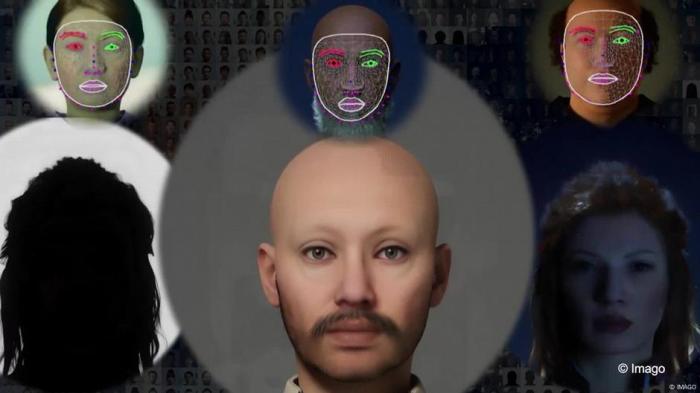
The digital age, while offering unprecedented connectivity and convenience, has unfortunately created fertile ground for cross-border identity theft. Technological advancements have empowered cybercriminals with sophisticated tools and methods, enabling them to operate across international boundaries with relative ease. This has significantly broadened the scope of identity theft, making it a global issue with far-reaching consequences.The ease of access to information, coupled with the anonymity afforded by the internet, has dramatically altered the landscape of identity theft.
Cybercriminals leverage this anonymity to conceal their operations, making it harder for law enforcement to track and prosecute them. This anonymity allows them to operate in a way that was simply not possible in the past, targeting victims across the globe.
Role of Online Platforms in Identity Theft
Online platforms have become crucial tools for identity thieves. Social media, e-commerce sites, and online banking portals, with their vast user bases, are prime targets for phishing attacks and data breaches. Criminals often use sophisticated social engineering techniques to manipulate individuals into divulging sensitive information, such as login credentials and personal details. The sheer scale of online interactions makes it easier for criminals to collect and compile large amounts of personal data for nefarious purposes.
Identity theft, unfortunately, isn’t confined to any one place. It’s a global issue, and while we’re increasingly seeing advancements in technologies like time shifting whole house DVRs and the future of TV here , the digital landscape’s constant evolution doesn’t negate the need for robust security measures against identity theft. Protecting personal information remains a crucial challenge regardless of where you live or the latest tech trends.
Security Vulnerabilities Exploited by Cybercriminals
Cybercriminals exploit various security vulnerabilities to facilitate cross-border identity theft. These include outdated software, weak passwords, and inadequate security protocols on online platforms. The lack of multi-factor authentication and insufficient encryption measures further exacerbates the problem. Criminals are adept at identifying and leveraging these weaknesses, often through automated tools and sophisticated techniques.
Evolving Tactics in Cross-Border Identity Theft
The tactics employed by cybercriminals in cross-border identity theft are constantly evolving. They adapt to new technologies and security measures, employing new strategies to bypass existing safeguards. Ransomware attacks, for example, are becoming more prevalent, allowing criminals to not only steal data but also extort money from victims. This evolution necessitates constant vigilance and adaptation by law enforcement and security experts.
Role of Dark Web Marketplaces in Identity Theft
Dark web marketplaces provide a clandestine platform for the buying and selling of stolen identities and other sensitive information. These hidden online markets facilitate the exchange of personal data on a massive scale, providing criminals with a readily available source of stolen information. This trade often operates with little to no oversight, creating a breeding ground for criminal activity.
The anonymity afforded by these marketplaces makes them a haven for cybercriminals.
Impact of Anonymity on Cross-Border Identity Theft
The anonymity offered by the internet plays a significant role in cross-border identity theft. It allows criminals to operate from locations with lax cybercrime laws, making it difficult to prosecute them. This anonymity, coupled with the complexities of international law enforcement cooperation, creates a significant challenge for authorities in combating this crime.
Technological Advancements Enabling Cross-Border Identity Theft
Technological advancements have dramatically changed the landscape of cross-border identity theft, enabling criminals to operate globally.
| Advancement | Description | Impact on Identity Theft |
|---|---|---|
| Cloud Computing | Data stored and accessed remotely through the internet | Increased potential for data breaches if security measures are inadequate. |
| Mobile Devices | Ubiquitous access to internet and personal information | Criminals can target victims through phishing messages and malware on mobile platforms. |
| Artificial Intelligence (AI) | Sophisticated tools for automating attacks and identifying vulnerabilities | Enables criminals to carry out large-scale attacks with greater efficiency. |
| Cryptocurrencies | Anonymity in financial transactions | Facilitates the laundering of funds obtained through identity theft and the exchange of stolen data. |
International Cooperation and Law Enforcement
Combating identity theft transcends national borders, making international cooperation absolutely crucial. The intricate nature of digital networks and the ease of transferring stolen information across countries highlight the need for coordinated efforts among nations. Effective strategies require a shared understanding of the problem, the development of common legal frameworks, and the establishment of robust communication channels between law enforcement agencies worldwide.International collaboration is not merely desirable; it’s essential for effectively addressing the global nature of identity theft.
The interconnected nature of the digital world means that a criminal operation in one country can easily have repercussions in many others. Without international cooperation, law enforcement agencies are often limited in their ability to track and prosecute perpetrators.
Importance of International Cooperation
International cooperation in combating identity theft is paramount due to the global reach of cybercriminals. Criminals often operate across multiple jurisdictions, making it difficult for any single nation to effectively pursue them. Shared intelligence, joint investigations, and the extradition of perpetrators are critical for successful prosecutions. By working together, countries can create a more secure environment for individuals and organizations.
Existing International Agreements and Frameworks
Several international agreements and frameworks exist to address identity theft, but their effectiveness is often hampered by limitations in enforcement. The Council of Europe’s Convention on Cybercrime is a significant example, aiming to establish common legal definitions and procedures for combating cybercrime, including identity theft. Other agreements, while not specifically focused on identity theft, contain provisions that can be applied to it.
These agreements often focus on data protection, mutual legal assistance, and extradition. However, the implementation and enforcement of these agreements vary considerably among nations.
Challenges in Enforcing Agreements, Id theft knows no boundaries
Significant challenges exist in enforcing international agreements on identity theft. Different legal systems, varying levels of technological capacity, and differing priorities among nations often create obstacles to effective cooperation. Jurisdictional issues, differing definitions of identity theft, and the complexities of digital evidence gathering are common hurdles. Furthermore, a lack of trust between law enforcement agencies in different countries can hinder investigations and prosecutions.
Language barriers and differences in legal processes further complicate cross-border investigations.
Need for Harmonized Legal Frameworks
Harmonized legal frameworks are crucial for effective international cooperation in combating identity theft. Uniform definitions and standards for identity theft, along with compatible procedures for evidence gathering and cross-border investigations, would streamline the process and increase the likelihood of successful prosecutions. International bodies can play a vital role in fostering dialogue and consensus-building for such harmonization.
Examples of Successful International Collaborations
Examples of successful international collaborations in combating identity theft are limited but offer valuable lessons. Collaboration between law enforcement agencies in Europe and the United States has occasionally resulted in the identification and apprehension of major cybercrime rings. These collaborations demonstrate the potential for effective international cooperation when jurisdictions work together. Success often relies on shared intelligence, coordinated efforts, and a commitment to mutual assistance.
Framework for Enhanced International Cooperation
A framework for enhanced international cooperation in identity theft cases should include:
- Establishment of a global database of known identity theft schemes and perpetrators.
- Development of standardized protocols for sharing digital evidence across borders.
- Implementation of training programs for law enforcement agencies on international cooperation.
- Creation of dedicated international task forces to investigate and prosecute large-scale identity theft operations.
These initiatives would strengthen the ability of nations to combat identity theft more effectively.
Table of Legal Frameworks
| Country | Legal Framework | Key Provisions | Enforcement Mechanism |
|---|---|---|---|
| United States | Federal Trade Commission Act | Protection of consumer data and fraud prevention | Civil and criminal penalties for violations |
| United Kingdom | Computer Misuse Act | Protection of computer systems and data | Criminal prosecution and civil remedies |
| Germany | Bundesdatenschutzgesetz | Data protection and privacy rights | Administrative and criminal sanctions for violations |
Protecting Against Cross-Border Identity Theft
Cross-border identity theft is a pervasive global issue, exploiting vulnerabilities in digital systems and international regulations. Individuals must take proactive measures to safeguard their personal information and prevent fraudulent activities from impacting their lives. Protecting against this sophisticated crime requires a multi-faceted approach encompassing strong passwords, secure online practices, and a vigilant attitude.
Strong Passwords and Multi-Factor Authentication
Robust passwords are the first line of defense against unauthorized access. Creating complex, unique passwords for each online account is crucial. These passwords should incorporate a mix of uppercase and lowercase letters, numbers, and symbols. Avoid using easily guessable information like birthdates, names, or common phrases. Employing multi-factor authentication (MFA) adds an extra layer of security.
MFA requires a secondary verification method, such as a code sent to your phone, beyond just a password. This significantly reduces the risk of unauthorized access, even if a password is compromised.
Secure Online Practices
Safeguarding personal information requires caution when engaging with online services. Be wary of suspicious emails, links, or websites that solicit sensitive data. Never share personal information, including bank account details or social security numbers, via email or instant messaging unless you are absolutely certain of the recipient’s legitimacy. Regularly review your online accounts for any unauthorized activity and update your privacy settings to limit the amount of information publicly accessible.
Be cautious about using public Wi-Fi networks, as they can be vulnerable to hacking attempts. Use a VPN (virtual private network) to encrypt your internet connection when using public Wi-Fi.
Vigilance in Preventing Identity Theft
Maintaining vigilance is paramount in preventing identity theft. Monitor your financial accounts regularly for any unusual activity. Check your credit reports frequently to identify any fraudulent accounts or transactions. Be aware of phishing scams and other social engineering tactics that aim to trick you into revealing sensitive information. Report any suspicious activity to the relevant authorities immediately.
Steps to Take if You’re a Victim of Cross-Border Identity Theft
If you suspect or confirm that you’ve been a victim of cross-border identity theft, immediate action is crucial. Take the following steps:
- Document Everything: Collect all evidence related to the theft, including emails, messages, transaction records, and any other relevant documentation. Note down dates, times, and any other details that could be helpful for investigation.
- Report to Authorities: Contact your local law enforcement agencies and the relevant financial institutions immediately. File a police report and report the fraud to banks, credit card companies, and other affected institutions.
- Freeze Your Credit: Immediately freeze your credit reports with all major credit bureaus in your country and potentially in other countries where you have accounts. This will prevent fraudulent use of your credit.
- Monitor Your Accounts: Regularly monitor your accounts for any suspicious activity. Set up alerts for unusual transactions or changes in your credit reports.
- Contact Affected Companies: Contact all affected companies or organizations to report the theft and to take steps to mitigate any further damage. This includes banks, credit card companies, and other institutions.
- Consult with a Legal Professional: If the identity theft is extensive or involves legal complications, seek guidance from a legal professional to understand your rights and options.
Importance of Reporting to the Appropriate Authorities
Reporting identity theft to the appropriate authorities is essential for several reasons. It helps law enforcement agencies track and investigate the perpetrators, which can lead to arrests and convictions. Reporting the theft also helps to prevent further incidents and protects other potential victims. Reporting the incident to the relevant international organizations can also support coordinated efforts in combating cross-border identity theft.
“Proactive measures, including strong passwords, multi-factor authentication, and secure online practices, combined with vigilance and prompt reporting to the authorities, are essential for protecting against cross-border identity theft.”
Illustrative Cases and Scenarios
Cross-border identity theft is a complex and multifaceted crime, often leveraging technology to evade detection and exploit vulnerabilities in international systems. Understanding the diverse ways this crime manifests is crucial to developing effective preventative measures and international cooperation. These illustrative cases and scenarios will provide a glimpse into the realities of this global issue.
Hypothetical Case of Cross-Border Identity Theft
A renowned architect in Switzerland, Dr. Anya Sharma, becomes a victim of a sophisticated cross-border identity theft scheme. Criminals, operating from a network of offshore servers in Eastern Europe, successfully acquired her personal information through a phishing attack on a Swiss banking website. Using stolen credentials, they opened fraudulent accounts in multiple European countries, siphoning funds and applying for loans in Dr.
Sharma’s name. The criminals then utilized the stolen identity to create false travel documents and book flights, making it appear as though Dr. Sharma was traveling internationally. This elaborate scheme exploited vulnerabilities in different financial and travel systems across borders.
Challenges Faced by Victims
Victims of cross-border identity theft face numerous hurdles in recovering from the crime. These challenges include:
- Jurisdictional complexities: Determining the appropriate legal jurisdiction for prosecution can be incredibly difficult, as the crime may have originated in one country but the consequences manifested in multiple others.
- Language barriers: Navigating legal systems and communicating with law enforcement agencies in different countries can be challenging if language barriers exist.
- Cultural differences: Different legal traditions and cultural norms can impact the investigative process and victim’s rights.
- Lack of awareness and resources: Victims may not be aware of their rights or the resources available to them in other countries.
- Time-consuming and costly procedures: The recovery process can be lengthy and expensive, requiring significant time and financial resources.
Scenario of a Global Company Experiencing Identity Theft
A multinational technology corporation, “GlobalTech,” experiences a widespread identity theft incident. Hackers infiltrate GlobalTech’s global network, gaining access to sensitive employee data, including financial records, social security numbers, and personal information. The theft impacts employees across multiple continents, causing significant financial and reputational damage to the company.
Investigative Steps Involved
- Immediate containment: GlobalTech immediately isolates the affected systems and enlists the help of cybersecurity experts to prevent further data breaches and secure any compromised data.
- Incident reporting: GlobalTech files reports with law enforcement agencies in every country where employees are affected, ensuring compliance with international regulations and local laws.
- Data analysis: Investigators analyze the stolen data to understand the scope and nature of the breach, identifying the methods used by the criminals and any vulnerabilities exploited.
- International collaboration: GlobalTech works with international law enforcement agencies to identify and apprehend the perpetrators, sharing data and coordinating efforts across jurisdictions.
- Victim notification: GlobalTech notifies affected employees and takes steps to protect their identities and financial accounts, providing assistance with fraud recovery and identity restoration.
Strategies Employed by Law Enforcement
- International cooperation: Law enforcement agencies from different countries work together to share information, coordinate investigations, and apprehend criminals operating across borders.
- Cybercrime task forces: Specialized task forces are created to address cross-border identity theft, combining expertise in cybercrime investigation, international law, and forensic analysis.
- Information sharing platforms: Platforms are established to facilitate the sharing of information and intelligence among law enforcement agencies, allowing for a more coordinated response.
- Data analysis and forensic techniques: Advanced techniques and tools are employed to analyze data and identify patterns, leading to the identification and apprehension of perpetrators.
Measures to Mitigate Future Similar Incidents
- Strengthening cybersecurity protocols: Implementing robust security measures to prevent unauthorized access to sensitive data and systems is crucial.
- Improving data encryption and protection: Enhancing data encryption and protection techniques to make it more difficult for criminals to access and exploit personal information.
- International standards for data protection: Establishing and enforcing international standards for data protection and privacy can help mitigate risks associated with cross-border data transfers.
- Raising awareness among employees and consumers: Educating individuals and businesses about the risks of identity theft and the measures to take to protect themselves can significantly reduce vulnerability.
Detailed Description of an International Fraud Ring
A sophisticated international fraud ring operates across multiple countries, utilizing a network of compromised servers and offshore bank accounts. The ring specializes in exploiting vulnerabilities in international payment systems and identity theft to launder money. They use sophisticated software to automate fraudulent transactions and launder stolen funds.
Impact on Businesses and Organizations
Cross-border identity theft poses a significant threat to businesses of all sizes, extending beyond individual victims to impact financial stability and reputation. The global nature of this crime makes it challenging to track and mitigate, necessitating proactive measures to safeguard against these increasingly sophisticated attacks. Businesses must understand the potential for substantial financial and reputational damage and develop robust strategies to minimize risks.
Financial Damage
The financial impact of cross-border identity theft on businesses is multifaceted. It can lead to direct losses through fraudulent transactions, compromised accounts, and the cost of investigation and recovery. Indirect costs, such as lost productivity, legal fees, and damage to customer trust, can also be substantial. These costs can vary significantly based on the size and structure of the business.
Reputational Damage
Beyond the financial implications, cross-border identity theft can severely damage a business’s reputation. Customers may lose trust in the organization’s ability to protect their data, leading to decreased sales and customer loyalty. Negative publicity surrounding a data breach can harm the brand image and deter future investment.
Mitigation Strategies
Implementing robust security measures is crucial to mitigate the risks of cross-border identity theft. These measures should encompass both technical safeguards and employee training. Strong password policies, multi-factor authentication, and regular security audits are essential components of a comprehensive strategy. Employee training on recognizing phishing attempts and other fraudulent activities is equally vital.
Preventive Measures
Businesses should implement a multi-layered approach to prevent identity theft. Regular security audits, penetration testing, and vulnerability assessments help identify potential weaknesses in systems. Utilizing advanced security software, such as anti-virus and anti-malware programs, can help protect against malicious software. Implementing a robust data loss prevention (DLP) policy is crucial to safeguard sensitive information.
Real-World Examples
Numerous businesses have been victims of cross-border identity theft. For example, a large e-commerce company experienced a significant loss due to fraudulent orders placed using stolen identities. This resulted in not only direct financial losses but also damaged customer trust and negative press. Smaller businesses may face similar problems, but the scale of the damage might be less significant.
The consequences, however, can still be devastating for their operations.
Small Businesses vs. Large Corporations
The impact of identity theft on small businesses differs from that on large corporations. Small businesses may lack the resources to implement sophisticated security measures, making them more vulnerable to attacks. The financial repercussions of a breach can be devastating for their survival. Large corporations, on the other hand, often have dedicated security teams and substantial budgets for security measures.
However, even they can experience significant financial and reputational losses due to large-scale attacks.
Financial Loss Examples
| Type of Loss | Description | Example Amount |
|---|---|---|
| Fraudulent Transactions | Losses incurred from unauthorized transactions using stolen identities. | $50,000 |
| Account Compromise | Financial losses resulting from compromised accounts used for fraudulent activities. | $25,000 |
| Investigation and Recovery | Costs associated with investigating and recovering from a data breach. | $10,000 |
| Lost Productivity | Time and resources lost due to addressing the identity theft incident. | $15,000 |
Last Point: Id Theft Knows No Boundaries
In conclusion, identity theft knows no boundaries, impacting individuals and organizations globally. The evolving technological landscape fuels the growth of cross-border identity theft, highlighting the urgent need for international cooperation and robust security measures. By understanding the methods, impacts, and preventative measures, we can better protect ourselves and our communities from this pervasive crime. The interconnected nature of the digital world necessitates a global response to this increasingly sophisticated threat.