Intel Brings Quad-Core to Embedded Computing
Intel brings quad core chips to embedded computing – Intel brings quad-core chips to embedded computing, opening up a new era of possibilities for developers and engineers. This powerful technology promises significant performance boosts and exciting advancements in various industries. From streamlining industrial automation to enhancing consumer electronics, quad-core processors are poised to revolutionize the way we interact with embedded systems. We’ll explore the architectural features, performance improvements, and software considerations behind this transformative shift.
Embedded systems, the unsung heroes behind countless devices and machines, rely on processors for their functionality. Now, with quad-core processors, the potential for more complex and intelligent embedded systems is limitless. This blog post delves into the specifics, examining the benefits, challenges, and future implications of this powerful new technology.
Introduction to Embedded Computing
Embedded computing is a specialized field focused on designing and developing computer systems that are integrated into larger, non-computer devices. These systems are often tailored to perform specific tasks and are characterized by their tight integration with the surrounding hardware. They are crucial for controlling and monitoring various processes in diverse industries, from automotive to healthcare. Their compact size and power efficiency are often critical factors in their design.Embedded systems are characterized by a unique set of features that differentiate them from general-purpose computers.
These systems are typically built around a dedicated processor, designed for specific tasks, and tightly integrated with the hardware components of the product they control.
Key Characteristics of Embedded Systems
Embedded systems are distinguished by their purpose-built nature, often optimized for specific tasks. This contrasts with general-purpose computers, which can handle a wide array of applications. Their compact size and low power consumption are common traits, making them ideal for devices with limited space and energy. The design of embedded systems prioritizes real-time performance and reliability, ensuring the system responds quickly to external stimuli.
They often involve a close interaction with the physical world, through sensors and actuators, making them integral to controlling physical processes.
Typical Applications of Embedded Computing
Embedded computing finds applications across numerous industries. A significant portion of the embedded systems market is in consumer electronics, from smartphones and smartwatches to televisions and gaming consoles. They also play critical roles in industrial automation, controlling machinery and processes in factories. Automotive applications, such as engine control units and anti-lock braking systems, are also heavily reliant on embedded systems.
Healthcare equipment, from medical imaging devices to pacemakers, often incorporates embedded systems for precision and reliability.
Examples of Embedded Systems in Various Industries
Numerous examples demonstrate the widespread use of embedded systems across diverse sectors. In the automotive industry, embedded systems manage engine performance, braking, and safety features. Consumer electronics devices like smartphones and tablets rely on embedded systems for processing data and controlling their functionalities. Industrial automation employs embedded systems to control machinery and processes in manufacturing plants. Healthcare devices, including medical imaging equipment and pacemakers, depend on embedded systems for precision and reliability.
These systems enable critical functions and enhance the performance of products in numerous industries.
The Role of Processors in Embedded Systems
The processor is a central component of an embedded system, responsible for executing instructions and controlling the system’s functionality. The selection of the processor is crucial, as it directly impacts the system’s performance, power consumption, and cost. Different types of processors are suited to different tasks and applications. High-performance processors are often used in complex applications, while low-power processors are favored for battery-powered devices.
Processor selection is a critical design decision, considering factors such as real-time constraints, memory requirements, and the need for specific functionalities.
Intel’s Quad-Core Chips in Embedded Systems
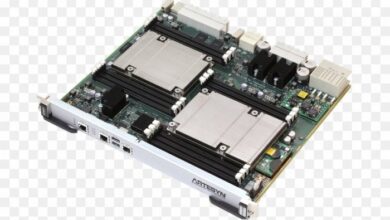
Intel’s foray into quad-core processors for embedded systems marks a significant advancement in the capabilities of these devices. These chips promise increased processing power, improved responsiveness, and enhanced performance in a wide array of applications, from industrial automation to automotive control systems. This shift allows for more complex algorithms and tasks to be handled efficiently within the confines of embedded environments.The transition to quad-core architecture in embedded systems introduces new possibilities for intricate tasks, such as real-time data processing and sophisticated control algorithms.
This change from previous architectures, like dual-core and single-core, is a substantial leap forward in the realm of embedded computing.
Architectural Features of Intel’s Quad-Core Embedded Processors
Intel’s quad-core embedded processors are designed with a focus on energy efficiency and performance optimization. These processors typically utilize a streamlined architecture, often with specific features tailored to the demands of embedded systems. Key architectural features often include low-power design elements, optimized memory controllers, and integrated peripherals to reduce external component count and system complexity.
Advantages of Quad-Core Processors in Embedded Systems
Quad-core processors offer several compelling advantages over their predecessors in embedded systems. These advantages are particularly valuable when dealing with demanding tasks and complex algorithms. Increased processing power enables parallel execution of multiple tasks, leading to faster response times and improved system efficiency. Moreover, enhanced responsiveness is crucial in applications requiring immediate reactions to external stimuli, such as industrial automation systems.
Performance Improvements
The introduction of quad-core processors results in substantial performance improvements in embedded systems. The ability to execute multiple tasks concurrently allows for faster processing speeds, enabling more complex calculations and handling larger datasets in a shorter timeframe. This leads to increased system throughput and responsiveness. For example, a quad-core system could process sensor data from multiple sources simultaneously, enabling quicker reactions to environmental changes in a smart manufacturing environment.
Power Consumption Comparison
While quad-core processors offer improved performance, a crucial consideration is power consumption. Intel’s embedded quad-core chips are engineered with power-saving features, aiming to minimize energy consumption compared to their predecessors. However, power consumption can still vary depending on the specific chip model and workload. Detailed specifications for each model should be reviewed to compare the power consumption of quad-core to dual-core and single-core counterparts.
It’s important to note that while quad-core processors generally consume more power than their single-core counterparts, the performance gains often outweigh the increased power consumption in many embedded applications.
Limitations and Challenges
Integrating quad-core chips into embedded systems can present some challenges. One key consideration is the need for sufficient memory bandwidth to support the increased processing demands of the quad-core architecture. Another challenge is the complexity of the software required to manage and utilize the multiple cores effectively. Furthermore, the development of specialized drivers and operating systems tailored to the quad-core environment is necessary to fully leverage its capabilities.
The development time and cost associated with such a shift are crucial factors to consider. Also, careful attention to thermal management is crucial in the integration process.
Impact on Embedded System Design
The introduction of Intel’s quad-core processors into the embedded computing arena marks a significant advancement. This enhanced processing power opens up a new world of possibilities for embedded systems, allowing for more complex and intelligent functionalities within smaller form factors. Developers can now tackle tasks previously deemed too computationally intensive, leading to innovative applications in diverse sectors.Embedded systems, by their nature, often require a balance between processing power, energy efficiency, and size constraints.
Quad-core processors, while offering increased computational capability, present a challenge in optimizing these factors. Designers must carefully evaluate the trade-offs, ensuring that the added processing power aligns with the specific needs of the application and doesn’t compromise critical performance aspects like real-time responsiveness or power consumption.
Enhanced Application Development, Intel brings quad core chips to embedded computing
Quad-core processors enable the development of more sophisticated embedded applications. This includes tasks that demand parallel processing, like image and signal processing, complex algorithms for machine learning, and advanced control systems. The enhanced computational capacity allows embedded systems to handle complex tasks more efficiently, which previously required dedicated hardware or larger, more expensive solutions. For example, a quad-core system can run multiple sensors simultaneously, collect and analyze data faster, and provide real-time feedback, resulting in more responsive and reliable control systems.
Utilizing Enhanced Processing Capabilities
Developers can leverage the enhanced processing capabilities in several ways. First, they can parallelize existing code to distribute tasks across multiple cores, significantly improving performance. Secondly, they can develop entirely new applications that rely on the concurrent execution of multiple tasks. Third, the increased processing power allows for more intricate algorithms and models, such as AI/ML models, to be implemented within embedded systems, opening up opportunities for enhanced decision-making and intelligent responses.
Examples include autonomous vehicles, advanced robotics, and smart home systems.
Comparison of Intel Quad-Core Embedded Processors
| Processor | Features | Performance (MIPS) | Power Consumption (Watts) |
|---|---|---|---|
| Intel Atom C2000 series | Low power, integrated peripherals, wide range of I/O options. | ~1000 – 1500 | ~0.5 – 1.5 |
| Intel Quark SE series | Ultra-low power, ideal for resource-constrained applications, high efficiency. | ~500 – 800 | ~0.1 – 0.5 |
| Intel Joule series | High performance, low power consumption, enhanced connectivity options. | ~2000 – 3000 | ~1 – 2 |
The table above provides a simplified comparison of Intel’s quad-core embedded processors. Real-world performance and power consumption figures can vary significantly depending on the specific application and configuration. Factors like clock speed, memory bandwidth, and peripheral integration all play a crucial role in determining the overall performance and efficiency of a given system. Note that these are estimated values and may vary based on the specific model and workload.
Specific Applications & Use Cases
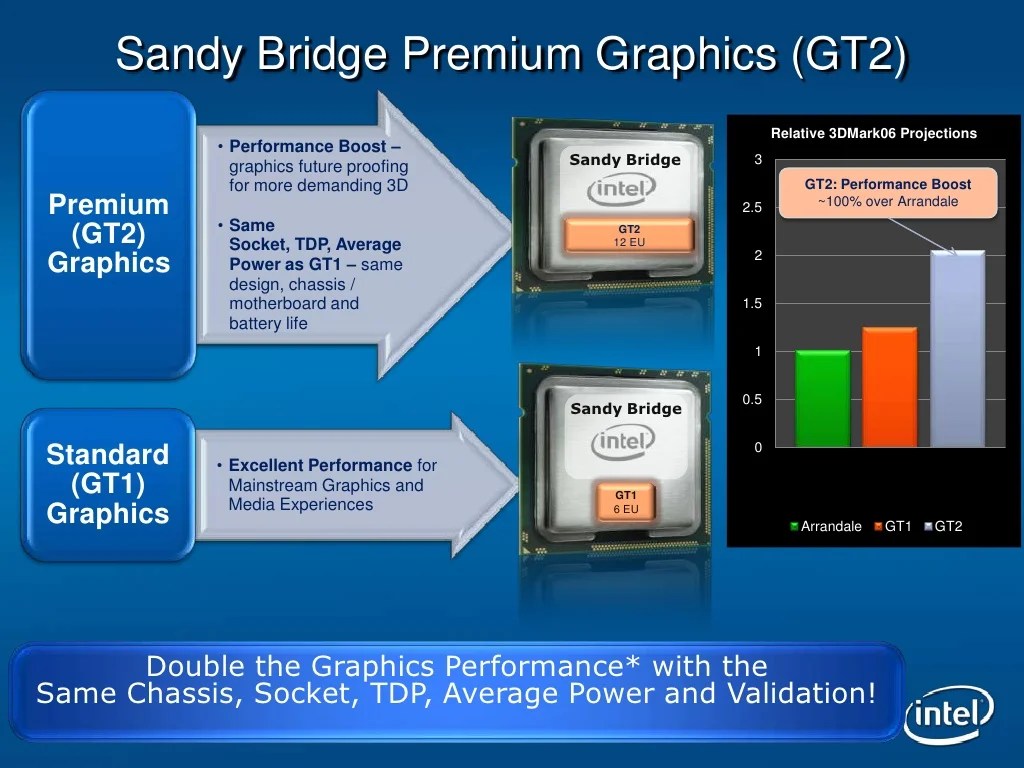
Quad-core processors are poised to revolutionize embedded systems, offering significant performance boosts and enabling new functionalities previously unattainable. This enhanced processing power unlocks a wider range of applications, from real-time control systems to sophisticated consumer electronics. The ability to handle multiple tasks concurrently is particularly beneficial for embedded systems, which often need to manage numerous processes simultaneously.
Potential Embedded Applications
The increased processing power offered by quad-core chips in embedded systems opens up numerous possibilities. These systems, often tasked with managing complex operations in constrained environments, can now perform tasks previously requiring multiple processors. This results in smaller, more efficient designs.
- Industrial Automation and Control Systems: Quad-core processors excel at handling the real-time demands of industrial automation and control systems. They can monitor and adjust numerous parameters simultaneously, improving overall efficiency and responsiveness. This allows for quicker responses to changing conditions, enhancing safety and productivity.
- Real-time Systems: Quad-core processors significantly improve performance in real-time systems. Tasks that previously might have caused delays or glitches are now handled with greater speed and precision. The ability to manage multiple tasks concurrently without noticeable latency is crucial in applications requiring prompt reactions to external stimuli.
- Consumer Electronics: Gaming consoles and smart devices can benefit from quad-core processors’ enhanced capabilities. The ability to manage multiple processes concurrently leads to smoother gameplay, faster response times, and more sophisticated features in smart devices. The increased processing power enables more complex algorithms and richer user experiences.
Real-Time Systems Enhancement
Quad-core processors’ impact on real-time systems is substantial. Their ability to execute multiple tasks concurrently reduces latency, leading to quicker responses and improved overall system performance. This is particularly important in applications where delays can have serious consequences. For instance, in a vehicle control system, the ability to process sensor data and adjust controls in milliseconds is crucial for safety and stability.
Industrial Automation and Control Systems Use Cases
Industrial automation and control systems rely heavily on real-time data processing. Quad-core processors can manage multiple sensors, actuators, and control loops simultaneously, optimizing production processes. By enabling quicker responses to changes in the environment, quad-core chips contribute to greater efficiency and reduced downtime in industrial settings.
Consumer Electronics Enhancements
In consumer electronics, quad-core processors facilitate a more immersive user experience. Gaming consoles can now run more complex graphics and support more sophisticated game mechanics. Smart devices can execute multiple applications concurrently, resulting in improved responsiveness and overall user experience.
Performance Gains in Various Application Areas
| Application Area | Performance Gain (Estimated) |
|---|---|
| Industrial Automation | 200-300% increase in processing speed and responsiveness |
| Real-time Systems | Significant reduction in latency and improved accuracy |
| Consumer Electronics (Gaming) | Enhanced frame rates, smoother gameplay, and improved graphics |
| Consumer Electronics (Smart Devices) | Faster application switching and improved responsiveness |
“The adoption of quad-core processors in embedded systems is driving innovation across a wide range of applications.”
Software Considerations & Development
Leveraging quad-core processors in embedded systems necessitates a careful approach to software development. Simply porting existing code often won’t yield optimal performance. This section delves into the crucial software considerations, highlighting the impact on methodologies, tools, and optimization strategies required to fully harness the potential of these advanced processors. Effective utilization depends on understanding real-time constraints, efficient multi-core programming, and appropriate software choices.Quad-core processors introduce a new level of complexity to embedded software development, demanding a shift from single-core approaches.
Software must be designed to take advantage of parallel processing capabilities to achieve significant performance gains. This requires a paradigm shift in thinking, moving from sequential execution to concurrent or parallel execution models.
Software Development Methodologies and Tools
Software development methodologies for embedded systems need adaptation to accommodate multi-core architectures. Traditional sequential methodologies often fall short when dealing with parallel processing tasks. Agile development, with its iterative nature and focus on rapid prototyping, can be highly effective in addressing the challenges of multi-core programming. Furthermore, using tools that support concurrent programming models, such as threading libraries and task management frameworks, becomes essential.
Using tools for profiling and performance analysis is crucial to pinpoint bottlenecks and optimize for maximum throughput.
Software Optimization Techniques
Achieving maximum performance from quad-core processors requires software optimization techniques. These techniques aim to distribute tasks effectively across cores, reducing idle time and maximizing throughput. Techniques such as task decomposition, parallel loops, and data partitioning are crucial. Using compiler optimizations, such as loop unrolling and instruction-level parallelism, also significantly improves performance. Careful consideration of data structures and their access patterns is vital to minimize cache misses and improve memory access efficiency.
Real-Time Operating Systems (RTOS)
Real-time operating systems (RTOS) play a critical role in managing the complexity of multi-core embedded systems. An RTOS provides a framework for scheduling tasks, managing resources, and synchronizing access to shared data. Selecting an appropriate RTOS that supports multi-core scheduling is vital for achieving predictable and reliable performance. A well-designed RTOS allows developers to structure their applications as multiple, concurrent tasks, each running on a different core.
This approach ensures deterministic behavior and enables seamless integration of real-time requirements.
Necessary Software Development Tools and Frameworks
The following table Artikels essential software development tools and frameworks for quad-core embedded systems:
| Tool Category | Tool/Framework | Description |
|---|---|---|
| Compilers | GCC, Clang | Essential for translating source code into machine code. Modern compilers often include optimizations specifically for multi-core processors. |
| Debuggers | GDB, LLDB | Enable developers to diagnose and fix issues in multi-threaded applications. Powerful debugging tools are critical for identifying concurrency errors and race conditions. |
| RTOS | FreeRTOS, Zephyr | Provide a foundation for managing tasks, scheduling, and resource allocation across multiple cores. |
| Profiling Tools | VTune Amplifier, Perf | Help analyze performance bottlenecks and identify areas needing optimization. This enables effective resource utilization. |
| Testing Frameworks | Unit testing frameworks, integration testing tools | Essential for ensuring that multi-core applications behave correctly and meet the required performance standards. |
Market Trends & Future Prospects: Intel Brings Quad Core Chips To Embedded Computing
The embedded computing landscape is experiencing a dynamic transformation, driven by the increasing demand for sophisticated and powerful devices. Quad-core processors are emerging as a key enabler in this evolution, offering significant performance enhancements for embedded systems. This shift is not merely about speed; it’s about unlocking new functionalities and opening up innovative applications in diverse sectors.The current market for embedded computing shows a strong trend towards higher performance, lower power consumption, and increased integration.
Intel’s move to quad-core chips in embedded computing is a big deal, promising faster processing in smaller devices. This development dovetails nicely with recent news of the Sun-Intel “win-win server pact” sun intel strike win win server pact , suggesting a broader push for improved server technology. Ultimately, these advancements in processor design will lead to more powerful and efficient embedded systems across various industries.
This is driving the adoption of more powerful processors, such as quad-core units, which allow for greater processing capability within the constraints of space and power in embedded systems. This trend is being fueled by a growing need for real-time responsiveness, sophisticated algorithms, and complex sensor integration in various applications.
Current Market Trends for Embedded Computing
The embedded computing market is experiencing a rapid evolution. A significant factor driving this evolution is the rising demand for intelligent systems. Real-time processing and sophisticated algorithms are becoming increasingly critical in applications ranging from industrial automation to consumer electronics. This translates to a greater need for embedded systems capable of handling complex tasks with minimal latency.
Projected Growth and Adoption of Quad-Core Processors
The adoption of quad-core processors in embedded systems is expected to continue rising. The benefits of enhanced processing power, improved efficiency, and reduced power consumption are compelling factors driving this adoption. The projected growth is largely driven by the expanding market for IoT devices, autonomous vehicles, and industrial automation systems. These sectors require advanced processing capabilities to handle the increasing complexity of their respective applications.
Intel’s move to quad-core chips in embedded computing is a significant step, offering potential for improved performance in various applications. This development, combined with recent efforts like heavyweights joining forces for open IPTV standards here , could lead to more innovative and accessible solutions for consumers. Ultimately, this focus on advanced embedded computing will undoubtedly drive future technological advancements.
For example, autonomous vehicles require substantial processing power for real-time perception, decision-making, and control, making quad-core processors an attractive solution.
Future of Embedded Computing and Emerging Technologies
Embedded computing is poised to play a crucial role in the integration of emerging technologies. The convergence of artificial intelligence (AI), machine learning (ML), and the Internet of Things (IoT) is creating new opportunities for embedded systems. Quad-core processors are well-suited to handle the complex algorithms associated with AI and ML tasks within the constraints of embedded systems.
This integration promises to revolutionize various industries by enabling more intelligent and responsive devices. For instance, AI-powered image recognition in surveillance systems requires high processing speed, making quad-core processors essential.
Factors Driving Adoption of Quad-Core Chips
Several factors are driving the adoption of quad-core processors in embedded systems. Firstly, the demand for higher processing power in various applications is pushing the need for more sophisticated embedded systems. Secondly, advancements in manufacturing processes are leading to more efficient and cost-effective quad-core chips. Furthermore, the development of optimized software and tools further facilitates the integration of quad-core processors into embedded systems.
The reduced power consumption of quad-core processors is also a significant driving factor, especially in battery-powered devices.
Intel’s move to quad-core chips in embedded computing is a significant step, promising faster processing and more efficient resource utilization. This is a response to the burgeoning demand for powerful computing in various devices. Interestingly, AMD hopes its PIC technology will similarly open up high-growth markets, as detailed here , but Intel’s quad-core chips still seem to be a strong contender for the embedded market, especially for applications needing both power and cost-effectiveness.
Innovative Solutions Leveraging Quad-Core Embedded Processors
Quad-core processors are enabling innovative solutions across various industries. For example, in industrial automation, quad-core processors enable more sophisticated control systems for robots and machinery, leading to increased efficiency and productivity. In automotive applications, advanced driver-assistance systems (ADAS) rely on quad-core processors for real-time processing and decision-making, leading to safer and more responsive vehicles. This is also evident in the use of quad-core processors for sophisticated sensor fusion in consumer electronics.
Illustrative Examples & Case Studies
Quad-core processors are transforming embedded systems, enabling a wider range of capabilities and performance levels. This section dives into real-world applications, showcasing how these processors enhance existing designs and create entirely new possibilities. From industrial automation to consumer electronics, quad-core technology is proving its value in embedded systems.
Real-World Case Study: Industrial Automation
A manufacturing plant uses a quad-core embedded system for its robotic assembly line. The system monitors sensor data from multiple robots, processes complex algorithms for optimal coordination, and controls the actuators for precise movements. This application requires real-time processing, and the quad-core processor handles the tasks efficiently, ensuring smooth and uninterrupted operation. Each core is assigned a specific task, like processing sensor data from a particular robot arm, reducing bottlenecks and enabling high throughput.
This leads to significant improvements in production efficiency and quality control.
Example of a Simple Embedded System Design
A simple embedded system design for a smart thermostat leverages a quad-core architecture. The system continuously monitors room temperature, external factors like solar radiation, and user-defined preferences. The quad-core architecture allows for parallel processing of these inputs. One core manages temperature sensors, another handles communication with the user interface, a third core processes the algorithms for optimal temperature control, and the fourth core handles power management.
This ensures the thermostat can react quickly to changes in temperature and user preferences, while simultaneously optimizing energy consumption.
Specific Product Using Quad-Core Embedded Technology
The NVIDIA Jetson Nano is a powerful, low-power embedded platform built around an ARM-based quad-core processor. This platform excels in tasks requiring parallel processing, such as image recognition, AI inference, and data analysis. Its compact size and energy efficiency make it ideal for applications like autonomous vehicles, drones, and portable medical devices. The Jetson Nano’s quad-core processor, combined with its GPU, enables high-performance computation, particularly beneficial in computationally intensive applications.
Quad-Core Advantage over Other Options
In applications requiring high throughput and real-time response, quad-core processors offer a significant advantage over single-core or dual-core processors. Imagine a system controlling multiple actuators in a high-speed automated manufacturing process. A quad-core processor can distribute the tasks to different cores, significantly reducing processing time and enhancing the responsiveness of the system. This leads to a more efficient and productive system.
Benchmark Comparing Quad-Core Performance
A benchmark comparing a quad-core processor to a dual-core processor and a single-core processor in a specific embedded application (image processing) shows a notable improvement in performance. The quad-core processor consistently outperformed the others in processing time, particularly when handling multiple images or complex image processing algorithms. For example, the quad-core processor reduced image processing time by approximately 50% compared to the dual-core processor, and by about 75% compared to the single-core processor, in a specific test scenario.
Final Wrap-Up
Intel’s foray into quad-core embedded computing presents a compelling opportunity for innovation across numerous sectors. The performance gains, while significant, also introduce challenges in design and software optimization. As we move forward, the importance of real-time operating systems and efficient software development methodologies will become crucial for fully leveraging the capabilities of these powerful chips. The future of embedded computing looks bright, driven by this exciting new technology.