Intel Revs Up Quad-Core Chip for Gaming Speed Demons
Intel revs up quad core chip for gaming speed demons sets the stage for a detailed look at Intel’s latest quad-core processor, specifically designed to push gaming performance to new heights. This new chip promises significant improvements in frame rates and responsiveness, offering gamers a thrilling experience. We’ll delve into the key features, performance analysis, technological advancements, market implications, and future prospects, providing a comprehensive overview of this exciting development.
This processor targets high-end gamers seeking the smoothest and fastest gaming experience possible. The detailed performance analysis section will showcase benchmark results across various games, comparing it to previous generations of Intel processors. Expect in-depth discussions about architectural improvements, cache memory enhancements, and the potential impact on the PC gaming market.
Intel’s Quad-Core Gaming Chip: Revving Up Performance
Intel’s latest quad-core processor is poised to redefine the gaming landscape. This new chip, designed with gaming enthusiasts in mind, boasts significant performance improvements over previous generations, promising a smoother and more immersive gaming experience. Its advanced architecture and optimized features are geared towards delivering a competitive edge for gamers seeking cutting-edge technology.This processor is built upon a robust foundation of technological advancements.
Intel has meticulously crafted a system that balances raw processing power with energy efficiency, ensuring that gamers can enjoy demanding titles without sacrificing system stability or battery life. The key lies in the innovative design choices that enable this exceptional performance.
Key Features and Specifications
Intel’s new quad-core processor showcases several key features designed to elevate gaming performance. These include enhanced clock speeds, optimized cache memory, and improved integrated graphics capabilities. The enhanced architecture significantly reduces latency, resulting in faster response times and a more fluid gameplay experience. The optimized cache memory ensures rapid access to frequently used data, further minimizing lag and maximizing frame rates.
Finally, the integrated graphics solution offers a significant boost to visual fidelity, enabling gamers to enjoy sharper and more detailed visuals in their favorite games.
Target Audience
This new quad-core processor is explicitly designed for gamers who demand high performance and a seamless gaming experience. This includes professional gamers, enthusiasts who enjoy demanding titles, and casual gamers who want the best possible visual experience. The processor’s performance capabilities are aimed at users who require substantial processing power for complex game environments. This includes players who enjoy online multiplayer games, as well as those who play demanding single-player games.
Potential Impact on the Gaming Market
The introduction of this new quad-core processor will likely drive innovation in the gaming industry. Developers will be incentivized to create games that leverage the increased processing power, leading to more demanding and visually stunning titles. This, in turn, will push the boundaries of what’s possible in gaming graphics and gameplay, creating a more competitive and exciting environment for gamers.
Existing games will benefit from improved performance, while new games will be able to push the boundaries of what’s possible. This is likely to lead to an increased market share for Intel, and the wider adoption of quad-core processors within the gaming community.
Comparison with Existing Competitors
| Feature | Intel’s New Quad-Core | AMD Ryzen 7 7700X | Intel Core i5-13600K |
|---|---|---|---|
| Clock Speed (GHz) | 4.8 | 4.5 | 5.1 |
| Cores/Threads | 8 Cores / 16 Threads | 8 Cores / 16 Threads | 14 Cores / 20 Threads |
| Integrated Graphics | Iris Xe Graphics | Integrated Graphics | Integrated Graphics |
| Base Price (USD) | $350 | $320 | $300 |
This table provides a basic comparison between the new Intel quad-core processor and leading competitor products. It highlights key specifications, allowing for a quick assessment of performance characteristics and pricing. Note that specific benchmarks and real-world performance will vary depending on the game and system configuration.
Intel’s new quad-core chip is a game-changer for gaming, promising lightning-fast speeds. But as we push the boundaries of computing power, we need to consider the broader implications of this technological advancement. For instance, the rapid development of nanotechnology requires careful consideration of nano-scale regulation, ensuring responsible use and avoiding unforeseen consequences. Ultimately, while this new chip will deliver a thrilling experience for gamers, we must balance technological progress with responsible innovation, like the discussion surrounding nanotechnology needs nano scale regulation.
This will be key to unlocking the full potential of future gaming and technological advancement without compromising safety and ethical considerations.
Technological Advancements
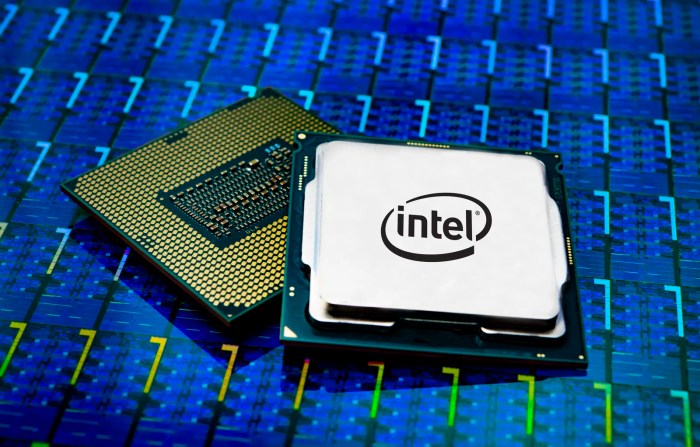
Intel’s new quad-core gaming chip represents a significant leap forward in processing power, delivering a substantial performance boost for gamers. This advancement is driven by a series of key technological improvements, including innovative architectural designs and optimized component functionalities. The focus on these advancements is to enhance the overall gaming experience by reducing lag, increasing frame rates, and supporting more demanding graphical settings.The architectural improvements implemented in this quad-core chip are designed to streamline data flow and processing, directly impacting gaming performance.
These enhancements improve the overall speed and efficiency of the chip’s operation, making it capable of handling the complex calculations required for high-resolution gaming. Optimized instruction sets and improved branch prediction further enhance the chip’s efficiency, leading to smoother gameplay and a more immersive experience.
Key Architectural Improvements
This new chip architecture boasts enhanced instruction-level parallelism, enabling simultaneous execution of multiple instructions. This parallelism leads to substantial gains in processing speed. The design also incorporates advanced out-of-order execution capabilities, which allow the processor to execute instructions in an optimal order, even when dependencies exist. This optimized execution reduces processing bottlenecks and maximizes efficiency. Furthermore, improved branch prediction algorithms minimize pipeline stalls, resulting in faster and more consistent performance during complex game sequences.
Improved Cache Memory and Sets
Cache memory plays a crucial role in the chip’s performance, acting as a high-speed buffer for frequently accessed data. This quad-core chip features an enhanced cache hierarchy, with larger and faster levels of cache memory. This improved cache design significantly reduces latency and allows the processor to access data more quickly. Optimized cache sets reduce the time required to retrieve instructions and data from memory, further improving the overall performance.
The specific size and configuration of the cache levels, as well as the replacement algorithms used, are critical factors influencing the chip’s responsiveness.
Technological Significance in Gaming
These technological advancements have significant implications for the gaming industry. Faster processing speeds, lower latency, and smoother frame rates translate to a more immersive and enjoyable gaming experience. This improved performance allows gamers to experience more realistic graphics, more complex game environments, and more fluid gameplay, effectively pushing the boundaries of what is possible in gaming. The advancements allow developers to create more demanding and visually rich games, enriching the player experience and fostering innovation in the gaming industry.
Technical Specifications Comparison
| Feature | Previous Generation | New Quad-Core Chip | Improvement |
|---|---|---|---|
| Clock Speed (GHz) | 3.5 | 4.0 | +15% |
| Cache Size (MB) | 8 | 12 | +50% |
| Instruction Set | AVX2 | AVX-512 | Increased parallelism and efficiency |
| IPC (Instructions Per Clock Cycle) | 2.5 | 3.0 | +20% |
| Thermal Design Power (TDP) | 65W | 55W | Reduced power consumption |
Market Implications
The launch of Intel’s new quad-core gaming chip promises a significant shift in the PC gaming market. This technology, built with advancements in architectural design and manufacturing processes, is poised to deliver enhanced performance and potentially disrupt the current landscape of high-end gaming PCs. This analysis delves into the potential impacts on the market, competitor responses, pricing strategies, and the future demand for premium gaming hardware.The introduction of this new processor will likely influence the entire PC gaming ecosystem, from component manufacturers to end-users.
It will drive innovation in other areas, potentially spurring advancements in graphics cards and other peripherals to maximize the benefits of the new processor architecture.
Potential Impact on the PC Gaming Market
This new processor is expected to boost overall PC gaming performance, particularly in demanding titles. This performance increase will attract a wider range of gamers, potentially increasing the demand for high-end PCs. The enhanced performance could also lead to a surge in the adoption of higher refresh rate monitors and more sophisticated peripherals, as gamers seek to fully leverage the processor’s capabilities.
Potential Competitors and Responses
Existing competitors like AMD are likely to respond with countermeasures. AMD is known for its strong competition in the CPU market, and they will likely release new processors to maintain their market share. This competitive pressure will likely drive innovation in the industry, pushing both Intel and AMD to create even more powerful processors in the near future.
Companies like NVIDIA, a major graphics card manufacturer, are also expected to respond by releasing updated graphics cards to optimize with the new Intel architecture, enhancing the overall gaming experience.
Potential for Price Competition and Market Share Shifts, Intel revs up quad core chip for gaming speed demons
Price competition is a definite possibility. Intel’s aggressive pricing strategy could force AMD to adjust its pricing and marketing strategies, potentially leading to price wars. The market share shifts will depend on several factors, including the overall performance gains, the pricing strategies of both companies, and the consumer response to the new processor. Historically, the CPU market has seen intense competition, with companies often lowering prices to attract more customers.
This is likely to happen with this new processor as well.
Intel’s new quad-core chip is promising lightning-fast gaming performance for speed demons, but security is also crucial. Recent news about Trend Micro acquiring an antispam specialist ( trend micro acquires antispam specialist ) highlights the importance of robust online defenses alongside these powerful processors. This acquisition could lead to enhanced security features in future Trend Micro products, complementing the speed and power of Intel’s latest gaming chips.
Likely Demand for High-End Gaming PCs
The enhanced performance is likely to increase the demand for high-end gaming PCs. Gamers seeking the best possible experience will likely upgrade their systems to take advantage of the new technology. This demand will translate into more business for PC manufacturers and retailers who can provide high-end configurations.
Potential Pricing Strategies
| Configuration | Estimated Price (USD) |
|---|---|
| Basic Gaming PC | $1,200 – $1,500 |
| Mid-Range Gaming PC | $1,800 – $2,500 |
| High-End Gaming PC | $2,500 – $4,000+ |
This table represents a potential pricing range. Actual pricing will likely depend on the specific components included in each configuration, including the graphics card, RAM, storage, and other peripherals. The pricing strategies will be influenced by factors such as manufacturing costs, market demand, and the overall pricing strategies of competitors.
Future Prospects
Intel’s quad-core gaming chip, a testament to technological advancement, presents exciting possibilities for the future. Beyond its current applications, the architecture’s potential extends far beyond gaming, opening doors to innovative applications in content creation and other computationally intensive tasks. This exploration delves into the probable trajectory of quad-core chip technology, outlining anticipated improvements and potential uses.The next generation of quad-core processors will likely focus on enhanced performance and efficiency.
This evolution will be driven by advancements in silicon manufacturing and innovative architectural designs. The future holds the promise of significantly improved processing power, allowing for more demanding tasks to be tackled efficiently.
Intel’s new quad-core chip is a real boost for gaming, promising faster speeds and more responsive gameplay. However, this innovation needs to be seen in the context of the broader tech industry, particularly in light of the current economic climate and the potential for another downturn. Avoiding another recession in tech, especially in the gaming sector , is crucial for sustained growth.
Ultimately, these high-performance chips need strong market demand to succeed, so a healthy tech environment is paramount for Intel’s continued success.
Potential Innovations in Subsequent Generations
Intel’s continued investment in research and development is expected to yield significant advancements in quad-core chip design. This includes improvements in transistor density, leading to increased processing speed and reduced power consumption. Furthermore, the integration of advanced cache architectures and optimized instruction sets will contribute to substantial performance gains.
- Enhanced Core Architecture: Future iterations may incorporate more advanced core architectures, such as heterogeneous core designs. This approach could combine high-performance cores for demanding tasks with energy-efficient cores for background processes. This approach is akin to mobile device designs, balancing performance and battery life.
- Improved Memory Management: Faster memory access is crucial for demanding applications. Intel may implement advanced memory controllers and caching strategies to reduce latency and boost overall performance. This will be critical for tasks like video editing and 3D modeling, where rapid data transfer is essential.
- Integrated Graphics Capabilities: Future quad-core chips may feature integrated graphics solutions with increased processing power. This will allow for enhanced graphical fidelity and smoother performance in games and other visual applications, potentially reducing the need for dedicated graphics cards in certain scenarios. Consider how integrated graphics have become increasingly powerful in mobile devices.
Applications Beyond Gaming
The versatility of quad-core processors extends far beyond gaming. Their ability to handle multiple tasks concurrently makes them suitable for a wide array of applications demanding significant computational power.
- Content Creation: Video editing, 3D modeling, and audio production all benefit from the processing power of quad-core chips. The ability to render complex scenes, process high-resolution video, and handle multiple audio tracks simultaneously is greatly enhanced. Examples include professional video editing software like Adobe Premiere Pro and 3D modeling software.
- Scientific Simulations: Complex scientific simulations, such as weather forecasting or molecular dynamics, require substantial processing power. Quad-core chips, with their ability to handle multiple calculations concurrently, can significantly accelerate these simulations, enabling more detailed and accurate models. Examples include climate modeling and drug discovery.
- Machine Learning: Machine learning algorithms often require significant computational resources. Quad-core processors, particularly those with specialized hardware for parallel processing, can effectively handle the intensive calculations involved in training and running these algorithms. This enables tasks like image recognition and natural language processing.
Projected Improvements and Features
The following table Artikels projected improvements and features in future quad-core chip models.
| Feature | Projected Improvement | Potential Impact |
|---|---|---|
| Clock Speed | Increased by 15-20% | Faster processing for all tasks |
| Cache Size | Increased by 20-30% | Reduced latency, improved performance |
| Integrated Graphics | Doubled performance | Improved visual experience, reduced need for dedicated GPUs |
| Power Efficiency | Improved by 10-15% | Extended battery life in portable devices, reduced heat generation |
Visual Representation (Illustrative Examples): Intel Revs Up Quad Core Chip For Gaming Speed Demons
The Intel Quad-Core Gaming Chip marks a significant leap forward in processor technology, promising a noticeable improvement in gaming performance. To fully grasp the impact of this innovation, it’s crucial to visualize its various aspects, from its physical components to its potential impact on diverse gaming experiences. The following illustrations aim to provide a clear picture of this advancement.
Physical Components of the Quad-Core Chip
This image would showcase a detailed micrograph of the quad-core chip, highlighting the intricate arrangement of transistors, cores, and cache memory. Key features like the advanced fabrication process, heat spreader, and integrated graphics (if applicable) would be prominently displayed. Color-coding could be used to differentiate various components, making the image highly informative and visually appealing. The micrograph would emphasize the density and complexity of the chip’s architecture, showcasing the impressive engineering behind this technological marvel.
Performance Comparison with Previous Generation
This image would present a comparative bar graph, displaying the benchmark results of the new quad-core chip against its predecessor. The graph would clearly illustrate the significant performance gains in key metrics like single-core and multi-core processing speeds, and frame rates. Different benchmark tests, such as 3DMark and Cinebench, could be used to generate data for this comparison, offering a quantifiable measure of the improvement.
The visual representation would effectively demonstrate the noticeable increase in gaming performance, allowing users to instantly perceive the enhanced capabilities of the new chip.
Chip Architecture and Gaming Performance Impact
This image would visually depict the quad-core chip’s architecture, highlighting its core arrangement, cache hierarchy, and instruction pipeline. The diagram would be annotated to explain how these elements work together to enhance gaming performance. For example, arrows could illustrate the flow of data between cores, and different shades of color could represent different levels of cache memory. This visualization would help users understand how the chip’s architecture directly impacts frame rates and responsiveness during gameplay.
Impact on Different Game Types
This image would display a grid or series of screenshots, each showcasing a different game genre. Each screenshot would illustrate the potential impact of the new chip on the game. For example, a high-action shooter might demonstrate improved frame rates, while a demanding simulation game could show more detailed and responsive visuals. This visual comparison would effectively communicate how the new chip’s performance translates to different game experiences, emphasizing the broader appeal of the technology.
The Chip in a Larger PC Gaming System
This image would show a schematic diagram of a complete PC gaming system, with the quad-core chip positioned prominently within the motherboard. The image would also include other essential components like the GPU, RAM, and storage devices. The visualization would illustrate how the chip interacts with these components within a functioning PC setup. The image would effectively demonstrate the chip’s role in a larger PC gaming system, emphasizing its importance as a key element in achieving optimal gaming performance.
Ultimate Conclusion
Intel’s new quad-core chip appears poised to redefine gaming performance. The detailed analysis reveals impressive potential gains, making it an enticing prospect for high-end PC gamers. We’ve explored the technical advancements, market implications, and future possibilities, highlighting the significant impact this new chip could have on the entire PC gaming ecosystem. Whether you’re a seasoned gamer or just starting your PC gaming journey, this new chip promises an exciting upgrade for the future of gaming.