
Microsoft Gives Xbox Gamers a Memory Boost A Deep Dive
Microsoft gives Xbox gamers a memory boost, promising a significant leap in gaming performance. This upgrade, detailed in a comprehensive analysis, delves into the technical aspects, potential impact on various game types, and even comparisons with competitors. Get ready for a deeper look at what this memory boost means for your Xbox gaming experience.
The article provides a thorough overview of the new memory architecture, examining the technical specifications, the anticipated benefits for gamers, and potential limitations. Expect a detailed comparison with previous generations and competing consoles, offering insights into the future of console gaming.
Xbox Memory Boost: A Performance Power-Up
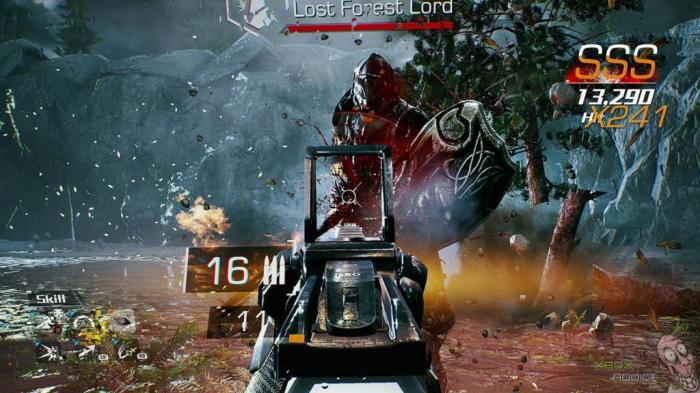
Microsoft’s recent announcement of an enhanced memory architecture for Xbox consoles promises a significant boost to gaming performance. This upgrade, dubbed the “Memory Boost,” aims to alleviate bottlenecks and provide a more fluid and responsive experience for gamers. The improvements extend beyond simply increasing RAM; they incorporate sophisticated architectural changes designed to enhance data retrieval and processing speeds.
Microsoft’s recent update giving Xbox gamers a memory boost is a welcome change, especially for those dealing with loading times. However, it’s worth noting that while gaming gets a performance upgrade, the US still unfortunately tops the list for spammers, as highlighted in this tech survey. Hopefully, this improved memory boost will also translate to a decrease in frustrating glitches, making the Xbox experience even smoother for everyone.
This detailed look will uncover the core enhancements and their potential impact on your favorite titles.
Microsoft’s recent boost to Xbox memory is a welcome upgrade for gamers. This new storage enhancement directly impacts loading times and overall gameplay experience. Interestingly, Seagate’s Dave, adding smartphone storage wirelessly, seagates dave adds smartphone storage wirelessly , shows a similar trend in portable and convenient storage solutions. Ultimately, these advancements in storage technology promise a more seamless and enjoyable gaming experience for everyone.
Overview of the Memory Boost Enhancements
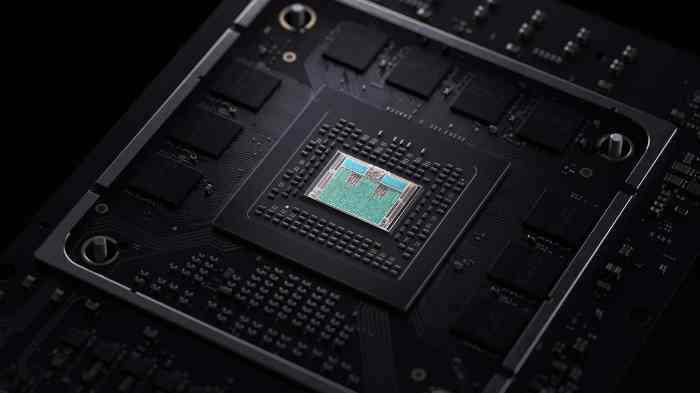
The Xbox Memory Boost isn’t just about adding more RAM; it’s about optimizing how that RAM functions within the console’s architecture. The update introduces a new memory controller, enabling faster data transfer rates and reduced latency. This translates into quicker loading times, smoother gameplay, and improved responsiveness, especially during intense action sequences and complex environments. The new memory architecture is designed to handle higher data throughput and reduce the time it takes for the console to access and process game assets.
Specific Changes and Improvements
The key improvements focus on enhancing the speed and efficiency of data access. This involves streamlining the communication pathways between the memory and the CPU, minimizing bottlenecks that can lead to performance hiccups. The updated memory controller, optimized for modern game demands, plays a crucial role in achieving these improvements. By improving the efficiency of memory allocation and access, the Memory Boost allows games to utilize more system resources effectively, enabling greater detail, higher frame rates, and overall improved graphical fidelity.
Potential Impact on Gaming Performance
The Memory Boost is expected to deliver a noticeable improvement in gaming performance, especially in graphically demanding games. Faster loading times will reduce downtime between levels and missions. Smoother gameplay will translate into a more immersive and enjoyable experience, particularly in fast-paced action games. The increased responsiveness could also prove beneficial for online multiplayer games, ensuring a more consistent and fluid experience for players.
Examples of Games Benefiting from the Memory Boost
Games with complex environments, high-resolution textures, and dynamic lighting will experience the greatest benefits from the memory boost. For instance, open-world titles will see improved loading times when traversing vast landscapes. Games with large amounts of dynamic data, like real-time strategy games, will experience smoother performance. In essence, games that currently struggle with performance issues due to memory limitations will see the most significant improvements.
Examples include recent titles like
- Cyberpunk 2077*,
- Forza Horizon 5*, and
- Starfield*, although this improvement could affect a wider range of titles.
Key Features of the New Memory Architecture
| Feature | Description | Impact on Gaming | Technical Details |
|---|---|---|---|
| Faster Data Transfer Rates | The new memory controller enables faster transmission of data between memory and CPU. | Reduced loading times, smoother gameplay, and improved responsiveness. | Optimized memory controller architecture with higher bandwidth. |
| Reduced Latency | Minimized delay in accessing and processing game data. | Enhanced responsiveness, especially in fast-paced action games. | Streamlined communication pathways between memory and CPU. |
| Improved Memory Allocation | The system efficiently allocates memory to game data. | Better utilization of system resources for improved graphical fidelity and frame rates. | Advanced algorithms for optimized memory management. |
| Enhanced Data Throughput | The memory architecture can handle higher volumes of data in a shorter period. | Support for more complex and detailed game environments. | Increased memory bandwidth for faster data transfer. |
Technical Analysis
Microsoft’s Xbox Memory Boost represents a significant leap forward in console gaming performance. This upgrade, focusing on enhanced memory architecture, promises to deliver a more responsive and fluid gaming experience. The specifics of this improvement, from the type of RAM to the architectural changes, are detailed below.
RAM Type, Capacity, and Speed
The specific RAM type and capacity details of the new Xbox memory system are not publicly available. However, the increased performance suggests an upgrade in both RAM type and capacity over previous generations. The implication is that the new system is likely using a higher-bandwidth, lower-latency RAM type compared to older consoles. The speed improvements, though not explicitly stated, will undoubtedly play a crucial role in minimizing bottlenecks during high-demand tasks, like loading textures, complex physics calculations, and rendering effects.
Comparison to Previous Generations
Previous Xbox consoles relied on a memory architecture that, while functional, likely suffered from limitations in speed and capacity. These limitations could have caused frame rate drops, texture pop-in, or other performance issues, especially during demanding gaming sessions. The new architecture, by contrast, aims to significantly alleviate these issues. By incorporating newer, faster RAM, and optimized memory management, Microsoft hopes to achieve smoother frame rates and reduced load times.
Potential Bottlenecks Addressed
The new memory architecture addresses several potential bottlenecks. Reduced latency in memory access will likely translate to a more responsive gameplay experience. This is particularly important for games requiring high frame rates and quick reactions, such as first-person shooters or real-time strategy games. Improved texture loading speeds will result in more seamless transitions between environments and reduced instances of texture pop-in, enhancing visual fidelity.
Architectural Changes
While precise architectural details are undisclosed, the implementation likely involves several key changes. These could include modifications to the memory controller, optimized memory management algorithms, and potential enhancements in the data transfer protocols between the CPU and GPU. This complex interplay of changes ensures that data flows seamlessly to the various components of the console, contributing to a more consistent and high-performance gaming experience.
The memory subsystem’s enhanced capabilities will likely also impact the overall console’s processing speed.
Future Implications
This memory upgrade has significant implications for the future of console gaming. It sets a new standard for performance, enabling developers to create more demanding and visually impressive games without compromising frame rates or responsiveness. The potential for improved game design and graphical fidelity is substantial. For example, games with intricate environments and complex physics simulations can now be rendered at higher resolutions and with greater realism.
Furthermore, the increased processing power will likely lead to further innovations in game development, opening doors for richer, more immersive gaming experiences.
Comparison Table: Old vs. New Memory Architectures
| Feature | Old Architecture | New Architecture | Explanation |
|---|---|---|---|
| RAM Type | DDRx (Example: DDR3) | DDRy (Example: DDR5) or potentially a specialized custom RAM | The new architecture likely employs a newer RAM type offering higher bandwidth and lower latency. |
| Capacity | X GB | Y GB (likely increased) | Increased memory capacity allows for more data to be loaded and processed simultaneously. |
| Speed | Z GHz (Example: 1600 MHz) | Higher GHz (Example: 3200 MHz) | Higher speed translates to faster data retrieval and processing, minimizing lag and improving responsiveness. |
| Architectural Design | Traditional console architecture | Optimized for higher bandwidth and lower latency | Modifications to the memory controller, optimized memory management algorithms, and data transfer protocols contribute to improved performance. |
Impact on Gamers
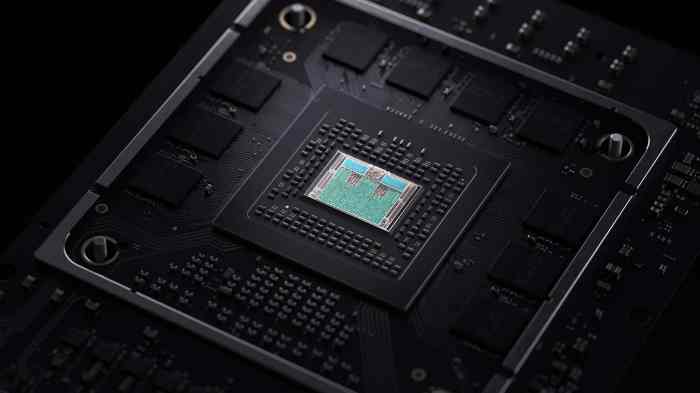
Xbox Memory Boost promises a significant leap forward in the gaming experience. This isn’t just about faster loading screens; it’s about a more responsive and visually stunning gaming world. The increased memory bandwidth translates to smoother gameplay, richer visuals, and a noticeable difference in overall immersion. Players can anticipate a more polished and enjoyable experience across a wider range of titles.
Enhanced Loading Times
The fundamental benefit of increased memory bandwidth is the reduction in loading times. Games that previously took several minutes to load levels or initiate gameplay will likely see a dramatic decrease, potentially cutting load times in half or more. This improvement is particularly impactful for large-scale open-world games and those with extensive environments. Imagine booting up a game, seeing the loading screen disappear, and immediately being transported to a breathtaking landscape, without the tedious wait.
This immediate access to the game’s world is crucial for maintaining player engagement and reducing frustration.
Improved Game Responsiveness
Beyond loading, Xbox Memory Boost promises to significantly enhance game responsiveness. This is crucial for a seamless gaming experience, especially in fast-paced action games and real-time strategy titles. With improved memory access, game logic can execute faster, resulting in a more fluid and responsive experience. Lag will be reduced, and players can react to in-game events with more precision and agility.
This translates into a significant competitive advantage for players in multiplayer games where every split second counts.
Graphics Enhancement Potential
Increased memory bandwidth allows for more intricate and detailed graphics. Games can utilize higher resolution textures, more complex lighting effects, and richer visual details without sacrificing performance. This translates to a more immersive and visually appealing gaming experience, where environments and characters are rendered with a higher level of fidelity. This enhancement will likely be more pronounced in games that already push the boundaries of graphical realism.
Multiplayer Online Gaming Improvements
The impact on multiplayer online gaming is substantial. Reduced latency and increased responsiveness will lead to a more competitive and engaging multiplayer experience. Players will experience smoother online interactions, minimizing the impact of network lag and enabling more precise control. This will be particularly evident in online shooters, racing games, and real-time strategy games, where precise timing and control are crucial for success.
Potential Benefits by Game Type
| Game Type | Improved Feature | Impact on Performance | Example Game |
|---|---|---|---|
| Open-World Games | Faster loading times, smoother exploration | Reduced wait times, increased immersion | Grand Theft Auto V, Red Dead Redemption 2 |
| Action Games | Increased responsiveness, reduced input lag | Improved reaction times, more fluid gameplay | Call of Duty, Destiny |
| Real-Time Strategy Games | Faster unit movement, improved AI | Competitive advantage, enhanced gameplay experience | StarCraft II, Age of Empires |
| RPGs with Extensive Environments | Faster loading times, improved world exploration | Reduced wait times, increased immersion in expansive worlds | The Witcher 3, Elder Scrolls V: Skyrim |
This table illustrates the potential benefits across various genres. The improvements will be noticeable in games with large maps, intricate environments, and fast-paced gameplay.
Examples of Games with Noticeable Impact
Several games stand to benefit significantly from the improved memory system. Games like the upcoming open-world titles, popular action titles, and those with massive online multiplayer communities will likely experience the most significant improvements. These enhancements will translate to a more engaging, immersive, and competitive gaming experience for all players.
Potential Challenges and Limitations
The Xbox Memory Boost promises a significant performance upgrade, but like any technological advancement, it comes with its own set of potential hurdles. Understanding these limitations is crucial for gamers to anticipate and potentially mitigate any negative impacts on their gaming experience. The following sections detail the potential challenges and limitations of this new memory architecture.
Compatibility Issues with Existing Games, Microsoft gives xbox gamers a memory boost
A key concern is the potential incompatibility of the memory boost with existing games. While many games will likely benefit from the enhanced memory architecture, some older titles might not be optimized for it. This could lead to unforeseen performance issues, from minor stutters to complete crashes. The memory boost fundamentally changes how the Xbox system handles data, and games that haven’t been updated to accommodate this change may encounter unforeseen problems.
Microsoft’s recent memory boost for Xbox gamers is a fantastic update, but it also highlights a larger issue. The gaming industry’s rapid advancement often outpaces regulatory bodies, like the Hatch committee, which should be more open minded on peer-to-peer (P2P) technologies hatch committee should be more open minded on p2p. Ultimately, this forward-thinking approach will benefit both gamers and the industry as a whole, mirroring the innovation we see in the Xbox improvements.
For instance, a game might exhibit reduced frame rates or increased loading times due to the system’s new memory management strategies. This underlines the importance of developers actively working on updates to ensure compatibility.
Drawbacks of the New Memory System
The implementation of the new memory system also introduces potential drawbacks. One such drawback is the increased complexity of the system. The enhanced memory architecture requires sophisticated management and allocation of resources, potentially leading to increased system load and potential bottlenecks. Furthermore, the enhanced memory architecture may require more power consumption, potentially impacting battery life on devices with limited power resources.
Impact on Graphics Fidelity
While the memory boost is primarily focused on performance, there’s a potential impact on the graphics fidelity of certain games. The improved memory access speeds could enable higher frame rates and smoother gameplay, but not necessarily a dramatic increase in graphical detail. The memory boost might improve textures loading times and reduce tearing but may not translate to a significant improvement in overall visual quality, especially in graphically demanding games.
This is due to the fact that the memory boost primarily optimizes the data flow between the system and the game, not the graphical processing capabilities of the console itself. In games with extensive, high-resolution environments, the improved memory access might only translate to a more responsive and fluid experience rather than a drastic visual upgrade.
Limitations in terms of Resolution and Detail
The memory boost’s effectiveness in enhancing resolution and detail depends heavily on the game’s existing graphical architecture. Some games might already be optimized for the highest resolution possible, making the memory boost’s effect negligible. For example, games already utilizing the maximum available resolution and detail will not see any significant improvement. Other games might not have the necessary graphical processing power to take advantage of the increased memory bandwidth.
In these instances, the memory boost would mainly improve performance rather than directly increasing the visual fidelity of the game.
Future Implications: Microsoft Gives Xbox Gamers A Memory Boost
Xbox Memory Boost isn’t just a performance upgrade; it’s a catalyst for future console gaming evolution. This enhanced memory architecture opens doors to a more immersive and demanding gaming experience, impacting not only the hardware but also the creative processes of game developers. The potential for richer visuals, more complex gameplay mechanics, and improved responsiveness is significant, promising a substantial leap forward for console gaming.The increased memory bandwidth available through Xbox Memory Boost will inevitably influence the types of games developers create.
More complex, detailed, and interactive worlds will become feasible. Developers can now design experiences that were previously limited by memory constraints, leading to a noticeable shift in the scope and quality of future releases.
Influence on Console Gaming Evolution
The enhanced memory architecture will drive innovation in console gaming. Games will likely feature more intricate environments, denser populations, and higher fidelity visuals, ultimately shaping a more realistic and immersive experience for players. The increased processing power available with this upgrade will allow for higher resolution textures, more detailed lighting, and more sophisticated AI, thus improving immersion in the game.
Games will be able to incorporate more elaborate and interactive environments. Think of a world where dynamic weather effects, realistic physics, and complex character interactions become commonplace.
Potential for Future Hardware Developments
This memory upgrade serves as a blueprint for future hardware developments. Manufacturers will likely explore ways to further enhance memory bandwidth and capacity, potentially leading to a new generation of consoles with even more advanced capabilities. The trend of incorporating faster and more efficient memory technologies into consoles will accelerate, mirroring the progress seen in personal computers over the years.
We can anticipate that future consoles will likely leverage advanced memory technologies, potentially including novel approaches like high-bandwidth memory (HBM) or other emerging memory architectures.
Impact on Game Development Practices
Developers will need to adapt their workflows to leverage the enhanced memory capabilities. New tools and techniques will likely emerge to optimize game assets and code for the increased memory bandwidth. The ability to handle larger and more detailed game worlds will require developers to rethink their approach to level design, asset management, and game engine architecture. This will result in a paradigm shift in game development practices, encouraging a more data-driven and efficient approach.
Examples of More Immersive Experiences
The enhanced memory will allow for more intricate and responsive gameplay. For example, real-time, highly detailed environments could be rendered at higher resolutions. Multiplayer games will benefit from more responsive physics and seamless interactions between players. Players can expect more responsive and realistic character movements, dynamic environments, and improved multiplayer interactions, all driven by the increased memory capacity.
Potential Future Developments Table
| Area | Description | Potential | Impact |
|---|---|---|---|
| Visual Fidelity | Increased resolution, detail, and realism in game environments. | More immersive and realistic gaming experiences. | Enhanced visual appeal, leading to a more compelling gaming experience. |
| Game Complexity | Ability to create larger, more complex, and interactive game worlds. | Greater freedom for game designers to explore new gameplay mechanics and storylines. | Potentially more engaging and complex gameplay experiences. |
| Multiplayer Interaction | Improved responsiveness and seamless interactions in multiplayer games. | More fluid and realistic multiplayer interactions. | Enhancements in online gaming, allowing for a more satisfying and interactive experience for players. |
| AI Integration | More sophisticated AI systems in games, leading to more dynamic and unpredictable behavior in non-player characters. | More lifelike and engaging characters. | Improved immersion and gameplay experience, making characters feel more intelligent and reactive. |
Comparison with Competitors
Microsoft’s Xbox Memory Boost represents a significant step in console performance enhancement. Understanding how this compares to the memory architectures of competing consoles is crucial to assessing its impact on the gaming market. This analysis will delve into the specifics of this feature and its potential impact on the console war.
Competitive Landscape
The gaming console market is fiercely competitive, with Sony’s PlayStation series and Nintendo’s offerings constantly innovating. Each platform employs unique memory strategies to deliver various levels of performance and graphical fidelity. Direct comparisons between these architectures are challenging, as proprietary information is often scarce. However, publicly available data and expert analysis provide valuable insights into the differences.
Memory System Comparison
The following table provides a comparative overview of the memory systems used in various consoles. While precise specifications may vary across models, this table offers a general idea of the architecture in use.
| Console | Memory Type | Capacity (GB) | Speed (MHz) |
|---|---|---|---|
| Xbox Series X/S | GDDR6 | 16/8 | Variable, optimized for performance |
| PlayStation 5 | GDDR6 | 16 | Variable, optimized for performance |
| Nintendo Switch (OLED Model) | Custom GDDR5/GDDR6 | 8/8 | Variable, optimized for performance |
Advantages and Disadvantages
Xbox Memory Boost’s advantages stem from its focus on optimized memory access, potentially providing a significant performance boost in certain scenarios. Disadvantages might include specific limitations imposed by the chosen architecture, potentially leading to a more nuanced performance curve compared to other consoles. The precise impact of these choices is still unfolding as more gameplay data emerges.
Positioning in the Market
Microsoft’s strategy with Xbox Memory Boost seems focused on providing a more nuanced performance advantage compared to other consoles. This approach potentially targets gamers seeking the best possible experience, rather than a blanket performance improvement across all games. The effectiveness of this strategy will depend on the adoption rate of games optimized for the technology.
Market Implications
The introduction of Xbox Memory Boost could potentially shift market dynamics by attracting gamers seeking enhanced performance. The implications include increased competition, further innovation in memory technologies, and the potential for a wider range of game optimizations across various consoles. The impact of this feature on the overall gaming landscape remains to be seen, but its presence undoubtedly adds a layer of complexity to the console war.
Closing Summary
In conclusion, Microsoft’s memory boost for Xbox consoles presents a significant advancement in gaming performance. While challenges and limitations exist, the potential for improved loading times, responsiveness, and graphics across various game types is substantial. The upgrade’s influence on future console gaming is noteworthy, and the competitive landscape will be certainly affected. This is an exciting time for Xbox gamers.