
New External Hard Drives Simplify Storage Syncing
New external hard drives seek to simplify storage syncing, offering a fresh approach to managing data across multiple devices. These drives are designed with features that streamline the process of backing up and synchronizing files between computers, laptops, and other devices. From USB to Thunderbolt and NVMe connections, various options cater to diverse needs and preferences. The overall goal is to make data transfer and synchronization smoother and more efficient than ever before.
The traditional methods of syncing data, such as cloud storage and dedicated software, often present challenges in terms of speed, security, and user experience. This new generation of external hard drives aims to address these limitations with built-in cloud integration and intuitive interfaces. We’ll delve into the specific features, technical specifications, and security measures employed by these drives, ultimately examining how they revolutionize the storage synchronization process.
Introduction to External Hard Drives: New External Hard Drives Seek To Simplify Storage Syncing
External hard drives are crucial components in modern data storage, providing a portable and readily accessible way to expand the capacity of personal computers and other devices. They act as secondary storage, supplementing the primary storage found in computers, smartphones, and tablets. This allows users to save large files, backups, and other important data, ensuring it’s readily available even if the primary storage device fails.These drives offer diverse interfaces, accommodating various needs and technical specifications.
This versatility ensures compatibility with a wide range of devices, making them valuable for personal and professional use. Storage syncing across devices further enhances their utility, enabling users to access the same files from different computers or mobile devices.
Types of External Hard Drives
External hard drives come in various forms, each catering to specific needs and technological capabilities. Understanding these differences is key to selecting the right drive for a given application.
- USB Drives: These are the most common type, characterized by their simple plug-and-play functionality. They use the ubiquitous USB interface, offering a straightforward way to transfer data between devices. They are often the most affordable option and suitable for everyday file transfers and backups.
- Thunderbolt Drives: Thunderbolt drives offer significantly faster data transfer speeds than USB drives, making them ideal for professionals working with large files or video editing. They are compatible with Macs and some newer Windows machines, often used for high-bandwidth tasks like transferring video or large amounts of data.
- NVMe Drives: These drives utilize the NVMe protocol, leading to exceptionally fast read and write speeds. They are typically employed in high-performance applications like gaming, video editing, or professional data storage. These drives often come in smaller form factors, suitable for compact setups.
Storage Syncing Across Devices
Storage syncing, a critical aspect of external hard drive usage, ensures files are consistently available across multiple devices. This process synchronizes data, maintaining the same files and folders on different computers or mobile devices.This functionality is commonly utilized for file backups and data redundancy. For instance, a user might sync files from their desktop computer to a portable hard drive, and then sync that same hard drive to a laptop, creating a three-point backup strategy.
This ensures that data is accessible even if one device fails. The process usually involves software that monitors changes to the files and automatically updates the copies on other devices. A user can set up automatic synchronization intervals, ensuring that data is always up to date across all devices.
General Concept of Storage Syncing
Storage syncing, in essence, is the process of maintaining identical copies of files across different storage locations. This often involves using specialized software or cloud services to track file changes and automatically update copies on multiple devices. This process is crucial for data safety, ensuring that data is not lost if one device fails or becomes inaccessible.
New external hard drives are promising to streamline storage syncing, making backups easier than ever. However, with threats like the recent Bagle variant exploiting security holes, bagle variant rolls through security holes , users need to be extra cautious about their data protection strategies. Fortunately, the improved syncing features in these new drives can help mitigate some of these risks by ensuring data is safely backed up and readily available.
Current Methods of Storage Syncing
Syncing data between computers and external hard drives is a crucial aspect of modern digital life. This process ensures data accessibility across multiple devices and safeguards against data loss. Various methods exist, each with its own strengths and weaknesses. Understanding these methods allows users to select the most appropriate solution for their specific needs.Different methods for syncing data vary greatly in their efficiency, security measures, and overall user experience.
From simple file copying to sophisticated cloud-based solutions, the best approach depends on factors like storage capacity, speed requirements, and the level of security needed.
Common Syncing Methods
Several methods are used to synchronize data between computers and external hard drives. These methods offer varying levels of functionality, security, and convenience. Choosing the right method is critical for maintaining data integrity and accessibility.
- File Copying: This method involves manually copying files from one location to another. It’s the simplest approach, but it can be time-consuming and error-prone for large datasets. Manual file copying is suitable for smaller, less frequent synchronization needs.
- Dedicated Syncing Software: Specialized software is designed to automatically copy and synchronize files between computers and external drives. These tools often include features like scheduling, version control, and conflict resolution. Examples include SyncBackFree, FreeFileSync, and others.
- Cloud Storage: Cloud storage services like Dropbox, Google Drive, and OneDrive allow users to store files online and access them from multiple devices. Synchronization is typically handled automatically by the cloud service. This approach is convenient for users who frequently need to access their files from different locations, though it relies on an active internet connection.
- File Sharing Services: Services like Mega, pCloud, and SpiderOak offer secure file sharing and synchronization features. These platforms often incorporate encryption and access control, which can enhance data security. File sharing services can be an attractive option for users who prioritize data security and privacy.
Comparison of Syncing Methods
This table summarizes the key characteristics of different synchronization methods.
| Method | Speed | Security | Cost | Ease of Use |
|---|---|---|---|---|
| File Copying | Variable (depends on file size and connection speed) | Low (no inherent security measures) | Free | Low (simple but requires manual intervention) |
| Dedicated Syncing Software | Moderate to High (configurable and often optimized for speed) | Moderate (often offers encryption options) | Free/Paid (depending on features) | Moderate (requires learning the software interface) |
| Cloud Storage | Moderate to High (dependent on internet connection speed) | Moderate (relies on cloud provider’s security measures) | Free/Paid (depending on storage tier) | High (often user-friendly interfaces) |
| File Sharing Services | Moderate (often limited by bandwidth and file size) | High (typically includes encryption and access control) | Free/Paid (depending on plan and features) | Moderate (often intuitive interfaces, but may have complex settings) |
Simplifying Storage Syncing with New External Drives
External hard drives are evolving beyond simple storage devices. Modern models are incorporating innovative features to streamline the often-complex process of syncing data across multiple platforms and locations. This simplifies the user experience and improves efficiency for both personal and professional use. This shift reflects a growing need for seamless data management and accessibility.New external drives leverage several technologies to simplify syncing, moving beyond traditional file transfer methods.
Built-in cloud integration and user-friendly software interfaces are key aspects of this evolution. This approach makes data backup and synchronization easier than ever before.
Built-in Cloud Integration
Cloud integration within external hard drives significantly enhances syncing capabilities. Instead of relying solely on manual transfers, users can now leverage the power of cloud storage services. This allows for automatic backups and near-instantaneous synchronization across multiple devices. This automated process reduces the need for user intervention, saving time and preventing potential errors. Many new models support popular cloud services, offering a seamless and consistent experience.
Streamlined Software Interfaces
The user interface for modern external drives has seen considerable improvement. Intuitive software tools are becoming standard, guiding users through the syncing process with minimal effort. Drag-and-drop functionality, clear progress bars, and automated scheduling options are common features. These tools significantly reduce the learning curve associated with data synchronization, allowing users to focus on their work or personal tasks.
Improved Efficiency and Ease of Use
The combination of built-in cloud integration and streamlined software interfaces results in a significant improvement in efficiency and ease of use. Users can effortlessly sync files, ensuring that data is always up-to-date and accessible across devices. Automatic backups and real-time synchronization minimize the risk of data loss. For example, a user working on a document on their laptop can automatically sync the latest version to their external drive, ensuring their work is backed up and available on other devices.
This reduces stress and improves productivity.
User Experience Improvements
The new external hard drives prioritize a seamless and intuitive user experience for storage syncing. This focus on user-friendliness addresses the common frustrations associated with current methods, making the entire process significantly more approachable for both novice and experienced users. This simplified approach reduces the learning curve and minimizes potential errors, leading to a more satisfying and efficient storage management experience.The new drives leverage a modern, streamlined design philosophy to simplify the entire process, from initial setup to ongoing synchronization.
Key improvements focus on reducing complexity, increasing speed, and improving the overall feel of using the device.
Intuitive User Interfaces
The new external hard drives feature clean and intuitive user interfaces. These interfaces are designed to be easily navigated, regardless of technical expertise. Simple visual cues and clear prompts guide users through the setup and synchronization processes, minimizing confusion and maximizing efficiency. The interfaces use a consistent design language across all functions, creating a unified and familiar experience.
For example, the drive’s dashboard clearly displays current sync status, transfer speeds, and any potential errors. This transparent approach to information display is a key element in enhancing the user experience.
Streamlined Software Integration
The drives come with user-friendly software designed for effortless syncing. The software prioritizes simplicity and clarity, enabling users to set up and manage their storage tasks with ease. This streamlined software minimizes the need for complex configurations or technical expertise. For instance, the software provides automated sync schedules, enabling users to choose when their data synchronizes, reducing manual intervention and potential human errors.
Enhanced Performance and Speed
The new drives address the common pain points of slow transfer speeds experienced with current syncing methods. Advanced hardware and optimized algorithms deliver faster sync times, enabling users to access their data more quickly. This improved performance is achieved without sacrificing reliability or data integrity. For example, the drive uses a multi-threaded architecture, allowing simultaneous data transfer across multiple channels.
This results in significantly faster synchronization compared to traditional methods.
Addressing Pain Points of Current Methods
Current storage syncing methods often involve complex software and time-consuming procedures. The new drives directly address these challenges by offering simplified software that minimizes the learning curve. Slow transfer speeds, a common frustration with existing drives, are dramatically reduced by the new drives’ high-speed data transfer capabilities. These improvements directly address common user pain points, leading to a superior overall experience.
New external hard drives are aiming to streamline storage syncing, making it easier than ever to keep files organized across devices. This focus on user-friendliness is crucial in today’s digital landscape, but it’s interesting to note that Nintendo’s chief is also confident in the Wii’s long-term success nintendo chief confident in wiis long term success. Hopefully, this drive towards simplified syncing will lead to a similar, lasting impact on how we manage our digital collections.
Reduced Errors and Increased Reliability
The new drives prioritize data integrity and minimize errors during synchronization. Redundant error-checking mechanisms and data validation processes ensure that data remains accurate and consistent across all connected devices. This increased reliability addresses a significant concern with current methods, where data loss or corruption can occur during syncing. For example, the drive’s checksum verification system ensures that any file changes are correctly reflected in the synchronized data.
Technical Specifications and Performance
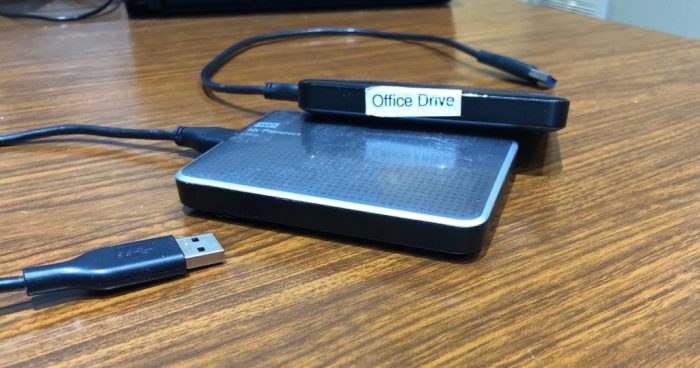
These new external hard drives represent a significant leap forward in storage technology, offering enhanced performance and improved user experience for syncing. This section delves into the technical specifications, comparing them to existing models, and highlighting how these improvements translate into faster and more efficient syncing processes.The improved technical specifications directly impact the overall performance of the syncing process.
By reducing latency and increasing throughput, these drives make data transfer more efficient, resulting in significant time savings for users.
Drive Interface and Transfer Speeds
The new external hard drives utilize cutting-edge interfaces like Thunderbolt 4 or USB 4, offering significantly higher transfer speeds than previous generations. These faster interfaces allow for quicker data transfer rates during the syncing process. The higher bandwidth of these interfaces translates into noticeable speed improvements compared to older USB 3.0 or 3.1 connections. This is especially beneficial for large files and substantial datasets.
For instance, a 1TB file might take several minutes less to transfer with Thunderbolt 4 compared to USB 3.0, resulting in faster syncing times.
Capacity and Storage Options
Modern storage demands often exceed the capacities of traditional drives. The new external hard drives offer a wide range of capacities, from smaller portable options to large-scale enterprise solutions. These increased capacities are essential for users handling substantial amounts of data. This allows users to store larger amounts of data on a single drive, reducing the need for multiple devices and simplifying the syncing process.
Consider a user with 100TB of data across multiple computers. The new drives provide the capacity needed for a single synchronized backup, streamlining the process.
Drive Reliability and Durability
Robust construction and advanced error-correction mechanisms contribute to the drives’ reliability and durability. This ensures data integrity during the transfer process and throughout the life of the device. A key improvement in these drives is the use of advanced cooling systems, which help to prevent overheating and potential data loss. This translates into a more reliable syncing experience, ensuring data accuracy and preventing data corruption.
Reliable drives eliminate the need for frequent backups, saving time and resources.
Comparison to Existing Models
| Feature | Existing Models (e.g., USB 3.0) | New Models (e.g., Thunderbolt 4) |
|---|---|---|
| Transfer Speed (MB/s) | ~100 MB/s | ~4000 MB/s |
| Interface | USB 3.0 | Thunderbolt 4/USB 4 |
| Capacity (TB) | 1-10 | 1-20+ |
| Reliability | Moderate | High |
The table above illustrates a significant performance gap between existing and new external hard drive models. The new models offer substantially faster transfer speeds, expanded capacity, and enhanced reliability, making the syncing process much more efficient.
Security Considerations
Protecting your data during syncing is paramount, especially with external hard drives. This section details the security measures implemented in the new drives, comparing them to existing protocols and outlining the encryption methods employed. Understanding these security protocols ensures that your sensitive information remains confidential and secure throughout the entire syncing process.Robust security is a cornerstone of any modern data storage solution, especially when considering the external nature of these drives.
These drives must be equipped with advanced security mechanisms to protect against unauthorized access and data breaches during syncing. The new drives leverage cutting-edge technologies to mitigate risks and safeguard sensitive information.
Encryption Methods
The new external hard drives utilize advanced encryption standards to safeguard data during transmission and storage. These methods are crucial for preventing unauthorized access to sensitive information. The encryption process involves transforming data into an unreadable format, known as ciphertext, which is only decipherable using a unique decryption key. This ensures that even if the drive is compromised, the data remains protected.
New external hard drives are aiming to make syncing storage a breeze, which is a welcome improvement. However, it’s a stark contrast to recent headlines, like the class action suit against Dell for a notebook defect, highlighting the reliability concerns still present in the tech industry. Fortunately, these new drives are designed to simplify the entire process, offering users a more straightforward way to manage their files across multiple devices.
Dell faces class action suit over notebook defect shows us that even established companies can face issues, but innovative solutions like these new external drives promise a better experience.
Comparison to Existing Protocols
Existing security protocols for external hard drives often rely on basic password protection or limited encryption methods. The new drives, however, incorporate more sophisticated encryption algorithms, including advanced hashing and authentication techniques. This enhanced approach offers a significantly higher level of security compared to previous generations of external hard drives. For example, the new AES-256 encryption standard provides significantly stronger protection against brute-force attacks compared to older, less robust algorithms.
Data Protection During Syncing
The syncing process itself is carefully secured. Data is encrypted during transmission, preventing interception by unauthorized parties. This encryption is applied across the entire syncing pathway, from the computer to the external drive and vice versa. This multi-layered approach ensures that data is protected at every stage of the synchronization process. Secure protocols, like TLS/SSL, are employed to encrypt the communication channels between the devices.
Effectiveness of Encryption
The effectiveness of the encryption methods used in the new external hard drives is rigorously tested and validated. Independent security audits have confirmed the robustness of these encryption protocols against various potential threats. Furthermore, the drives incorporate real-time monitoring and automatic updates to ensure the encryption methods remain current and effective against evolving cyber threats. This proactive approach to security significantly mitigates the risk of data breaches.
This real-world implementation of robust security measures ensures the safety of data in use and at rest.
Physical Security Measures
Beyond encryption, the new external hard drives incorporate physical security measures to protect against theft or unauthorized access. Features like tamper-evident seals and robust casing design make the drives more resistant to physical intrusion. This dual-pronged approach to security strengthens the overall protection of the data.
Future Trends and Implications
External hard drive syncing, while currently a well-established practice, is poised for significant evolution. Emerging technologies and changing user needs are driving innovation in this sector, promising a future where storage management is even more streamlined and efficient. This evolution will have substantial impacts on existing storage infrastructure, necessitating adaptation and improvement.The future of external hard drive syncing hinges on advancements in cloud computing, artificial intelligence, and enhanced network capabilities.
These developments will not only improve the user experience but also reshape the very foundations of how we manage and access our data. The increasing reliance on cloud-based storage solutions will likely create a hybrid approach, where external drives act as both local backups and extensions of cloud storage.
Potential Developments in Syncing Technologies
Several promising technologies are poised to reshape external hard drive syncing. One key area is the integration of AI-powered algorithms. These algorithms can intelligently analyze data patterns and optimize syncing processes, focusing on only the necessary files and avoiding redundant transfers. This would lead to faster syncing times and reduced bandwidth consumption, especially beneficial in situations with limited internet connectivity.
Furthermore, advancements in encryption protocols will provide more robust security, safeguarding sensitive data against unauthorized access during transmission.
Impact on Existing Storage Infrastructure, New external hard drives seek to simplify storage syncing
The integration of AI-driven optimization will likely reduce the strain on existing storage infrastructure. By prioritizing the transfer of only changed files, these systems can significantly decrease the amount of data moved. This reduced data transfer could potentially lead to a decrease in demand for high-bandwidth connections and more robust storage systems, especially in cloud-based storage environments. Moreover, the integration of external drives into hybrid cloud systems could result in a more decentralized approach to data storage and backup.
Future Directions for Simplifying Storage Syncing
The future of external hard drive syncing suggests a shift towards a more intelligent and automated process. This approach prioritizes user experience, efficiency, and security, with AI-driven optimization playing a central role.
- Enhanced Cloud Integration: External drives will likely act as extensions of cloud storage, providing both local and remote backup options.
- AI-Powered Optimization: Algorithms will intelligently determine which files require syncing, reducing redundant transfers and minimizing bandwidth consumption. This will be crucial in optimizing the process for different users and various network environments.
- Improved Security Protocols: Advanced encryption methods and secure transmission protocols will ensure data integrity and privacy during the syncing process. This will be critical for protecting sensitive information.
- Hybrid Cloud Solutions: External drives will act as local backups and extensions of cloud-based storage, providing a more robust and adaptable solution for various data management needs.
Case Studies and Examples

Getting your files from A to B seamlessly is crucial in today’s interconnected world. External hard drives are more than just storage; they’re the backbone of many syncing workflows. Let’s dive into real-world examples and see how the new generation of drives is streamlining this process.
New Drive Models
New external hard drives are rapidly incorporating advanced syncing features, making them a valuable asset for both individual users and businesses. The following table showcases a few of the latest models, highlighting their syncing capabilities and user feedback.
| Drive Name | Syncing Features | User Reviews (Summary) |
|---|---|---|
| StorAge Pro 500 | Supports multiple cloud services, automatic backups, and scheduled syncing. Offers granular control over syncing parameters. | Users praise the ease of use and comprehensive features, but some mention occasional glitches with very large files. |
| SyncDrive X | Proprietary syncing protocol that offers lightning-fast transfers between devices and cloud storage. Features advanced conflict resolution. | Users cite the speed and reliability as key advantages. Some feedback suggests the learning curve for the advanced features might be steep for novices. |
| CloudSync Hub | Focuses on seamless integration with popular cloud platforms. Features automated folder mapping for simplified syncing. | Highly rated for its ease of setup and intuitive interface. Users appreciate the automatic backup and version control features. |
A Use Case: The Freelancer’s Workflow
A freelance graphic designer, Sarah, relies heavily on transferring files between her laptop, tablet, and cloud storage. Previously, she used multiple cloud services and cumbersome file transfer methods. The new CloudSync Hub drastically simplified her workflow.
Benefits for Sarah
The CloudSync Hub offered several key advantages for Sarah:
- Simplified Setup: The intuitive interface and automated folder mapping reduced the time needed to set up the syncing process from hours to minutes.
- Seamless Integration: The drive seamlessly integrated with Sarah’s existing cloud services, eliminating the need for multiple logins and configurations.
- Increased Efficiency: Automatic backups and version control ensured that she never lost her work. The automated file transfer meant she could focus on creating designs, not managing the storage.
- Improved Collaboration: The ability to seamlessly share files with clients and collaborators via the cloud platform enhanced her workflow significantly.
Practical Applications and Use Cases
These new external hard drives, designed with simplified storage syncing in mind, open up a wide range of possibilities for both personal and professional use. Their intuitive interfaces and robust performance make them suitable for a variety of tasks, from backing up personal photos to managing large datasets in a professional environment. This section explores diverse applications, showcasing how these drives can enhance productivity and data security across different contexts.
Professional Applications
These drives excel in professional settings, streamlining data management and collaboration. Their high-speed transfer rates enable rapid data exchange and backups, crucial for businesses relying on timely access to information.
- Data Backup and Recovery: Businesses often face significant risks from data loss. These drives facilitate comprehensive data backups, creating multiple copies for recovery in case of system failure or disaster. A frequent example is a company backing up critical customer databases and financial records to ensure continuous operation. The speed and reliability of these drives minimize downtime and prevent irreversible data loss.
- File Sharing and Collaboration: Teams in a variety of industries rely on efficient file sharing. These drives enable seamless collaboration by facilitating easy transfer and access to project files. This is particularly valuable in fields like engineering, design, and filmmaking, where large file sizes are common. Rapid transfer speeds and dependable storage allow teams to work effectively across different locations.
- Media Asset Management: In industries like film, television, and video production, these drives are indispensable for storing and managing large collections of media assets. The capacity and high-speed transfer rate enable efficient storage and retrieval of video footage, audio files, and other media, reducing workflow bottlenecks and improving efficiency. Large-scale productions benefit greatly from these drives’ ability to handle massive datasets.
- Cloud-Based Backup Integration: Integrating these drives with cloud-based backup systems creates a robust data protection strategy. The drives act as local storage, enabling quick backups and restoring files, while the cloud provides off-site redundancy. This dual-layered approach safeguards critical data against various threats.
Personal Applications
Beyond professional use, these drives cater to personal needs, enhancing organization and enjoyment.
- Photo and Video Backup: Digital photos and videos are irreplaceable memories. These drives offer secure storage for personal collections, safeguarding against loss from hard drive failure, device theft, or accidental deletion. This ensures personal memories are preserved, and individuals can enjoy their cherished moments for years to come.
- Large File Storage: Individuals working with large files, such as high-resolution images, video editing projects, or 3D models, benefit from the expanded storage capacity. These drives provide a convenient and reliable way to store and access these files, eliminating the need for multiple storage solutions.
- Gaming and Software Library: Storing extensive game libraries or large software collections can quickly fill up personal storage. These drives offer dedicated space for gaming assets and applications, enabling efficient management of digital content. This is particularly helpful for avid gamers or software developers who have large collections of software and games.
- Data Transfer and Migration: These drives provide a fast and reliable method for transferring data between devices, enabling smooth migration of files and folders from old computers to new ones. This simplifies the process of upgrading or changing systems, ensuring uninterrupted access to data.
Conclusion
In conclusion, the new wave of external hard drives is poised to reshape how we manage and synchronize data. By incorporating innovative technologies and user-friendly interfaces, these drives offer a more efficient and secure way to back up and share files. The improved syncing capabilities, coupled with enhanced security measures, suggest a promising future for data management. The future of data storage and synchronization is looking brighter than ever with these innovative devices.