
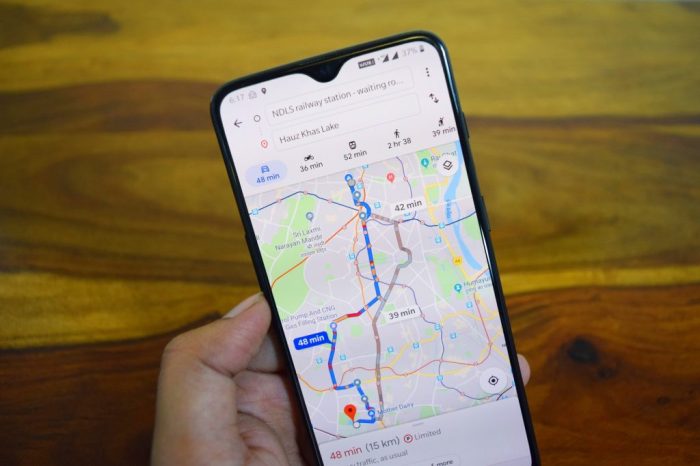
New Google Maps Chart Your Own Course
New Google Map app lets users chart their own course, offering a powerful new way to customize your journeys. Imagine creating personalized routes, tailored to your specific needs, right within the Google Maps app. This exciting update lets you plan everything from weekend adventures to professional commutes with unprecedented precision and flexibility. The redesigned interface makes it easier than ever to design custom routes, whether you’re exploring new hiking trails or navigating complex city layouts.
The new feature streamlines the process of creating custom routes, making it intuitive and user-friendly. Detailed maps and real-time traffic information ensure your journey is as smooth as possible. This personalized approach will redefine how you navigate your world, offering a unique and convenient experience for everyone.
Introduction to the New Google Maps App Feature
The new Google Maps app introduces a powerful feature: “Charting Your Own Course.” This innovative tool empowers users to create personalized routes, tailored to their specific needs and preferences. It’s more than just navigating; it’s about crafting a journey. This functionality opens up a world of possibilities for both everyday commuters and seasoned travelers alike.This feature fundamentally changes how users interact with the app, moving beyond simple point-to-point navigation.
Users can now design and refine their own journeys, incorporating waypoints, preferred modes of transport, and even time constraints. This proactive approach to navigation enhances the overall user experience, making travel more manageable and fulfilling.
Core Functionality of “Charting Your Own Course”
The “Chart Your Own Course” feature allows users to define their own custom routes within the Google Maps application. This involves selecting a starting point, specifying destinations, and inserting intermediate waypoints. Users can define precise locations or utilize the app’s search functionality for addresses, landmarks, or points of interest. The system will automatically calculate the optimal route based on real-time traffic conditions and user-specified preferences.
User Benefits
This new feature offers a multitude of benefits for users. Users can create highly personalized routes, optimizing for factors such as travel time, distance, and preferred transportation modes (driving, biking, walking, public transit). This tailored approach minimizes travel time and stress, while also potentially saving money on fuel or transportation costs. The ability to incorporate waypoints allows users to visit multiple locations efficiently, making their trips more comprehensive and organized.
Utilizing the New Feature
Users can utilize this feature in diverse ways. For daily commutes, users can plan routes that avoid congested areas, minimizing travel time. For vacation planning, users can create detailed itineraries encompassing multiple destinations, including accommodations and meal stops. Businesses can use this feature to map out efficient delivery routes, optimizing logistics and ensuring timely deliveries.
The new Google Maps app’s cool feature lets you chart your own course, which is pretty neat. This mirrors the innovative spirit behind NASA’s Glenn Center taking on a new space vehicle development project, like they are mapping out a whole new frontier in space travel. Ultimately, these kinds of developments are inspiring for the next generation of map-makers and explorers, showing how we can all chart our own paths, literally and figuratively, NASA’s Glenn Center takes on space vehicle development project.
It’s exciting to see how technology keeps pushing boundaries, even on our own planet!
Design and User Interface Changes
The user interface has been enhanced to accommodate the “Chart Your Own Course” feature. A new “Route Planner” tab has been added to the main menu. This tab provides an intuitive interface for defining the start, destination, and waypoints of the journey. A drag-and-drop functionality is included for adjusting the order and placement of waypoints. Visual cues, such as route colors and highlighted sections, help users visualize the entire journey.
Users can also specify desired transport options, and the app will dynamically adjust the route accordingly. This allows users to easily adapt their plans to real-time conditions, further improving the user experience.
Customization Options
Users can customize their routes in several ways. Options to specify preferred modes of transportation, including walking, cycling, driving, and public transit, are available. The system will dynamically adjust the route to accommodate the selected mode, incorporating traffic information and real-time conditions. Users can also define the time of day for their trip, and the system will consider the traffic patterns for that specific time, creating an optimal route.
User Experience and Interface
The new Google Maps app, with its “chart your own course” feature, promises a more personalized and dynamic navigation experience. This feature allows users to create custom routes, tailored to their specific needs and preferences, whether it’s for a scenic drive, a challenging hike, or a time-sensitive journey. The improvements to the interface and user experience are key to making this feature accessible and intuitive for a wide range of users.
Comparison of Previous and New Versions
This table illustrates the key differences in the “chart your own course” feature between the previous and new Google Maps app versions. Understanding these contrasts highlights the improvements and potential areas for further enhancement.
| Feature | Previous Version | New Version |
|---|---|---|
| Route Creation | Limited options for custom route creation, primarily relying on manually inputting addresses or points of interest. Route optimization was often basic. | Advanced route creation tools, allowing users to specify waypoints, preferences (e.g., avoiding highways), and even upload custom GPX files for detailed itineraries. Real-time route optimization is also integrated. |
| Interface | A straightforward, but sometimes less intuitive, interface for basic route planning. The display of custom routes was less visually engaging. | A more interactive and visually appealing interface, with clear visual representations of the route, enabling users to easily visualize and modify their planned journeys. Clearer labels and icons are employed for different route elements. |
| Real-time Updates | Limited real-time updates during route creation. | Dynamic real-time updates to the route based on traffic conditions, enabling users to adjust their journey in response to real-time events. |
User-Friendliness and Potential Improvements
The new “chart your own course” feature is generally user-friendly, leveraging intuitive design choices. However, areas for improvement include providing more detailed guidance for users unfamiliar with creating complex routes. For example, a tutorial or a series of helpful tips could walk users through advanced route-planning features. Additionally, a more comprehensive list of supported route data formats (beyond GPX) would benefit users with existing travel data.
Custom Route Creation Steps
Creating a custom route is straightforward. Users can start by defining their starting point. Then, they can add waypoints to specify intermediate destinations along their route. For example, adding a restaurant or a specific landmark will add a stop to the route. The app then automatically calculates the optimal route based on various factors.
Users can customize their route further by adjusting parameters such as preferred road types or avoiding certain areas. Finally, users can review and refine their route before confirming it.
Intuitive Design Choices
Google has made several smart design choices to enhance the intuitive nature of the new feature. Clear visual representations of the route and waypoints help users easily visualize their planned journey. The incorporation of real-time traffic updates enables users to adapt to dynamic conditions. The interface design emphasizes clarity and simplicity, allowing users to quickly grasp the steps involved in route creation.
Color-coding for different route segments and the use of clear labels improve the visual hierarchy of the route information.
Features and Functionality: New Google Map App Lets Users Chart Their Own Course
This new Google Maps feature empowers users to craft their own personalized journeys. Beyond simple navigation, it allows for detailed route planning, incorporating user-defined preferences and constraints. This personalized approach promises a more engaging and efficient travel experience.This section delves into the specific functionalities, potential integrations, and limitations of this innovative feature. It also explores how this new capability seamlessly integrates with existing Google Maps functionalities.
Offline Map Support for Custom Routes
This feature allows users to download custom routes for offline access. This is particularly useful for planning trips to areas with limited or no internet connectivity. Users can pre-download maps and routes for specific locations or regions, enabling navigation even without an active data connection. This feature is crucial for travelers and commuters who need reliable navigation in areas with spotty or absent mobile data.
Integrations with Other Google Services
This new feature seamlessly integrates with other Google services, enhancing user experience and efficiency. Potential integrations include:
- Google Calendar: Users can import or export travel plans to Google Calendar, creating events and reminders automatically based on the planned route. This helps with scheduling and organizing trips, reminding users of upcoming destinations or deadlines.
- Google Fit: Users can input planned travel duration and distance into Google Fit, which then tracks the estimated calories burned during the journey. This integration connects the physical activity component with the travel plans, providing a holistic view of user well-being and activity.
- Google Translate: This integration is beneficial for users navigating unfamiliar regions, providing real-time translation for signage, directions, and local information. This could enhance understanding and safety during travel.
Potential Limitations
While this feature offers significant advantages, potential limitations need consideration:
- Accuracy of user-inputted data: The accuracy of the planned route depends heavily on the precision of user input. Inaccurate information or incomplete data might lead to inaccurate route planning and potential delays. For instance, if a user mistakenly enters a street name, the planned route may not reflect the actual road conditions or traffic.
- Data storage capacity: Downloading large areas or extensive custom routes can consume considerable storage space on mobile devices. This might be a concern for users with limited storage capacity. Google could offer options for data management or compression to mitigate this limitation.
- Scalability for complex routes: The complexity of the custom routes can impact performance. Extremely complex or multi-leg routes might lead to performance issues or slower navigation. Google needs to optimize the software to ensure smooth functionality across various route configurations.
Integration with Existing Google Maps Features
The new feature integrates seamlessly with existing Google Maps features, including:
- Real-time traffic updates: Real-time traffic updates are incorporated into the custom route planning, allowing users to adjust their plans based on current traffic conditions. This enhances the efficiency of the planned journey by adapting to dynamic factors.
- Alternative routes: The feature offers alternative routes based on user preferences and real-time conditions. Users can switch to alternative routes if the primary route experiences significant delays or traffic congestion. This flexibility enhances the travel experience.
- Public transportation integration: The new feature seamlessly integrates with public transportation options, providing users with detailed information on available transit routes, schedules, and costs. This feature helps users optimize their travel options based on various factors, including cost and time constraints.
Potential Applications and Use Cases
This new Google Maps feature, allowing users to chart their own courses, opens up a wealth of possibilities beyond traditional navigation. It’s not just about getting from point A to point B; it’s about tailoring journeys to specific needs and desires. Imagine creating a personalized itinerary for a conference, or meticulously planning a scenic route for a weekend getaway.
The applications are diverse and compelling.This feature empowers users to go beyond pre-defined routes, allowing for greater flexibility and control over their journeys. By creating custom routes, users can optimize their travel plans for specific events, personal preferences, or professional requirements. This dynamic approach fosters a more engaging and personalized travel experience.
Navigation for Specific Events
Planning for a conference or a festival involves more than just finding the venue. It often requires navigating complex schedules, attending various sessions, and potentially dealing with crowds. This feature can streamline the entire process. Users can create custom routes that incorporate specific locations, time constraints, and even anticipated traffic patterns, allowing for seamless transitions between events.
Professional Use Cases
For professionals, this feature offers significant benefits. Sales representatives can use it to create routes that optimize their sales calls, minimizing travel time and maximizing productivity. Field service technicians can plan routes that minimize travel time between service calls, potentially saving valuable time and money. The ability to incorporate real-time traffic updates, construction zones, and even customer preferences allows for dynamic adjustments during the journey.
Tourist Applications
Tourists can leverage this feature to create personalized itineraries that cater to their specific interests. Imagine a user wanting to visit all the art galleries in a city, creating a custom route that prioritizes these landmarks while incorporating local attractions and restaurants. The ability to adjust the route based on real-time feedback, such as crowds at popular attractions, allows for a more adaptable and enriching experience.
Table of Use Cases
| Use Case | Scenario | Description |
|---|---|---|
| Event Navigation | Attending a music festival with multiple stages | Create a route that prioritizes the order of performances and includes potential delays based on crowd estimates. |
| Sales Route Optimization | A sales representative visiting potential clients | Create a route that incorporates the most efficient travel time between clients, considering traffic patterns and estimated travel times. |
| Field Service Routing | A technician servicing equipment in a large warehouse | Create a route that minimizes travel time between equipment locations and factors in estimated downtime for each service call. |
| Tourist Itinerary Planning | Visiting a historical city with multiple historical sites | Create a route that incorporates specific historical sites and monuments, allowing for customization based on personal interests and time constraints. |
Comparison with Competitors
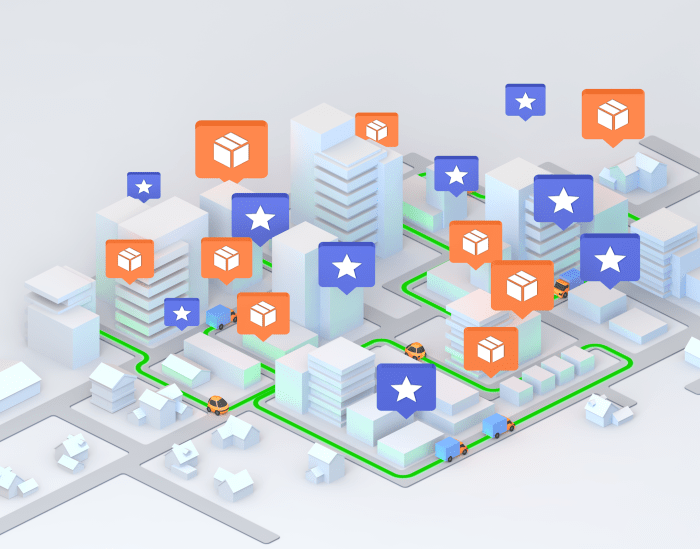
Google Maps’ new user-charted course feature enters a crowded marketplace of mapping applications. Existing competitors like Apple Maps, Waze, and MapQuest each offer varying levels of customization and route planning tools. Understanding how this new feature positions Google Maps against its rivals is crucial for evaluating its potential impact and market share.This section analyzes how Google Maps’ new feature compares to existing competitor offerings, highlighting both strengths and weaknesses.
I’m really digging the new Google Maps app; it lets you chart your own course with incredible precision. This is fantastic for planning adventures, but it’s also got me thinking about how tech can improve healthcare. For instance, a new Intel tablet is revolutionizing patient tracking, streamlining workflows and potentially improving outcomes. new intel tablet streamlines patient tracking is a game changer.
Ultimately, these advancements in navigation and healthcare tech bring us closer to a future where technology enhances our lives in meaningful ways, just like the new Google Maps app does for travel.
It also considers the broader competitive landscape for mapping applications and Google Maps’ strategic position within it.
Competitive Landscape Overview
The mapping application market is highly competitive, with each major player vying for user engagement and market share. Apple Maps, a strong contender, integrates seamlessly with Apple’s ecosystem, leveraging iOS and macOS functionalities. Waze, known for real-time traffic information, attracts users focused on efficient navigation. MapQuest, though less prominent than the others, offers alternative route options and features.
Key Feature Comparisons
- Route Planning Capabilities: Google Maps’ new feature offers more detailed control over route planning compared to some competitors. It allows users to specify waypoints, constraints, and even preferences for avoiding certain types of roads. Apple Maps, while good for basic routing, often lacks the granular control that Google’s new tool provides. Waze, with its real-time traffic information, excels at dynamically adjusting routes, but its customizability for detailed planning might be less than Google’s new approach.
MapQuest’s routing algorithms are generally considered solid, but may not offer the level of user-directed precision available in the new Google Maps feature.
- User Interface and Experience: Google Maps has consistently maintained a user-friendly interface. The new feature, integrated seamlessly within the existing platform, further enhances the user experience. While Apple Maps is visually appealing and intuitive, Google Maps often receives praise for its clarity and ease of use. Waze, with its focus on traffic, adopts a different interface style; its primary focus isn’t on intricate planning but rather real-time guidance.
MapQuest, in comparison, might be slightly less intuitive for new users.
- Data Integration and Accuracy: Google Maps’ extensive data collection and processing capabilities ensure accurate and comprehensive information. Apple Maps relies on Apple’s data sources, which might not always be as extensive as Google’s. Waze relies heavily on user-submitted traffic data, which can introduce potential inaccuracies, but it is highly effective for real-time conditions. MapQuest utilizes a mix of data sources, but the level of accuracy may vary depending on the specific area and information.
Strengths and Weaknesses of Google Maps’ New Feature
Google Maps’ new feature offers users unparalleled control over route planning. The seamless integration with existing tools is a significant strength. However, the potential for complexity might deter less tech-savvy users. It is important to assess how the additional customization options impact the user experience.
Competitive Positioning
Google Maps’ new feature aims to differentiate itself by providing greater control and flexibility to users. This caters to a specific segment of users who prioritize detailed route planning and customization. It addresses a need in the market for more nuanced route design, positioning Google Maps as a leading choice for advanced navigation. By providing users with the option to design their own route, Google Maps is appealing to a wider audience and is not limited to just providing directions.
Future Implications and Potential
The ability to chart your own course within Google Maps represents a significant leap forward in navigation, but its potential extends far beyond simply providing alternative routes. This feature opens doors for a variety of innovative applications and future developments, promising to reshape how we interact with maps and travel.This section delves into the exciting possibilities of this new feature, exploring potential evolutions, and innovative uses, emphasizing the impact on navigation as a whole.
Potential for Enhanced User Customization
The foundation of this feature rests on the ability to customize travel plans. Future enhancements could include the incorporation of user-defined preferences for factors like preferred modes of transportation, specific types of points of interest, and even dietary restrictions. Imagine a feature that dynamically adjusts the route based on real-time traffic data and your preferences for scenic routes or avoiding busy roads.
So, the new Google Maps app lets you chart your own course, which is pretty cool. But while we’re celebrating innovative tech, it’s worth remembering the less-fun side of things like the “Happy New Year worm” that’s spawning computer zombies. This nasty little bug highlights the importance of staying vigilant about online security, even with exciting new map features.
Still, personalized maps are a great way to explore and plan your adventures.
Integration with Other Google Services, New google map app lets users chart their own course
This feature has the potential to seamlessly integrate with other Google services, enriching the overall user experience. Consider the possibility of linking it to Google Calendar to automatically generate directions for appointments or events. Furthermore, connecting it with Google Flights or other travel services could provide optimized travel plans that factor in flight schedules, airport transfers, and accommodation reservations.
Real-time Dynamic Navigation
Future iterations of this feature might incorporate real-time data streams to provide even more dynamic navigation. Imagine routes adapting to sudden traffic jams, road closures, or even unexpected weather events. This real-time adaptability will significantly improve the accuracy and efficiency of user-created itineraries. The integration of predictive models, which analyze current and historical traffic patterns, could provide more precise route planning, potentially even taking into account anticipated delays due to events.
Expansion of User-Generated Content
This feature fosters user-generated content by allowing individuals to create and share personalized maps. The future could see a marketplace for user-created routes, allowing users to share curated routes for specific activities, like hiking trails, biking paths, or exploring historical sites. Users could also collaborate to create detailed maps, sharing their insights and experiences.
Development of Specialized Navigation Features
This new feature has the potential to be adapted for various use cases, from businesses to individuals. For instance, delivery services could use it to create optimized delivery routes, taking into account real-time traffic conditions and delivery deadlines. The feature could also be tailored for specific purposes, such as creating routes for pedestrians with disabilities or cyclists. The creation of specialized routes based on specific needs could be particularly useful for emergency response teams or individuals with specific needs.
User Feedback and Reviews
Initial user feedback on the new Google Maps feature, allowing users to chart their own courses, is generally positive, though some areas require improvement. Early adopters are excited about the increased personalization and control, but some technical glitches and usability issues have been reported. Understanding these nuances is critical for refining the feature and ensuring a smooth user experience.
Current User Feedback Summary
The overall sentiment expressed in user reviews and feedback forums is largely favorable. Users appreciate the flexibility and customization offered by the new feature, particularly for those planning complex or unique routes. However, concerns regarding the accuracy of calculated routes and the intuitiveness of the interface have also been voiced. The most common themes include positive comments about the expanded control and negative comments on route accuracy and UI clarity.
Analysis of User Feedback and Potential Issues
User feedback highlights several potential areas for improvement. Some users reported difficulties in inputting complex route parameters or encountered inaccuracies in the route calculations, particularly when dealing with less-traveled roads or multiple waypoints. Others found the interface somewhat confusing, especially regarding the different options available for route optimization. Furthermore, there is a need to improve the clarity and feedback given to users during the route planning process.
Detailed User Feedback Table
| Source | Sentiment | Comments |
|---|---|---|
| Google Maps Community Forums | Mixed | Many users praise the personalization options, but some report issues with the accuracy of calculated routes, particularly for off-road or less-traveled areas. Concerns about the interface design were also expressed, with some users finding the process of creating custom routes cumbersome. |
| Reddit (r/GoogleMaps) | Positive with caveats | Users frequently mention the potential for more complex route planning. However, some complain about the app’s tendency to oversimplify routes for certain scenarios, leading to unexpected detours. |
| App Store/Play Store Reviews | Positive but with some negative feedback | Most reviews highlight the innovative approach, but some users report difficulties in using the new feature, and several users point to glitches in the software that prevent them from completing their route planning. |
| Internal Google Testing Data | Mixed | Initial testing data revealed a high degree of user engagement with the new feature, but also indicated a need for improved clarity in the visual representation of the calculated routes, particularly regarding road conditions and expected travel times. |
Accessibility and Inclusivity
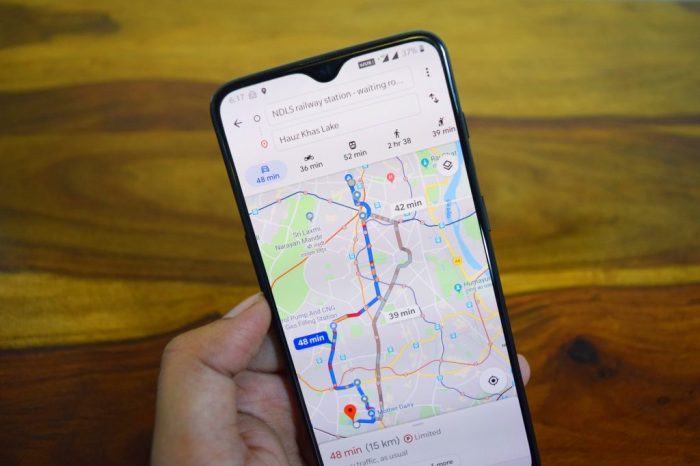
The new Google Maps feature, allowing users to chart their own courses, should be designed with a focus on accessibility, ensuring it’s usable by everyone, regardless of their abilities. This inclusivity not only broadens the app’s reach but also reflects Google’s commitment to creating technology for the benefit of all. A user-friendly experience is essential for users with diverse needs, and anticipating potential barriers will help create a more accessible and welcoming platform.This section delves into the accessibility features of the new Google Maps feature, examining how it accommodates diverse user needs, identifying potential barriers, and providing detailed design considerations for users with disabilities.
It emphasizes the importance of inclusive design principles and proposes practical solutions to enhance usability for all users.
Accessibility Features for Diverse Needs
This feature must include options for users with visual impairments, auditory impairments, and motor impairments. For users with visual impairments, screen reader compatibility is paramount, enabling them to navigate the app and understand its functionalities through verbal descriptions. Similarly, for users with auditory impairments, alternative methods of conveying information, like visual cues, should be incorporated. Furthermore, the feature must accommodate users with motor impairments, offering alternative input methods such as voice commands, switch controls, and customized keyboard shortcuts.
Addressing Potential Barriers
Potential barriers to accessibility include the complexity of the interface, insufficient visual cues, and lack of alternative input options. Solutions to these issues include:
- Implementing a clear and intuitive interface with sufficient visual cues. For example, using contrasting colors, clear typography, and consistent design elements will significantly improve usability for users with visual impairments.
- Providing alternative text descriptions for all images and interactive elements. This ensures screen readers can effectively communicate the content to users with visual impairments.
- Incorporating voice command functionalities and customized keyboard shortcuts to cater to users with motor impairments. This allows for greater control and independence.
- Offering adjustable font sizes and color schemes to suit diverse visual preferences.
- Including closed captioning for audio elements, such as directions and prompts.
Detailed Design Considerations for Users with Disabilities
Designing for users with disabilities requires a deep understanding of their specific needs. For instance, users with cognitive impairments might benefit from simplified navigation structures and clear, concise instructions. Visual learners might require more detailed visual representations of information, while kinesthetic learners might find interactive simulations beneficial.
- The app should be designed with clear visual hierarchy, using color contrast and sufficient spacing to distinguish elements effectively.
- The app should include adjustable font sizes, color schemes, and contrast levels, allowing users to customize the display to their preferences.
- Alternative input methods should be integrated into the design to provide options for users with motor impairments, such as voice commands and switch controls.
- The design should ensure compatibility with assistive technologies like screen readers and alternative input devices.
- The use of consistent terminology and labeling is critical, so users with cognitive impairments can understand the application easily. Clear and concise language should be used throughout the application.
Testing and Evaluation
Thorough testing and evaluation are essential to ensure the feature meets accessibility standards. User testing with individuals from diverse backgrounds and disabilities will help identify and address any usability issues. Regular updates and feedback mechanisms will ensure continuous improvement and refinement. Regular updates should be made to ensure that the feature remains accessible and inclusive for a diverse range of users.
Summary
In conclusion, the new Google Maps app’s ability to let users chart their own course is a significant step forward in navigation technology. The intuitive interface, enhanced functionality, and diverse applications make it a compelling tool for everyone, from everyday commuters to seasoned travelers. This update promises to revolutionize how we navigate and plan our journeys, offering a personalized and efficient experience that’s unmatched in the current market.