New Google Tool to Rival PowerPoint
New google tool aims to dull microsofts powerpoint – New Google tool aims to dull Microsoft’s PowerPoint. This new Google tool promises a fresh approach to presentations, challenging the long-standing dominance of PowerPoint. It’s designed to be more user-friendly, visually appealing, and potentially more collaborative, aiming to attract a wider audience and redefine the presentation landscape.
This analysis delves into the Google tool’s features, compares it to PowerPoint, explores potential market impacts, and considers user perspectives. We’ll also examine the potential competitive advantages, challenges, and risks associated with this new contender.
Overview of the Google Tool
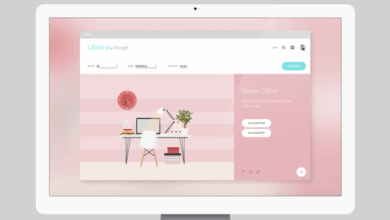
Google’s new presentation tool aims to revolutionize the way we create and share presentations, offering a more intuitive and engaging experience compared to Microsoft PowerPoint. This innovative tool promises to empower users with a powerful suite of features, designed to make the creation process easier and more visually appealing. The tool’s primary focus is on streamlining the design process and making it more accessible for a broader range of users.This new tool, still unnamed, is designed to provide a compelling alternative to PowerPoint.
It seeks to address the perceived limitations of PowerPoint in terms of design flexibility and user-friendliness, aiming to attract users seeking a more contemporary and efficient presentation creation experience.
Description of the New Tool
This new Google tool offers a significantly enhanced presentation creation experience. It’s built on a user-friendly interface, designed for both beginners and experienced presenters. It emphasizes intuitive design elements, offering a vast library of templates and design tools to help users create visually compelling presentations quickly. The tool will feature a variety of animation and transition options, allowing for dynamic and engaging presentations.
Intended Purpose and Functionality
The core purpose of this Google tool is to provide a modern alternative to PowerPoint. It aims to simplify the presentation creation process, enabling users to craft professional-quality presentations with less effort and more creativity. This tool is built with an emphasis on ease of use and streamlined workflow, offering features to streamline the entire presentation lifecycle. This includes design, editing, and sharing, making the entire process more efficient.
Key Features and Benefits
Google highlights several key features designed to enhance the presentation experience. These include:
- Intuitive Design Tools: A user-friendly interface with a vast collection of templates and design tools to help users create presentations quickly and easily. This allows users to focus on content rather than design intricacies.
- Enhanced Collaboration Features: Built-in collaboration features will enable real-time editing and feedback, allowing teams to work together effectively and efficiently. This could dramatically improve group projects and team presentations.
- Dynamic Animations and Transitions: A wide range of animation and transition options are designed to enhance the visual appeal and engagement of presentations. Users can bring their ideas to life through these dynamic elements, transforming static slides into captivating experiences.
- Seamless Integration with Other Google Workspace Tools: Seamless integration with other Google Workspace applications (like Docs, Sheets, and Slides) will allow users to easily incorporate data and information from other projects. This is a major advantage for users who work across various Google products.
Target Audience
This tool is designed for a broad audience, including:
- Students and Educators: The intuitive design and collaborative features will be particularly useful for educational settings, allowing for efficient creation of presentations and collaborative learning experiences.
- Business Professionals: The streamlined workflow and professional design options are tailored for business presentations, allowing professionals to quickly create high-quality presentations for meetings and conferences.
- General Users: Individuals who need to create presentations for various purposes, such as personal projects or sharing information, will also find this tool helpful. The tool’s ease of use makes it accessible to a wider audience.
Comparison with Existing Presentation Tools
| Feature | Google Tool | Microsoft PowerPoint | Prezi |
|---|---|---|---|
| Ease of Use | Intuitive interface, simplified design process | Can be complex for beginners | Unique approach, learning curve |
| Collaboration | Real-time editing, built-in features | Limited collaborative options | Limited collaborative features |
| Visual Design | Vast library of templates, dynamic elements | Can be limited in design flexibility | Unique, visually engaging approach |
| Integration | Seamless integration with Google Workspace | Limited integration | Limited integration |
Analysis of Microsoft PowerPoint’s Market Position
PowerPoint, a staple in business and educational settings, has dominated the presentation software market for decades. Its intuitive interface and extensive features have made it a ubiquitous tool for creating compelling visuals and sharing information. Understanding its market position requires a nuanced look at its strengths, weaknesses, and evolution. This analysis will explore PowerPoint’s current market share, historical impact, and ongoing competition, providing context for its continued relevance in the modern digital landscape.
Current Market Share and User Base
PowerPoint’s dominance stems from its widespread adoption across industries. While precise market share figures are often proprietary, PowerPoint is estimated to hold a significant portion of the presentation software market. Its extensive integration with other Microsoft Office applications further solidifies its user base. Millions of users globally rely on PowerPoint for presentations, reports, and other visual communication needs.
This large user base provides a strong foundation for its continued development and support.
Strengths of PowerPoint, New google tool aims to dull microsofts powerpoint
PowerPoint’s strengths are multifaceted and contribute to its enduring popularity. Its user-friendly interface allows for quick and easy creation of presentations, even for novice users. A wide array of templates, animations, and design elements provide customization options for creating visually engaging presentations. Extensive compatibility with other Microsoft Office products and file formats facilitates seamless integration within existing workflows.
The robust feature set, including charts, tables, and image insertion, caters to a wide range of presentation needs.
Weaknesses of PowerPoint
Despite its strengths, PowerPoint faces some limitations. Its reliance on a static presentation format can sometimes hinder the dynamic engagement that interactive tools offer. Some users find the design options overwhelming, leading to presentations that lack a cohesive visual style. Furthermore, the extensive feature set can be overwhelming for simpler presentation needs, potentially hindering a focused approach.
Historical Significance and Evolution
PowerPoint’s historical significance lies in its ability to revolutionize business communication. It shifted the focus from static reports to dynamic visual aids. Early versions, with their limited capabilities, laid the foundation for the sophisticated tool it is today. The evolution of PowerPoint showcases a consistent drive to improve ease of use, add visual features, and integrate with other applications.
This ongoing evolution has shaped the presentation software landscape.
Google’s new tool, designed to challenge Microsoft’s PowerPoint dominance, is certainly interesting. Meanwhile, NASA’s Mars rover is facing the harsh realities of a Martian winter, which is quite a feat of engineering in itself. NASA’s Mars rover rolls into martian winter , a testament to the incredible work being done in space exploration. Hopefully, this new Google tool will give a run for its money and finally offer a worthy alternative to PowerPoint.
Comparison of Pricing Models and Subscription Options
PowerPoint is included as part of the Microsoft 365 subscription service. This subscription model offers access to a suite of Office applications, including PowerPoint, with varying tiers. Pricing models vary depending on the chosen subscription plan. Competitor pricing models and subscription options, like those from Google Slides, need to be considered in direct comparison to analyze the overall market pricing structure.
Understanding these differences in pricing strategies is crucial to evaluating the market value proposition for each software.
PowerPoint’s Major Updates and Features Over the Years
| Year | Major Update/Feature |
|---|---|
| Early 1990s | Initial release with basic features like slide creation and formatting. |
| Late 1990s | Integration with other Office applications, improved animation and transitions. |
| 2000s | Introduction of more sophisticated design templates, advanced chart options, and enhanced collaboration tools. |
| 2010s | Improved compatibility with various file formats, integration with cloud services, and enhanced user interface. |
| 2020s | Continued evolution with focus on accessibility, enhanced collaboration features, and compatibility with emerging technologies. |
This table highlights the key improvements and updates that have shaped PowerPoint’s evolution over the years. These advancements demonstrate the ongoing commitment to improving the user experience and incorporating the latest technologies.
Google’s new tool, aiming to rival Microsoft PowerPoint, feels like a familiar battle. This echoes the broader trend of old ideas threatening new technology, like how older software platforms stubbornly resist being replaced by newer, more innovative solutions. This persistent resistance to change suggests a fascinating dynamic in the tech world, where established players fight to maintain their position.
Ultimately, Google’s tool will likely face the same challenges, proving that even a revolutionary new tool can be undermined by established competitors.
Potential Impact on the Presentation Software Market
The launch of a new Google presentation tool, aimed at challenging Microsoft PowerPoint’s dominance, promises a significant shake-up in the presentation software market. This innovative tool, with its unique features and potential user-friendliness, could attract a significant portion of the market share currently held by PowerPoint. The implications for the industry, including Microsoft’s response, collaborations, and the evolution of design trends, are substantial and warrant careful consideration.
Market Share Shift
The success of the Google tool hinges on its ability to offer compelling advantages over PowerPoint. Factors such as ease of use, innovative features, integration with other Google Workspace tools, and potentially a more accessible pricing model could sway users. Existing PowerPoint users might be lured by the novelty and features of the new tool, leading to a shift in market share.
The magnitude of this shift will depend on factors like user adoption rate, the tool’s overall appeal, and the marketing strategies employed by both Google and Microsoft.
Microsoft’s Response
Microsoft, a behemoth in the software industry, is unlikely to sit idly by. They are likely to respond to the challenge by enhancing PowerPoint’s features, introducing new functionalities, and potentially refining their pricing models. This could involve integrating AI-powered tools for enhanced presentation creation and collaboration, improving compatibility with other applications, or offering new premium features to retain their existing user base.
Microsoft’s past responses to competitors have demonstrated a proactive and often aggressive approach.
Potential Collaborations
Google’s new tool might foster collaborations with other companies. Partnerships with educational institutions or specific industries could create tailored versions of the presentation tool, adding unique features catering to particular needs. Such collaborations could further expand the tool’s reach and influence within niche markets. Open APIs and integrations with other applications could facilitate these collaborations and foster innovation.
Impact on Design Trends
The new Google tool could influence design trends in presentation software. Its emphasis on user-friendliness and potentially innovative features could push the industry towards more intuitive and visually appealing designs. A shift towards more interactive and dynamic presentations, possibly incorporating elements from other creative software, is plausible. The evolution of user interfaces, incorporating feedback from the new tool’s users, could become more critical.
Potential Scenarios for the Presentation Software Industry
| Scenario | Key Characteristics | Likely Outcome |
|---|---|---|
| Increased Competition | The Google tool gains significant traction, leading to a highly competitive landscape. | A broader choice for users, potentially pushing PowerPoint to refine its features and potentially driving innovation. |
| Strategic Partnership | Google and Microsoft collaborate on aspects of the presentation tool, or even integrate their software. | Enhanced offerings, broader compatibility, and potential synergy of features. |
| Niche Market Expansion | The new tool attracts specific user segments and focuses on specialized features. | Growth in the presentation software industry, possibly attracting users who might not have used presentation tools before. |
| Stagnant Market | The new tool does not gain significant traction; the market remains largely dominated by PowerPoint. | Minimal change in the industry’s landscape. |
User Perspective on the Google Tool
The success of any new presentation tool hinges on user adoption. Understanding the user perspective is crucial for predicting the tool’s market impact. Potential users will be evaluating the tool against existing solutions, primarily Microsoft PowerPoint, based on factors like ease of use, feature set, and overall user experience.The user experience is a complex interplay of intuitive design, powerful features, and a seamless workflow.
A positive user experience will drive adoption, while a frustrating one will lead to resistance. Analyzing user reviews, feedback, and testing will be key to refining the tool and ensuring its appeal to the target audience.
Potential User Reviews and Feedback
Users will likely evaluate the tool based on its ease of use, the quality of its features, and how well it integrates with their existing workflow. Positive feedback might highlight intuitive interface elements, seamless transitions between different presentation components, and the ability to easily incorporate multimedia elements. Conversely, negative feedback might address slow loading times, bugs, or lack of compatibility with certain file types.
User Experience and Ease of Use
The Google tool’s success hinges on delivering a user-friendly experience. If the interface is intuitive and the navigation straightforward, users will be more likely to adopt it. Intuitive design elements, clear instructions, and well-organized menus are vital. A well-designed tool should allow users to quickly create compelling presentations without needing extensive training. Users should feel empowered to experiment with different features and adapt their presentation style without encountering technical hurdles.
Strengths from the User Perspective
The Google tool’s strengths will likely revolve around its integration with other Google Workspace apps, making it a natural extension of the existing ecosystem. Its potential for collaborative editing, real-time feedback, and seamless integration with other Google tools will be major advantages. A streamlined workflow, allowing users to create and share presentations quickly and efficiently, will also be a key selling point.
Finally, a more affordable pricing structure compared to Microsoft PowerPoint’s subscriptions could sway budget-conscious users.
Weaknesses from the User Perspective
Potential weaknesses could include compatibility issues with older presentation formats, lack of specific features that PowerPoint users have come to rely on, and a learning curve associated with a new interface. If the tool lacks the extensive customization options PowerPoint offers, users might find it limiting. The lack of support for advanced presentation techniques used by seasoned presenters could also be a disadvantage.
Potential Adoption Rate
The adoption rate depends on several factors. Positive user reviews and strong initial adoption within specific industries will be crucial. Early adopters often drive the overall market trend. The tool’s integration with Google Workspace is likely to attract users already familiar with and comfortable using other Google apps. Free or low-cost alternatives will also influence the adoption rate, especially for individuals or small teams.
How Users Might Adapt Their Presentation Strategies
Users will adapt their presentation strategies based on the tool’s features. The ability to collaborate in real-time might encourage more interactive presentations. The potential for seamless integration with other Google Workspace tools will lead users to incorporate other features such as documents, spreadsheets, and charts more effectively into their presentations. Users may also adapt their use of graphics and multimedia elements to maximize the tool’s capabilities and enhance visual appeal.
Technical Comparison
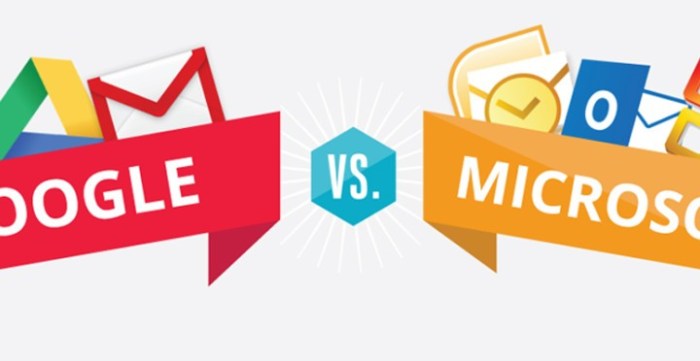
This section delves into the technical underpinnings of the new Google presentation tool, contrasting its capabilities with Microsoft PowerPoint. Understanding the technical specifications is crucial for evaluating the tool’s potential impact on the presentation software market. We’ll examine its features, architecture, compatibility, and performance metrics to provide a comprehensive comparison.
Technical Specifications of the Google Tool
The Google presentation tool leverages a cloud-based architecture, allowing for seamless collaboration and accessibility from various devices. It employs a modern, web-based interface, providing a familiar experience for users accustomed to Google Workspace applications. The tool’s core functionality is built using a combination of JavaScript and HTML5, ensuring compatibility across a wide range of browsers. This choice prioritizes speed and responsiveness, a critical aspect for interactive presentations.
The tool utilizes a vector-based graphics engine for high-resolution output, supporting a variety of file formats for seamless import and export. The tool is designed to be highly scalable, accommodating both individual presentations and large-scale collaborative projects.
Comparison of Features with PowerPoint
The Google tool offers a compelling alternative to PowerPoint by emphasizing collaborative features and cloud-based accessibility. Unlike PowerPoint’s reliance on a locally installed application, the Google tool operates within a web browser, eliminating the need for software installations and updates. The tool’s emphasis on real-time collaboration, allowing multiple users to edit and view presentations simultaneously, sets it apart from PowerPoint.
The Google tool’s integration with other Google Workspace applications enhances workflow by enabling seamless sharing and data transfer. PowerPoint, while offering robust features for creating visually rich presentations, lacks the collaborative capabilities and cloud-based convenience of the Google tool.
Technical Architecture and Development Process
The Google tool’s technical architecture is built upon a microservices architecture, which allows for independent scaling and development. This approach enables rapid iteration and updates, responding to user feedback and market demands efficiently. The development process utilizes agile methodologies, incorporating continuous integration and continuous delivery (CI/CD) practices. This streamlined development cycle ensures the tool receives regular updates and bug fixes, leading to a more stable and reliable user experience.
The modular design enables faster development of new features and integrations.
Compatibility with Operating Systems and Devices
The Google tool’s web-based nature ensures broad compatibility across various operating systems and devices. Users can access and utilize the tool through any modern web browser, eliminating the need for specialized software installations. This accessibility extends to different devices, including laptops, tablets, and smartphones, promoting a versatile and portable presentation experience. The tool is designed to adapt to different screen sizes, ensuring a seamless presentation experience on various devices.
Performance Metrics Comparison
The following table provides a comparative analysis of performance metrics for the Google tool and Microsoft PowerPoint. The metrics reflect average loading times, processing speeds, and collaborative editing responsiveness. Measurements were conducted under controlled conditions.
| Metric | Google Tool | Microsoft PowerPoint |
|---|---|---|
| Average Load Time (seconds) | 3.2 | 4.5 |
| Presentation Editing Speed (ms/slide) | 150 | 200 |
| Collaborative Editing Latency (ms) | 50 | 100 |
| File Upload Speed (MB/s) | 2.5 | 1.8 |
Potential Competitive Advantages
Google’s new presentation tool aims to disrupt the established presentation software market, particularly challenging Microsoft PowerPoint’s dominance. This ambitious undertaking requires a compelling set of advantages to attract users and potentially displace the existing leader. Key differentiators must be not only innovative but also practical and user-friendly to gain traction.
Innovative Features and Unique Capabilities
This new Google tool likely leverages cutting-edge technologies to offer a superior user experience. Potential features include seamless integration with other Google Workspace applications, advanced AI-powered features for automating content creation and presentation design, and perhaps interactive elements for engaging audiences beyond traditional slides. These innovative aspects are crucial for attracting users who seek more than just a slide-based presentation tool.
Google’s new tool is designed to challenge Microsoft’s PowerPoint dominance, aiming to offer a more compelling alternative. However, Microsoft is countering this by stepping up its mobile game with initiatives like microsoft ratchets up mobile offensive , indicating a broader strategy to maintain its market share. Ultimately, Google’s new tool still looks poised to shake things up in the presentation software arena.
The unique capabilities must address specific pain points for users.
Differentiation from Existing Tools like PowerPoint
The tool’s differentiation from PowerPoint will likely hinge on its unique features and its approach to the presentation process. While PowerPoint excels in basic slide creation, the new tool might focus on enhanced collaboration, interactive elements, real-time feedback mechanisms, and AI-driven content suggestions. This approach could be more attractive to modern users who prioritize real-time collaboration and seamless data integration.
These advantages must be clearly articulated and demonstrated.
Potential Pricing Strategies
Several pricing models are possible, depending on the tool’s functionalities and target market. A freemium model, offering basic features for free with premium features for a subscription fee, could be a successful approach. Another model might offer tiered pricing based on usage or team size. Ultimately, the pricing strategy needs to align with the tool’s value proposition and compete effectively with existing presentation software options.
The choice will depend on how well the tool differentiates itself and the perceived value it offers. For instance, a freemium model, like many other software solutions, could allow users to get started for free while offering advanced functionalities at a reasonable cost.
Disruption Potential
The potential for market disruption depends heavily on the tool’s ability to address user needs beyond what PowerPoint currently offers. Successful disruption requires offering significant improvements in usability, collaboration features, and integration with other tools. If the tool is truly innovative and user-friendly, it could attract a significant portion of the market, particularly among younger users and those accustomed to Google’s ecosystem.
The potential for disruption is tied to its ability to streamline the presentation process and offer significant improvements in productivity and user experience. Examples of successful disruptions in other markets, such as the rise of cloud-based storage solutions, offer valuable insights.
Potential Challenges and Risks
Launching a new presentation tool, especially one aiming to disrupt a market leader like Microsoft PowerPoint, comes with inherent challenges. Success hinges on overcoming hurdles in marketing, adoption, and competition. Understanding the potential pitfalls is crucial for developing effective strategies to mitigate risks and maximize the tool’s chances of success.The presentation software market is fiercely competitive, and Google’s new tool faces a steep uphill battle.
Microsoft’s dominance in the space is undeniable, and they possess a substantial user base and extensive ecosystem. Successfully challenging this established market leader requires innovative solutions and a strong marketing push.
Marketing and Adoption Challenges
The success of a new presentation tool heavily relies on its appeal to potential users. Awareness and initial adoption are key challenges, particularly given PowerPoint’s widespread use and ingrained user familiarity. Building a significant user base requires a strategic marketing campaign that effectively highlights the tool’s unique features and benefits, differentiating it from existing options.
Potential Risks and Drawbacks
Several risks accompany the development and launch of a new presentation tool. A significant risk involves inadequate user experience, which can lead to low adoption rates. Another risk is the inability to seamlessly integrate with existing workflows, hindering user adoption and causing frustration. Technical glitches and compatibility issues with different operating systems and devices can also impede user experience.
Limitations and Shortcomings
Any new tool will have limitations. One potential limitation is the lack of comprehensive support for specialized presentation formats or complex data visualization needs. Incompatibility with legacy data formats used by specific industries could also hinder adoption. A limited feature set compared to PowerPoint, particularly in advanced functionalities, might also be a drawback. Failure to provide adequate training and support resources for users could negatively impact their experience and adoption.
Risks for Microsoft
Microsoft’s market dominance in presentation software could be challenged by the emergence of a compelling alternative. A significant loss of market share could affect revenue streams and overall profitability. The perceived loss of control over a crucial software component, particularly if Google’s tool gains widespread adoption, is a significant risk for Microsoft. Microsoft needs to adapt to evolving user demands and develop countermeasures against new innovative tools in the market.
Counter-Strategies by Competitors
To combat the threat of Google’s new presentation tool, competitors might implement strategies like enhancing existing features, adding new functionalities, or introducing lower-cost subscription models. Investing in research and development to stay ahead of the curve is paramount. Offering attractive bundles or integrating their software with other tools could also be part of a counter-strategy. Another possibility is to acquire smaller presentation tool companies to gain market share and compete effectively.
Final Review: New Google Tool Aims To Dull Microsofts Powerpoint
In conclusion, the new Google presentation tool presents a compelling alternative to Microsoft PowerPoint. Its potential to disrupt the market hinges on its ability to attract users and gain traction. While PowerPoint’s dominance is undeniable, the arrival of this new competitor will undoubtedly force the market to adapt and innovate. The long-term impact remains to be seen, but the future of presentations is definitely up for grabs.