Nintendo Wows with Wii A Gaming Revolution
Nintendo wows with Wii, launching a gaming revolution that transcended traditional console experiences. The Wii’s innovative approach to gameplay, featuring motion controls, captivated gamers and casual audiences alike. This console wasn’t just about playing games; it was about experiencing them in a whole new way, fostering social interaction and creating lasting memories.
From its groundbreaking design to its widespread cultural impact, the Wii redefined what gaming could be. This console’s unique selling points, coupled with a stellar lineup of games, set a new standard in the industry. Its success wasn’t just about sales figures; it was about sparking a change in how people interacted with gaming and technology.
Wii’s Impact on Gaming
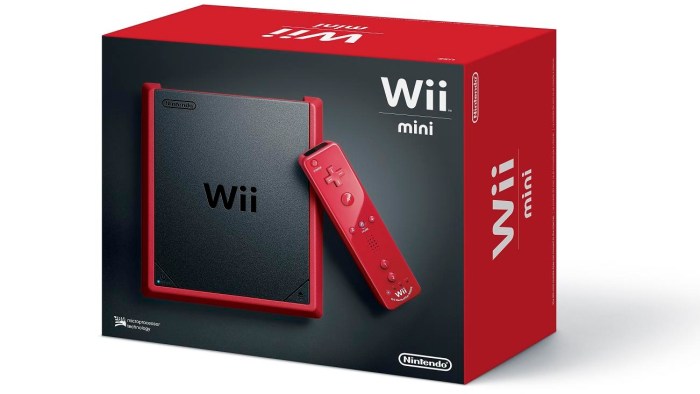
The Nintendo Wii, launched in 2006, revolutionized the gaming landscape. Its innovative approach to control and gameplay broke away from traditional console experiences, capturing a massive audience and reshaping the industry’s understanding of accessibility and fun. The console’s success wasn’t just a fleeting trend; it demonstrated a powerful shift in how people interacted with video games.The Wii’s unique selling proposition went beyond simply providing a new gaming experience.
It was a cultural phenomenon that changed how people thought about video games and their potential to connect people across different backgrounds. This shift was driven by several key design choices, making it a highly successful and influential console.
Key Features Differentiating the Wii, Nintendo wows with wii
The Wii’s groundbreaking features set it apart from its predecessors. The most prominent was its innovative motion-sensing controller, the Wii Remote. This controller allowed players to interact with the game world in a more intuitive and physical way, making gaming more accessible and engaging for a wider range of people. The Wii’s simple, yet effective design, was key to this success.
Remember Nintendo’s Wii? It blew everyone away with its innovative motion controls. Similarly, the rise of physical security information management is revolutionizing how companies handle security data. From streamlining access control to improving response times, this new approach is boosting efficiency and creating safer environments. Ultimately, like the Wii’s impact on gaming, these advancements in security technology are shaping the future of physical security in exciting new ways.
the rise of physical security information management
Initial Reception and Consumer Response
The Wii’s launch was met with both excitement and skepticism. Early reviews highlighted the novelty of the motion controls, praising their intuitive nature and the playful way they encouraged physical interaction. Consumer response was overwhelmingly positive, with a rapid rise in sales and popularity. The Wii’s success was further fueled by the development of unique games that capitalized on its innovative controls.
This success is largely due to the widespread appeal and simplicity of the motion controls.
Technological Advancements Enabling the Wii’s Design
The Wii’s innovative design relied on several key technological advancements. The development of the Wii Remote, with its motion-sensing capabilities, was a significant leap forward in gaming technology. This allowed for a more natural and engaging interaction with games, breaking away from traditional controller designs. The integration of advanced sensors and processing power was also critical for achieving the Wii’s goals, enabling precise tracking of player movements and providing a smooth gaming experience.
Impact on the Gaming Industry
The Wii’s impact on the gaming industry was profound. It demonstrated that games could be both accessible and entertaining for a wider audience, regardless of prior gaming experience. The introduction of motion controls prompted other developers to explore alternative input methods and innovative gameplay styles. This shift in approach, driven by the Wii’s popularity, significantly broadened the appeal of video games and paved the way for future console generations.
The console’s success directly inspired other developers to adopt similar innovative ideas, leading to a broader acceptance of alternative gaming approaches. This demonstrated the impact of the Wii’s innovative design on future generations of consoles.
Remember Nintendo’s Wii? It absolutely wowed the gaming world with its innovative motion controls. Just like that groundbreaking tech, security firms are also innovating, collaborating to fight spyware, a serious threat in today’s digital landscape. This collaboration, detailed in a recent report by security firms collaborate to fight spyware , shows a dedication to protecting user data, ultimately making the digital experience safer for everyone, and bringing a level of innovation that’s just as exciting as the Wii’s initial launch.
Wii’s Unique Gameplay Mechanics: Nintendo Wows With Wii
The Nintendo Wii revolutionized gaming with its innovative approach to control, moving beyond traditional button-based interfaces. This shift fundamentally altered how players interacted with games, opening up new possibilities for interaction and accessibility. The intuitive nature of the Wii Remote, combined with its motion-sensing technology, created a truly unique gaming experience that continues to be discussed and analyzed today.
The Innovative Wii Remote
The Wii Remote, a revolutionary controller, offered a fundamentally different way to interact with games. Instead of relying solely on buttons and analog sticks, the Wii Remote incorporated motion sensing technology, allowing players to control on-screen actions by mimicking real-world movements. This innovative control scheme brought a new level of realism and engagement to gaming, and it proved surprisingly intuitive for many players.
Motion Controls Revolutionize Gaming
Motion controls, a defining feature of the Wii, dramatically altered the gaming landscape. Games like Wii Sports and Wii Fit demonstrated the potential of this technology, transforming simple activities like swinging a baseball bat or balancing on a balance board into interactive gameplay elements. This shift from traditional control schemes opened up a new realm of possibilities for game design and player experience.
Remember Nintendo’s Wii? It blew everyone away with its innovative motion controls. While the technology behind the Wii’s success was groundbreaking, researchers are now exploring similar advancements in protecting physical media, like DVDs. For example, researchers aim to protect dvds with rfid to combat piracy and ensure the longevity of physical entertainment. Ultimately, the drive to innovate in the entertainment industry, as seen with the Wii, continues to find new applications in diverse fields.
The intuitive nature of the controls made gaming more accessible to a broader audience.
Examples of Motion Control Games
The Wii’s success can be attributed, in part, to a wide range of games that leveraged its unique control scheme. Wii Sports, a quintessential example, allowed players to participate in familiar sports activities like tennis, baseball, and bowling by mimicking the corresponding movements. Wii Fit, another popular title, focused on fitness and well-being, employing motion controls to track body movements and provide personalized feedback.
These examples highlighted the broad potential of motion controls, extending beyond traditional game genres. Many other titles, from dance games to adventure titles, incorporated motion controls to enhance gameplay.
Influence on Subsequent Consoles
The Wii’s impact extended beyond its own lifespan. The innovative motion controls pioneered by the Wii profoundly influenced the design of controllers and gameplay mechanics on subsequent consoles. Many subsequent consoles, including the Nintendo Switch, have incorporated motion controls, albeit in varying degrees of integration, demonstrating the lasting influence of the Wii’s pioneering approach. The success of the Wii’s motion control approach paved the way for a more intuitive and immersive gaming experience.
Wii Motion Controls vs. Other Controllers
| Feature | Wii Remote | Other Controllers |
|---|---|---|
| Control Method | Motion Sensing | Buttons, Analog Sticks |
| Examples | Wii Sports, Wii Fit, Dance Central | Super Mario Odyssey, The Legend of Zelda: Breath of the Wild, Horizon Zero Dawn |
| Accessibility | Increased accessibility for a wider range of players, especially those unfamiliar with traditional controls. | Traditional controllers often require a learning curve, but they provide precise control for experienced players. |
The table above contrasts the Wii Remote’s motion controls with more traditional console controllers. While motion controls offered a novel approach to gaming, traditional controllers continued to hold their own, providing a different set of advantages. The evolution of controller technology continues to this day, pushing the boundaries of what’s possible in gaming.
Wii’s Cultural Phenomenon
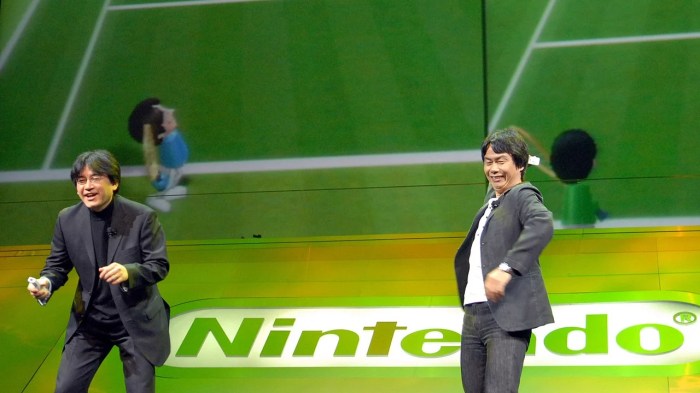
The Wii’s impact extended far beyond the realm of gaming, transforming social interactions and sparking a renewed interest in physical activity. Its intuitive controls and accessible games transcended traditional gamer demographics, drawing in families and casual players alike. This broadened appeal significantly impacted the gaming landscape and popular culture.The Wii’s unique design, emphasizing motion controls, sparked a new wave of accessibility in gaming.
This accessibility, coupled with engaging and enjoyable games like Wii Sports, resonated with a diverse audience, fostering a sense of community and shared experiences around the console. This shift was not just about playing games; it was about shared enjoyment and family bonding.
Social Impact of Wii Sports
Wii Sports, with its simple yet engaging gameplay, became a social phenomenon. It fostered interaction and competition within families and social gatherings. The act of playing together, whether it was a friendly competition in bowling or tennis, created shared experiences and laughter. This communal aspect transcended age groups, bringing together children, adults, and even grandparents in a shared activity.
This is evident in the many photos and videos circulating online showcasing families enjoying the game together.
Family Gaming and Community
The Wii’s intuitive design made it easy for families to play together. Parents and children could participate in games together, creating bonding experiences and fostering a sense of community within households. The simple joy of these shared experiences was a significant contributor to the Wii’s cultural impact. This trend wasn’t limited to families; social groups also used the Wii for bonding and recreational activities.
Friends and neighbours would gather around the console to participate in friendly competition, establishing a sense of community.
Impact on Casual Gamers and Non-Gamers
The Wii’s impact extended beyond hardcore gamers. Its approachable nature and accessible games attracted casual gamers and even those who had never considered themselves gamers. The emphasis on motion controls made the experience intuitive and engaging for newcomers to the gaming world. This broadened appeal fostered a broader cultural appreciation for video games, moving beyond the traditional perception of gaming as a solitary activity.
The Wii’s success demonstrated the power of intuitive design in engaging a wider audience, transcending pre-conceived notions about who could or should play video games.
Wii’s Impact on Social Gatherings
The Wii transformed social gatherings, introducing a new dimension to parties and get-togethers. Friends and families would gather around the console, participating in games and engaging in friendly competition. The social dynamic shifted, with gaming becoming a central activity that fostered interaction and laughter. The Wii provided a platform for socializing, replacing traditional board games or card games with a more dynamic and interactive experience.
Parties and gatherings would no longer solely revolve around conversation but also involve active engagement in games.
Cultural Phenomenon Across Regions
The Wii’s popularity transcended geographical boundaries, becoming a cultural phenomenon in various countries and regions. The simplicity and accessibility of the games resonated with audiences worldwide. The commonality of shared experiences, like playing Wii Sports, fostered a sense of global connection. While specific game preferences may have varied by region, the underlying principles of family engagement and social interaction remained consistent.
The Wii’s impact on global gaming culture was undeniable, as it showed how a universally accessible platform could connect people across cultures and borders.
Closing Notes
In conclusion, Nintendo’s Wii was more than just a gaming console; it was a cultural phenomenon. Its innovative motion controls and accessible gameplay fundamentally shifted the landscape of gaming, attracting a broader audience and creating unforgettable experiences. The Wii’s impact resonated across cultures and generations, proving that gaming could be fun, social, and accessible to everyone. It’s a legacy that continues to inspire innovation in the industry today.