Nintendos Still the One A Legacy of Gaming
Nintendos still the one – Nintendo’s Still the One sets the stage for this enthralling narrative, offering readers a glimpse into a story that is rich in detail and brimming with originality from the outset. From its humble beginnings to its current powerhouse status, Nintendo has consistently captivated gamers with innovative consoles, iconic characters, and unique gameplay experiences. This exploration delves into the company’s history, current offerings, devoted fanbase, and its position within the ever-evolving gaming industry.
We’ll trace Nintendo’s evolution through key consoles, highlighting their impact on the gaming world and examining how the company has adapted to changing times. This deep dive into Nintendo’s strategies, strengths, and potential challenges will ultimately uncover why Nintendo continues to reign supreme in the hearts and minds of gamers worldwide.
Historical Context of Nintendo
Nintendo’s journey from a playing card company to a global gaming powerhouse is a fascinating narrative of adaptation, innovation, and resilience. Founded in 1889, the company initially focused on the production of Hanafuda cards, a traditional Japanese card game. This early focus on entertainment laid the groundwork for Nintendo’s future ventures into the burgeoning world of gaming. This evolution demonstrates a remarkable ability to recognize emerging trends and adapt its business model to meet changing consumer demands.The company’s transformation into a gaming giant was not immediate.
It involved several key milestones, from the development of arcade games in the 1980s to the launch of iconic consoles in the home market. This evolution is a testament to Nintendo’s willingness to take calculated risks and its commitment to pushing the boundaries of entertainment.
Key Milestones in Nintendo’s Evolution
Nintendo’s journey was punctuated by several key innovations and strategic decisions that shaped its trajectory. The early foray into arcade gaming with titles like Donkey Kong and Mario Bros. proved pivotal, establishing the company’s presence in the gaming market. These arcade successes were instrumental in laying the groundwork for future home console dominance.
- 1980s Arcade Era: The arcade era was crucial for establishing Nintendo’s brand and recognition. Games like Donkey Kong, which combined innovative gameplay with charming characters, captivated players and demonstrated Nintendo’s potential. This period fostered a strong foundation for the company’s future endeavors. The success of these early titles highlighted the power of engaging gameplay and memorable characters.
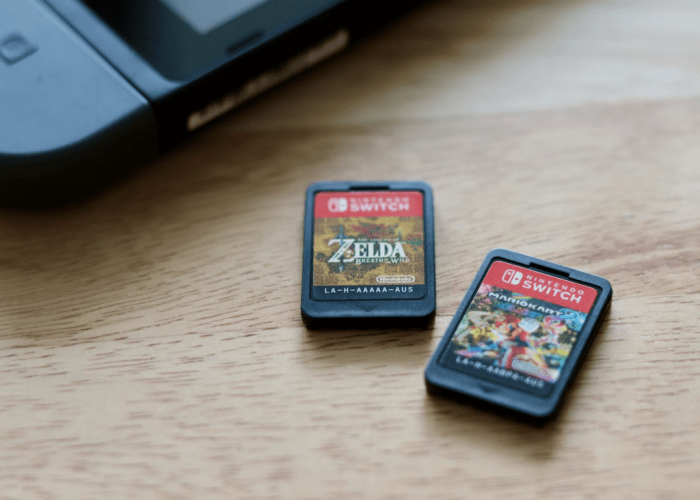
- 1983: Nintendo Entertainment System (NES): The NES revolutionized home gaming. It introduced a new generation of players to the joys of gaming and established Nintendo as a major player in the industry. The NES’s impact extended beyond simply providing a platform for games; it created a social phenomenon, bringing families together around shared gaming experiences. The NES also popularized cartridges, a key component that would later be instrumental in defining the platform.
- 1990s Expansion and Innovation: Nintendo continued its innovation with the Super Nintendo Entertainment System (SNES), introducing enhanced graphics and more complex gameplay. The SNES cemented Nintendo’s position as a leader in home gaming. The introduction of 16-bit graphics and sound brought a new level of visual and audio fidelity to gaming, significantly expanding the possibilities of the medium.
Impact of Nintendo Consoles on the Gaming Industry
Nintendo’s consoles significantly influenced the gaming landscape. The NES, for instance, popularized gaming among a broad audience, creating a cultural phenomenon.
- Broadening Accessibility: Nintendo consoles, particularly the NES, made gaming accessible to a wider audience, fostering a community of players. This accessibility was crucial in mainstreaming the gaming industry. The affordability and widespread availability of the NES were key to its success, making gaming a popular activity for families and individuals.
- Innovative Gameplay Mechanics: Nintendo introduced innovative gameplay mechanics that significantly influenced the industry. Games like Mario and Zelda established conventions that are still influential today, shaping how games are designed and played. These unique mechanics helped define the genre and set a new standard for gaming design.
Nintendo’s Unique Approach to Gaming
Nintendo’s approach to gaming has consistently differed from competitors. The company often prioritizes intuitive gameplay and accessibility over complex technical specifications. This focus on fun and engaging experiences has resonated with a broad audience.
- Emphasis on Fun and Accessibility: Nintendo prioritizes creating fun and engaging experiences, focusing on approachable gameplay. This focus on user-friendliness has helped them build a broad player base, including families and casual gamers.
- Character-Driven Storytelling: Nintendo games often feature memorable characters and compelling narratives, fostering a strong connection with players. The importance of memorable characters and storytelling is reflected in many of Nintendo’s most successful franchises. The characters are often more than just gameplay tools; they are embodiments of the game’s themes and values, further connecting with players.
Comparative Analysis of Nintendo Consoles
| Console | Strengths | Weaknesses |
|---|---|---|
| NES | Affordable, widespread accessibility, simple controls, iconic games | Limited graphics compared to later consoles |
| SNES | Improved graphics, more complex gameplay, expanded library of games | Still relatively limited compared to modern standards |
| Nintendo 64 | Early 3D gaming, innovative controller | Limited graphical capabilities compared to PC games of the time |
| GameCube | Strong focus on first-party games, innovative controller | Limited third-party support |
Current Nintendo Offerings
Nintendo, renowned for its unique gaming approach, continues to carve a niche in the competitive market. Their enduring appeal stems from a blend of innovative gameplay experiences and a dedication to creating distinctive game genres. This focus on creating distinct experiences, rather than just replicating competitor offerings, has been a key factor in their sustained success.
Nintendo’s Console Lineup
Nintendo’s current console lineup comprises the Switch and the Switch OLED Model. These consoles are designed with distinct features to cater to different needs and preferences. The Switch’s portability, allowing seamless transitions between home and on-the-go gaming, is a key selling point. The Switch OLED Model enhances this experience with an improved screen resolution and enhanced audio quality.
The continued popularity of the Switch speaks to its appeal as a versatile gaming platform.
Popular Game Genres
Nintendo excels in creating unique game experiences. This encompasses a wide range of genres, including platformers, RPGs, and action-adventure games. Their mastery of these genres often involves imaginative storytelling and innovative gameplay mechanics. Examples of this include the popular Super Mario series, The Legend of Zelda, and Animal Crossing. These games often showcase a blend of engaging narratives and innovative gameplay mechanics.
Nintendo’s still the one, hands down. While the console wars rage on, exploring the history of set-top boxes like in the tivo vs microsoft vs the set top box comparison, it’s clear that the simple joy of gaming remains unmatched. Nintendo’s focus on pure, unadulterated fun is what keeps them on top.
Success and Market Position
Nintendo’s current offerings maintain a strong market position, often competing against the dominant consoles of the market. This success is driven by Nintendo’s ability to appeal to both casual and hardcore gamers. Their commitment to creating high-quality experiences, combined with the versatility of the Switch, has played a crucial role in this sustained success. Their commitment to innovative gameplay mechanics and captivating stories is a major differentiator in a competitive market.
Comparison to Competitors
Compared to competitors like Sony and Microsoft, Nintendo prioritizes distinct game genres and experiences over raw power. Their focus on unique game mechanics and imaginative worlds often differentiates their products from those of rivals, who frequently focus on higher graphical fidelity and processing power. This difference in approach speaks to Nintendo’s strategic approach to capturing different segments of the gaming market.
Features and Price Points
| Console | Key Features | Price (USD) |
|---|---|---|
| Nintendo Switch | Hybrid console, detachable Joy-Con controllers, wide library of games | 299 |
| Nintendo Switch OLED Model | Enhanced screen with OLED technology, improved sound, wider adjustable stand | 349 |
The table above displays the different consoles and their associated features and price points. The price range reflects the differing features and technological advancements within the console line.
Fan Base and Community
Nintendo’s enduring success isn’t solely attributed to its innovative products; a vibrant and passionate fanbase plays a crucial role. This community fosters a sense of belonging and shared passion, driving engagement and loyalty. The unique cultural impact of Nintendo games and characters creates a powerful connection, transcending generations.
Overview of the Nintendo Fanbase
Nintendo’s fanbase is diverse, encompassing individuals of all ages, backgrounds, and interests. This broad appeal is a testament to the universal appeal of games, particularly those with compelling characters and engaging narratives. The fanbase isn’t confined to a specific demographic; it spans generations, uniting families and friends through shared gaming experiences. It is a global community, connecting players from various corners of the world through shared experiences and online interactions.
Cultural Significance of Nintendo Games and Characters
Nintendo games have transcended their role as mere entertainment; they’ve become cultural touchstones, shaping popular culture and influencing artistic expression. Iconic characters like Mario, Link, and Pikachu have become recognizable symbols, appearing in various forms of media and representing a specific kind of fun and playful spirit. Their enduring appeal is rooted in their relatability, humor, and emotional resonance.
These characters and games have contributed significantly to the global gaming landscape and popular culture.
Nintendo’s Community Engagement Strategies
Nintendo actively cultivates its fanbase through various engagement strategies. These range from online forums and social media platforms to dedicated events and partnerships. This consistent effort strengthens the connection between the company and its customers. These strategies focus on fostering a sense of community, celebrating fan creations, and providing platforms for interaction.
Enduring Popularity of Nintendo Games
The enduring popularity of Nintendo games stems from several factors. Their emphasis on accessibility and fun makes them appealing to players of all skill levels. The consistently high-quality graphics and immersive narratives are crucial factors in the games’ continued appeal. The focus on family-friendly content, coupled with the introduction of innovative gameplay mechanics, creates a welcoming and engaging experience.
Nintendo’s still the one, hands down. While NASA’s Glenn Center is tackling a fascinating space vehicle development project, NASA’s Glenn Center takes on space vehicle development project , it’s hard to deny the enduring appeal of classic gaming experiences. For pure, unadulterated fun, Nintendo consoles still reign supreme.
A blend of familiar comfort and novelty keeps players engaged and coming back for more.
Table: Nintendo Fanbase Engagement
| Engagement Method | Description | Example |
|---|---|---|
| Online Forums and Communities | Dedicated online spaces for fans to connect, share experiences, and discuss games. | Nintendo Switch Online forums, dedicated subreddit communities. |
| Social Media Platforms | Leveraging social media to engage with fans, share news, and host contests. | Nintendo’s official Twitter and Facebook accounts, contests, and Q&A sessions. |
| Events and Conventions | Hosting physical events, conventions, and meetups to foster face-to-face interaction and celebrations. | Nintendo’s E3 presentations, fan-organized meetups, and game-themed events. |
| Partnerships and Collaborations | Collaborating with other companies to create merchandise, promotions, or crossover events. | Collaborations with other gaming companies, creating themed merchandise, and co-branded content. |
| Fan Content Recognition | Acknowledging and celebrating fan art, music, and creative interpretations of Nintendo games. | Feature fan-created content on official channels, hosting contests for fan creations, and featuring in official publications. |
Gaming Industry Trends and Nintendo’s Position
Nintendo, a company often lauded for its unique approach to gaming, faces a dynamic industry landscape. From the rise of mobile gaming to the ever-evolving online experience, the gaming world is constantly shifting. Understanding how Nintendo navigates these trends is key to appreciating its continued success and future trajectory. The company’s commitment to distinct gameplay experiences, along with its established fanbase, allows for a unique position within the competitive gaming industry.Nintendo’s strategies differ significantly from those of other major players, particularly in the focus on dedicated hardware and unique game design.
While competitors often prioritize rapid iteration and market share expansion through mobile and online integration, Nintendo prioritizes creating a sense of experience and community centered around its consoles. This allows for a more curated and intimate gaming experience for its users, often leading to a more dedicated fan base.
Nintendo’s Approach to Mobile Gaming
Nintendo’s foray into mobile gaming has been a calculated one, distinct from the often-aggressive approaches of other companies. Instead of solely focusing on monetization through in-app purchases, Nintendo has aimed to deliver mobile versions of established and beloved franchises. This approach aims to extend the reach of its properties and characters, not necessarily to generate immediate profits, but to maintain and expand its brand recognition.
Nintendo’s Approach to Online Gaming
Nintendo’s approach to online gaming is another area where its strategies differ significantly from competitors. While other companies often prioritize extensive online features for multiplayer and social interaction, Nintendo’s online experiences are often more integrated with the core gameplay experience, rather than being the primary focus. This often results in unique online modes that enhance the single-player experience rather than just acting as an afterthought.
Factors Influencing Nintendo’s Market Share
Several key factors contribute to Nintendo’s enduring market share. First, the company’s ability to create highly sought-after, innovative, and unique experiences remains a significant strength. The creation of memorable and beloved franchises, like Mario and Zelda, establishes a loyal and dedicated fanbase that transcends generational differences. Second, Nintendo’s consistent focus on high-quality game development, often emphasizing unique and innovative gameplay mechanics, is another important factor.
This approach fosters a sense of quality and anticipation among fans, contributing to strong sales and positive reviews. Finally, the company’s ability to maintain a distinctive brand image and create a community around its products is crucial. This brand recognition helps create a sense of exclusivity and desirability, further driving sales and community engagement.
Future of Gaming and Nintendo’s Place
The future of gaming is marked by continued innovation in technology and the rise of virtual and augmented reality experiences. Nintendo’s approach, while traditional in some respects, is well-suited to adapt to these changes. Its ability to combine familiar gameplay with innovative approaches to the integration of new technologies is a significant advantage. Nintendo’s future success hinges on its ability to remain innovative and continue to attract new players while maintaining its dedicated fanbase, something that has historically been a strength of the company.
Nintendo’s Strengths and Advantages
Nintendo’s enduring success isn’t a fluke; it’s a carefully cultivated blend of strategic decisions, innovative game design, and a deeply loyal fan base. The company’s ability to consistently deliver unique and engaging experiences, coupled with a strong brand identity, sets it apart in a fiercely competitive gaming market. Their unique approach to gaming, often characterized by a focus on family-friendly fun and imaginative worlds, has resonated with players of all ages for decades.
Key Factors Contributing to Consistent Success
Nintendo’s enduring success stems from a combination of factors, including a strong emphasis on unique gameplay experiences, a focus on family-friendly entertainment, and a deep understanding of their target audience. These elements create a powerful synergy, allowing the company to consistently attract and retain customers.
- Unique Gameplay Experiences: Nintendo consistently pushes boundaries in game design, offering innovative mechanics and fresh perspectives. This focus on originality distinguishes their games from competitors and often creates entirely new genres. Examples include the innovative motion controls in the Wii, the charming world-building of the Animal Crossing series, and the imaginative combat systems in the Metroid franchise. This constant innovation keeps players engaged and returning for more.
- Family-Friendly Focus: Nintendo often prioritizes family-friendly entertainment, appealing to a broad demographic. This approach fosters a sense of community and shared enjoyment, especially in the home gaming environment. Games like Mario Kart, Super Smash Bros., and the various Pokémon titles are popular across generations and cultures, demonstrating the power of this approach.
- Deep Understanding of Target Audience: Nintendo has a remarkable ability to understand and cater to its target audience. They understand what makes players tick and deliver experiences that resonate with their preferences, fostering a strong sense of connection and brand loyalty. This is evident in the consistent success of beloved franchises like Mario and Pokémon, which have transcended generations.
Innovative Game Design
Nintendo’s commitment to innovative game design is a hallmark of its success. Their approach frequently leads to groundbreaking experiences that redefine the possibilities of interactive entertainment.
- Unconventional Mechanics: Nintendo often employs unconventional game mechanics and control schemes to create unique and engaging experiences. The innovative motion controls in the Wii are a prime example of this approach, leading to a whole new generation of casual gamers. The use of intuitive controls in the Animal Crossing series fosters a sense of calm and creative exploration, while the creative combat in the Metroid series emphasizes puzzle-solving and strategy.
- Creative Worlds and Storytelling: Nintendo excels at crafting compelling and immersive worlds. The vibrant and imaginative worlds of games like Super Mario Odyssey and Breath of the Wild exemplify this strength. These imaginative settings captivate players and create a sense of wonder and exploration, drawing them into the narrative.
- Unique Franchise Strengths: The success of Nintendo is significantly linked to the power of their iconic franchises. The recognizable characters, memorable worlds, and enduring gameplay of franchises like Mario, Zelda, Pokémon, and Animal Crossing provide a foundation of trust and familiarity for players.
Brand Recognition and Loyal Customer Base
Nintendo’s brand recognition is unparalleled in the gaming industry, underpinned by decades of delivering beloved and enduring experiences. This strong brand recognition fosters a loyal customer base.
- Generational Appeal: Nintendo’s games often transcend generations, captivating players from childhood to adulthood. This generational appeal ensures a continuous flow of new players while maintaining the loyalty of existing fans. The enduring popularity of Mario and Pokémon across generations is a testament to this ability.
- Strong Community: Nintendo fosters a strong sense of community among its players, encouraging interaction and collaboration. This sense of community, both online and offline, further strengthens brand loyalty and encourages engagement.
- Nostalgia Factor: Nintendo’s games often evoke strong feelings of nostalgia, connecting players with their childhood memories and experiences. This nostalgia factor is a powerful driver of continued interest and engagement with Nintendo’s products.
Factors Setting Nintendo Apart
Nintendo’s approach to game design, brand building, and customer engagement sets it apart from other gaming companies.
- Focus on Experience: Nintendo often prioritizes the overall gaming experience, encompassing aspects such as atmosphere, storytelling, and emotional connection. This holistic approach creates a unique bond with players.
- Emphasis on Family-Friendly Fun: Nintendo’s emphasis on family-friendly fun is a key differentiator. This focus allows the company to appeal to a broad audience, including children, parents, and grandparents, leading to a wider market reach.
- Long-Term Investment in IP: Nintendo invests heavily in its intellectual property, fostering a deep sense of trust and recognition among players. This commitment to its franchises is reflected in the continuous development and evolution of these beloved characters and worlds.
Nintendo’s Strengths and Leverage
| Strength | Leverage Strategy |
|---|---|
| Unique Gameplay Experiences | Develop innovative game mechanics and unique franchises to stand out from competitors. |
| Strong Brand Recognition | Leverage brand equity to build trust and loyalty among customers, creating a lasting fanbase. |
| Family-Friendly Focus | Target a broad audience, including families and children, expanding the market reach. |
| Deep Understanding of Target Audience | Develop products that resonate with the target audience, fostering a strong sense of community and engagement. |
Potential Challenges and Future Outlook: Nintendos Still The One
Nintendo, despite its enduring legacy and passionate fanbase, faces a complex landscape in the future. The gaming industry is constantly evolving, demanding adaptation and innovation to maintain market share and relevance. Staying ahead of the curve while honoring its core values and unique identity will be critical for Nintendo’s continued success.
Shifting Consumer Preferences
Consumer tastes in gaming are ever-changing, with genres, platforms, and expectations constantly evolving. Players are demanding increasingly realistic graphics, immersive experiences, and accessible gameplay across multiple devices. Nintendo’s traditional focus on unique experiences and family-friendly games might need to incorporate elements of these trends while maintaining its distinctive charm. The increasing popularity of mobile gaming, coupled with the dominance of other console manufacturers in the AAA market, presents a formidable challenge.
New Technological Advancements
Emerging technologies like virtual reality (VR) and augmented reality (AR) present both opportunities and hurdles for Nintendo. While VR and AR could potentially revolutionize gaming, the current state of the technology and consumer adoption remains uncertain. Successfully integrating these technologies into Nintendo’s products while retaining the company’s playful and intuitive design philosophy will be key. Consideration must be given to the financial investment required for developing VR/AR experiences and the potential return on investment.
For example, Sony’s initial foray into VR was met with mixed reactions, demonstrating the difficulties of successfully incorporating such technologies.
Nintendo’s still the one, offering timeless gaming experiences. While recent headlines highlight concerning data breaches, like Google accidentally exposing user data here , it’s comforting to know that some things remain consistently fantastic. For pure, unadulterated fun, Nintendo’s the best choice, and I’ll stick with them.
Emerging Markets
Nintendo has a history of strong global presence, but emerging markets in Asia and South America offer considerable potential. However, understanding local preferences, cultural nuances, and regulatory environments is vital. Effective localization strategies and partnerships with regional developers are crucial to success in these markets. For example, localization efforts have been successful for games like Pokémon in various regions, showcasing the potential for tailored gaming experiences.
The cost of adapting games to different regions must be considered alongside the potential return.
Future Market Position
Nintendo’s future market position will depend on its ability to balance tradition with innovation. Maintaining a unique identity while acknowledging and adapting to contemporary gaming trends is crucial. The company must adapt to the changing preferences of consumers, invest in new technologies responsibly, and effectively expand into emerging markets. A successful strategy must account for the ongoing technological advancements in the gaming industry, which could alter the landscape significantly in the coming years.
By effectively navigating these challenges, Nintendo can solidify its position as a prominent player in the global gaming market. For example, Nintendo’s approach to hybrid consoles like the Switch has demonstrated a capacity for innovation that has resulted in substantial success.
Illustrative Examples
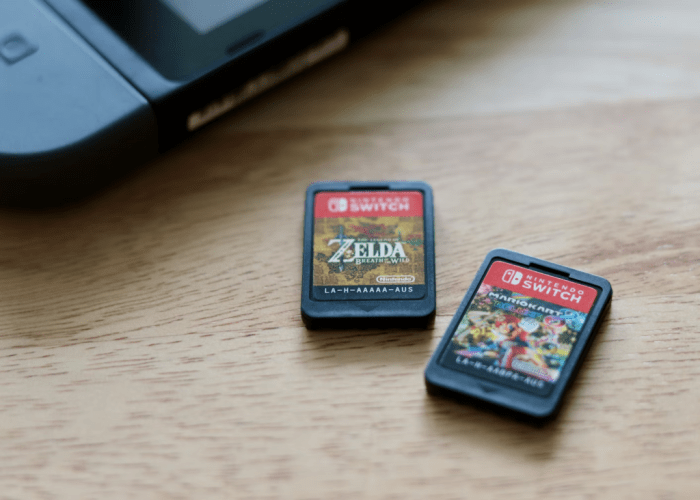
Nintendo’s enduring success isn’t just about impressive financials or innovative technology; it’s deeply rooted in the emotional connections forged with its games, characters, and community. These connections manifest in tangible ways, shaping popular culture and leaving a lasting legacy. This section delves into specific examples to illustrate the power of Nintendo’s brand.Nintendo’s impact extends beyond the gaming world, weaving itself into the fabric of popular culture through iconic characters and unforgettable games.
These examples demonstrate the company’s ability to create not just entertainment, but experiences that resonate with people across generations.
Super Mario Odyssey and its Cultural Impact
Super Mario Odyssey, released in 2017, stands as a prime example of Nintendo’s innovative approach to gameplay. The game’s innovative exploration of the Kingdom, coupled with a unique and fluid control system, captured the imagination of players worldwide. Its whimsical art style and captivating music further solidified its appeal. The game’s success transcended its initial reception, leading to widespread media coverage and becoming a cultural touchstone.
It showcased Nintendo’s ability to combine playful creativity with engaging mechanics. The game’s impact on gaming culture, through its innovative use of movement and exploration, was significant, and its influence can be seen in subsequent platformer designs.
The enduring legacy of Mario, Nintendos still the one
Mario, Nintendo’s flagship character, embodies a unique blend of charm, resilience, and a commitment to friendship. His journey across various platforms and games, spanning decades, has made him a global icon. From his initial appearance as Jumpman to his evolution into the heroic plumber we know today, Mario’s journey has been intertwined with Nintendo’s own evolution as a company.
He has become a cultural symbol of perseverance, a testament to the power of video games to entertain and inspire. Mario’s lasting impact transcends gaming, appearing in countless merchandise, movies, and other media formats, demonstrating his widespread cultural relevance.
A Fan’s Passionate Connection with Nintendo
A fan’s unwavering devotion to Nintendo, driven by a shared love for the games and characters, is a testament to the emotional connection fostered by the company. Many fans have shared their personal experiences, describing how Nintendo games have shaped their childhoods and provided solace and joy in their lives. This passionate community, connected through shared experiences and the joy of gaming, is a significant contributor to Nintendo’s enduring appeal.
The unwavering dedication of this community, and the stories they share, highlights the special bond that fans feel with Nintendo.
Nintendo’s Community Engagement Initiatives
Nintendo’s ongoing community engagement initiatives further solidify its commitment to its fans. These initiatives take various forms, including online forums, social media interactions, and special events. The company fosters a sense of community among players through these channels, providing a platform for fans to connect, share their experiences, and participate in online challenges and competitions. These activities demonstrate a clear understanding of the importance of the fan base and their contributions to the gaming community.
This proactive engagement nurtures a sense of loyalty and strengthens the bond between Nintendo and its consumers.
The Nintendo Switch Launch and its Reception
The Nintendo Switch launch in 2017, initially met with some skepticism, ultimately became a remarkable success story. The innovative hybrid console, which could be used both at home and on the go, addressed a market need for portability and flexibility. Initial reviews, while acknowledging some limitations, praised the innovative approach to gameplay. The Switch’s ability to seamlessly transition between home and handheld modes resonated with players seeking diverse gaming experiences.
The early adopter community, quickly embracing the novelty of the console, contributed to the positive buzz around the launch. This positive reception, driven by the Switch’s unique features and the enthusiasm of the community, significantly impacted the console’s market share.
Last Word
In conclusion, Nintendo’s enduring success isn’t just about nostalgia or a loyal fanbase; it’s a testament to their ability to adapt, innovate, and connect with players on a deeply personal level. While challenges lie ahead, Nintendo’s innovative spirit and commitment to unique experiences suggest a bright future. The company’s consistent ability to create games that resonate with players across generations is a key factor in their continued success, a testament to their enduring legacy.