One MMORPG to Rule Them All A Vision
One MMORPG to rule them all, a single, massive game encompassing diverse genres and player bases, presents a tantalizing vision. This ambitious project explores the potential benefits and daunting challenges of such a monumental undertaking, from its technical feasibility to the complexities of managing a vast and varied player community.
This exploration delves into the intricate details of creating a unified MMORPG experience, examining the diverse needs and expectations of players across different playstyles. From the technical hurdles to the social dynamics, we’ll dissect the challenges and potential solutions in achieving this grand vision.
Defining the Concept
The dream of a single, overarching MMORPG, encompassing diverse worlds and gameplay styles, has captivated players and developers for years. This “one MMORPG to rule them all” concept represents a powerful aspiration, aiming to create a truly universal experience that transcends the limitations of individual titles. However, the practical execution of this ambitious vision presents significant challenges, requiring careful consideration of player expectations and historical trends in the genre.The idea, at its core, seeks to unite the best elements of existing MMORPGs into a single, cohesive experience.
This involves not only replicating popular mechanics and features but also innovating on existing models to create something truly unique. This synthesis would need to address a diverse player base, offering appealing content for both seasoned veterans and newcomers. This endeavor, though daunting, could yield a revolutionary MMORPG that profoundly impacts the gaming landscape.
Historical Context of MMORPGs
MMORPGs have evolved significantly since their inception. Early titles often focused on simple combat and resource gathering, gradually incorporating more complex social systems, intricate storylines, and diverse gameplay options. The development of crafting, trading, and player-versus-environment (PvE) content has driven the genre forward, leading to more engaging and immersive experiences. Looking at the evolution of games like World of Warcraft, Lineage, and EVE Online, we see a clear trend toward increased complexity and player agency.
This historical trajectory suggests that a unified MMORPG would need to cater to the complex needs and desires of a modern player base.
Characteristics of a Hypothetical Unified MMORPG
A unified MMORPG would need to be significantly more expansive than any single title currently available. Imagine a world composed of interconnected regions, each with its unique aesthetic and gameplay focus. This could range from a sprawling fantasy realm to a futuristic metropolis or even a procedurally generated universe. The design would necessitate a highly flexible engine, capable of adapting to diverse environments and player activities.
- Diverse Gameplay Styles: The game would need to support a wide array of playstyles, from traditional dungeon crawlers to role-playing enthusiasts, PvP strategists, and players who prefer exploration and discovery. This diverse range of content would likely be achieved through the use of specialized zones and activities tailored to different player preferences.
- Flexible Character Customization: Character creation should extend beyond the typical race/class options. A system that allows players to shape their avatars with unparalleled freedom would be essential. Consider a character customization system that allows players to mix and match abilities, skills, and appearances in a unique way, fostering player expression and creativity.
- Scalable Economies and Social Systems: The game’s economy would need to be robust and adaptive, able to accommodate a massive player base. Simultaneously, social interactions would need to be engaging and meaningful, fostering both collaborative and competitive gameplay opportunities.
Interpretations of the Aspiration
The “one MMORPG to rule them all” concept can be interpreted in several ways. Some players might view it as a single, unified world where they can seamlessly transition between diverse environments. Others might envision a single platform that houses multiple, independent MMORPGs, allowing players to sample different genres within a single account. This interpretation would involve a flexible and modular design.
Furthermore, some may envision a single, centralized database that stores all player progress and allows for the import/export of characters, assets, and achievements between the various games.
Different Aspects of MMORPG Design
The successful implementation of a “one MMORPG to rule them all” would require significant innovation in various aspects of MMORPG design. This includes, but is not limited to, game engine development, server infrastructure, and user interface design. The challenge lies in balancing the diverse needs and preferences of a large and varied player base within a single framework.
Technical Feasibility
Creating a single MMORPG encompassing diverse genres and player bases presents a monumental technical challenge. It’s not simply a matter of merging existing games, but of designing a unified platform capable of handling the unique demands of each genre while maintaining a consistent experience for all players. This requires a sophisticated architecture, robust systems, and innovative solutions for scaling and managing content complexity.The sheer scale of such a project necessitates careful consideration of performance, balance, and content delivery.
This section will delve into the technical hurdles and propose potential solutions to ensure a seamless and engaging experience for millions of players across vastly different gameplay styles.
Challenges of Diverse Genre Integration
The core challenge lies in the fundamental differences between genres. A fantasy RPG requires vastly different systems for character progression and combat than a sci-fi shooter. Creating a unified skill tree system that caters to both while maintaining a satisfying progression for each player is crucial. Similarly, different genres require unique world designs, economies, and social structures.
The seamless integration of these disparate elements into a single coherent world is a significant technical undertaking. Potential conflicts arise in crafting shared resources and assets, as well as maintaining the integrity of each genre’s unique gameplay loop.
Handling Massive Player Populations, One mmorpg to rule them all
Maintaining consistent performance under massive concurrent player loads is a critical concern. Solutions such as advanced server clustering, load balancing, and distributed database architectures are essential. World of Warcraft’s approach to server clusters is an example of how to handle a huge player base, though it’s not directly applicable to a unified MMORPG due to the varying genre demands.
Real-time updates and minimizing latency are paramount, especially in real-time combat scenarios or player-vs-player interactions. Using techniques like data sharding, caching, and asynchronous operations are key to minimizing server bottlenecks and maintaining a smooth experience.
Maintaining Game Balance and Content Variety
Maintaining balance across different gameplay styles presents a significant challenge. A well-balanced system in one genre may be imbalanced in another, requiring intricate adjustments and monitoring. The solution involves a flexible and adaptive system for balancing, potentially using dynamic adjustments based on player activity and feedback. Implementing an iterative feedback loop, which includes player testing and analysis, is necessary to fine-tune balance across multiple genres and styles.
Conceptual Architecture for a Unified MMORPG
A modular architecture is essential for accommodating future additions and expansions. The core system would consist of a central server hub managing authentication, player profiles, and global resources. Individual game modes or genres would reside in separate, yet interconnected, servers, with their own unique data structures and logic.
| Module | Functionality |
|---|---|
| Core Server | Authentication, player profiles, global resources |
| Genre Servers | Specific genre data structures, logic, content |
| Content Delivery System | Dynamic content delivery, optimized for each genre |
This modular design allows for independent development and deployment of new content, making the platform more adaptable and scalable. This system would be further enhanced by utilizing a dynamic content management system (CMS) for streamlined updates and maintenance.
This design also emphasizes scalability through the use of cloud-based infrastructure. This allows for dynamic resource allocation and scaling, ensuring that the game can handle fluctuating player loads without performance degradation.
Content Diversity
A successful MMORPG needs to cater to a wide range of player preferences and playstyles. This means offering diverse content that satisfies those varied desires, from the hardcore dungeon raider to the casual crafter. Simply offering a few dungeon types or a handful of repetitive quests won’t cut it in today’s competitive market. The key is understanding and catering to the full spectrum of player expectations, ensuring a vibrant and engaging experience for everyone.
Content Type Comparison
Different content types appeal to different player motivations. To effectively design an MMORPG, understanding the strengths and weaknesses of each type is crucial. This comparison highlights the key distinctions.
| Content Type | Description | Typical Player Appeal | Potential Challenges |
|---|---|---|---|
| Dungeons | Structured, often challenging, group-based adventures with specific objectives. | Players seeking strategic gameplay, social interaction, and a sense of accomplishment. | Requires careful design to prevent monotony or frustration. Balancing difficulty across different player skill levels is critical. |
| Raids | Complex, high-level dungeons often requiring significant coordination and teamwork. | Experienced players seeking a high level of challenge and rewarding loot. | Requires significant design effort to ensure balance and avoid overly complex mechanics. |
| PvP (Player vs. Player) | Direct competition between players, often with rewards for victory. | Players seeking competition, testing their skills, and social interaction in a more aggressive environment. | Balancing fairness and avoiding toxicity is paramount. Requires mechanisms for preventing exploits. |
| Crafting | Gathering resources, processing materials, and creating items. | Players seeking a slower-paced, rewarding experience with a focus on skill and patience. | Requires a well-designed resource system to maintain a sense of balance. |
| Exploration | Discovering new areas, solving puzzles, and completing side quests. | Players seeking a sense of discovery, adventure, and a rewarding sense of accomplishment. | Maintaining a sense of intrigue and avoiding tedious exploration. |
Managing Diverse Player Expectations
A crucial aspect of MMORPG design is acknowledging the varying needs and preferences of players. Offering a variety of content that appeals to different playstyles is vital.
- Content Variety: Different players have different motivations. Providing diverse options (e.g., dungeons, raids, PvP, crafting, and exploration) accommodates diverse playstyles.
- Progression Systems: Offer a range of progression paths to appeal to both casual and hardcore players.
- Accessibility and Inclusivity: Ensure the game is accessible to a wide range of players. This includes accessibility features for players with disabilities and adjusting content difficulty appropriately.
Maintaining Content Freshness
To prevent player fatigue and maintain engagement, content needs to feel fresh and rewarding. Implementing mechanisms for ongoing updates is crucial.
- Dynamic Content Generation: Implementing systems that create new content regularly, based on player activity, avoids repetitive experiences.
- Seasonal Events: Seasonal content introduces new challenges and rewards, keeping players engaged. Examples include holiday events, themed quests, and special item releases.
- Regular Updates: Providing updates with new features, adjustments, and bug fixes keeps the game feeling fresh and avoids stagnation. This includes implementing new dungeon/raid content, improving UI/UX, adding new crafting recipes, and improving the game’s overall stability.
Dynamic Content Generation
Dynamic content generation systems can create new content automatically, responding to player activity or specific events. This is a key approach to maintain content freshness.
- Procedural Content Generation (PCG): Algorithms can generate new dungeons, quests, or even entire areas based on predefined parameters. The World of Warcraft’s open world exploration is a good example of using PCG for larger content areas, such as new zones and areas.
- Player-Driven Content: Involving players in the creation or modification of content, such as user-created dungeons or custom events, can greatly increase engagement and content diversity.
- AI-Assisted Content: Utilizing AI to create dynamic narratives, adapt to player behavior, or adjust the difficulty of challenges.
Player Experience and Community
A single, unified MMORPG presents a unique opportunity to foster a massive and vibrant community, but also a significant challenge. Managing the diverse preferences and playstyles of millions of players requires a meticulous approach to community design and player experience. Balancing the needs of casual players with those of hardcore veterans, and fostering a welcoming environment for all, is paramount to success.Creating a single, all-encompassing community requires careful consideration of player motivations, preferences, and expectations.
Different players are drawn to different aspects of the game; some might be driven by challenging content, others by social interaction, and still others by the crafting or collecting systems. Understanding these varying motivations and incorporating them into the game design is crucial for fostering a thriving and inclusive community.
Potential Challenges in a Unified Community
The most significant challenge is the inherent diversity within a single community. Players will gravitate toward different aspects of the game, some focusing on PvE, others on PvP, and some on social interactions within guilds or factions. Maintaining a positive and inclusive environment for all playstyles is a complex task. Misunderstandings, conflicts, and a lack of shared experience can arise if not properly managed.
Community Management Strategies
Different community management strategies can be implemented to mitigate the risks and cater to the diverse player base.
| Strategy | Description | Example |
|---|---|---|
| Dedicated Forums and Channels | Creating separate forums, channels, or in-game spaces for different player groups. | A dedicated forum for players interested in end-game raiding, another for crafting enthusiasts, and another for casual players. |
| Event-Based Activities | Organizing events and activities that cater to different preferences. | Weekly PvP tournaments, crafting contests, guild vs guild events, and community-wide quests. |
| Community Moderation | Employing a dedicated team to actively monitor and address player conflicts, encourage positive interaction, and enforce game rules. | Having dedicated moderators on various channels and forums, and using in-game chat filters to prevent toxic behavior. |
| Player-Driven Content Creation | Empowering players to create and contribute to the game’s content, fostering a sense of ownership and engagement. | Creating in-game contests, challenges, and community-driven events that allow players to participate in content creation. |
Player Agency and Choice
Giving players agency and choice is essential to maintaining player engagement and satisfaction. Players need to feel like they have control over their experience within the game. This means allowing for diverse character customization, enabling flexible progression paths, and offering choices that align with their personal preferences.
Experience Customization
Players should be able to customize their experience to suit their playstyle and preferences. A crucial aspect of this is offering diverse classes, races, and specializations, each with unique abilities and playstyles. Allowing players to tailor their gameplay through skill choices, equipment choices, and even the appearance of their characters fosters a sense of ownership and encourages continued engagement.
Monetization and Sustainability: One Mmorpg To Rule Them All
Fueling a massive MMORPG requires a robust monetization strategy that sustains the project’s longevity and ensures a positive experience for players. This is not just about generating revenue; it’s about building a sustainable ecosystem where both players and developers thrive. A well-designed system avoids alienating players while fostering a sense of community and shared enjoyment.The key to a successful monetization strategy lies in careful consideration of player expectations and desires, coupled with a deep understanding of the game’s mechanics and overall design.
It’s about finding a sweet spot where players feel valued and rewarded without feeling pressured or exploited. This intricate balance is crucial for long-term success.
Different Monetization Models
Various monetization models can be implemented to sustain a massive MMORPG. A multifaceted approach often proves most effective, as it caters to different player preferences and spending habits.
- Subscription Model: This model, exemplified by many successful MMORPGs, provides players with access to the entire game content for a recurring fee. This allows for a predictable revenue stream and can encourage active player participation. Examples include World of Warcraft and Guild Wars 2.
- Premium Currency Model: This model allows players to purchase in-game currency that can be used to acquire premium items or services. This model can offer a more immediate reward system for players who want to accelerate their progression or access specific content faster. An example would be the use of gold in many MMOs, where players can purchase it for real-world currency.
The dream of one MMO to rule them all feels a bit like the early days of social networking, right? Imagine a single platform dominating the market, much like how MySpace, a social networking site, was once a massive force – myspace is a natural monopoly. This ideal of a singular, all-encompassing game is likely always going to be a pipe dream, just like the idea of a single social network dominating.
It’s fascinating to compare the historical and current social networking landscape with the possibility of a single MMO.
- Cosmetic Item Sales: This model offers players the ability to enhance their character’s appearance or customize their equipment with aesthetically pleasing items. Cosmetic items don’t grant a direct advantage in gameplay but satisfy players’ desire for personalization and self-expression. Many successful MMOs incorporate this model.
- Optional Premium Content: This approach involves offering optional expansions, exclusive events, or advanced features for purchase. Players can choose whether to invest in these extra features, creating an optional reward system and offering players a more granular level of customization in their experience.
Successful Monetization Strategies in Existing MMORPGs
Several successful MMORPGs have demonstrated effective monetization strategies that cater to both player enjoyment and revenue generation.
- World of Warcraft: The subscription model, combined with the sale of premium items and cosmetic customizations, has been highly successful in generating consistent revenue for Blizzard Entertainment.
- Guild Wars 2: The game employs a blend of subscription, premium currency, and cosmetic item sales. This variety in models allows for a more flexible revenue stream.
- Final Fantasy XIV: This title’s success showcases the importance of community and player experience, even as it utilizes various monetization methods, including optional content expansions.
Potential Economic Sustainability
The economic sustainability of a massive MMORPG depends on several factors, including the game’s design, the size of the player base, and the effectiveness of the monetization model. The ongoing maintenance, development, and content updates need to be factored into the financial plan. Developing a sustainable model necessitates a detailed cost analysis of the project and an estimation of player acquisition.
Balancing Player Enjoyment and Revenue Generation
Maintaining player enjoyment is paramount. A well-balanced monetization strategy acknowledges that players are more likely to engage with a game they find enjoyable and fair.
- Transparency: Clearly communicate the monetization models and pricing structures to players.
- Value Proposition: Offer a compelling return on investment for players who choose to spend real-world money in-game.
- Avoiding Exploitation: Avoid predatory pricing and ensure that premium items do not grant unfair advantages.
Potential Design Solutions
Crafting a truly unified MMORPG requires innovative design solutions that transcend individual gameplay styles. This section delves into potential mechanics and systems to address the complexities of a “one MMORPG to rule them all” concept, emphasizing modularity, seamless integration, and long-term content sustainability.This section explores various potential game mechanics, systems, and strategies to overcome challenges related to balance, content freshness, and player experience in a single, expansive MMORPG.
We will examine modularity as a key to achieving seamless integration of diverse gameplay styles, and introduce potential solutions to ensure long-term engagement and content freshness.
Dreaming of one MMORPG to rule them all? It’s a fascinating concept, reminiscent of the complex, ever-evolving systems at play in Microsoft’s approach to Windows updates, like in microsofts steve anderson on upgrading windows update. Ultimately, achieving a perfect, unified MMORPG might be as challenging as consistently improving a complex operating system like Windows.
Potential Game Mechanics and Systems
This section Artikels a range of potential game mechanics and systems that can be implemented to enhance the “one MMORPG” concept. A well-designed system allows for a wider range of player choices and experiences while maintaining a cohesive and balanced gameplay environment.
| Mechanic/System | Description | Example Implementation |
|---|---|---|
| Modular Class System | Instead of rigid classes, players can choose and combine modules of skills and abilities to create their own unique character builds. | A warrior module might offer enhanced melee combat, while a mage module focuses on spellcasting and ranged attacks. Players can mix and match to form a hybrid build. |
| Dynamic World Events | Procedurally generated events that change the world’s environment and offer dynamic opportunities for player interaction. | A sudden outbreak of a disease in a region forces players to cooperate to find a cure or compete for scarce resources. |
| Skill Specialization Trees | Players can specialize in various aspects of the game by selecting specific skill trees, granting them unique abilities and advantages within their chosen gameplay style. | A player focused on crafting might choose a skill tree that enhances resource gathering, processing, and item creation. |
| Faction-Based Economies | Different factions within the game could have unique economic systems, resources, and trade opportunities. | A faction specializing in agriculture might trade food for rare minerals from a mining faction. |
Modular Gameplay Systems
Modular gameplay systems are crucial for achieving the “one MMORPG” concept. This approach allows for a flexible structure that accommodates diverse gameplay styles without sacrificing overall balance.
The core idea is to create independent gameplay systems that can be combined and customized to create a multitude of unique experiences. These systems can range from combat styles to resource management or crafting.
- Combat System Modules: Separate combat modules for melee, ranged, magic, and even stealth combat can be designed. Players can then choose which combat modules they wish to incorporate into their character build. Each module can have different strengths and weaknesses, and can interact with other modules in interesting ways.
- Crafting System Modules: A modular crafting system can offer different crafting types, like woodworking, metalworking, alchemy, or tailoring. These modules can interact with each other to create more complex and elaborate items.
- Resource Management Systems: Players can be presented with diverse resource management options. Some systems might focus on farming, others on mining, while still others focus on gathering resources from the environment. These modules could interact with each other, making resource management more strategic and varied.
Integrating Diverse Gameplay Styles
Seamless integration of diverse gameplay styles is essential to maintaining player interest and avoiding a fragmented experience.
This can be achieved through carefully designed systems and interactions between modules. By ensuring a natural flow between different gameplay styles, players will have a smoother transition between activities. It also fosters a richer and more varied overall game experience.
The dream of one MMORPG to rule them all always seems so far away, doesn’t it? But maybe a big boost in PC sales, like the one fueled by Vista, vista powers big boost in pc sales , could subtly pave the way for a more unified online gaming experience. Ultimately, a single, fantastic MMORPG remains a compelling vision for the future of gaming.
- Cross-System Interactions: Modules should be designed with the possibility of interaction. For example, resources gathered in a farming module could be used in a crafting module. This allows for interconnected gameplay.
- Flexible Character Customization: Character customization should be extensive and adaptable. This allows players to tailor their character to their preferred gameplay style, without feeling restricted.
- Balanced Reward Systems: Rewards for different gameplay styles should be well-balanced to avoid over-valuing or under-valuing certain styles.
Balancing and Content Freshness
Addressing content freshness and balance is crucial for a long-lasting MMORPG.
Constantly evolving the game through new content, events, and challenges is key. Regular updates and adaptations are crucial to maintain engagement and interest over time.
- Procedural Content Generation: Utilize procedural content generation to create dynamic and unique content, events, and challenges.
- Seasonal Events: Implement seasonal events and limited-time challenges to introduce fresh content and gameplay.
- Community Feedback Loops: Continuously gather feedback from the community to understand player preferences and incorporate this feedback into future content updates.
Comparing with Existing MMORPGs
A crucial aspect of crafting a successful MMORPG is understanding the strengths and weaknesses of existing titles. Analyzing popular games allows us to identify design elements that can be adapted or enhanced to create a unique and compelling experience. This comparison will provide valuable insight into the potential features and mechanics that can define our ‘one MMORPG’ concept.
Comparison of Core Features
Comparing the core features of established MMORPGs is essential for understanding the current landscape. This analysis will identify areas where our concept can excel and where potential pitfalls should be avoided. A critical review of key elements like class systems, progression paths, and social interaction mechanisms will allow us to identify successful patterns and adapt them to our unique vision.
- World Design and Progression: Games like World of Warcraft emphasize extensive world exploration and a clear progression system with tiered content. Destiny, on the other hand, focuses on a more linear narrative structure combined with repetitive activities. EVE Online prioritizes player agency and a dynamic, emergent world where player-driven conflicts are central. These diverse approaches demonstrate the potential for varying levels of player agency and world design in a single game.
- Class Systems and Specialization: Final Fantasy XIV‘s robust job system offers deep customization and class specialization, providing a high degree of player choice. Guild Wars 2 focuses on a more versatile class system that allows for greater flexibility in role-playing and combat. These systems can be adapted to our design, providing both depth and adaptability.
- Social Interaction and Community Building: Black Desert Online emphasizes player-driven economies and guild dynamics, creating a rich social tapestry. World of Warcraft has historically relied on guild systems and raids to foster community. Both systems, with their unique benefits, can inform our approach to social interaction and community features.
Analysis of Design Elements
Identifying the strengths and weaknesses of existing systems is key to designing a compelling experience. This analysis will highlight the crucial aspects to adapt to our concept, aiming to combine the best elements of various successful titles. This allows for a targeted approach to maximizing the potential of our “one MMORPG” concept.
- Adapting WoW’s Progression System: The structured progression system in World of Warcraft, coupled with its expansive content, provides a valuable model for a comprehensive player experience. We can adapt this to provide a variety of content tiers while still allowing for flexible player choices.
- Utilizing Destiny’s Narrative Structure: Destiny‘s linear narrative structure, combined with repetitive content loops, can provide a clear starting point and a sense of direction. We can incorporate this into a system that provides players with choices and alternatives, avoiding a strictly linear progression.
- Implementing EVE’s Dynamic Economy: The dynamic and emergent economy in EVE Online demonstrates the potential for player agency and interaction. We can incorporate elements of this dynamic economy, allowing for player-driven economic activity while still maintaining a balanced game.
Comparative Analysis Table
| Feature | World of Warcraft | Destiny | EVE Online | Final Fantasy XIV | Guild Wars 2 | Black Desert Online |
|---|---|---|---|---|---|---|
| World Design | Extensive, open world | Linear, narrative-driven | Dynamic, player-created | Beautiful, detailed world | Open, interconnected world | Beautiful, detailed world |
| Progression | Tiered content, structured | Linear progression, repetitive activities | Flexible, emergent | Deep job system | Versatile class system | Player-driven economy |
| Social Interaction | Guilds, raids | Community focused events | Player-driven conflicts | Community events | Guilds, social activities | Player-driven economy, guilds |
Alternative Approaches
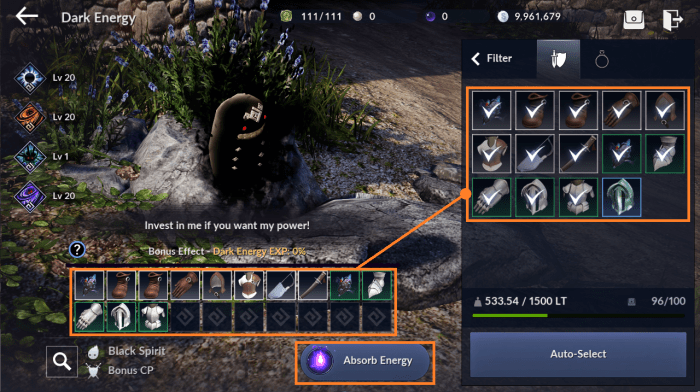
A single, unified MMORPG, while ambitious, might not be the most efficient or effective path to achieving a vast and engaging interconnected game world. Alternative approaches can leverage existing successes and create new opportunities for diverse experiences, catering to a wider range of players and interests. These alternative models prioritize modularity, interoperability, and a focus on shared experiences rather than a single, overarching game.These alternative approaches allow for more flexible development, faster iteration, and potentially greater player engagement by focusing on distinct experiences while maintaining connections.
This approach also allows for the use of existing infrastructure and tools to build upon the existing market.
Interconnected Game Experiences
Creating a network of interconnected games, each with its own unique identity and gameplay, offers a rich tapestry of experiences. Think of a universe where different games, like fantasy RPGs, sci-fi shooters, or even simulation games, coexist and interact in meaningful ways.
- Shared Economies and Resources: Imagine a system where resources gathered in one game can be utilized in another. For example, crafting materials from a mining game could be used to build structures in a city-building game. This encourages players to explore a wider variety of gameplay loops and incentivizes cooperation across different games.
- Cross-Game Quests and Events: Quests could span multiple games, requiring players to travel between different worlds and interact with unique NPCs and challenges. Events could be triggered in one game, prompting similar activities in other games, encouraging player participation across the entire interconnected ecosystem. This could involve unlocking specific content in one game after completing a quest chain in another.
- Character Transfer and Progression: A seamless transfer of characters and progression across compatible games, allowing players to maintain their progress and investment in a character, while experiencing different gameplay styles and environments, will foster a more engaged player base. Imagine a character who is a master blacksmith in one game could seamlessly transfer and use their skills in a combat-focused game.
Cross-Platform and Cross-Game Integrations
Expanding the reach of the interconnected experience beyond individual game titles is crucial. This can be achieved through cross-platform compatibility and cross-game integrations.
- Cross-Platform Play: Allowing players to interact across various platforms (PC, consoles, mobile) creates a more unified player base. This expands the potential player pool and facilitates social interaction, enabling players to connect with friends regardless of their preferred platform. This also creates a more dynamic social scene by fostering connections and opportunities for players to connect and interact with each other across multiple games and platforms.
- Cross-Game Social Features: Allowing players to connect with friends from other games through shared social spaces or in-game activities, will further strengthen the sense of community and encourage participation in the interconnected ecosystem. This can be achieved by developing a central social hub or integrating social features across games.
- Unified Player Profiles: Developing a unified player profile system, which tracks progress and achievements across different games within the ecosystem, would encourage players to explore the entire universe and unlock new content. This approach is similar to how many companies are moving to the cloud to centralize data for users.
Alternative Models for Managing Diverse Player Bases and Content
The diverse player base and content will require adaptive and dynamic models for management.
- Modular Content Updates: Allowing different development teams to focus on specific aspects of the interconnected universe and updating content in individual games, will enable faster development cycles and more efficient resource allocation. This approach will provide better quality and frequent updates to specific game titles. This is similar to how major companies use Agile development methodologies.
- Dynamic Content Generation: Using AI and other automated systems to generate new content, events, and challenges in individual games, will keep the experience fresh and engaging. This approach allows for a constantly evolving and exciting environment. For example, procedural generation could create unique dungeons or quests.
- Flexible Subscription Models: Implementing different subscription tiers or free-to-play models for each game, while maintaining cross-game interactions, will allow players to choose the experiences that best suit their needs and budget. This will create a tiered system for content access and player involvement.
Final Thoughts
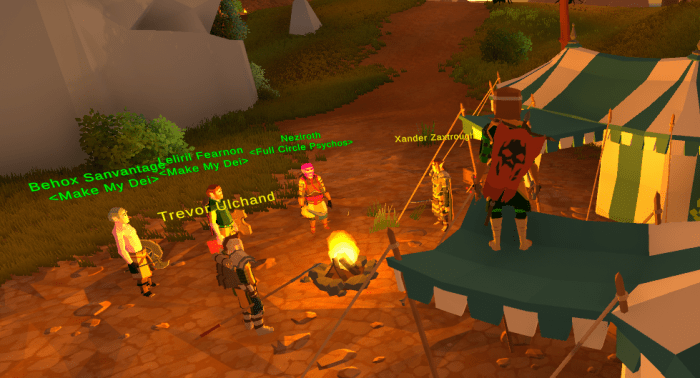
The concept of one MMORPG to rule them all, while ambitious, offers a fascinating glimpse into the future of online gaming. This comprehensive analysis of its technical, content, and community aspects highlights the considerable challenges and rewards involved in creating a truly unified and inclusive experience. It’s a complex undertaking, but the potential for innovation and player engagement is undeniably alluring.