
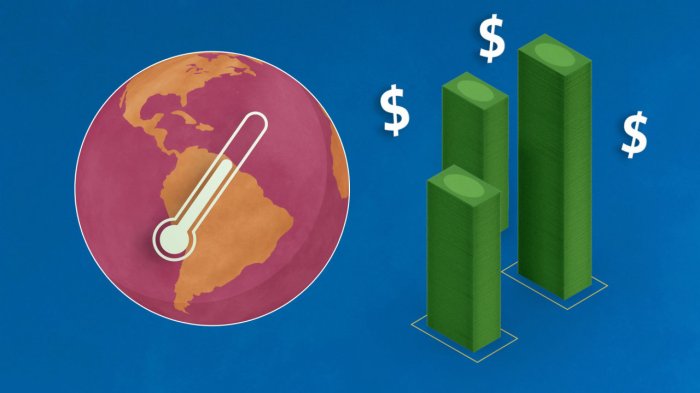
Report World Can Afford to Beat Global Warming
Report world can afford to beat global warming – Report: World Can Afford to Beat Global Warming. This comprehensive report delves into the multifaceted challenge of global warming, exploring the economic, technological, societal, and scientific aspects of the issue. It examines the potential for the world to overcome this challenge, analyzing the feasibility of various solutions and considering diverse perspectives. The report scrutinizes the historical context of global warming reports, evaluating the progress made, and identifies areas where improvements are needed.
The report investigates the economic viability of different solutions, contrasting the costs of inaction with the potential benefits of proactive measures. It also explores technological advancements and innovations that could contribute to mitigating global warming, examining the potential of renewable energy and other emerging technologies. Further, the report examines the societal and political implications of addressing global warming, considering the role of governments and international cooperation.
Defining “Report World Can Afford to Beat Global Warming”
The phrase “report world can afford to beat global warming” suggests a global assessment of the economic and societal feasibility of mitigating climate change. It implies that a comprehensive analysis of resources, technologies, and potential consequences has been undertaken, culminating in a conclusion regarding the practicality of achieving significant reductions in greenhouse gas emissions. This conclusion is likely based on data-driven models and projections, assessing various scenarios and their associated costs and benefits.This assessment likely goes beyond simply acknowledging the problem.
It seeks to determine if the world’s current economic structures, political systems, and technological capabilities can effectively address the climate crisis while maintaining acceptable levels of economic growth and social stability. The underlying assumption is that such a report would not only highlight the challenges but also explore potential pathways, solutions, and the necessary investments to achieve this goal.
Interpretations and Implications
The phrase has several potential interpretations, depending on the specific context of the report. It might imply:
- A report that assesses the feasibility of transitioning to a low-carbon economy within existing financial constraints and political frameworks. This interpretation suggests a focus on the economic viability of various mitigation strategies.
- A report that identifies the financial resources needed to implement effective climate solutions, including the costs of renewable energy development, carbon capture technologies, and infrastructure changes. This perspective underscores the importance of investment and policy decisions.
- A report that evaluates the potential societal impacts of climate action, such as job displacement, economic disruption, and the equitable distribution of costs and benefits. This understanding highlights the social and political dimensions of the climate crisis.
Different Contexts of Use
The phrase could be used in various contexts, including:
- Policy documents: Governments and international organizations might commission reports to inform their climate policies and strategies. The report could detail the financial and societal implications of different policy choices.
- Business reports: Corporations might produce reports assessing the economic risks and opportunities associated with climate change, informing their investment decisions and corporate social responsibility initiatives.
- Academic research: Researchers might use this phrase to describe their findings on the economics of climate change mitigation, providing quantitative data and analyses to support their conclusions.
Examples of Reports
Several types of reports could address the topic:
- Economic Impact Assessments: These reports would analyze the potential costs and benefits of different climate mitigation strategies, considering factors such as energy costs, job creation, and technological innovation.
- Policy Briefs: These summaries would Artikel the potential impacts of specific policies and suggest potential pathways for achieving climate goals within defined parameters.
- Financial feasibility studies: These reports would analyze the financial resources needed for the transition to a low-carbon economy, including funding for renewable energy, carbon capture, and related infrastructure development.
Potential Biases
Reports on this topic might be susceptible to various biases:
- Economic bias: Reports might prioritize economic growth and stability over environmental protection, potentially downplaying the urgency of climate action.
- Political bias: Reports commissioned by specific governments or organizations might reflect the interests of those entities, potentially neglecting alternative viewpoints.
- Technological bias: Reports might overemphasize the feasibility of specific technologies while overlooking others, or not adequately account for technological uncertainties and risks.
Historical Context of Global Warming Reports
The understanding of global warming has evolved significantly over the decades, driven by accumulating scientific evidence and changing societal perspectives. Early reports often focused on isolated phenomena, while contemporary analyses emphasize interconnected systems and potential catastrophic outcomes. This historical journey reveals a critical shift from localized observations to a global, urgent concern.The growing awareness of human impact on climate systems is a key thread woven through the tapestry of global warming reports.
From initial concerns about localized effects to a broader understanding of the planet’s interconnected systems, the evolution of these reports reflects the deepening scientific consensus.
Timeline of Major Global Warming Reports
The historical progression of global warming reports is marked by key milestones, each contributing to a more comprehensive understanding of the issue. The reports have acted as catalysts, prompting action and raising awareness at different levels of society.
- 1988: First IPCC Report. The Intergovernmental Panel on Climate Change (IPCC) released its first assessment report, marking a crucial turning point. This report detailed the scientific consensus that human activities were contributing to global warming. It highlighted the potential for significant climate change impacts, including rising sea levels and altered weather patterns. This report acted as a pivotal moment in global climate awareness, moving the discussion beyond localized concerns.
- 1990s: IPCC Subsequent Reports. Subsequent IPCC reports solidified the scientific consensus on human-induced climate change. These reports expanded on the evidence and projected future scenarios, demonstrating the potential for escalating impacts. The escalating concern is reflected in the increasing detail and urgency in the reports, prompting governments and organizations to consider mitigation strategies.
- 2007: Fourth IPCC Assessment Report. This report presented a more definitive and alarming picture of climate change impacts. The report detailed observed changes and projected future impacts, which included the significant risk of irreversible damage. This report galvanized further international action and policy development.
- 2021: Sixth IPCC Assessment Report. This latest report emphasized the urgency and severity of the climate crisis, highlighting the potential for catastrophic consequences. The report detailed the need for immediate and substantial action to mitigate the risks, and included the importance of adaptation strategies. The inclusion of more comprehensive societal and economic impacts is a key feature of this report, reflecting the growing concern about the cascading effects of climate change.
Evolution of Societal Perspectives
Public perception of global warming has undergone a significant transformation. Initial responses varied widely, from skepticism to apathy, but over time, growing evidence and increasingly visible impacts have fostered greater concern.
- Early skepticism. The early reports faced considerable skepticism from certain sectors of society. This skepticism often stemmed from the complexities of the scientific data and the perceived economic costs of mitigation strategies. Public discourse was often divided, hindering collaborative action.
- Growing concern. As scientific evidence mounted and extreme weather events became more frequent, societal concerns about global warming intensified. The growing availability of accessible data and the increasing visibility of the impacts of climate change have contributed to this shift in perception.
- Urgency and action. Contemporary societal perspectives increasingly emphasize the urgency of addressing global warming. The potential for catastrophic consequences, such as mass migration and widespread resource scarcity, is a key driver of this shift.
Evolution of Scientific Consensus
The scientific consensus on global warming has evolved from a collection of observations to a near-universal agreement.
- Early observations. Early scientific studies highlighted localized climate changes and fluctuations. However, these observations were often viewed as isolated events or natural variations.
- Accumulating evidence. As more comprehensive data emerged and analysis progressed, the link between human activities and global warming became increasingly apparent. This accumulating evidence led to a stronger scientific consensus.
- Current consensus. Today, there is an overwhelming scientific consensus that global warming is primarily caused by human activities. The consensus is further supported by a multitude of peer-reviewed studies and international scientific organizations.
Comparison of Global Warming Reports
| Report | Date | Key Findings | Conclusions |
|---|---|---|---|
| IPCC First Assessment Report | 1990 | Increased greenhouse gas concentrations, observed warming trends | Human activities are likely contributing to observed warming trends |
| IPCC Fourth Assessment Report | 2007 | Stronger link between human activities and global warming, observed impacts | Urgent action required to mitigate the impacts of climate change |
| IPCC Sixth Assessment Report | 2021 | Accelerated warming trends, increased severity of impacts | Immediate and substantial action required to limit catastrophic outcomes |
Economic Feasibility of Solutions
The economic feasibility of addressing global warming is a complex issue, encompassing both the costs of implementing solutions and the potential economic benefits of mitigating climate change. A comprehensive understanding requires analyzing various economic models, evaluating incentives and disincentives, and comparing the costs of inaction with those of action. Ultimately, the economic calculations must consider not just immediate costs, but also long-term consequences for future generations and global stability.The economic costs associated with transitioning to a low-carbon economy are substantial, ranging from investments in renewable energy infrastructure to adjustments in industrial processes.
However, these costs are often outweighed by the long-term benefits of avoiding more catastrophic climate impacts. These include avoided damages from extreme weather events, reduced healthcare costs related to heat-related illnesses, and increased agricultural productivity in some regions. These long-term benefits are often difficult to quantify precisely, but their importance cannot be overlooked.
Economic Models for Evaluating Global Warming Solutions
Various economic models are employed to assess the economic implications of global warming solutions. These models incorporate diverse factors such as technological advancements, energy consumption patterns, and societal adaptation strategies. The models range from simple, stylized representations to complex, integrated assessment models (IAMs) that simulate the interaction between the climate system and the global economy. These models help understand the trade-offs between short-term costs and long-term benefits of climate action.
For instance, some models predict significant economic losses due to rising sea levels and extreme weather events if no action is taken, while others project substantial economic gains from investment in renewable energy and energy efficiency.
Economic Costs and Benefits of Addressing Global Warming
The economic costs of addressing global warming involve investments in renewable energy, energy efficiency measures, and adaptation strategies. These costs are often distributed unevenly across different sectors and regions. For example, industries heavily reliant on fossil fuels may face higher transition costs compared to sectors embracing renewable energy. The economic benefits of addressing global warming are primarily related to reduced damages from climate change impacts.
These include reduced costs associated with extreme weather events, improved agricultural yields in some regions, and reduced health risks associated with air pollution. Quantifying these benefits is crucial for evaluating the overall economic feasibility of mitigation strategies.
Economic Incentives and Disincentives for Addressing Global Warming
Numerous economic incentives and disincentives influence the decision to address global warming. Government policies, such as carbon taxes and subsidies for renewable energy, create incentives for businesses and individuals to adopt sustainable practices. Conversely, subsidies for fossil fuels, or the lack of regulations on emissions, can create disincentives. Understanding these incentives and disincentives is essential for crafting effective policies that promote climate action.
The presence or absence of regulatory frameworks significantly impacts the trajectory of climate change mitigation efforts. Incentivizing innovation in clean energy technologies through tax credits or research funding can drive technological advancements and reduce the overall cost of transitioning to a sustainable economy.
Recent reports suggest the world can afford to tackle global warming, but a critical component is stronger environmental regulations. The recent Supreme Court’s landmark ruling on environmental protections, as detailed in this article , will hopefully pave the way for more effective policies. Ultimately, global cooperation and investment in sustainable solutions are crucial if we’re to truly address this urgent challenge.
Comparison of Economic Costs of Inaction Versus Action
The economic costs of inaction on global warming are substantial and far-reaching. These costs are primarily manifested in the form of increased damage from climate change impacts. The costs of action, on the other hand, involve upfront investments in mitigation and adaptation measures. However, the economic costs of inaction are often underestimated in short-term economic models. These costs include damage from extreme weather events, rising sea levels, disruptions to agriculture, and health issues.
Studies show that the economic costs of inaction are far greater than the costs of action in the long run, highlighting the importance of proactive climate policies.
Potential Economic Consequences of Not Addressing Global Warming
Failure to address global warming has significant economic consequences, impacting various sectors and regions. These consequences range from increased frequency and intensity of extreme weather events to disruptions in global supply chains and decreased agricultural productivity. In particular, coastal regions are highly vulnerable to sea-level rise, leading to displacement and economic losses. These consequences have the potential to create humanitarian crises, leading to instability and conflict.
The potential economic consequences of inaction on global warming are not just financial; they are also social and geopolitical. The cascading effects on infrastructure, agriculture, and human health represent a considerable economic risk.
Technological Advancements and Solutions
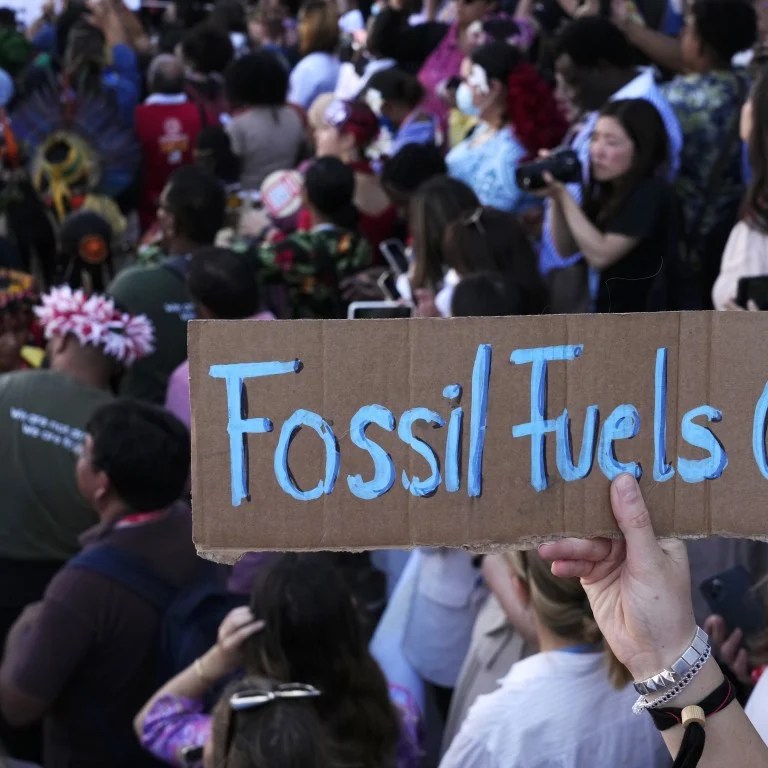
Technological advancements are crucial in mitigating global warming. Innovation in energy production, transportation, and resource management offers pathways to a sustainable future. These advancements must be coupled with policy frameworks and societal shifts to realize their full potential. While significant progress has been made, considerable challenges remain, including economic viability, infrastructure adaptation, and public acceptance.Technological solutions, ranging from renewable energy to carbon capture, are vital to reducing greenhouse gas emissions.
These solutions must be evaluated not only for their effectiveness but also for their cost-effectiveness and scalability. Furthermore, technological solutions must be integrated into existing systems to minimize disruption and maximize efficiency.
Renewable Energy Technologies
Renewable energy sources, such as solar, wind, and hydro power, offer a significant opportunity to decarbonize energy systems. Significant advancements in solar panel efficiency and wind turbine technology have dramatically reduced costs. The decreasing price of these technologies is making them increasingly competitive with fossil fuels. Countries like China and the United States have led the charge in deploying these technologies.
Examples include large-scale solar farms and offshore wind farms.
Emerging Technologies for Global Warming Solutions
Emerging technologies, including carbon capture and storage (CCS) and advanced nuclear fission, present additional avenues for tackling global warming. CCS aims to capture CO2 emissions from power plants and industrial facilities and store them underground. While promising, CCS faces challenges in terms of cost-effectiveness and potential environmental risks associated with long-term storage. Advanced nuclear fission technologies, such as small modular reactors (SMRs), could offer a cleaner alternative to fossil fuels, but face regulatory hurdles and public perception issues.
Potential of Carbon Capture and Storage (CCS)
Carbon capture and storage (CCS) is a technology that captures CO2 emissions from power plants and industrial facilities and stores them underground. It has the potential to significantly reduce emissions from hard-to-decarbonize sectors. However, its cost-effectiveness and long-term storage security remain critical concerns. Successful pilot projects and ongoing research are paving the way for wider implementation.
Comparison of Technological Approaches
Different technological approaches to global warming mitigation have varying strengths and weaknesses. Solar power, for instance, offers a readily available and scalable solution, but faces challenges in energy storage. Nuclear power, while low-emission, faces public perception and safety concerns. CCS provides a method for capturing emissions from hard-to-abate sectors but remains costly. A comprehensive approach that combines various technologies is likely to be the most effective strategy.
Technological Solutions for Global Warming: A Comparative Table
| Technology | Potential Impact | Estimated Costs | Challenges |
|---|---|---|---|
| Solar Power | Significant reduction in emissions from electricity generation | Decreasing rapidly | Intermittency, land use |
| Wind Power | Significant reduction in emissions from electricity generation | Decreasing rapidly | Visual impact, noise |
| CCS | Reduction in emissions from hard-to-decarbonize sectors | High | Storage security, cost-effectiveness |
| Advanced Nuclear Fission (SMRs) | Low-emission electricity generation | Moderate | Public perception, safety |
Societal and Political Implications
The transition to a low-carbon economy necessitates profound societal and political changes. Addressing global warming isn’t merely an environmental issue; it’s a challenge that impacts every facet of human life, from energy production to food security, and from international relations to local communities. The political will and societal acceptance of these changes are crucial for success.
Societal Implications of Addressing Global Warming
The shift towards sustainable practices will inevitably impact various aspects of society. The transition away from fossil fuels, for instance, could lead to job displacement in the fossil fuel industry. Simultaneously, new job opportunities will emerge in renewable energy sectors, requiring workforce retraining and adaptation. Furthermore, the distribution of the costs and benefits of climate action is a crucial concern.
Developing countries, often most vulnerable to climate change impacts, may require substantial financial support to implement necessary changes. Addressing these inequalities is vital to ensure equitable and sustainable solutions.
Potential Social and Political Conflicts Related to Global Warming Solutions
Global warming solutions often spark political and social conflicts. Differing opinions on the extent of government intervention, the speed of change, and the costs associated with various solutions can lead to public debate and disagreements. For example, policies to reduce emissions from transportation may face resistance from car manufacturers or consumers accustomed to gasoline-powered vehicles. Furthermore, disagreements over the allocation of resources for climate action, especially in international contexts, can exacerbate existing political tensions.
Recent reports suggest the world can afford to tackle global warming, a hopeful sign. This positive outlook is further bolstered by exciting developments like COLSA’s upcoming project to build an Apple Xserve supercomputer, colsa to build apple xserve supercomputer. Such advancements in computational power will be crucial for modeling and predicting climate change, ultimately strengthening our ability to combat it effectively.
Role of Governments in Addressing Global Warming
Governments play a crucial role in fostering a transition to a low-carbon economy. They can establish regulations, incentivize investments in clean technologies, and implement carbon pricing mechanisms. Furthermore, effective policies need to consider the diverse needs and vulnerabilities of different communities and regions. For instance, governments in coastal regions need to prioritize adaptation measures to rising sea levels.
This requires comprehensive planning, public awareness campaigns, and community engagement.
Recent reports suggest the world can afford to tackle global warming, but it’s a complex issue. Modern advancements like the US military testing IBM’s speech translation technology here highlight how tech can facilitate international collaboration, which is crucial in finding effective solutions to global challenges. So, while the path is arduous, hope remains that the world can indeed conquer this environmental crisis.
Examples of Successful and Unsuccessful Political Actions Related to Global Warming
Numerous examples demonstrate the complexities of political action on climate change. The Paris Agreement, a landmark international accord, exemplifies successful international cooperation in setting emission reduction targets. However, the actual implementation and enforcement of these targets vary significantly across nations. Conversely, the slow pace of legislative action in some countries, coupled with lobbying efforts from industries resistant to change, illustrates the challenges in overcoming entrenched interests.
Role of International Cooperation in Addressing Global Warming
International cooperation is essential for tackling global warming. The scientific understanding of climate change, the global nature of the problem, and the need for coordinated action all underscore the importance of international collaboration. Agreements like the Paris Agreement provide a framework for countries to work together to reduce emissions and adapt to the impacts of climate change. However, the effectiveness of these agreements relies on the commitment and active participation of all nations.
Scientific Evidence and Data
The overwhelming scientific consensus affirms that human activities are driving global warming. A multitude of studies, spanning diverse disciplines, converge on this conclusion, providing a robust foundation for understanding the phenomenon and its implications. The evidence is not limited to a single data point but encompasses a complex web of observations and modeling.The core of the scientific argument hinges on meticulous measurements and analyses of various factors, ranging from atmospheric composition to ice core samples.
This comprehensive approach reveals a clear trend: a rapid increase in greenhouse gas concentrations in the atmosphere, closely correlated with a rise in global temperatures. This correlation is not merely suggestive; it is statistically significant and repeatedly observed across different regions and timeframes.
Summary of Scientific Evidence
The scientific community has meticulously documented the evidence supporting the need for action on global warming. Extensive research, encompassing numerous peer-reviewed studies, demonstrates a strong link between human activities and rising global temperatures. These studies have employed diverse methodologies, from analyzing historical data to sophisticated computer models. The consistency of findings across multiple independent studies strengthens the overall conclusion.
Key Scientific Findings Related to Global Warming
A range of scientific findings converge on the reality of human-induced global warming. These findings include:
- Observed Temperature Increases: Global average temperatures have risen significantly over the past century, with the most recent decades experiencing the fastest rate of warming. Data from various sources, including weather stations and satellite measurements, consistently point to this trend.
- Greenhouse Gas Concentration Increases: Concentrations of greenhouse gases, such as carbon dioxide, methane, and nitrous oxide, have increased dramatically since the Industrial Revolution, primarily due to human activities like burning fossil fuels. These gases trap heat in the atmosphere, leading to a warming effect.
- Melting Ice and Rising Sea Levels: Glaciers and ice sheets are melting at accelerated rates, contributing to rising sea levels. This phenomenon poses significant threats to coastal communities and ecosystems.
- Changes in Precipitation Patterns: Observed changes in precipitation patterns, including more frequent and intense heatwaves and droughts, are consistent with climate models that predict these impacts under a warming climate.
Gaps in Current Scientific Knowledge, Report world can afford to beat global warming
Despite the substantial progress in understanding global warming, some gaps remain in our knowledge. These gaps include:
- Predicting Regional Impacts: Accurately predicting the specific regional impacts of global warming, such as changes in precipitation patterns and extreme weather events, is still a challenge. This is partly due to the complexity of the global climate system.
- Understanding Feedback Loops: The interplay of various feedback loops in the climate system is not fully understood. These loops, such as the release of carbon from thawing permafrost, can amplify the warming effect, leading to unpredictable outcomes.
- Assessing the Role of Ocean Currents: The intricate role of ocean currents in regulating global climate is not completely understood, and this lack of understanding complicates predictions of future climate scenarios.
Methodologies Used to Gather Data on Global Warming
Gathering data on global warming employs various methodologies.
- Instrumental Records: Long-term records of temperature, precipitation, and other climate variables from weather stations and satellites provide crucial insights into past and present climate trends.
- Proxy Data: Analyzing proxy data, such as ice cores, tree rings, and sediment layers, offers a glimpse into past climates, extending our understanding beyond the instrumental record.
- Computer Models: Sophisticated computer models simulate the complex interactions within the climate system, allowing scientists to project future climate scenarios and test different hypotheses.
Key Scientific Data Points on Global Warming
| Data Point | Value/Trend | Source/Methodology |
|---|---|---|
| Global Average Temperature Increase (since 1880) | ~1.1°C | Instrumental records, NASA GISS |
| Atmospheric CO2 Concentration (ppm) | ~415 ppm (and rising) | Ice core data, Mauna Loa Observatory |
| Sea Level Rise (mm/year) | ~3.3 mm/year (accelerating) | Satellite altimetry, tide gauge measurements |
Different Perspectives on Global Warming
The issue of global warming is not simply a scientific problem; it’s a multifaceted challenge with deeply ingrained societal, economic, and political dimensions. Diverse perspectives, shaped by varying interests and priorities, contribute to the complexity of finding effective solutions. Understanding these differing viewpoints is crucial for navigating the path toward a sustainable future.Different groups, from environmental activists to industry leaders, hold varying beliefs about the severity, causes, and solutions to global warming.
These differing perspectives are often fueled by economic concerns, political ideologies, and cultural values. Understanding these factors is essential for productive dialogue and effective policymaking.
Stakeholder Groups in Global Warming Discussions
Various stakeholder groups are actively involved in global warming discussions, each with their own unique perspectives and interests. These include governments, businesses, NGOs, and individuals. Their roles and influence vary, and their priorities often conflict, highlighting the complex web of interests at play.
- Governments: National and international governments play a crucial role in setting policies and regulations to address global warming. Their actions are often influenced by economic considerations, political pressures, and the need to balance environmental concerns with other societal needs. For instance, some governments prioritize economic growth over immediate emissions reductions, while others prioritize environmental protection.
- Businesses: Businesses, both large and small, are significant contributors to greenhouse gas emissions. Their perspectives often focus on the economic impacts of environmental regulations, and some prioritize profit maximization over environmental sustainability. Conversely, some businesses recognize the need for sustainability and are actively pursuing innovative solutions.
- Non-governmental organizations (NGOs): NGOs often act as advocates for environmental protection and play a vital role in raising public awareness about global warming. Their perspectives tend to emphasize the urgency of climate action and the need for immediate and substantial change.
- Individuals: Individual actions, from consumer choices to lifestyle decisions, can significantly impact global warming. Their perspectives are diverse, influenced by their values, knowledge, and resources. Public awareness and education play a key role in motivating individuals to adopt sustainable practices.
Media’s Role in Shaping Public Perception
The media plays a significant role in shaping public understanding and perception of global warming. News reports, documentaries, and social media posts can influence public opinion and motivate action or inaction. The way the media frames the issue can significantly impact public perception and acceptance of potential solutions.The media’s portrayal of global warming can be influenced by factors such as journalistic ethics, advertising revenue, and political agendas.
For example, news coverage might emphasize the economic costs of climate action or focus on specific scientific controversies. These choices can influence the public’s understanding of the urgency and importance of addressing global warming.
Potential Conflicts of Interest in Global Warming Reports
Potential conflicts of interest can arise in global warming reports from various sources. Researchers, policymakers, and businesses might have financial interests or political affiliations that could influence the objectivity of their reports. Transparency and careful scrutiny are essential to ensure that reports are free from bias and represent the full range of scientific evidence.Reports from organizations with vested interests, such as fossil fuel companies, might downplay the severity of global warming or suggest less urgent action.
Conversely, reports from environmental organizations might overstate the problem to garner public support for their agenda.
Historical and Contemporary Disagreements Surrounding Global Warming
Disagreements surrounding global warming have existed for decades, spanning historical and contemporary contexts. Initially, there were debates about the scientific evidence for climate change. Now, the debates center around the urgency of action, the economic costs of solutions, and the appropriate policy responses.Historical disagreements often stemmed from a lack of consensus in the scientific community. However, the scientific consensus on human-induced climate change has strengthened over time.
Contemporary disagreements often revolve around economic trade-offs, political ideologies, and differing interpretations of scientific data. Examples include differing opinions on the effectiveness of carbon capture technologies or the need for international cooperation.
Illustrative Examples and Case Studies
Learning from successes and failures in tackling global warming is crucial. Real-world examples offer valuable insights into effective strategies and the obstacles faced in different regions. Understanding these case studies can inform future initiatives and guide policymakers in crafting effective and sustainable solutions.Successful strategies often involve a multifaceted approach, combining technological advancements, policy changes, and community engagement. Factors like economic feasibility, political will, and societal acceptance play significant roles in determining the outcome.
Examining successful implementations and the reasons behind their effectiveness can offer valuable lessons for replication elsewhere.
Successful Implementations in Renewable Energy
Countries like Denmark, a leader in wind energy, demonstrate the potential for large-scale renewable energy adoption. Denmark’s strong commitment to wind power development has led to significant reductions in greenhouse gas emissions. Their proactive policies, such as subsidies for renewable energy projects and supportive regulatory frameworks, have incentivized investments and fostered innovation in the sector. The success story showcases how political will and targeted policy interventions can drive significant change.
Similarly, Germany’s investment in solar energy has also yielded substantial results, reducing dependence on fossil fuels and demonstrating the viability of solar power in a large-scale context.
Strategies for Energy Efficiency
Many countries and cities have implemented energy efficiency measures to reduce their carbon footprint. For example, the city of Portland, Oregon, has implemented comprehensive energy efficiency programs that have significantly reduced energy consumption in buildings and transportation. These programs have yielded not only environmental benefits but also economic advantages by lowering energy costs for residents and businesses. Similarly, Sweden’s focus on sustainable transportation through investments in public transport and electric vehicles has helped reduce emissions from the transportation sector.
This demonstrates that sustainable practices can be integrated into daily life.
Regional Variations in Global Warming Challenges
The challenges and opportunities associated with global warming vary significantly across regions. Developing nations often face unique constraints, such as limited resources and infrastructure. For instance, countries in sub-Saharan Africa may experience a combination of extreme weather events and the need to increase energy access, posing unique challenges in implementing climate change mitigation and adaptation strategies. Conversely, developed nations may face the need to transition away from entrenched fossil fuel industries and adapt to changing climate patterns, demanding innovative solutions.
Table Summarizing Successful Case Studies
| Country/Region | Successful Strategy | Key Factors Contributing to Success | Potential for Replication |
|---|---|---|---|
| Denmark | Large-scale wind energy adoption | Strong government support, supportive policies, and financial incentives | High, as the principles are replicable in regions with suitable wind resources. |
| Portland, Oregon | Comprehensive energy efficiency programs | Community engagement, incentives for businesses and residents, and supportive policies. | High, as similar programs can be adapted to different local contexts. |
| Sweden | Sustainable transportation through public transport and electric vehicles | Long-term vision, supportive policies, and significant investment | Medium, as the specific context and infrastructure needs will vary across regions. |
Factors Contributing to Success or Failure
The success or failure of global warming mitigation strategies hinges on a complex interplay of factors. Strong political will, financial resources, and public support are crucial for implementation. Furthermore, the effectiveness of strategies depends on the integration of technological advancements and the capacity to adapt to the unique characteristics of different regions. Effective communication and public engagement can also play a crucial role in fostering widespread acceptance and participation in climate action initiatives.
Conversely, lack of political commitment, economic constraints, and societal resistance can hinder progress.
Visualizing the Impact of Global Warming: Report World Can Afford To Beat Global Warming
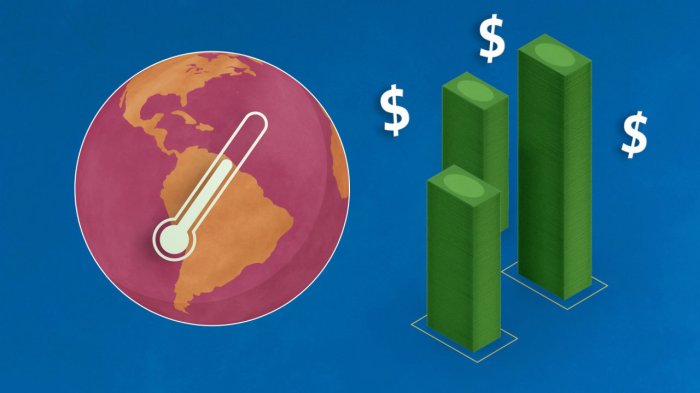
Global warming’s multifaceted effects necessitate clear and compelling visualizations to convey its urgency and scale. Visual representations can transcend mere data points, transforming complex scientific information into accessible and impactful narratives. These tools are crucial for raising public awareness and driving action.
Visual Representations of Temperature Changes
Understanding the magnitude of temperature increases over time is vital. Visualizing this trend allows for a direct comparison of past and present temperatures, enabling viewers to grasp the acceleration of warming. Line graphs are particularly effective for this purpose, displaying temperature fluctuations across different time periods. A key example is a graph showcasing global average temperatures from 1880 to the present, revealing a distinct upward trend.
This graph, using data from reputable organizations like NASA and NOAA, can effectively highlight the significant increase in global temperatures over the past century. Further illustrating this point are regional variations, depicted on a map, showcasing how warming is not uniform across the globe.
Visualizing Sea Level Rise
Rising sea levels pose a significant threat to coastal communities and ecosystems. Visualizations can depict projected sea level rise over time, using maps or animations. These visualizations often overlay current coastlines with future projections, clearly illustrating the potential loss of land. For example, a map showing the inundation of coastal areas in Bangladesh, based on projected sea level rise, can help people understand the human and ecological consequences of this environmental issue.
These visualizations rely on sophisticated models and data from organizations like the Intergovernmental Panel on Climate Change (IPCC), accounting for factors like melting glaciers and thermal expansion of water.
Visualizing Changes in Precipitation Patterns
Climate change alters precipitation patterns, leading to more frequent and intense droughts in some regions and increased flooding in others. Visualization tools like maps and charts can depict these changes over time. A key element is a time series graph, comparing historical precipitation data with projected future trends, highlighting increased variability. This visualization method can use data from weather stations and satellite observations to illustrate the shifts in precipitation patterns across continents.
An example of this is a graph depicting the changing rainfall patterns in the American Southwest, revealing an increasing trend towards drought conditions. The data sources for these visualizations often include meteorological records and climate models.
Visualizing Impacts on Ecosystems
Visualizations can demonstrate the effects of global warming on various ecosystems, such as coral bleaching, glacier melt, and shifts in species distribution. These can be presented as interactive maps, animations, or photographic comparisons. A critical example is an animation showing the retreat of glaciers in the Himalayas over time, demonstrating the rapid pace of ice loss. These visualizations rely on data from satellite imagery, field observations, and ecological models.
Visual representations of species migration patterns are also crucial, showing how species are moving in response to changing climates.
Visualization Methods and Data Sources
Various visualization methods are employed to effectively communicate global warming data. These methods include:
- Line graphs: Depict trends in temperature, precipitation, or sea level over time. These graphs are valuable for understanding long-term patterns and identifying trends.
- Bar charts: Useful for comparing different aspects of global warming impacts, such as the carbon emissions of different countries.
- Maps: Visualize spatial variations in temperature, precipitation, or sea level rise. They can clearly highlight regional differences.
- Animations: Depict dynamic processes like glacier melt or sea level rise over time, making the impacts more tangible and engaging.
- Infographics: Combine various visual elements, including graphs, maps, and images, to convey complex information in an easily digestible format.
The data used in these visualizations is drawn from diverse sources, including government agencies, research institutions, and international organizations. The data frequently incorporates temperature measurements from weather stations and satellites, sea level observations, glacier mass balance data, and ecological surveys. Careful consideration of data accuracy and reliability is crucial for creating trustworthy visualizations.
Closing Notes
In conclusion, Report: World Can Afford to Beat Global Warming argues that while the challenge of global warming is significant, the potential for positive change is real. The report underscores the importance of a multifaceted approach that integrates economic feasibility, technological advancements, societal engagement, and robust scientific evidence. By understanding the historical context, potential solutions, and diverse perspectives, we can better strategize to combat global warming.
The report encourages a collective effort toward a sustainable future. Further research and action are crucial for a successful outcome.