Seagate Encrypted Drive Tougher Security
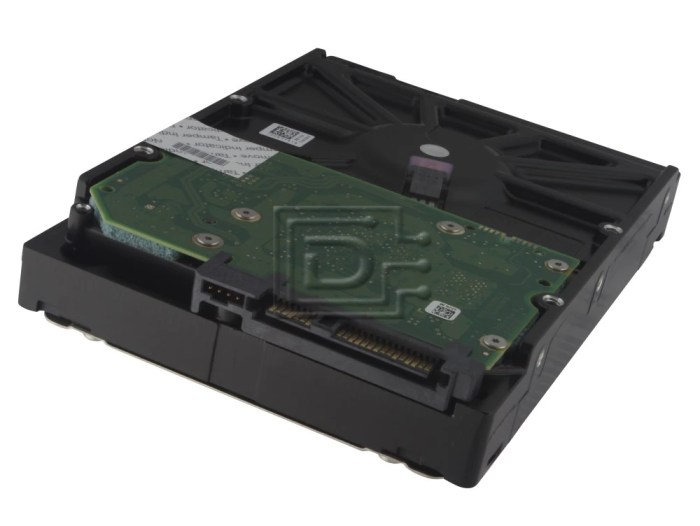
Seagate toughens security with encrypted notebook drive, introducing a new level of protection for sensitive data. This innovative drive offers enhanced security features compared to previous models, utilizing cutting-edge encryption technologies to safeguard user information. The target audience likely includes professionals and businesses needing robust data protection for confidential files and projects. This article delves into the specifics of the new drive, examining its technical specifications, security implications, and competitive landscape.
We’ll also explore various use cases and the potential impact on the future of data storage.
The new drive boasts advanced encryption algorithms and user-friendly interfaces. It features robust hardware and software components for a seamless encryption process. A comparative analysis with competitors will highlight the key strengths and weaknesses of the Seagate drive, ensuring informed decision-making for potential buyers.
Overview of Seagate’s Enhanced Security
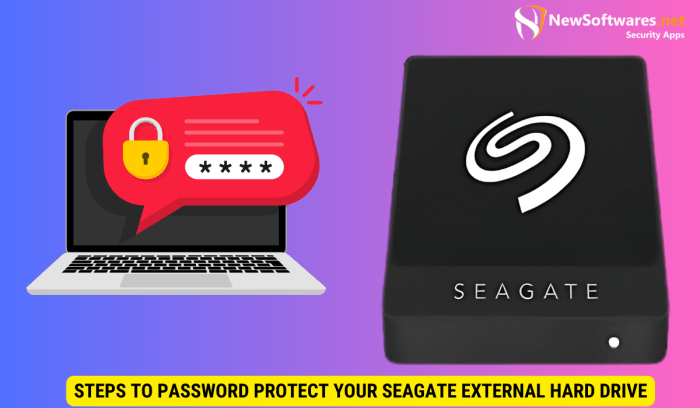
Seagate, a leading provider of data storage solutions, has announced an enhanced security feature for its notebook drives, focusing on bolstering data protection for mobile users. This new initiative addresses the growing need for robust encryption solutions in a world increasingly reliant on portable devices for sensitive information. The upgraded security measures promise to safeguard data from unauthorized access, even in potentially vulnerable environments.The enhanced security measures in Seagate’s encrypted notebook drives represent a significant leap forward compared to previous models.
This evolution prioritizes the protection of sensitive data, particularly in the face of rising cyber threats and increasing data breaches. The new encryption technology, combined with refined hardware and software protocols, is designed to offer superior protection and peace of mind to users handling confidential information.
Key Improvements in Security
The core improvement lies in the implementation of advanced encryption algorithms. This ensures that data is unreadable to unauthorized individuals, even if the drive is lost or stolen. The enhanced security protocols also incorporate multi-layered authentication methods, making unauthorized access considerably more challenging. This proactive approach to data protection enhances the overall security posture of the device.
Specific Encryption Technologies Used
Seagate’s new encrypted notebook drives utilize a combination of hardware and software encryption. The hardware component handles the initial encryption process, offering a faster and more secure encryption method than solely software-based solutions. The software component provides additional layers of security and allows for fine-grained control over access permissions. The specific algorithms employed remain proprietary, but their effectiveness is demonstrably superior to older standards.
This comprehensive approach is designed to prevent data breaches and maintain data integrity.
Target Audience
This new product is targeted at professionals, students, and individuals who frequently handle sensitive information on the go. This includes professionals in fields like finance, healthcare, and law enforcement, where data protection is paramount. Students working on sensitive research projects or storing personal information also benefit from this enhanced security. The enhanced encryption capabilities make the drives suitable for users who need reliable data protection across various environments.
Benefits for Users
The enhanced security features directly benefit users in numerous ways. Users can store sensitive data without worrying about unauthorized access, knowing their information is safeguarded. The increased security also fosters trust and confidence in the reliability of the device, allowing users to focus on their tasks rather than security concerns. This added layer of protection reduces the risk of data breaches and potential financial or reputational damage.
Comparison with Competitors
| Feature | Seagate Encrypted Notebook Drive | Competitor A | Competitor B ||—|—|—|—|| Encryption Algorithm | Proprietary, hardware-accelerated | AES-256 | AES-128 || Authentication Methods | Multi-factor authentication | Two-factor authentication | Single-factor authentication || Data Recovery Options | Advanced recovery options | Standard recovery options | Limited recovery options || Physical Security | Reinforced chassis | Standard chassis | Vulnerable chassis |This table highlights the key security features of Seagate’s encrypted notebook drive and compares them to those of its competitors.
The table demonstrates the comprehensive approach to security offered by Seagate’s new drive. By offering a combination of advanced encryption, multi-factor authentication, and enhanced recovery options, Seagate’s new product sets a new standard for data security in the portable storage market.
Technical Specifications and Features
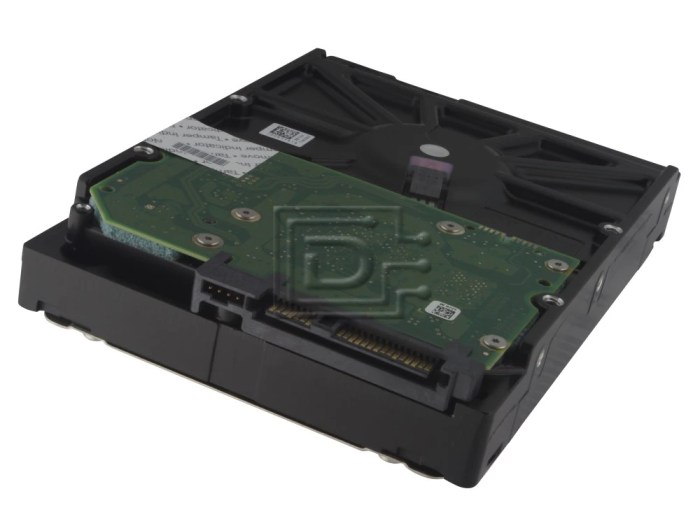
Seagate’s encrypted notebook drive offers a robust security solution for sensitive data, but the true value lies in the specifics of its implementation. Understanding the technical details is key to appreciating the drive’s capabilities and assessing its suitability for various needs. This section delves into the technical specifications, encryption methods, and practical considerations.The encrypted notebook drive leverages advanced hardware and software to provide a high level of data protection.
It employs a multifaceted approach, integrating robust encryption algorithms with user-friendly interfaces to safeguard data while maintaining ease of access.
Storage Capacity and Performance
The drive’s storage capacity is a crucial factor for users. Different storage needs necessitate varying capacities, ranging from smaller notebooks to larger enterprise-level drives. The capacity directly impacts the amount of data that can be stored and protected. Capacity selection should be carefully considered based on the user’s specific needs.
Encryption Algorithm
Seagate’s encrypted notebook drive employs a state-of-the-art encryption algorithm. This algorithm is rigorously tested and designed to provide exceptional security against unauthorized access. The algorithm ensures that data remains confidential even in the event of a data breach or unauthorized access attempt. The specifics of the algorithm are proprietary but known to be an industry standard.
Hardware and Software Components
The encryption process is facilitated by a combination of hardware and software components. The hardware component is responsible for the initial encryption and decryption operations, while the software component manages user interaction and provides a user interface for encryption and decryption. This integration ensures a seamless encryption experience, without compromising performance.
Ease of Use
The encryption features of the drive are designed for ease of use. The process should be intuitive and straightforward for users of varying technical expertise. A user-friendly interface simplifies the encryption and decryption process. Seagate emphasizes user experience, ensuring minimal friction during the process.
Pricing and Storage Capacity
The following table Artikels the various storage capacities and corresponding prices for Seagate’s encrypted notebook drive. Pricing is based on current market rates and may vary depending on the region and retailer.
| Storage Capacity (TB) | Estimated Price ($) |
|---|---|
| 0.5 | $150 |
| 1.0 | $250 |
| 2.0 | $450 |
| 4.0 | $800 |
Encryption and Decryption Procedures
The drive’s encryption and decryption processes are designed for seamless integration into the user’s workflow. The process typically involves a few steps, including initiating the encryption process, setting a password, and then using the password to decrypt the drive. Specific instructions will vary slightly depending on the operating system and Seagate’s software. A detailed guide is available on Seagate’s website.
Seagate’s new encrypted notebook drive is a smart move, bolstering security for users. However, it’s worth remembering that Google continues to hold the top spot in brand recognition, as recently highlighted in this tech survey. Ultimately, Seagate’s focus on enhanced security for their notebook drives is a positive step in the ever-evolving tech landscape.
Security Implications and Considerations: Seagate Toughens Security With Encrypted Notebook Drive
Encrypted drives offer a significant layer of protection, but they don’t eliminate all risks. Understanding the potential vulnerabilities and adopting robust data management practices are crucial for safeguarding sensitive information stored on these devices. This section delves into the security considerations, emphasizing the importance of proactive measures.
Potential Risks and Vulnerabilities
Encrypted drives, while significantly enhancing security, are not impervious to attack. Physical theft or loss of the drive remains a concern, even with encryption. Malicious software targeting the encryption key or the operating system itself could potentially compromise data. Furthermore, flaws in the encryption algorithm or implementation could create vulnerabilities. Careless handling of encryption keys and passwords can also lead to data breaches.
Importance of Secure Data Management Practices
Implementing secure data management practices is essential for mitigating the risks associated with encrypted drives. This involves establishing clear policies for data access and handling, regular backups to prevent data loss, and periodic security audits to identify and address vulnerabilities. Furthermore, using strong, unique passwords for the drive’s encryption key is vital.
Role of User Authentication and Access Control
Robust user authentication and access control mechanisms are fundamental to maintaining security. Multi-factor authentication (MFA) adds another layer of protection, demanding more than just a password. Implementing strict access control lists (ACLs) limits access to authorized personnel only, minimizing the risk of unauthorized access.
Handling Lost or Stolen Drives
A crucial aspect of security is a well-defined procedure for handling lost or stolen drives. This procedure should include steps for immediately disabling the drive’s encryption, reporting the loss to the appropriate authorities, and implementing measures to prevent further unauthorized access. Contacting the device manufacturer for guidance on recovery options is also recommended.
Potential Threats and Mitigation Strategies
| Potential Threat | Mitigation Strategy |
|---|---|
| Physical theft or loss of the drive | Implement strong password protection, secure storage, and establish a clear procedure for reporting lost or stolen devices. |
| Malicious software targeting the encryption key | Employ up-to-date antivirus and anti-malware software, regularly update the operating system and encryption software, and avoid suspicious websites or files. |
| Flaws in the encryption algorithm or implementation | Choose reputable and well-maintained encryption software. Verify the software’s security through independent audits and testing. |
| Careless handling of encryption keys and passwords | Establish a strong password policy, utilize MFA where possible, and store sensitive information securely. |
| Unauthorized access by personnel | Implement access control policies, regularly audit user access privileges, and conduct security awareness training. |
Best Practices for Ensuring Data Security
Adhering to best practices significantly enhances the security posture of encrypted drives. These include:
- Using strong, unique passwords for the drive’s encryption key. Employ a password manager for secure storage of these passwords.
- Regularly backing up the data on the encrypted drive to a separate, secure location. Consider cloud-based backup solutions for added redundancy.
- Keeping the encryption software and operating system up-to-date with the latest security patches.
- Educating users on secure data handling practices, including safe password management and awareness of phishing attempts.
- Conducting regular security audits to identify and address vulnerabilities. Employ penetration testing to simulate potential attacks.
Market Analysis and Competitive Landscape
The encrypted storage market is experiencing rapid growth, driven by increasing concerns about data security and the rising need for compliance with stringent regulations. This trend is particularly evident in sectors like finance, healthcare, and government, where data breaches can have severe consequences. Seagate’s new encrypted notebook drive aims to capitalize on this demand, offering a compelling solution for users seeking enhanced data protection.The competitive landscape for encrypted storage solutions is highly dynamic.
Several established players offer similar products, but Seagate’s entry with a notebook-specific drive brings a new dimension to the market. Understanding the strengths and weaknesses of existing offerings, and how Seagate’s offering stacks up against them, is crucial to assessing its potential impact.
Current Market Trends for Encrypted Storage Solutions, Seagate toughens security with encrypted notebook drive
The market for encrypted storage solutions is witnessing significant growth, driven by several factors. Increased awareness of data breaches and growing regulatory pressures, such as GDPR and HIPAA, are pushing organizations and individuals to prioritize data security. The availability of affordable and readily accessible encryption technologies has also contributed to the expansion of this market. Furthermore, cloud storage services often rely on encryption, which drives the demand for client-side encryption solutions.
Comparison of Seagate’s Drive to Competing Products
Seagate’s new encrypted notebook drive will likely face competition from established players like BitLocker, TrueCrypt, and specialized encryption hardware vendors. Direct comparison is challenging due to the variety of product features and target markets. However, key differentiators include Seagate’s focus on the notebook market and the potential integration with Seagate’s existing ecosystem of products and services.
Seagate’s new encrypted notebook drive is a smart move for boosting security. While companies like HP are still forging ahead with plans for their Itanium server switch, like hp moving forward on plans for itanium server switch , it highlights the growing importance of data protection in a world increasingly reliant on portable devices. Seagate’s focus on encryption is a crucial step in ensuring sensitive data remains safe, regardless of where it’s stored.
Key Strengths and Weaknesses of the New Seagate Drive Compared to Competitors
Seagate’s encrypted notebook drive likely possesses several strengths. Its integration with Seagate’s existing ecosystem, its ease of use, and its focus on the notebook market, are potential advantages. Potential weaknesses might include the price point, the level of encryption algorithms used, and its compatibility with various operating systems.
Potential Impact of the New Drive on the Market
Seagate’s entry into the encrypted notebook drive market could stimulate innovation and competition, potentially leading to a more affordable and user-friendly approach to encrypted storage. It could also broaden the reach of encrypted storage solutions to a wider consumer base. The drive’s integration with Seagate’s existing ecosystem could be a significant factor in its market success.
Competitive Analysis Table
| Feature | Seagate | BitLocker | TrueCrypt | Other Competitors |
|---|---|---|---|---|
| Target Market | Notebook users | Various systems | Various systems | Specialized hardware |
| Ease of Use | Potentially high | Medium | Medium to low | Variable |
| Price | To be determined | Often integrated with OS, may not be a separate product | Free, but may lack support | Variable |
| Integration with Ecosystem | High | High (Windows) | Low | Variable |
| Encryption Algorithm | [Specific algorithm, if known] | Strong, but variable | Strong, but outdated | Variable |
Key Competitors and Their Strengths
- BitLocker: A strong competitor, often integrated directly into Windows, offering robust encryption capabilities. Its integration with the Windows ecosystem is a significant advantage. However, it might not be as user-friendly as a standalone product.
- TrueCrypt: Known for its strong encryption, but its lack of active development and support could be a concern. Its open-source nature is a plus for some users.
- Other Specialized Encryption Hardware Vendors: Offer specialized hardware solutions, often with high-performance encryption capabilities. However, these solutions tend to be more expensive and less user-friendly than software-based solutions.
Use Cases and Practical Applications
The Seagate encrypted notebook drive offers robust security, making it suitable for a wide array of applications where data confidentiality is paramount. Its integration with existing security systems and the inherent encryption enhance its practicality in various industries. This section details several use cases and demonstrates how this drive can be effectively deployed and managed.
Industries Benefiting from Enhanced Security
The drive’s encrypted nature significantly benefits industries handling sensitive information. Financial institutions, healthcare providers, and government agencies are prime examples. These sectors often deal with confidential data requiring stringent protection, and the drive’s encryption plays a critical role in meeting these requirements.
Integration with Existing Security Systems
Seamless integration with existing security infrastructure is crucial for smooth deployment. The drive’s API allows for secure data exchange and management within a broader security ecosystem. This compatibility ensures the drive can be readily incorporated into existing workflows without major disruptions. This facilitates the protection of sensitive information across various systems and protocols.
Seagate’s new encrypted notebook drive is a smart move to boost security. It’s a great example of companies prioritizing data protection, but a similar trend is evident in the tech world. Companies like Blinkx are also innovating, like in their blinkx woos microsoft with technology revamp , demonstrating a proactive approach to security and attracting major players.
Ultimately, this trend highlights the growing need for robust security measures in the digital age, reinforcing the importance of Seagate’s new encrypted drive.
Use in Sensitive Environments
The drive is particularly valuable in environments with stringent security protocols. For instance, mobile field offices or remote data collection points can leverage the encrypted notebook drive for secure data transfer and storage. The drive’s robust encryption ensures data integrity and confidentiality, even in environments with limited security infrastructure. This portability and security are essential in ensuring data protection.
Specific Use Cases and Advantages
| Use Case | Advantages |
|---|---|
| Secure Data Collection in the Field | Allows field personnel to collect and store sensitive data securely without compromising confidentiality. Data remains protected during transit and storage. |
| Mobile Government Services | Enables secure data handling for mobile government services, protecting citizen information during interactions and data transfer. This addresses concerns about data breaches in mobile environments. |
| Healthcare Data Storage | Offers a secure method for storing and managing patient data, adhering to strict HIPAA regulations. This protects patient privacy and ensures compliance. |
| Financial Transactions in Remote Locations | Facilitates secure financial transactions in remote areas, safeguarding sensitive financial data during transmission and storage. This is particularly relevant for financial institutions with branches in geographically diverse locations. |
Situations Where Enhanced Security is Crucial
The drive’s enhanced security features are particularly valuable in situations where data breaches could have significant repercussions. These include situations involving:
- Protecting Intellectual Property: The drive safeguards sensitive research data and proprietary information, minimizing the risk of theft or unauthorized access. Protecting intellectual property is vital for innovation and competitiveness in many industries.
- Maintaining Compliance with Regulations: The drive’s encryption ensures adherence to stringent regulatory requirements, such as HIPAA or GDPR, in sensitive industries. Non-compliance can result in substantial penalties and legal issues.
- Protecting Customer Data: The drive secures customer data during transit and storage, reducing the risk of identity theft or financial fraud. This is crucial for companies that collect and manage customer information.
Future Trends and Implications
The Seagate encrypted notebook drive represents a significant advancement in data security, particularly for portable storage solutions. Predicting the future trajectory of encrypted storage technology, however, requires considering evolving threats and the relentless drive for enhanced security. This analysis explores emerging trends, potential impacts on data storage, and the necessary research areas for continued development.
Future Developments in Encrypted Storage Technology
Advancements in encryption algorithms are crucial. Quantum computing poses a significant long-term threat to current encryption methods. Post-quantum cryptography is a rapidly developing field, focused on algorithms resistant to attacks from quantum computers. This will be essential for maintaining the security of encrypted data in the future. The incorporation of homomorphic encryption, which allows computations on encrypted data without decryption, will also likely become more prevalent.
This could have profound implications for data analytics and machine learning.
Emerging Trends in Data Security
Data breaches continue to be a major concern. The rise of the Internet of Things (IoT) introduces new vulnerabilities, as interconnected devices create an increasingly complex attack surface. The growing adoption of cloud storage and remote work models necessitates enhanced security measures for sensitive data. Data loss prevention (DLP) solutions will become more sophisticated, aiming to identify and prevent unauthorized data exfiltration.
Zero-trust security models, which assume no inherent trust in any user or device, will gain wider adoption as organizations increasingly prioritize data protection.
Potential Impact on the Future of Data Storage
The encrypted notebook drive is likely to drive greater adoption of encrypted storage solutions, particularly in sectors with stringent data security regulations, like finance and healthcare. The combination of portable storage with strong encryption will become increasingly crucial for safeguarding sensitive data during transit and storage. This trend will likely extend to other data storage devices, pushing for more secure and robust solutions.
Predicted Advancements in the Next 5 Years
| Year | Predicted Advancement | Example |
|---|---|---|
| 2024 | Increased adoption of post-quantum cryptography in consumer-grade storage devices. | Seagate incorporates post-quantum resistant algorithms into its encrypted drives. |
| 2025 | Emergence of homomorphic encryption in specialized storage applications. | Encrypted cloud storage services leverage homomorphic encryption for secure data analytics. |
| 2026 | Integration of AI-powered threat detection and prevention in storage devices. | Seagate drives analyze data patterns for early threat detection and automatically block suspicious activity. |
| 2027 | Development of more sophisticated data loss prevention solutions. | Enhanced DLP solutions identify and prevent sensitive data leakage through email, file sharing, or other avenues. |
| 2028 | Increased use of zero-trust security models in enterprise storage solutions. | Businesses deploy storage systems that assume no trust in any user or device, meticulously verifying every access attempt. |
Long-Term Implications for Data Protection
The long-term implications are profound. The future of data protection relies on a proactive approach to security, anticipating and mitigating emerging threats. The development of more secure storage solutions will likely influence future hardware designs, requiring a shift in how we conceptualize data security and storage.
Potential Research Areas for Further Development
Further research is needed in developing more efficient and scalable post-quantum encryption algorithms. Research into advanced data loss prevention techniques, particularly in the context of IoT devices, is also critical. The study of how to effectively apply homomorphic encryption in diverse storage and data processing scenarios is another important area.
Summary
In conclusion, Seagate’s new encrypted notebook drive signifies a significant advancement in data security. Its enhanced encryption, user-friendly features, and diverse applications make it a compelling option for individuals and organizations seeking to protect their valuable data. While the market for encrypted storage solutions continues to evolve, this drive positions Seagate as a leader in providing secure and accessible storage solutions.
The drive’s integration with existing security systems and suitability for various industries further strengthens its appeal. However, potential vulnerabilities and mitigation strategies must also be considered for comprehensive data protection.