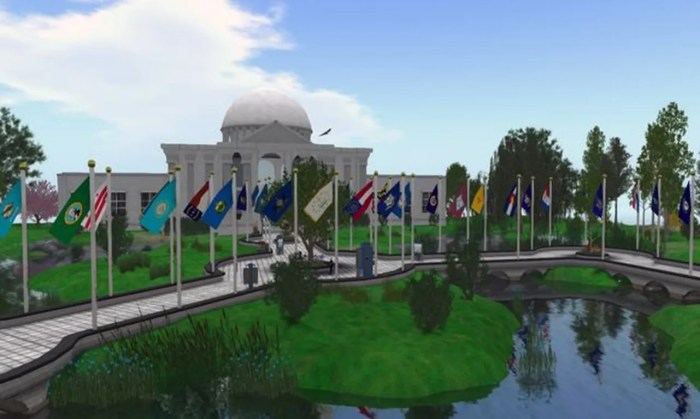
Second Life Residents Speak for Themselves A Deep Dive
Second Life residents speak for themselves, offering a fascinating glimpse into the vibrant virtual world. This exploration delves into the experiences, perspectives, and contributions of those who inhabit this unique online realm. From the motivations behind their participation to the challenges they face, we’ll hear directly from Second Life residents themselves.
This in-depth look at Second Life residents uncovers their diverse backgrounds, activities, and the profound impact they have on the platform’s culture and identity. We’ll examine how they’ve shaped the virtual world and their unique relationships within it. The varied experiences of long-term and new residents will be explored, revealing the joys and struggles of this online community.
Introduction to Second Life Residents
Second Life, a virtual world platform, offers a unique online experience for millions of users worldwide. It’s more than just a game; it’s a vibrant community where people connect, create, and explore in a digital realm. The platform’s versatility allows for diverse interactions, from socializing and roleplaying to conducting business and expressing creativity.The Second Life community is significant because it fosters a sense of belonging and shared interests.
This online space has evolved into a thriving ecosystem where users contribute to its growth and development. The virtual environment allows for self-expression and the pursuit of passions, creating a dynamic and engaging experience for its diverse population.
Overview of Second Life
Second Life is a persistent, 3D virtual world where users can create avatars, interact with others, and explore a vast digital landscape. Users can build their own virtual properties, purchase and sell items, participate in events, and develop businesses. The platform’s core strength lies in its user-generated content and the ability for users to shape their experience within the virtual world.
A key feature is the presence of in-world economies, facilitating trade and commerce.
Second Life Community Demographics
The Second Life community is composed of individuals from a wide range of backgrounds and interests. While precise demographics are not publicly available, anecdotal evidence and observations from within the platform suggest a significant presence of users aged 25-55, with a notable number of individuals in the 35-45 age bracket. This broad age range highlights the appeal of Second Life to diverse generations.
Second Life’s user base includes a variety of nationalities and cultural backgrounds, making it a truly global community.
Activities and Interactions
The platform provides a multitude of opportunities for interaction. Users engage in social activities such as chatting, roleplaying, and forming groups. They participate in events, concerts, and festivals, often creating a sense of community and shared experiences. Many residents use Second Life for business ventures, conducting virtual meetings, exhibitions, and online storefronts. The diverse nature of the community allows for a wide range of interactions, including friendships, collaborations, and even romantic relationships.
Resident Groups and Interests
| Resident Group | Common Interests |
|---|---|
| Hobbyists | Crafting, roleplaying, virtual fashion, artistic expression, exploring the virtual environment |
| Professionals | Conducting virtual meetings, online exhibitions, establishing virtual storefronts, and networking with clients |
| Gamers | Participating in virtual events, roleplaying games, exploring virtual landscapes, and engaging in competitions |
| Socializers | Creating and maintaining friendships, engaging in conversations, participating in virtual events, and socializing with others |
This table illustrates the various types of users in Second Life and their common activities. The diversity of interests and the flexibility of the platform attract a wide range of users with differing goals.
Perspectives and Experiences

Second Life, a persistent virtual world, offers a diverse tapestry of experiences, shaped by the unique perspectives of its residents. From immersive role-playing to creative expression, the virtual landscape reflects the motivations and aspirations of its inhabitants. Understanding the varying viewpoints of long-term and newer residents provides insight into the evolving nature of this digital community.The perception of Second Life varies greatly.
Some residents view it as a place for escapism, a sanctuary from the realities of everyday life. Others see it as a platform for social interaction, fostering connections with like-minded individuals. Still others view it as a realm for creative exploration, a digital canvas for artistic expression and experimentation.
Diverse Resident Perspectives
Second Life’s residents encompass a wide spectrum of motivations. Some are drawn to the immersive world, seeking to embody new identities and live out alternative lives. Others are interested in forging social connections, building communities, and participating in group activities. Many are driven by a desire for creative expression, using Second Life as a medium to design avatars, create environments, and express their artistic vision.
Motivations Behind Participation
Residents are driven by a multitude of factors. The desire for social interaction is a significant motivator, with residents finding camaraderie and connection in shared interests. For many, the freedom to explore alternative identities and lifestyles is a key draw, offering a space to experiment and discover aspects of themselves they might not have explored in the physical world.
Creative expression is also a powerful motivator, with Second Life providing a virtual stage for artists, designers, and role-players.
Long-Term vs. New Residents
Long-term residents often possess a deep understanding of Second Life’s intricacies and a well-developed sense of community. They’ve navigated the virtual landscape, established relationships, and participated in numerous activities. New residents, on the other hand, are often eager to explore and discover the possibilities within the virtual world, building relationships and finding their place within the established community.
Second Life residents are finally getting a voice, sharing their experiences and needs directly. This aligns perfectly with the Oasis Consortium’s initiative to develop a new data center markup language, oasis consortium takes on data center markup language , which promises to improve interoperability and streamline data management in virtual worlds. Ultimately, this allows Second Life residents to better express their desires and contribute to the platform’s evolution, fostering a more vibrant and responsive virtual community.
Social Interaction, Creativity, and Personal Growth
Second Life offers residents opportunities for social interaction, fostering a sense of community and belonging. Residents participate in group events, form friendships, and engage in meaningful conversations. The virtual world serves as a space for creative expression, allowing residents to design avatars, create environments, and develop artistic skills. Second Life can also contribute to personal growth by offering residents a chance to step outside their comfort zones, experiment with new identities, and develop new skills.
Benefits and Drawbacks for Different User Types
| User Type | Benefits | Drawbacks |
|---|---|---|
| Socializers | Opportunities for meeting people with shared interests, building friendships, and participating in group activities. The ability to create lasting connections with individuals from across the globe. | Potential for encountering negative interactions, cyberbullying, or scams. The need for significant time commitment to cultivate and maintain social connections. |
| Creators | A platform for artistic expression, allowing residents to design avatars, build environments, and share creations with a global audience. The opportunity to experiment with different styles and explore creative endeavors. | The technical aspects of building and customizing virtual environments can be challenging. The potential for intellectual property issues or disputes. |
| Escapists | A place to escape from everyday life and explore alternative identities and lifestyles. The freedom to experiment and explore without the constraints of the physical world. | Potential for neglecting real-life responsibilities or becoming overly invested in the virtual world. The need to maintain a healthy balance between virtual and physical activities. |
Resident Voices and Narratives
Second Life, a virtual world teeming with avatars and experiences, is shaped by the residents who inhabit it. Their perspectives, emotions, and journeys paint a vivid picture of the platform’s unique culture. This exploration delves into the diverse voices of Second Life residents, highlighting their contributions and challenges within this digital realm.The stories and experiences of Second Life residents reveal a multifaceted community, where creativity, connection, and overcoming adversity are woven into the fabric of the virtual world.
The residents’ perspectives offer a window into the emotional landscape of this digital environment, demonstrating how they express their feelings and experiences through their actions and interactions within Second Life.
Resident Perspectives on Community
Second Life fosters a strong sense of community. Residents actively participate in building and maintaining social connections. Their shared interests and goals create a supportive network, contributing to a vibrant and engaging experience.
- Many residents express a deep sense of belonging and camaraderie within specific groups or communities, often focused on shared interests or activities. This sense of belonging is often expressed through participation in events, groups, and interactions with other avatars.
- Second Life residents form strong bonds through shared activities, such as role-playing, crafting, or simply socializing. These connections can be as deep and meaningful as those in the physical world.
Resident Expressions of Emotion
Residents utilize a variety of methods to convey their emotions in Second Life. These range from expressive avatar customizations to the tone and content of their interactions. This demonstrates the adaptability and richness of the virtual world in reflecting human emotion.
- Facial expressions, body language, and the choice of clothing and accessories often convey emotional states. A wide smile or a frowning expression can quickly communicate joy or displeasure.
- The tone of voice in spoken conversations, the way avatars interact with one another, and the messages they exchange can all reflect the emotions of the residents.
- Residents use text-based communication to express a wide range of feelings, from humor and excitement to sadness and frustration. The use of emojis and other visual cues further enhances the expression of emotions.
Resident Journeys and Contributions, Second life residents speak for themselves
Second Life offers opportunities for residents to explore different facets of themselves and contribute to the virtual world.
- Residents create elaborate and detailed avatars, reflecting their personal styles and interests, contributing to the diverse aesthetic of the platform.
- Many residents create and maintain thriving businesses, crafting unique goods, offering services, or running elaborate events. These entrepreneurial ventures showcase creativity and dedication.
- Residents establish groups and communities, fostering shared interests and activities. This demonstrates the collaborative spirit and passion that shapes the virtual world.
Overcoming Challenges in Second Life
Residents face challenges, including technical difficulties and interpersonal conflicts, but their resilience and resourcefulness are evident.
- Residents often share tips and solutions to common technical issues, creating a helpful and supportive environment for newcomers and experienced users alike.
- Second Life’s robust community forums and support channels are crucial in assisting residents in resolving issues and navigating the platform effectively.
- The ability to quickly form new connections in the virtual world helps residents to overcome social isolation and build new relationships.
Shaping Second Life’s Culture and Identity
The collective actions of residents contribute to the unique culture and identity of Second Life.
- The diverse range of interests and activities pursued by residents, from crafting to roleplaying, creates a rich and varied cultural landscape within the virtual world.
- The contributions of residents in creating and maintaining groups and communities, fostering social interactions, and establishing events help shape the identity of Second Life.
- Residents’ creative expressions through their avatars, homes, and shared experiences influence the aesthetic and cultural identity of Second Life.
Example Resident Quotes
| Theme | Quote | Resident |
|---|---|---|
| Community | “I’ve found a fantastic community here, filled with supportive people who share my passion for crafting.” | Anya |
| Creativity | “Second Life lets me express my creativity in ways I never thought possible. I love designing my own home and creating unique avatars.” | Ben |
| Challenges | “There are definitely technical hurdles, but the community support helps me overcome them.” | Chloe |
Resident Interactions and Relationships

Second Life, a virtual world, fosters unique social interactions and relationships. Residents create meaningful connections through shared interests, collaborative endeavors, and a shared virtual space. The nature of these relationships is often shaped by the virtual avatars, communication methods, and the overall community atmosphere. These relationships can be as profound as those in the real world, offering a platform for emotional bonding and mutual support.
Relationship Formation in Second Life
Second Life provides a fertile ground for forging friendships and romantic partnerships. Residents often connect through shared activities, such as attending events, participating in groups, or working together on projects. Common interests, such as gaming, role-playing, or art creation, serve as catalysts for forming relationships. Building trust and mutual understanding is key to sustaining these relationships, as is the ability to communicate effectively within the virtual environment.
Second Life residents are finally getting a chance to speak up about issues affecting their virtual lives, and it’s fascinating to see how their voices are being heard. This is particularly relevant given the recent crackdown on identity theft, a serious concern for many online. A new law, like the one on new law boosts prison time for id theft , highlights the importance of protecting personal information, both in the real and virtual worlds.
It’s a complex issue, but hopefully, with these new developments, the safety and security of Second Life residents will be improved.
This can be challenging, as non-verbal cues are absent, and tone can be misconstrued in text-based communication.
Second Life residents are finally getting a chance to share their experiences directly, which is awesome. It’s fascinating to see how their virtual lives are impacting their real-world interactions, particularly with tech like dell gateway settle into the living room , changing how we interact with virtual spaces. This new accessibility will hopefully bring more authentic voices into the discussion, leading to a more vibrant and nuanced understanding of the Second Life community.
Types of Social Interactions
A variety of social interactions flourish in Second Life. Residents engage in group activities, role-playing, and socializing in public areas. Residents form groups based on shared interests, hobbies, or professional pursuits. These groups provide opportunities for collaboration, mentorship, and shared experiences. Social interactions range from casual conversations to more structured interactions like group role-playing games or virtual events.
The virtual world offers a unique setting for experimentation with social interaction.
The Role of Avatars in Shaping Relationships
Second Life avatars are significant in shaping resident relationships. Residents select their avatar’s appearance, clothing, and even their personality traits. This customization plays a part in how they present themselves and how others perceive them. Residents may choose to create avatars that reflect their real-life identities or experiment with different personas. The avatar becomes an extension of the resident’s online self, and thus significantly influences the interactions and relationships that develop.
The visual representation, coupled with the choices of clothing, accessories, and posture, shapes the first impressions and subsequent interactions.
Building Trust and Maintaining Friendships
Building trust in Second Life requires a combination of consistent communication, shared experiences, and demonstrating reliability. Residents establish trust by participating in activities, offering support, and being responsive to requests. Open communication and the demonstration of shared values are essential for maintaining friendships. Residents often utilize various communication methods to maintain relationships, which is vital for overcoming the limitations of solely visual interactions.
Communication and Collaboration in Second Life Communities
Communication is the cornerstone of collaboration and community building in Second Life. Effective communication, whether through text, voice, or in-world events, is crucial for coordinating activities, sharing information, and fostering a sense of belonging. The diverse communication methods available in Second Life allow residents to connect in various ways, fostering a rich and dynamic social environment. The ability to effectively communicate and collaborate is vital for participating fully in the virtual community.
Communication Methods in Second Life
| Communication Method | Description |
|---|---|
| Text Chat | Real-time text-based communication within Second Life, typically used for quick questions, brief conversations, and announcements. |
| Voice Chat | Real-time audio communication, providing a more personal and nuanced interaction. Voice chat can be used for more detailed conversations, shared experiences, and emotional expression. |
| In-world Events | Organized events, parties, and gatherings, providing opportunities for social interaction, collaboration, and shared experiences. Examples include concerts, festivals, and themed parties. |
| Group Forums/Channels | Dedicated forums or channels within a group, enabling focused discussion and collaboration among members. |
| Instant Messaging | Third-party applications or plugins that allow for direct private messaging, facilitating more personal and confidential communication. |
Resident Contributions and Influence: Second Life Residents Speak For Themselves
Second Life, a virtual world, thrives on the creativity and dedication of its residents. They are not passive users but active participants, shaping the very fabric of this online environment. From designing elaborate landscapes to crafting unique avatars and experiences, residents’ contributions have fundamentally altered the platform. Their influence extends far beyond individual creations, impacting the overall aesthetic, functionality, and even the economic and social dynamics of Second Life.Residents are the driving force behind the continuous evolution of Second Life.
Their ingenuity and passion for crafting virtual realities are a powerful testament to the platform’s enduring appeal. They contribute significantly to the platform’s growth and maintain its vibrant atmosphere.
Resident-Created Content
The vastness of Second Life’s content stems directly from its residents. They are the architects of the virtual world, painstakingly building, designing, and populating it. This includes everything from meticulously crafted clothing and accessories to elaborate landscapes and meticulously designed events. The breadth of resident-created content showcases the incredible range of creativity and dedication within the Second Life community.
Shaping the Platform’s Aesthetic and Functionality
Residents actively shape the visual appeal and practical features of Second Life. Through their creations, they define the platform’s aesthetics, from the vibrant colors of clothing and the intricate designs of buildings to the immersive textures of virtual environments. Their contributions extend to practical functionality as well, through the development of innovative tools and features.
Influence on Virtual World Evolution
Second Life’s evolution is intrinsically linked to its residents’ creativity. They establish new trends, popularize specific styles, and drive the development of new technologies. This dynamic influence is crucial to the platform’s continued relevance and appeal. For example, the initial popularity of specific styles of avatars and clothing influenced the development of new tools and features to support these trends.
Impact on Second Life’s Economic and Social Aspects
Residents’ contributions significantly impact the economic and social spheres within Second Life. They create virtual businesses, participate in trade, and build social connections. The platform’s vibrant economy is fueled by resident-created goods and services, showcasing the significant role they play in its functioning. Residents’ participation in events, groups, and communities also fosters a rich social environment.
Examples of Resident-Created Content
| Category | Example |
|---|---|
| Clothing | Custom-designed avatars with unique hairstyles and outfits, reflecting various fashion trends |
| Landscapes | Detailed virtual environments, featuring realistic forests, bustling cities, and tranquil beaches |
| Events | Interactive gatherings, such as concerts, festivals, and themed parties, catering to diverse interests |
| Decorations | Elaborate and intricate home decor items, often designed with specific themes and aesthetics in mind |
| Tools and Features | Custom-made tools and features enhancing the functionality and interactivity of the platform |
Challenges and Criticisms
Second Life, a virtual world brimming with creativity and community, also faces inherent challenges and criticisms. Residents, like any online community, encounter technical hurdles, navigate social complexities, and grapple with the inherent limitations of a virtual environment. Understanding these challenges provides a more nuanced perspective on the Second Life experience.
Technical Issues
Second Life’s technical infrastructure, while robust, can experience downtime, performance lags, and compatibility problems. These issues can range from server instability to glitches in specific applications or programs, impacting residents’ ability to interact smoothly and enjoy the virtual world. Resident frustration often stems from unpredictable outages and slow loading times, hindering the immersive experience. For example, a sudden server crash during a crucial role-playing session can significantly disrupt a community event.
Community Conflicts
Virtual environments can foster a unique blend of positive and negative social interactions. Conflicts can arise from misunderstandings, differing interpretations of virtual etiquette, or the complexities of online interactions without the immediate cues of physical presence. These disputes, ranging from minor disagreements to serious confrontations, can strain relationships within the Second Life community. For instance, disputes over property rights or virtual currency transactions can escalate into heated arguments, necessitating community intervention.
Safety Concerns
The virtual nature of Second Life, while offering anonymity, presents unique safety challenges. Residents must be vigilant against potential harassment, scams, and inappropriate content. While the Second Life community actively works to moderate these issues, instances of harassment and scams can still occur. Reporting mechanisms and community support structures play a vital role in addressing these concerns.
The fear of personal attacks, online theft, and exposure to offensive content can create a sense of unease, impacting the enjoyment of the virtual world.
Criticisms of Second Life
The immersive experience of Second Life is not without its critics. Some residents express dissatisfaction with the limitations of the platform’s features or the lack of certain functionalities. The evolving nature of virtual reality and other virtual worlds often leads to comparisons, where Second Life’s limitations are highlighted in contrast to newer or more advanced platforms. Furthermore, the costs associated with developing and maintaining virtual properties and avatars, as well as the time commitment required for immersion, are factors that are sometimes viewed as drawbacks.
Addressing Issues within Second Life
The Second Life community demonstrates resilience and a willingness to address issues collectively. This includes utilizing in-world support systems, reporting mechanisms, and community forums for addressing grievances. The proactive involvement of moderators and administrators, alongside the self-regulation efforts of residents, helps maintain a relatively stable and supportive environment. Furthermore, the community’s responsiveness to emerging issues is vital in fostering a healthy and productive virtual space.
Resident Responses to Negativity and Conflict
Residents in Second Life employ various strategies to manage negativity and conflict. These include direct communication, mediation through community forums, and reporting inappropriate behavior. The willingness to engage in constructive dialogue, even when faced with difficult situations, is essential in fostering a positive virtual environment. The community often seeks to resolve conflicts through mediation and mutual understanding.
Evolving Challenges and Responses
The challenges and responses within the Second Life community are constantly evolving. New technological advancements and shifting community norms introduce new complexities and require adaptive responses. The community’s ability to adapt and evolve in response to new challenges and changing expectations is crucial for maintaining a vibrant and engaging virtual environment.
Summary Table of Common Challenges and Resident Responses
| Challenge | Resident Responses |
|---|---|
| Technical Issues (server instability, performance lags) | Reporting, community forums, utilizing support systems |
| Community Conflicts (misunderstandings, disputes) | Direct communication, mediation, reporting mechanisms |
| Safety Concerns (harassment, scams, inappropriate content) | Reporting mechanisms, community support, utilizing in-world reporting tools |
| Criticisms (limitations, costs, time commitment) | Feedback, community discussions, advocating for improvements |
Conclusion
In conclusion, Second Life residents have created a rich and complex virtual world. Their stories, perspectives, and contributions reveal a thriving online community shaped by creativity, social interaction, and a shared desire to connect and build. The challenges faced alongside the triumphs illustrate the depth and complexity of this online experience.