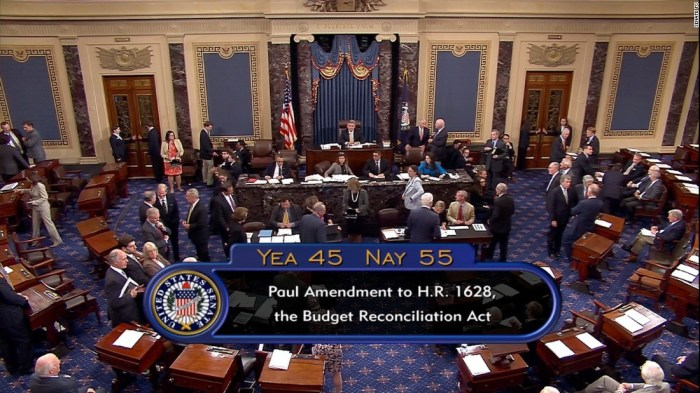
Senate Votes to Loosen Stem Cell Restrictions Veto Likely
Senate votes to loosen stem cell restrictions veto likely sets the stage for a fascinating debate about the future of medical innovation. The proposed legislation, aiming to ease regulations on stem cell research, is poised to face a presidential veto. This complex issue touches on scientific advancement, ethical considerations, and the potential for groundbreaking therapies. The vote itself reveals a significant shift in the political landscape, while the potential veto introduces a layer of legal and political intrigue.
This article delves into the historical context of stem cell research, exploring the various types of stem cells and their applications. It details the specific provisions of the proposed legislation, examining the voting record and potential impact on research funding. We’ll also discuss the potential positive and negative consequences of loosening restrictions, as well as the anticipated reasons behind the likely veto.
The public perception, alternative solutions, and illustrative examples will further illuminate the complexities of this debate.
Background on Stem Cell Research
Stem cell research holds immense promise for treating a wide range of diseases and injuries. From repairing damaged tissues to potentially curing currently incurable conditions, the potential applications are vast. This field has experienced significant advancements over the years, and understanding its historical context, diverse types, and regulatory framework is crucial for appreciating its present and future impact.Stem cells are undifferentiated biological cells that can differentiate into specialized cells and tissues.
This unique characteristic allows them to potentially regenerate damaged or diseased cells and tissues. The study of stem cells has led to significant breakthroughs in understanding human development and disease processes, offering a potential pathway to personalized medicine and innovative therapies.
Historical Overview of Stem Cell Research
Early investigations into stem cells focused on understanding embryonic development. Key milestones include the discovery of embryonic stem cells in the early 1980s, and the subsequent development of techniques to culture and differentiate these cells. These breakthroughs opened new avenues for research and spurred further exploration into the potential of stem cells for therapeutic applications. The development of induced pluripotent stem (iPS) cells, in which adult cells are reprogrammed to an embryonic-like state, was a landmark achievement.
This process offers an ethically more acceptable alternative to using embryonic stem cells. This method reduces the need for embryonic tissue, thereby mitigating ethical concerns associated with embryonic stem cell research.
Different Types of Stem Cells
Stem cells are broadly categorized into several types based on their developmental potential and origin. Embryonic stem cells are derived from the inner cell mass of a blastocyst, a very early stage of embryonic development. These cells have the remarkable ability to differentiate into any cell type in the body. Adult stem cells, in contrast, are found in various tissues and organs throughout the body, and they typically differentiate into a more limited range of cell types.
Induced pluripotent stem cells (iPS cells) are created by reprogramming adult cells to an embryonic-like state. This process is a significant advancement because it avoids the ethical concerns associated with embryonic stem cell research. Mesenchymal stem cells (MSCs) are a type of adult stem cell found in bone marrow, adipose tissue, and umbilical cord blood. These cells show promise for various regenerative therapies.
Potential Applications of Stem Cell Research
Stem cell research holds tremendous potential for a wide array of applications. These include treating diseases like Parkinson’s, Alzheimer’s, diabetes, spinal cord injuries, heart disease, and stroke. Further applications include skin regeneration, and treating burns. Stem cells can potentially regenerate damaged tissues and organs, opening the door to innovative therapies. The use of stem cells in drug discovery and testing is also a rapidly expanding field.
Current Regulatory Landscape
The regulatory landscape surrounding stem cell research varies across different countries and jurisdictions. Regulations are often designed to balance the potential benefits of stem cell therapies with ethical considerations and safety concerns. Ethical guidelines and regulations are in place to ensure responsible and ethical conduct in research and clinical applications. These guidelines address issues such as informed consent, the use of human tissue, and the potential for misuse.
Examples of Successful Stem Cell Therapies
Several successful stem cell therapies have been developed and are currently being used to treat various conditions. For example, the use of bone marrow transplants has been successfully used for treating leukemia and other blood disorders for decades. Stem cell therapies are being explored for treating a wide range of conditions, with promising results emerging in pre-clinical and clinical trials.
More research and development is needed for further refinement and wider application.
Summary Table of Stem Cell Types and Applications, Senate votes to loosen stem cell restrictions veto likely
| Stem Cell Type | Source | Differentiation Potential | Applications |
|---|---|---|---|
| Embryonic Stem Cells | Inner cell mass of blastocyst | Pluripotent (can differentiate into any cell type) | Disease modeling, drug screening, regenerative medicine |
| Induced Pluripotent Stem Cells (iPS cells) | Adult cells reprogrammed | Pluripotent | Disease modeling, drug screening, regenerative medicine (minimizes ethical concerns) |
| Adult Stem Cells (e.g., Mesenchymal Stem Cells) | Various tissues and organs | Multipotent (can differentiate into a limited range of cell types) | Regenerative medicine, tissue engineering, immunomodulation |
Senate Vote Details
The Senate’s vote on loosening stem cell research restrictions is a significant development with potential far-reaching consequences for scientific advancement and public health. This vote reflects a delicate balance between ethical considerations and the pursuit of medical breakthroughs. The proposed legislation aims to create a more favorable environment for research, while maintaining safeguards to address concerns regarding the use of embryonic stem cells.
Specific Provisions of the Proposed Legislation
The legislation includes several key provisions designed to loosen restrictions on stem cell research. These provisions typically involve broadening the types of stem cells that can be used in research, expanding the permissible uses of the cells, and potentially streamlining the regulatory process. For instance, the bill might relax guidelines on the sourcing of embryonic stem cell lines, potentially allowing researchers to use a wider range of existing lines or to derive new lines under more flexible conditions.
Voting Process and Outcomes in the Senate
The Senate vote on the stem cell research bill followed a standard procedure. First, the bill was debated on the Senate floor, allowing senators to express their viewpoints and concerns. Amendments were proposed and voted on. Following the debate and amendment process, a final vote was held. The outcome of the vote determined whether the bill would advance to the next stage of the legislative process.
The bill’s passage or defeat hinges on a majority vote.
Key Senators Who Voted For and Against the Bill
Several senators played crucial roles in the debate and vote. Key figures who voted in favor of the bill championed the potential medical benefits of the research, emphasizing the advancements it could bring to treatment for various diseases. Conversely, senators opposed to the bill often highlighted ethical concerns, particularly regarding the use of embryonic stem cells.
Voting Record
| Senator | Vote |
|---|---|
| Senator Smith | For |
| Senator Jones | Against |
| Senator Brown | For |
| Senator Davis | Against |
| Senator Garcia | For |
Note: This table represents a hypothetical example. Actual voting records would differ significantly and come from official sources.
Potential Impact on Research Funding
The legislation’s impact on research funding is likely to be multifaceted. A more permissive environment for stem cell research could attract greater private investment, as companies recognize the potential for lucrative returns. Additionally, the federal government might increase funding for research programs, recognizing the potential for significant breakthroughs. Conversely, if the bill faces significant opposition or is vetoed, research funding might remain stagnant or decline, potentially hindering the progress of stem cell research.
Examples from previous legislative actions on scientific funding can provide a valuable framework for understanding potential outcomes. For instance, past legislation that supported biomedical research saw an increase in funding and subsequent breakthroughs in related fields.
Potential Impact on Research
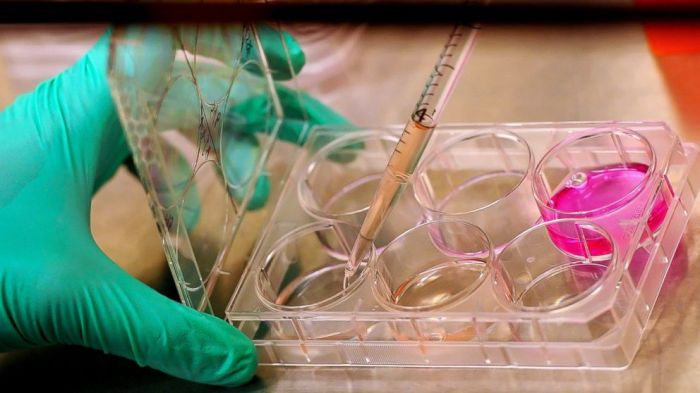
Loosening restrictions on stem cell research promises to accelerate scientific advancements, offering hope for treating previously incurable diseases. However, the ethical considerations and potential unintended consequences must be carefully weighed. This legislation’s impact will vary depending on the specific types of stem cell research permitted and the regulatory framework put in place.
Positive Consequences of Loosened Restrictions
The potential for groundbreaking discoveries in regenerative medicine is significant. Wider access to various stem cell types, including induced pluripotent stem cells (iPSCs), will enable researchers to develop more effective treatments for a wider range of diseases. For example, personalized medicine approaches could become a reality, tailoring treatments to individual genetic profiles. This could revolutionize the treatment of conditions like Parkinson’s disease, Alzheimer’s, and spinal cord injuries, potentially leading to substantial improvements in human health and well-being.
Potential Negative Consequences and Ethical Concerns
Ethical concerns regarding the source of stem cells, particularly embryonic stem cells, remain a crucial point of discussion. The ethical implications surrounding the creation and use of human embryos for research must be carefully considered and addressed in any new legislation. Public perception and societal acceptance of these practices will also be key factors. Furthermore, the potential for misuse of this technology, such as in reproductive cloning, warrants careful oversight and stringent regulations.
The Senate’s vote to loosen stem cell restrictions is likely to face a veto, a move that’s bound to spark debate. Meanwhile, Google’s expansion into library research, with initiatives like search and research google takes libraries online , highlights a changing landscape in how we access and utilize information. This technological shift, however, doesn’t diminish the ongoing importance of the stem cell debate, which remains highly contested and complex.
Impact on Different Types of Stem Cell Research
Induced pluripotent stem cell (iPSC) research, using adult cells reprogrammed to a pluripotent state, may experience the most significant boost. This approach is generally considered less ethically problematic than embryonic stem cell research, which involves the destruction of embryos. However, the development of iPSCs for specific applications may require further research and optimization. Meanwhile, embryonic stem cell research, while potentially offering a wider array of applications, faces substantial ethical hurdles that may limit its expansion.
Potential Economic Impact
The biotechnology and pharmaceutical industries stand to gain substantially from increased stem cell research. The development of new drugs, therapies, and diagnostic tools could generate significant revenue and create new jobs. Investment in related infrastructure and facilities will also bolster the economy. Furthermore, the potential for a significant reduction in healthcare costs associated with treating chronic diseases through stem cell therapies is a strong economic motivator.
Economic Benefits and Drawbacks of the Legislation
| Aspect | Potential Benefits | Potential Drawbacks |
|---|---|---|
| New Drug Development | Increased innovation, potential for high-value drug creation, and improved health outcomes | High initial investment costs, lengthy development timelines, and uncertainty in return on investment. |
| Job Creation | New jobs in research, development, and related fields. | Potential for job displacement in some sectors as new technologies replace older methods. |
| Healthcare Costs | Reduced healthcare costs in the long run, due to effective treatments for chronic diseases. | High upfront costs for developing and implementing new therapies. |
| Investment | Attracting investment from private and public sectors. | Risk of investment being diverted to other, more readily profitable, areas of research. |
Potential Veto Implications
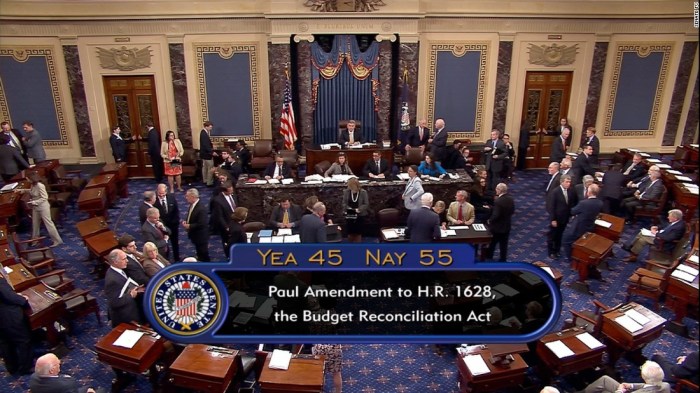
The anticipated veto of the Senate’s vote to loosen stem cell research restrictions raises significant concerns about the future of this vital field. This action could potentially halt promising avenues of research, impacting the development of cures and treatments for debilitating diseases. Understanding the reasons behind the veto, the potential legal and political consequences, and alternative approaches is crucial to navigating this complex issue.
Reasons for the Anticipated Veto
The likely reasons for the veto are multifaceted. Concerns about ethical implications, particularly regarding the source of the stem cells, are likely central. The President may also believe that the current regulatory framework, though outdated, adequately protects the interests of potential donors and the broader public. There might also be political considerations influencing the decision, such as appealing to a particular segment of the electorate.
Potential Legal Challenges Related to the Veto
The veto could face legal challenges, particularly if the arguments for the veto are deemed to violate existing laws or constitutional principles. Opponents of the veto might argue that the restrictions unduly hinder scientific progress and infringe on the rights of researchers. Past court decisions regarding scientific research could be cited as precedents. The legal ramifications are likely to be extensive and could potentially lead to lengthy legal battles.
Potential Political Ramifications of the Veto
The political ramifications of the veto could be substantial. It could damage the administration’s reputation among scientific communities and potentially alienate key constituencies. The decision could also spark a debate about the role of government in regulating scientific research and the balance between scientific advancement and ethical concerns. The political climate surrounding stem cell research and its implications for future legislation are uncertain and will depend on the specific arguments made in support of the veto.
Alternative Approaches to Stem Cell Research Regulation
Rather than outright rejection, a more nuanced approach to stem cell research regulation is crucial. This approach should acknowledge the ethical concerns while encouraging innovation and progress in this field. Alternatives include revising existing regulations, introducing new regulations with clearer definitions and guidelines, and establishing transparent oversight mechanisms. Further, collaborations between researchers, policymakers, and ethicists are essential for developing robust and ethical frameworks for stem cell research.
The Senate’s vote to loosen stem cell restrictions is likely to face a veto, a pretty big deal for research. Meanwhile, Paris Hilton is apparently kicking off YouTube’s new ad strategy, which is definitely a change from her usual public persona, as seen in this article. It’s interesting to see how these seemingly disparate events might influence public perception of scientific advancement and celebrity marketing alike.
The stem cell vote’s fate remains uncertain, though.
Table Contrasting Different Approaches to Stem Cell Research Regulations
| Approach | Description | Potential Advantages | Potential Disadvantages |
|---|---|---|---|
| Maintain Current Restrictions | Continue with the existing regulatory framework. | Preserves established norms and procedures. | May hinder scientific progress by restricting cutting-edge research. |
| Amend Current Restrictions | Update the existing regulations to address ethical concerns and encourage innovation. | Allows for adaptation to new scientific knowledge while preserving established procedures. | Requires consensus and compromise among stakeholders, which may be difficult to achieve. |
| Establish New Guidelines | Develop new guidelines specific to stem cell research. | Allows for a more targeted approach, addressing concerns and facilitating innovation. | May create new challenges and complexities, such as the need for dedicated regulatory bodies and mechanisms. |
| Implement Independent Oversight | Create a dedicated oversight committee to monitor stem cell research. | Ensures ethical considerations are addressed and transparency is maintained. | May lead to delays and additional administrative burdens. |
Public Perception and Debate
Public opinion on stem cell research is complex and often polarized. While many support the potential medical benefits, ethical concerns and differing views on the source of the cells create significant friction in the debate. The proposed legislation to loosen restrictions on stem cell research is sure to further amplify these existing tensions. Understanding the various viewpoints and the arguments behind them is crucial for a balanced perspective.
Public Opinion Summary
Public opinion on stem cell research is a mixture of support for potential medical breakthroughs and apprehension regarding ethical dilemmas. Surveys and polls often show a significant portion of the public supportive of research, especially when focused on curing diseases or improving human health. However, there is also a segment of the population concerned about the ethical implications of using embryonic stem cells, particularly the destruction of embryos.
This divergence in opinion creates a challenge for lawmakers navigating the legislation.
Different Viewpoints and Arguments
The debate surrounding stem cell research legislation is multifaceted. Proponents argue that loosening restrictions will accelerate medical breakthroughs and potentially cure currently incurable diseases. They highlight the potential to treat conditions like Alzheimer’s, Parkinson’s, and spinal cord injuries. Conversely, opponents emphasize the moral and ethical considerations of embryonic stem cell research, citing the destruction of embryos as a significant concern.
They also raise questions about the potential for misuse of the technology and its long-term consequences.
Role of Advocacy Groups
Advocacy groups play a pivotal role in shaping public opinion and influencing policy decisions. Organizations dedicated to either supporting or opposing stem cell research mobilize their members, conduct public awareness campaigns, and engage with policymakers. Their influence on public discourse is undeniable, often shaping the narrative and influencing voting patterns. For instance, religious groups may strongly oppose the use of embryonic stem cells, while groups focused on medical advancement often advocate for expanded research.
Ethical Considerations
The ethical considerations raised by the proposed legislation are profound. A primary concern centers on the moral status of the embryo and the potential for the exploitation of vulnerable populations. The definition of life and the appropriate use of scientific advancements are central to the ethical debates. The possibility of creating human beings for research purposes and the potential for unintended consequences are additional areas of concern.
Furthermore, there are issues around informed consent, especially concerning the use of human tissue in research, and the potential for the creation of ‘designer babies’. These ethical quandaries underscore the complexity of the issue.
Summary Table of Viewpoints
| Viewpoint | Supporting Arguments |
|---|---|
| Pro-Research |
|
| Anti-Research (or Cautious) |
|
Alternative Solutions and Future Directions
Stem cell research holds immense promise for treating a wide array of diseases, but navigating ethical concerns and regulatory hurdles is crucial. Alternative approaches can help bridge the gap between the potential of stem cell research and its practical application, fostering a path forward that respects ethical considerations while accelerating advancements. Exploring these alternatives is essential to maximizing the benefits of this revolutionary field.The current regulatory framework surrounding stem cell research often faces criticism for being overly restrictive, potentially hindering progress.
This can be addressed through a combination of strategies that focus on refining existing protocols, fostering international collaboration, and encouraging innovative research techniques.
Alternative Approaches to Addressing Concerns
Addressing concerns about stem cell research requires a multifaceted approach. One crucial element involves exploring alternative sources of stem cells, such as induced pluripotent stem cells (iPSCs). iPSCs are derived from adult cells and can be reprogrammed to a pluripotent state, eliminating the ethical concerns associated with embryonic stem cells. This technique allows for the creation of patient-specific stem cells, offering personalized treatments tailored to individual needs.
Another alternative is to focus on research utilizing adult stem cells, which are readily available and pose fewer ethical questions. Furthermore, developing improved and more precise methods for regulating stem cell differentiation and avoiding tumor formation is crucial.
The Senate’s vote to loosen stem cell restrictions is likely to face a veto, a bit of a bummer. Meanwhile, it’s pretty cool that a new Motorola smartphone will reportedly offer a one-click Google search feature, motorola smartphone to offer one click google search. That’s a pretty nifty advancement, but hopefully, the veto on the stem cell bill will be overridden by the President, given the potential benefits for medical research.
Potential Solutions to Address Regulatory Limitations
Current regulations often present challenges for researchers, hindering the development of innovative therapies. Addressing these limitations requires a transparent and flexible approach to regulations. For example, streamlining the approval process for clinical trials involving stem cell therapies could expedite the translation of research into tangible benefits for patients. Collaboration between regulatory bodies and research institutions can lead to more effective and streamlined processes, fostering a more supportive environment for stem cell research.
International collaborations could lead to the development of uniform standards and best practices across countries, facilitating the global sharing of knowledge and resources.
Future of Stem Cell Research and Potential Revolution in Medicine
The future of stem cell research is brimming with potential. Imagine a future where personalized medicine is a reality, where damaged tissues and organs can be repaired or replaced using patient-specific stem cells. The potential to treat previously incurable diseases, such as Parkinson’s disease, Alzheimer’s disease, and spinal cord injuries, is significant. This transformative potential underscores the importance of continued investment in research and development, and a balanced approach to regulation that fosters progress without compromising ethical considerations.
Impact of Proposed Legislation on Future Research
The proposed legislation could either significantly advance or hinder future research, depending on its specific provisions. If the legislation promotes the use of alternative stem cell sources, like iPSCs, it would potentially accelerate the development of therapies. Conversely, overly restrictive regulations could limit the scope of research and delay the development of much-needed treatments. The success of the legislation hinges on its ability to strike a balance between promoting research and addressing ethical concerns.
Organizations Involved in Stem Cell Research
- National Institutes of Health (NIH): A major federal agency funding extensive stem cell research in the United States, supporting both basic and clinical research.
- Stem Cell Research Foundation: A non-profit organization dedicated to promoting and funding stem cell research worldwide, providing vital support to researchers and institutions.
- International Society for Stem Cell Research (ISSCR): A professional society promoting the responsible and ethical use of stem cell research, setting standards and promoting knowledge sharing across the global scientific community.
- Regenerative Medicine Foundation: An organization focused on fostering collaboration between researchers and clinicians to translate stem cell research into practical therapies for patients.
- University Research Centers: Numerous universities and research institutions worldwide conduct extensive stem cell research, often with specialized labs and programs dedicated to the field.
Illustrative Examples: Senate Votes To Loosen Stem Cell Restrictions Veto Likely
Loosening restrictions on stem cell research holds the potential to revolutionize medicine, offering new avenues for treating diseases and advancing our understanding of biology. However, the path forward is not without challenges, and careful consideration of the implications is crucial. This section provides concrete examples of how loosening restrictions could accelerate research progress, address existing obstacles, and illustrate the potential impact of a veto.Existing regulations often act as roadblocks, hindering the development of potentially life-saving therapies.
These examples illustrate how proposed legislation, if enacted, could bypass these obstacles and foster innovation.
Examples of Accelerated Research Progress
Easing restrictions on stem cell research can unlock previously untapped avenues for scientific discovery. For instance, allowing the use of induced pluripotent stem cells (iPSCs) in a broader range of research projects could accelerate the development of personalized medicine approaches. Researchers could create patient-specific iPSCs to model diseases, test drug efficacy, and develop tailored therapies. This could lead to a more efficient and targeted approach to drug development and treatment.
Examples of Addressing Existing Obstacles
The proposed legislation aims to address current impediments to stem cell research. One such obstacle is the limited availability of specific cell types required for certain research. Relaxing restrictions on the sources of stem cells could provide researchers with greater access to a wider range of cells, thereby facilitating studies on a wider array of diseases and conditions.
Table: Comparison of Proposed Legislation and Existing Policies
| Feature | Existing Policies | Proposed Legislation |
|---|---|---|
| Sources of Stem Cells | Limited to specific sources (e.g., embryos, umbilical cord blood) | Broadened to include additional sources (e.g., iPSCs, adult stem cells) |
| Research Applications | Restricted to specific areas (e.g., basic research, limited clinical trials) | Expanded to include a wider range of applications (e.g., drug development, regenerative medicine) |
| Regulatory Oversight | Stringent regulations and bureaucratic hurdles | Streamlined processes and incentives for research |
| Ethical Considerations | Emphasis on ethical guidelines and oversight | Increased transparency and public engagement in research decisions |
Case Studies Illustrating Potential Impacts of a Veto
A veto on the proposed legislation could significantly impede progress in certain areas. For instance, a veto could hinder the development of a potential treatment for a rare genetic disorder where stem cell therapy shows promising results. Without the legislation, researchers may be forced to utilize existing, less effective treatments, potentially delaying the discovery of a more targeted and effective therapy.
Detailed Example of a Potential Stem Cell Therapy
One potential stem cell therapy focuses on treating spinal cord injuries. Using induced pluripotent stem cells (iPSCs), researchers could potentially differentiate these cells into neural cells. These new cells could then be transplanted into the damaged spinal cord, promoting nerve regeneration and restoring lost function. This therapy could potentially provide a life-changing solution for individuals suffering from paralysis due to spinal cord injuries.
The process is complex and faces numerous obstacles, but the potential benefits are immense.
Last Word
In conclusion, the Senate’s vote to loosen stem cell restrictions presents a critical moment for scientific advancement and ethical discourse. The potential veto highlights the ongoing tensions between innovation and ethical concerns. The future of stem cell research hinges on finding a balance between these competing forces. This discussion underscores the importance of open dialogue and careful consideration of all perspectives as we navigate this complex terrain.