Silicon and Optics Hybridizing for Top Performance
Silicon and optics hybridizing for top performance explores the exciting convergence of silicon photonics and optical components. This innovative approach promises to revolutionize various fields by combining the strengths of both technologies. We’ll delve into the fundamental principles, material properties, fabrication techniques, and design considerations behind this hybridization. The ultimate goal is to understand how these techniques can lead to high-performance devices.
The integration of silicon’s excellent electronic properties with the capabilities of optical components creates exciting possibilities for high-speed data transmission, advanced sensing, and other applications. This approach offers a pathway to compact, energy-efficient, and high-bandwidth systems. We’ll examine the various types of devices, their potential applications, and the associated challenges. The discussion will also cover optimization strategies and future directions in this burgeoning field.
Introduction to Silicon and Optics Hybridization

Silicon photonics, a rapidly advancing field, leverages silicon’s excellent electronic properties to create integrated optical circuits. These circuits combine the functionalities of traditional optics with the scalability and low cost of silicon microelectronics. Optical components, including waveguides, modulators, and detectors, are integrated onto a silicon chip, enabling compact and efficient optical signal processing. This hybridization offers significant advantages over traditional optical systems, particularly in areas like high-speed data transmission and sensing.Hybridizing silicon and optics is fundamentally about leveraging the strengths of both materials.
Silicon’s excellent electrical properties allow for the integration of electronic components directly with optical devices, enabling highly compact and efficient systems. Optical components, such as waveguides and lasers, benefit from the precise fabrication capabilities of silicon microelectronics, leading to highly controlled and repeatable structures. This integration allows for the creation of highly integrated photonic circuits, which can significantly enhance the performance of optical communication systems and other applications.
Silicon Photonic Devices and Optical Counterparts
Combining silicon’s electronic capabilities with optical components allows for a new generation of integrated photonic devices. The table below highlights the correspondence between common silicon photonic devices and their optical counterparts. The integration of these elements leads to miniaturized, efficient, and versatile systems.
| Device Type | Silicon Feature | Optical Feature | Applications |
|---|---|---|---|
| Silicon Waveguide | A channel etched into a silicon chip, guiding light. | Optical fiber or free-space waveguide. | Optical interconnects, signal routing in optical communication systems. |
| Silicon Modulator | A device that alters the light signal based on an electrical input. | Electro-optic modulator in fibers or other optical components. | Optical communication, optical signal processing. |
| Silicon Photodetector | A device that converts light into an electrical signal. | Photodiodes in optical systems. | Optical sensing, optical communication, and optical signal detection. |
| Silicon Laser | A semiconductor laser integrated onto a silicon chip. | External cavity lasers or fiber lasers. | Optical communication, sensing, and optical signal generation. |
Motivation and Benefits of Hybridization
The motivation behind combining silicon and optics lies in achieving significant improvements in various technological domains. Miniaturization, integration, and cost reduction are key drivers. The benefits include:
- Enhanced performance: Integrated silicon photonic devices offer the potential for higher bandwidth, lower power consumption, and increased data transmission rates compared to traditional optical systems. This is crucial in applications such as high-speed data centers and long-haul communication networks.
- Improved integration: The hybridization of silicon and optics enables the integration of electronic and optical components onto a single chip, leading to compact and efficient systems. This integration minimizes the complexity and size of the overall system, enhancing portability and reducing costs.
- Reduced cost: Mass production techniques used in silicon microelectronics can be applied to silicon photonics, leading to a potentially lower cost per device. This is a significant factor for wider adoption in various sectors.
- Enhanced functionalities: The ability to integrate various optical and electronic components onto a single platform creates opportunities for developing new functionalities and applications. For instance, optical signal processing and sensing can be combined with electronic processing, leading to more advanced and sophisticated systems.
Materials and Fabrication Techniques
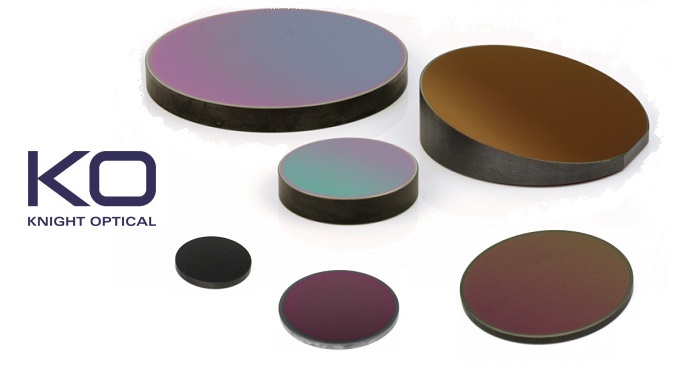
Silicon photonics, a rapidly evolving field, hinges on the precise integration of silicon with various optical materials. This intricate hybridization process demands a deep understanding of material properties and fabrication methods to achieve optimal performance. The choice of materials and techniques directly impacts the efficiency, speed, and overall functionality of the resulting photonic devices.The integration of silicon and optical components requires a careful consideration of material properties like refractive index, bandgap, and thermal conductivity.
Different fabrication techniques offer varying levels of control over the structure and size of the components, leading to unique performance characteristics. This section delves into the material properties of silicon and optical materials, explores diverse fabrication techniques, and compares their respective advantages and disadvantages.
Material Properties of Silicon and Optical Materials
Silicon, with its excellent electronic properties, is increasingly utilized in photonic applications. Crucial material characteristics include a relatively high refractive index, a direct bandgap, and high thermal conductivity. These attributes enable efficient light confinement and dissipation of heat generated during operation. Optical materials, such as silicon nitride, lithium niobate, and polymers, exhibit distinct characteristics that complement silicon’s strengths.
Their refractive indices, bandgaps, and thermal properties are carefully chosen to optimize light propagation and device performance.
Fabrication Techniques for Silicon Photonic Structures
Several fabrication techniques are available for creating silicon photonic structures. These include electron beam lithography, focused ion beam milling, and deep ultraviolet (DUV) lithography. Each technique offers specific advantages and disadvantages in terms of resolution, throughput, and cost.
- Electron Beam Lithography (EBL): EBL offers high resolution, enabling the creation of intricate silicon photonic devices. However, it is a relatively slow and expensive process, limiting its use for large-scale production.
- Focused Ion Beam Milling (FIB): FIB is exceptionally useful for precise sculpting and modification of existing silicon structures. Its ability to create nanoscale features is invaluable for advanced photonic device design, although it’s a time-consuming technique.
- Deep Ultraviolet (DUV) Lithography: DUV lithography is a widely used and cost-effective method for fabricating silicon photonic devices. It’s a mature technology, capable of producing complex structures, but it is limited in resolution compared to EBL.
Integrating Optical Components with Silicon
Various methods exist for integrating optical components, such as waveguides and resonators, with silicon. These methods involve deposition, etching, and bonding techniques, each with its unique characteristics. Careful consideration of the specific optical component and the overall device design is crucial.
- Thin Film Deposition: This technique involves depositing thin films of optical materials onto silicon substrates. This method is versatile and enables the creation of various waveguide structures. However, control over the film thickness and uniformity can be challenging.
- Silicon-on-Insulator (SOI) Fabrication: SOI wafers, with their buried oxide layer, offer excellent compatibility for integrated optics. This fabrication method facilitates the integration of optical waveguides with silicon circuits, often used in high-performance optical interconnects.
- Direct Bonding: This method directly bonds optical components to silicon chips, facilitating precise alignment and reducing fabrication steps. However, bonding materials and processes must be carefully chosen to prevent damage or degradation to the optical components.
Comparison of Fabrication Techniques
The choice of fabrication technique depends on the specific requirements of the photonic device. Each method possesses unique advantages and disadvantages. For instance, EBL offers the highest resolution but at a significant cost. DUV lithography provides a balance between resolution and cost-effectiveness, making it suitable for mass production. FIB excels in precise modification of existing structures.
Key Material Properties
Understanding the material properties of silicon and optical materials is crucial for designing high-performance photonic devices. The table below summarizes the key characteristics of silicon and commonly used optical materials.
| Material | Refractive Index | Bandgap (eV) | Thermal Conductivity (W/mK) |
|---|---|---|---|
| Silicon (Si) | 3.5 | 1.12 | 150 |
| Silicon Nitride (Si3N4) | 2.0 | 5.5 | 15 |
| Lithium Niobate (LiNbO3) | 2.2 | 3.6 | 6 |
| Polymer (e.g., PMMA) | 1.5 | ~3.5 (depending on specific polymer) | 0.2 |
Design and Modeling of Hybrid Structures
Designing hybrid silicon-photonics structures requires careful consideration of both the electrical and optical properties of the materials. The goal is to create devices that efficiently transfer light between silicon and other optical components, while maintaining high performance and low losses. This involves intricate design choices, theoretical modeling, and simulations to optimize the structures for the intended application.Hybrid structures leverage the strengths of both silicon and optics.
Silicon offers excellent electronic functionalities, while optical components provide efficient light manipulation. The challenge lies in seamlessly integrating these disparate technologies to create a unified system that maximizes the performance of each component.
Silicon and optics hybridization is really pushing the boundaries of high-performance computing. It’s a fascinating area, and I’ve been reading a lot about how this technology could revolutionize everything from networking to data centers. Speaking of cutting-edge technology, Ken Xie of Fortinet recently discussed content threats, which is incredibly relevant to how data is handled with these new hybrid systems, in a fascinating interview here.
Ultimately, the key is understanding how to secure these systems and how the hybridized silicon and optics architecture can maintain optimal performance.
Design Considerations for Hybridization
Several critical factors must be considered during the design process. These include the material properties, geometry, and the desired functionalities of the hybrid structure. Proper alignment of optical modes with silicon waveguides is paramount for efficient light transfer. The refractive index mismatch between silicon and the surrounding optical materials influences the propagation characteristics of light within the hybrid structure.
Theoretical Models for Performance Simulation
Various theoretical models are used to predict and simulate the performance of these structures. Finite Element Method (FEM) and the Finite Difference Time Domain (FDTD) method are commonly employed. FEM is particularly useful for analyzing the stress and strain distribution in the structure, which is critical for achieving mechanical stability. FDTD, on the other hand, is often used to simulate the propagation of light through the structure, considering the interplay of different materials and geometries.
Examples of Hybrid Device Designs
Numerous hybrid device designs have been developed. One example is the integration of silicon waveguides with photonic crystal cavities. This combination allows for enhanced light confinement and interaction within the cavity, which is beneficial for applications like lasers and sensors. Another design integrates silicon photonic devices with fiber optic components. This approach facilitates the coupling of light between the chip-based devices and external optical fibers, enabling compatibility with existing optical communication systems.
Simulation Tools for Optical Performance
Several simulation tools are available for analyzing the optical performance of hybrid structures. Lumerical FDTD Solutions and COMSOL Multiphysics are prominent examples. These tools allow for detailed modeling of light propagation, absorption, and scattering within the hybrid structure, providing valuable insights into the device performance.
Comparison of Design Parameters
| Parameter | Silicon Component | Optical Component |
|---|---|---|
| Refractive Index | ~3.5 | Dependent on material (e.g., glass: ~1.5) |
| Loss (dB/cm) | Low (typically < 0.1) | Dependent on material and fabrication (can be low, but higher losses can exist) |
| Wavelength Range | Broadband for silicon photonics, specific for silicon-based lasers | Specific wavelength range, typically determined by the material’s characteristics |
| Fabrication Complexity | High precision lithography | Dependent on the specific optical component; may include advanced fabrication techniques like etching |
| Electrical Functionality | Excellent | Limited electrical functionality |
Performance Analysis and Optimization: Silicon And Optics Hybridizing For Top Performance
Silicon-photonics, leveraging the unique properties of silicon, is rapidly advancing. Hybrid structures, combining silicon with optical components, hold significant potential for improved performance in various applications. This section dives into the crucial aspect of evaluating and optimizing the performance of these hybrid devices, covering key metrics, optimization strategies, and the impact of various factors.
Performance Metrics for Hybrid Silicon-Optic Devices
Performance metrics are essential for quantifying the effectiveness of hybrid silicon-optic devices. Different metrics are relevant depending on the specific application. Key metrics include transmission efficiency, signal-to-noise ratio (SNR), bandwidth, and power consumption. For example, in optical communication systems, high transmission efficiency is critical for minimizing signal loss, while high bandwidth is needed for faster data rates.
Optimization Strategies for Hybrid Structures
Optimizing hybrid structures involves meticulously tailoring the design parameters to maximize performance. This encompasses several key strategies. One crucial strategy is careful material selection, ensuring compatibility and minimizing unwanted interactions between the silicon and optical components. Precise control over the fabrication process is also vital, ensuring accurate alignment and minimal defects in the hybrid structure. This is often achieved through advanced lithography techniques and precise deposition methods.
Factors Impacting Performance
Numerous factors influence the performance of hybrid silicon-optic devices. Material properties, such as refractive index and absorption coefficient, play a critical role. The quality of the interfaces between the silicon and optical components significantly impacts performance. Structural imperfections, such as variations in thickness or doping concentration, can introduce scattering losses and reduce performance. Furthermore, the interaction between the light and the waveguide structure, including waveguide geometry and material dispersion, can greatly influence the transmission characteristics.
Comparison of Different Hybrid Designs
Various hybrid designs have been proposed, each with its own set of advantages and disadvantages. For example, designs incorporating silicon nitride waveguides often exhibit higher transmission efficiency compared to designs using silicon oxynitride. The choice of design depends on the specific application requirements. Consideration of factors like material dispersion, fabrication complexity, and expected performance is critical in selecting the optimal design.
Methods for Evaluating Hybrid Structure Performance, Silicon and optics hybridizing for top performance
Several methods exist for evaluating the performance of hybrid structures. Numerical simulations, using advanced software packages like COMSOL Multiphysics, can be used to model the propagation of light within the structure and predict the performance characteristics. Experimental measurements using optical characterization tools, such as optical spectrum analyzers and power meters, provide crucial data about the actual performance of the fabricated devices.
Comparing simulation results with experimental data helps validate the simulation models and identify potential discrepancies in the design. Furthermore, detailed analysis of scattering and absorption losses can be performed, providing insights into the performance limitations of the structure. A crucial aspect of evaluating hybrid structure performance is the use of standardized testing protocols, ensuring consistent and comparable results across different research groups and institutions.
These protocols help maintain consistency and facilitate the reproducibility of experiments.
Silicon and optics hybridizing for top performance is a fascinating area of tech, promising incredible speeds and efficiency. However, the very advancements that allow this innovation also bring about ethical concerns, like those surrounding moral dilemma hackers for hire. Ultimately, the power of silicon and optics hybridization needs to be carefully considered and responsibly applied for the betterment of society, not just for top performance alone.
Example of Performance Optimization
Imagine a hybrid silicon-optic modulator designed for high-speed data transmission. A crucial performance metric is the modulation bandwidth. To optimize this, the waveguide geometry is carefully engineered to minimize propagation losses and maximize the light-matter interaction. Numerical simulations are used to model the light propagation, and the design is iteratively refined based on the simulation results. Finally, experimental characterization confirms that the optimized design achieves the desired modulation bandwidth.
Applications and Future Directions
Hybrid silicon-optic devices are poised to revolutionize various sectors by seamlessly integrating the strengths of silicon electronics and optical communication. Their compact size, high speed, and low power consumption offer significant advantages over traditional technologies, opening doors to innovative applications. This section explores the diverse potential applications of these devices, examining their impact across different fields and highlighting future trends.
Potential Applications
The versatility of hybrid silicon-optic devices stems from their ability to perform both electronic and optical signal processing within a single chip. This unique feature allows for the creation of highly integrated and efficient systems. The applications extend to a wide range of fields, each benefitting from the speed and bandwidth capabilities of light.
- High-Performance Computing: Hybrid silicon-optic devices are ideal for accelerating data processing in high-performance computing (HPC) systems. Their ability to transfer data optically at high speeds can significantly reduce latency and improve overall system performance. For instance, researchers are exploring their use in connecting multiple processors within a supercomputer, potentially leading to breakthroughs in artificial intelligence and scientific simulations.
- Optical Communication Networks: The increasing demand for faster and more reliable communication networks necessitates innovative solutions. Hybrid silicon-optic devices can be integrated into optical communication networks to enable higher bandwidth and lower latency. This technology promises to improve the performance of data centers, cloud computing infrastructures, and long-haul communication links.
- Optical Sensing and Measurement: Silicon-based photonic integrated circuits (PICs) are excellent platforms for creating miniature optical sensors. Their integration with optical components in hybrid structures can enable the development of highly sensitive sensors for various applications, such as biomedical imaging, environmental monitoring, and industrial process control. For example, these sensors could measure minute changes in chemical concentrations or temperature gradients with exceptional accuracy.
- Optical Interconnects: Hybrid silicon-optic devices excel in creating high-speed interconnects for electronic circuits. They offer a pathway to reduce the electronic component count and interconnect density, leading to a significant reduction in power consumption and improved performance in advanced integrated circuits. This approach is particularly attractive for connecting multiple chips in complex systems, such as those found in high-end smartphones or advanced server architectures.
Existing Applications and Impact
Several proof-of-concept applications and demonstrations highlight the practical benefits of hybrid silicon-optic devices. These early implementations already demonstrate the potential for substantial impact across diverse sectors.
Silicon and optics hybridization is a hot topic for boosting performance in tech. It’s all about combining the strengths of both for faster, more efficient systems. Think of it like a supercharged communication network. This approach is really interesting because it’s a key ingredient in enabling applications like Skype Broadreach combining VoIP and Wi-Fi for free calls , which are changing how we communicate.
Ultimately, the goal is always to create more powerful and versatile technology. This hybridization is critical for future-proof solutions, like the ones we see driving innovation in communication systems.
- Optical data transmission in data centers: Early implementations have shown that hybrid silicon-optic devices can transmit data optically within data centers. This approach has the potential to drastically reduce the energy consumption of data centers by eliminating the need for extensive copper wiring and the associated power losses.
- High-speed optical communication links: These devices have been used to build high-speed optical communication links that significantly outperform traditional copper-based connections. This improved performance translates to faster data transfer rates and reduced latency, vital for applications like real-time video conferencing and online gaming.
Future Directions and Trends
The future of hybrid silicon-optic devices is promising, with ongoing research and development driving innovation in various areas.
- Improved fabrication techniques: Further advancements in fabrication techniques will lead to more complex and efficient hybrid structures. This will enable the creation of devices with enhanced performance and reduced costs.
- Integration with other technologies: Future research will likely focus on integrating hybrid silicon-optic devices with other technologies, such as advanced materials and novel architectures, to further expand their functionalities and capabilities.
- Increased device complexity: The increasing complexity of integrated circuits demands more sophisticated and complex hybrid silicon-optic devices. Researchers are focusing on creating devices that can perform multiple optical functions within a single chip.
Table of Applications
| Application Area | Device Type | Key Performance Metrics | Impact |
|---|---|---|---|
| High-Performance Computing | Optical Interconnects | Reduced Latency, Increased Bandwidth | Faster data processing, improved efficiency in simulations and AI |
| Optical Communication Networks | Optical Transceivers | High Data Rates, Low Latency | Enhanced network capacity, improved communication speeds |
| Optical Sensing and Measurement | Optical Sensors | High Sensitivity, Compact Size | Advanced diagnostics, precise monitoring in various fields |
| Optical Interconnects | Silicon Photonic Waveguides | Low Power Consumption, High Speed | Reduced energy footprint, improved performance in integrated circuits |
Challenges and Limitations
Hybrid silicon-optic systems, while promising, face several hurdles in achieving optimal performance. The intricate interplay of silicon’s electronic properties and optics’ waveguiding characteristics presents a complex design space. Balancing performance, fabrication feasibility, and cost-effectiveness remains a key challenge in the quest for widespread adoption. Addressing these limitations is crucial for realizing the full potential of these systems in various applications.
Fabrication Challenges
Current fabrication techniques for hybrid silicon-optic devices often limit the precise control over the integration of different materials. Variations in doping profiles, precise control over material thickness and uniformity, and the introduction of defects during the integration process can significantly impact device performance. This variability requires sophisticated and meticulous fabrication processes, often demanding significant investment in specialized equipment and expertise.
- Material Compatibility and Interfacial Issues: Different materials used in hybrid structures, such as silicon and various optical materials (e.g., polymers, chalcogenides), may not exhibit perfect compatibility at the interface. This incompatibility can lead to stress, strain, and the formation of defects, affecting the performance of the hybrid structures. Solutions involve optimizing material selection, surface treatment, and interface engineering to reduce interfacial imperfections.
- Precision in Pattern Transfer: Accurately transferring complex optical patterns onto the silicon substrate remains a critical challenge. The high aspect ratios and intricate geometries of many optical components can be difficult to fabricate with sufficient precision, which may result in scattering and loss in the optical signals. Solutions include advancements in lithography techniques, such as extreme ultraviolet (EUV) lithography, and the development of novel transfer methods.
- Control of Doping Profiles: The precise control of dopant concentration in silicon is essential for creating high-quality waveguides and active devices. Variations in doping profiles can significantly impact the refractive index, leading to performance inconsistencies. Solutions involve optimization of doping techniques and advanced characterization methods to monitor and control the doping profile uniformity.
Material Limitations
The properties of both silicon and optical materials can also present limitations. Silicon, while a mature electronic material, has a relatively high refractive index contrast with many optical materials, potentially impacting waveguide efficiency and losses. Different optical materials have varying transparency ranges, which can limit the operating wavelengths of hybrid devices.
- Refractive Index Matching: Achieving precise refractive index matching between the silicon waveguide and the optical component is crucial for minimizing reflection losses and maximizing light coupling efficiency. This requires careful selection of materials and precise control over their deposition or integration processes. The search for materials with similar refractive indices to silicon across a wide range of wavelengths is an active area of research.
- Optical Loss Mechanisms: Optical losses within the hybrid structures can stem from various sources, including scattering, absorption, and waveguide imperfections. Identifying and minimizing these losses is critical for achieving high-performance hybrid devices. Further research is focused on improving material quality and minimizing the introduction of defects during the fabrication process.
Performance Factors
Several factors affect the overall efficiency of hybrid silicon-optic structures. The quality of the light coupling between the silicon waveguide and the optical component is paramount. The material properties of the waveguide, the waveguide geometry, and the interaction with the optical component all play crucial roles.
- Light Coupling Efficiency: The efficiency of light coupling between the silicon waveguide and the integrated optical component is critical. Techniques to enhance this coupling, such as utilizing grating couplers or tapered waveguides, are being developed. Optimizing the geometry of the hybrid structure is also crucial to improve light coupling.
- Thermal Management: The high power densities in some applications can lead to significant thermal effects. Effective thermal management strategies are needed to prevent device degradation and maintain stable performance. The use of advanced materials with high thermal conductivity or the implementation of cooling systems are potential solutions.
Final Wrap-Up
In conclusion, silicon and optics hybridizing for top performance presents a promising avenue for innovation in various fields. The combination of silicon’s mature fabrication processes with the versatility of optical components unlocks a new era of high-performance devices. While challenges remain, the potential benefits are substantial. Further research and development in this area will likely lead to transformative advancements in areas like communication, sensing, and computing.